From Bench to Browser: Why Bioinformatics is Revolutionizing Biochemistry Education
How computational methods are transforming traditional biochemistry training for the data-driven future
The Digital Transformation of Biochemistry
In today's research laboratories, the most essential tool alongside the microscope and pipette has become the computer.
Modern biochemistry has evolved beyond test tubes and centrifuges into a data-intensive science where a single experiment can generate terabytes of genetic information. The rapid acceleration of technologies like genome sequencing and mass spectrometry has created a paradigm shift in how biochemical research is conducted.
Despite this transformation, undergraduate biochemistry education has often remained anchored in traditional approaches, creating a growing gap between classroom learning and real-world practice. The integration of bioinformatics—the application of computational tools to biological data—into biochemistry curricula represents an essential evolution in preparing students for the interdisciplinary nature of contemporary research.
Data-Driven Science
Single experiments now generate terabytes of genetic and proteomic data
The Educational Imperative
Why biochemistry can't ignore bioinformatics in modern education
Student Confidence Growth
Data from educational assessment showing confidence growth with multiple course exposures 1
Learning Outcomes Improvement
Significant improvement in bioinformatics exam scores after curriculum integration 1
Assessment Outcomes from Bioinformatics Integration
| Assessment Method | Key Findings | Implications for Biochemistry Education |
|---|---|---|
| Student Self-Assessment | Confidence in solving bioinformatics problems increases with multiple course exposures | Distributed approach across curriculum builds competence gradually |
| Content Exams | Significant improvement after 2-3 course exposures; largest gains in bioinformatics specifically | Repeated application reinforces learning better than single course |
| Faculty Surveys | Students better prepared for upper-division courses; increased faculty collaboration | Benefits extend beyond student learning to teaching methods |
A Glimpse Into Modern Science: The 2-ER Enzyme Experiment
Bridging computation and biochemistry in cutting-edge research
Research Methodology
Sequence Similarity Network Construction
Researchers built a network of 115,314 OYE family sequences to identify evolutionary relationships 9
High-Resolution Cluster Analysis
Extracted 2-ER sequences to create detailed network identifying 27 significant clusters 9
Motif Identification
Used sequence alignment tools to examine variations in key catalytic residues 9
Biochemical Characterization
Conducted enzyme assays discovering novel N-methyl-proline demethylation activity 9
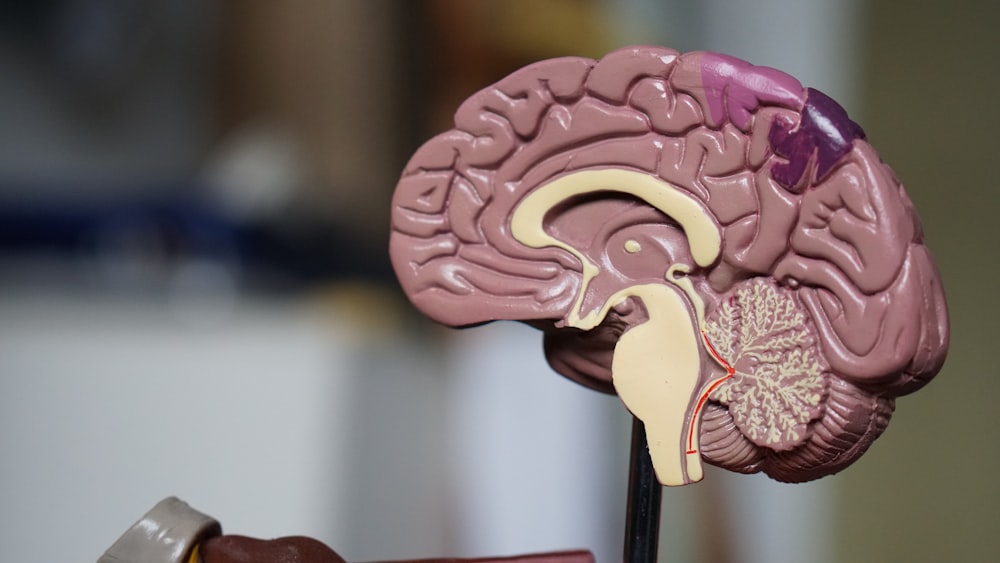
Integrated Approach
This methodology exemplifies the modern biochemical approach, beginning with comprehensive bioinformatic analysis before proceeding to traditional laboratory experiments.
Key Findings from the 2-ER Enzyme Study
| Analysis Type | Primary Discovery | Scientific Significance |
|---|---|---|
| Sequence Similarity Networks | 27 distinct clusters within 2-ER subfamily | Reveals previously unappreciated functional diversity |
| Motif Analysis | Non-canonical Fe/S cluster binding motif in Cluster 2 | Challenges existing assumptions about essential residues |
| Biochemical Assays | Novel N-methyl-proline demethylation activity | Suggests new biological function beyond typical reduction |
| Genomic Analysis | Gene neighborhood suggests stress response role | Points to potential involvement in cellular resilience |
The Scientist's Toolkit
Essential bioinformatics resources for modern biochemical research
Programming Languages
Python, R, Perl for data manipulation, statistical analysis, and automation
EssentialSequence Analysis
BLAST, HISAT2, TopHat2 for gene identification and sequence alignment 6
Core ToolsWorkflow Management
Snakemake, Nextflow for reproducible pipeline development
AdvancedBiological Databases
NCBI, UniProt, KEGG for accessing genomic and protein data
FoundationData Visualization
ggplot2, Tableau, Shiny for creating publication-quality figures
CommunicationThe Future Biochemistry Curriculum
Emerging trends and essential skills for biochemists in 2025 and beyond
Essential Skills for Future Biochemists
Preparing for an Interdisciplinary Future
The integration of bioinformatics into biochemistry education represents more than just an update to coursework—it reflects the fundamental transformation of how biochemical research is conducted and how scientific discoveries are made.
This synthesis creates a more authentic learning experience that prepares students for the realities of modern research environments. The distributed approach, where computational thinking is woven throughout the biochemistry curriculum, has demonstrated success in building both student competence and confidence 1 .
As the pace of technological acceleration continues, the most successful biochemists will be those who can leverage computational tools to extract meaningful insights from complex data. Educational programs that embrace this integration are not merely keeping up with trends—they are actively shaping the future of biochemical research by empowering the next generation of scientists with a complete toolkit for discovery.