A Researcher's Guide to Troubleshooting Poor RNA-seq Data Quality: From QC to Advanced Optimization
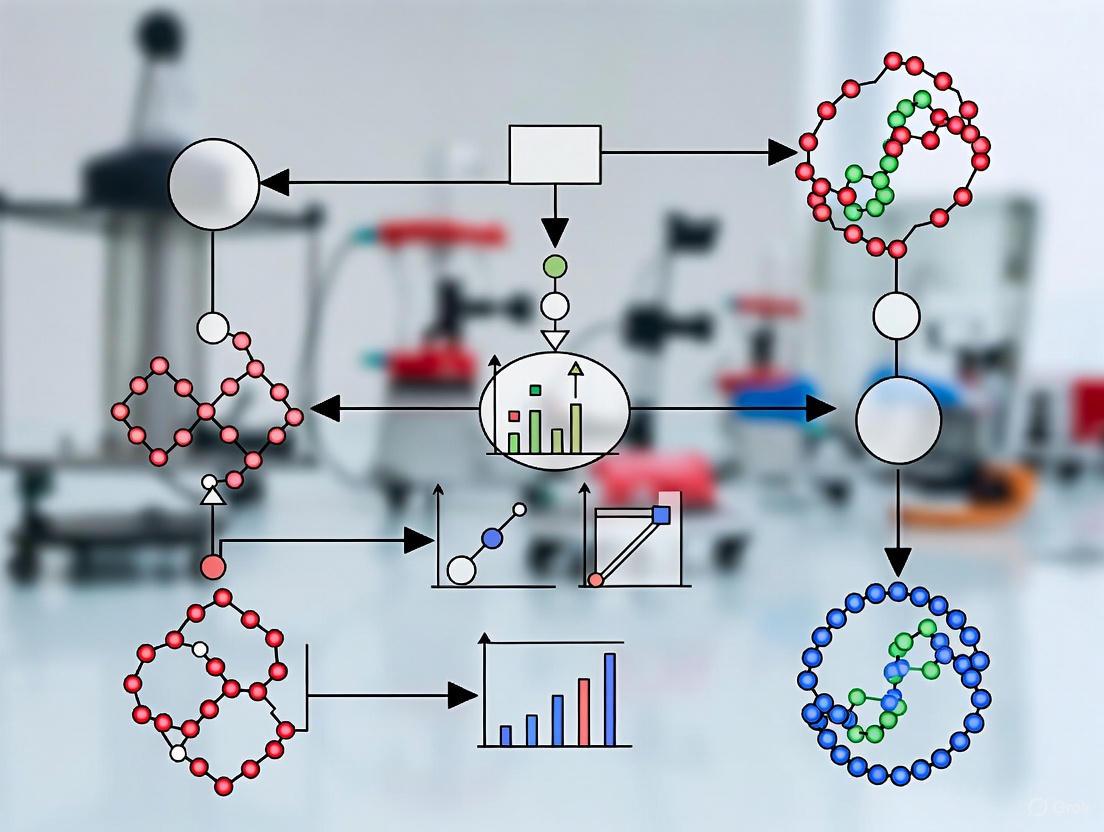
This guide provides a comprehensive framework for researchers and drug development professionals to diagnose, troubleshoot, and resolve common and complex issues in RNA-seq data.
A Researcher's Guide to Troubleshooting Poor RNA-seq Data Quality: From QC to Advanced Optimization
Abstract
This guide provides a comprehensive framework for researchers and drug development professionals to diagnose, troubleshoot, and resolve common and complex issues in RNA-seq data. Covering the entire workflow from foundational principles to advanced validation, it details practical strategies for addressing critical problems like PCR duplicates, library preparation artifacts, and hidden quality imbalances. Readers will learn to implement robust quality control checks, optimize experimental parameters, select appropriate tools, and validate findings across sequencing platforms to ensure the generation of high-quality, biologically-relevant data for confident downstream analysis.
Understanding the Roots of RNA-seq Data Quality Issues
Defining Key RNA-seq Quality Metrics and Their Biological Impact
Frequently Asked Questions (FAQs)
Q1: What are the essential RNA-seq quality metrics I should check before downstream analysis?
A: Several key metrics provide a comprehensive picture of your RNA-seq data quality. The table below summarizes these essential metrics, their ideal ranges, and their biological significance. [1]
Table 1: Essential RNA-Seq Quality Metrics and Their Interpretation
| Metric Category | Specific Metric | Ideal Range/Value | Biological & Technical Significance |
|---|---|---|---|
| Read Counts | Mapping Rate | >70-80% | Low rates can indicate contamination or poor-quality reference alignment. [1] |
| rRNA Reads | <4-10% | High percentages indicate inefficient rRNA depletion, wasting sequencing depth. [1] | |
| Duplicate Reads | As low as possible | High rates can indicate low input material or PCR over-amplification artifacts. [2] | |
| Strand Specificity | ~50%/50% (non-strand) or ~99%/1% (strand-specific) | Validates the performance of strand-specific library protocols. [3] | |
| Gene Coverage | Number of Genes Detected | Study-dependent | Indicates library complexity; lower numbers can suggest degradation or low input. [1] |
| 3'/5' Bias | ~1 (uniform coverage) | Deviation can indicate RNA degradation, as the 5' end degrades first. [3] [4] | |
| Base-Level Quality | Q-score (Q30) | >80% of bases ≥ Q30 | Measures sequencing accuracy; low Q-scores increase false variant calls. [5] |
| Expression Profile Correlation | High correlation with reference | Low correlation with expected expression profiles can indicate technical issues. [3] |
Q2: My data has a high duplication rate. Is this a problem, and what caused it?
A: Yes, a high duplication rate is a significant concern. While some duplicates represent highly expressed genes, a high rate often indicates technical artifacts that reduce library complexity and can bias expression quantification. [1]
The primary cause is the combination of low input RNA and excessive PCR amplification cycles during library preparation. A 2025 study systematically demonstrated that for input amounts below 125 ng, the proportion of PCR duplicates increases dramatically, in some cases leading to the discard of 34-96% of reads after deduplication. This artifact was consistently observed across multiple sequencing platforms (Illumina NovaSeq 6000, NovaSeq X, Element AVITI, and Singular Genomics G4). [2]
Table 2: Impact of Input RNA and PCR Cycles on Duplication Rates
| Input RNA Amount | PCR Cycles | Impact on Duplicate Rate & Data Quality |
|---|---|---|
| High (>250 ng) | Standard | Low duplicate rate; data quality plateaus. |
| Low (<125 ng) | High | Dramatically increased duplicate rate; fewer genes detected; increased noise in expression counts. [2] |
| Low (<125 ng) | Low (Recommended) | Significantly lower duplicate rate; higher quality sequencing data preserved. |
Troubleshooting Protocol:
- Verify Input Quantity: Use a fluorometric method (e.g., Qubit) to accurately quantify RNA before library prep.
- Minimize PCR Cycles: Use the lowest number of PCR cycles recommended for your library prep kit, especially for low-input samples.
- Use UMIs: Employ Unique Molecular Identifiers (UMIs) in your library protocol. UMIs allow for precise bioinformatic identification and removal of PCR duplicates, preserving true biological signals. [2]
Q3: How does RNA degradation impact my gene expression results, and can I use partially degraded samples?
A: RNA degradation has a profound and non-uniform impact on transcript quantification. It is not a simple, uniform loss of signal. Different transcripts degrade at different rates, which can systematically bias your expression measurements. [4]
Principal Component Analysis (PCA) often shows that the largest source of variation (e.g., 28.9% in one study) is driven by the RNA Integrity Number (RIN) rather than biological differences. This means samples may cluster by quality rather than by experimental group, severely confounding results. [4]
Protocol for Assessing and Correcting for Degradation:
- Measure Degradation: Calculate the RIN or similar integrity score (e.g., with TapeStation or Bioanalyzer) for all samples.
- Visualize 3'/5' Bias: Use tools like RNA-SeQC to check for coverage bias along transcript bodies. Degraded samples will show a clear drop in coverage at the 5' end. [3] [4]
- Statistical Correction: If RIN is not confounded with your experimental groups, you can use a linear model framework to explicitly control for the RIN effect during differential expression analysis, potentially recovering a biological signal. [4]
- Set a Threshold: As a best practice, set a pre-defined RIN cutoff for your study (a common threshold is RIN > 7) and exclude samples below it to prevent introducing bias.
Q4: What is "quality imbalance," and why is it a "silent threat" to my analysis?
A: Quality imbalance (QI) occurs when the overall quality of RNA-seq samples is systematically different between the groups you are comparing (e.g., disease vs. control). This is a silent threat because it can create false positives that look like strong biological signals but are actually artifacts of data quality. [6] [7]
A 2024 analysis of 40 clinical RNA-seq datasets found that 35% had significant quality imbalances. The study showed that the higher the QI, the greater the number of falsely identified differentially expressed genes (DEGs). In highly imbalanced datasets, the number of DEGs increased four times faster with dataset size compared to balanced datasets. Furthermore, up to 22% of the top "differential" genes in these studies were actually quality markers associated with sample stress. [6]
Troubleshooting Guide:
- Calculate a QI Index: Use tools like
seqQscorerto automatically assign a quality probability to each sample and calculate an imbalance index between groups. An index near 1 indicates severe confounding. [6] [7] - Check for Quality Markers: Be skeptical if your top DEGs are enriched for known stress-response genes.
- Remove Outliers: If a quality imbalance is detected, consider removing the most severe low-quality outliers from the analysis. The same 2024 study demonstrated that this practice improves the relevance of the resulting DEG list. [6]
Diagram: The Impact and Solution for Quality Imbalance.
Table 3: Essential Tools and Reagents for RNA-Seq Quality Control
| Tool or Reagent | Function | Example |
|---|---|---|
| Quality Control Software | Provides a suite of metrics for data assessment and process optimization. | RNA-SeQC [3], RSeQC [8] |
| Machine Learning Quality Scorer | Automatically detects poor-quality samples and quantifies quality imbalance between groups. | seqQscorer [6] [7] |
| Raw Read Quality Assessor | Initial quality check of FASTQ files for base quality, adapter contamination, etc. | FastQC [8], MultiQC [8] |
| Library Prep with UMIs | Enables precise bioinformatic removal of PCR duplicates, crucial for low-input RNA. | UMI-based Kits [2] |
| RNA Integrity Assessor | Measures sample degradation before sequencing. | Bioanalyzer, TapeStation (for RIN) [4] |
Why does my RNA-seq workflow fail between FASTQ and count matrix generation?
Errors in this stage often arise from poor initial data quality, misalignment, or incorrect handling of multi-mapped reads. One study found that 35% of clinically relevant RNA-seq datasets had significant hidden quality imbalances between sample groups, which can drastically inflate false positives in differential expression analysis [7]. Furthermore, for hundreds of genes, particularly those in gene families, standard quantification methods systematically underestimate expression, which can distort biological interpretations [9].
Table: Key Research Reagent Solutions for RNA-seq Analysis
| Item Name | Function |
|---|---|
| FastQC | Generates a detailed quality report for raw sequencing data in FASTQ format, highlighting issues like low-quality bases and adapter contamination [10]. |
| RNA-QC-Chain | A comprehensive pipeline performing sequencing-quality assessment, trimming, ribosomal RNA filtering, and alignment statistics reporting [11]. |
| STAR | A popular spliced aligner for mapping RNA-seq reads to a reference genome [9]. |
| Salmon | A fast, alignment-free tool for transcript quantification that uses unique kmers, bypassing the alignment step [9] [12]. |
| featureCounts | A tool to assign aligned reads to genomic features (like genes) to generate a count matrix [13]. |
| DESeq2 | A widely used R package for differential expression analysis of count data. |
| MultiQC | Aggregates results from multiple tools (like FastQC, STAR, featureCounts) into a single, consolidated report [10]. |
| seqQscorer | A machine learning-based tool that automatically detects quality imbalances in sequencing data [7]. |
Detailed Methodologies and Data
Table: Quantitative Impact of Bioinformatics Tools on Gene Detection (from Robert et al. 2015)
| Method (Aligner + Quantification) | Pearson Correlation (vs. Expected FPKM) | Notes |
|---|---|---|
| Sailfish | 0.95 | Alignment-free quantification [9]. |
| TopHat2 + Cufflinks | 0.95 | Relies on spliced alignment [9]. |
| STAR + Cufflinks | 0.95 | Relies on spliced alignment [9]. |
| STAR + HTSeq (union) | 0.78 | Higher false negative rate for genes with multi-mapped reads [9]. |
| Sailfish (bias-corrected) | 0.08 | Highlights potential issues with bias correction models on certain data [9]. |
Experimental Protocol: Two-Stage Analysis for Ambiguous Reads To recover biological signal from data that would otherwise be discarded, consider this protocol:
- Standard Quantification: Process your RNA-seq data through your standard alignment (e.g., STAR) and quantification (e.g., featureCounts) pipeline.
- Group-Level Assignment: Re-process the multi-mapped or ambiguous reads that are typically discarded or randomly assigned. Instead, assign them uniquely to groups of genes (e.g., gene families) that share high sequence similarity.
- Integrated Analysis: Use this group-level expression data to supplement the standard gene-level counts, which can reveal relevant biological signals otherwise missed [9].
Workflow Visualization
This troubleshooting workflow maps logical steps for diagnosing failures in your RNA-seq pipeline.
Key Troubleshooting FAQs
Q1: My workflow runs but my final count matrix has many genes with zero counts. What's wrong?
This is a classic symptom of bioinformatics quantification bias. Hundreds of genes, especially those in gene families, can be underestimated. Check if the affected genes have paralogs. Try an alignment-free quantifier like Salmon or use the --multi-read-correct option in Cufflinks to improve counts for these genes [9].
Q2: Why does my workflow fail when processing multiple samples with featureCounts? In workflow management systems like Galaxy, connecting multiple featureCounts outputs directly to the same DESeq2 factor level can cause the workflow to hang. The solution is to ensure each featureCounts output is sent to a distinct factor level in DESeq2, or to organize the data into a single count matrix and a separate sample information file for input into DESeq2 [13].
Q3: My raw data looks good, but my results are biologically implausible. What hidden issues should I check for? Your data may suffer from hidden quality imbalances between sample groups (e.g., cases vs. controls). This is a silent threat that can cause false positives. Use tools like seqQscorer to automatically detect these imbalances. Also, check for batch effects and ensure all samples have comparable alignment statistics (e.g., mapping rates, ribosomal RNA content) [7] [11].
Robust quality control (QC) is the foundation of reliable RNA-seq analysis. Tools like FastQC, MultiQC, and Qualimap help researchers identify issues that can compromise data integrity, from raw sequencing reads to aligned data. Proper interpretation of their reports is crucial, as "Warn" or "Fail" flags do not always mean the data is unusable, but rather that the results must be critically evaluated within the biological context of your experiment [14]. This guide provides troubleshooting advice and FAQs to help you diagnose and resolve common quality issues.
Frequently Asked Questions (FAQs)
1. A FastQC module shows "FAIL." Does this mean my data is unusable? Not necessarily. FastQC's thresholds are tuned for whole genome shotgun DNA sequencing and can be overly strict for RNA-seq data. It is normal and expected for RNA-seq data to "FAIL" certain modules, such as Per base sequence content (due to non-uniform base composition at transcript starts) and Sequence Duplication Levels (due to highly abundant transcripts) [14]. The key is to understand the underlying biology of your sample.
2. MultiQC isn't finding all my samples. What should I do? This is often caused by clashing sample names. MultiQC overwrites previous results if it finds identical sample names. To troubleshoot:
- Run MultiQC with the
-v(verbose) flag to see warnings about name clashes. - Use the
-dor--dirsflag to prepend the directory name to the sample name, preserving the source [15] [16]. - Use the
-sor--fullnamesflag to disable all sample name cleaning and use the full file name [16].
3. Why does my Qualimap report fail to appear in MultiQC?
MultiQC is designed to parse the raw data output from QualiMap BamQC, not the general "statistics" output from QualiMap RNA-Seq QC [17]. Ensure you are running the correct QualiMap module and providing the counts output, or use the QualiMap Counts QC tool to generate a compatible summary [17].
4. What are the key metrics to check for RNA-seq QC? When reviewing a MultiQC report, prioritize these metrics [18]:
- Total Reads: The raw sequencing depth for each sample.
- Percentage of Reads Aligned: A good sample should have at least 75% of reads uniquely mapped to the genome. Values below 60% warrant investigation [18].
- Percentage of Reads Associated with Genes: In a good library for well-annotated organisms like human or mouse, expect over 60% of reads to map to exons. High levels of intergenic reads (>30%) may indicate DNA contamination [18].
- 5'-3' Bias: This metric should be close to 1. Values approaching 0.5 or 2 can indicate RNA degradation or sample preparation issues [18].
5. How can hidden quality imbalances affect my analysis? Quality imbalances between sample groups (e.g., diseased vs. healthy) can be a silent threat, artificially inflating the number of differentially expressed genes and leading to false conclusions [7]. It is crucial to check that QC metrics are consistent across all samples in an experiment and to investigate any outliers [18] [7].
Troubleshooting Guides
Troubleshooting FastQC Reports
Understanding the cause of a FastQC warning is the first step toward a solution. The following table outlines common issues and their interpretations.
Table 1: Troubleshooting Common FastQC Anomalies in RNA-seq Data
| FastQC Module | Common "Fail" Cause | Is This a Problem? | Recommended Action |
|---|---|---|---|
| Per base sequence content | Non-random base composition at the start of reads due to hexamer priming in RNA-seq libraries [14]. | Usually No. Expected for RNA-seq. | Typically ignore if the bias is in the first 10-15 bases and the library is RNA-seq. |
| Per sequence GC content | The distribution of GC content across reads is non-normal for your sample type [14]. | Context-dependent. Expected for RNA-seq due to varying transcript GC content [14]. | Compare the shape of the distribution across samples. If consistent, it is likely biological. |
| Sequence duplication levels | Presence of highly abundant natural transcripts (e.g., actin, hemoglobin) [14]. | Usually No. This is a true biological signal in RNA-seq. | Ignore if the data is RNA-seq. For other assays, it may indicate low library complexity. |
| Adapter Content | Detection of adapter sequence at the 3' end of reads, indicating short library fragments [14]. | Yes, if excessive. Can interfere with alignment. | Quantify the percentage. If significant (>1%), use a trimmer like Trim Galore! or cutadapt [19]. |
| Kmer Content | Overrepresented short sequences at specific positions [14]. | Context-dependent. Can indicate contamination or biological signals. | Check the list of overrepresented kmers against a contaminant database. |
Troubleshooting MultiQC Execution
Table 2: Solving Common MultiQC Operational Problems
| Problem | Cause | Solution |
|---|---|---|
| "No analysis results found." | Log files are too large, concatenated, or not in the expected format [15]. | 1. Check the tool is supported and ran correctly [15].2. Increase the file size limit with log_filesize_limit in your config [15].3. Increase the number of lines searched with filesearch_lines_limit [15]. |
| "No space left on device" Error | The temporary directory has insufficient space for processing [15]. | Set the TMPDIR environment variable to a path with more free space: export TMPDIR=/path/to/larger/disk [15]. |
| "Click will abort further execution" Error | The system locale is not properly configured [15]. | Add these lines to your ~/.bashrc or ~/.zshrc file: export LC_ALL=en_US.UTF-8 and export LANG=en_US.UTF-8 [15]. |
Troubleshooting Qualimap Integration
The most common issue is generating the wrong type of output from Qualimap. The workflow below outlines the correct process for generating a MultiQC report from Qualimap RNA-seq data and highlights the critical step for success.
The Scientist's Toolkit
Essential Research Reagents & Software
Table 3: Key Tools for RNA-seq Quality Control and Troubleshooting
| Tool Name | Function | Role in QC |
|---|---|---|
| FastQC | Quality control tool for raw sequencing data [14]. | Provides initial assessment of read quality, base composition, adapter contamination, and more [14]. |
| MultiQC | Aggregation and visualization tool [18]. | Parses output from FastQC, STAR, Qualimap, Salmon, and others to create a single, interactive QC report for cross-sample comparison [18]. |
| Qualimap | Alignment-level quality control tool [18]. | Evaluates RNA-seq-specific metrics from BAM files, such as 5'-3' bias, genomic feature coverage, and inside-outside profile [18]. |
| Trim Galore! | Wrapper for Cutadapt and FastQC [19]. | Automates adapter and quality trimming of reads based on FastQC results, producing cleaner FASTQ files for alignment [19]. |
| Salmon | Rapid transcript quantification tool [19]. | Provides mapping statistics and is a primary source for transcript abundance estimates used in differential expression analysis [18]. |
| seqQscorer | Machine learning-based quality scorer [7]. | Uses classification algorithms to automatically detect and statistically characterize quality issues in NGS data, helping to identify hidden quality imbalances [7]. |
Standard Operating Procedure: Comprehensive RNA-seq QC
This protocol describes a standard workflow for generating and interpreting a comprehensive QC report for a bulk RNA-seq experiment using FastQC, STAR, Qualimap, Salmon, and MultiQC [18] [19].
1. Generate Raw Read QC with FastQC
- Input: Raw FASTQ files.
- Process: Run FastQC on all your sequencing files. This can be done in parallel for efficiency.
- Command Example:
fastqc *.fastq.gz - Output: One
_fastqc.htmlfile and one_fastqc.zipfile per FASTQ [19].
2. Perform Read Alignment and Quantification
- Tool Options: Use a splice-aware aligner like STAR [19] or a pseudo-aligner like Salmon [19]. This example uses the common STAR -> Salmon route.
- STAR Command (Simplified):
STAR --genomeDir /path/to/index --readFilesIn sample_1.fastq.gz --runThreadN 8 --outSAMtype BAM Unsorted --quantMode TranscriptomeSAM --outFileNamePrefix sample_1.This produces a transcriptome BAM file for Salmon. - Salmon Quantification: Use the transcriptome BAM from STAR or raw FASTQs to quantify transcript abundances with Salmon [19].
3. Generate Alignment QC with Qualimap
- Input: The genomic BAM file from STAR (not the transcriptome BAM).
- Process: Run Qualimap's RNA-seq QC mode.
- Command Example (Simplified):
qualimap rnaseq -bam sample_1.Aligned.out.bam -gtf annotation.gtf -outdir qualimap_sample_1 - Critical Step: Ensure you collect the "counts" output, as this is what MultiQC requires [17].
4. Aggregate All Reports with MultiQC
- Input: All output directories and files from FastQC, STAR logs, Qualimap counts outputs, and Salmon directories.
- Process: Run MultiQC in the directory containing all these results.
- Command Example:
multiqc -n multiqc_report . - Output: A single
multiqc_report.htmlfile and amultiqc_datadirectory with the underlying data [18].
5. Interpret the MultiQC Report
- Check the General Statistics table for key metrics like total reads, % alignment, and % duplicates [18].
- Examine the STAR: Alignment Scores plot to ensure high, consistent unique mapping rates across samples (aim for >75%) [18].
- In the Qualimap section, check the 5'-3' bias value is close to 1 and the Transcript Position plot shows even coverage [18].
- Verify that the percentage of exonic reads is high (>60%) and intergenic reads are low, indicating minimal DNA contamination [18].
In RNA-seq and PCR-based experiments, technical artifacts can compromise data integrity and lead to erroneous biological conclusions. This guide addresses three common issues—primer dimers, adapter contamination, and high rRNA content—by explaining their causes, implications, and solutions. Recognizing and troubleshooting these artifacts is crucial for ensuring the accuracy and reproducibility of your research.
Primer Dimers
What are primer dimers and what do they reveal about my reaction?
Primer dimers are short, unintended DNA fragments that form when PCR primers anneal to each other instead of the target template. They typically appear as a fuzzy smear or band below 100 bp on an agarose gel [20].
What they reveal: The presence of primer dimers indicates suboptimal reaction conditions. This is often due to factors like inefficient primer design, excessive primer concentration, low annealing temperatures, or polymerase activity at room temperature during reaction setup [20] [21]. In RNA-seq library prep, primer dimers can consume reagents and sequencer capacity, leading to reduced library complexity and lower coverage of your intended targets [22].
How can I troubleshoot and prevent primer dimers?
Prevention through Primer Design and Reaction Setup:
- Design Primers Meticulously: Use trusted software (e.g., Primer3) to create primers with low self-complementarity and 3'-end complementarity. Ensure the annealing temperatures for both primers are within 3°C of each other [21].
- Optimize Reaction Conditions: Lower primer concentrations (typically 10 pM or less), increase annealing temperatures, and use a hot-start DNA polymerase to prevent activity during setup [20] [21].
- Refine Laboratory Practice: Prepare reactions on ice, add polymerase last, and immediately transfer tubes to a pre-heated thermocycler to minimize off-target annealing [21].
Corrective Actions:
- If primer dimers are observed, run a no-template control (NTC). Bands in the NTC confirm primer dimer formation independent of your sample [20].
- Re-optimize the PCR using a temperature gradient to find the optimal annealing stringency [21].
Adapter Contamination
What is adapter contamination and why is it a problem?
Adapter contamination occurs when sequencing adapters are not properly ligated to target fragments or are not adequately removed during library cleanup. This results in reads derived primarily from adapters rather than biological sample [23].
What it reveals: A high level of adapter contamination signals inefficiencies during library construction. This can stem from an incorrect adapter-to-insert molar ratio, inefficient ligation, or failures during the purification and size selection steps meant to remove small fragments [22] [23]. It wastes sequencing cycles on non-informative data, drastically reducing the useful data yield from a sequencing run.
How can I identify and fix adapter contamination?
Identification:
- Quality Control Tools: Tools like FastQC will flag overrepresented sequences, often identifying adapter sequences directly in your raw FASTQ files [24] [25] [26].
- Electropherogram Peaks: Sharp peaks around 70-90 bp on a Bioanalyzer or TapeStation trace are a classic signature of adapter dimers [23].
Prevention and Solutions:
- Optimize Ligation: Titrate the adapter-to-insert ratio to find the optimal balance that maximizes ligation efficiency while minimizing adapter dimer formation [23].
- Thorough Cleanup: Use bead-based cleanup with the correct sample-to-bead ratio to effectively remove short adapter artifacts. Consider a double-sided size selection to exclude both large and small unwanted fragments [23].
- Bioinformatic Trimming: Use tools like Cutadapt or Trimmomatic to trim remaining adapter sequences from reads after sequencing [24] [26].
High rRNA Content
Why is my rRNA content high and how does it impact my RNA-seq data?
Ribosomal RNA (rRNA) constitutes over 90% of total RNA in a cell. In RNA-seq, high rRNA content means that a large proportion of your sequencing reads are spent on rRNA instead of informative mRNA or other RNAs of interest [24].
What it reveals: High rRNA reads indicate that the step to remove or deplete rRNA during library preparation was inefficient. This can be due to degraded RNA starting material (which compromises poly(A) selection), using the wrong depletion protocol for the sample type (e.g., using poly(A) selection for bacterial RNA), or using a suboptimal rRNA depletion kit [22] [24]. The primary impact is a severe reduction in sequencing depth for your target transcriptome, lowering the power to detect differentially expressed genes, especially those with low expression [25].
How can I reduce rRNA in my libraries?
Strategy Selection:
- Poly(A) Selection: This is effective for enriching eukaryotic mRNA from high-quality, intact RNA but is unsuitable for prokaryotic samples or degraded RNA (e.g., from FFPE tissues) [24].
- Ribosomal Depletion: Uses probes to hybridize and remove rRNA. This is the only option for prokaryotic RNA and is preferred for degraded eukaryotic samples or when studying non-coding RNAs [22] [24].
Troubleshooting:
- Assess RNA Quality: Always check RNA Integrity (RIN) before library prep. Degraded RNA is a major cause of poly(A) selection failure [22].
- Optimize Depletion: For difficult samples (e.g., low input or highly degraded), consider increasing the input RNA amount or using depletion kits specifically validated for your sample type [22].
Table 1: Summary of Common RNA-Seq Artifacts, Their Causes, and Identification Methods
| Artifact | Primary Causes | How to Identify | Impact on Data |
|---|---|---|---|
| Primer Dimers [20] [21] | Primer complementarity, low annealing temperature, high primer concentration, polymerase activity during setup. | Fuzzy band/smear <100 bp on gel; presence in No-Template Control (NTC). | Reduced amplification efficiency; lower library yield; false positives in qPCR. |
| Adapter Contamination [22] [23] | Improper adapter-to-insert ratio, inefficient ligation, failed cleanup/size selection. | FastQC "Overrepresented Sequences"; sharp ~70-90 bp peak on Bioanalyzer. | Wasted sequencing reads; reduced useful data yield and coverage. |
| High rRNA Content [22] [24] | Failed rRNA depletion, use of poly(A) selection on degraded or prokaryotic RNA. | >30% of reads align to rRNA; low exon mapping rate in QC tools (e.g., RSeQC). | Drastically reduced coverage of mRNA; lower power for differential expression. |
Table 2: Essential Research Reagent Solutions for Troubleshooting
| Reagent / Tool | Function | Application in Troubleshooting |
|---|---|---|
| Hot-Start DNA Polymerase [20] [21] | Inhibits polymerase activity at low temperatures. | Prevents primer dimer formation during PCR reaction setup. |
| Nuclease-Free Water | A pure, uncontaminated reaction solvent. | Ensures reactions are not compromised by RNases, DNases, or other contaminants. |
| Barcoded/Indexed Adapters [27] | Unique oligonucleotide sequences ligated to samples. | Enables multiplexing and detection of cross-contamination or batch effects. |
| Strand-Specific Library Kits [24] | Preserves the original strand information of RNA. | Improves accuracy of transcript assembly and quantification. |
| RNase H-based Depletion Kits [22] | Enzymatically degrades rRNA. | An alternative to probe-based depletion for reducing rRNA in RNA-seq libraries. |
| Magnetic Beads (SPRI) [23] | Solid-phase reversible immobilization for size selection and cleanup. | Critical for removing adapter dimers and selecting the correct insert size. |
Experimental Workflow for RNA-Seq Quality Control
The following diagram outlines a standard RNA-seq workflow with integrated quality checkpoints to identify and prevent common artifacts.
Frequently Asked Questions (FAQs)
Q1: Can I ignore primer dimers if my target band looks strong? While a strong target band is good, primer dimers should not be ignored. They consume reaction reagents and can reduce the efficiency and yield of your target amplification, especially in later PCR cycles or in qPCR where they can lead to false-positive fluorescence signals [20] [21].
Q2: My RNA is from FFPE tissue. How can I avoid high rRNA content? Poly(A) selection is often ineffective for degraded FFPE RNA. You should use rRNA depletion protocols. Furthermore, using random hexamer primers for reverse transcription (instead of oligo-dT) can help generate more uniform libraries from fragmented RNA [22].
Q3: I see a high duplication rate in my RNA-seq data. Is this related to these artifacts? Yes, high duplication can have several causes related to artifacts. Adapter contamination and primer dimers can produce many identical reads. Alternatively, high duplication can stem from low input RNA leading to over-amplification during PCR, or from an insufficiently complex library where a few highly expressed transcripts dominate [24] [23].
Q4: Are there specific kit recommendations to avoid these problems? For RNA-seq, select kits based on your sample type. For low-input or degraded samples, choose kits with robust rRNA depletion and protocols designed for low inputs to minimize over-amplification bias. Always use hot-start polymerase kits for PCR. For library prep, kits that incorporate dual-index unique barcodes help identify and prevent cross-contamination [22] [21] [23].
The Critical Link Between Experimental Design and Data Quality
This guide addresses the critical connection between robust experimental design and high-quality RNA-seq data. Proper planning is your first and most powerful defense against data quality issues that can compromise your entire study. Here, you will find targeted troubleshooting guides and FAQs to help you identify, resolve, and prevent common problems in your RNA-seq workflow.
Troubleshooting Guides
Guide 1: Addressing High Variation in Gene Expression Data
Problem: High unexplained variation in your data makes it difficult to detect truly differentially expressed genes.
Diagnosis Checklist:
- Check the number of biological replicates. Fewer than three replicates per condition greatly reduces the power to detect real differences and estimate variability reliably [28] [29].
- Examine your Principal Component Analysis (PCA) plot. Do samples from the same experimental group cluster together? If not, a hidden batch effect may be present [25].
- Review the raw data quality control (QC) reports for all samples. Are there significant quality imbalances between your experimental groups (e.g., between treated and control samples)? Such imbalances can inflate false positives [7].
Solutions:
- Increase Replication: Always include an adequate number of biological replicates. While three is often a minimum, more may be needed for systems with high inherent variability [28] [29].
- Randomize and Block: During library preparation and sequencing, randomize samples across technical batches (like sequencing lanes) to avoid confounding batch effects with your conditions of interest. Use a blocking design if full randomization isn't possible [29].
- Check for Quality Imbalances: Use tools like
seqQscorerto automatically detect systematic quality differences between groups. Address the root cause, which may lie in sample handling or RNA extraction [7].
Guide 2: Managing PCR Duplicates and Artifacts
Problem: A high rate of PCR duplicates can lead to inaccurate quantification of transcript abundance, especially for lowly expressed genes.
Diagnosis Checklist:
- Check the post-alignment duplication rate from tools like Picard or Qualimap [24] [25].
- Note the amount of input RNA and the number of PCR cycles used during library preparation. Lower input amounts and higher PCR cycle numbers are strongly correlated with increased duplicate rates [2].
Solutions:
- Optimize Input RNA: Use the highest input amount your experiment allows, ideally above 125 ng, to maximize library complexity [2].
- Minimize PCR Cycles: Use the lowest number of PCR cycles necessary for successful library amplification [2].
- Use Unique Molecular Identifiers (UMIs): Incorporate UMIs into your library prep protocol. UMIs allow for precise identification and removal of PCR-derived duplicates, ensuring that read counts reflect original molecule counts [2].
Guide 3: Resolving Poor Read Mapping and Coverage
Problem: A low percentage of your sequencing reads align to the reference genome or transcriptome, or read coverage across transcripts is uneven.
Diagnosis Checklist:
- Review the raw read QC. Look for high levels of adapter contamination or a dramatic drop in base quality scores towards the ends of reads [28] [25].
- Check the post-alignment QC. A mapping rate below 70-90% is a strong indicator of problems [25]. Also, look for high levels of reads mapping to multiple locations or unusual biases in the
gene body coverageplot [24]. - Verify the RNA extraction and library prep method. Was poly(A) selection or rRNA depletion used? Degraded RNA or an inappropriate selection method can lead to biased representation [24].
Solutions:
- Trim Adapters and Low-Quality Bases: Use tools like Trimmomatic or Cutadapt to clean raw reads before alignment [28] [24].
- Choose the Right Library Kit: For samples with lower RNA integrity (e.g., from FFPE tissues), use ribosomal depletion instead of poly(A) selection to capture a more representative transcriptome [24].
- Select an Appropriate Aligner: Use splice-aware alignment software such as STAR or HISAT2 for eukaryotic transcriptomes to accurately map reads across splice junctions [28] [24].
Frequently Asked Questions (FAQs)
Q1: What is the single most important factor in my experimental design for a successful RNA-seq study? The inclusion of a sufficient number of biological replicates is paramount. Biological replicates, which capture the natural variation in your system, are essential for statistically robust differential expression analysis. Without them, you cannot reliably distinguish biological signal from noise [28] [29] [30].
Q2: My data has a batch effect. Can I fix it bioinformatically?
While batch effect correction tools (e.g., in R packages like sva or limma) can help, they are not a substitute for good experimental design. The most effective strategy is to prevent batch effects by randomizing samples during library prep and sequencing. If a batch effect is present, it can sometimes be corrected post-hoc, but this requires careful statistical handling and should be clearly reported [29] [25].
Q3: How deep should I sequence my RNA-seq libraries? There is no universal answer, as it depends on your goals. For standard differential expression analysis in a well-annotated eukaryote, 20-30 million reads per sample is often sufficient. If you are studying lowly expressed transcripts or doing alternative splicing analysis, you may need significantly deeper sequencing (e.g., 50-100 million reads) [24].
Q4: Should I use single-end or paired-end sequencing? Paired-end (PE) sequencing is generally preferable. It provides more unique and confident mapping of reads, which is especially beneficial for detecting alternative splicing events, novel transcripts, and gene fusions. Single-end (SE) sequencing can be sufficient for basic gene-level quantification in well-annotated genomes and is less expensive [24].
Essential Data and Protocols
Table 1: Key Normalization Methods for RNA-seq Count Data
| Method | Corrects for Sequencing Depth? | Corrects for Gene Length? | Corrects for Library Composition? | Suitable for Differential Expression? | Notes |
|---|---|---|---|---|---|
| CPM | Yes | No | No | No | Simple scaling; heavily influenced by highly expressed genes [28] |
| RPKM/FPKM | Yes | Yes | No | No | Allows sample-to-sample comparison for a single gene; not for cross-gene comparison [28] |
| TPM | Yes | Yes | Partial | No | Improves on RPKM/FPKM; better for sample-to-sample comparison of individual genes [28] |
| Median-of-Ratios (DESeq2) | Yes | No | Yes | Yes | Robust method used by DESeq2; good for DE analysis [28] |
| TMM (edgeR) | Yes | No | Yes | Yes | Robust method used by edgeR; good for DE analysis [28] |
Table 2: Recommended Sequencing Specifications for Common Goals
| Experimental Goal | Recommended Replicates | Recommended Sequencing Depth | Read Type |
|---|---|---|---|
| Differential Gene Expression | Minimum 3, more if high variability [28] [29] | 20-30 million reads/sample [24] | SE or PE |
| Alternative Splicing Analysis | Minimum 3, more if high variability | 50-100 million reads/sample [24] | PE |
| Novel Transcript Discovery | Minimum 3, more if high variability | 50-100 million reads/sample [24] | PE |
| Single-Cell RNA-seq | Multiple cells per condition (e.g., 100s) | 50,000 - 1 million reads/cell [24] | SE or PE |
Experimental Protocol: A Standard RNA-seq Workflow
- Experimental Design & Replication: Define your biological question and determine the appropriate number of biological replicates. Randomize the processing order of samples.
- RNA Extraction & QC: Isolate total RNA and assess its quality and integrity using methods like Bioanalyzer (RIN score) [24].
- Library Preparation:
- rRNA Depletion or poly(A) Selection: Choose based on RNA quality and organism (rRNA depletion is required for bacteria and is better for degraded samples) [24].
- cDNA Synthesis: Convert RNA to cDNA. For strand-specific information, use a protocol like dUTP marking [24].
- PCR Amplification: Amplify the library using the minimum number of cycles needed, especially with low input RNA [2].
- Sequencing: Sequence the libraries on an Illumina or other NGS platform to the desired depth and read length.
- Bioinformatic Analysis:
- Quality Control: Use
FastQC/MultiQCon raw FASTQ files [28] [25]. - Read Trimming: Use
TrimmomaticorCutadaptto remove adapters and low-quality bases [28] [24]. - Read Alignment: Map reads to a reference genome/transcriptome using a splice-aware aligner like
STARorHISAT2[28]. - Post-Alignment QC: Use
QualimaporRSeQCto assess mapping statistics and coverage [24] [25]. - Quantification: Generate a count matrix per gene using
featureCountsorHTSeq-count[28]. - Differential Expression: Analyze the count data using specialized tools like
DESeq2oredgeR[28].
- Quality Control: Use
Visual Workflows
RNA-seq Experimental and Analysis Workflow
Quality Control Checkpoints Diagram
The Scientist's Toolkit
Key Research Reagent Solutions
| Item | Function | Key Consideration |
|---|---|---|
| rRNA Depletion Kits | Removes abundant ribosomal RNA, enriching for other RNA types (mRNA, lncRNA). | Essential for prokaryotic RNA-seq or eukaryotic samples with degraded RNA (e.g., from FFPE) [24]. |
| poly(A) Selection Kits | Enriches for messenger RNA by capturing the poly-adenylated tail. | Requires high-quality, intact RNA. May introduce 3' bias in coverage if RNA is degraded [24]. |
| Strand-Specific Library Prep Kits | Preserves the information about which DNA strand was transcribed. | Crucial for identifying antisense transcription and accurately quantifying overlapping genes [24]. |
| UMI Adapters | Adds unique random barcodes to each original RNA molecule before PCR amplification. | Enables precise removal of PCR duplicates, improving quantification accuracy, especially for low-input samples [2]. |
| Low-Input Library Prep Kits | Optimized protocols for generating libraries from very small amounts of starting RNA. | Includes modifications to maximize efficiency and minimize losses, often requiring higher PCR cycles which must be optimized [2]. |
Building a Robust RNA-seq QC and Preprocessing Pipeline
In RNA-seq analysis, ensuring data quality is not a mere formality but a critical, non-negotiable step that underpins all subsequent biological interpretations [25]. Raw sequencing data invariable contains artifacts such as adapter sequences, low-quality bases, and overrepresented sequences, which can lead to incorrect differential expression results, low reproducibility, and wasted resources [31]. This guide provides a detailed comparison of four essential tools—FastQC, Trimmomatic, fastp, and Cutadapt—to help you build a robust preprocessing workflow, complete with troubleshooting advice for common pitfalls.
Tool Comparison Table
The following table summarizes the core features, primary strengths, and ideal use cases for each tool to help you make an informed selection.
| Tool | Primary Function | Key Features | Best For | Limitations |
|---|---|---|---|---|
| FastQC | Quality Control | Provides an HTML report with graphs on per-base quality, adapter content, GC content, etc. [32]. | Initial assessment of raw FASTQ files for any sequencing project [25]. | A diagnostic tool only; cannot modify data. |
| Trimmomatic | Read Trimming | Versatile; handles adapter removal (ILLUMINACLIP), sliding window quality trimming, and minimum length filtering [33]. | RNA-seq, WGS, and exome sequencing where flexible, parameter-controlled trimming is needed [31]. | Can be slower than modern alternatives; requires manual creation of custom adapter files for non-standard contaminants [34]. |
| fastp | All-in-one Trimming & QC | Ultra-fast; performs adapter trimming, quality filtering, polyX trimming, and generates a QC report in one step [35]. | Large datasets requiring rapid preprocessing and integrated pre- and post-filtering QC reports [31]. | Less user-customization for complex, non-standard trimming scenarios [31]. |
| Cutadapt | Precise Adapter Trimming | Expert at finding and removing adapter sequences from the ends of reads with high precision [36]. | Small RNA-seq, amplicon sequencing (16S, ITS), and datasets with persistent, known adapter contamination [31]. | Primarily focused on adapter removal; less comprehensive for other trimming types unless combined with other tools [31]. |
Experimental Workflow and Protocol Integration
A standard RNA-seq quality control and preprocessing workflow integrates these tools sequentially. The following diagram illustrates the logical relationship and data flow between the key steps.
Detailed Preprocessing Protocol
Initial Quality Assessment:
Read Trimming and Filtering:
Select one of the following tools based on your needs:
Option A: Trimmomatic (For controlled, multi-step trimming)
- Command Example (Single-end):
- Parameters:
ILLUMINACLIPremoves adapters,SLIDINGWINDOWtrims low-quality bases, andMINLENdiscards short reads [33].
Option B: fastp (For speed and an all-in-one solution)
- Command Example (Paired-end):
- Parameters:
--detect_adapter_for_peallows automatic adapter detection, and--trim_poly_gis crucial for data from NovaSeq/NextSeq platforms [35].
Option C: Cutadapt (For precise adapter removal)
- Command Example:
- Parameters: Provide the exact adapter sequences for your library prep kit with the
-aand-Aflags [36].
Post-Trimming Quality Assessment:
- Tool: FastQC + MultiQC [32].
- Action: Run FastQC again on the trimmed FASTQ files. Then, use MultiQC to aggregate all reports (from both raw and trimmed data) into a single, easy-to-compare HTML report.
- Command Example:
multiqc . --filename multiqc_report.html
FAQ and Troubleshooting Guide
Why are my adapters still present after running Trimmomatic or Cutadapt?
- Cause: The adapter sequence provided in the command does not perfectly match the one in your data. This can happen with custom library prep kits or if the adapter is located in the middle of the read, requiring a different clipping approach [36] [37].
- Solution:
- Verify Adapter Sequence: Double-check the adapter sequences used in your library preparation kit. Use
grepor look at the "Overrepresented sequences" section in FastQC to find the exact sequence. - Use a Custom Fasta File: For Trimmomatic, create a custom FASTA file containing your specific adapter sequences and reference it in the
ILLUMINACLIPparameter [34]. - Adjust Sensitivity: Lower the seed mismatches (
:2inILLUMINACLIP:adapter.fa:2:30:10) or the accuracy threshold in Cutadapt to allow for more flexible matching.
- Verify Adapter Sequence: Double-check the adapter sequences used in your library preparation kit. Use
Should I remove overrepresented sequences that are not adapters, like rRNA?
- Short Answer: Generally, no, especially for de novo assembly.
- Detailed Explanation: In RNA-seq, certain biological RNAs (like highly expressed genes or rRNA contamination) will naturally be overrepresented. Removing these sequences will discard genuine genes and can fragment your assembly [34].
- Correct Approach:
- Identify the sequence via BLAST.
- If it is a common contaminant (e.g., rRNA) and the level is exceptionally high, it indicates an issue with the library prep's rRNA depletion step. In this case, it is better to address this biologically or note it as a limitation rather than filtering it out bioinformatically, which can introduce bias [34].
A new overrepresented sequence appeared after trimming. What happened?
- Cause: This is often a normalization effect. By removing the most dominant sequences (e.g., adapters), other sequences that were previously "hidden" in the background now constitute a larger relative fraction of the library and are flagged by FastQC [34].
- Solution: This is usually not a cause for alarm. Check the nature of the new sequence. If it is not an adapter or a primer, it is likely a biological signal.
How do I handle persistent poly-G tails in my data?
- Cause: Poly-G tails are a common artifact in Illumina's two-color sequencing systems (like NextSeq and NovaSeq) when the sequencer reads "into the dark" after the insert DNA has ended [36].
- Solution:
- fastp: Use the built-in
--trim_poly_goption [35]. - BBduk (from BBTools): This is a highly effective alternative. A recommended command is:
- fastp: Use the built-in
Research Reagent Solutions
The following table lists key materials and their functions for a standard RNA-seq preprocessing experiment.
| Item | Function in Experiment |
|---|---|
| Adapter Sequence File (e.g., TruSeq3-SE.fa) | A FASTA file containing adapter sequences used for their bioinformatic removal during trimming [33]. |
| High-Quality Reference Genome | Essential for post-alignment quality control steps to calculate metrics like mapping rate and coverage uniformity [25]. |
| Quality Control Metrics (Q30, Mapping Rate, etc.) | Quantitative benchmarks (e.g., >70% mapping rate) used to determine data quality and decide on sample inclusion/exclusion [25]. |
Best Practices for Read Trimming and Adapter Removal Without Data Loss
Frequently Asked Questions (FAQs)
1. Why is read trimming necessary for RNA-seq data? Read trimming is a critical preprocessing step to remove technical sequences that can interfere with downstream analysis. This primarily includes adapter sequences, which are added during library preparation to bind fragments to the sequencing flow cell, and low-quality bases at the ends of reads caused by sequencing errors. If not removed, adapter sequences can lead to inaccurate alignment to the reference genome and skew gene expression estimates. Trimming also involves filtering out very short reads that remain after processing, which can map unreliably to multiple genomic locations [28] [38].
2. Is trimming always required for RNA-seq analysis? Not always. The necessity of trimming can depend on your downstream analysis tools and goals. For standard differential gene expression analysis using modern, splice-aware aligners like STAR or HISAT2, or pseudo-aligners like Kallisto or Salmon, explicit read trimming may be optional. These tools perform "soft-clipping," internally ignoring non-matching sequences at read ends, which can include adapter sequences. However, for applications like de novo transcriptome assembly, variant calling, or genome annotation, trimming is highly recommended for optimal results [39].
3. What are the key steps in a typical read trimming workflow? A standard workflow involves three main actions, which can be performed by a single tool:
- Adapter Trimming: Identification and removal of adapter sequences from the reads.
- Quality Trimming: Trimming of bases from the 3' and/or 5' ends that fall below a specified quality score threshold.
- Length Filtering: Discarding any reads that, after trimming, are shorter than a minimum length (e.g., 35-50 base pairs), as they are difficult to map uniquely [39] [38] [40].
4. How can I minimize the loss of biological data during trimming? To preserve data integrity:
- Use a paired-end mode when trimming paired-end sequencing data. Tools like
fastpandBBdukcan coordinate the trimming of both reads in a pair, ensuring they remain properly synchronized for downstream alignment [39] [40]. - Avoid over-trimming. Excessively aggressive quality trimming can shorten reads unnecessarily and reduce mapping rates. Rely on quality reports from tools like
FastQCto guide your threshold settings [28]. - Set a reasonable minimum length threshold. Discarding only very short reads (e.g., < 50 bp) prevents the retention of reads that would map ambiguously [39].
5. What are polyG tails, and why should they be removed?
PolyG tails are long sequences of G nucleotides (GGGGG...) that are a specific artifact of Illumina sequencing platforms that use two-color imaging chemistry, such as the NextSeq and NovaSeq. They occur when the sequencer encounters a "dark" cycle with no signal and incorrectly calls it as a G. These tails do not represent biological sequence and can prevent reads from mapping correctly to the reference genome. Tools like fastp can detect and remove them automatically [40].
Troubleshooting Guides
Problem 1: Poor Alignment Rates After Trimming
Symptoms:
- Low percentage of reads successfully aligning to the reference genome.
- High percentage of reads flagged as unmapped.
Possible Causes and Solutions:
- Cause: Overly aggressive trimming. Trimming too many bases can make reads too short or remove legitimate biological sequence.
- Solution: Re-run trimming with a less stringent quality threshold (e.g., Q20 instead of Q30) or a shorter sliding window. Check the tool's documentation for best practices [28].
- Cause: Incorrect adapter sequences specified. Using the wrong adapter sequence will cause the tool to fail to find and remove the contaminating sequence.
Problem 2: A Large Proportion of Reads Discarded by the Length Filter
Symptoms:
- A high number of reads are removed for being too short after trimming.
Possible Causes and Solutions:
- Cause: High adapter content. If your RNA fragments are shorter than the read length, the sequencer will read through the fragment and into the adapter on the other side, resulting in a significant portion of the read being adapter sequence. When this adapter is trimmed, the remaining biological sequence may be very short [41] [38].
- Solution: This is often an issue with the library preparation, not the trimming itself. For future experiments, use library quantification methods that select for appropriate fragment sizes. For current data, you may need to accept a lower number of usable reads or consider using an aligner that is more tolerant of short reads for this specific dataset.
Problem 3: Persistent Adapter Contamination in Downstream Analysis
Symptoms:
- Adapter sequences are still detectable in post-trimming quality control reports (e.g., from
FastQC).
Possible Causes and Solutions:
- Cause: Incomplete adapter trimming. Some adapter sequences may be partial or divergent.
- Solution: Use a trimming tool that allows for partial matching. Tools like
BBdukallow you to set parameters likek(k-mer length) andhdist(hamming distance, i.e., number of allowed mismatches) to catch more variants of the adapter sequence [39] [42]. For example, usingk=23 mink=11 hdist=1allows for more sensitive detection.
- Solution: Use a trimming tool that allows for partial matching. Tools like
Experimental Protocols for Benchmarking Trimming Efficacy
To objectively evaluate the success of your trimming protocol and its impact on data analysis, you can implement the following comparative workflow.
Methodology: Comparative Trimming and Alignment
- Data Splitting: Start with your raw RNA-seq FASTQ files.
- Parallel Processing: Process the data through two paths simultaneously:
- Path A (Trimmed): Perform adapter and quality trimming using your tool of choice (e.g.,
fastp). - Path B (Untrimmed): Skip the trimming step.
- Path A (Trimmed): Perform adapter and quality trimming using your tool of choice (e.g.,
- Alignment: Align the reads from both paths using the same splice-aware aligner (e.g., HISAT2 or STAR) and identical parameters [43].
- Quantification: Generate read counts for each gene using a tool like
featureCounts. - Quality Assessment: Compare the following metrics between the two paths:
- Alignment Rate: The percentage of reads that successfully map to the genome.
- Multi-mapping Rate: The percentage of reads that map to multiple locations.
- Exonic/Intronic Mapping Rate: The distribution of reads across genic features.
- Number of Genes Detected: The count of genes with expression above a minimum threshold.
The diagram below illustrates this experimental setup.
Research Reagent Solutions
The table below lists key computational tools and their functions for managing RNA-seq read quality.
| Tool/Material | Primary Function | Key Application Note |
|---|---|---|
| FastQC [28] [43] | Quality control check on raw sequence data. | Generates a visual report to identify issues like adapter contamination and low-quality bases. Essential for deciding if trimming is needed. |
| fastp | All-in-one FASTQ preprocessor. | Performs adapter trimming, quality filtering, polyG removal, and length filtering. Known for its speed and integrated quality reporting [40]. |
| BBduk (BBTools suite) | Trimming and filtering of reads. | Highly configurable for adapter and quality trimming. Effective in paired-end mode and known for its computational efficiency [39] [42]. |
| Trimmomatic | Flexible tool for trimming and filtering. | A well-established tool that uses a sliding window for quality trimming and allows for precise specification of adapter sequences [28] [38]. |
| Cutadapt | Specialized tool for finding and removing adapter sequences. | Particularly effective for removing specific adapter sequences in single-end data or when precise control over adapter matching is required [39] [38]. |
| STAR / HISAT2 | Splice-aware reference genome aligners. | These aligners can "soft-clip" adapter sequences without the need for pre-trimming, making them robust for standard differential expression analysis [39] [43]. |
The table below summarizes the core metrics to assess when evaluating a trimming protocol, based on the comparative methodology described above.
| Metric | Expected Outcome with Optimal Trimming | Potential Pitfall from Over- or Under-Trimmming |
|---|---|---|
| Overall Alignment Rate | Increases or remains high. | Decreases if trimming is too aggressive (reads become too short). |
| Multi-mapping Rate | Decreases. | Increases if reads are trimmed too short, losing unique mapping information. |
| Adapter Content (Post-Trim) | Reduced to near zero. | Remains high if trimming parameters are incorrect (e.g., wrong adapter sequence). |
| Number of Genes Detected | Stable or slightly increased. | Decreases significantly if excessive data is lost during trimming. |
| PCR Duplicate Level | May help reduce artifacts. | Can be inflated if low-quality or adapter-laden reads are not removed [2]. |
Workflow Diagram: Read Trimming Decision Process
The following diagram provides a logical flowchart to guide researchers in deciding whether and how to trim their RNA-seq data.
This guide provides troubleshooting for low mapping rates and coverage uniformity issues in RNA-seq analysis, framed within a broader thesis on poor RNA-seq data quality.
Why is my mapping rate with HISAT2 or STAR so low?
Low mapping rates can stem from data quality issues, contamination, or incorrect analysis parameters. The table below summarizes common causes and evidence.
| Cause Category | Specific Cause | Supporting Evidence from Logs/QC |
|---|---|---|
| Contamination | Sample mislabeling or cross-species contamination [44]. | BLAST of unmapped reads matches unexpected species [44]. |
| Ribosomal RNA (rRNA) contamination [45] [46]. | High percentage of multi-mapping reads; >90% of alignments assigned to rRNA repeats [45]. | |
| Data Quality Issues | Presence of adapter sequences or specific library prep artifacts [44] [47]. | FastQC fails "Per base sequence content"; abnormal nucleotide distribution in first 10-12 bases [44] [47]. |
| High degradation or many short fragments [46]. | High percentage of reads unmapped: "too short" [45] [46]. | |
| Reference Genome & Analysis | Using an incomplete reference genome (e.g., lacking haplotype sequences or rRNA scaffolds) [44] [46]. | Low mapping rate even with high-quality reads; improvement when using "primary assembly" or full "toplevel" genome [44]. |
| Incorrect alignment parameters for the data type [45] [46]. | For total RNA-seq: many multimapping reads discarded due to default limits in aligners like STAR [46]. |
Troubleshooting Protocol for Low Mapping Rates
Follow this systematic workflow to diagnose and resolve the issue.
Step 1: Verify Data Quality
- Run FastQC on raw and trimmed reads. Pay close attention to "Per base sequence content," which may show biased nucleotide composition at the start of reads due to library prep protocols (e.g., Clontech SMARTer kits), indicating a need for 5' trimming [44] [47].
- Use Trimmomatic or similar tools to trim low-quality bases and adapters. For specific biases in the first bases, consider soft-trimming the first 10-12 bases during alignment or before it [44].
Step 2: Check for Contamination
- For cross-species contamination: Randomly select a few dozen unmapped reads and BLAST them against the NCBI nt database. This can quickly reveal if your sample was mislabeled or contaminated (e.g., human cell line data mapping to hamster) [44].
- For rRNA contamination: Align reads to an rRNA sequence database or use tools like RNA-QC-Chain's rRNA-filter to identify and remove ribosomal reads [11]. Tools like featureCounts can quantify the proportion of alignments falling within rRNA annotations [45].
Step 3: Inspect Analysis Parameters
- Reference Genome: Ensure you are using a comprehensive reference, including unplaced and un-localized scaffolds, as these can contain repetitive elements like rRNA genes. Aligners may report reads mapping to these regions as unmapped if the scaffolds are missing from your reference [44].
- Alignment Parameters: For data with high multimapping potential (e.g., total RNA-seq), adjust aligner parameters. In STAR, consider increasing
--outFilterMultimapNmaxfrom the default (10) to allow more multi-mappings [46]. For HISAT2, using the--rna-strandnessparameter correctly is crucial for stranded libraries [48].
Step 4 and 5: Implement Fix and Re-evaluate
- Apply the specific fix (e.g., trimming, changing reference genome, adjusting parameters) and re-run your alignment. The mapping rate should improve if the root cause was correctly identified [44].
How do I check for and improve coverage uniformity across genes?
Non-uniform coverage can bias expression estimates and hinder the detection of genuine differential expression. It is a silent threat that can skew analysis [7].
Diagnostic and Improvement Protocol for Coverage Uniformity
Diagnosis:
- Use RSeQC or the SAM-stats module of RNA-QC-Chain to generate a gene body coverage plot [11]. This plot scales all transcripts to 100 bins and shows the average read coverage at each bin. Ideal coverage is a flat line from 5' to 3'. A downward slope at either end indicates degradation or bias.
Improvement:
- While library prep issues are hard to fix post-sequencing, ensuring rigorous RNA Quality Control during the wet-lab phase is critical. Check RNA Integrity Number (RIN) scores before sequencing.
- In silico, ensure your analysis pipeline uses a splice-aware aligner (HISAT2, STAR) with default parameters that are optimized for detecting spliced reads, which helps ensure reads are correctly distributed across exon-intron boundaries [49].
The Scientist's Toolkit: Key Research Reagent Solutions
The table below lists essential materials and tools for performing robust RNA-seq alignment and QC.
| Item Name | Function/Brief Explanation |
|---|---|
| HISAT2 | A splice-aware aligner that maps RNA-seq reads to a reference genome. It is fast, memory-efficient, and can discover novel splice sites [49]. |
| STAR | Another popular splice-aware aligner that performs accurate alignment of RNA-seq reads, especially useful for detecting splice junctions [45] [49]. |
| FastQC | A quality control tool that provides an overview of sequencing data quality, including base quality scores, adapter contamination, and sequence composition [11] [48]. |
| Trimmomatic | A flexible tool used to trim adapters and low-quality bases from sequencing reads, improving subsequent mapping rates [44]. |
| RNA-QC-Chain | A comprehensive QC pipeline specifically for RNA-Seq data. It performs sequencing-quality assessment/trimming, rRNA/contamination filtering, and alignment statistics reporting [11]. |
| StringTie | Used after alignment for transcript assembly and quantification of expression levels. It works with HISAT2/STAR output to estimate transcript abundance [49]. |
| BLAST | Used to identify the species origin of unmapped reads by comparing them to a large public sequence database, helping diagnose sample contamination [44]. |
| SILVA Database | A curated database of ribosomal RNA sequences. Used with tools like rRNA-filter to identify and remove rRNA contaminants from the dataset [11]. |
I have confirmed rRNA contamination. What should I do next?
If your analysis reveals significant rRNA contamination, you have several options:
- Proceed with Caution: If the proportion of rRNA is not overwhelmingly high and your mapping rate to the target genome is still acceptable for your biological question, you can proceed with downstream analysis. Be sure to document the issue.
- Bioinformatic Filtering: You can subtract the reads that align to rRNA sequences from your FASTQ files before re-running the genome alignment. Tools like RNA-QC-Chain's rRNA-filter are designed for this purpose [11].
- Wet-lab Investigation: For future experiments, investigate more robust rRNA depletion protocols during library preparation to prevent the issue at the source.
Leveraging Spike-in Controls (ERCC, SIRV) for Technical Performance Monitoring
Spike-in controls are synthetic RNA molecules of known sequence and concentration added to RNA samples before library preparation. They undergo the entire RNA-seq workflow alongside endogenous RNA, providing an internal standard to monitor technical performance, quantify biases, and enable accurate normalization [50]. In the context of troubleshooting poor RNA-seq data quality, they provide an objective "ground truth" to diagnose whether issues originate from wet-lab procedures or bioinformatics analysis.
The two most common spike-in systems are the External RNA Controls Consortium (ERCC) and the Spike-in RNA Variants (SIRV) sets [50] [51]. The ERCC set consists of 92 mono-exonic transcripts that span a wide dynamic range of abundances, making them ideal for assessing sensitivity, dynamic range, and linearity [51] [52]. The SIRV set is designed to mimic complex eukaryotic transcriptomes with multiple alternatively spliced isoforms from a single gene locus, allowing for the evaluation of transcriptome complexity, isoform quantification, and detection of differential splicing [50].
Troubleshooting Guides & FAQs
How do I determine if my RNA-seq experiment has failed technically?
Use the following checklist to diagnose potential technical failures by analyzing your spike-in data.
Table: Diagnostic Checklist for Technical Failures using Spike-in Controls
| Diagnostic Check | How to Assess It | What a Problem Indicates |
|---|---|---|
| Spike-in Detection | Check the number of spike-in transcripts detected above a minimum count threshold. | Low detection suggests issues with spike-in addition, library prep efficiency, or insufficient sequencing depth. |
| Correlation with Expected Abundance | Calculate the Pearson correlation between observed spike-in read counts and their known input concentrations [51]. | A low correlation coefficient (e.g., <0.95 for ERCCs [53]) indicates poor accuracy in quantification, potentially from amplification biases or protocol-specific issues. |
| Dynamic Range | Plot observed log2(read counts) against log2(expected concentration) for ERCCs. The slope should be close to 1 [51]. | A compressed dynamic range suggests limited sensitivity, often due to excessive PCR duplication or poor library complexity. |
| Coverage Uniformity (for SIRVs) | Check if coverage across SIRV isoforms is uniform. Use metrics like the coefficient of deviation (CoD) [50]. | Inconsistent coverage indicates sequence-specific biases (e.g., from GC content or fragmentation). |
My spike-in coverage is highly variable. What does this mean, and how can I fix it?
High variability in spike-in coverage, especially for controls of similar expected abundance, points to technical noise and bias introduced during the library preparation.
- Potential Cause 1: Inefficient or Biased Adapter Ligation. This is a common issue in small RNA-seq and can affect all protocols [54].
- Solution: Use a diverse panel of spike-ins with varied GC content and sequences to better capture this bias. Normalize your endogenous data using spike-in-derived size factors to correct for this technical variation [55].
- Potential Cause 2: PCR Amplification Bias. Some molecules are amplified more efficiently than others during PCR.
- Solution: Integrate Unique Molecular Identifiers (UMIs) into your workflow. UMIs allow for the accurate identification and correction of PCR duplicates, providing a truer representation of the original transcript abundance [52]. Optimize PCR cycle numbers to use the minimum required.
Should I use spike-ins for normalization, and what are the pitfalls?
Spike-in normalization is a powerful alternative to endogenous gene-based methods (e.g., TMM), especially in single-cell RNA-seq or when global RNA content varies significantly between samples (e.g., in different cell types or drug treatments) [55].
- When to Use It: It is the preferred method when the total mRNA content per cell is not constant across samples, as it does not assume a stable expression profile [55].
- Common Pitfalls and Solutions:
- Pitfall 1: Inconsistent Spike-in Addition. The core assumption is that the same amount of spike-in RNA is added to each sample.
- Solution: A mixture experiment using two different spike-in sets (e.g., ERCC and SIRV) has demonstrated that the variance in added volume is quantitatively negligible in plate-based protocols, validating the reliability of this approach [55]. Always prepare a master mix of spike-ins for your entire experiment to ensure consistency.
- Pitfall 2: Spike-in and Endogenous RNA Behave Differently. Synthetic transcripts may not perfectly mimic endogenous RNA biology.
- Solution: Choose spike-ins that match your RNA class. For mRNA-seq, use polyadenylated controls like SIRVs. Research shows that while not perfect, spike-ins are reliable enough for scaling normalization, and their use has only minor effects on downstream analyses like differential expression [55].
- Pitfall 3: Insufficient Spike-in Reads. If spike-ins are added at too low a level, their counts will be too noisy for reliable normalization.
- Solution: A typical target is for 1% of all NGS reads to map to the spike-in genome. This might be increased to 2-5% for setups with low read depth (< 5 million reads) [50].
Why do my results look different when I use different mRNA-enrichment protocols?
Different mRNA-enrichment protocols (e.g., poly-A selection vs. ribosomal RNA depletion) introduce specific and reproducible biases, which spike-ins can help you identify.
- The Evidence: A large multi-center benchmarking study involving 45 laboratories found that the choice of experimental protocol, particularly mRNA enrichment and strandedness, is a primary source of inter-laboratory variation in gene expression measurements [53].
- The Solution: You cannot directly compare data normalized using spike-ins from different enrichment protocols without batch correction. The spike-in data will reveal this protocol-specific bias. When designing a multi-site study, standardize the library preparation protocol across all laboratories or, if that's not possible, use the same batch of spike-in controls and perform rigorous batch effect correction during analysis [53].
Experimental Protocols & Best Practices
Detailed Protocol: Using Spike-in Controls for RNA-seq
This protocol outlines the key steps for integrating spike-in controls into a standard RNA-seq workflow.
Key Steps Explained:
- Spike-in Addition: Add a predetermined amount of your chosen spike-in mix (ERCC, SIRV, or a combination) to a fixed quantity of your purified total RNA sample. This can be done after RNA extraction or at an upstream stage like cell lysis for single-cell applications [50]. Critical: Use a master mix of spike-ins for all samples in an experiment to ensure consistency.
- Library Preparation and Sequencing: Proceed with your standard RNA-seq protocol. The spike-in RNAs are polyadenylated and can be used with poly(A)-enrichment protocols [50]. They are compatible with all major sequencing platforms (Illumina, IonTorrent, PacBio, Oxford Nanopore) [50].
- Read Mapping: Map the sequencing reads to a combined reference index. This index should include the standard reference genome for your organism and the "SIRVome" or ERCC genome file, which details the spike-in transcript sequences and annotations [50]. This ensures reads are correctly assigned to their origin.
- Analysis and Quality Control:
- Quality Metrics: Calculate metrics such as the Coefficient of Deviation (CoD) by comparing measured coverage to expected coverage, precision (statistical variability), and accuracy (statistical bias) from the spike-in data. These metrics reflect the situation in the endogenous RNA dataset [50].
- Normalization: Use the spike-in counts to calculate cell-specific or sample-specific scaling factors. A common method is to scale counts such that the total spike-in count is the same across samples [55].
- Performance Dashboard: Use tools like the
erccdashboardR package to generate a standard dashboard of performance metrics. This includes Receiver Operating Characteristic (ROC) curves to assess the diagnostic performance of differential expression detection, Limit of Detection of Ratio (LODR) estimates, and plots of ratio measurement variability and bias [51].
The Scientist's Toolkit: Research Reagent Solutions
Table: Essential Reagents for Spike-in Controlled RNA-seq Experiments
| Reagent / Solution | Function | Key Characteristics |
|---|---|---|
| ERCC Spike-in Mixes (e.g., Ambion ERCC RNA Spike-In Mix) | Assess dynamic range, limit of detection, and linearity of quantification. Acts as a truth set for differential expression [51] [52]. | 92 mono-exonic transcripts; abundances span a 2^20 dynamic range; organized into subpools with defined ratios (e.g., 4:1, 1:1) between Mix A and B. |
| SIRV Spike-in Modules (Lexogen) | Evaluate accuracy of isoform identification, quantification, and differential splicing analysis [50]. | Modular design (isoform module, long module); synthetic transcripts with complex alternative splicing; can be mixed with ERCCs. |
| Sequins (Sequencing Spike-ins) | A competitive synthetic spike-in system representing full-length, spliced mRNA isoforms and fusion genes to benchmark transcript assembly and quantification [50] [56]. | Artificial sequences aligned to an in silico chromosome; emulates alternative splicing and differential expression. |
| Unique Molecular Identifiers (UMIs) | Tag individual mRNA molecules to correct for PCR amplification bias and errors, enabling accurate digital counting [52]. | Short, random nucleotide sequences (4-12 bp); added during reverse transcription; allow bioinformatic collapse of PCR duplicates. |
| ERCCdashboard R Package | A software tool that produces a standardized dashboard of technical performance metrics from ERCC spike-in data [51]. | Generates ROC curves, AUC statistics, LODR estimates, and plots of technical variability and bias. |
The quantitative data derived from spike-ins provides a comprehensive view of your RNA-seq assay's performance.
Table: Key Performance Metrics Derived from Spike-in Controls
| Metric | Description | How it is Calculated | Interpretation |
|---|---|---|---|
| Dynamic Range | The range of abundances over which transcripts can be detected and quantified. | Plot observed ERCC read counts vs. known input concentration over the 2^20 design range [51]. | A compressed range indicates poor sensitivity or high background noise. |
| Limit of Detection (LOD) | The minimum number of input transcript molecules required for reliable detection. | Model the relationship between detection probability and input concentration using ERCC data [54]. | Informs on the ability to detect low-abundance transcripts. |
| Accuracy | A measure of the statistical bias; how close the measured value is to the true value. | Compare the measured abundance (e.g., FPKM, TPM) of each spike-in to its known concentration [50]. | Low accuracy indicates systematic bias in the workflow. |
| Precision | A measure of the statistical variability or technical noise. | Measure the coefficient of variation of spike-in counts across technical replicates [50]. | High precision (low variability) is crucial for reproducible results. |
| Diagnostic Power (AUC) | The ability to correctly identify differentially expressed genes. | Use ERCCs with known fold-changes (e.g., 4:1, 1:2) in a ROC curve analysis [51]. | AUC=1 is perfect, AUC=0.5 is no better than random. High AUC is desired. |
This guide provides clear answers to common questions and specific issues you might encounter when choosing a normalization method for your RNA-seq data analysis. Proper normalization is a critical step to ensure that the differences you observe in gene expression are due to biology and not technical variations like sequencing depth or sample quality. Selecting the wrong method can lead to inaccurate conclusions and reduce the reproducibility of your findings.
Frequently Asked Questions
Q1: What is the primary purpose of normalizing RNA-seq count data? Normalization adjusts raw count data to eliminate the influence of technical "uninteresting" factors, making gene expression levels comparable between and within samples. The main factors accounted for are:
- Sequencing depth: Differences in the total number of reads between samples.
- Gene length: The longer the gene, the more reads it will have, which must be considered for within-sample comparisons.
- RNA composition: A situation where a few highly expressed genes or differences in the number of expressed genes between samples can skew counts [57].
Q2: I need to compare expression between different genes in the same sample. Which method should I use? For within-sample comparisons between genes, you must use a method that accounts for gene length. The recommended method is TPM (Transcripts Per Kilobase Million) [57]. It normalizes for both sequencing depth and gene length, making expression levels of different genes within the same sample comparable.
Q3: Which normalization methods are appropriate for differential expression analysis? For differential expression (DE) analysis between sample groups, you should use a method robust to sequencing depth and RNA composition. The standard methods are:
- DESeq2's Median of Ratios (RLE): Divides counts by a sample-specific size factor determined from the median ratio of genes to their geometric mean across all samples [57] [58].
- EdgeR's TMM (Trimmed Mean of M-values): Uses a weighted trimmed mean of the log expression ratios between samples [57] [58]. Both methods assume that most genes are not differentially expressed and are robust to imbalances in up-/down-regulation [57].
Q4: Why are RPKM/FPKM not recommended for between-sample comparisons? While RPKM/FPKM account for sequencing depth and gene length, they are not suitable for comparing expression of the same gene between different samples. This is because the total normalized counts are different for each sample after RPKM/FPKM normalization. Consequently, you cannot directly compare the normalized counts for a gene between samples, as the proportion of counts for that gene relative to the sample's total will differ [57].
Q5: My downstream analysis is a genome-scale metabolic modeling (GEM) tool like iMAT or INIT. Does the normalization choice matter? Yes, significantly. Studies have shown that the choice of normalization method impacts the content and predictive accuracy of condition-specific metabolic models. Between-sample methods like TMM, RLE (from DESeq2), and GeTMM produce models with lower variability and more accurately capture disease-associated genes compared to within-sample methods like TPM and FPKM [58].
Q6: A large number of differentially expressed genes were identified, but few are known disease-associated genes. What could be wrong? This can be a sign of quality imbalance (QI) between your sample groups. When one group (e.g., disease) has systematically lower RNA quality than the other (e.g., control), it can generate a large number of false positive differentially expressed genes (DEGs) that are quality-related artifacts rather than true biological signals. Studies have found that higher quality imbalance correlates with a higher number of DEGs and a lower proportion of known disease genes within those DEGs [59]. It is crucial to perform rigorous quality control on your samples and check for quality imbalance before proceeding with differential expression analysis.
Troubleshooting Common Problems
Problem 1: Too Many False Positives in Differential Expression Analysis
- Potential Cause: Quality imbalance between sample groups or an inappropriate normalization method that does not correct for RNA composition.
- Solution:
- Check for Quality Imbalance: Use quality assessment tools (e.g.,
FastQC) and specialized classifiers (e.g.,seqQscorer) to assign a quality probability to each sample. Calculate if there is a significant quality difference between your experimental groups [59] [7]. - Re-normalize with a Robust Method: Ensure you are using a between-sample normalization method like DESeq2's Median of Ratios or edgeR's TMM, which are designed to be robust to composition biases and a small number of extreme outliers [57] [60].
- Apply a Fold-Change Threshold: Using only a significance cutoff (FDR) can be sensitive to quality imbalances. Introducing a minimum fold-change threshold (e.g., |log2FC| > 1) during differential expression testing can substantially reduce false positives [59].
- Check for Quality Imbalance: Use quality assessment tools (e.g.,
Problem 2: Inconsistent or Unreproducible Results Across Different Studies
- Potential Cause: Hidden batch effects, undocumented differences in sample quality, or the use of different normalization protocols across studies.
- Solution:
- Document and Control for Batches: During experimental design, balance samples from different conditions across sequencing runs and library preparation batches. Record all metadata thoroughly.
- Correct for Batch Effects: If a batch effect is confirmed (e.g., via PCA), use statistical methods like
ComBatorSVAto remove this technical variance, but only if it is not confounded with your condition of interest [61]. - Standardize Normalization: For differential expression analysis, consistently use a between-sample normalization method like TMM or RLE. Avoid using within-sample methods like RPKM/FPKM for between-sample comparisons [57] [58].
Normalization Method Comparison
The table below summarizes the key features of common normalization methods to help you choose the right one.
Table 1: Comparison of RNA-seq Normalization Methods
| Normalization Method | Accounted Factors | Primary Use Case | Not Recommended For |
|---|---|---|---|
| CPM (Counts Per Million) | Sequencing depth | Gene count comparisons between replicates of the same sample group. | Within-sample comparisons or DE analysis [57]. |
| TPM (Transcripts Per Kilobase Million) | Sequencing depth, Gene length | Gene count comparisons within a sample or between samples of the same sample group [57] [58]. | DE analysis [57]. |
| RPKM/FPKM | Sequencing depth, Gene length | Gene count comparisons between genes within a sample. | Between-sample comparisons or DE analysis [57]. |
| DESeq2's Median of Ratios (RLE) | Sequencing depth, RNA composition | Gene count comparisons between samples and for DE analysis [57] [58]. | Within-sample comparisons [57]. |
| EdgeR's TMM | Sequencing depth, RNA composition | Gene count comparisons between and within samples and for DE analysis [57] [58]. | - |
Experimental Protocols
Protocol 1: Normalizing Counts using DESeq2's Median of Ratios Method
This protocol details the steps performed automatically by the DESeq2 package when you run its standard differential expression analysis.
- Create a pseudo-reference sample: For each gene, compute the geometric mean of its counts across all samples [57].
- Calculate the ratio of each sample to the reference: For every gene in every sample, compute the ratio of its count to the pseudo-reference count [57].
- Compute the normalization factor (size factor) for each sample: The size factor for a given sample is the median of all gene ratios for that sample (excluding genes with zero counts in any sample) [57].
- Generate normalized counts: Divide the raw count value for each gene in a sample by that sample's calculated size factor [57].
Workflow: DESeq2 Median of Ratios Normalization
Protocol 2: A General RNA-seq Quality Control and Preprocessing Workflow
A robust QC pipeline is essential before normalization to ensure data integrity.
- Quality Assessment: Run
FastQCon raw sequence files to assess per-base sequence quality, GC content, adapter contamination, and overrepresented sequences [61]. - Trimming and Filtering: Use tools like
TrimmomaticorCutadaptto remove adapters and trim low-quality bases. Filter out reads that become too short after trimming [61]. - Splice-Aware Alignment: Align the cleaned reads to a reference genome using a splice-aware aligner such as
STARorHISAT2[61]. - Alignment QC: Assess alignment metrics, including the percentage of uniquely mapped reads and the distribution of reads across genomic features (exons, introns, intergenic regions) [61].
- Read Counting: Use tools like
featureCountsorHTSeqto count the number of reads mapping to each gene [62] [61]. - Quality Imbalance Check: Evaluate whether sample quality is confounded with experimental groups using quality scores (e.g., from
seqQscorer) and PCA plots. Consider removing severe outliers [59] [7].
Workflow: RNA-seq QC and Preprocessing
The Scientist's Toolkit
Table 2: Essential Tools and Resources for RNA-seq Normalization and QC
| Item | Function | Relevant Context |
|---|---|---|
| DESeq2 (R package) | Performs differential expression analysis and uses the Median of Ratios (RLE) method for normalization [57] [58]. | The standard tool for DE analysis and normalization when assuming a negative binomial distribution of counts. |
| edgeR (R package) | Performs differential expression analysis and offers the TMM normalization method [60] [58]. | A standard tool for DE analysis, often used interchangeably with DESeq2. |
| FastQC | Provides quality control metrics and visualizations for raw sequencing data [61]. | The first step in any RNA-seq analysis to identify quality issues like low-quality bases or adapter contamination. |
| seqQscorer | A machine-learning-based tool that automatically scores the quality of NGS samples, helping to identify poor-quality samples and quality imbalances [59] [7]. | Crucial for detecting the often-overlooked problem of quality imbalance between sample groups. |
| STAR / HISAT2 | Splice-aware aligners that accurately map RNA-seq reads to a reference genome, accounting for introns [61]. | Essential for generating the alignment files (BAM) that are used for read counting. |
| featureCounts / HTSeq | Tools that count the number of reads aligning to each gene or exon based on a provided annotation file [62] [61]. | Generate the raw count matrix that serves as the input for normalization and DE analysis. |
Diagnosing and Solving Specific RNA-seq Quality Failures
FAQ: Understanding and Troubleshooting PCR Duplication
Q1: What exactly are PCR duplicates in RNA-seq data?
PCR duplicates are multiple sequencing reads that originate from the same original RNA molecule. During library preparation, PCR amplification can create identical copies of cDNA fragments. When these copies are sequenced, they appear as reads that map to the exact same genomic location with identical start and end positions, reducing the effective diversity of your sequencing library [63] [64].
Q2: Why is high PCR duplication problematic in RNA-seq experiments?
High PCR duplication rates indicate that your sequencing data lacks molecular diversity, which can:
- Skew expression quantification by overrepresenting highly amplified fragments
- Reduce statistical power by decreasing the number of unique transcripts sampled
- Mask true biological variation by introducing technical artifacts
- Waste sequencing resources on redundant information rather than novel biological data [65] [66]
Q3: How do input RNA amount and PCR cycles interact to affect duplication rates?
There's a direct relationship: as input RNA decreases, the required PCR cycles typically increase, leading to higher duplication rates. This occurs because:
- Low input RNA contains fewer unique RNA molecules, reducing library complexity from the start
- More PCR cycles are needed to amplify these limited molecules to sufficient concentrations for sequencing
- This combination preferentially amplifies the most abundant transcripts, creating artificial duplicates [65] [67]
Table 1: Effect of RNA Input Amount and PCR Cycles on Duplication Rates
| RNA Input Amount | PCR Cycles | Typical Duplication Rate | Data Quality Impact |
|---|---|---|---|
| <10 ng | High (12-15+) | 34-96% | Severe: Gene detection significantly compromised |
| 10-50 ng | Medium (10-12) | 20-40% | Moderate: Reduced detection of low-expression genes |
| 50-125 ng | Low (8-10) | 8-18% | Mild: Acceptable for most applications |
| >250 ng | Minimal (6-8) | 1-7% | Minimal: Optimal data quality [65] [67] |
Q4: What are the established thresholds for acceptable duplication rates in RNA-seq?
Acceptable duplication rates vary by application:
- Standard RNA-seq: <20% is ideal, though 20-30% may be acceptable depending on the biological question
- Single-cell or ultra-low input RNA-seq: Higher rates (40-60%) are expected due to technical limitations
- WGS/WES: Typically <10% due to higher initial complexity [66]
Q5: What practical steps can I take to reduce PCR duplication in my experiments?
- Maximize input RNA whenever possible (aim for >125 ng for standard protocols)
- Use the minimum PCR cycles necessary for adequate library yield
- Incorporate UMIs (Unique Molecular Identifiers) to bioinformatically distinguish true duplicates from technical duplicates
- Use high-fidelity polymerases with minimal amplification bias
- Optimize fragmentation to ensure diverse fragment sizes [65] [68] [69]
Troubleshooting Guide: Systematic Approach to High Duplication Rates
Diagnostic Framework
Table 2: Troubleshooting High Duplication Rates in RNA-seq Experiments
| Problem Indicator | Potential Causes | Verification Methods | Corrective Actions |
|---|---|---|---|
| Duplication rate >40% across all samples | Insufficient input RNA material | Quantify RNA with fluorometry; check Bioanalyzer profiles | Increase starting material; use RNA enrichment methods; implement UMI protocols |
| High duplication in specific samples only | RNA degradation or quality issues | Check RNA Integrity Number (RIN); inspect electropherograms | Extract fresh RNA; improve RNA preservation; exclude degraded samples |
| Variable duplication between libraries | Inconsistent PCR amplification | Review PCR cycle logs; check master mix preparation | Standardize PCR protocols; use high-fidelity enzymes; optimize thermal cycling conditions |
| Consistently high duplication despite adequate input | PCR cycle number too high | Document actual cycles used vs. manufacturer recommendations | Titrate PCR cycles; perform qPCR to determine minimum cycles needed for amplification |
| Elevated duplication with normal RNA quality | Library complexity issues | Analyze fragment size distribution; check for over-amplification of specific genes | Optimize fragmentation conditions; use different library preparation kits [65] [66] [67] |
Experimental Protocol: Determining Optimal PCR Cycles
Objective: Establish the minimum number of PCR cycles required for your specific RNA input amount while maintaining low duplication rates.
Materials Needed:
- NEBNext Ultra II Directional RNA Library Prep Kit (or equivalent)
- High-fidelity DNA polymerase
- PCR purification beads or columns
- Qubit fluorometer or Bioanalyzer for quantification
- UMI adapters (recommended for low inputs) [65] [69]
Procedure:
- Prepare dilution series of your RNA sample (e.g., 10 ng, 25 ng, 50 ng, 100 ng, 250 ng)
- Divide each input amount into three aliquots for PCR optimization
- Perform library preparation following manufacturer protocols until the PCR amplification step
- Amplify each aliquot with different cycle numbers:
- Low cycle condition: Manufacturer recommendation - 2 cycles
- Medium cycle condition: Manufacturer recommendation
- High cycle condition: Manufacturer recommendation + 2 cycles
- Purify libraries and quantify yield
- Sequence all libraries on the same platform with equal sequencing depth
- Analyze duplication rates using tools like Picard MarkDuplicates or dupRadar [65] [70]
Interpretation: Select the PCR cycle number that provides sufficient library yield (typically >10 nM) while maintaining duplication rates below 20% for your specific input amount.
Visual Guide: Troubleshooting Workflow
Technical Notes: Advanced Considerations
Mathematical Modeling of Duplication Rates
The probability of observing duplicates follows a Poisson distribution, where the expected number of times a unique molecule is sequenced (λ) is:
λ = (Total reads × Molecule copies) / Unique molecules in library
As unique molecules decrease (low input) or copies increase (high PCR cycles), λ increases, raising duplication probability [63] [64].
Platform-Specific Considerations
Different sequencing platforms exhibit varying susceptibility to duplication:
Table 3: Platform-Specific Duplication Characteristics
| Sequencing Platform | Typical Duplication Range | Special Considerations |
|---|---|---|
| Illumina NovaSeq 6000/X | Medium (5-25%) | Higher dimer formation in low inputs; requires careful normalization |
| Element AVITI | Low to Medium (3-20%) | Library conversion reduces dimers but may increase duplicates in low inputs |
| Singular G4 | Medium to High (10-30%) | Higher mismatch rate may affect duplicate identification [65] [67] |
The Scientist's Toolkit: Essential Reagents and Solutions
Table 4: Key Research Reagents for Managing PCR Duplication
| Reagent/Solution | Function | Implementation Considerations |
|---|---|---|
| UMI Adapters (Unique Molecular Identifiers) | Molecular barcoding of original RNA molecules | Enables bioinformatic distinction of true biological duplicates; essential for low-input protocols [65] [69] |
| High-Fidelity DNA Polymerase | Reduced amplification bias during PCR | Minimizes preferential amplification of specific fragments; improves library complexity [66] |
| RNA Integrity Protection Reagents | Preserve RNA quality during extraction | Maintains molecular diversity; prevents degradation-induced duplication |
| Ribodepletion/Kits | Remove ribosomal RNA | Increases useful sequencing reads; improves detection of low-abundance transcripts [67] |
| Size Selection Beads | Control fragment size distribution | Ensures diverse fragment lengths; reduces amplification bias toward smaller fragments [66] |
Effectively addressing high PCR duplication requires a holistic approach that begins with sample quality assessment and continues through library preparation and data analysis. By understanding the direct relationship between input RNA, PCR cycle number, and duplication rates, researchers can make informed decisions at each step of their experimental design. The implementation of UMIs for low-input studies, combined with careful titration of PCR amplification, provides a robust framework for generating high-quality RNA-seq data with minimal technical artifacts, ultimately supporting more accurate biological conclusions in transcriptomic studies.
Troubleshooting Guide: FAQs on Low Mapping Rates
FAQ 1: What is considered a low mapping rate, and why is it a critical issue? A mapping rate refers to the percentage of sequencing reads that successfully align to a reference genome or transcriptome. For a high-quality RNA-seq library, this metric should typically be greater than or equal to 90%. Alignment rates close to 70% may still be acceptable depending on circumstances, but lower rates indicate serious issues [71]. Low mapping rates critically undermine all downstream biological interpretations, leading to incorrect differential gene expression results, low biological reproducibility, and a waste of resources [25].
FAQ 2: How can I determine if my low mapping rate is caused by a poor reference genome? Low mapping rates are expected when working with non-model organisms that have poor or incomplete genome assemblies and annotations. In such cases, the reference itself is the most likely cause rather than data quality [71]. For well-annotated model organisms, however, low mapping rates are more likely due to other factors like read length, RNA degradation, or contamination.
FAQ 3: What are the primary biological causes of low mapping rates? The three primary biological and technical causes are:
- Contamination: The presence of exogenous nucleic acids from sources like bacteria, fungi, or viruses in your sample.
- Reference Mismatch: Using an incorrect, incomplete, or low-quality reference genome for alignment.
- RNA Degradation: Starting with low-quality RNA that is fragmented, which produces short reads that are difficult to map.
FAQ 4: What is a straightforward first step to investigate unmapped reads? A useful initial investigation is to BLAST a portion of the unmapped reads to uncover their biological origin. This can quickly reveal if the reads belong to a common contaminant [71]. For a more automated and comprehensive analysis, specialized tools like DecontaMiner can be used to detect contamination from bacteria, fungi, and viruses in unmapped NGS data [72].
FAQ 5: How does RNA degradation specifically lead to a low mapping rate? RNA degradation results in fragmented transcripts. During library preparation, these fragments are converted into short sequencing reads. Short reads are inherently more difficult to map uniquely to the reference genome because they are more likely to find multiple, equally plausible matches, leading to them being flagged as unmapped or multi-mapped [71].
Diagnostic Metrics and Their Interpretations
The first step in troubleshooting is to examine specific quality metrics from your alignment output. The table below summarizes key metrics and what they indicate about the potential source of the problem.
Table 1: Diagnostic Metrics for Low Mapping Rates
| Metric | Normal Range | Pattern Indicating Contamination | Pattern Indicating Reference Issue | Pattern Indicating RNA Degradation |
|---|---|---|---|---|
| Overall Mapping Rate | ≥ 70-90% [71] | Low, with a significant fraction of reads unmapped. | Consistently low across all samples, especially for non-model organisms. [71] | Low |
| Read Distribution (Genomic Features) | Varies by protocol. Poly(A)-selected: majority exonic. [71] | High percentage of reads mapping to intergenic regions or non-standard features. | High percentage of reads in intergenic regions if annotation is poor. | Abnormal distribution; e.g., 3' bias in whole transcriptome data. [71] |
| rRNA Content | Typically <5% for mRNA-seq [71] | May be elevated, but depends on contaminant. | Not a direct indicator. | Not a direct indicator. |
| Investigation Tool | - | BLAST unmapped reads; Use DecontaMiner. [72] [71] | Check genome assembly and annotation quality. | Check RNA Integrity Number (RIN) from Bioanalyzer. |
Table 2: Tools for Investigation and Remediation
| Tool Name | Primary Function | Application Context |
|---|---|---|
| FastQC / MultiQC [25] [26] | Initial quality assessment of raw FASTQ files. | General first-pass QC for all issues. |
| DecontaMiner [72] | Detects contamination from bacteria, fungi, viruses in unmapped reads. | Specifically for identifying contamination. |
| RSeQC / Picard [25] [71] | Analyzes read distribution across genomic features (CDS, UTRs, introns). | Diagnosing RNA degradation and library prep artifacts. |
| SAMtools / Qualimap [26] | Post-alignment QC; assesses mapping quality. | General diagnostics after alignment. |
| Trimmomatic / fastp [25] [73] | Trims adapter sequences and low-quality bases. | Data cleaning to improve mapping rates. |
Experimental Protocols for Diagnosis and Validation
Protocol 1: Systematic Workflow for Diagnosing Low Mapping Rates
Follow this step-by-step workflow to logically isolate the cause of poor mapping performance.
Protocol 2: Detecting and Identifying Contamination
This protocol utilizes DecontaMiner to systematically screen unmapped reads for potential contaminants.
- Input Preparation: Collect the unmapped reads (in FASTQ format) from your initial alignment step.
- Tool Execution: Run DecontaMiner with the command appropriate for your setup. The tool uses a subtraction approach to identify matches to genomes of bacteria, fungi, and viruses.
- Output Analysis: DecontaMiner generates an offline HTML report containing summary statistics and plots. Examine this report to identify the specific contaminating organisms suggested by the analysis.
- Validation: The presence of a contaminant requires further investigation. It could stem from laboratory contamination or be a genuine part of the biological sample. Further experimental validation is recommended [72].
Protocol 3: Assessing the Impact of Genomic DNA Contamination
gDNA contamination is a common and often overlooked issue that can lower mapping rates and create false positives.
- Library Prep Comparison: In this experimental study, different amounts of gDNA (0-10%) were added to DNase-treated total RNA. Libraries were prepared using both Poly(A) Selection and Ribo-Zero (rRNA depletion) methods [74].
- Key Finding: The study found that Ribo-Zero libraries are significantly more sensitive to gDNA contamination than Poly(A) Selected libraries. Even low levels (0.01%) of gDNA contamination can generate hundreds of false differentially expressed genes (DEGs), primarily among low-abundance transcripts [74].
- Diagnostic Metric: A high percentage of reads mapping to intergenic regions can be a strong indicator of gDNA contamination. The study provided a regression equation to estimate the level of gDNA contamination in Ribo-Zero libraries based on the intergenic mapping ratio [74].
- Best Practice: Ensure thorough DNase treatment during RNA extraction and be particularly vigilant about gDNA contamination when using rRNA depletion protocols.
The Scientist's Toolkit: Essential Reagents and Controls
Table 3: Research Reagent Solutions for Quality RNA-seq
| Reagent / Control | Function | Considerations |
|---|---|---|
| DNase I | Digests residual genomic DNA during RNA extraction to prevent gDNA contamination in libraries. [74] | Critical for protocols using rRNA depletion (Ribo-Zero), which are highly susceptible to gDNA artifacts. |
| ERCC Spike-in Controls | 92 synthetic RNAs at known concentrations spiked into the sample. [53] | Provides a "ground truth" to benchmark quantification accuracy, detection limits, and workflow performance. |
| SIRV Spike-in Controls | Spike-in RNA Variants from Lexogen; an alternative artificial spike-in control. [71] | Used to fine-tune data analysis tools and parameters; helps pinpoint sample-related vs. workflow-related issues. |
| RiboZero / RiboCop | Kits for ribosomal RNA (rRNA) depletion to enrich for mRNA and other non-rRNA species. [71] | Expect <1% rRNA mapping reads. Higher percentages indicate low library complexity or issues during depletion. |
| Poly(A) Selection Kits | Enriches for polyadenylated mRNA molecules using oligo(dT) primers. | More resistant to gDNA contamination effects than rRNA depletion methods. [74] Naturally results in 3' biased read distribution. [71] |
Correcting for Batch Effects and Hidden Quality Imbalances Between Sample Groups
Frequently Asked Questions (FAQs)
What are the most common sources of batch effects in RNA-seq experiments? Batch effects are systematic technical variations that can arise from multiple sources throughout the experimental workflow, including: different sequencing runs or instruments, variations in reagent lots or manufacturing batches, changes in sample preparation protocols, different personnel handling the samples, environmental conditions (temperature, humidity), and time-related factors when experiments span weeks or months [75].
How do "hidden quality imbalances" differ from batch effects? While batch effects have been widely acknowledged, quality imbalances remain a less discussed but critical issue. Quality imbalances refer to systematic differences in data quality between sample groups (e.g., diseased vs. healthy samples) that can significantly skew downstream analyses. One study found 35% of 40 clinically relevant RNA-seq datasets exhibited significant quality imbalances, which can inflate the number of differentially expressed genes, leading to false positives or negatives [7]. Like batch effects, these imbalances can distort results, but they're specifically related to sample quality rather than processing technicalities.
What methods are recommended for batch effect correction in single-cell RNA-seq data? A recent 2025 evaluation of eight widely used scRNA-seq batch correction methods found that many introduce artifacts during correction. Among the methods tested, Harmony was the only method that consistently performed well across all tests. Methods like MNN, SCVI, and LIGER performed poorly, often altering the data considerably. ComBat, ComBat-seq, BBKNN, and Seurat also introduced detectable artifacts [76]. For challenging integrations (cross-species, organoid-tissue, etc.), sysVI—a method using VampPrior and cycle-consistency constraints—has shown promise for substantial batch effects [77].
How can I visualize whether my batch effect correction has been successful?
Principal Component Analysis (PCA) plots before and after correction are commonly used. Before correction, samples often cluster by batch rather than biological condition. After successful correction, this batch-specific clustering should be reduced, with biological groups becoming more distinct [75] [78]. It's crucial to plot the correct components—for prcomp() in R, plot the x component, not the rotation component, for proper PCA bi-plots [78].
Troubleshooting Guides
Problem: Suspicious Clustering in PCA Plots
Symptoms: Samples cluster primarily by processing date, sequencing lane, or other technical factors rather than biological conditions in PCA or MDS plots [78].
Diagnosis Steps:
- Visual Inspection: Generate PCA plots colored by both biological groups and technical batches.
- Variance Check: Examine how much variance the principal components explain. Batch effects often dominate early PCs [78].
- Quality Metrics: Check for correlation between quality metrics (e.g., sequencing depth, GC content) and sample groups [7].
Solutions:
- Statistical Adjustment: Include batch as a covariate in differential expression models using DESeq2 or edgeR [75].
- Data Correction: Apply specialized methods like ComBat-seq for bulk RNA-seq count data [79] or Harmony for scRNA-seq [76].
- Quality Balancing: Use tools like seqQscorer to detect and address hidden quality imbalances between sample groups [7].
Problem: Inflated False Discovery Rate in Differential Expression
Symptoms: Unusually high number of differentially expressed genes (DEGs), many of which may be biologically implausible or represent known technical artifacts.
Diagnosis Steps:
- Check Quality Imbalances: Assess whether one sample group has systematically poorer data quality [7].
- Negative Controls: Use reference materials like the Quartet RNA reference materials to establish baseline expectations for technical variation [80].
- Signal-to-Noise Calculation: Compute metrics like Signal-to-Noise Ratio (SNR) to quantify the distinction between biological signals and technical noise [80].
Solutions:
- Quality-Based Filtering: Implement stringent quality control, removing samples with extreme quality metrics that imbalance group comparisons [7] [81].
- Batch-Aware Modeling: Use the NOISeqBIO method, which implements an empirical Bayes approach that improves handling of biological variability and controls false discovery rate [81].
- Reference-Based Calibration: Incorporate RNA reference materials into your experimental design to distinguish technical from biological variation [80].
Problem: Poor Integration of Multiple Datasets
Symptoms: When combining data from different studies, platforms, or laboratories, biological signals are obscured, or cell types cluster by dataset rather than biological identity.
Diagnosis Steps:
- Batch Effect Strength Assessment: Compare distances between samples from the same dataset versus different datasets [77].
- Integration Metrics: Use metrics like graph integration local inverse Simpson's index (iLISI) to evaluate batch mixing [77].
- Biological Preservation Check: Verify that known biological relationships (e.g., cell type markers) are maintained after integration.
Solutions:
- Method Selection: For scRNA-seq, choose methods like Harmony that preserve biological variation while removing technical artifacts [76].
- Advanced Integration: For substantial batch effects (cross-species, different protocols), consider sysVI, which combines VampPrior and cycle-consistency to maintain biological signals while improving integration [77].
- Reference Materials: Use the Quartet RNA reference materials—four samples with subtly different expression profiles—to assess and improve cross-batch integration performance [80].
Batch Effect Correction Methods Comparison
Table 1: Comparison of Batch Effect Correction Methods for RNA-seq Data
| Method | Data Type | Key Features | Performance Notes | References |
|---|---|---|---|---|
| ComBat-ref | Bulk RNA-seq | Reference batch selection with minimum dispersion; preserves reference count data | Superior performance in simulated and real-world datasets; improves sensitivity and specificity | [79] |
| ComBat-seq | Bulk RNA-seq | Negative binomial model for count data adjustment | Effective but may introduce artifacts in scRNA-seq | [76] |
| Harmony | scRNA-seq | Integration without extensive data alteration | Only method consistently performing well in comprehensive scRNA-seq benchmark; minimal artifacts | [76] |
| removeBatchEffect (limma) | Bulk RNA-seq | Works on normalized expression data | Well-integrated with limma-voom workflow; use as covariate rather than direct correction for DE analysis | [75] |
| sysVI | scRNA-seq | VampPrior + cycle-consistency constraints | Effective for substantial batch effects (cross-species, organoid-tissue); preserves biological signals | [77] |
| NOISeqBIO | Bulk RNA-seq | Non-parametric; empirical Bayes approach | Effectively controls false discovery rate in biological replicates | [81] |
Experimental Protocols
Protocol 1: Comprehensive Batch Effect Detection and Correction Workflow
Diagram Title: Batch Effect Detection and Correction Workflow
Step-by-Step Procedure:
Initial Quality Control
Batch Effect Visualization
Method Selection and Application
Effectiveness Assessment
- Visual inspection of post-correction PCA plots
- Check that biological groups become more distinct while batch clustering diminishes
- For scRNA-seq, use metrics like iLISI for batch mixing and NMI for biological preservation [77]
Protocol 2: Detection and Mitigation of Hidden Quality Imbalances
Step-by-Step Procedure:
Quality Metric Calculation
- Compute multiple quality metrics per sample: sequencing depth, mapping rates, rRNA content, 3' bias, etc.
- Use automated tools like seqQscorer that employ machine learning to statistically characterize NGS quality features [7]
Imbalance Detection
- Test for systematic differences in quality metrics between biological groups
- Check if one group has consistently poorer quality scores
- Be particularly vigilant when sample processing wasn't perfectly randomized
Mitigation Strategies
- Prevention: Improve experimental design with proper randomization and blocking
- Statistical Adjustment: Include quality metrics as covariates in differential expression models
- Quality-Based Filtering: Remove samples with extreme quality issues, but be cautious not to unbalance groups further
- Subsampling: Balance quality distributions between groups when possible
Validation
- Compare DEG lists with and without quality adjustment
- Check if putative DEGs are driven by quality differences rather than biology
- Use reference materials with known differences to validate detection of true biological signals [80]
The Scientist's Toolkit
Table 2: Essential Research Reagent Solutions for RNA-seq Quality Control
| Resource | Type | Function | Key Features | Availability |
|---|---|---|---|---|
| Quartet RNA Reference Materials | Reference Material | Assess reliability of RNA-seq for detecting small biological differences | Four samples with subtle differences; enables signal-to-noise ratio calculation | GBW09904-GBW09907 [80] |
| seqQscorer | Software Tool | Automated quality control using machine learning | Identifies hidden quality imbalances; works across species | GitHub: salbrec/seqQscorer [7] |
| NOISeq R Package | Software Package | Comprehensive quality control and analysis of count data | 14 different diagnostic plots; non-parametric DE analysis | Bioconductor [81] |
| ComBat-ref | Algorithm | Batch effect correction for RNA-seq count data | Reference batch selection with minimum dispersion | [79] |
| Harmony | Algorithm | scRNA-seq dataset integration | Minimal artifact introduction; preserves biological variation | [76] |
Diagram Title: Comprehensive RNA-seq Quality Assurance Strategy
Troubleshooting Guide: Key Questions and Answers
Q1: How do I accurately assess the quality of my degraded RNA sample, and what metrics determine if it's suitable for RNA-seq?
The accurate assessment of RNA quality is the critical first step in working with challenging samples. Traditional metrics like the RNA Integrity Number (RIN) are less informative for degraded RNA, such as that from Formalin-Fixed Paraffin-Embedded (FFPE) tissues. For these samples, the DV200 value (the percentage of RNA fragments larger than 200 nucleotides) is a more reliable quality indicator [82].
Samples with a DV200 value below 40% are highly degraded and may not generate useful sequencing data. For such sample sets, the DV100 value (percentage of fragments larger than 100 nucleotides) provides a more sensitive measurement of fragmentation levels and should be used instead. It is advisable to only process samples with a DV100 greater than 50% whenever possible [82]. Furthermore, archival time negatively correlates with RNA quality, but its effects can be mitigated with proper experimental design, such as using short amplicons in PCR assays [83].
Table 1: RNA Quality Metrics and Their Interpretation for FFPE/Degraded Samples
| Metric | Description | Recommended Threshold | Interpretation |
|---|---|---|---|
| DV200 [82] | Percentage of RNA fragments > 200 nucleotides | > 40% | Ideal for less degraded samples; indicates better integrity. |
| DV100 [82] | Percentage of RNA fragments > 100 nucleotides | > 50% | More useful for highly degraded samples (DV200 < 40%). |
| RIN [83] | RNA Integrity Number based on ribosomal RNA peaks | Less reliable for FFPE | Can be used for initial assessment but is not definitive for FFPE RNA. |
| A260/A280 [84] | Purity ratio (Nucleic Acid vs. Protein Contamination) | ~1.8 - 2.0 | Indicates pure RNA; deviations suggest protein or other contamination. |
Q2: Which library preparation method should I choose for my low-input or degraded RNA?
The choice of library preparation method depends heavily on the quality and quantity of your starting RNA.
- For Highly Degraded RNA (e.g., FFPE with low DV200): Use a total RNA library preparation method that utilizes random primers for reverse transcription. This approach does not depend on the presence of intact specific regions (like the poly-A tail) and provides higher representation of usable RNA fragments in the final library [82]. Avoid methods that rely on poly-A enrichment, as the fixation process often leads to loss of poly-A tails [82].
- For Low-Input RNA (as little as 500 pg): Choose a kit specifically optimized for minimal RNA amounts, such as the QIAseq UPXome RNA Library Kit. These kits are designed to maximize data output from limited material and often integrate streamlined workflows to reduce sample loss [85].
- rRNA Removal is Critical: Regardless of the kit, efficient ribosomal RNA (rRNA) removal is essential. rRNA contamination consumes sequencing reads, reducing cost-efficiency and detection sensitivity for mRNAs of interest. Technologies like QIAseq FastSelect can remove >95% of rRNA in a single, rapid step, which is crucial for preserving low-input samples [85].
A comparative study of two commercial kits highlights this trade-off: the Takara SMARTer Stranded Total RNA-Seq Kit v2 achieved comparable gene detection to the Illumina Stranded Total RNA Prep kit despite using 20-fold less input RNA, making it superior for sample-limited studies. However, the Illumina kit demonstrated better alignment metrics and more efficient rRNA removal [86].
Q3: What are the consequences of using single-cell or very low-input RNA-seq on differential gene expression analysis?
Using single-cell or very low-input RNA-seq can introduce a significant bias in the identification of Differentially Expressed Genes (DEGs). Studies comparing single-cell RNA-seq (scRNA-seq) with bulk RNA-seq using 1 ng of input RNA have shown that [87]:
- DEGs identified by scRNA-seq are derived from genes with higher relative transcript counts compared to non-DEGs. In contrast, DEGs identified by standard bulk RNA-seq show no such bias.
- DEGs identified from low-input methods exhibit smaller fold changes than those identified by standard bulk protocols. This means that high fold-change DEGs, which are often biologically critical, can be lost or underestimated with low-input approaches.
- While both methods can produce replicable DEGs, the loss of high fold-change genes presents a major limitation for uncovering the full spectrum of disease-relevant gene signatures.
Q4: What experimental design and quality control steps are vital for reliable RNA-seq data?
Robust experimental design is fundamental to generating meaningful RNA-seq data, especially for variable samples like FFPE extracts.
- Replication: Always include biological replicates in your experimental design. Statistical tests for differential expression rely on variance estimates between replicates. While pooling replicates can reduce costs, it eliminates the ability to estimate biological variance and can lead to false positives for highly variable genes [29].
- Minimize Technical Variation: Technical variation from library preparation batch effects, lane effects, or operator handling can be significant. To mitigate this:
- Randomize samples during library preparation.
- Use indexing and multiplexing to run samples across all sequencing lanes, which helps control for lane-to-lane variability [29].
- Library QC: After library preparation, check the average fragment size and concentration to ensure success before proceeding to sequencing [86].
The following workflow diagram summarizes the key steps and decision points in optimizing RNA-seq for challenging samples:
The Scientist's Toolkit: Essential Reagents and Materials
Table 2: Key Research Reagent Solutions for Challenging RNA-seq Workflows
| Item | Function | Example Products / Comments |
|---|---|---|
| Nucleic Acid Extraction Kit | Isols RNA from challenging sources like FFPE tissue. | AllPrep DNA/RNA FFPE Kit [82], RecoverAll Total Nucleic Acid Isolation Kit [83]. |
| RNA Quality Control System | Assesses RNA integrity and fragmentation. | Agilent Bioanalyzer with RNA Nano Kit (for DV200/DV100 calculation) [82]. |
| rRNA Removal Kit | Depletes ribosomal RNA to increase on-target mRNA reads. | QIAseq FastSelect rRNA removal [85], NEBNext rRNA Depletion Kit [82]. |
| Low-Input RNA Library Prep Kit | Generates sequencing libraries from minimal RNA input. | QIAseq UPXome RNA Library Kit (works with 500 pg RNA) [85], Takara SMARTer Stranded Total RNA-Seq Kit v2 [86]. |
| Total RNA Library Prep Kit | Prepares libraries using random priming, ideal for degraded RNA. | Illumina Stranded Total RNA Prep Ligation with Ribo-Zero Plus [86], NEBNext Ultra II Directional RNA Library Prep with random primers [82]. |
| Library Quantification Kit | Accurately measures library concentration before sequencing. | KAPA Library Quantification Kit [82]. |
Mitigating GC Bias and 3'/5' Coverage Non-Uniformity
Troubleshooting Guides
Guide to Diagnosing GC Bias
Q: How can I identify if my RNA-seq data is affected by GC bias?
GC bias occurs when the representation of transcripts in your sequencing data is skewed by their guanine-cytosine content, leading to both GC-rich and GC-poor fragments being under-represented [88]. This bias is sample-specific and can severely confound differential expression analysis [88] [89].
Table 1: Diagnostic Features and QC Indicators of GC Bias
| Diagnostic Feature | What to Look For | Tools for Detection |
|---|---|---|
| GC Content Distribution | Deviation from the expected Gaussian distribution of k-mer counts when grouped by GC content [90]. | FastQC, EDASeq, MultiQC [88] [25] |
| Correlation of Counts and GC | A non-uniform, often unimodal relationship between read counts and fragment GC content [88] [91]. | Alpine, EDASeq, Qualimap [91] [24] |
| Differential Expression False Positives | An unexpectedly high number of differentially expressed transcripts with distinct GC content between groups, especially when comparing technical batches [91]. | DESeq2, edgeR, Alpine [91] |
Experimental Protocol for Validation: To confirm GC bias, you can use synthetic spike-in RNAs with known concentrations and varying GC content. The discrepancy between the expected and observed counts for these controls directly quantifies the GC bias [92] [93]. Furthermore, the Gaussian Self-Benchmarking (GSB) framework provides a theoretical model that leverages the natural Gaussian distribution of GC content in transcripts to identify biases without relying on spike-ins [90].
Guide to Diagnosing 3'/5' Coverage Non-Uniformity
Q: What are the signs of 3' or 5' bias in my coverage profiles?
Coverage non-uniformity refers to an uneven distribution of sequencing reads along the length of transcripts. This is often caused by RNA degradation, fragmentation methods, or biases in reverse transcription [92] [24]. A strong 3' bias is typical of degraded RNA or protocols using poly-dT priming, while under-representation of 3' ends can occur with random hexamer priming [92] [93].
Table 2: Diagnostic Features of 3'/5' Coverage Bias
| Type of Bias | Primary Indicators | Tools for Detection |
|---|---|---|
| 3' Bias | Reads accumulate heavily at the 3' ends of transcripts; low coverage at the 5' end. | RSeQC, Picard, Qualimap [25] [24] |
| 5' Bias | Elevated coverage at the 5' ends of transcripts. This can be caused by random hexamer priming bias [93]. | RSeQC, Picard [25] [24] |
| General Non-Uniformity | A "spikey" peak landscape along gene bodies, with abrupt coverage changes that are reproducible across replicates [93]. | IGV, Alpine [91] [93] |
Experimental Protocol for Assessing Coverage: After aligning reads, use tools like RSeQC to generate gene body coverage plots. These plots visualize the relative coverage from the 5' to the 3' end of genes. For a cohort of samples, a uniform coverage profile should show a relatively flat line, whereas a bias will show a clear slope [25] [24]. Inspecting individual genes on a browser like IGV can confirm these patterns.
Frequently Asked Questions (FAQs)
On GC Bias
Q: What are the main experimental causes of GC bias, and how can I prevent them?
GC bias is largely introduced during the library preparation process, particularly by the PCR amplification step [91] [93]. Fragments of certain GC content are amplified less efficiently, leading to their under-representation. To minimize this:
- Optimize PCR Cycles: Use the minimum number of PCR cycles necessary for your library. Over-amplification exacerbates GC bias [23].
- Use High-Fidelity Polymerases: Some polymerases are optimized for more uniform amplification across different GC contents.
- Consider Protocol Choice: Methods like the VAHTS Universal V8 RNA-seq Library Prep Kit have standardized steps to minimize such biases [90].
Q: What computational methods are available to correct for GC bias?
Several robust computational methods exist:
- Alpine: A comprehensive method that corrects for multiple biases, including fragment GC content and the presence of long GC stretches, using a Poisson generalized linear model [91].
- GC-Content Normalization in EDASeq: This Bioconductor package offers within-lane gene-level GC-content normalization procedures, which should be followed by between-lane normalization [88].
- Gaussian Self-Benchmarking (GSB): A novel framework that uses the theoretical Gaussian distribution of GC content in natural transcripts as a benchmark to correct empirical data, effectively mitigating multiple biases simultaneously [90].
On 3'/5' Coverage Non-Uniformity
Q: My RNA integrity was good (high RIN), but I still observe 3' bias. Why?
While a low RIN is a common cause, the library preparation protocol itself is a major factor. Protocols that rely on random hexamer priming for reverse transcription are known to cause an under-representation of 3' ends [92] [93]. Furthermore, the tagmentation step used in some modern kits requires a minimum sequence on either end, which can lead to reduced coverage at the very ends of transcripts [93].
Q: How can I correct for coverage non-uniformity in my data analysis?
- Use Bias-Aware Quantification Tools: Software such as Alpine [91] and Cufflinks (with its bias correction option) [91] incorporate models for positional bias to provide more accurate transcript abundance estimates.
- Consider the Maxcounts Approach: As an alternative to summing all reads per feature (totcounts), the maxcounts method quantifies expression as the maximum per-base coverage. This approach is more robust to non-uniform read distribution and reduces technical variability, especially for low-expression genes [92].
- Ensure Strand-Specific Protocols: When preparing new libraries, use strand-preserving protocols (e.g., the dUTP method). This retains information on the originating strand and simplifies accurate quantification, especially for overlapping genes [24].
The Scientist's Toolkit
Table 3: Key Research Reagent Solutions for Bias Mitigation
| Reagent / Kit | Function in Bias Mitigation | Reference |
|---|---|---|
| Ribo-off rRNA Depletion Kit | Removes abundant ribosomal RNA, thereby increasing the fraction of informative reads and reducing wasted sequencing capacity on rRNA, which can indirectly mitigate other biases. | [90] |
| VAHTS Universal V8 RNA-seq Library Prep Kit | A standardized protocol for library preparation that includes steps for RNA fragmentation, cDNA synthesis, and adapter ligation, designed to minimize technical variability and bias. | [90] |
| ERCC Spike-In Controls | A set of synthetic RNAs with known sequences and concentrations used to benchmark the technical performance of an experiment, including the detection and quantification of GC bias. | [92] [89] |
| In Vitro Transcribed (IVT) RNAs | Similar to ERCC controls, these are used as gold-standard transcripts to assess coverage uniformity and validate bias correction algorithms like Alpine. | [91] |
| Strand-Specific Library Prep Kits (e.g., dUTP method) | Preserves the strand information of the original RNA transcript, which is crucial for accurately quantifying antisense transcripts and resolving overlaps, thereby reducing misassignment bias. | [24] |
Benchmarking and Validating Your RNA-seq Data and Methods
The landscape of short-read sequencing in 2025 is characterized by several key platforms, each with distinct technical profiles. The following table summarizes the core specifications for the Illumina NovaSeq X, Element Biosciences AVITI, and Singular Genomics G4 systems.
Table 1: Technical Specification Comparison of Major Short-Read Sequencing Platforms (2025)
| Platform Specification | Illumina NovaSeq X Plus | Element Biosciences AVITI | Singular Genomics G4 |
|---|---|---|---|
| Core Technology | Sequencing-by-Synthesis (SBS) | Sequencing-by-Binding (SBB) | Not Specified |
| Maximum Output | 16 Terabases per run [94] | Not Specified | Not Specified |
| Read Length (in typical RNA-seq studies) | Up to 158 bp [95] | 150 bp [95] | Not Specified |
| Typical Read Quality (Phred Score) | High (exact score not provided) | Slightly higher than NovaSeq X Plus [95] | Not Specified; exhibits ~50% higher mismatch rate than others [2] |
| Multiplexing Capacity | 4 flow cells in parallel (for G4) [2] | Not Specified | 4 flow cells in parallel [2] |
| Key Differentiator | Ultra-high throughput, market dominance | Avidity-based chemistry for improved accuracy and reduced costs [2] | High flexibility and sequencing efficiency [2] |
Frequently Asked Questions (FAQs)
Q1: How does data quality compare between Illumina NovaSeq X and Element AVITI for RNA-seq? A direct benchmarking study comparing identical RNA-seq samples on the Illumina NovaSeq X Plus and Element AVITI platforms found that the AVITI platform produced slightly higher base quality scores (Q-scores) [95]. Furthermore, the percentages of unique reads and the percentage of reads aligning to the reference genome were also marginally higher with AVITI sequencing, though the difference in read length (158 bp for Illumina vs. 150 bp for AVITI in this study) may contribute to this observation [95]. Despite these minor technical differences, gene expression counts between the two platforms were highly correlated (r-values up to 0.975), confirming that both platforms generate highly reliable and comparable quantitative expression data [95].
Q2: What is a critical, often-hidden threat to RNA-seq data quality when comparing groups?
A significant and often-overlooked threat is quality imbalance between sample groups (e.g., diseased vs. healthy) [7]. This occurs when one group has systematically lower data quality than the other, which can artificially inflate the number of differentially expressed genes, leading to false positives or negatives [7]. One study of 40 clinical RNA-seq datasets found that 35% exhibited significant quality imbalances [7]. This issue is subtle but serious, as it can distort results more than the biological differences you are investigating. Tools like seqQscorer use machine learning to automatically detect such quality issues in RNA-seq and other functional genomics data [7].
Q3: Does converting an Illumina library for sequencing on another platform introduce bias? Yes, library conversion protocols, which involve additional PCR steps to change the adapter sequences, can introduce specific biases [2]. Research shows that while conversion can reduce the abundance of artifactual short reads (like primer dimers), it also leads to an increase in the PCR duplicate rate, particularly for very low-input samples (below 15 ng) [2]. This underscores the importance of using Unique Molecular Identifiers (UMIs) for low-input experiments, especially when library conversion is required, to accurately identify and account for PCR duplicates.
Q4: My RNA-seq data has a high duplication rate. What are the primary causes? A high rate of PCR duplicates is strongly linked to two factors in library preparation: low input RNA amount and a high number of PCR amplification cycles [2]. The duplication rate shows a strong negative correlation with input amount and a positive correlation with PCR cycles [2]. For example, for input amounts lower than 125 ng, 34–96% of reads can be discarded as duplicates, with the percentage increasing sharply as input decreases [2]. The optimal solution is to use the lowest recommended number of PCR cycles for your input amount and to incorporate UMIs to accurately distinguish technical duplicates from biological duplicates.
Troubleshooting Common Cross-Platform Issues
Problem: High PCR Duplication Rate
Issue: A large percentage of your sequenced reads are identified as PCR duplicates, reducing effective sequencing depth and potentially quantitation accuracy.
Root Causes:
- Insufficient Input Material: Library complexity is inherently low with very low RNA inputs [2].
- Excessive PCR Cycles: Too many amplification cycles during library prep over-amplify a small number of original molecules [2].
- Library Conversion: Additional PCR cycles during cross-platform library conversion exacerbate the problem for low-input samples [2].
Solutions:
- Optimize Input: Use the highest quality and quantity of input RNA feasible for your experiment, aiming for >125 ng where possible to minimize duplicate rates [2].
- Minimize PCR Cycles: Use the lowest number of PCR cycles recommended for your library prep kit and input amount [2].
- Use UMIs: Incorporate Unique Molecular Identifiers in your library prep protocol. UMIs allow for precise bioinformatic identification and removal of PCR duplicates, ensuring accurate transcript quantification [2].
Problem: Quality Imbalance Between Sample Groups
Issue: Systematic differences in data quality (e.g., sequencing depth, alignment rates) between control and experimental groups lead to false conclusions in differential expression.
Root Cause:
- Unrecognized Batch Effects: Samples from different groups were processed in different batches (e.g., different times, reagents, or personnel) without proper randomization or statistical correction [7].
Solutions:
- Automated QC Scoring: Use tools like
seqQscorerto automatically detect quality imbalances using machine learning [7]. - Robust Experimental Design: Randomize sample processing across groups to avoid confounding batch effects with biological conditions. Include technical replicates and use batch correction methods in your downstream statistical analysis [96].
Problem: Platform-Specific Sequencing Artifacts
Issue: The data contains platform-specific impurities, such as a high percentage of short, artifactual reads or elevated mismatch rates.
Root Causes:
- Primer Dimers (Illumina): The NovaSeq 6000 and X platforms can show a high proportion of short reads (<18 bp), inferred to be primer dimers, especially in low-input samples [2].
- Elevated Mismatch Rate (G4): Data from the Singular Genomics G4 sequencer showed an approximately 50% increase in the rate of mismatches compared to NovaSeq and AVITI in a controlled study [2].
Solutions:
- Improved Library Cleanup: A more stringent post-library preparation cleanup can significantly reduce primer dimer contamination. Note that library conversion for alternative platforms naturally includes this step, which is why AVITI and G4 typically show very low levels of primer dimers [2].
- Quality Trimming & Filtering: Implement rigorous quality trimming and filtering in your preprocessing workflow. This is particularly important for data from platforms with a higher inherent error rate.
Diagram 1: RNA-seq Data Quality Troubleshooting Guide
Experimental Protocols for Cross-Platform Benchmarking
Protocol: Comparative Performance Assessment of Sequencing Platforms
Objective: To systematically evaluate and compare the performance of Illumina, AVITI, and G4 platforms using identical RNA samples for metrics including gene expression correlation, duplicate rate, and alignment rate.
Materials:
- RNA Sample: High-quality total RNA (e.g., from human liver or mouse tissue) [2] [95].
- Library Prep Kit: A single, standardized kit (e.g., NEBNext Ultra II Directional RNA Library Prep Kit) for all samples to isolate platform effects [2].
- Platforms: Illumina NovaSeq X, Element Biosciences AVITI, Singular Genomics G4 [2] [95].
Methodology:
- Library Preparation: Generate sequencing libraries from the same RNA stock using identical protocols. For a comprehensive test, include a range of input amounts (e.g., 1 ng to 1000 ng) and PCR cycle numbers to stress-test performance [2].
- Library Conversion (if needed): For sequencing on AVITI or G4, convert a portion of the Illumina-prepared libraries using the manufacturer's recommended conversion protocol, which includes additional PCR steps [2].
- Sequencing: Sequence the same set of libraries on all three platforms to a standardized depth (e.g., 2 million reads per sample for initial comparison) [2] [95].
- Data Analysis:
- Quality Metrics: Calculate Phred scores, percentage of aligned reads, and unique read rates for each platform [95].
- PCR Duplicates: Quantify the PCR duplicate rate with and without UMI information [2].
- Expression Correlation: Map reads and generate gene counts. Calculate correlation coefficients (e.g., Pearson's r) between expression profiles from the different platforms [95].
Protocol: Mitigating Batch Effects and Quality Imbalances
Objective: To design a robust RNA-seq experiment that minimizes the confounding impact of technical variation.
Materials:
- Biological samples from all experimental groups.
- Randomized plate layouts and processing schedules.
Methodology:
- Experimental Design: Do not process all samples from one group on one day and another group on a different day. Instead, randomize the processing order of samples from all groups across the experiment [96].
- Plate Layout: Design your 96-well or 384-well plate layout to ensure that samples from all experimental conditions are evenly distributed across the plate, preventing "batch" from being confounded with "group" [96].
- QC Assessment: After sequencing, use a tool like
seqQscorerto automatically assess and report any hidden quality imbalances between your pre-defined sample groups [7]. - Batch Correction: If imbalances or batch effects are detected, use established bioinformatic methods (e.g., in R packages like
limmaorsva) to statistically correct for these non-biological variations before differential expression analysis [96].
Table 2: Essential Research Reagent Solutions for RNA-seq Troubleshooting
| Reagent / Tool | Primary Function | Utility in Troubleshooting |
|---|---|---|
| UMI (Unique Molecular Identifier) | Short random nucleotide sequences added to each RNA molecule before amplification [2]. | Enables precise identification and removal of PCR duplicates, critical for accurate quantification, especially in low-input and single-cell studies [2]. |
| Spike-in Controls (e.g., SIRVs) | Synthetic RNA molecules added to the sample in known quantities [96]. | Acts as an internal standard for assessing technical performance, including sensitivity, dynamic range, and quantification accuracy across samples and platforms [96]. |
| Automated QC Tools (e.g., seqQscorer) | Machine learning-based software for automated quality control [7]. | Statistically characterizes NGS quality features to detect hidden quality imbalances and batch effects that can undermine analysis validity [7]. |
| Ribo-Depletion Kits | Removal of ribosomal RNA (rRNA) from total RNA samples [97]. | Essential for random-primed library prep protocols to prevent >90% of reads from mapping to rRNA, thereby enriching for mRNA and other RNA species of interest [97]. |
Assessing the Impact of Library Conversion on Duplicate Rates and Artifacts
Frequently Asked Questions
What are the main types of duplicates in RNA-seq? Duplicates are groups of reads that are identical in sequence and alignment position. They can be classified as:
- Technical Duplicates: Arise from PCR amplification during library preparation. These are considered artifacts as they do not represent the original RNA molecule diversity.
- Natural/Biological Duplicates: Represent reads originating from highly abundant, identical RNA transcripts. These are true biological signals and should be retained.
Should I remove duplicate reads from my RNA-seq data? The consensus is not to blindly remove all duplicates [98]. The decision depends on your experimental design:
- Generally, do NOT remove duplicates for standard RNA-seq. Highly expressed genes are expected to generate many identical reads, and removing them would bias expression measurements downward [98].
- Consider removal if you suspect technical issues, such as libraries prepared from very low input RNA, which require excessive PCR amplification and can lead to high levels of artificial duplicates [98]. For paired-end data, where the combination of start sites for both reads is unlikely to repeat by chance, duplicate removal is more justifiable [98].
What is a "high" duplication rate? There is no universal threshold, as the rate depends on transcriptome complexity and expression levels. However, you should investigate duplication rates that are significantly higher than expected for your sample type, as this can indicate low library complexity or amplification artifacts [98].
How can I investigate if my duplicates are technical or biological?
- Check if duplicates are concentrated in a few highly expressed genes, which suggests they are likely biological [98].
- Use Unique Molecular Identifiers (UMIs) during library preparation. UMIs tag each original molecule before amplification, allowing you to distinguish technical duplicates from biological ones during bioinformatic processing [99].
Besides duplicates, what other library prep factors can affect data quality?
- rRNA Depletion Efficiency: Inadequate removal of ribosomal RNA wastes sequencing depth [25].
- Adapter Contamination: Can lower mapping rates if not properly trimmed [25] [100].
- Input RNA Quantity: Low input can force excessive PCR cycles, increasing duplicates and biases, though one study found it did not alter overall expression profiles [101].
- Library Storage Time: One study found that storage for up to three years did not significantly alter gene expression profiles [101].
Troubleshooting Guide: High Duplicate Rates
1. Problem: High global duplicate rate across many genes.
- Potential Cause: PCR over-amplification during library construction, often due to low-quality or low-quantity input RNA [98].
- Solutions:
- Preventive: Use a higher amount of high-quality input RNA for library prep. Incorporate Unique Molecular Identifiers (UMIs) to bioinformatically correct for PCR duplicates [99].
- Bioinformatic: For paired-end experiments, consider using tools like Picard's
MarkDuplicates. Investigate the distribution of duplicates; if they are widespread, removal might be necessary [100] [98].
2. Problem: High duplicate rate localized to a few specific genes.
- Potential Cause: True, high abundance of a small number of transcripts (biological duplicates) [98].
- Solutions:
- Bioinformatic: This is generally expected. Do NOT remove these duplicates, as it will directly bias your expression estimates for these highly expressed genes [98].
- Analytical: Ensure your differential expression analysis tool uses methods robust to variance in high-expression genes.
3. Problem: Consistently low mapping rate and high duplication.
- Potential Cause: High levels of adapter contamination or reads originating from low-complexity and repetitive regions of the genome [25] [100].
- Solutions:
Experimental Protocols & Data
Table 1: Summary of Key RNA-seq QC Metrics and Interpretation
| Metric | Ideal Range/Value | Potential Issue if Out of Range | Tool for Assessment |
|---|---|---|---|
| Mapping Rate | >70-80% [25] | Poor reference, contamination, low quality. | Qualimap [101], RSeQC [25] |
| Global Duplicate Rate | Project-dependent; investigate spikes. | High rates may indicate PCR artifacts. | Picard MarkDuplicates [100] |
| Base Quality (Q30) | >80% of bases [25] | High sequencing error rate. | FastQC [25] |
| Adapter Content | ~0% | Low mapping efficiency. | FastQC, Trimmomatic [25] |
| rRNA Content | As low as possible | Inefficient rRNA depletion. | Qualimap, RSeQC [25] |
| 5'/3' Bias | Close to 1 | Incomplete reverse transcription or fragmentation. | RSeQC, Qualimap [25] [101] |
Table 2: Research Reagent Solutions for Library Preparation
| Item | Function | Note |
|---|---|---|
| UMIs (Unique Molecular Identifiers) | Tags each original cDNA molecule to correct for PCR amplification bias and accurately quantify transcripts [99]. | Recommended for low-input or deep-sequencing projects. |
| ERCC Spike-in Controls | Synthetic RNA molecules of known concentration used to assess technical sensitivity, accuracy, and dynamic range of the experiment [99]. | Helps standardize quantification across runs. |
| rRNA Depletion Kits | Removes abundant ribosomal RNA to increase sequencing depth of mRNA and other RNA species. | Essential for prokaryotes or studies of non-coding RNA. |
| Globin Depletion Kits | Removes globin mRNA from blood samples to improve detection of low-abundance transcripts [99]. | Critical for RNA-seq from whole blood. |
| Strand-Specific Kits | Preserves the information about which DNA strand the RNA was transcribed from. | Important for annotating novel transcripts and antisense expression. |
Detailed Protocol: Assessing the Impact of Duplicate Removal This protocol is based on methodologies used in published studies [101] [100].
1. Data Processing and Alignment:
- Raw Data QC: Assess initial quality of FASTQ files using FastQC [25].
- Preprocessing: Perform adapter and quality trimming using a tool like Trimmomatic or fastp [25] [100].
- Alignment: Map cleaned reads to the appropriate reference genome (e.g., using HISAT2) [101].
- Post-Alignment QC: Generate mapping statistics and assess metrics like gene body coverage and duplication rate using Qualimap or RSeQC [25] [101].
2. Duplicate Marking/Removal:
- Use Picard's MarkDuplicates tool to identify and optionally remove duplicate reads. This will generate a metrics file detailing the number and percentage of duplicates [100].
3. Downstream Analysis with and without Duplicates:
- Generate Count Tables: Create read count tables for genes using the aligned BAM files, both with and without duplicates removed.
- Differential Expression Analysis: Perform differential expression analysis (e.g., using edgeR or DESeq2) on both count tables [101].
- Comparison: Compare the lists of differentially expressed genes (DEGs) from the two analyses. Look for genes that are unique to one list or show large changes in significance. As one community expert suggests, stratify this comparison by expression level (e.g., by quartile) to see if low-abundance genes are disproportionately affected [98].
4. Signal Strength Assessment:
- Perform functional enrichment analysis (e.g., Gene Ontology, KEGG pathways) on the DEG lists from both conditions. A more significant enrichment p-value in one condition can indicate a stronger biological signal, as was used to evaluate preprocessing steps in a cited study [100].
Workflow Diagrams
Diagram 1: Decision workflow for handling duplicate reads in RNA-seq data.
Diagram 2: Key steps in RNA-seq library conversion where artifacts can originate.
Evaluating Long-read vs. Short-read RNA-seq for Isoform Detection and Quantification
Technical Comparison: Long-read vs. Short-read RNA-seq
The choice between long-read and short-read RNA sequencing technologies is fundamental and depends on the specific research goals. The table below summarizes their core technical characteristics.
Table 1: Key technical specifications of mainstream RNA-seq platforms. [102] [103]
| Feature | Illumina Short-read RNA-seq | PacBio Long-read RNA-seq | ONT Long-read RNA-seq |
|---|---|---|---|
| Typical Read Length | 50-300 bp | Up to 25 kb | Up to 4 Mb (commonly 10s of kb) |
| Base Accuracy | >99.9% | ~99.9% (HiFi consensus) | 95%-99% (Varies with chemistry) |
| Throughput | 65-3,000 Gb per flow cell | Up to 90 Gb per SMRT cell | Up to 277 Gb per PromethION flow cell |
| Primary Application | Gene-level expression quantification, differential expression | Full-length transcript isoform discovery and quantification, variant detection | Full-length transcript sequencing, direct RNA modification detection |
| Isoform Resolution | Indirect inference required; limited accuracy | Direct observation via full-length reads | Direct observation via full-length reads |
| Key Limitation | Cannot sequence full-length transcripts directly; inference challenges | Historically lower throughput; higher cost per sample | Higher raw read error rate can complicate analysis |
The following diagram illustrates the fundamental difference in how these technologies approach transcriptome sequencing, which directly impacts their ability to resolve isoforms.
Frequently Asked Questions (FAQs) and Troubleshooting Guides
FAQ 1: When should I choose long-read RNA-seq over short-read for my isoform study?
Answer: Long-read RNA-seq is the superior choice when your research question specifically revolves around alternative splicing, transcriptional start sites, polyadenylation sites, or discovering novel isoforms. Short-read RNA-seq is sufficient for measuring overall gene expression levels. [102] [104]
Choose Long-read RNA-seq if:
- Your goal is to discover and quantify known and novel full-length transcript isoforms.
- You are studying genes with complex splicing patterns or numerous isoforms.
- You need to detect fusion genes, circular RNAs, or other complex RNA species that are challenging to assemble from short reads. [102]
- Your research requires the detection of RNA modifications alongside sequence (specific to direct RNA sequencing on ONT). [105]
Choose Short-read RNA-seq if:
- Your primary goal is differential gene expression analysis between sample groups.
- Your budget or sample quantity is limited, as short-read typically offers higher throughput and lower cost per sample for gene-level counts. [106] [102]
- You require the highest possible base-level accuracy for variant calling within genes.
FAQ 2: Our long-read data has a high error rate. How can we improve transcript identification accuracy?
Answer: High error rates in long-read data, particularly from early ONT chemistries, can confound precise splice site identification. The following strategies can mitigate this issue: [102]
- Utilize High-Fidelity Reads: Whenever possible, use PacBio HiFi reads, which achieve >99.9% accuracy through circular consensus sequencing. For ONT, use the latest chemistry (R10.4) and basecalling models. [102] [103]
- Employ Advanced Computational Tools: Use modern tools designed for error-prone long reads. The LRGASP consortium benchmark highlighted tools like StringTie2, FLAMES, ESPRESSO, IsoQuant, and Bambu for transcript discovery and quantification. [102] [104] These tools aggregate information across multiple reads to refine alignments and isoform models.
- Leverage Transcriptome Annotation: In well-annotated genomes, reference-based tools generally outperform de novo assembly approaches. Guided assembly helps correct errors using existing knowledge of splice sites. [104]
FAQ 3: We are getting low correlation in gene counts between our matched long-read and short-read data. Is this normal?
Answer: Yes, this can occur and is often due to platform-specific biases rather than pure error. A study sequencing the same 10x Genomics cDNA on both Illumina and PacBio platforms found highly comparable results but noted that filtering of artefacts identifiable only from full-length transcripts can reduce gene count correlation. [106] Key sources of discrepancy include:
- Library Preparation Biases: The PacBio MAS-ISO-seq protocol actively removes template-switching oligo (TSO) artefacts and retains transcripts shorter than 500 bp, which may be lost or handled differently in short-read protocols. [106]
- Bioinformatic Filtering: Long-read pipelines can apply more stringent filtering using the full-length transcript information, removing technically flawed molecules that short-read counts would include. [106]
- Sequence-Specific Biases: The two technologies have different sequence-dependent bias profiles which can affect the relative counts of transcripts.
FAQ 4: How do input RNA quality and library preparation choices impact data quality?
Answer: Library preparation is a critical source of bias that can significantly impact your results. [107]
- RNA Integrity: For standard poly(A) enrichment protocols, a high RNA Integrity Number (RIN >7) is crucial. For degraded samples (e.g., from FFPE), use ribosomal RNA depletion protocols with random priming, as they do not rely on an intact poly-A tail. [107]
- Strandedness: Always use stranded library protocols. This preserves the information about which DNA strand the transcript originated from, which is essential for accurate isoform annotation and identifying antisense transcripts. [107]
- PCR Duplicates: For short-read data, using Unique Molecular Identifiers (UMIs) is vital for distinguishing biological duplicates from PCR amplification artefacts, especially with low input amounts. [2] High PCR duplication rates can severely reduce the diversity of your library and inflate expression noise.
Experimental Protocols for Cross-Platform Validation
For researchers seeking to validate findings across platforms or perform an integrated analysis, the following methodology from a recent benchmark study provides a robust framework.
Protocol: Co-assaying the Same cDNA Library with Long- and Short-read Technologies [106]
1. Sample Preparation and cDNA Synthesis:
- Prepare single-cell or bulk RNA libraries using a platform like the 10x Genomics Chromium Single Cell 3' Reagent Kit. This tags every cDNA molecule with a cell barcode and UMI.
- Use the same amplified full-length cDNA pool for both Illumina and PacBio library preparations.
2. Illumina Short-read Library Preparation:
- Fragment the cDNA to a target size of 200-300 bp.
- Perform end repair, A-tailing, and adapter ligation following standard Illumina protocols.
- Amplify the library with a sample index PCR.
- Sequence on an Illumina NovaSeq 6000 (or equivalent) with paired-end reads (e.g., 28/91 bp) to a depth of ~300,000 reads per cell.
3. PacBio Long-read Library Preparation (MAS-ISO-seq):
- Use 45 ng of the same cDNA as input for the MAS-ISO-seq for 10x Genomics kit.
- Perform a PCR step with a modified primer to incorporate a biotin tag into desired cDNA products, enabling capture and removal of TSO artefacts.
- Incorporate programmable segmentation adapters via PCR to concatenate multiple transcripts into a single long "MAS array" (10-15 kb).
- Sequence on a PacBio Sequel IIe system using one 8M SMRT cell.
4. Data Analysis and Cross-Platform Comparison:
- Process data through platform-specific pipelines (e.g., Cell Ranger for Illumina, Iso-Seq for PacBio).
- Leverage the shared cell barcodes and UMIs to match molecules between the two sequencing datasets for a per-molecule comparison.
- Compare gene count matrices and investigate the nature of transcripts recovered by only one platform.
Table 2: Key research reagents and computational tools for RNA-seq analysis. [106] [102] [104]
| Category | Item | Function and Notes |
|---|---|---|
| Library Prep Kits | 10x Genomics Chromium Single Cell 3' | Generates barcoded full-length cDNA from single cells, suitable for both short- and long-read sequencing. |
| PacBio MAS-ISO-seq for 10x Genomics | Prepares 10x cDNA for long-read sequencing on PacBio, includes TSO artefact removal. | |
| Ribosomal Depletion Kits (e.g., RNase H-based) | Removes abundant rRNA, increasing useful sequencing depth. Essential for degraded samples or non-polyA RNA. [107] | |
| Spike-in Controls | SIRVs (Spike-in RNA Variants) | Synthetic RNA isoforms with known sequences and abundances. Used to evaluate accuracy of isoform detection and quantification. [105] |
| ERCC (External RNA Controls Consortium) | Synthetic RNAs used to assess technical sensitivity, dynamic range, and fold-change accuracy. | |
| Computational Tools | StringTie2, Bambu, IsoQuant | For transcript assembly and quantification from long-read data. [102] [104] |
| DESeq2, edgeR | For differential expression analysis from gene/transcript count matrices. [102] | |
| seqQscorer | A machine learning-based tool for automated quality control of NGS data, helping to identify hidden quality imbalances. [7] | |
| Quality Control | Bioanalyzer / TapeStation | Instruments for assessing RNA Integrity Number (RIN) and library fragment size distribution. |
| UMIs (Unique Molecular Identifiers) | Short random barcodes added to each molecule pre-amplification to correct for PCR duplication bias. [2] |
The following decision tree can help guide researchers in selecting the appropriate workflow based on their project goals and constraints.
Utilizing UMI-based Deduplication for Accurate Molecular Counting
FAQs on UMI-based Deduplication
What are Unique Molecular Identifiers (UMIs) and why are they necessary? Unique Molecular Identifiers (UMIs) are short random nucleotide sequences (barcodes) ligated to each molecule during library preparation before PCR amplification [108]. They are necessary because they enable accurate identification and bioinformatic removal of PCR duplicates, which arise from over-amplification of identical fragments during library preparation [109] [108]. This corrects for amplification bias, allowing the precise counting of the original molecules present in the sample, which is crucial for accurate quantification in applications like single-cell RNA-seq and rare variant detection [110] [108].
When should I use UMI-based deduplication in my RNA-seq experiment? UMI-based deduplication is most beneficial in experiments where input RNA is limited or amplification bias is a significant concern [108]. This includes:
- Single-cell RNA-Seq and low-input RNA-seq (≤ 10 ng total RNA) [108].
- Targeted RNA-seq and experiments aiming to detect rare variants [108].
- Protocols that require many PCR cycles [109]. For standard, high-input RNA-seq, the benefit of UMIs may be less pronounced, and the computational deduplication step can be omitted [108].
What is the difference between "unique" and "network-based" deduplication methods? The "unique" method considers every distinct UMI sequence at a genomic locus as a separate original molecule [109]. In contrast, "network-based" methods account for sequencing errors in the UMI itself by grouping similar UMIs (within a small edit distance) at the same locus. These methods use graph-based algorithms to resolve which UMIs likely originated from a single source molecule, thereby providing a more accurate count [109] [111]. The "directional" method is the recommended network-based approach in UMI-tools [111].
My data still shows high duplication even after UMI deduplication. What could be wrong? High duplication levels after UMI deduplication can indicate several issues:
- Low Library Complexity: This is common with degraded or low-quality input RNA (e.g., from FFPE samples) [85] [108].
- rRNA Contamination: High levels of ribosomal RNA can consume a large portion of your sequencing reads, leading to over-sequencing of a few abundant sequences [85]. Consider using more effective rRNA removal methods.
- Over-sequencing: The sequencing depth may be too high relative to the number of unique molecules in your library [112] [108].
- Ineffective Deduplication: Ensure your deduplication tool parameters (e.g., allowed UMI edit distance) are correctly set for your data [110].
How do I choose the right tool for UMI deduplication? The choice depends on your data type and computational requirements. Below is a comparison of several available tools.
Table 1: Comparison of Select UMI-Aware Deduplication Tools
| Tool Name | Key Features | Primary Use Case | Reference |
|---|---|---|---|
| UMI-tools | Implements network-based methods (e.g., directional) to account for UMI sequencing errors. | General purpose UMI deduplication for various protocols (e.g., iCLIP, scRNA-seq). | [109] [111] |
| UMIc | Alignment-free preprocessing tool that performs consensus building and UMI correction based on base frequency and quality. | Preprocessing of FASTQ files before alignment, suitable for various library types. | [110] |
| alevin | An end-to-end tool for droplet-based scRNA-Seq (e.g., 10x Genomics) that incorporates UMI error correction and quantification. | Droplet-based single-cell RNA-Seq analysis. | [111] |
| Fastq-dupaway | A memory-efficient, de novo deduplication tool designed for very large datasets (e.g., Hi-C). | Processing large datasets with limited computational resources. | [113] |
Troubleshooting Guides
Problem: Inaccurate Molecular Counting After Deduplication
Potential Causes and Solutions:
Cause: UMI Sequencing Errors
- Explanation: Nucleotide substitutions during sequencing can create artifactual UMIs, inflating molecular counts [109].
- Solution: Use a deduplication tool that implements error correction. Network-based methods like "directional" in UMI-tools or the read-correction in UMIc are designed for this [109] [110] [111].
Cause: Overcorrection from Sampling-Induced Duplication
- Explanation: In ultra-deep sequencing, independent DNA fragments can be sheared at identical genomic positions by chance. Removing these as PCR duplicates can lead to undercounting [114].
- Solution: For very high-depth sequencing (e.g., >500x), be aware that standard deduplication may overcorrect. Tools like
duprecovercan help estimate and amend this bias [114].
Cause: Incorrect UMI Length or Complexity
- Explanation: If the number of distinct UMI sequences is too small for the number of molecules in the sample, multiple original molecules may receive the same UMI by chance (collision) [108].
- Solution: Ensure your UMI length is sufficient. A 10nt UMI provides over 1 million unique combinations, which is generally adequate for most applications [108].
Problem: Poor Quality or Biased RNA-seq Data
Potential Causes and Solutions:
Cause: rRNA Contamination
- Explanation: Ribosomal RNA can constitute over 90% of total RNA, and its presence drastically reduces the fraction of informative mRNA reads [85].
- Solution: Implement an effective rRNA removal method, such as QIAseq FastSelect, which can remove >95% of rRNA in a single step, even with fragmented RNA [85].
Cause: Hidden Quality Imbalances
- Explanation: Systematic differences in data quality (e.g., sequencing errors, base quality) between sample groups can create false positives in differential expression analysis [7].
- Solution: Use quality control tools like
seqQscorerto automatically detect quality imbalances across your samples before proceeding with downstream analysis [7].
Cause: Low-Input Specific Artifacts
- Explanation: Working with low-input RNA (e.g., 500 pg) exacerbates losses from complex workflows and rRNA contamination [85].
- Solution:
The Scientist's Toolkit
Table 2: Essential Research Reagent Solutions for UMI Experiments
| Item | Function | Example/Note |
|---|---|---|
| UMI-Integrated Library Prep Kit | Provides all reagents to construct sequencing libraries with UMIs incorporated during the early steps (e.g., during reverse transcription). | Kits like QuantSeq-Pool are designed with built-in UMIs [108]. |
| Efficient rRNA Removal Kit | Selectively depletes ribosomal RNA to increase the percentage of informative mRNA reads, which is critical for low-input samples. | QIAseq FastSelect technology is an example that works quickly on fragmented RNA [85]. |
| UMI-Aware Deduplication Software | Bioinformatics tools that identify PCR duplicates using UMI information, often with error correction. | UMI-tools (directional method) and UMIc are prominent examples [109] [110] [111]. |
| Quality Control & Imbalance Detection Software | Tools that assess sequencing data for hidden quality biases between sample groups that could impact analysis validity. | seqQscorer uses machine learning to automatically detect these issues [7]. |
Experimental Workflows and Visualization
The following diagram illustrates the logical decision process for troubleshooting a UMI-RNA-seq experiment where molecular counting is suspected to be inaccurate.
Diagram 1: UMI-RNA-seq Troubleshooting Logic
Establishing a Multi-layered QC Framework for Clinical and Biomarker Studies
Next-generation RNA sequencing (RNA-seq) enables comprehensive transcriptomic profiling for disease characterization, biomarker discovery, and precision medicine. Despite its potential, RNA-seq has not yet been widely adopted for clinical applications, primarily due to variability introduced during processing and analysis [115] [116]. A multi-layered quality control (QC) framework addresses this critical challenge by implementing systematic checkpoints across preanalytical, analytical, and postanalytical processes [116]. Such a framework is particularly vital for blood-based biomarker discovery and drug development studies, where reliable detection of subtle differential expression directly impacts diagnostic accuracy and therapeutic decision-making [53].
Real-world multi-center benchmarking studies reveal significant inter-laboratory variations in RNA-seq results, especially when detecting clinically relevant subtle differential expressions between disease subtypes or stages [53]. Without a comprehensive QC strategy, technical artifacts can compromise data integrity, leading to false biomarker discoveries and unreliable clinical interpretations. This technical support guide provides a structured framework, troubleshooting advice, and best practices to establish robust QC protocols throughout the RNA-seq workflow, enabling researchers to produce consistent, interpretable, and clinically actionable results.
The Multi-layered QC Framework: From Sample to Insight
Diagram 1: The Three-Layer QC Framework for RNA-Seq. This workflow illustrates the sequential quality checkpoints across preanalytical, analytical, and postanalytical stages, with critical control points at each phase.
Critical QC Metrics by Layer
Table 1: Essential QC Metrics and Acceptance Criteria Across Workflow Stages
| QC Layer | QC Checkpoint | Metric/Tool | Acceptance Criteria |
|---|---|---|---|
| Preanalytical | RNA Integrity | RIN/RQN | ≥7.0 for bulk RNA-seq [116] |
| Genomic DNA Contamination | Gel electrophoresis, qPCR | No visible gDNA band; additional DNase treatment if needed [115] | |
| Sample Purity | Spectrophotometry (A260/A280, A260/A230) | 1.8-2.0 for both ratios [23] | |
| Input Quantity | Fluorometric methods (Qubit) | ≥100ng for standard protocols [96] | |
| Analytical | Library Quality | Bioanalyzer/Fragment Analyzer | Appropriate size distribution, no adapter dimers [23] |
| Library Quantity | qPCR | Sufficient concentration for sequencing [23] | |
| Spike-in Controls | ERCC, SIRVs | Correlation with expected ratios ≥0.9 [53] | |
| Sequencing Yield | Base calling, Q scores | ≥20M reads per sample, Q30 ≥70% [26] | |
| Postanalytical | Raw Read Quality | FastQC, multiQC | Per base sequence quality, adapter content [117] [26] |
| Alignment Metrics | Qualimap, SAMtools | Alignment rate ≥80%, ribosomal RNA ≤5% [26] | |
| Expression Distribution | PCA, SNR | Clear separation by biological group [53] | |
| Batch Effects | PCA, SVA | Technical batches not confounded with biological groups [96] |
Frequently Asked Questions (FAQs) and Troubleshooting Guides
Preanalytical Stage Troubleshooting
Q1: Our RNA samples show genomic DNA contamination. How can we address this without sacrificing yield?
A: Implement a secondary DNase treatment step. Studies show this significantly reduces genomic DNA levels without substantially compromising RNA quantity [115]. The additional DNase treatment lowers intergenic read alignment and provides sufficient RNA for downstream sequencing and analysis. Always use RNA-specific binding columns or beads during cleanup to maintain yield, and verify removal of gDNA using an intergenic PCR assay before proceeding to library preparation.
Q2: What are the most critical preanalytical factors for successful biomarker studies using blood samples?
A: For blood-based biomarker discovery, the highest failure rates occur at the preanalytical stage. Key considerations include:
- Sample Collection: Use consistent collection tubes (e.g., PAXgene Blood RNA tubes) across all samples [116]
- Processing Time: Standardize time from collection to processing and freezing
- Storage Conditions: Maintain consistent freezing temperatures (-70°C or lower) and avoid freeze-thaw cycles [116]
- Hemoglobin/Ribosomal RNA Depletion: Implement protocols to remove abundant transcripts that can mask biomarker signals [96]
Analytical Stage Troubleshooting
Q3: Our library yields are consistently low. What are the primary causes and solutions?
Table 2: Troubleshooting Low Library Yield
| Root Cause | Failure Signals | Corrective Actions |
|---|---|---|
| Degraded/Contaminated Input RNA | Smear in electropherogram; low 260/230 ratios | Re-purify input sample; ensure wash buffers are fresh; verify purity metrics [23] |
| Inefficient Fragmentation | Unexpected fragment size distribution | Optimize fragmentation parameters; verify fragmentation before proceeding [23] |
| Suboptimal Adapter Ligation | Adapter dimer peaks (~70-90bp) in Bioanalyzer | Titrate adapter:insert molar ratios; ensure fresh ligase and optimal reaction conditions [23] |
| Overly Aggressive Purification | Sample loss during cleanup steps | Optimize bead:sample ratios; avoid over-drying beads; use appropriate size selection [23] |
Q4: How can we monitor technical performance across multiple sequencing batches?
A: Incorporate artificial spike-in controls, such as SIRVs or ERCC RNA sequences, in every library preparation [96] [53]. These controls:
- Enable measurement of technical variability between batches
- Provide internal standards for normalization
- Assess dynamic range, sensitivity, and reproducibility
- Serve as quality controls for large-scale experiments to ensure data consistency
Monitor the correlation between observed and expected spike-in concentrations, with a Pearson correlation coefficient ≥0.9 indicating good technical performance [53].
Postanalytical Stage Troubleshooting
Q5: Our data shows poor separation between biological groups in PCA plots. What could be causing this?
A: Low signal-to-noise ratio (SNR) in PCA analysis indicates difficulty distinguishing biological signals from technical noise [53]. Potential causes and solutions include:
- Insufficient Replicates: Increase biological replicates (minimum 3-6 per group for subtle differences) [26]
- Inadequate Sequencing Depth: Ensure ≥20 million reads per sample for standard differential expression analysis [26]
- Batch Effects: Implement batch correction algorithms if batches are confounded with experimental groups [96]
- Library Preparation Method: Choose protocols appropriate for your sample type and biological question [53]
Q6: We're detecting unexpected technical variation in our gene expression data. How can we identify the source?
A: Systematic technical variations often originate from specific experimental factors. A multi-center benchmarking study identified these primary sources of variation:
Table 3: Bioinformatics QC Metrics and Interpretation
| QC Metric | Tool/Method | Interpretation | Action Threshold |
|---|---|---|---|
| Raw Read Quality | FastQC | Per base sequence quality across all reads | Q-score <20 at any position requires investigation [117] |
| Adapter Contamination | FastQC, Trimmomatic | Presence of adapter sequences in reads | >1% adapter content requires trimming [26] |
| Alignment Rate | STAR, HISAT2, SAMtools | Percentage of reads mapped to reference genome | <80% indicates potential issues with reference or sample quality [117] [26] |
| Gene Body Coverage | Qualimap, RSeQC | Uniformity of read distribution across genes | 5'-3' bias indicates RNA degradation or library prep issues [26] |
| Duplicate Reads | Picard MarkDuplicates | Percentage of PCR duplicates | >20-30% may indicate low input or over-amplification [23] |
Essential Research Reagent Solutions
Table 4: Key Research Reagents for RNA-Seq QC
| Reagent Category | Specific Examples | Function in QC Framework |
|---|---|---|
| RNA Stabilization | PAXgene Blood RNA tubes, RNAlater | Preserves RNA integrity during sample collection and storage [116] |
| gDNA Removal | DNase I kits, columns with gDNA filters | Eliminates genomic DNA contamination that affects read alignment [115] |
| Spike-in Controls | ERCC RNA Spike-In Mix, SIRV sets | Monitors technical performance and enables cross-sample normalization [96] [53] |
| Library Prep Kits | TruSeq RNA Exome, TruSight RNA Pan-Cancer | Standardized protocols with built-in QC checkpoints [118] |
| Quality Assessment | BioAnalyzer RNA kits, Qubit RNA assays | Quantifies RNA integrity and input quantity before library prep [23] |
| rRNA Depletion | Ribozero kits, Pan-prokaryotic rRNA removal | Enriches for mRNA and non-coding RNA species of interest [96] |
Best Practices for Specific Application Scenarios
QC Framework for Biomarker Discovery Studies
Diagram 2: Specialized QC Workflow for Biomarker Discovery. This workflow highlights critical steps for reliable biomarker detection, including preanalytical quality standards, spike-in controls, and independent validation.
For biomarker discovery, particularly in blood samples, implement these specialized QC measures:
- Cohort Sizing: Power calculations based on expected effect sizes; larger cohorts (n>50 per group) for subtle expression differences [53]
- Reference Materials: Include well-characterized reference samples (e.g., Quartet project samples) in each batch to assess inter-batch variability [53]
- Multi-site Harmonization: Standardize protocols across collection sites when using multi-center cohorts [116]
- Blinded Analysis: Implement blinding to experimental groups during QC assessment to prevent bias
QC Framework for Drug Discovery Applications
In drug development settings, these adaptations enhance the QC framework:
- High-Throughput Compatible Protocols: Implement 3'-seq approaches (e.g., QuantSeq) for large-scale compound screening to enable direct lysis protocols without RNA extraction [96]
- Time-Series QC: For kinetic studies assessing drug response over time, include additional checkpoints for sample synchronization and processing consistency [96]
- Mechanism-of-Action Controls: Incorporate compounds with known mechanisms alongside experimental treatments to verify assay sensitivity [118]
- Pathway-Specific QC: Beyond overall QC metrics, implement pathway activity measures relevant to the drug target using gene set enrichment approaches [118]
A robust multi-layered QC framework is not merely a quality assurance measure but a fundamental component of rigorous RNA-seq study design, particularly for clinical and biomarker applications. By implementing systematic checkpoints across preanalytical, analytical, and postanalytical phases, researchers can significantly enhance the reliability, reproducibility, and clinical utility of their transcriptomic data. The troubleshooting guides and best practices outlined here provide a foundation for establishing standardized QC protocols that can be adapted to specific research contexts and evolving sequencing technologies. As RNA-seq continues its transition toward clinical diagnostics, such comprehensive quality frameworks will be essential for generating clinically actionable insights and advancing precision medicine initiatives.
Conclusion
Ensuring high-quality RNA-seq data is a non-negotiable prerequisite for biologically valid conclusions, especially in critical areas like drug discovery and clinical biomarker development. This guide synthesizes a proactive, end-to-end approach—from rigorous foundational QC and informed pipeline construction to targeted troubleshooting of specific artifacts and final validation against benchmarks. The future of reliable transcriptomics hinges on the widespread adoption of these systematic quality control practices, increased data transparency, and the continued development of standardized frameworks. By integrating these principles, researchers can transform their RNA-seq workflows, mitigating the risk of analytical pitfalls and firmly grounding their discoveries in robust, reproducible data.
References
- 1. Essential RNA-seq Metrics: Part 1 [https://www.rna-seqblog.com/essential-rna-seq-metrics-part-1/]
- 2. The impact of PCR duplication on RNAseq data generated ... [https://pmc.ncbi.nlm.nih.gov/articles/PMC12117910/]
- 3. RNA-SeQC: RNA-seq metrics for quality control and ... [https://pmc.ncbi.nlm.nih.gov/articles/PMC3356847/]
- 4. RNA-seq: impact of RNA degradation on transcript quantification [https://bmcbiol.biomedcentral.com/articles/10.1186/1741-7007-12-42]
- 5. Sequencing Quality Scores [https://www.illumina.com/science/technology/next-generation-sequencing/plan-experiments/quality-scores.html]
- 6. Overlooked poor-quality patient samples in sequencing data ... [https://pmc.ncbi.nlm.nih.gov/articles/PMC11328481/]
- 7. Beware of Hidden Quality Imbalances in RNA-seq Data [https://www.rna-seqblog.com/beware-of-hidden-quality-imbalances-in-rna-seq-data-a-silent-threat-to-your-analysis/]
- 8. List of RNA-Seq bioinformatics tools [https://en.wikipedia.org/wiki/List_of_RNA-Seq_bioinformatics_tools]
- 9. Errors in RNA-Seq quantification affect genes of relevance ... [https://pmc.ncbi.nlm.nih.gov/articles/PMC4558956/]
- 10. 3. Raw data processing — Single-cell best practices [https://www.sc-best-practices.org/introduction/raw_data_processing.html]
- 11. RNA-QC-chain: comprehensive and fast quality control for ... [https://bmcgenomics.biomedcentral.com/articles/10.1186/s12864-018-4503-6]
- 12. Introduction to bulk RNA-seq: From reads to count matrix [https://hbctraining.github.io/Intro-to-bulk-RNAseq/]
- 13. Multiple featureCounts let RNAseq workflow not run [https://help.galaxyproject.org/t/multiple-featurecounts-let-rnaseq-workflow-not-run/8582]
- 14. FastQC Tutorial & FAQ - Research Technology Support Facility [https://rtsf.natsci.msu.edu/genomics/technical-documents/fastqc-tutorial-and-faq.aspx]
- 15. Common problems [https://docs.seqera.io/multiqc/usage/troubleshooting]
- 16. Configuring MultiQC [https://docs.seqera.io/multiqc/getting_started/config]
- 17. Unable to generate report for multiQC using QualiMap ... [https://help.galaxyproject.org/t/unable-to-generate-report-for-multiqc-using-qualimap-rna-seq-qc/5237]
- 18. MultiQC | Introduction to RNA-Seq using high-performance ... [https://hbctraining.github.io/Intro-to-rnaseq-hpc-salmon/lessons/05_multiQC.html]
- 19. rnaseq: Output [https://nf-co.re/rnaseq/3.7/docs/output]
- 20. Troubleshooting primer dimer in PCR [https://www.minipcr.com/primer-dimer-pcr/]
- 21. PCR Troubleshooting 103: How to Address Primer-Dimers [https://geneticeducation.co.in/pcr-troubleshooting-103-how-to-address-primer-dimers/]
- 22. Bias in RNA-seq Library Preparation: Current Challenges ... [https://pmc.ncbi.nlm.nih.gov/articles/PMC8079181/]
- 23. How to Troubleshoot Sequencing Preparation Errors (NGS ... [https://www.cd-genomics.com/resource-sequencing-preparation-troubleshooting.html]
- 24. A survey of best practices for RNA-seq data analysis [https://genomebiology.biomedcentral.com/articles/10.1186/s13059-016-0881-8]
- 25. The Importance of Quality Control in RNA-Seq Analysis [https://ngscloud.com/the-importance-of-quality-control-in-rna-seq-analysis/]
- 26. From bench to bytes: a practical guide to RNA sequencing ... [https://www.frontiersin.org/journals/genetics/articles/10.3389/fgene.2025.1697922/full]
- 27. Genomic GC-Content Affects the Accuracy of 16S rRNA ... [https://pmc.ncbi.nlm.nih.gov/articles/PMC5633598/]
- 28. a practical guide to RNA sequencing data analysis [https://pmc.ncbi.nlm.nih.gov/articles/PMC12599993/]
- 29. RNA-seq Data: Challenges in and Recommendations for ... [https://pmc.ncbi.nlm.nih.gov/articles/PMC4230301/]
- 30. 02 Statistics & Experimental design – Introduction to RNA-seq [https://scienceparkstudygroup.github.io/rna-seq-lesson/02-experimental-design-considerations/index.html]
- 31. Why Trimming and Filtering Your NGS Data Is Non- ... [https://www.linkedin.com/pulse/bad-reads-results-why-trimming-filtering-your-ngs-data-sehgeet-kaur-xll5c]
- 32. Lesson 11: Merging FASTQ quality reports and data cleanup [https://bioinformatics.ccr.cancer.gov/docs/b4b/Module2_RNA_Sequencing/Lesson11/]
- 33. Trimming with Trimmomatic [https://bioinformatics-core-shared-training.github.io/cruk-summer-school-2021/RNAseq/Markdowns/S3_Trimming_Reads.html]
- 34. removing overrepresented sequences from rna-seq [https://www.biostars.org/p/425712/]
- 35. OpenGene/fastp: An ultra-fast all-in-one FASTQ ... [https://github.com/OpenGene/fastp]
- 36. Trimmomatic or Cutadapt not Trimming my Adapters even ... [https://www.biostars.org/p/9602101/]
- 37. What do these FastQC results mean? - quality-control [https://help.galaxyproject.org/t/what-do-these-fastqc-results-mean/15121]
- 38. Trimming RNA-seq Data: A Step-by-Step Guide [https://pluto.bio/resources/Learning%20Series/how-to-trim-rna-seq-data]
- 39. When should I trim my Illumina reads and how should I do it? [https://dnatech.ucdavis.edu/faqs/when-should-i-trim-my-illumina-reads-and-how-should-i-do-it]
- 40. Trimming reads and removing adapter sequences and polyG ... [https://speciationgenomics.github.io/fastp/]
- 41. Adapter trimming Why are adapter sequences trimmed ... [https://knowledge.illumina.com/software/general/software-general-reference_material-list/000002905]
- 42. Trimming adapter sequences - is it necessary? [https://www.biostars.org/p/212136/]
- 43. Introduction to RNA-seq Analysis - SCINet - USDA [https://scinet.usda.gov/events/2025-05-13-rna-seq]
- 44. Too low mapping percentage using HISAT2 on human ... [https://www.biostars.org/p/270834/]
- 45. in Low - mapping · Issue #844 · alexdobin/ rate · GitHub RNA seq STAR [https://github.com/alexdobin/STAR/issues/844]
- 46. - Why total rna - seq usually yields RNA ? seq low mapping rate [https://bioinformatics.stackexchange.com/questions/2897/why-total-rna-seq-usually-yields-low-mapping-rate]
- 47. Questions about low mapping rates · Issue #533 [https://github.com/COMBINE-lab/salmon/issues/533]
- 48. Low HISAT2 alignment rate and low featurecounts ... [https://help.galaxyproject.org/t/low-hisat2-alignment-rate-and-low-featurecounts-assigned-rate/12274]
- 49. Transcript-level expression analysis of RNA-seq ... [https://pmc.ncbi.nlm.nih.gov/articles/PMC5032908/]
- 50. SIRVs (Spike-in RNA Variant Control Mixes) [https://www.lexogen.com/sirvs/]
- 51. Assessing technical performance in differential gene ... [https://www.nature.com/articles/ncomms6125]
- 52. How to Improve Your RNA-Seq Data with UMIs and ERCC ... [https://blog.genewiz.com/how-to-improve-your-rna-seq-data-with-umis-and-ercc-rna]
- 53. A real-world multi-center RNA-seq benchmarking study ... [https://www.nature.com/articles/s41467-024-50420-y]
- 54. Optimizing Small RNA-Seq with Spike-In Controls. [https://www.revvity.com/blog/optimizing-small-rna-seq-spike-controls]
- 55. Assessing the reliability of spike-in normalization for analyses ... [https://pmc.ncbi.nlm.nih.gov/articles/PMC5668938/]
- 56. Publications | Spike-In RNA Variant Control Mixes [https://www.lexogen.com/sirvs/sirvs-references/]
- 57. Count normalization with DESeq2 | Introduction to DGE [https://hbctraining.github.io/DGE_workshop/lessons/02_DGE_count_normalization.html]
- 58. A benchmark of RNA-seq data normalization methods for ... [https://pmc.ncbi.nlm.nih.gov/articles/PMC11502818/]
- 59. Overlooked poor-quality patient samples in sequencing data ... [https://genomebiology.biomedcentral.com/articles/10.1186/s13059-024-03331-6]
- 60. The Impact of Normalization Methods on RNA-Seq Data ... [https://pmc.ncbi.nlm.nih.gov/articles/PMC4484837/]
- 61. 5.2 Quality control and preprocessing of RNA-Seq data [https://fiveable.me/computational-biology/unit-5/quality-control-preprocessing-rna-seq-data/study-guide/iAjPhtamS87xFAF3]
- 62. A Beginner's Guide to Analysis of RNA Sequencing Data [https://pmc.ncbi.nlm.nih.gov/articles/PMC6096346/]
- 63. 关于二代测序中duplication产生和占比问题的探讨转载 [https://blog.csdn.net/qazplm12_3/article/details/111399364]
- 64. NGS的duplicate的问题- 吴增丁 [https://www.cnblogs.com/zdwu/p/9706175.html]
- 65. PCR扩增循环数对不同高通量测序平台RNA-seq数据质量的影响研究 [https://www.ebiotrade.com/newsf/2025-5/202505290540531482.htm]
- 66. 四大因素解析NGS二代测序重复序列Duplication的影响 [https://www.yeasen.com/h5/solutiondetail/250]
- 67. NovaSeq 6000/X、AVITI、G4四平台RNAseq数据的重复影响评估 [http://www.360doc.com/content/25/0723/18/73795974_1158029898.shtml]
- 68. Duplicate与PCR扩增偏向性 - Public Library of Bioinformatics [https://www.plob.org/article/6729.html]
- 69. 一种高质量的3'RNA-seq建库方法及其用途 [https://patents.google.com/patent/WO2023035143A1/zh]
- 70. RNA-seq 检测变异之GATK 最佳实践流程 [https://cloud.tencent.com/developer/article/1055032]
- 71. Tertiary Data Analysis of RNA-Seq data | RNA Lexicon [https://www.lexogen.com/blog/rna-lexicon-data-analysis-and-quality-control-tertiary-analysis/]
- 72. Detecting unexpected contamination in unmapped ... [https://www.rna-seqblog.com/detecting-unexpected-contamination-in-unmapped-rna-seq-data/]
- 73. A comprehensive workflow for optimizing RNA-seq data analysis [https://bmcgenomics.biomedcentral.com/articles/10.1186/s12864-024-10414-y]
- 74. Genes expressed at low levels raise false discovery rates in ... [https://pmc.ncbi.nlm.nih.gov/articles/PMC9351092/]
- 75. How to Analyze RNAseq Data for Absolute Beginners 21 [https://ngs101.com/how-to-analyze-rnaseq-data-for-absolute-beginners-21-a-comprehensive-guide-to-batch-effects-covariates-adjustment/]
- 76. Batch correction methods used in single-cell RNA sequencing ... [https://genome.cshlp.org/content/early/2025/07/07/gr.279886.124]
- 77. Integrating single-cell RNA-seq datasets with substantial ... [https://bmcgenomics.biomedcentral.com/articles/10.1186/s12864-025-12126-3]
- 78. How to see if adjusting batch effect in RNA-seq is working ... [https://www.biostars.org/p/356810/]
- 79. Highly effective batch effect correction method for RNA-seq ... [https://www.sciencedirect.com/science/article/pii/S200103702400432X]
- 80. Quartet RNA reference materials improve the quality of ... [https://www.nature.com/articles/s41587-023-01867-9]
- 81. aware analysis of differential expression in Data - quality with... RNA seq [https://pmc.ncbi.nlm.nih.gov/articles/PMC4666377/]
- 82. Optimization for Sequencing and Analysis of Degraded ... [https://pmc.ncbi.nlm.nih.gov/articles/PMC8815082/]
- 83. Optimization of RNA Extraction from Formalin-Fixed Paraffin ... [https://pmc.ncbi.nlm.nih.gov/articles/PMC5744000/]
- 84. RNA Preparation Troubleshooting [https://www.sigmaaldrich.com/US/en/technical-documents/technical-article/genomics/dna-and-rna-purification/troubleshooting-rna-preparation?srsltid=AfmBOorZEyHHykHzH5yi0Q33YB61KAtRHRzTRzXqvSsrxie2F_DGSbEz]
- 85. Top 3 tips for low-input RNA-seq success [https://www.qiagen.com/us/knowledge-and-support/knowledge-hub/science-matters/genomics/top-3-tips-for-low-input-rna-seq-success]
- 86. Comparative analysis of library preparation approaches for ... [https://pmc.ncbi.nlm.nih.gov/articles/PMC12343946/]
- 87. The consequences of the low RNA input on downstream ... [https://www.rna-seqblog.com/the-consequences-of-the-low-rna-input-on-downstream-identification-of-differentially-expressed-genes/]
- 88. GC-Content Normalization for RNA-Seq Data - PubMed Central [https://pmc.ncbi.nlm.nih.gov/articles/PMC3315510/]
- 89. Bias detection and correction in RNA-Sequencing data [https://bmcbioinformatics.biomedcentral.com/articles/10.1186/1471-2105-12-290]
- 90. Enhancing RNA-seq bias mitigation with the Gaussian self ... [https://pmc.ncbi.nlm.nih.gov/articles/PMC11441123/]
- 91. Modeling of RNA-seq fragment sequence bias reduces ... [https://pmc.ncbi.nlm.nih.gov/articles/PMC5143225/]
- 92. Reducing bias in RNA sequencing data: a novel approach to ... [https://bmcbioinformatics.biomedcentral.com/articles/10.1186/1471-2105-15-S1-S7]
- 93. Anti-bias training for (sc)RNA-seq - PubMed Central - NIH [https://pmc.ncbi.nlm.nih.gov/articles/PMC8574610/]
- 94. A Primer on NGS Technologies and Their Specs (2025) [https://blog.latch.bio/p/a-primer-on-ngs-technologies-and]
- 95. RNA-Seq benchmarking study: A comparison of Element ... [https://genomics.umn.edu/rna-seq-benchmarking-study]
- 96. RNA-Seq Experimental Design Guide for Drug Discovery [https://www.lexogen.com/blog/planning-for-success-a-strategic-design-guide-for-rna-seq-experiments-in-drug-discovery/]
- 97. RNA-seq FAQs [https://www.takarabio.com/learning-centers/next-generation-sequencing/rna-seq/rna-seq-faqs?srsltid=AfmBOoqwf9HHQ63ZDjbTGtehI-TAkKvNKC6J9EaiWp7iNQBlc5ZJbT92]
- 98. Should We Remove Duplicated Reads In Rna-Seq ? [https://www.biostars.org/p/55648/]
- 99. RNA-Seq Frequently Asked Questions [https://web.genewiz.com/faqs/rna-seq]
- 100. Detrimental effects of duplicate reads and low complexity ... [https://pmc.ncbi.nlm.nih.gov/articles/PMC4597324/]
- 101. Exploring the effect of library preparation on RNA ... [https://pmc.ncbi.nlm.nih.gov/articles/PMC6551333/]
- 102. Long-read RNA sequencing: A transformative technology ... [https://pmc.ncbi.nlm.nih.gov/articles/PMC11897757/]
- 103. Long-read sequencing vs short-read sequencing [https://frontlinegenomics.com/long-read-sequencing-vs-short-read-sequencing/]
- 104. Systematic assessment of long-read RNA-seq methods for ... [https://www.nature.com/articles/s41592-024-02298-3]
- 105. A systematic benchmark of Nanopore long-read RNA ... [https://www.nature.com/articles/s41592-025-02623-4]
- 106. Comparison of single-cell long-read and short ... [https://pmc.ncbi.nlm.nih.gov/articles/PMC12231600/]
- 107. Commentary: a review of technical considerations for ... [https://pmc.ncbi.nlm.nih.gov/articles/PMC12522984/]
- 108. What are Unique Molecular Identifiers (UMIs) and Why do ... [https://www.lexogen.com/blog/rna-lexicon-what-are-unique-molecular-identifiers-umis-and-why-do-we-need-them/]
- 109. UMI-tools: modeling sequencing errors in Unique Molecular ... [https://pmc.ncbi.nlm.nih.gov/articles/PMC5340976/]
- 110. UMIc: A Preprocessing Method for UMI Deduplication and ... [https://pmc.ncbi.nlm.nih.gov/articles/PMC8193862/]
- 111. Tools for dealing with Unique Molecular Identifiers — UMI ... [https://umi-tools.readthedocs.io/]
- 112. Duplicate Sequences [https://www.bioinformatics.babraham.ac.uk/projects/fastqc/Help/3%20Analysis%20Modules/8%20Duplicate%20Sequences.html]
- 113. Fastq-dupaway: a fast and memory-efficient tool for ... [https://www.nature.com/articles/s41598-025-28948-w]
- 114. Bias from removing read duplication in ultra-deep ... [https://pmc.ncbi.nlm.nih.gov/articles/PMC3982159/]
- 115. Development of an End-to-End Total RNA Sequencing Quality ... [https://pubmed.ncbi.nlm.nih.gov/40578551/]
- 116. Development of an End-to-End Total RNA Sequencing ... [https://www.sciencedirect.com/science/article/abs/pii/S1525157825001436]
- 117. A Guide to Basic RNA Sequencing Data Processing and ... [https://pmc.ncbi.nlm.nih.gov/articles/PMC12067304/]
- 118. Drug Response RNA Biomarker Discovery and Profiling [https://www.illumina.com/areas-of-interest/genomics-in-drug-development/ngs-for-drug-development/rna-biomarker-discovery-profiling.html]