Advancing Translation Initiation Site Recognition: From Foundational Mechanisms to AI-Driven Biomedical Applications
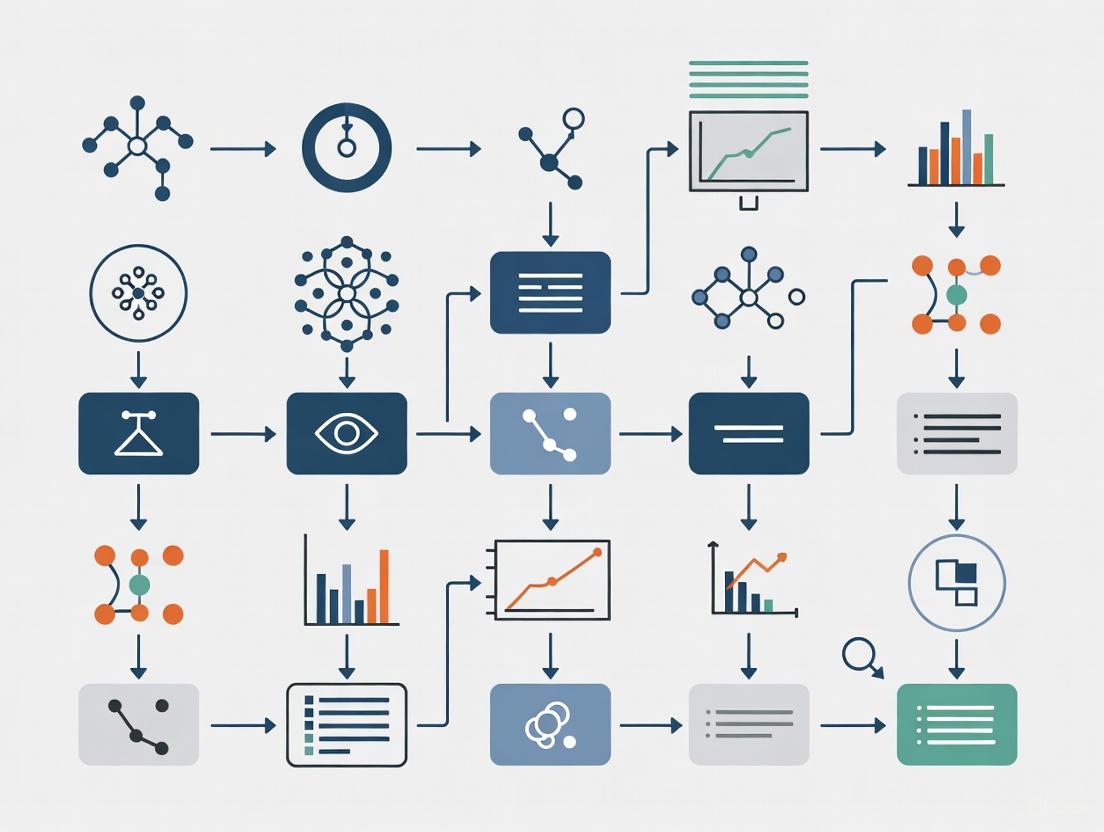
This comprehensive review explores cutting-edge advancements in translation initiation site (TIS) recognition, addressing critical challenges in eukaryotic gene annotation and therapeutic development.
Advancing Translation Initiation Site Recognition: From Foundational Mechanisms to AI-Driven Biomedical Applications
Abstract
This comprehensive review explores cutting-edge advancements in translation initiation site (TIS) recognition, addressing critical challenges in eukaryotic gene annotation and therapeutic development. We examine foundational biological mechanisms governing TIS selection, including ribosomal scanning and Kozak sequences, while highlighting innovative computational approaches leveraging deep learning and protein language models. The article provides rigorous methodological comparisons of tools like NetStart 2.0, TISCalling, and CapsNet-TIS, alongside optimization strategies for enhanced prediction accuracy. With special emphasis on biomedical applications, we discuss how improved TIS recognition enables discovery of novel proteoforms, enhances mRNA therapeutic design, and facilitates drug development through better understanding of mutation impacts. This resource equips researchers and drug development professionals with both theoretical knowledge and practical frameworks for advancing genomic medicine and therapeutic innovation.
Decoding the Fundamental Mechanisms of Eukaryotic Translation Initiation
Core Principles of the Ribosomal Scanning Model
What is the fundamental mechanism of translation initiation according to the ribosomal scanning model?
The ribosomal scanning model proposes that the 43S pre-initiation complex (PIC), comprising the small ribosomal subunit (40S) and initiation factors, loads at the 5' cap of an mRNA and scans linearly along the 5' untranslated region (5' UTR) in a 5' to 3' direction until it encounters a start codon. Upon recognizing a start codon, the PIC stops scanning and is joined by the large ribosomal subunit (60S) to form an elongation-competent 80S ribosome [1] [2].
How was the scanning process directly observed, and what are its key kinetic properties?
Real-time single-molecule fluorescence spectroscopy has enabled direct tracking of 43S-mRNA binding, scanning, and 60S subunit joining in yeast. This revealed that [2]:
- Scanning Speed: The 43S complex scans at approximately 100 nucleotides per second.
- ATP Dependence: Initial mRNA engagement is a slow, ATP-dependent process driven by multiple initiation factors, including the helicase eIF4A.
- Structure Navigation: Scanning ribosomes can proceed through RNA secondary structures, but specific hairpin sequences near start codons can induce scanning direction fluctuations, causing backward movement and requiring rescanning.
Modern Experimental Validation & Methodologies
Advanced techniques have transitioned the scanning model from hypothesis to a quantitatively validated framework. The table below summarizes key experimental approaches and their findings.
Table 1: Modern Methods for Studying Ribosomal Scanning
| Method | Key Application | Principal Finding | Biological System |
|---|---|---|---|
| Single-Molecule Fluorescence Spectroscopy [2] | Real-time tracking of 43S binding, scanning, and 60S joining. | Scanning occurs at ~100 nt/sec; 5' UTR hairpins can cause scanning direction fluctuations. | Yeast |
| Ribosome Complex Profiling (RCP-seq) [3] | Transcriptome-wide mapping of small ribosomal subunit (SSU) positions. | SSUs accumulate near the start codon in a "poised" state; uORFs can displace SSUs, repressing downstream translation. | Mouse Brain (Dentate Gyrus, Cortex) |
| Long-Term Single-Ribosome Imaging [4] | Monitoring translation of individual ribosomes on circular RNAs. | Reveals ribosome cooperativity where transient collisions enhance processive translation and reduce pausing. | In vitro |
Detailed Protocol: Ribosome Complex Profiling (RCP-seq) for Mapping Scanning Ribosomes
RCP-seq captures the transcriptome-wide occupancy of small ribosomal subunits (SSUs) during the scanning process, providing a snapshot of translation initiation [3].
Workflow Overview:
Key Steps Explained:
- UV Crosslinking: Fresh or frozen tissue (e.g., mouse dentate gyrus or cerebral cortex) is homogenized, and the lysate is exposed to UV light. This covalently crosslinks ribosomal complexes to their bound mRNAs, preserving transient interactions during initiation [3].
- RNase I Digestion: The crosslinked lysate is treated with RNase I. This enzyme digests unprotected regions of mRNA, leaving short "footprints" of RNA shielded by the bound SSU or 80S ribosome [3].
- Complex Separation: The digested lysate is layered onto a sucrose density gradient and ultracentrifuged. This separates the complexes by size, allowing for the collection of fractions containing SSUs (with initiation factors) and 80S ribosomes [3].
- Library Preparation and Sequencing: RNA is extracted from the SSU and 80S fractions. Sequencing libraries are constructed from the footprint fragments and subjected to high-throughput sequencing [3].
- Data Analysis: Sequenced reads are mapped to the transcriptome. A hallmark of bona fide initiating SSUs is a "diagonal" pattern of varying footprint lengths upstream of the start codon, indicative of a dynamic pre-initiation complex during scanning [3].
Table 2: Key Research Reagents for Studying Translation Initiation
| Reagent / Factor | Primary Function in Initiation | Experimental Utility / Note |
|---|---|---|
| eIF2 [1] | Forms a ternary complex (TC) with GTP and Met-tRNAi and delivers it to the 43S PIC. | Target of stress response kinases; eIF2α phosphorylation inhibits its GEF, eIF2B. |
| eIF4F Complex [1] | Binds the 5' mRNA cap and facilitates 43S PIC recruitment. | Composed of eIF4E (cap-binding), eIF4A (helicase), and eIF4G (scaffold). |
| eIF1 & eIF5 [1] | Antagonistic regulators of start codon selection stringency. | Overexpression of eIF1 increases stringency; eIF5 decreases it. |
| eIF4A Helicase [2] | ATP-dependent RNA helicase that resolves 5' UTR secondary structures. | Critical for initial mRNA engagement; its inhibition can stall scanning. |
| 5MP (eIF5-mimic) [1] | Regulatory protein that competes with eIF5 for binding to eIF2 and the PIC. | Modulates the stringency of start codon selection. |
| socRNAs [4] | Stopless-ORF circular RNAs used for long-term imaging of single ribosome translation. | Enables precise measurement of elongation dynamics and ribosome cooperativity. |
Troubleshooting Common Experimental Challenges
FAQ: My experiments suggest widespread non-AUG initiation. How do I distinguish true non-AUG initiation from scanning artifacts?
The stringency of start codon selection is controlled by the interplay of initiation factors, primarily eIF1 and eIF5 [1].
- Potential Cause: High eIF5 concentration or activity can lower selection stringency, increasing the probability of initiation at near-cognate codons (e.g., CUG, GUG). Conversely, high eIF1 concentration increases stringency [1].
- Solution: Validate putative non-AUG initiation sites by modulating eIF1/eIF5 levels. Confirmed sites should be dependent on the scanning machinery and show reduced initiation upon eIF1 overexpression. Techniques like RCP-seq can determine if SSUs accumulate at these candidate codons [3].
FAQ: How does mRNA secondary structure in the 5' UTR influence scanning, and how can I account for it in my research?
The effect of 5' UTR structure is complex and position-dependent [2].
- Mechanism: While the scanning ribosome can unwind moderate secondary structures, stable hairpins can cause scanning ribosomes to stall, pause, or even reverse direction.
- Experimental Consideration: The impact is not uniform. Hairpins very close to the start codon are particularly potent at inducing "scanning fluctuations" and backward movement, leading to rescanning [2]. When designing reporters, empirically test the specific 5' UTR sequence and consider using RNA-unwinding helicases like eIF4A to facilitate scanning through structured regions.
FAQ: What is the functional significance of "poised" SSUs upstream of the start codon?
Accumulation of SSUs just upstream of the start codon, as detected by RCP-seq, indicates a paused or "poised" state during the final step of scanning [3].
- Biological Implication: In the mouse brain, this poised configuration is enriched on synaptically localized mRNAs and correlates with higher translational efficiency. It is thought to represent a regulatory checkpoint before commitment to elongation, allowing for rapid activation in response to synaptic signals [3].
- Repression Mechanism: The presence of upstream open reading frames (uORFs) is associated with fewer poised SSUs on the main coding sequence, as the SSUs often disassemble after translating the uORF, providing a mechanism for translational repression [3].
Kozak Sequence Variations Across Eukaryotic Species and Their Functional Significance
FAQs: Kozak Sequences in Experimental Design
What is a Kozak sequence and why is it critical for my experiments?
The Kozak sequence is a nucleic acid motif that functions as the protein translation initiation site in most eukaryotic mRNA transcripts [5]. It ensures the correct start site is selected, mediating ribosome assembly and initiation. Using a suboptimal sequence can result in non-functional proteins due to misinitiation or significantly reduced expression yields [5] [6]. The consensus sequence is often denoted as GCCRCCAUGG, where R is a purine (A or G), and the underlined AUG is the start codon [7] [8].
How does the Kozak sequence vary across different eukaryotic species?
While the core importance of the -3 and +4 positions is largely conserved, the preferred initiation context can vary among evolutionary groups [7]. The vertebrate consensus is strong and well-defined, but studies of phylogenetically diverse eukaryotes have shown substantial variation, with the preferred context roughly reflecting evolutionary relationships [7] [8]. If working with a non-model organism, it is advisable to consult literature specific to that species or use a broader eukaryotic consensus.
My protein expression is low even with a start codon present. Could the Kozak context be the issue?
Yes. The "strength" of the Kozak sequence, determined by how closely it matches the consensus for your experimental system, directly influences translation efficiency [5] [6].
- Strong consensus: Has both a purine (A/G) at -3 and a G at +4.
- Adequate consensus: Has only one of these features.
- Weak consensus: Has neither [5]. A weak consensus may lead to "leaky scanning," where the ribosomal pre-initiation complex bypasses the intended start codon, potentially initiating at a downstream AUG instead [7] [5]. Verify your sequence context and strengthen the -3 and/or +4 positions to match the optimal consensus.
Can translation start at codons other than AUG?
Yes. Recent ribosomal profiling studies suggest that non-AUG start codons (e.g., CUG, GUG, UUG) are used for initiation much more frequently than previously believed, potentially contributing to proteomic diversity [9]. However, their efficiency is highly dependent on a favorable flanking sequence context, which can differ from the optimal AUG context [9]. If you suspect alternative initiation in your system, specialized computational tools or experimental validation may be required.
How do I choose the best Kozak sequence for my expression vector?
For most applications in mammalian systems, using an established consensus sequence is effective. The table below summarizes commonly used variants.
| Consensus Sequence | Notes | Typical Use Case |
|---|---|---|
| GCCGCCACCAUGG | Full consensus; provides strong context [10] | General mammalian expression |
| GCCACCAUGG | Common, strong context used by commercial systems [6] | In vitro translation, general expression |
| ACCAUGG | Core consensus; often adequate for high expression [6] | When sequence space is limited |
Troubleshooting Tip: If you are cloning a PCR product, ensure your forward primer is designed to include the chosen Kozak sequence directly upstream of the start codon (ATG) [6].
Troubleshooting Guides
Problem: Low or Undetectable Protein Expression
Potential Cause 1: Weak or suboptimal Kozak sequence leading to inefficient initiation.
- Solution: Redesign your construct to incorporate a stronger Kozak consensus.
Potential Cause 2: The presence of an upstream ATG codon, potentially creating a regulatory uORF.
- Solution: Check the 5' UTR of your construct.
- Action: Manually inspect the sequence or use a tool like AUGUSTUS [7] or TIS Transformer [8] to identify all potential initiation sites. Remove any upstream ATG codons that are not required.
- Background: Approximately 40% of eukaryotic mRNAs contain an upstream AUG, which can create upstream Open Reading Frames (uORFs) that regulate translation of the main coding sequence [7].
Problem: Unexpected Protein Size or Multiple Protein Bands
Potential Cause: Leaky scanning or initiation from a non-AUG codon.
- Solution 1 (Leaky Scanning): Strengthen the Kozak context of your desired start codon as described above. A strong context will minimize ribosomal bypass [5].
- Solution 2 (Non-AUG Initiation): Be aware that non-AUG codons in a strong context can sometimes initiate translation [9]. If your protein has an unexpected N-terminus, check for in-frame non-AUG codons upstream of your main ORF. Mutate potential non-AUG start codons to eliminate unwanted initiation.
Problem: Species-Specific Expression Inefficiency
Potential Cause: The Kozak consensus you are using is not optimal for your experimental model organism.
- Solution: Research and utilize a species-specific Kozak sequence.
- Action: For model organisms like plants or yeast, consult the literature for the preferred initiation context. For example, studies in tobacco and maize found a
CCorAAmotif at positions -2 and -1 to be important [5]. - Advanced Tool: Use NetStart 2.0, which was trained on data from 60 diverse eukaryotic species and can account for phylogenetic diversity in its predictions [7] [8].
- Action: For model organisms like plants or yeast, consult the literature for the preferred initiation context. For example, studies in tobacco and maize found a
Experimental Protocols & Data
Quantifying Kozak Sequence Strength: FACS-Seq Methodology
To systematically analyze how sequence context affects translation initiation efficiency for both AUG and non-AUG start codons, researchers have used a high-throughput method called FACS-seq (Fluorescence-Activated Cell Sorting followed by Sequencing) [9].
1. Protocol Overview:
- Library Construction: Generate a massive library of genetic reporters where the GFP coding sequence is preceded by a degenerate nucleotide sequence encompassing positions -4 to +4 relative to the start codon.
- Cell Transduction: Stably transduce a population of cells (e.g., PD-31 murine pre-B cells) with this reporter library.
- Fluorescence Sorting: Use FACS to sort the transduced cells into multiple gates based on the level of GFP fluorescence, which corresponds to the translation initiation efficiency of each sequence variant.
- Sequencing & Analysis: Isolate genomic DNA from each sorted population, amplify the reporter sequences by PCR, and perform high-throughput sequencing. The distribution of each sequence variant across the fluorescence gates allows for the calculation of its median translation initiation efficiency [9].
2. Key Quantitative Findings from Motif Analysis:
The FACS-seq approach revealed that non-AUG start codons can drive significant expression, but their efficiency is highly sensitive to context. The table below shows the maximum observed efficiency for various non-AUG start codons relative to an optimal AUG context [9].
| Non-AUG Start Codon | Maximum Relative Efficiency | Key Sequence Context Finding |
|---|---|---|
| CUG | ~70-80% | Highly sensitive to flanking sequence; requires specific context for high efficiency. |
| GUG | ~60-70% | Efficiency is strongly enhanced by a G at the +4 position. |
| UUG | ~40-50% | Generally less efficient; context requirements differ from AUG. |
| ACG | ~30-40% | Very context-dependent; rarely reaches high efficiency levels. |
Experimental Insight: This data demonstrates that with the right sequence context, some non-AUG start codons (like CUG and GUG) can generate expression levels comparable to a sub-optimal AUG codon, which has implications for understanding alternative translation initiation [9].
Computational Prediction of TIS Using NetStart 2.0
For in silico identification of translation initiation sites, NetStart 2.0 represents a state-of-the-art deep learning model.
1. Experimental Workflow:
The following diagram illustrates the integrated computational and biological workflow for predicting and validating translation initiation sites, leveraging both nucleotide and protein-level information.
2. Key Technical Features:
- Input: A transcript sequence and the corresponding species name [7] [8].
- Dual-Model Architecture:
- Output: A prediction score indicating the likelihood of a codon being the true translation initiation site [7].
- Application: This model is particularly useful for annotating genomes/transcriptomes and identifying the correct main ORF TIS in mRNAs containing multiple upstream AUGs or uORFs [7].
The Scientist's Toolkit
Research Reagent Solutions
| Reagent / Tool | Function in TIS Research | Example / Source |
|---|---|---|
| In Vitro Translation Systems | Validates Kozak sequence efficiency in a cell-free environment. | Rabbit Reticulocyte Lysate System (e.g., Promega L4960) [6]. |
| T7 Coupled Transcription/Translation Systems | Allows direct testing of PCR products containing a T7 promoter and Kozak sequence. | TnT T7 Quick Coupled System (e.g., Promega L1170) [6]. |
| Kozak Sequence gBlocks or Primers | Provides standardized, optimized sequences for cloning into expression vectors. | Custom synthetic DNA fragments from Twist Bioscience or IDT [10]. |
| Fluorescent Reporter Plasmids | Enables high-throughput measurement of TIS efficiency via flow cytometry. | FACS-seq reporter constructs (e.g., pCru5-GFP-IRES-mCherry) [9]. |
| Computational Prediction Servers | Predicts TIS locations in mRNA sequences, handling weak contexts and multiple species. | NetStart 2.0 Webserver [7] [8]; WeakAUG Server [11]. |
Frequently Asked Questions (FAQs)
Q1: What are non-canonical translation initiation sites, and why are they significant in eukaryotic biology?
Non-canonical translation initiation sites (non-AUG TISs) are start codons other than the standard AUG from which protein synthesis can begin. These are typically near-cognate codons that differ from AUG by a single nucleotide, such as CUG, GUG, UUG, and AUU [12]. While initiation at these codons is generally less efficient than at AUG, recent ribosome profiling studies have revealed they are used at an astonishing frequency across the transcriptome [12] [13]. They are not mere errors of the translation machinery; instead, they are functional mechanisms that increase proteome diversity by generating protein isoforms with altered N-terminal, a class of proteins known as Proteoforms with Alternative N Termini (PANTs) [13]. This process allows a single mRNA to encode multiple proteins with distinct functions, localizations, or regulatory properties, playing critical roles in cellular processes like development and the stress response [12] [14]. Misregulation of non-AUG initiation is implicated in several human diseases, including cancer and neurodegeneration [12].
Q2: My ribosome profiling data suggests widespread non-AUG initiation. How can I distinguish true functional initiation from technical artifacts or "translational noise"?
This is a common challenge. To confidently validate non-AUG TISs, a multi-faceted approach is recommended:
- Leverage Computational Prediction Tools: Use modern machine learning tools like NetStart 2.0 or TISCalling that are trained to identify TISs based on sequence features and the conceptual transition from non-coding to coding regions, independent of ribosome profiling data [7] [15]. These can help prioritize high-confidence sites for further experimental validation.
- Optimize Ribosome Profiling Protocols: Be aware that the use of elongation inhibitors like cycloheximide can introduce artifacts. Whenever possible, utilize early elongation inhibitors like lactimidomycin (LTM) or harringtonine, which more effectively stall ribosomes at initiation sites, providing higher-resolution data for TIS identification [12] [15].
- Orthogonal Validation: Always confirm predictions and profiling data with independent methods [12]. This can include:
- Mass Spectrometry to detect peptides derived from non-AUG initiated ORFs [12].
- Insertion of small epitope tags into endogenous genes to visualize the protein products of specific non-AUG initiated proteoforms [12].
- Mutational analysis of the putative non-AUG codon to confirm it is required for protein production.
Q3: The Kozak sequence is crucial for AUG initiation. What sequence features influence the efficiency of non-AUG start codons?
The nucleotide context surrounding a non-AUG codon is a critical determinant of its initiation efficiency, but the rules are distinct from and often more stringent than for AUG codons. The scanning ribosome's preinitiation complex has reduced control over base-pairing geometry in the P-site, which allows near-cognate tRNA recognition but demands a more optimal surrounding context for efficient initiation [13]. While the canonical Kozak sequence for vertebrates is GCCRCCAUGG (R = purine), the specific preferences for non-AUG codons are an active area of research. Tools like TISCalling can help identify kingdom-specific features that influence non-AUG initiation, such as local nucleotide content and mRNA secondary structures [15]. Furthermore, the relative efficiencies of different near-cognate codons have been measured, with a general hierarchy of CUG > GUG > ACG > AUU, though this can vary based on the experimental system [12].
Q4: Could non-AUG initiation be a viable target for therapeutic intervention, particularly in diseases like cancer?
Yes, the modulation of non-AUG initiation is emerging as a novel therapeutic strategy [12]. Because the translation of specific oncogenes or regulatory proteins can be initiated from non-AUG codons, targeting this process offers a potential way to selectively alter the proteome. For example:
- The oncogene MYC produces an N-terminally extended proteoform from a CUG codon that is functionally distinct from its AUG-initiated counterpart [13].
- The tumor suppressor PTEN has a conserved, non-AUG initiated proteoform that may have altered signaling properties [13]. Therapeutic strategies could involve small molecule inhibitors that target specific initiation factors required for non-AUG translation or antisense oligonucleotides designed to block access to a specific non-AUG TIS on an mRNA. This approach could potentially dampen the production of specific disease-driving protein isoforms while leaving the canonical functions of the gene largely intact.
Troubleshooting Guides
Troubleshooting Computational TIS Prediction
| Problem | Possible Cause | Solution |
|---|---|---|
| Poor prediction accuracy on your specific dataset. | Model was trained on different species or sequence types (e.g., vertebrate vs. plant). | Use a species-specific model if available. For tools like TISCalling, retrain or fine-tune the model on a custom dataset from your organism of interest [15]. |
| Inability to handle non-AUG codons. | Using an outdated prediction tool that only recognizes AUG start sites. | Employ a modern tool like TISCalling or NetStart 2.0 that explicitly incorporates non-AUG initiation sites into its training data and prediction capabilities [7] [15]. |
| High false positive rate in coding regions. | Model confuses internal methionines with genuine TISs. | Ensure the tool leverages features beyond local context. NetStart 2.0 uses a protein language model (ESM-2) to assess the "protein-ness" of the downstream sequence, helping distinguish true coding potential [7]. |
Troubleshooting Experimental TIS Validation
| Problem | Possible Cause | Solution |
|---|---|---|
| Failure to detect a predicted non-AUG initiated protein product. | Low abundance due to inefficient initiation. | Overexpress the mRNA of interest and use highly sensitive detection methods (e.g., western blot with high-affinity antibodies, mass spectrometry with extended analysis time). |
| Inconsistent results from ribosome profiling experiments. | Use of cycloheximide, which can distort ribosome distribution and introduce artifacts. | Repeat the profiling using initiation-specific inhibitors like lactimidomycin (LTM) or harringtonine to enrich for true initiation events [15]. |
| Unable to confirm if a non-AUG codon is functional in cells. | Lack of a direct assay for translation from that specific site. | Use a reporter construct (e.g., GFP, luciferase) where the reporter gene is fused downstream of the putative non-AUG TIS and its surrounding context. Mutate the codon to confirm it is essential for reporter expression. |
Quantitative Data on Non-AUG Initiation
Table 1: Relative Initiation Efficiencies of Near-Cognate Start Codons (General Hierarchy)
| Start Codon | Example Relative Efficiency (AUG=100%) | Notes |
|---|---|---|
| AUG | 100% | The canonical start codon, serves as the benchmark for efficiency [13]. |
| CUG | ~1-10% | Generally the most efficient near-cognate codon [12]. |
| GUG | ~1-5% | Less efficient than CUG but often used for functional proteins (e.g., EIF4G2/DAP5) [12] [13]. |
| UUG | ~1-5% | Efficiency similar to GUG in some assays [12]. |
| ACG | ~1-5% | Another commonly identified near-cognate start [12]. |
| AUU | ~1-5% | Used for functional proteins like TEAD1 [12]. |
Important Note: These efficiencies are highly approximate and can vary significantly depending on the experimental assay, cell type, and most importantly, the specific nucleotide context flanking the start codon [12].
Table 2: Prevalence of Non-AUG Initiation from Ribosome Profiling Studies
| Organism / Cell Type | Prevalence of Non-AUG TISs | Key Reference / Context |
|---|---|---|
| Mouse Embryonic Stem Cells | ~60% of all identified initiation events were at non-AUG codons [12]. | Initiation site mapping using harringtonine/lactimidomycin. |
| Human Transcripts | Thousands of non-AUG TISs identified; >75% of upstream ORFs (uORFs) use non-AUG start codons [12] [13]. | Highlights the role of non-AUG in generating regulatory uORFs. |
Key Experimental Workflows & Protocols
Workflow: Genome-Wide Identification of Non-AUG TISs
This workflow outlines the primary method for experimentally identifying non-canonical translation initiation sites on a genomic scale.
Protocol: Lactimidomycin (LTM)-Enhanced Ribosome Profiling for TIS Identification
Purpose: To globally map active translation initiation sites, including those at non-AUG codons, with high confidence.
Reagents:
- Cell culture of interest.
- Lactimidomycin (LTM) or Harringtonine.
- Cycloheximide (optional, for standard Ribo-seq).
- Nuclease for footprint generation (e.g., RNase I).
- Materials for RNA extraction, size selection, and library construction for deep sequencing.
Method:
- Cell Treatment: Divide cells into two aliquots. Treat one aliquot with LTM (or harringtonine) to stall ribosomes at initiation sites. The other aliquot can be treated with cycloheximide for a standard elongating ribosome profile [15].
- Cell Lysis and Nuclease Digestion: Rapidly lyse the treated cells and digest the lysate with a nuclease (e.g., RNase I) to generate ribosome-protected mRNA fragments (RPFs) [12].
- Ribosome Purification: Isolate the monosome fraction containing the RPFs by sucrose density gradient centrifugation.
- Library Construction and Sequencing: Extract RNA from the RPFs, size-select fragments (~28-30 nt), and construct a sequencing library for high-throughput sequencing [12] [15].
- Data Analysis:
- Alignment: Map the sequenced RPF reads to the reference transcriptome.
- Peak Calling: Identify significant peaks of RPF density in the LTM-treated sample. These peaks correspond to initiation sites.
- Codon Annotation: Annotate the precise nucleotide position of each peak. A peak accumulating directly over a non-AUG codon (CUG, GUG, etc.) provides strong evidence for its use as a TIS [12].
- Filtering: Apply filters for fragment size and 3-nucleotide periodicity to exclude non-ribosomal signals [12].
Workflow: Validating Specific Non-AUG TISs
This workflow describes a targeted approach to confirm the functionality of a specific predicted non-AUG TIS.
Protocol: Dual-Luciferase Reporter Assay for TIS Validation
Purpose: To functionally confirm that a specific non-AUG codon can initiate translation in a cellular context.
Reagents:
- Dual-Luciferase Reporter vector (e.g., psiCHECK-2).
- DNA oligonucleotides for cloning.
- Restriction enzymes and DNA ligase.
- Site-directed mutagenesis kit.
- Cell line and transfection reagent.
- Dual-Luciferase Assay Kit.
Method:
- Construct Design: Clone the genomic region of interest, including ~100-200 nucleotides upstream of the candidate non-AUG TIS and the beginning of the putative ORF, into the multiple cloning site upstream of the reporter gene (e.g., Firefly or Renilla luciferase) in the plasmid vector. Ensure the candidate TIS is in-frame with the reporter.
- Control Construct: Generate a control plasmid using site-directed mutagenesis where the candidate non-AUG codon is mutated to a non-functional codon (e.g., CUG to CUA).
- Transfection: Transfect both the wild-type and mutant reporter constructs into a relevant cell line.
- Activity Measurement: After 24-48 hours, lyse the cells and measure the luciferase activity.
- Interpretation: A significant reduction in reporter activity in the mutant construct compared to the wild-type construct provides strong evidence that the non-AUG codon is functioning as a bona fide translation initiation site.
Table 3: Key Research Reagent Solutions for Non-AUG TIS Research
| Reagent / Resource | Function / Application | Key Considerations |
|---|---|---|
| Lactimidomycin (LTM) | A selective initiation inhibitor that stalls ribosomes at the start codon. Used in ribosome profiling to enrich for and map TISs with high resolution [15]. | Preferred over cycloheximide for TIS mapping due to its specific action on initiating ribosomes, reducing artifacts. |
| Harringtonine | Another initiation inhibitor that causes ribosomes to accumulate at TISs, used similarly to LTM in Ribo-seq protocols [12]. | Effective for mapping initiation sites in various cell types. |
| NetStart 2.0 Webserver | A deep learning-based model that predicts TISs by integrating a protein language model (ESM-2) with local nucleotide sequence context [7]. | Useful for in silico prediction of both AUG and non-AUG TISs across a wide range of eukaryotic species. No local installation required. |
| TISCalling Package | A command-line based machine learning framework for building custom models to identify and rank novel TISs, including non-AUG sites [15]. | Offers flexibility for species-specific model training and provides feature importance for biological insight. |
| Dual-Luciferase Reporter Vectors | Plasmid systems used to experimentally validate the activity of a putative TIS by linking it to the expression of a quantifiable enzyme (e.g., luciferase) [13]. | The gold-standard for functional validation of specific TIS candidates in a cellular context. |
| Epitope Tags (e.g., FLAG, HA) | Short peptide sequences that can be genetically engineered into an endogenous locus, allowing immunodetection of protein isoforms that initiate from specific non-AUG sites [12]. | Critical for detecting low-abundance proteoforms that may be difficult to observe with endogenous antibodies. |
Upstream ORFs (uORFs) as Key Regulatory Elements in Translation Control
Frequently Asked Questions (FAQs)
Q1: What are upstream open reading frames (uORFs) and why are they important in translational control?
A1: Upstream open reading frames (uORFs) are short open reading frames located within the 5' untranslated region (5' UTR) of an mRNA, upstream of the main protein-coding sequence (CDS) [16] [17]. They represent a major mechanism of translational regulation, with over 40% of mammalian mRNAs containing uORFs [16]. These regulatory elements influence gene expression by modulating translation initiation, mRNA stability, and cellular localization [18]. uORFs can either repress or stimulate downstream CDS translation depending on their specific properties and cellular conditions, playing critical roles in development, stress responses, and disease pathogenesis [16] [17] [19].
Q2: How do uORFs typically regulate translation of the main coding sequence?
A2: uORFs regulate downstream translation through several core mechanisms [16]:
- Ribosome Interference: Scanning ribosomes translate the uORF, which can deplete initiation factors and reduce CDS translation
- Reinitiation Control: After uORF translation, ribosomes may require time to reacquire initiation factors before initiating at the CDS
- Ribosome Stalling: Peptide sequences or structural elements within uORFs can cause ribosome stalling
- Frame Displacement: uORFs positioned out-of-frame with CDSs can position ribosomes downstream of CDS start codons
- Ribosome Bypass: Under certain conditions, ribosomes can bypass uORF initiation codons
Q3: What experimental approaches are most effective for studying uORF function?
A3: Key methodologies for uORF investigation include [15] [20]:
- Ribosome Profiling (Ribo-seq): High-resolution technique mapping ribosome positions genome-wide
- Massively Parallel Reporter Assays: Methods like NaP-TRAP quantify translational consequences of 5'UTR variants
- Machine Learning Prediction: Tools like TISCalling and NeuroTIS+ predict translation initiation sites
- Polysome Profiling: Assesses translation efficiency under different conditions
- Genetic Manipulation: uORF deletion/mutation to assess functional consequences
Q4: How do uORFs contribute to human diseases, particularly cancer?
A4: uORF dysregulation contributes to human diseases through several mechanisms [17] [21]:
- Somatic Mutations: Variants in 5'UTRs that create, disrupt, or modify uORFs are cataloged in COSMIC and linked to cancer biology
- Translational Dysregulation: Aberrant uORF function can lead to improper expression of oncogenes and tumor suppressors
- Genetic Variants: Approximately 95% of disease-associated mutations occur in non-coding regions, including 5'UTRs containing uORFs
- Stress Response Defects: Impaired uORF-mediated regulation during integrated stress response can disrupt cellular homeostasis
Troubleshooting Guides
Table 1: Common uORF Experimental Challenges and Solutions
| Problem | Possible Causes | Solution | Prevention Tips |
|---|---|---|---|
| Inconsistent translational reporter results | Varying Kozak context strengths | Systematically engineer Kozak sequences to desired strength [22] | Use consistent context sequences (-3A/G, +4G optimal) |
| Failure to detect known uORF translation | Low sensitivity of ribosome profiling | Optimize Ribo-seq protocol with improved nuclease treatment and footprint isolation [20] | Validate protocol with positive control genes |
| Poor TIS prediction accuracy | Over-reliance on AUG codons only | Use tools that account for non-AUG initiation (CUG, UUG, GUG) [15] | Employ TISCalling or NeuroTIS+ frameworks |
| High translational noise in experiments | Lack of uORF-mediated buffering | Consider native uORF contexts that stabilize expression [19] | Maintain endogenous 5'UTR sequences when possible |
| Misinterpretation of uORF effects | Ignoring cellular stress context | Conduct experiments under relevant stress conditions [16] | Account for eIF2α phosphorylation status |
Table 2: Kozak Sequence Context Strength Hierarchy
| Kozak Sequence | Relative Strength | Efficiency | Recommended Use |
|---|---|---|---|
| GCCACCAUGG | Optimal | Very High | Strong, constitutive translation |
| GCCRCCAUGG (R = A/G) | Strong | High | Standard experimental contexts |
| XXXXAUGG (+4G only) | Moderate | Medium | Context-dependent regulation |
| XXXXAUGX (weak context) | Weak | Low | Leaky scanning applications |
| Near-cognate codons (CUG, GUG) | Very Weak | 0.4-9.9% of AUG [22] | Study alternative initiation |
Experimental Protocol 1: Ribosome Profiling for uORF Detection
Purpose: To genome-widely identify and quantify uORF translation events [20]
Materials:
- Cycloheximide (150 μg/mL) for ribosome stabilization
- RNase I for generating ribosome-protected fragments
- Size exclusion columns (e.g., MicroSpin S-400 HR columns)
- RNA Clean & Concentrator kits
- High-salt polysome extraction buffer (20 mM Tris-HCl pH 7.5, 140 mM KCl, 25 mM MgCl₂, 1 mM DTT, 5% sucrose, 1% Triton X-100)
Procedure:
- Cell Harvesting: Rapidly harvest ~10⁸ cells and flash-freeze in liquid nitrogen
- Polysome Extraction: Pulverize frozen cells with polysome extraction buffer supplemented with DNase I and protease inhibitors
- Ribosome Digestion: Thaw lysate and digest with 500 units RNase I for 30 minutes at room temperature with gentle shaking
- Reaction Stop: Add SUPERase•In RNase inhibitor to stop digestion
- Monosome Isolation: Apply digested lysate to size exclusion columns, spin at 600 × g for 2 minutes
- Footprint Purification: Isolate RNA fragments >17 nt using RNA Clean & Concentrator kit
- Library Preparation: Size-select ~28-30 nt ribosome-protected fragments for sequencing
Troubleshooting: Poor 3-nucleotide periodicity indicates suboptimal digestion or degradation - titrate RNase I concentration and minimize thawing time [20]
Experimental Protocol 2: Computational TIS Prediction Using TISCalling
Purpose: To identify translation initiation sites independent of ribosome profiling data [15]
Materials:
- TISCalling command-line package or web tool
- mRNA sequences of interest
- Reference TIS datasets for model training (optional)
Procedure:
- Input Preparation: Compile mRNA sequences in FASTA format
- Model Selection: Choose pre-trained model for your species or train custom model
- Feature Analysis: Extract important sequence features (Kozak context, secondary structure, nucleotide content)
- TIS Prediction: Run prediction algorithm to score potential initiation sites
- Result Interpretation: Filter results by prediction score threshold (>0.7 recommended)
- Visualization: Use web interface to view TIS positions along transcripts
Access:
- Command-line package: https://github.com/yenmr/TISCalling
- Web tool: https://predict.southerngenomics.org/TISCalling/
Experimental Protocol 3: Functional Validation of uORF Variants
Purpose: To assess the functional impact of uORF genetic variants on translation [21]
Materials:
- NaP-TRAP or similar massively parallel reporter assay
- Plasmid library containing 5'UTR variants
- Antibodies for immunocapture of translating ribosomes
- Sequencing platform
Procedure:
- Library Design: Synthesize plasmid library encompassing natural 5'UTR variants from gnomAD/UK Biobank
- Cell Transfection: Introduce variant library into relevant cell lines
- Ribosome Capture: Perform NaP-TRAP immunocapture to isolate mRNAs associated with translating ribosomes
- mRNA Quantification: Sequence both input and immunocaptured mRNA populations
- Translation Efficiency Calculation: Compute TE = (immunocaptured mRNA / input mRNA) for each variant
- Variant Impact Assessment: Identify variants significantly altering translation efficiency
Analysis: Integrate with machine learning to identify critical 5'UTR regulatory features and predict variant effects [21]
The Scientist's Toolkit: Research Reagent Solutions
Table 3: Essential Reagents for uORF Research
| Reagent/Category | Specific Examples | Function/Application | Key Considerations |
|---|---|---|---|
| Translation Inhibitors | Cycloheximide, Lactimidomycin | Ribosome stalling for Ribo-seq | Lactimidomycin preferred for initiation stalling [15] |
| Ribosome Profiling Kits | Commercial Ribo-seq kits | Genome-wide translation mapping | Optimized for 3-nt periodicity [20] |
| Computational Tools | TISCalling, NeuroTIS+ | TIS prediction from sequence | TISCalling identifies non-AUG sites [15] |
| Reporter Assay Systems | Dual-luciferase, NaP-TRAP | uORF function validation | NaP-TRAP captures nascent peptides [21] |
| Sequence Databases | gnomAD, COSMIC, UK Biobank | Natural variant information | 95% disease variants in non-coding regions [21] |
Experimental Evidence from Ribosome Complex Profiling (RCP-seq) in Mammalian Systems
FAQs: Core Principles of RCP-seq
Q1: What is the fundamental difference between RCP-seq and classical Ribo-seq?
Classical Ribo-seq profiles the position of elongating 80S ribosomes to map translated regions across the transcriptome [23]. In contrast, RCP-seq (Ribosome Complex Profiling) is specifically designed to capture the dynamics of the small ribosomal subunit (SSU/40S) during the early, rate-limiting stage of translation initiation [3] [24]. This includes the recruitment of the SSU to the mRNA, its scanning along the 5' untranslated region (5' UTR), and its recognition of the start codon, providing a snapshot of the initiation landscape that is invisible to conventional Ribo-seq [3].
Q2: Why is crosslinking critical in RCP-seq protocols for mammalian tissues, and which method is recommended?
In mammalian brain tissues, chemical crosslinking with formaldehyde resulted in insufficient polysome fixation, compromising the capture of fragile initiation complexes [3]. Therefore, a UV-crosslinking protocol was developed and optimized for these tissues. UV light effectively immobilizes SSU and 80S complexes onto their bound mRNAs without the drawbacks of chemical crosslinking, thereby preserving the integrity of the native complexes for downstream processing and ensuring high-quality libraries from complex tissues [3].
Q3: What does the diagonal pattern of SSU footprints upstream of the start codon indicate?
The diagonal pattern of SSU footprints, ranging in length from approximately 20 to 75 nucleotides, observed in metagene heatmaps upstream of the translation initiation site (TIS) represents the "footprints" of the pre-initiation complex (PIC) in different conformational states [3]. As the PIC scans the 5' UTR, the mRNA thread is progressively drawn into the ribosome channel, resulting in longer protected fragments when the complex is further upstream and shorter fragments as it approaches the start codon. This pattern is a hallmark of active scanning SSUs [3].
Q4: How can RCP-seq data elucidate the regulatory role of Upstream Open Reading Frames (uORFs)?
uORFs are known to repress translation of the downstream main coding sequence. RCP-seq provides mechanistic insight by showing that transcripts with uORFs are associated with less "poised" SSUs directly upstream of the main start codon [3]. This suggests that the uORFs act by causing the disassociation of the small ribosomal subunit, thereby reducing its probability of successfully initiating translation at the downstream canonical start site [3].
Troubleshooting Guide: RCP-seq Experimental Challenges
| Problem Area | Specific Issue | Potential Causes | Recommended Solutions & Troubleshooting Actions |
|---|---|---|---|
| Library Quality | High rRNA contamination in sequenced libraries. | Inefficient rRNA depletion protocols; carry-over during sample preparation [3]. | Optimize species-specific rRNA removal kits; implement rigorous size-selection steps post-digestion. |
| Low percentage of reads mapping to mRNA 5' leaders. | Insufficient crosslinking; over-digestion with RNase I; poor separation of SSU fractions [3]. | Validate UV crosslinking efficiency; titrate RNase I concentration; carefully validate SSU fraction collection via Bioanalyzer [3]. | |
| Complex Capture | Weak or absent SSU signal on polysome profiles. | SSU peak can be undetectable in standard polysome profiles post-digestion [3]. | Use Bioanalyzer RNA profiles (e.g., absence of 28S rRNA) instead of UV absorbance to identify SSU-containing fractions definitively [3]. |
| Poor reproducibility between technical replicates. | Inconsistent lysis conditions; variable RNase digestion efficiency; low input material [3]. | Standardize lysis buffer and procedure; calibrate RNase I activity units; ensure high input material (as per original TCP-seq requirements) [3] [23]. | |
| Data Interpretation | SSU footprints detected internally in the CDS. | Potential "leaky scanning" where PICs bypass the start codon; contamination from dissociated 60S subunits [3]. | Compare with 80S profiles; footprints from genuine leaky scanning will not show 3-nucleotide periodicity. |
| Broad SSU footprint length distribution (20-75 nt). | Presence of initiation factors on the PIC creates longer, heterogeneous protected fragments [3]. | This is an expected biological feature, not an artifact. Analyze all lengths, as different conformations provide mechanistic information [3]. |
Key Experimental Protocol: RCP-seq in Mouse Brain
The following workflow diagram outlines the core steps for performing RCP-seq in mammalian brain tissue, adapted from a study on the mouse dentate gyrus and cerebral cortex [3].
Detailed Methodological Steps
- Tissue Preparation and Crosslinking: Fresh or snap-frozen mouse brain tissue (e.g., dentate gyrus or cerebral cortex) is homogenized in a lysis buffer that preserves ribosome-mRNA complexes. The cleared lysate is then subjected to UV irradiation (254 nm) to crosslink ribosomal complexes to their bound mRNAs. This step is critical for stabilizing transient interactions in mammalian tissue [3].
- Nuclease Digestion: The crosslinked lysate is treated with RNase I. This enzyme digests mRNA regions not protected by bound ribosomal complexes, leaving behind short, protected fragments ("footprints") [3] [23].
- Fractionation of Complexes: The digested lysate is loaded onto a 10-50% sucrose gradient and separated via ultracentrifugation. This separates ribosomal complexes by size and density. Unlike standard polysome profiling, the SSU (40S) peak may not be visible by UV trace. Therefore, small fractions are collected across the gradient, and their content is analyzed on a Bioanalyzer. The absence of 28S rRNA is used to identify fractions enriched for SSU complexes, distinct from the 80S monosome and polysome fractions [3].
- Library Preparation and Sequencing: RNA is isolated from the SSU and 80S fractions. The RNA footprints are size-selected, and Illumina-compatible cDNA libraries are constructed. These libraries are then subjected to deep sequencing (typically 20-130 million reads per library) to obtain transcriptome-wide coverage [3]. As the protected fragments are ~28-34 nt, library prep protocols for small RNA-Seq are ideal [23].
Expected Outcomes and Quality Control
- Mapping Distribution: A high-quality RCP-seq SSU library should show a significant enrichment of mapped reads in the 5' leader of mRNAs (e.g., 37-52%), while the 80S library should be overwhelmingly enriched in the coding sequence (CDS) (e.g., 94%) [3].
- Metagene Profile: The SSU reads should form a characteristic diagonal pattern upstream of the start codon when plotted in a heatmap, reflecting the changing protected fragment length during scanning [3].
- Footprint Length: SSU footprints will have a broad length distribution (20-75 nucleotides), which is expected due to the presence of various initiation factors on the complex. In contrast, 80S footprints should show a sharper peak around 28-32 nucleotides and display clear 3-nucleotide periodicity across the CDS [3].
Comparative Analysis of Ribosome Profiling Techniques
The table below summarizes key ribosome profiling methods, highlighting where RCP-seq fits within the broader experimental toolkit.
| Protocol | Primary Biological Focus | Key Mechanism | Key Benefits | Key Drawbacks |
|---|---|---|---|---|
| Classical Monosome Ribo-seq [23] | Translation Elongation | CHX arrests 80S; RNase digestion; sucrose gradient. | Genome-wide, single-codon resolution; standard for TE quantification. | No initiation data; CHX can cause pausing artifacts; high rRNA background. |
| GTI-seq / QTI-seq [23] | Translation Initiation Site (TIS) Mapping | Drugs like LTM or harringtonine arrest initiating ribosomes at start codons. | Single-nucleotide precision for canonical and non-AUG start sites; identifies uORFs. | Drug-induced stress responses; requires precise timing; short footprints. |
| RCP-seq / TCP-seq [3] [23] | Translation Initiation Dynamics | Formaldehyde or UV crosslinking captures SSU and 80S; separate gradients for 40S/80S. | Provides a global snapshot of SSU scanning; links initiation to elongation on the same transcript. | Technically demanding; multi-gradient workflow; high input material required. |
| RiboLace [23] | Active Elongation (Simplified) | Puromycin-based bead pull-down of active ribosomes pre-digestion. | Fast, gradient-free workflow; low input; improved signal-to-noise. | Misses stalled/collided complexes; proprietary reagents. |
| Disome-seq [23] | Ribosome Collisions/Stalling | Gentle digestion without CHX to preserve stacked ribosomes (disomes). | Identifies ribosome traffic jams and quality control triggers. | Disome signals are faint; requires very deep sequencing. |
The Scientist's Toolkit: Essential Research Reagents
| Reagent / Tool | Function in Experiment | Specific Example / Note |
|---|---|---|
| RNase I | Digests unprotected mRNA, generating the ribosome-protected footprints (RPFs) for sequencing [3] [23]. | Must be titrated for optimal digestion; over-digestion can destroy complexes, under-digestion yields long fragments. |
| UV Crosslinker | Critical for immobilizing ribosomal complexes onto mRNA in mammalian tissues, preserving transient initiation complexes for analysis [3]. | Preferable to formaldehyde for brain tissue based on comparative studies [3]. |
| Sucrose Gradients (10-50%) | Separates ribosomal complexes (SSU, LSU, 80S, polysomes) by density ultracentrifugation after digestion [3] [23]. | Fractions must be collected carefully; SSU is identified by Bioanalyzer, not UV trace [3]. |
| Bioanalyzer | An automated electrophoresis system used to profile RNA from sucrose gradient fractions. Crucial for identifying SSU-containing fractions based on the absence of 28S rRNA [3]. | Differentiates SSU from 80S fractions when UV trace is unclear [3]. |
| Small RNA Library Prep Kit | Used to convert the purified ~28-34 nt RNA footprints into a sequencing library, as the fragment size falls within the small RNA range [23]. | Ideal for the footprint sizes generated by both SSU and 80S complexes [23]. |
N-terminal proteoforms are protein variants with altered N termini that arise from a combination of RNA-driven processes and protein modifications. A significant mechanism generating this diversity is alternative translation initiation site (TIS) usage, where ribosomes select different start codons on an mRNA transcript, leading to protein isoforms with varying N-terminal sequences. These sequence differences can profoundly impact protein localization, interaction networks, stability, and function by creating or destroying degron motifs that regulate protein turnover through the N-degron pathway system [14] [25]. The research community has developed increasingly sophisticated computational and experimental methods to address the challenge of accurate TIS identification, which is fundamental for understanding proteoform creation, function, and usage [15] [8].
Troubleshooting Guide: Common Experimental Challenges in TIS and Proteoform Research
Table 1: Troubleshooting Common Experimental Issues in TIS and Proteoform Research
| Problem | Possible Causes | Solutions | Preventive Measures |
|---|---|---|---|
| High levels of artificial truncated proteoforms [26] | Labile peptide bonds degraded during sample preparation; overly harsh processing conditions. | Optimize lysis buffer composition; reduce incubation times/temperatures; add protease inhibitor cocktails. | Use fresh inhibitors; standardize sample handling protocols; validate with control samples. |
| Inability to detect non-AUG TISs [15] | Ribo-seq dependency on AUG-focused tools; lack of specialized algorithms for non-canonical initiation. | Use TISCalling or similar ML frameworks; employ LTM-treated Ribo-seq to stall initiating ribosomes. | Combine complementary Ribo-seq (LTM/CHX) with Ribo-seq-independent computational prediction. |
| Low sequence coverage in top-down MS [27] [28] | Sample heterogeneity; inefficient gas-phase fragmentation of native proteins; low signal-to-noise. | Apply precisION software for fragment-level open search; use I2MS2 for improved sensitivity. | Employ charge reduction/ion mobility; optimize instrument parameters for native fragmentation. |
| Difficulty distinguishing functional uORFs [8] | Poor annotation of uORF TIS contexts; lack of conservation in short sequences. | Use NetStart 2.0 to assess "protein-ness" of downstream sequence; analyze phylogenetic conservation. | Integrate TIS prediction with experimental validation (e.g., mutagenesis, reporter assays). |
| Unassigned fragments in nTDMS data [27] | Uncharacterized PTMs or biological truncations; unusual gas-phase reactivity. | Perform a fragment-level open search with precisION to identify common mass offsets. | Systematically search for known PTMs first, then apply open search for "dark matter" of spectra. |
Frequently Asked Questions (FAQs)
Q1: What is the biological significance of alternative translation initiation? Alternative translation initiation expands the functional proteome from a fixed genome. By producing multiple N-terminal proteoforms from a single mRNA, a cell can fine-tune protein activity, dictate subcellular localization, and modulate stability through the N-degron pathway. For instance, an alternative TIS might generate a proteoform lacking a mitochondrial targeting signal, thereby redirecting the protein to a different cellular compartment and altering its function [14] [25].
Q2: My Ribo-seq data failed to identify many known non-AUG TISs. How can I improve detection? Ribo-seq tools biased towards AUG codons often miss non-AUG initiation events. To improve detection, you can use a machine learning framework like TISCalling, which is independent of Ribo-seq data and specifically designed to predict both AUG and non-AUG TISs by analyzing mRNA sequence features. Complement your wet-lab experiments with this computational approach to profile potential TISs across entire transcripts systematically [15].
Q3: In top-down proteomics, many fragments remain unassigned. How can I characterize these? Unassigned fragments often represent "hidden" modifications. The precisION software package addresses this via a fragment-level open search. This data-driven approach applies variable mass offsets to protein termini to discover sets of sequence ions sharing a common, uncharacterized modification—such as undocumented phosphorylation, glycosylation, lipidation, or truncation—without prior knowledge of the intact protein mass [27].
Q4: A meta-analysis suggests most truncated proteoforms are artefacts. How can I confirm biological relevance? While a meta-analysis of top-down proteomics studies found that ~71% of proteoforms are truncated—many artificially introduced during sample preparation—consistent identification of a specific truncated proteoform across multiple independent studies and laboratories is a strong indicator of its biological relevance, not methodological artefact [26].
Q5: What are the key sequence features for predicting a genuine Translation Initiation Site? The key features include proximity to the 5' end, the local start codon context (e.g., the Kozak sequence in vertebrates), and the transition from a non-coding to a coding region. Modern tools like NetStart 2.0 leverage protein language models (ESM-2) to evaluate the "protein-ness" of the downstream sequence, which is a powerful indicator of a functional TIS [8].
Experimental Methodologies & Workflows
Computational Prediction of Translation Initiation Sites with TISCalling
The TISCalling framework provides a robust, machine learning-based methodology for the de novo identification of TISs.
Protocol:
- Dataset Collection: Compile a dataset of known TISs (true positives) and non-TIS ATG/near-cognate codons (true negatives) from public repositories like LTM-treated Ribo-seq data for your organism of interest [15].
- Feature Engineering: Extract mRNA sequence features surrounding candidate codons. TISCalling generalizes important features like nucleotide content and mRNA secondary structures and can identify kingdom-specific elements [15].
- Model Training and Prediction: Train a machine learning model (e.g., as implemented in the TISCalling package) on the labeled dataset. Apply the trained model to score all putative ATG and near-cognate codons along the transcript [15].
- Validation and Visualization: Prioritize TISs with high prediction scores for experimental validation. Use the provided web tools to visualize potential TISs across transcripts of interest [15].
Workflow for Computational TIS Prediction
Characterizing Proteoforms and Modifications with Native Top-Down MS
Native top-down mass spectrometry (nTDMS) coupled with the precisION software allows for the comprehensive characterization of proteoforms, including those resulting from alternative TIS usage.
Protocol:
- Sample Preparation: Prepare intact protein complexes under non-denaturing conditions to preserve native structures and modifications [27].
- Native MS and Fragmentation: Acquire high-resolution native top-down mass spectra. Select proteoform ions of interest for gas-phase fragmentation (e.g., CID, ETD) [27].
- Spectral Deconvolution: Use algorithms (e.g., in TopFD) to deconvolute low signal-to-noise spectra and identify isotopic envelopes corresponding to protein fragments [27].
- Hierarchical Fragment Assignment with precisION:
- Module 1: Deconvolve spectra and classify envelopes using an ML-based classifier to filter artifacts [27].
- Module 2: Identify protein complexes via de novo sequencing or an open database search with unlimited precursor mass tolerance [27].
- Module 3: Assign unmodified protein fragments using a hierarchical scheme, using assigned ions as internal calibrants [27].
- Module 4: Perform a fragment-level open search to discover, localize, and quantify "hidden" modifications and truncations from the unassigned fragments [27].
Workflow for Native Top-Down MS Analysis
The N-Degron Pathway: A Key Consequence of N-Terminal Variation
The N-degron pathway is a critical protein degradation system that directly links the identity of a protein's N-terminal residue to its cellular half-life. This pathway, a subset of the ubiquitin-proteasome system, utilizes a set of recognition components (N-recognins) that bind to specific N-terminal degrons (N-degrons), leading to the ubiquitination and subsequent degradation of the protein [14] [25]. Alternative translation initiation is a primary mechanism for generating this diversity, as different TIS selections create protein isoforms with distinct N-terminal residues, thereby directly determining their stability and abundance through the N-degron pathway [14] [25].
N-degron Pathway Logic
Quantitative Insights: A Meta-Analysis of Truncated Proteoforms
Table 2: Meta-Analysis of Truncated Proteoforms from Top-Down Proteomics Studies
| Analysis Category | Finding | Implication for Research |
|---|---|---|
| Overall Prevalence | ~71% of 140,000 proteoforms across 50 datasets were truncated [26]. | Truncation is a dominant mechanism of proteoform generation, but results must be interpreted cautiously. |
| Database Documentation | The vast majority of truncated proteoforms are not documented in protein databases [26]. | Highlights a major gap in current proteome annotations and the value of TDP discovery. |
| Origin of Truncations | Can be distinguished as endogenous (biological) or artificial (sample preparation) [26]. | Underscores the need for optimized, gentle sample preparation protocols to reduce artefacts. |
| Validation of Relevance | Consistent identification of a specific truncation across independent studies hints at biological relevance [26]. | Provides a criterion for prioritizing newly discovered truncated proteoforms for functional validation. |
The Scientist's Toolkit: Essential Research Reagents & Solutions
Table 3: Key Research Reagents and Computational Tools for TIS and Proteoform Research
| Tool/Reagent | Function/Description | Application in Research |
|---|---|---|
| Lactimidomycin (LTM) | A translation inhibitor that preferentially stalls initiating ribosomes [15]. | Enriches for ribosomes at TISs in Ribo-seq experiments, improving resolution for identifying both AUG and non-AUG start sites. |
| TISCalling | A command-line and web-based machine learning framework for de novo TIS prediction [15]. | Identifies and ranks novel TISs independent of Ribo-seq data; useful for genome annotation and exploring functional proteins. |
| precisION Software | An open-source software package for analyzing native top-down mass spectrometry data [27]. | Enables fragment-level open search to discover, localize, and quantify hidden protein modifications and proteoforms. |
| NetStart 2.0 | A deep learning model using the ESM-2 protein language model to predict TISs [8]. | Leverages "protein-ness" of downstream sequence for accurate TIS prediction across diverse eukaryotic species. |
| I2MS (Individual Ion MS) | A highly parallelized Orbitrap-based charge detection MS platform [28]. | Provides high-sensitivity intact mass profiling and sequencing of proteoforms, beneficial for complex mixtures and large proteins. |
Computational Breakthroughs: Machine Learning and Deep Learning Approaches for TIS Prediction
Technical Support & Troubleshooting Hub
This support center addresses common technical issues encountered when using protein language models like ESM-2 for Translation Initiation Site (TIS) recognition, with a focus on the NetStart 2.0 platform. The guidance is structured to help researchers and bioinformatics professionals efficiently resolve experimental and computational challenges.
Frequently Asked Questions (FAQs)
Q1: What are the sequence submission requirements and limitations for the NetStart 2.0 server? The NetStart 2.0 webserver imposes specific constraints to ensure efficient processing [29]:
- Sequence Limit: A maximum of 50 sequences per submission.
- Nucleotide Limit: A total of 1,000,000 nucleotides per submission.
- Sequence Length: No single sequence may exceed 500,000 nucleotides.
- Input Format: Sequences must be in FASTA format, and the allowed alphabet includes A, C, G, T, U, and N (unknown). All other letters are converted to N before processing [29].
Q2: How do I select the appropriate phylogenetic origin for my sequence in NetStart 2.0? The species origin you select directly influences the prediction, as the model uses taxonomical information. The dropdown menu in the "Select origin of sequence" field offers these choices [29]:
- Specific Species: For the most accurate predictions, select one of the 60 species used in training NetStart 2.0.
- Phylum-Level: If your organism is not among the 60, selecting its phylum will use broader taxonomical information.
- Unknown: If the origin is not represented, select "Unknown," and the model will make predictions without taxonomical information.
Q3: I am getting an error when trying to add new tokens to the ESM-2 tokenizer. Why does it treat them as special tokens?
This is a known issue when working with the ESM-2 tokenizer from Hugging Face. Even when specifying special_tokens=False, new tokens are automatically classified as "additionalspecialtokens" [30]. This can prevent the model's token embeddings from being resized correctly.
- Workaround: Monitor the
added_tokens_decoderattribute of the tokenizer after adding the new token. You may need to manually adjust its properties or preprocess your sequences to avoid the need for new tokens [30].
Q4: What do the different output options in NetStart 2.0 mean? NetStart 2.0 provides three output formats to suit different research needs [29]:
- All: Provides predicted probabilities for every ATG codon in the input sequence(s).
- Highest predicted ATG per transcript: Reports only the single ATG with the highest prediction score for each input sequence.
- All ATGs predicted with a probability above threshold: Returns all ATGs that meet or exceed a user-defined probability threshold (default is 0.625).
Q5: Where can I find the training and test data to benchmark my own model against NetStart 2.0? The authors provide the data used to train and test NetStart 2.0, which is invaluable for comparative studies. The data is available for download from the NetStart 2.0 webserver [29]:
- Training Set: Available as a ZIP file containing four CSV files, corresponding to the data partitions used for cross-validation.
- Test Sets: Provided as FASTA-formatted files for each of the 60 species, including a homology-partitioned test set and a genomic test set.
Essential Research Reagent Solutions
The table below catalogs key computational and data resources essential for TIS recognition research using models like NetStart 2.0.
| Item Name | Type | Function in Research |
|---|---|---|
| NetStart 2.0 Webserver | Software Tool | Provides a user-friendly interface for predicting eukaryotic translation initiation sites by integrating ESM-2 with local sequence context [29] [8]. |
| ESM-2 Model | Protein Language Model | A state-of-the-art protein language model from Meta AI used to generate rich, contextual representations of amino acid sequences, which NetStart 2.0 leverages for its predictions [31] [8]. |
| RefSeq Database | Data Repository | A curated collection of DNA, RNA, and protein sequences used to construct reliable, non-redundant benchmark datasets for training and evaluating TIS predictors [8] [32]. |
| NetStart 2.0 Training Data | Benchmark Dataset | The specific dataset used to train NetStart 2.0, comprising mRNA transcripts from 60 diverse eukaryotic species, useful for model comparison and replication studies [29]. |
| Homology-Partitioned Test Set | Benchmark Dataset | A dedicated test set designed to evaluate model performance on sequences with low similarity to training data, assessing generalizability [29]. |
Detailed Experimental Protocols
Protocol 1: Performing TIS Prediction with the NetStart 2.0 Webserver
This protocol outlines the steps to submit sequences and interpret results using the public NetStart 2.0 server [29].
Sequence Preparation:
- Obtain your nucleotide sequence(s) in FASTA format. Ensure they comply with server limits (max 50 sequences, 1,000,000 total nucleotides).
- The sequence should ideally include the 5' Untranslated Region (5' UTR) and the beginning of the putative coding sequence.
Job Submission:
- Navigate to the NetStart 2.0 submission page.
- Input: Paste your FASTA-formatted sequence(s) into the text field or upload a FASTA file from your local disk.
- Origin: From the dropdown menu, select the most accurate phylogenetic origin for your sequence (specific species, phylum, or "Unknown").
- Output Format: Choose the desired output format ("All," "Highest predicted ATG," or "All ATGs above threshold").
- Initiate the job by clicking the "Submit" button.
Result Collection and Interpretation:
- The server will provide a CSV-formatted output file. You can wait for the results in your browser or provide an email address for notification.
- Interpret the Columns:
atg_pos: The nucleotide position of the predicted ATG (the 'A').preds: The model's confidence score (between 0.0 and 1.0).stop_codon_position: The position of the first in-frame stop codon downstream of the ATG.peptide_len: The length of the hypothetical peptide encoded by the open reading frame.
- Predictions with higher
predsvalues are more likely to be genuine TIS. The downstream context (stop_codon_position,peptide_len) can help distinguish coding ORFs from non-coding ones.
Protocol 2: Constructing a Benchmark Dataset for TIS Predictor Evaluation
This methodology, derived from the NetStart 2.0 paper and related literature, describes how to build a reliable dataset for training or testing TIS prediction models [8] [32].
Source Reliable Annotations:
- Download genomic sequences and their corresponding annotation files from a curated database like NCBI's RefSeq. This ensures higher annotation quality compared to raw GenBank entries.
Extract TIS-Labeled Sequences (Positive Set):
- For nuclear genes with an annotated TIS, extract the full-length mRNA transcript sequence by removing introns and joining exons based on the annotation.
- Apply quality filters: retain only sequences where the CDS ends with a stop codon, contains no in-frame stop codons, has a complete number of codon triplets, and consists only of known nucleotides (A, C, G, T).
Extract Non-TIS-Labeled Sequences (Negative Set):
- Upstream ATGs: Extract all ATG codons located in the annotated 5' UTR.
- Downstream ATGs: Extract ATGs located within the coding sequence, downstream of the annotated TIS. To ensure a challenging dataset, sample multiple downstream ATGs, including those in the same reading frame as the main ORF.
- Non-Coding Sequences: Incorporate sequences from intergenic regions and introns, labeling random ATGs within them as negative samples.
Ensure Representativeness and Non-Redundancy:
- Analyze the molecular weight, isoelectric point, and hydrophobicity profile of the proteins in your dataset to verify they represent the general cellular protein population.
- Perform redundancy reduction to remove highly homologous sequences, preventing over-optimistic performance estimates.
NetStart-ESM2 Integration Workflow
The following diagram illustrates the integrated computational workflow of NetStart 2.0, showing how nucleotide sequences are processed and combined with ESM-2's protein-level understanding to make a final prediction.
Model Decision Logic
This diagram outlines the core logical principle "protein-ness" that ESM-2 helps NetStart 2.0 capture, which is key to distinguishing true TIS from false positives.
Technical Support Center: Troubleshooting Guides and FAQs
This support center is designed to assist researchers in implementing and utilizing the TISCalling framework, a machine learning tool for de novo prediction of translation initiation sites (TISs). The following guides address common experimental and computational challenges.
Frequently Asked Questions (FAQs)
Q1: What is the primary advantage of TISCalling over other TIS identification tools? A1: Unlike conventional methods that depend on ribosome profiling (Ribo-seq) data, TISCalling uses mRNA sequence as the sole input for de novo prediction of both AUG and non-AUG initiation sites. It provides a Ribo-seq-independent method for systemic TIS profiling across entire plant transcriptomes and viral genomes [15].
Q2: Can TISCalling identify TISs in viral genomes? A2: Yes. The framework has demonstrated high predictive power for identifying novel viral TISs, as validated in studies on SARS-CoV-2 and Tomato yellow leaf curl Thailand virus (TYLCTHV) [15].
Q3: I lack programming experience. Can I still use TISCalling? A3: Yes. The developers provide a command-line package for users who wish to generate custom models, and a user-friendly web tool for visualizing pre-computed potential TISs without any programming [15] [33].
Q4: What specific biological features does TISCalling analyze? A4: The machine learning models within TISCalling are designed to identify and rank key mRNA sequence features important for TIS determination. This includes kingdom-specific features such as mRNA secondary structures and "G"-nucleotide contents [15].
Q5: What types of TIS-initiated ORFs can TISCalling help discover? A5: The tool aids in the discovery of TISs and their corresponding open-reading frames (ORFs) located in upstream ORFs (uORFs), within coding sequences (CDSs), on non-coding RNAs, and downstream ORFs [15].
Troubleshooting Guide
Problem: Poor Model Performance or Inaccurate TIS Predictions
| Problem Area | Possible Cause | Solution |
|---|---|---|
| Data Quality | Input dataset contains unbalanced or poorly defined true positive/negative TISs. | Review the dataset construction methodology. True Negative (TN) TISs should be ATG/near-cognate sites upstream of the most downstream True Positive TIS and not marked as TP [15]. |
| Feature Interpretation | Difficulty interpreting the biological relevance of model outputs. | Use the feature weight analysis function. TISCalling retrieves feature weights from the predictive model, revealing the contribution of sequence features to TIS recognition [15]. |
| Tool Accessibility | Inability to run the command-line package. | Verify all dependencies are installed. Alternatively, use the provided web tool for visualization tasks without local installation [33]. |
| Novel TIS Validation | Uncertainty in prioritizing putative TISs for experimental validation. | Utilize the prediction scores provided for putative TISs along transcripts. Prioritize sites with higher scores for further laboratory testing [15]. |
Experimental Protocol: Building a TISCalling Predictive Model
This protocol outlines the key methodology for building a TIS-predictive model using the TISCalling framework, as described in the literature [15].
Step 1: Dataset Collection and Curation
- True Positive (TP) TISs: Collect experimentally identified TISs with significant translation initiation activity. Sources include LTM-treated ribosome profiling (Ribo-seq) data from species of interest (e.g., Arabidopsis, tomato, human HEK293 cells). Publicly available datasets from studies of novel TISs in uORFs, non-coding RNAs, and CDSs can be incorporated [15].
- True Negative (TN) TISs: For each positive TIS, collect both ATG and near-cognate codon sites that are located upstream of the most downstream TP TIS within the same transcript and are not marked as TP TISs [15].
Step 2: Model Training and Feature Analysis
- Train the machine learning model using the curated TP and TN datasets.
- Execute the model to retrieve the feature weights of the input mRNA sequence features. These weights reflect each feature's contribution and importance to the model's performance, allowing for the interpretation of TIS recognition mechanisms across species [15].
Step 3: De Novo Prediction and Visualization
- Apply the trained model to mRNA sequences of interest to compute prediction scores for putative TISs.
- Use the provided web tool or command-line functions to visualize the potential TISs along the transcripts, facilitating the prioritization of high-score sites for further experimental validation [15] [33].
Table 1: Key Performance and Application Data for TISCalling
| Aspect | Metric | Details / Species Tested |
|---|---|---|
| Core Function | Prediction Type | De novo identification of AUG and non-AUG Translation Initiation Sites (TISs) [15] |
| Methodology | Primary Input | mRNA sequence [15] |
| Key Innovation | Ribo-seq-independent; combines machine learning and statistical analysis [15] | |
| Model Development | Training Data Sources | LTM-treated Ribo-seq data from Arabidopsis, tomato, human HEK293, mouse MEF cells [15] |
| Biological Insights | Ranked Features | Identifies common and kingdom-specific features (e.g., mRNA secondary structures, "G"-nucleotide content) [15] |
| Applications | Demonstrated Use Cases | Plant stress-related genes, non-coding RNAs, viral genomes (SARS-CoV-2, TYLCTHV) [15] |
| Accessibility | Availability | Command-line package and web tool for visualization [15] [33] |
Research Reagent Solutions
Table 2: Essential Materials and Computational Tools for TIS Research
| Reagent / Tool | Function in Research | Relevance to TISCalling |
|---|---|---|
| Lactimidomycin (LTM) | Translation inhibitor that stalls initiating ribosomes, enriching Ribo-seq signals at TISs for generating high-quality training data [15]. | Used to create the True Positive TIS datasets from Arabidopsis and tomato for model training [15]. |
| Ribo-seq Data | Provides genome-wide, in vivo evidence of translating ribosomes to identify TISs and open reading frames (ORFs) [15]. | Serves as a foundational data source for building and validating TP TIS datasets, though TISCalling itself is independent of it for prediction [15]. |
| Tn5 Transposase | Enzyme used in high-throughput methods like TTLOC for identifying T-DNA integration sites (TISs) in transgenic plants [34]. | A related but distinct technology for a different type of "TIS" (T-DNA site); represents an alternative genomic localization tool in plant research [34]. |
| Proteoformer Pipeline | A proteogenomic pipeline that uses Ribo-seq data to delineate proteoforms and generate protein sequence search spaces [35]. | Provides a complementary approach for validating novel translation products predicted by tools like TISCalling via mass spectrometry [35]. |
Workflow Visualization
TISCalling Machine Learning Workflow
Troubleshooting Guides and FAQs
Q1: The model performance is poor. What could be the issue? A: This is often related to feature extraction. Ensure you are using all four encoding methods in tandem: One-hot, Physical Structure Property (PSP), Nucleotide Chemical Property (NCP), and Nucleotide Density (ND) encoding. Using a single encoding method is insufficient to capture the complex feature information in TIS sequences. The multi-feature fusion approach is a core innovation of CapsNet-TIS and is critical for achieving high performance [36] [37].
Q2: How does CapsNet-TIS handle hierarchical relationships in sequences better than previous models? A: Traditional CNNs focus on single-level feature representation, and the features from each convolutional layer are relatively independent. CapsNet-TIS uses a capsule network as its main classifier. Its unique capsule structure and dynamic routing algorithm allow it to effectively capture the complex hierarchical relationships and spatial orientations between features, which previous models like standard CNNs or RNNs inadequately captured [36].
Q3: What specific improvements were made to the base capsule network? A: The capsule network was enhanced with three key components to boost its capabilities [36] [37]:
- Residual Blocks: Help alleviate the problem of vanishing gradients in deeper networks, allowing for more effective training.
- Channel Attention Mechanism: Enables the model to focus on the most informative feature channels, enhancing feature extraction.
- BiLSTM Network: Improves the model's ability to understand long-term dependencies and contextual information in the sequence data.
Q4: On which species has CapsNet-TIS been validated? A: The model's performance was rigorously evaluated on TIS datasets from four different species: Human, Mouse, Bovine, and Fruit fly. This demonstrates the model's robust generalization capabilities across organisms [36] [37].
Q5: How significant is the performance gain of CapsNet-TIS over other state-of-the-art models? A: The performance improvements are substantial. Compared to other advanced models, CapsNet-TIS achieved an average accuracy increase of 4.58% on mouse, 5.01% on bovine, and 6.03% on fruit fly datasets. Most notably, it reduced the average relative error rate by 63.31% on the human TIS dataset [36].
Quantitative Performance Data
The following table summarizes the key performance metrics of CapsNet-TIS as reported in the original research, providing a clear comparison of its achievements.
Table 1: Key Performance Metrics of CapsNet-TIS [36]
| Metric | Description | Result |
|---|---|---|
| Average Accuracy Increase (Mouse) | Improvement over previous best models | 4.58% |
| Average Accuracy Increase (Bovine) | Improvement over previous best models | 5.01% |
| Average Accuracy Increase (Fruit Fly) | Improvement over previous best models | 6.03% |
| Average Error Rate Reduction (Human) | Reduction in error compared to previous models | 63.31% |
| Number of Encoding Methods | Feature extraction techniques used | 4 (One-hot, PSP, NCP, ND) |
| Core Classification Network | The main deep learning architecture | Improved Capsule Network |
Experimental Protocol: Implementing the CapsNet-TIS Model
This section provides a detailed, step-by-step methodology for replicating the core CapsNet-TIS experiment.
1. Data Acquisition and Preprocessing:
- Dataset: Obtain the public benchmark dataset, such as the one from KALKATAWI et al., used in the study [38].
- Sample Construction: Extract sequences containing both true TIS (positive samples) and non-TIS sequences (negative samples).
- Data Preparation: Randomly shuffle the positive and negative samples to avoid bias during training. Split the entire dataset into training, validation, and test sets (e.g., 80%/10%/10%).
2. Multi-Feature Fusion Extraction:
- Apply the following four encoding schemes to each sequence to extract comprehensive feature information [36]:
- One-hot Encoding: Represents nucleotides (A, T, C, G) as binary vectors.
- PSP Encoding: Captures the physical structure properties of the DNA sequence.
- NCP Encoding: Encodes the chemical properties of the nucleotides (e.g., hydrogen bonding strength).
- ND Encoding: Calculates the local density of nucleotides within the sequence.
- Feature Fusion: Feed the encoded features into a multi-scale Convolutional Neural Network (CNN). This network is designed to fuse the features from different encodings, eliminating redundant information and creating a comprehensive feature representation for the final classification [36] [38].
3. Classification with Improved Capsule Network:
- The fused features are then passed to the main classification network—the improved capsule network.
- Network Architecture: The capsule network is enhanced with [36]:
- Residual Blocks to aid in training deeper models.
- A Channel Attention mechanism to weight feature channels by importance.
- A BiLSTM layer to model long-range dependencies in the sequence data.
- The capsule network's dynamic routing algorithm then captures the hierarchical relationships between the extracted features and performs the final TIS prediction [36].
Workflow Diagram
The diagram below illustrates the end-to-end workflow of the CapsNet-TIS model.
CapsNet-TIS Model Workflow
The Scientist's Toolkit: Research Reagent Solutions
The following table details the key computational "reagents" and resources required to implement the CapsNet-TIS model.
Table 2: Essential Research Reagents and Resources for CapsNet-TIS Implementation
| Research Reagent / Resource | Type / Category | Function in the Experiment |
|---|---|---|
| Benchmark Genomic Datasets (Human, Mouse, etc.) | Data | Provides standardized sequence data for training and evaluating the model's prediction accuracy [36] [37]. |
| One-hot, PSP, NCP, ND Encodings | Computational Feature Encoding | Transforms raw nucleotide sequences into numerical representations that capture different biochemical and structural characteristics [36]. |
| Multi-Scale Convolutional Neural Network (CNN) | Deep Learning Module | Fuses the four encoded feature sets into a comprehensive and discriminative feature representation, removing redundancies [36] [38]. |
| Capsule Network (CapsNet) | Deep Learning Architecture | Serves as the main classifier; its dynamic routing captures hierarchical relationships between features for robust prediction [36]. |
| Residual Blocks | Network Component | Facilitates the training of deeper networks by preventing the vanishing gradient problem [36]. |
| Channel Attention Mechanism | Network Component | Allows the model to selectively focus on the most relevant feature channels, improving feature extraction efficiency [36]. |
| BiLSTM Network | Network Component | Models long-range dependencies and contextual information within the genomic sequence data [36]. |
What is the primary sequence feature that governs translation initiation in eukaryotes? The Kozak consensus sequence is the fundamental nucleic acid motif that functions as the protein translation initiation site in most eukaryotic mRNA transcripts [5]. Discovered by Marilyn Kozak, this sequence ensures the ribosome correctly identifies the start codon (AUG), mediating ribosome assembly and initiation to prevent the production of non-functional proteins [5]. The sequence was determined through sequencing of 699 vertebrate mRNAs and verified by site-directed mutagenesis [5] [6].
Why is the Kozak sequence critical for research and drug development? A wrong start site can result in non-functional proteins, and variations within the Kozak sequence alter its "strength," directly affecting how much protein is synthesized from a given mRNA [5]. Furthermore, mutations in the Kozak sequence have been directly linked to human diseases, including specific forms of congenital heart disease and thalassaemia [5]. For the development of mRNA therapeutics, such as vaccines, optimizing the Kozak sequence is essential for achieving high levels of therapeutic protein production [39].
Quantitative Characterization of the Kozak Sequence
The classic Kozak consensus sequence is defined as GCCRCCAUGG, where [5]:
- The underlined AUG is the initiation codon.
- R indicates a purine (Adenine or Guanine), with Adenine being more frequent.
- Upper-case letters indicate highly conserved bases.
- Lower-case letters denote the most common base at a variable position.
The strength of a Kozak sequence, which determines the efficiency of translation initiation, primarily depends on nucleotides at two key positions [5]. The table below summarizes this classification system.
Table 1: Classification of Kozak Sequence Strength Based on Key Positions
| Consensus Strength | Nucleotide at Position -3 | Nucleotide at Position +4 | Impact on Translation |
|---|---|---|---|
| Strong | Purine (A or G) | Guanine (G) | High-efficiency initiation [5] |
| Adequate | Purine (A or G) | Not Guanine | Moderate efficiency initiation [5] |
| Weak | Not a Purine | Not Guanine | Low-efficiency initiation; may lead to leaky scanning [5] |
Note on Positioning: The 'A' of the AUG start codon is designated as position +1. The nucleotide immediately preceding it is position -1 (there is no position 0) [5].
While the -3 and +4 positions are most critical, research has identified the importance of other positions. A G at position -6 was found to be important for the initiation of translation, and a mutation at this position in the β-globin gene led to a 30% decrease in translational efficiency and thalassaemia intermedia [5]. Furthermore, studies in plants like Arabidopsis thaliana and Oryza sativa (rice) have shown that an A or C at position -2 is also strongly conserved, indicating some variation across species [40].
Troubleshooting Guide: FAQs for Experimental Challenges
FAQ 1: My recombinant protein yield is low despite a confirmed ORF. Could the Kozak sequence be the issue? This is a common problem often traced to a suboptimal Kozak context. A weak consensus sequence can allow the pre-initiation complex (PIC) to scan past the first AUG codon (leaky scanning) and initiate at a downstream site, producing truncated or non-functional proteins [5].
- Solution: Redesign your expression construct to incorporate a "strong" Kozak sequence. The optimal sequence is GCCACCAUGG [5] [6]. For in vitro translation systems like the Rabbit Reticulocyte Lysate system, the shorter CCACCAUG has also been shown to function well [6].
- Protocol - Site-Directed Mutagenesis for Kozak Optimization:
- Design Primers: Create forward and reverse primers that are complementary to the region flanking your start codon. The forward primer should contain the desired strong Kozak sequence (e.g.,
5'-...GCCACCATGG...-3'). - PCR Amplification: Perform a PCR reaction using a high-fidelity DNA polymerase with your plasmid DNA as the template and the designed primers.
- Template Digestion: Treat the PCR product with the restriction enzyme DpnI, which specifically cleaves methylated DNA. This will digest the original parental plasmid template.
- Transformation: Transform the DpnI-treated DNA into competent E. coli cells.
- Sequence Verification: Isolate plasmid DNA from resulting colonies and perform Sanger sequencing to confirm the introduction of the strong Kozak sequence and the absence of any other unintended mutations.
- Design Primers: Create forward and reverse primers that are complementary to the region flanking your start codon. The forward primer should contain the desired strong Kozak sequence (e.g.,
FAQ 2: My Sanger sequencing results show a mixed or noisy trace after the start codon. What is happening? While this can be due to technical issues like low template concentration or primer dimer formation [41], a biological cause should be investigated.
- Potential Cause: The issue might be ribosome stalling or frameshifting due to a highly stable secondary structure in the mRNA immediately downstream of the start codon. The ribosome's helicase activity may be insufficient to unwind this structure, causing the polymerase to slip during sequencing [41].
- Solution:
- Verify Experimentally: Check your sequence for high GC content or potential hairpin structures using RNA folding prediction software (e.g., mfold).
- Redesign Construct: If a strong secondary structure is predicted, consider mutating the coding sequence to disrupt the structure while preserving the amino acid sequence, if possible (i.e., using codon degeneracy).
- Use Specialized Protocols: For standard sequencing, some core facilities offer an "alternate sequencing protocol" or "difficult template" chemistry (e.g., from ABI) that can sometimes help sequence through secondary structures [41].
FAQ 3: How can I accurately predict and validate non-canonical translation initiation sites (TIS) in the 5'UTR? Upstream non-canonical TISs can translate oncogenic proteins or regulatory upstream Open Reading Frames (uORFs) [42]. Their identification is non-trivial, as they may not follow the "first-AUG rule" [5] [8].
- Solution: Employ the Kozak Similarity Score (KSS) algorithm and modern deep learning tools.
- Protocol - Computational Identification of Non-Canonical TIS:
- Sequence Extraction: Isolate the 5'UTR sequence of your gene of interest from a trusted database like RefSeq.
- KSS Calculation: For every near-cognate codon (e.g., CTG, GTG, TTG, etc.) and ATG codon in the 5'UTR, calculate its KSS. The KSS compares the ten nucleotides flanking each side of the putative initiation codon to the optimal Kozak sequence [42]. The formula is:
KSS(codon) = (1 / KSS_bitsmax) * Σ (bits(nucleotide_p) from p=1 to 20wherebitsis a value derived from the Kozak sequence logo, reflecting the observed probability and impact of a specific nucleotide at positionp[42]. - Rank Codons: Rank all potential initiation codons in the 5'UTR based on their KSS value. Non-canonical TICs implicated in cancer often have a KSS above 0.80 and are frequently ranked #1 among all upstream codons [42].
- Validation with Deep Learning: Use a state-of-the-art prediction tool like NetStart 2.0. This model integrates a protein language model (ESM-2) with local sequence context to predict TISs across eukaryotes [8]. Input your transcript sequence and species to get a prediction.
- Experimental Validation: Confirm predictions experimentally using techniques such as ribosome profiling (Ribo-seq) or mass spectroscopy [42].
Table 2: Troubleshooting Common Translation Initiation Research Problems
| Problem | Potential Cause | Solution & Recommended Reagents |
|---|---|---|
| Low protein yield | Weak Kozak sequence leading to leaky scanning | Clone into vector with strong Kozak (GCCACCAUGG). Use high-fidelity polymerases (e.g., Q5 from NEB). |
| Unexpected protein size | Initiation at an upstream non-canonical TIS | Use KSS algorithm & NetStart 2.0 to predict upstream TISs. Validate with Western Blot. |
| Failed sequencing reaction | Low template concentration, contaminants [41] | Quantify DNA with fluorometer (e.g., NanoDrop). Use PCR purification kits (e.g., from QIAGEN). |
| Mixed sequence after mononucleotide repeat | Polymerase slippage [41] | Design sequencing primer just after the repeat. Use "difficult template" sequencing chemistry. |
Computational Tools & Visualization of Mechanisms
The Kozak Similarity Score (KSS) Algorithm Workflow The following diagram illustrates the automated process for identifying potential translation initiation sites using the KSS algorithm, which is particularly useful for finding non-canonical start codons.
Ribosome Scanning and Initiation Mechanism This diagram visualizes the scanning mechanism of translation initiation in eukaryotes, highlighting the critical role of the Kozak sequence.
Table 3: Essential Research Reagents and Computational Tools for Translation Initiation Studies
| Resource Name | Type | Primary Function | Application Note |
|---|---|---|---|
| Rabbit Reticulocyte Lysate System | In Vitro Translation | Cell-free translation of mRNA/protein production | Optimized for Kozak sequence CCACCAUG [6] |
| TnT T7 Quick Coupled System | Coupled Transcription/Translation | One-tube protein production from PCR templates | PCR primers must include T7 promoter & Kozak sequence [6] |
| T7 RNA Polymerase | Enzyme | High-yield in vitro RNA synthesis | Produces mRNA for translation or structural studies [6] |
| NetStart 2.0 | Software/Webserver | Predicts eukaryotic TIS using a protein language model | Integrates local context & "protein-ness" of downstream sequence [8] |
| Kozak Similarity Score (KSS) | Algorithm | Quantifies similarity of flanking sequence to Kozak consensus | Identifies non-canonical TIS; scores >0.80 are significant [42] |
| DART (Direct Analysis of Ribosome Targeting) | High-Throughput Assay | Quantifies translation initiation of thousands of 5' UTRs | Measures effect of modified nucleotides (m1Ψ) on translation [39] |
| N1-methylpseudouridine (m1Ψ) | Modified Nucleotide | Reduces immunogenicity of mRNA therapeutics | Alters translation initiation in a 5'UTR-specific manner [39] |
Accurate recognition of Translation Initiation Sites (TIS) is fundamental to mRNA biology and therapeutic development. Traditional rule-based codon optimization methods often fail to capture the complex regulatory dynamics of translation initiation. RiboDecode represents a paradigm shift by implementing a deep generative framework that learns directly from ribosome profiling data to optimize mRNA sequences, thereby advancing both the predictive accuracy and therapeutic potential of mRNA design. This technical support center provides comprehensive guidance for researchers implementing RiboDecode in their experimental workflows.
Technical Specifications & System Requirements
Software Dependencies and Installation
Minimum System Requirements:
- Python 3.8.19
- PyTorch 2.0.1
- CUDA 12.1 (for GPU acceleration)
Essential Dependencies:
Installation Procedure:
Note: If ViennaRNA installation fails, upgrade to GCC compiler ≥5.0 or install specifically with pip install viennarna==2.6.4 [43].
Experimental Workflow & Methodology
Core Computational Framework
The following diagram illustrates RiboDecode's integrated optimization pipeline:
Key Experimental Protocols
1. Data Preprocessing and Environment Configuration
- Prepare cellular environment file (
env_file.csv) with human gene IDs and corresponding mRNA RPKM values - Format requirement: First column (gene IDs) immutable, second column (RPKM values), missing values as 0 [43]
- For ribosome profiling data analysis, use quality control pipelines like nf-core/riboseq with proper strandedness settings [44]
2. Translation Prediction Protocol
- Input: mRNA codon sequences in FASTA format
- Output: Predicted translation levels for specified cellular environments [43]
3. mRNA Sequence Optimization
mfe_weight: Balances translation optimization (0) vs. minimum free energy optimization (1)optim_epoch: Number of optimization iterations (recommended: 10) [43]alpha,beta: Balancing coefficients for translation and MFE terms [43]
Troubleshooting Guide
Common Installation Issues
Problem 1: ViennaRNA Dependency Failure
- Symptoms: Installation halts with ViennaRNA compilation errors
- Solution: Ensure GCC compiler ≥5.0 or specify exact version:
pip install viennarna==2.6.4[43]
Problem 2: Display Configuration Errors
- Symptoms:
RuntimeError: Invalid DISPLAY variableduring plotting operations - Solution: Set non-interactive backend:
export MPLBACKEND="module:Agg"[45]
Optimization Runtime Issues
Problem 3: Suboptimal Translation Prediction
- Symptoms: Poor correlation between predicted and experimental translation efficiency
- Solution:
- Verify cellular environment file format and RPKM value validity
- Check sequence input format (must be codon sequences)
- Adjust alpha parameter if translation prediction >100 [43]
Problem 4: Unstable mRNA Structure Prediction
- Symptoms: High minimum free energy (MFE) values in optimized sequences
- Solution:
- Increase
mfe_weightparameter (range: 0-1) - Adjust beta parameter if MFE < -1000 kcal/mol [43]
- Increase
Performance Validation & Quantitative Results
Experimental Validation Data
Table 1: In Vitro Protein Expression Enhancement Using RiboDecode-Optimized Sequences
| mRNA Format | Protein Expression Fold-Change | Comparison Method | Significance Level |
|---|---|---|---|
| Unmodified mRNA | 3.8× increase | Conventional optimization | p < 0.001 |
| m1Ψ-modified mRNA | 4.2× increase | Conventional optimization | p < 0.001 |
| Circular mRNA | 3.5× increase | Conventional optimization | p < 0.01 |
Table 2: In Vivo Therapeutic Efficacy of RiboDecode-Optimized mRNAs
| Therapeutic Application | Dose Efficiency | Efficacy Metric | Experimental Model |
|---|---|---|---|
| Influenza HA antigen | 10× stronger neutralizing antibodies | Antibody response | Mouse model |
| Nerve Growth Factor (NGF) | 5× dose reduction | Equivalent neuroprotection | Optic nerve crush model |
RiboDecode demonstrates robust performance across different mRNA formats, including m1Ψ-modified and circular mRNAs, achieving substantial improvements in both protein expression and therapeutic efficacy [46]. The framework's ability to directly learn from ribosome profiling data enables context-aware optimization that surpasses rule-based methods [47].
Research Reagent Solutions
Essential Experimental Materials
Table 3: Key Research Reagents for RiboDecode Implementation
| Reagent/Resource | Function | Specifications | Source/Reference |
|---|---|---|---|
| Ribosome Profiling Data | Training data for translation model | Ribo-Seq datasets with matched RNA-seq | Public databases (e.g., SRA) |
| Cellular Environment File | Context-specific optimization | CSV with gene IDs and RPKM values | User-provided experimental data |
| mRNA Modification Kits | Therapeutic mRNA production | m1Ψ incorporation protocols | Commercial suppliers |
| In Vitro Transcription System | mRNA synthesis | T7 or SP6 polymerase-based | Commercial kits |
| RiboSeq Analysis Pipeline | Data preprocessing | nf-core/riboseq or equivalent | [44] |
Advanced Configuration & Customization
Cellular Context Specification
The cellular environment file enables context-aware optimization critical for tissue-specific therapeutic applications:
Format Specifications:
- Maintain first column as human gene identifiers without modification
- Provide matched RPKM values from relevant cellular contexts
- Replace missing values with 0 to maintain matrix integrity [43]
Parameter Optimization Guidelines
Translation vs. Structure Balancing:
- For maximum translation: Set
mfe_weight = 0 - For balanced optimization: Set
mfe_weight = 0.3-0.7 - For structure-dominated optimization: Set
mfe_weight = 0.8-1.0
Iteration Control:
- Minimum:
optim_epoch = 5(rapid screening) - Recommended:
optim_epoch = 10(standard optimization) - Extended:
optim_epoch = 15-20(challenging sequences)
Frequently Asked Questions (FAQs)
Q1: How does RiboDecode improve upon traditional codon optimization methods? A1: Unlike rule-based approaches, RiboDecode implements deep generative modeling that directly learns from ribosome profiling data, enabling exploration of a larger sequence space and context-aware optimization that captures nuanced sequence-translation dynamics [46] [47].
Q2: What types of mRNA therapeutics are compatible with RiboDecode optimization? A2: The framework demonstrates robust performance across diverse mRNA formats, including unmodified, m1Ψ-modified, and circular mRNAs, making it suitable for various therapeutic applications from vaccines to protein replacement therapies [46].
Q3: How does RiboDecode handle tissue-specific or cell-type-specific optimization? A3: Through the cellular environment file, researchers can provide context-specific RPKM values that guide the optimization toward particular physiological or pathological conditions, enabling precision mRNA design [43].
Q4: What computational resources are required for large-scale optimization? A4: While CPU operation is possible, GPU acceleration via CUDA 12.1 is recommended for extensive optimizations. Memory requirements scale with sequence length and optimization epochs [43].
Q5: Can RiboDecode be integrated with existing ribosome profiling analysis pipelines? A5: Yes, RiboDecode complements tools like RiboTIE [48] and RiboCode [45] by utilizing their outputs for subsequent optimization steps, creating an integrated workflow from TIS identification to therapeutic sequence design.
RiboDecode represents a significant advancement in TIS recognition research by moving from heuristic rules to data-driven generative modeling. This technical support framework provides researchers with comprehensive guidance for implementing this powerful tool, enabling the development of more potent and dose-efficient mRNA therapeutics through enhanced translation optimization.
Accurate identification of Translation Initiation Sites (TISs) marks the critical transition from non-coding to coding regions in eukaryotic mRNA, determining the reading frame and ultimate protein product. This process is biologically complex, governed by the scanning mechanism where the 40S ribosomal subunit moves along the 5' leader until it encounters a start codon in a favorable context [8]. In vertebrates, this preferred context is known as the Kozak sequence (GCCRCCAUGG, where R represents a purine), but initiation signals show substantial variation across the eukaryotic evolutionary tree [8].
The computational challenge lies in developing predictors that can accurately identify the correct TIS among multiple ATG codons within transcripts. Two competing approaches have emerged: species-specific models trained on data from a single organism and pan-eukaryotic predictors trained across diverse species. This technical guide examines the strategic considerations when choosing between these approaches, providing troubleshooting advice and methodological frameworks for researchers engaged in genome annotation, functional genomics, and drug discovery.
Comparative Analysis: Quantitative Performance Metrics
Table 1: Key Performance Metrics of Contemporary TIS Prediction Tools
| Tool | Model Type | Species Coverage | Key Innovation | Data Requirements |
|---|---|---|---|---|
| TISCalling [15] | Machine Learning Framework | Plants, Mammals, Viruses | Ribo-seq independent prediction of AUG & non-AUG TISs | mRNA sequences only; optional Ribo-seq for validation |
| NetStart 2.0 [8] | Deep Learning (ESM-2 protein language model) | 60 diverse eukaryotic species | Integrates peptide-level "protein-ness" with nucleotide context | RefSeq/Gnomon annotations; transcript sequences |
| TIS Transformer [8] | Deep Learning (Transformer architecture) | Human transcriptome focus | Self-attention mechanism for multiple TIS locations | Human transcriptome data |
| AUGUSTUS [8] | GHMM for gene prediction | Broad species-specific models | Integrates TIS prediction within full gene structure annotation | Species-specific training data |
Table 2: Strategic Selection Guide Based on Research Objectives
| Research Context | Recommended Approach | Rationale | Validation Requirements |
|---|---|---|---|
| Non-model organisms | Pan-eukaryotic predictors | Leverages transfer learning from related species | Orthology analysis; functional assays |
| Medical genetics (human) | Species-specific (human-optimized) | Captures human-specific Kozak context | Ribo-seq; proteomic validation |
| Crop improvement | Plant-optimized pan-eukaryotic | Balances specificity with transferability | Phenotypic screening; molecular markers |
| Viral pathogenesis | Specialized frameworks (e.g., TISCalling) | Handles unique viral translation mechanisms | Mutational analysis; host interactions |
| Evolutionary studies | Broad pan-eukaryotic models | Enables cross-kingdom comparisons | Conservation analysis; phylogenetic distribution |
Technical Protocols for TIS Recognition Research
Protocol: Implementing Pan-Eukaryotic Prediction with NetStart 2.0
Application Context: Ideal for projects involving multiple eukaryotic species or non-model organisms without existing specialized tools.
Workflow:
- Input Preparation: Collect transcript sequences and corresponding species name. Ensure sequences meet quality criteria: complete CDS with proper stop codon, no in-frame stop codons, and only known nucleotides (A, T, G, C) [8].
- Feature Extraction: NetStart 2.0 automatically processes sequences through the ESM-2 protein language model, encoding translated transcripts to assess "protein-ness" of downstream regions [8].
- Local Context Analysis: The model simultaneously evaluates the nucleotide-level features surrounding each ATG codon, including Kozak-like consensus patterns.
- TIS Identification: Integration of protein-level and nucleotide-level features generates prediction scores for each candidate ATG.
- Output Interpretation: The webserver provides TIS predictions with confidence scores. Positions with scores >0.7 typically indicate high-confidence TIS candidates.
Troubleshooting:
- Low confidence scores across transcripts: Verify sequence quality and check for excessive length in 5'UTRs.
- Inconsistent predictions for related species: Consider refining with species-specific fine-tuning if training data is available.
- Missing non-AUG TIS: Supplement with specialized tools like TISCalling which explicitly handles near-cognate start codons [15].
NetStart 2.0 Prediction Workflow
Protocol: Species-Specific Modeling with TISCalling Framework
Application Context: Optimal for well-studied organisms where maximum prediction accuracy is required, or for specialized translation mechanisms.
Workflow:
- Dataset Curation: Collect validated TIS datasets from LTM-treated Ribo-seq experiments for true positive examples. For true negatives, collect ATG and near-cognate codon sites located upstream of the most downstream true positive TIS within the same transcript [15].
- Feature Engineering: TISCalling identifies kingdom-specific features including mRNA secondary structures and "G"-nucleotide contents, in addition to conserved sequence motifs [15].
- Model Training: Implement machine learning models (e.g., SVM, random forests) using the curated features. The framework supports both AUG and non-AUG initiation sites.
- Cross-validation: Perform k-fold cross-validation to assess model performance and prevent overfitting.
- Deployment: Apply trained models to novel transcripts within the same species.
Troubleshooting:
- Limited training data: Employ transfer learning by pre-training on related species before fine-tuning on target species.
- Class imbalance: Use stratified sampling or synthetic minority oversampling when true negatives vastly outnumber true positives.
- Poor generalization: Ensure training set represents diverse transcript types (different lengths, GC content, expression levels).
Species-Specific Model Development
Frequently Asked Questions & Troubleshooting
When should I choose a pan-eukaryotic predictor over a species-specific model?
Choose pan-eukaryotic predictors when working with multiple species, especially non-model organisms lacking extensive experimental data. NetStart 2.0's single-model approach across 60 diverse eukaryotic species demonstrates that despite phylogenetic diversity, models can consistently rely on features marking the transition from non-coding to coding regions [8]. Species-specific models are preferable when maximal accuracy is needed for a well-studied organism and sufficient validation data exists for training.
How can I validate TIS predictions in the absence of Ribo-seq data?
TISCalling provides a Ribo-seq-independent approach that uses machine learning models with statistical analysis [15]. For experimental validation without extensive Ribo-seq:
- Mutational analysis: Introduce point mutations at predicted TIS contexts and measure translational efficiency.
- Reporter assays: Clone candidate 5'UTRs with predicted TIS upstream of luciferase or GFP.
- Western blotting: Detect N-terminal protein variants when alternative TIS are used.
- Mass spectrometry: Identify protein N-terminal to confirm translation start points.
What are the common pitfalls in TIS prediction and how can I avoid them?
- Reference bias: Predictors trained on existing annotations may miss novel or species-specific TIS. Mitigate by including data from multiple annotation sources (RefSeq, Gnomon) and experimental evidence [8].
- Non-AUG neglect: Many tools focus exclusively on AUG start codons. For comprehensive discovery, use tools like TISCalling that explicitly handle near-cognate codons [15].
- Context oversimplification: The Kozak consensus varies across species. Pan-eukaryotic models like NetStart 2.0 capture this diversity through integrated protein-language modeling [8].
- uORF oversight: Approximately 40% of eukaryotic mRNAs contain upstream AUG codons [8]. Ensure your analysis includes 5'UTR regions and considers regulatory uORFs.
How do I handle discrepant predictions between different tools?
Discrepancies often reveal biologically interesting cases or technical limitations:
- Prioritize by evidence: Favor predictions with experimental support (Ribo-seq, proteomics).
- Check sequence quality: Poor-quality sequence or mis-annotated UTR boundaries cause inconsistent predictions.
- Consider evolutionary conservation: TIS conserved across orthologs are more likely functional.
- Assess prediction confidence: Use tools that provide confidence scores (TISCalling prediction scores, NetStart 2.0 output scores) to prioritize high-probability candidates for experimental validation [15] [8].
Essential Research Reagent Solutions
Table 3: Key Research Reagents for TIS Validation Experiments
| Reagent/Tool | Primary Function | Application Context | Considerations |
|---|---|---|---|
| Lactimidomycin (LTM) | Ribosome stalling around initiation sites | High-resolution Ribo-seq for TIS identification | Prefer over cycloheximide for initiation site mapping [15] |
| AUMblock sdASO [49] | Steric blocking of RNA-protein interactions | Functional validation without RNA degradation | Self-delivering; no transfection reagents needed |
| Ribo-seq Library Prep Kits | Genome-wide profiling of translating ribosomes | Experimental TIS identification | Opt for LTM-treated protocols for initiation focus |
| Dual-Luciferase Reporter Systems | Quantitative measurement of translation efficiency | Functional validation of predicted TIS contexts | Clone candidate 5'UTR regions upstream of reporter |
| Species-Specific Ribo-seq Data | Training and validation datasets | Species-specific model development | Seek public datasets (e.g., Lee et al. 2012 human/mouse) [15] |
Advanced Strategic Considerations
Integration with Pan-Genome Frameworks
The emergence of pan-genome concepts provides new context for TIS prediction research. Pan-genomes represent the complete set of genes within a species, encompassing both core genomes (shared by all individuals) and accessory genomes (present only in some individuals) [50] [51]. This framework reveals that a typical plant genome may contain >38% dispensable genes [50], with important implications for TIS prediction:
- Strain-specific TIS: Gene presence-absence variations mean some TIS contexts may be absent from reference genomes but present in specific strains or individuals.
- Population-level context diversity: Kozak sequence strength may vary across populations, affecting translation efficiency and potentially contributing to phenotypic diversity.
- Reference bias mitigation: Pan-genome approaches help overcome limitations of single-reference genomes when training TIS predictors [51].
Machine Learning Architecture Selection
The choice of machine learning architecture significantly impacts prediction performance across diverse eukaryotes:
- Protein language models (e.g., ESM-2 in NetStart 2.0) leverage evolutionary information from millions of proteins, enabling robust predictions across diverse species [8].
- Traditional feature-based models offer interpretability but may miss complex sequence relationships.
- Hybrid approaches like TISCalling balance interpretability with performance by identifying key sequence features while maintaining predictive power [15].
For species with limited training data, transfer learning from protein language models typically outperforms models trained from scratch on small datasets.
Overcoming Prediction Challenges and Optimizing Model Performance
FAQ for Researchers
What is the class imbalance problem in the context of non-AUG Translation Initiation Site (TIS) recognition?
In genomic sequences, for every genuine translation initiation site (TIS), there can be hundreds or even thousands of non-functional ATG codons that serve as negative instances. This skew is even more pronounced for rare non-AUG start codons (e.g., CUG, GUG, ACG). In practice, this means that in a dataset for human chromosome 21, the positive/negative ratio can be as extreme as 1:4912 [52]. From a machine learning perspective, this is a classic class imbalance problem. Most standard classification algorithms are designed with the expectation of an approximately even class distribution, and their performance suffers significantly when faced with such skewed data. They tend to become biased toward the majority class (non-TIS), leading to poor identification of the rare positive cases you are trying to find—the non-AUG TISs [52] [53].
What computational strategies can I use to mitigate class imbalance in my TIS prediction models?
Several data-level methods can rebalance your training data to improve model performance on rare non-AUG TISs. The table below summarizes key strategies.
| Method | Type | Brief Description | Key Advantage |
|---|---|---|---|
| Random Undersampling [52] | Data-Level | Randomly removes instances from the majority class (non-TIS) from the dataset. | Reduces dataset size and computational cost; simple to implement. |
| SMOTE-N [52] | Data-Level | Generates synthetic examples for the minority class (non-AUG TIS) in the feature space. | Increases the presence of the minority class without simple duplication. |
| EasyEnsemble [52] | Algorithm-Level | Creates multiple balanced sub-samples by undersampling the majority class and trains a classifier on each. | Uses ensemble learning to overcome information loss from undersampling. |
| BalanceCascade [52] | Algorithm-Level | Uses an ensemble of classifiers where each new model is trained to correct the errors of the previous ones. | Systematically removes correctly classified majority class examples. |
Beyond these methods, leveraging modern deep learning architectures that are less sensitive to imbalance is highly beneficial. The NetStart 2.0 model, for instance, integrates the ESM-2 protein language model. Instead of relying solely on nucleotide patterns, it uses the predicted "protein-ness" of the downstream sequence—the transition from non-coding to a structured protein sequence—to identify true TISs. This approach allows it to maintain high performance across a diverse range of eukaryotic species, effectively learning the underlying biological signal despite data imbalance [7].
How can I experimentally validate candidate non-AUG TISs identified by my computational model?
Computational predictions require experimental confirmation. Translation Initiation Site profiling (TIS-profiling), a modified ribosome profiling technique, is the gold standard for this validation [54].
Experimental Protocol: TIS-Profiling in Yeast (Adaptable to Mammalian Cells)
- Principle: Treat cells with a drug that arrests ribosomes at the moment of initiation, allowing for the precise mapping of start codons genome-wide [54].
- Key Reagent: Lactimidomycin (LTM). Harringtonine, used in mammalian studies, is ineffective in wild-type yeast due to efflux pumps. A low concentration of LTM (e.g., 3 μM) is critical to preferentially inhibit post-initiation ribosomes without affecting elongating ribosomes, enabling a clear initiation signal [54].
- Procedure:
- Treatment: Incubate cells with an optimized concentration of LTM for a set period (e.g., 20 minutes) to allow elongating ribosomes to run off.
- Harvesting and Lysis: Collect cells and lyse them to extract the RNA-ribosome complexes.
- Nuclease Digestion: Treat the lysate with a nuclease (e.g., RNase I) to digest mRNA regions not protected by the arrested initiating ribosomes.
- Library Preparation and Sequencing: Isolate the protected mRNA fragments (ribosome footprints), convert them into a DNA library, and perform deep sequencing.
- Data Analysis: Map the sequenced footprints back to the genome. A significant peak of reads at a specific codon (AUG or non-AUG) indicates a bona fide translation initiation site [54].
TIS-Profiling Workflow. Key steps include drug treatment (LTM) to arrest initiating ribosomes, and sequencing of protected mRNA fragments.
My model identifies a potential non-AUG TIS. What are the possible biological outcomes?
A non-AUG TIS can lead to several distinct biological outcomes, influencing the functional repertoire of the proteome. The location of the non-AUG codon relative to the main AUG-defined open reading frame (ORF) determines the type of protein product [13].
Biological Outcomes of Non-AUG Initiation. The functional consequence depends on the non-AUG codon's position and reading frame relative to the main coding sequence (CDS).
My validation experiments are not showing signal for my predicted non-AUG TISs. What could be wrong?
This is a common troubleshooting point. The issue could be computational or biological.
- Re-evaluate Your Model's False Positives: A high rate of false positives is a typical symptom of unmitigated class imbalance. Re-train your predictor using the SMOTE-N or EasyEnsemble methods described above to improve its precision [52].
- Consider Biological Regulation: Non-AUG initiation is often condition-specific [54] [13]. The non-AUG TIS you identified might only be active under specific stress conditions (e.g., heat shock), during cellular differentiation (e.g., meiosis), or in certain tissue types. Repeat your TIS-profiling experiment under a wider range of physiological conditions relevant to your study system.
- Verify Experimental Conditions: Ensure the drug concentration and treatment time for TIS-profiling are optimized for your specific cell type. As noted in yeast, standard mammalian protocols do not always translate directly [54].
Research Reagent Solutions
The table below lists key reagents and tools essential for computational and experimental research into non-AUG translation initiation.
| Reagent / Tool | Function in Research | Example / Note |
|---|---|---|
| Lactimidomycin (LTM) [54] | Arrests initiating ribosomes for TIS-profiling. | Critical for mapping start codons in yeast; requires concentration optimization. |
| ESM-2 Model [7] | Protein language model used to infer "protein-ness" for TIS prediction. | Integrated into NetStart 2.0 to improve accuracy across species. |
| ORF-RATER Algorithm [54] | Computational tool for annotating translation products from profiling data. | Helps systematically score and identify non-canonical ORFs, including non-AUG initiated ones. |
| Ribosome Profiling [54] | Core technique for capturing and sequencing ribosome-protected mRNA fragments. | The foundation for TIS-profiling; requires specific bioinformatics pipelines for analysis. |
| NetStart 2.0 Server [7] | Webserver for predicting translation initiation sites. | A readily available tool that leverages ESM-2; useful for generating initial candidates. |
Key Experimental & Computational Pathway
The most robust strategy for identifying rare non-AUG TISs involves a tight integration of computational and experimental biology, as illustrated below.
Integrated Workflow for Non-AUG TIS Discovery. A cyclical process where computational predictions guide experiments, and experimental results refine computational models.
Troubleshooting Guides
Why is my TIS prediction model failing to generalize to new genomic sequences?
Problem Your model performs well on training data but shows significantly reduced accuracy (e.g., >18% drop) when applied to independent sequence sets or different organisms.
Explanation This typically occurs due to feature selection issues or dataset biases. The importance of nucleotide positions for TIS recognition varies significantly across different biological organisms [55]. Models trained without considering this variability capture organism-specific patterns that don't generalize. Additionally, using an excessively large feature set with limited training data leads to overfitting, where the model memorizes noise rather than learning biologically relevant patterns [56].
Solution Implement a systematic feature selection approach focused on the most biologically meaningful features:
- Reduce feature dimensionality to the most critical nucleotides flanking potential start codons [56]
- Apply multiple feature selection methods (Relief, chi-squared, information gain) to identify robust features [57]
- Train organism-specific models when working with diverse genomic data [55]
- Include stop codon frequency and upstream ATG counts as these consistently rank as top features across studies [57] [58]
Validation Protocol
- Perform cross-validation on sequences from multiple organisms
- Test on independent validation sets (e.g., Hatzigeorgiou, Nadershahi) [57]
- Compare feature rankings across different selection methods
How can I improve recognition of non-AUG translation initiation sites?
Problem Your model accurately identifies canonical AUG start codons but performs poorly on near-cognate codons relevant to repeat expansion disorders.
Explanation Near-cognate codons have different sequence context requirements compared to canonical AUG sites [56]. Using a single model for both codon types dilutes predictive power because they rely on different flanking nucleotide patterns. Additionally, insufficient training data for rare non-AUG initiation events limits model capability.
Solution Implement a dual-model framework with specialized classifiers:
- Build separate models for ATG and near-cognate codons [56]
- Focus on critical flanking regions - the 10 nucleotides upstream and downstream of potential initiation codons [56]
- Incorporate Kozak similarity scoring as a feature to quantify context strength [56]
- Apply sampling without replacement to create balanced training datasets that adequately represent rare initiation events [56]
Experimental Workflow
- Extract sequences flanking known ATG and near-cognate initiation sites
- Calculate Kozak similarity scores for all candidate sites
- Train separate random forest classifiers for each codon type
- Implement a scoring system to evaluate prediction confidence
What feature selection strategy works best for high-dimensional genomic data?
Problem With thousands of potential features (nucleotide positions, k-mers, sequence composition), your model suffers from the "curse of dimensionality" - slow training times and poor performance.
Explanation Genomic data typically has vastly more features than samples, making models prone to learning spurious correlations [59]. Standard univariate feature selection methods often miss important interacting factors, while including highly correlated features (like linked SNPs) degrades model performance [59].
Solution Combine knowledge-driven and data-driven feature selection:
- Start with biological prior knowledge - include features known to affect translation initiation (Kozak context, stop codons, upstream ORFs) [57] [60]
- Apply correlation-based feature selection to identify minimal feature sets [58]
- Use stability selection with regularized regression to handle feature correlations [60]
- Evaluate multiple selection methods (Relief, chi-squared, information gain) and select consensus features [57]
Implementation Guide
- First, include biologically plausible features (position weight matrices, stop codon frequency)
- Apply correlation-based selection to reduce redundancy
- Use cross-validation to determine optimal feature set size
- Validate selected features on independent datasets
Frequently Asked Questions (FAQs)
What are the top-performing features for TIS prediction?
Research has consistently identified several feature categories as most informative:
Table: High-Value Features for TIS Prediction
| Feature Category | Specific Examples | Biological Rationale | Performance Notes |
|---|---|---|---|
| Position Weight Matrices | 1-gram, 2-gram, 3-gram PWM [57] | Captures nucleotide preferences at specific positions | Ranked top by multiple selection methods [57] |
| Sequence Composition | # of nucleotide C in [-36,-7] region [57] | Related to regulatory context | Particularly important in upstream region [57] |
| Stop Codons | # of downstream stop codons [57] | Defines potential ORF boundaries | Strong indicator of coding potential [57] [58] |
| Upstream ATGs | # of upstream ATG codons [57] | Affects ribosome scanning | Impacts leaky scanning mechanism [57] |
| Amino Acid Counts | # of amino acids A, D downstream [57] | Related to protein sequence constraints | May reflect structural constraints [57] |
Can a small feature set achieve high accuracy?
Yes. Research shows that with proper feature selection, minimal feature sets can achieve excellent performance:
- One study achieved 90% accuracy using only seven carefully selected features including positions -3 and -1, upstream k-grams, stop-codon frequency, and distance to sequence start [58]
- Implementing a scanning model with these same features increased accuracy to 94% on their dataset [58]
- Critical nucleotides immediately flanking start codons (10 bases upstream/downstream) can provide 85-88% accuracy when properly utilized [56]
How do I choose between knowledge-based and data-driven feature selection?
The optimal approach depends on your data characteristics and research goals:
Table: Feature Selection Strategy Comparison
| Scenario | Recommended Approach | Rationale | Implementation Example |
|---|---|---|---|
| Limited samples | Knowledge-based [60] | Reduces overfitting risk | Use Kozak context, known regulatory motifs [56] |
| Adequate samples | Hybrid approach [60] [61] | Balances biological insight and data patterns | Start with biological features, add data-driven selection [60] |
| Novel organisms | Multiple selection methods [57] [55] | Identifies robust, generalizable features | Apply Relief, chi2, information gain; select consensus features [57] |
| Interpretability needed | Knowledge-based [60] [61] | Maintains biological relevance | Drug target pathways, established regulatory elements [60] |
What evaluation metrics should I use for TIS prediction?
Use multiple complementary metrics to avoid misleading conclusions:
- Matthew's Correlation Coefficient (MCC): Preferred for imbalanced datasets as it considers all confusion matrix categories [57]
- Accuracy: Useful for balanced datasets but can be misleading with class imbalance [57]
- Area Under ROC Curve (AUROC): Measures overall ranking performance [56]
- Relative Root Mean Square Error (RelRMSE): Better than raw RMSE for comparing across different datasets [60]
Research Reagent Solutions
Table: Essential Resources for TIS Feature Selection Research
| Resource Type | Specific Tool/Resource | Application Purpose | Key Features |
|---|---|---|---|
| Sequence Datasets | Pedersen & Nielsen dataset [57] | Model training & validation | Vertebrate mRNA sequences with annotated TIS [57] |
| Feature Selection Algorithms | Relief, chi2, information gain [57] | Identifying relevant features | Different methodologies identify complementary feature sets [57] |
| Kozak Scoring System | Kozak Similarity Score (KSS) [56] | Quantifying context strength | Weighted scoring based on conserved nucleotide preferences [56] |
| Classification Algorithms | Random Forest, SVM, Naïve Bayes [57] | Building predictive models | Random Forest performs well with limited data [56] |
| Validation Frameworks | Cross-organism validation [55] | Assessing generalizability | Tests model performance across species [55] |
Experimental Workflows & Visualizations
Comprehensive TIS Feature Selection Workflow
TIS Feature Optimization Pipeline: This workflow integrates multiple feature types and selection methods to build robust TIS prediction models.
Knowledge-Based vs. Data-Driven Feature Selection
Feature Selection Strategy Comparison: Integrating knowledge-based and data-driven approaches produces optimal feature sets for TIS recognition.
Handling Sequence Conservation Limitations in Poorly Conserved TIS Regions
Frequently Asked Questions (FAQs)
1. Why do traditional conservation-based methods fail to identify many genuine Translation Initiation Sites (TISs)?
Traditional methods rely heavily on evolutionary sequence conservation to identify TISs and their corresponding open reading frames (ORFs). However, this approach has significant limitations. It often fails to identify short ORFs and non-conserved TISs, even when they are functionally important [15]. Furthermore, some well-studied, functionally relevant non-AUG TISs, like the one in the MYC oncogene, are not conserved across all mammals [13]. This indicates that poor conservation does not necessarily preclude biological relevance, and over-reliance on this metric can miss genuine, condition-specific translational events.
2. What are the main types of TISs that are missed by conservation-based approaches?
Conservation-based approaches primarily miss two key categories of TISs:
- Non-AUG TISs: Initiation at codons other than AUG (e.g., CUG, GUG, AUU) is widespread but often poorly conserved. These non-AUG starts are inherently "leaky" and inefficient, but they play a crucial role in shaping the dynamic composition of mammalian proteomes, often in response to specific cellular conditions [13] [62].
- Short Open Reading Frames (sORFs) and Upstream ORFs (uORFs): These are frequently located in 5' untranslated regions (5'UTRs) and can encode functional micropeptides or play regulatory roles. Their short length and frequent lack of evolutionary conservation make them difficult to detect through comparative genomics alone [15] [8].
3. What alternative computational strategies can overcome the limitation of poor conservation?
Machine learning (ML) models that use mRNA sequence features as direct input offer a powerful, sequence-aware alternative that does not depend on conservation scores. Frameworks like TISCalling and NetStart 2.0 are trained on experimental data (e.g., from ribosome profiling) to recognize sequence patterns associated with TISs, enabling de novo prediction of both AUG and non-AUG sites across the entire transcript [15] [8].
- TISCalling combines ML models with statistical analysis to identify and rank novel TISs, providing prediction scores to prioritize candidates for further validation [15].
- NetStart 2.0 leverages a protein language model (ESM-2) to detect the transition from non-coding to coding sequences, achieving state-of-the-art prediction performance across diverse eukaryotic species [8].
4. Which mRNA sequence features do machine learning models use for TIS prediction?
ML-based TIS predictors analyze a suite of cis-regulatory features within the mRNA sequence. The quantitative contribution of these general features can explain 42–81% of the variance in translation rates across eukaryotes [63]. Key features include:
- Nucleotide context flanking the start codon: The Kozak sequence is a prime example, where specific nucleotides at positions -3 (a purine) and +4 (a guanine) strongly influence initiation efficiency [13] [8].
- RNA secondary structure: Highly folded 25–60 nucleotide segments within the 5' region of the mRNA can significantly hinder the scanning preinitiation complex [63].
- Specific nucleotide contents: Features such as "G"-nucleotide content can be kingdom-specific determinants [15].
- Presence of upstream ORFs (uORFs): uORFs in the 5'UTR can regulate translation of the main coding sequence [63].
The table below summarizes the key features and their roles in TIS selection.
| Feature Category | Specific Examples | Function in TIS Selection |
|---|---|---|
| Local Start Codon Context | Kozak sequence (e.g., GCCRCCAUGG); nucleotides at positions -3 and +4 | Determines the efficiency of start codon recognition by the preinitiation complex; weak contexts promote leaky scanning [13] [8] [63]. |
| mRNA Secondary Structure | Free folding energy of 25-60 nt windows in the 5' region | Highly folded structures in the 5' UTR can block the scanning ribosome, repressing translation initiation [63]. |
| Upstream ORFs (uORFs) | AUG or non-AUG start codons in the 5' UTR | Can regulate translation of the main CDS by ribosome sequestering or competition; often have suboptimal start codon contexts [8] [63]. |
| Specific Nucleotide Content | "G"-nucleotide content | Kingdom-specific feature identified as important for model performance in plants [15]. |
Troubleshooting Guides
Problem: Failure to Detect Non-Conserved, Functional TISs
Issue: Your research on a specific gene or pathway suggests unannotated translational activity, but conservation-based bioinformatics tools yield no candidates.
Solution: Implement a machine learning-based prediction pipeline to identify TISs de novo from sequence data.
Experimental Protocol: Using TISCalling for De Novo TIS Prediction
This protocol outlines how to use the TISCalling framework to profile potential TISs independent of conservation data [15].
Input Data Preparation:
- Gather mRNA sequences: Compile the FASTA format sequences of the transcript(s) of interest.
- Define the scope: Decide whether you are screening the entire transcript or specific regions (e.g., 5'UTR, CDS).
Tool Selection and Setup:
- Access TISCalling: Choose the access method based on your computational resources and expertise.
- Command-line package: For full customization and model building. Download from https://github.com/yenmr/TISCalling [15].
- Web tool: For quick visualization and analysis without programming. Access at https://predict.southerngenomics.org/TISCalling/ [15].
- Access TISCalling: Choose the access method based on your computational resources and expertise.
Execution and Analysis:
- Run prediction: Submit your mRNA sequence(s) to TISCalling. The model will compute a prediction score for putative AUG and non-AUG TISs along the transcript.
- Prioritize candidates: Rank the putative TISs based on their prediction scores. TISCalling provides scores to help prioritize high-confidence sites for experimental validation [15].
- Visualize results: Use the web tool's interface or generate custom plots to see the location of high-scoring TISs within the transcript architecture.
The following workflow diagram illustrates the core steps of this ML-driven approach, contrasting it with the traditional method.
Problem: Validating Non-AUG Initiation and sORFs
Issue: You have computational predictions for non-AUG TISs or sORFs, but need to confirm their translation in vivo.
Solution: Employ specialized ribosome profiling techniques coupled with mass spectrometry.
Experimental Protocol: Validating Non-Canonical TISs with Ribo-Seq
This protocol uses ribosome profiling (Ribo-seq) to capture direct evidence of translating ribosomes at predicted sites [15] [64].
Experimental Design:
- Cell/Tissue Selection: Choose the biological context where the TIS is hypothesized to be active (e.g., under specific stress conditions).
- Inhibitor Treatment: To specifically enrich for ribosomes positioned at initiation sites, treat cells with Lactimidomycin (LTM). LTM predominantly stalls initiating ribosomes, providing higher resolution for TIS identification compared to general translation inhibitors like cycloheximide (CHX) [15].
Library Preparation and Sequencing:
- Nuclease Digestion: Digest mRNA with a specific nuclease (e.g., RNase I) to generate ribosome-protected mRNA footprints (RPFs). Note that the choice of nuclease impacts the resulting RPF length distribution [64].
- Size Selection: Isolate RNA fragments of a specific length (e.g., ~28-30 nucleotides) corresponding to the RPFs.
- Library Construction: Prepare sequencing libraries from the purified RPFs and from total mRNA (RNA-seq) for matching.
Bioinformatic Analysis:
- Quality Control: Process the Ribo-seq data through a stringent quality control pipeline. Key metrics include:
- CDS Enrichment: At least 70% of RPFs should map to annotated coding sequences [64].
- Periodicity: RPFs should exhibit a strong three-nucleotide periodicity, indicating translation of coding sequences [64].
- Read Length: Use sample-specific dynamic cutoffs for RPF lengths to maximize usable reads [64].
- TIS Calling: Use computational tools like
Ribo-TISHorCiPSthat are designed to identify both AUG and non-AUG TISs from Ribo-seq data, particularly from LTM-treated samples [15]. - Integration: Overlap the experimentally identified TISs from Ribo-seq with your computational predictions from TISCalling to generate a high-confidence list.
- Quality Control: Process the Ribo-seq data through a stringent quality control pipeline. Key metrics include:
The Scientist's Toolkit: Research Reagent Solutions
The table below lists key reagents and computational tools essential for advanced TIS research.
| Research Reagent / Tool | Function / Application | Key Considerations |
|---|---|---|
| Lactimidomycin (LTM) | Translation inhibitor that stalls ribosomes at initiation sites, enriching for TIS identification in Ribo-seq [15]. | Superior to cycloheximide (CHX) for precise TIS mapping due to its specific action on initiating ribosomes [15]. |
| Ribosome Profiling (Ribo-seq) | A technique that provides genome-wide, in vivo snapshots of translating ribosomes' positions, allowing for experimental TIS discovery [15] [64]. | Requires meticulous quality control (CDS enrichment, periodicity) and paired RNA-seq for translation efficiency calculation [64]. |
| TISCalling | A command-line and web-based framework that uses machine learning for de novo prediction and ranking of AUG and non-AUG TISs from mRNA sequence [15]. | Independent of Ribo-seq data, making it a general-purpose tool for initial discovery and hypothesis generation. |
| NetStart 2.0 | A deep learning model that uses a protein language model (ESM-2) to predict TISs by recognizing the transition from non-coding to coding sequence [8]. | Webserver available; leverages "protein-ness" of the downstream sequence for prediction across diverse eukaryotes. |
| RiboBase | A curated repository of uniformly processed ribosome profiling and RNA-seq datasets for humans and mice, facilitating large-scale meta-analyses [64]. | A valuable resource for accessing quality-controlled public data or for benchmarking your own results. |
The performance of modern ML-based tools demonstrates their superiority in handling the challenge of non-conserved TISs. The table below summarizes key quantitative findings from the search results.
| Method / Finding | Quantitative Result | Implication for Poorly Conserved TISs |
|---|---|---|
| TISCalling Predictive Power | Achieved high predictive power for identifying novel viral TISs and provides scores for plant transcripts [15]. | Enables prioritization of putative TISs for validation, independent of their conservation status. |
| NetStart 2.0 Performance | Achieves state-of-the-art performance across a diverse range of 60 eukaryotic species [8]. | A single, generalized model can accurately predict TISs in many species without relying on conservation. |
| Control by General mRNA Features | General sequence features (secondary structure, uORFs, etc.) explain 42–81% of the variance in translation rates [63]. | Provides a rich set of non-conservation-based features that ML models can learn to identify functional TISs. |
| Prevalence of Non-AUG TISs | Modified ribosome profiling techniques reveal non-AUG TISs are even more abundant than AUG TISs in mammals [13]. | Highlights the critical limitation of methods that focus only on AUG codons and/or conserved regions. |
Multi-Scale Feature Extraction for Capturing Complex Hierarchical Relationships
Troubleshooting Guide: Technical Support for TIS Research
This guide addresses common challenges researchers face when implementing multi-scale feature extraction for Translation Initiation Site (TIS) recognition, helping you diagnose and resolve experimental issues efficiently.
Problem 1: Model Performance Plateau in Non-AUG TIS Detection
Problem: Your model fails to detect non-AUG translation initiation sites despite adequate training data, with precision-recall curves plateauing at unsatisfactory levels.
Impact: Research outcomes miss important non-canonical translational events, potentially overlooking novel small proteins and peptides with significant biological implications [15].
Context: This commonly occurs when using models trained primarily on AUG-initiated TIS data applied to plant genomes or viral sequences where non-AUG initiation is more prevalent [15].
Diagnostic Steps:
- Verify Feature Balance: Check if your training dataset includes sufficient examples of near-cognate codons (e.g., ACG, AUU, CUG) as true positive TIS examples, not just as true negatives [15].
- Assess Multi-Scale Capability: Test whether your feature extraction captures context at multiple scales - from immediate nucleotide surroundings (5-10bp) to broader genomic context (50-100bp upstream/downstream).
- Evaluate Attention Mechanisms: Determine if tiered multi-scale attention properly weights relevant sequence features across these different scales [65].
Solution: Implement Hierarchical Multi-Scale Feature Extraction
- Enhanced Architecture: Integrate a parallel multi-branch structure similar to HFE modules that employs multi-scale convolutions for cross-scale feature extraction while minimizing original information loss [65].
- Progressive Stacking: Construct a feature processing pipeline that progressively stacks multi-level features, enhancing detail perception of sequence patterns [65].
- Expanded Receptive Field: Design a spatial pyramid pooling component that leverages multi-stage convolutional integration to expand the receptive field and facilitate multi-scale feature fusion [65].
Verification: After implementation, retest on benchmark datasets containing validated non-AUG TIS sites. Performance should show improved recall (typically 15-30% increase) while maintaining precision above 85% for plant genomes [15].
Problem 2: Poor Generalization Across Species
Problem: Your TIS recognition model performs well on training species (e.g., Arabidopsis) but fails to generalize to new species (e.g., crop plants or viruses).
Impact: Limited utility of developed tools across the plant kingdom, requiring species-specific model retraining that consumes significant computational resources and time [15].
Context: This often stems from overfitting to kingdom-specific features rather than learning universal TIS recognition mechanisms.
Diagnostic Steps:
- Analyze Feature Importance: Use tools like TISCalling to identify and rank important features common to multiple species versus kingdom-specific features [15].
- Test Cross-Kingdom Performance: Evaluate model performance on increasingly distant species to identify breaking points.
- Check Sequence Bias: Determine if model over-relies on specific nucleotide compositions (e.g., G-nucleotide content) that vary significantly between species [15].
Solution: Develop Kingdom-Adaptive Feature Extraction
- Multi-Scale Attention with Species Context: Implement TMA modules that dynamically adjust attention weights based on detected species characteristics [65].
- Feature Space Regularization: Apply regularization techniques that preserve universal TIS features while allowing adaptation to species-specific characteristics.
- Transfer Learning Protocol: Create a structured fine-tuning approach that maintains cross-species generalization capabilities.
Verification: Test the adapted model on at least three plant families and one viral genome. Successful generalization should maintain at least 80% of original performance metrics while reducing performance variance across species by ≥40% [15].
Frequently Asked Questions
Q1: What are the minimum dataset requirements for training a robust multi-scale TIS recognition model?
A: For effective training, you need:
- Diverse TIS Types: Both AUG and non-AUG TIS examples
- Sequence Variety: Representation from multiple genic regions (5'UTRs, CDS, 3'UTRs)
- Volume Threshold: Minimum of 5,000 validated TIS sites per major category
- Species Coverage: Data from at least 3 phylogenetically distinct species within your kingdom of interest [15]
Q2: How can we validate computationally predicted TISs without extensive wet-lab experiments?
A: Implement a multi-pronged validation approach:
- Comparative Analysis: Check conservation patterns across related species
- Proteomic Correlation: Analyze mass spectrometry data for corresponding peptides
- Ribo-seq Integration: Where available, use even limited Ribo-seq data for confirmation
- Functional Enrichment: Assess predicted TISs for association with known functional domains [15]
Q3: What computational resources are typically required for implementing multi-scale feature extraction in TIS research?
A: Resource requirements vary by scale:
| Research Scale | RAM | GPU | Storage | Processing Time |
|---|---|---|---|---|
| Single species analysis | 16-32GB | 8-12GB VRAM | 500GB | 4-12 hours |
| Comparative genomics (3-5 species) | 64-128GB | 12-16GB VRAM | 1-2TB | 24-48 hours |
| Pan-genome analysis | 128GB+ | 16GB+ VRAM | 4TB+ | 3-7 days [65] |
Experimental Protocols & Methodologies
Protocol 1: Implementing Multi-Scale Feature Extraction for TIS Recognition
Purpose: To capture complex hierarchical relationships in nucleotide sequences for improved translation initiation site recognition.
Materials:
- Genomic or transcriptomic sequences in FASTA format
- Validated TIS datasets for training and validation
- Computational environment with appropriate deep learning frameworks
Methodology:
- Data Preprocessing:
- Extract sequence windows centered on candidate TIS locations
- Encode sequences using one-hot encoding or embeddings
- Split data into training, validation, and test sets (70/15/15 ratio)
Multi-Scale Architecture Implementation:
Hierarchical Attention Mechanism:
- Implement tiered multi-scale attention (TMA) modules
- Apply progressive stacking of multi-level features
- Use gating mechanisms to weight feature importance across scales [65]
Training Protocol:
- Use binary cross-entropy loss for TIS classification
- Apply balanced sampling to address class imbalance
- Implement early stopping with patience of 20 epochs
- Use learning rate reduction on plateau
Validation:
- Calculate precision, recall, F1-score, and AUC-ROC
- Perform cross-validation across multiple sequence splits
- Compare against established baselines (TISCalling, PreTIS, Ribo-TISH) [15]
Protocol 2: Cross-Species Generalization Testing
Purpose: To evaluate TIS recognition model performance across phylogenetically diverse species.
Materials:
- Trained TIS recognition model
- Genomic data from minimum 5 species across different families
- Benchmark TIS datasets for each species
Methodology:
- Direct Application:
- Apply trained model to new species without fine-tuning
- Record performance metrics for each species
- Identify performance correlation with phylogenetic distance
Feature Importance Analysis:
- Extract and compare important features across species
- Identify universally important versus species-specific features
- Use SHAP values or similar interpretability methods [15]
Limited Fine-Tuning:
- Select subset of species data for minimal fine-tuning
- Apply transfer learning with frozen base layers
- Evaluate improvement in generalization capability
Validation Metrics:
- Species-wise performance maintenance (target: ≥80% of original)
- Reduction in performance variance across species (target: ≥40%)
- Feature importance consistency across species
Table 1: Performance Comparison of TIS Recognition Methods
| Method | AUG TIS mAP | Non-AUG TIS mAP | Cross-Species Generalization | Computational Requirements |
|---|---|---|---|---|
| YOLO-MAH (Proposed) | 92.3% | 78.7% | High (85% maintenance) | 128GB RAM, 16GB GPU [65] |
| TISCalling | 89.5% | 72.4% | Medium (75% maintenance) | 64GB RAM, 8GB GPU [15] |
| PreTIS | 85.2% | 65.8% | Low (60% maintenance) | 32GB RAM, No GPU required [15] |
| Ribo-TISH | 88.7% | 68.9% | Ribo-seq dependent | 16GB RAM, No GPU required [15] |
Table 2: Multi-Scale Feature Extraction Impact on TIS Detection
| Feature Scale | Sequence Context | AUG TIS Detection | Non-AUG TIS Detection | Overall Contribution |
|---|---|---|---|---|
| Local (5-15bp) | Kozak sequence variants | 45% | 28% | High specificity |
| Intermediate (20-50bp) | RNA secondary structures | 25% | 35% | Kingdom-specific features [15] |
| Global (70-150bp) | Domain organization | 15% | 22% | Cross-species conservation |
| Multi-Scale Fusion | All above contexts | 92% | 79% | Optimal performance [65] |
The Scientist's Toolkit: Research Reagent Solutions
Table 3: Essential Computational Tools for TIS Research
| Tool/Resource | Function | Application in TIS Research | Key Features |
|---|---|---|---|
| TISCalling | Machine learning framework | De novo prediction of TIS | Sequence-aware, independent of Ribo-seq [15] |
| YOLO-MAH Architecture | Multi-scale feature extraction | Hierarchical relationship capture | TMA, HFE, and EA-SPP modules [65] |
| Ribo-TISH | Ribo-seq analysis | Experimental validation | Identifies both AUG and non-AUG sites [15] |
| RiboTaper | Ribo-seq periodicity | ORF identification | Uses ribosome phasing patterns [15] |
Workflow Visualization
Frequently Asked Questions (FAQs)
Q1: What are the primary biological challenges that hinder model generalization across eukaryotic species? Biological systems exhibit inherent variations that pose significant challenges for computational model generalization. Key issues include:
- Sequence and Structural Diversity: Fundamental genetic differences, such as variations in GC content, codon usage bias, and the prevalence of specific nucleotide motifs around Translation Initiation Sites (TIS), differ between species [15]. Furthermore, plant genomes often contain high proportions of repetitive sequences and transposable elements, increasing noise in training data [66].
- Genomic Architecture: Many plants are polyploid (e.g., hexaploid wheat), possessing multiple sets of chromosomes, which introduces ambiguity in sequence representation and complicates analysis [66].
- Regulatory Complexity: Gene expression is dynamically regulated by environmental factors (e.g., drought, pathogen infection) in plants [66]. A model trained on data from controlled lab conditions may not generalize to field conditions or across species with different environmental response mechanisms.
Q2: Our TIS prediction model, trained on Arabidopsis, performs poorly on tomato data. What specific sequence features should we investigate? Performance drops often result from differences in the important sequence features (feature weights) that the model relies on for prediction. When generalizing from Arabidopsis to tomato, you should prioritize investigating:
- Nucleotide composition upstream of the start codon: The importance of the "-3" position (part of the Kozak consensus) can vary [67].
- Presence and stability of mRNA secondary structures around the TIS, as this is a key regulatory feature that can differ between plants [68] [15].
- "G"-nucleotide content in the 5' Untranslated Region (5'UTR), which has been identified as a kingdom-specific feature [15]. A recommended strategy is to use a framework like TISCalling, which can compute the feature weights from your existing Arabidopsis model and identify which features are most divergent in the tomato sequences [15].
Q3: Which computational framework is recommended for de novo TIS prediction when Ribo-seq data is unavailable for my target organism? For de novo TIS prediction independent of ribosome profiling (Ribo-seq) data, machine learning (ML) frameworks that use mRNA sequence as the sole input are most suitable. One robust framework is TISCalling [15].
- Function: It combines ML models and statistical analysis to identify and rank novel TISs, including both AUG and non-AUG start codons, across diverse eukaryotes.
- Input: It requires only mRNA sequences, making it widely applicable.
- Output: It provides prediction scores for putative TISs along transcripts, allowing researchers to prioritize candidates for experimental validation [15].
- Accessibility: It is available as a command-line package for custom model development and a web tool for visualization.
Q4: How can we experimentally validate candidate essential genes predicted by an ML model in a non-model parasitic eukaryote? Validation in non-model organisms requires bridging computational predictions with functional experiments. A feasible pipeline involves:
- Prioritization: Use a high-performance ML model with comprehensive feature engineering to generate a statistically confident, prioritized list of candidate essential genes [69].
- Functional Genomic Validation: Employ techniques such as:
- RNA Interference (RNAi): To knock down gene expression and observe phenotypic consequences.
- CRISPR-Cas9: For targeted gene knock-outs.
- Chemical Genomic Screens: If applicable, using inhibitors to disrupt gene function. The goal is to determine if disruption of the candidate gene leads to loss of viability or significant fitness defects, thereby confirming its essential nature [69].
Troubleshooting Guides
Problem: Poor Model Performance on a New Species
Description: A TIS prediction model, trained and validated on one species (e.g., human or Arabidopsis), shows significantly reduced accuracy when applied to a new species (e.g., a tomato or a parasitic protist).
Diagnosis Steps:
- Check Feature Importance: Use tools like TISCalling to extract the feature weights from your original model and compare them with the sequence characteristics of your new species. Mismatches indicate the cause of poor generalization [15].
- Assess Data Completeness: Evaluate the genomic data of the new species for quality and completeness. Highly fragmented genomes or poorly annotated transcripts will degrade performance [70].
- Analyze Sequence Divergence: Calculate fundamental sequence statistics (e.g., GC content, k-mer frequency, codon adaptation index) for both the training and target species. Significant divergence often explains performance drops [66].
Solutions:
- Retrain with Targeted Data: The most effective solution is to fine-tune your pre-trained model on a small, high-confidence dataset from the target species. This adapts the model to species-specific features without requiring a massive new dataset [15] [66].
- Use a Multi-Species Framework: Employ databases and models designed for diversity. For example, the EukProt database provides predicted protein sets across 993 eukaryotic species, offering a broad base for comparative analysis and model training [70].
- Leverage Foundation Models: Utilize emerging foundation models (FMs) like AgroNT or PlantCaduceus, which are pre-trained on large-scale plant genomic data and are inherently designed to handle challenges like polyploidy and repetitive elements, improving cross-species generalization [66].
Problem: Inconsistent Validation of Predicted Non-AUG TISs
Description: Experimentally validated TISs do not match computational predictions for near-cognate start codons (e.g., ACG, GUG).
Diagnosis Steps:
- Verify Model Training Data: Confirm that the prediction model (e.g., TISCalling, PreTIS) was trained on datasets inclusive of non-AUG TISs, such as those from Lactimidomycin (LTM)-treated Ribo-seq data, which enriches for initiation sites [15].
- Inspect Flanking Sequences: Analyze the nucleotide context of the false positives/negatives. Non-AUG initiation is highly dependent on specific flanking sequences and may require a stronger Kozak-like context than AUG codons [68] [67].
- Check for Secondary Structure: Use RNA structure prediction tools to assess if mRNA secondary structure is occluding the predicted TIS, which could prevent ribosomal access and lead to false positive predictions in the model [68].
Solutions:
- Incorporate Structure Prediction: Integrate mRNA secondary structure prediction into your feature selection or model interpretation to account for its inhibitory effect on translation initiation [68] [15].
- Optimize Experimental Design: For wet-lab validation, use Ribo-seq protocols with initiation-specific inhibitors like LTM to precisely map translation initiation events, providing a higher-resolution ground truth for model evaluation [15].
- Benchmark with Kingdom-Specific Models: Ensure you are using a model that has identified kingdom-specific features. For instance, TISCalling has identified features like mRNA secondary structure and "G"-nucleotide content as important for plants, which may not be as emphasized in models trained on mammalian data [15].
Experimental Protocols for Key Cited Studies
Protocol 1: Laboratory Evolution for Studying Genomic Adaptation
This protocol is adapted from the large-scale experimental evolution study in Saccharomyces cerevisiae [71].
Objective: To identify genomic changes underlying adaptive evolution across hundreds of distinct environmental stresses.
Methodology:
- Preadaptation: Grow the progenitor diploid yeast strain in synthetic complete (SC) medium for ~600 generations.
- Experimental Evolution: Initiate 3,024 independent populations from the preadapted progenitor. Culture these populations in 252 different environments for 800 generations. The environments should include:
- Natural habitat variations: Differences in carbon/nitrogen sources, plant/microbial toxins, and vitamin/mineral availability.
- Drug-like molecules: A diverse set of small molecules from chemogenomic profiling libraries.
- Fitness Measurement:
- Measure the maximum growth rate of the progenitor (
Fi) in each environment relative to its growth in SC (FSC). - After evolution, measure the mean fitness (
fi) of end populations from each environment. - Calculate the extent of adaptation as
fi / Fi.
- Measure the maximum growth rate of the progenitor (
- Genomic Sequencing:
- Sequence the genomes of the progenitor and a single clone from each end population.
- Identify all substitutions (genomic changes) relative to the progenitor.
Key Analysis:
- Correlate the number of coding and noncoding substitutions in each environment with the relative fitness increase (
fi/Fi - 1). - Statistically compare the observed number of various types of substitutions (e.g., coding vs. noncoding) to their neutral expectations.
Protocol 2: smFRET and Optical Tweezers for Studying Translation Initiation Mechanisms
This protocol is based on the single-molecule study investigating the role of initiation factors and mRNA structure [68].
Objective: To observe the real-time dynamics of mRNA accommodation and start codon selection by the bacterial 30S ribosomal subunit.
Methodology:
- mRNA Construct Preparation:
- Design an mRNA with a 5'UTR derived from a known gene (e.g., T7 major capsid protein).
- Label the mRNA with a donor (Cy3) and an acceptor (Cy5) fluorophore via complementary DNA handles. The fluorophores are positioned to report on changes in distance during ribosome binding.
- Surface Immobilization: Immobilize the mRNA construct onto the surface of a slide chamber.
- Complex Formation and Imaging:
- Incubate the immobilized mRNA with 30S ribosomal subunits, initiator tRNA (fMet-tRNAfMet), and initiation factors (IF1, IF2, IF3) as required by the experimental condition.
- Use single-molecule FRET (smFRET) to record time traces of FRET efficiency (
EFRET) reflecting the conformational state of the mRNA. - Alternatively, use optical tweezers to apply mechanical force and monitor the unwinding of structured mRNA during initiation.
- Buffer Wash: After incubation, wash the chamber to remove free and weakly bound components. This step helps distinguish stable complexes from transient interactions.
Key Analysis:
- Analyze the
EFREThistograms to identify the predominant states of the mRNA (e.g., free, bound, partially accommodated). - Compare the stability and dynamics of complexes formed with and without initiation factors or with structured versus unstructured mRNA downstream of the RBS.
Data Presentation
Table 1: Performance and Characteristics of Select Biological Foundation Models
This table summarizes key models that can be leveraged for cross-species research.
| Model Name | Molecular Level | Key Innovation | Applicability to Cross-Species Generalization |
|---|---|---|---|
| TISCalling [15] | RNA (TIS) | ML framework using mRNA sequence alone for AUG/non-AUG TIS prediction. | High; identifies kingdom-specific features; available for plants and mammals. |
| AgroNT [66] | DNA | Plant-specific foundation model trained on multiple plant species to address polyploidy and repeats. | High; specifically designed for challenges in plant genomes. |
| DNABERT-2 [66] | DNA | Uses Byte Pair Encoding (BPE) for efficient DNA sequence analysis. | Moderate; can be fine-tuned on specific clades but not plant-specific. |
| ESM3 [66] | Protein | Multi-modal model that jointly generates sequence, structure, and function. | High for protein-level tasks; uses extensive cross-species training data. |
| EukProt [70] | Protein (Database) | Database of predicted proteins from 993 eukaryotic species. | Foundational resource for phylogenomics and gene family evolution across eukaryotes. |
Table 2: Key Insights from Yeast Experimental Evolution on Cross-Environmental Adaptation
This table summarizes quantitative findings from a large-scale evolution study, illustrating how genetic solutions vary across environments [71].
| Metric | Finding | Implication for Cross-Species Generalization |
|---|---|---|
| Median Substitutions per Population | 7 (ranging up to 58x across environments) | The mutational load for adaptation is highly variable, analogous to differences between species. |
| Coding vs. Noncoding Substitutions | Coding substitution rate (2.90) exceeded neutral expectation (2.68). | Protein-coding changes are a primary fuel for adaptation, suggesting model focus should be on coding regions. |
| Fitness Correlation | Fitness increase correlated more strongly with coding (ρ=0.29) than noncoding (ρ=0.14) substitutions. | Genotype-phenotype models should weight coding variants more heavily. |
| Adaptation Rate vs. Stress | Strong negative correlation (r=-0.72) between progenitor fitness and adaptation extent. | Populations adapt faster in more stressful conditions; models for pathogens/stressed plants may need to account for faster evolutionary rates. |
Research Reagent Solutions
A list of key resources for developing and testing models across diverse eukaryotes.
| Resource | Function | Relevance to Cross-Species Generalization |
|---|---|---|
| TISCalling Package & Web Tool [15] | Command-line package and web interface for de novo TIS prediction and feature analysis. | Identifies key sequence features for TIS recognition specific to plants or mammals, directly addressing generalization challenges. |
| EukProt Database [70] | A database of predicted protein sets from 993 species across eukaryotic diversity. | Provides a standardized resource for training and testing models on a wide taxonomic breadth, reducing data heterogeneity. |
| Lactimidomycin (LTM) [15] | A translation inhibitor that stalls ribosomes at initiation sites, used in Ribo-seq. | Generates high-resolution ground truth data for TISs (including non-AUG), crucial for validating computational predictions in new species. |
| Ribo-seq Datasets [15] | Genome-wide profiling of translating ribosomes. | Provides experimental evidence of translation for model training and is a key validation tool for non-model organisms. |
| Foundation Models (e.g., AgroNT, PlantCaduceus) [66] | Pre-trained neural networks on large-scale biological sequence data. | Offer a powerful starting point that can be fine-tuned for specific tasks in new species, leveraging learned biological patterns. |
Pathway and Workflow Visualizations
Diagram 1: Workflow for Cross-Species TIS Model Generalization
Workflow for Model Generalization
Diagram 2: Translation Initiation Complex Assembly with Factors
Translation Initiation Pathway
Integration of Ribosome Profiling Data to Overcome Ribo-seq Dependencies
Troubleshooting Guides and FAQs
Frequently Asked Questions
Q1: What are the primary technical dependencies and limitations in conventional Ribo-seq that affect Translation Initiation Site (TIS) recognition?
Conventional Ribo-seq has several key limitations for TIS research. Firstly, it requires large input materials (often >1 million cells), restricting its use on scarce samples like patient biopsies or early-stage embryos [72]. Secondly, standard protocols use ribosome-stalling drugs like cycloheximide (CHX), which does not specifically arrest initiating ribosomes, leading to ambiguous identification of start codons [73]. Furthermore, data analysis is typically "relative," making it difficult to quantify global changes in translation, such as during cellular stress, without appropriate normalization strategies like spike-in controls [72].
Q2: Which specific experimental techniques are recommended for mapping TIS with high precision?
For precise TIS mapping, the GTI-seq (Global Translation Initiation sequencing) technique is highly recommended [73]. This method uses a side-by-side comparison of two translation inhibitors:
- Lactimidomycin (LTM): Preferentially stalls the 80S ribosome at the start codon, providing a pronounced peak at the P-site of the initiation codon [73].
- Cycloheximide (CHX): Stalls elongating ribosomes across the entire coding sequence [73]. By analyzing the LTM data and subtracting the normalized CHX background noise, TIS peaks can be identified with single-nucleotide resolution, significantly improving the accuracy of start codon annotation [73].
Q3: How can I perform Ribo-seq on low-input or single-cell samples?
Recent advances have led to multiple ligation-free protocols that minimize sample loss:
- Ribo-lite: A one-pot, ligation-free method that skips rRNA depletion to suppress sample loss. It has been successfully applied to as few as 50 cells or a single mouse oocyte [72].
- LiRibo-seq: Uses biotin-conjugated puromycin (RiboLace) to isolate ribosome-nascent chain complexes, enabling translatome measurement in 5,000 cells [72].
- scRibo-seq & Ribo-ITP: Designed for single-cell translatome analysis. scRibo-seq uses micrococcal nuclease (MNase) for digestion in a 384-well plate format, while Ribo-ITP uses microfluidic isotachophoresis for rapid footprint enrichment from single cells [72].
Q4: What are the best practices for normalizing Ribo-seq data to measure global translational changes?
To overcome the limitation of relative quantification, incorporate spike-in controls:
- Orthogonal Lysate Spike-in: Add a defined amount of lysate from an orthogonal species (e.g., yeast lysate into a human sample) before the RNase digestion step. This controls for technical variations throughout the entire workflow [72].
- Short Synthetic RNA Spike-ins: Add molar amount-defined RNA oligonucleotides after RNase digestion. This helps control for variations in downstream library preparation steps [72].
- Mitochondrial Footprints: Use reads from mitochondrial ribosomes as an internal control, assuming organellar translation is unaffected by the experimental conditions [72].
Troubleshooting Common Experimental Issues
Issue: High rRNA contamination in Ribo-seq libraries.
- Solution: Consider adopting low-input protocols like Ribo-lite or Ribo-ITP that intentionally skip the rRNA depletion step to prevent sample loss, as they instead use sophisticated computational tools to filter rRNA reads post-sequencing [72]. For standard protocols, ensure the RNase I digestion is optimized and use splice-aware aligners like STAR with comprehensive rRNA reference databases during bioinformatics analysis [74].
Issue: Low coverage and read depth, especially in low-input experiments.
- Solution: This is a known challenge. While protocols like Ribo-lite work with low inputs, the restricted RNA molecule complexity can limit footprint coverage. Mitigate this by increasing sequencing depth and using bioinformatics tools designed for novel ORF annotation that are robust to lower coverage [72].
Issue: Inaccurate determination of ribosome A-site position.
- Solution: The A-site offset can be influenced by the nuclease used. For example, scRibo-seq uses MNase, which has A/U cleavage bias. To correct for this, a random forest classifier can be trained to assign the A-site location accurately [72]. Using standardized inhibitors like LTM for initiation complexes also provides a clear reference point for the P-site [73].
Issue: Difficulty in identifying differentially translated genes.
- Solution: Integrate your Ribo-seq data with matched RNA-seq data from the same samples to calculate Translation Efficiency (TE). Use established differential analysis tools like DESeq2 or EdgeR, which are applicable to both RNA-seq and Ribo-seq count data [75] [74]. Always use spike-ins to ensure that observed changes in Ribo-seq reads reflect genuine translational regulation and not global shifts in protein synthesis [72].
Summarized Data Tables
Table 1: Comparison of Low-Input and Single-Cell Ribo-seq Methods
| Method Name | Key Principle | Minimum Input | Key Applications | Reported Limitations |
|---|---|---|---|---|
| Ribo-lite [72] | Ligation-free, one-pot reaction; skips rRNA depletion | 50 cells / 1 oocyte | Human oocytes, mouse embryos | Restricted RNA complexity, potential difficulty in novel ORF annotation |
| LiRibo-seq [72] | Puromycin-based ribosome capture (RiboLace); ligation-free | 5,000 cells | Mouse embryonic stem cells, maternal-to-zygotic transition | - |
| Thor-Ribo-seq [72] | Early linear RNA amplification by T7 polymerase | ~1,000 cells | Cultured cells, dissected fly testes | - |
| scRibo-seq [72] | Single-cell sorting, MNase digestion, linker ligations | Single Cell | Cell-to-cell variation in translation | MNase cleavage bias; lower read depth without rRNA depletion |
| Ribo-ITP [72] | Microfluidic footprint purification; ligation-free | Single Cell | Allele-specific translation in early mouse embryogenesis | Restricted read depth without rRNA depletion |
Table 2: Research Reagent Solutions for Key Ribo-seq Challenges
| Research Reagent / Tool | Function / Principle | Application in Overcoming Dependency |
|---|---|---|
| Lactimidomycin (LTM) [73] | E-site inhibitor that preferentially stalls initiating 80S ribosomes at start codons. | Enables precise mapping of Translation Initiation Sites (TIS) in GTI-seq. |
| Cycloheximide (CHX) [73] | E-site inhibitor that stalls elongating ribosomes. | Serves as a control for general ribosome density in GTI-seq; stabilizes ribosomes on mRNA. |
| Biotin-conjugated Puromycin (RiboLace) [72] | Incorporated into nascent chain; captures ribosome complexes via streptavidin beads. | Isolates ribosome-protected fragments from very small cell inputs for LiRibo-seq. |
| Orthogonal Lysate Spike-in [72] | Addition of cross-species cell lysate (e.g., yeast in human) before digestion. | Controls for technical variation, enabling quantification of absolute global translation changes. |
| Terminal Transferase & Template-Switching Enzymes [72] | Enables ligation-free cDNA synthesis and linker addition in one-pot reactions. | Minimizes sample loss in low-input and single-cell protocols (e.g., OTTR, Ribo-lite). |
Experimental Workflow Visualization
GTI-seq Workflow for Precise TIS Mapping
Low-Input Ribo-seq Experimental Strategy
Bioinformatics Pipeline for Ribo-seq Data
Benchmarking TIS Prediction Tools: Performance Metrics and Real-World Validation
Accurate identification of Translation Initiation Sites (TISs) is fundamental for proper annotation of protein-coding genes and understanding translational regulation. This technical support center provides a comparative analysis and troubleshooting guide for three advanced computational methods: NetStart 2.0, TISCalling, and CapsNet-based approaches. These tools address the longstanding challenge of TIS recognition, which is complicated by weak sequence conservation, the presence of multiple potential start codons in mRNA sequences, and the occurrence of non-canonical initiation events [76]. The accurate prediction of TISs plays a crucial role in deciphering gene expression mechanisms and has significant implications for understanding disease mechanisms, including cancers and metabolic disorders [76].
Core Architectural Differences
Table 1: Technical Specifications of TIS Prediction Tools
| Feature | NetStart 2.0 | TISCalling | CapsNet-Based Approaches |
|---|---|---|---|
| Core Architecture | Protein language model (ESM-2) integrated with deep learning | Machine learning framework with statistical analysis | Capsule neural networks with dynamic routing |
| Input Data | Eukaryotic transcript sequences with species information | mRNA sequences from plants, mammals, and viruses | Image-based representations of sequences or raw sequences |
| Key Innovation | Leverages "protein-ness" - transition from non-coding to coding regions | Kingdom-specific feature identification independent of Ribo-seq data | Hierarchical spatial relationship modeling between features |
| Species Coverage | 60 phylogenetically diverse eukaryotic species | Plants, mammals, and viruses | Primarily demonstrated in computer vision; biological applications emerging |
| Start Codon Types | Primarily AUG | Both AUG and non-AUG codons | Depends on implementation |
| Accessibility | Webserver (DTU) | Command-line package and web tool | Research implementations |
Performance Metrics and Benchmarking
Table 2: Comparative Performance Metrics
| Performance Aspect | NetStart 2.0 | TISCalling | CapsNet-TIS |
|---|---|---|---|
| Prediction Scope | mORF TIS identification in eukaryotic transcripts | AUG and non-AUG TISs across genic regions | Varies by implementation |
| Technical Advantages | State-of-the-art across diverse eukaryotes; integrates peptide-level information | Interpretable feature weights; viral TIS prediction | Robust to spatial transformations; requires less training data |
| Limitations | Focused on eukaryotic AUG initiation | Limited benchmarking against other tools | Computational complexity; limited biological validation |
| Validation Basis | RefSeq and Gnomon annotations | LTM-treated Ribo-seq data | Standard image datasets (e.g., CIFAR-10, AffNIST) |
NetStart 2.0 employs a deep learning-based model that integrates the ESM-2 protein language model with local sequence context to predict TIS locations. Its unique approach involves using peptide-level information for nucleotide-level predictions, encoding translated transcript sequences to distinguish structured protein beginnings from nonsensical amino acid orders upstream of true TISs [8].
TISCalling provides a robust framework combining machine learning models with statistical analysis to identify and rank novel TISs. Its key advantage is the ability to identify important sequence features common to multiple species while detecting kingdom-specific characteristics such as mRNA secondary structures and "G"-nucleotide contents. Unlike many conventional methods, TISCalling operates independently of ribosome profiling (Ribo-seq) datasets, making it particularly valuable for organisms with limited experimental data [15].
While a specific "CapsNet-TIS" implementation is not detailed in the available literature, capsule networks (CapsNet) more broadly represent an advanced machine learning approach that encodes features based on their hierarchical relationships. Unlike convolutional neural networks (CNNs) that lose spatial location information, CapsNets perform "inverse graphics" to represent objects in different parts while viewing relationships between these parts [77]. This architecture has demonstrated advantages in detecting overlapping objects and maintaining accuracy with transformed inputs while requiring less training data than CNNs [78].
Frequently Asked Questions (FAQs) and Troubleshooting
Tool Selection and Implementation
Q1: How do I choose between NetStart 2.0, TISCalling, and CapsNet approaches for my TIS research project?
A: The choice depends on your specific research needs:
- For eukaryotic transcriptome annotation with emphasis on protein-coding potential, select NetStart 2.0, particularly when working with diverse eukaryotic species [8].
- For plant or viral genomes or when investigating non-AUG initiation events, choose TISCalling, especially if Ribo-seq data is unavailable [15].
- For research methodology development exploring spatial relationships in sequence data or handling limited training data, consider CapsNet architectures [77] [78].
Q2: What are the common data preprocessing requirements for these tools?
A: Each tool has specific input requirements:
- NetStart 2.0: Requires transcript sequences with known species information. Ensure sequences contain only known nucleotides (A, T, G, C) and have complete codon triplets without in-frame stop codons [8].
- TISCalling: Accepts mRNA sequences directly. The tool includes utilities for processing sequences, but ensure proper formatting as described in the documentation [15].
- CapsNet approaches: Depending on implementation, may require sequence transformation to image-like representations or specific tensor formats.
Performance and Interpretation Issues
Q3: Why does NetStart 2.0 perform poorly on non-AUG start codons?
A: NetStart 2.0 was specifically trained on AUG-initiated TISs from RefSeq and Gnomon annotations [8]. For non-AUG initiation prediction, TISCalling is specifically designed to handle both AUG and near-cognate codons with models trained on appropriate datasets [15].
Q4: How can I interpret feature importance in TISCalling predictions?
A: TISCalling provides feature weights that reflect contribution to model performance. These interpretable components allow researchers to identify key sequence features influencing TIS recognition in their species of interest, including kingdom-specific elements like mRNA secondary structures [15].
Q5: What are the solutions for CapsNet's high computational demands?
A: Recent optimized implementations like LE-CapsNet address these limitations through:
- Matrix decomposition to reduce dynamic routing parameters
- Top-K mask mechanisms (e.g., K=0.7) to reduce non-critical capsule computation
- Lightweight feature extraction networks [78]
Technical Troubleshooting
Q6: How do I handle overfitting in CapsNet models for genomic applications?
A: Several strategies can mitigate overfitting:
- Implement multi-scale feature extraction modules with star convolution (StarConv)
- Incorporate attention mechanisms and dense connections
- Use bilinear interpolation for smooth down-sampling [79]
- Apply regularization techniques specific to capsule architectures
Q7: What should I do when different tools provide conflicting TIS predictions?
A: Follow this systematic validation protocol:
- Check sequence quality and annotation sources
- Verify species compatibility of each tool
- Examine flanking sequence features (e.g., Kozak context)
- Prioritize predictions with strong supporting features
- Validate experimentally using targeted approaches when feasible
Experimental Protocols and Workflows
Standardized Evaluation Framework for TIS Prediction Tools
TIS Tool Evaluation Workflow: A standardized framework for comparative analysis of TIS prediction tools, incorporating performance metrics and biological validation.
NetStart 2.0 Implementation Protocol
Materials Required:
- mRNA sequences with complete CDS annotations
- Species identification information
- Access to DTU NetStart 2.0 webserver or local installation
Procedure:
- Input Data Preparation: Extract mRNA sequences, ensuring they meet quality criteria: complete CDS, no in-frame stop codons, known nucleotides only [8].
- Sequence Submission: Input sequences through the webserver interface or command-line tool with correct species specification.
- Parameter Selection: Use default parameters for standard eukaryotic prediction.
- Output Interpretation: Review prediction scores indicating TIS probability at each ATG codon.
- Validation: Compare predictions with existing annotations and orthologous genes.
TISCalling Experimental Protocol
Materials Required:
- mRNA sequences of interest (plant, mammalian, or viral)
- TISCalling package installed from GitHub repository
- Python environment with dependencies
Procedure:
- Environment Setup: Install TISCalling from https://github.com/yenmr/TISCalling
- Data Formatting: Prepare sequences in FASTA format with appropriate headers.
- Model Selection: Choose pre-trained models for specific taxa or train custom models.
- Prediction Execution: Run TISCalling with sequence inputs to generate prediction scores.
- Feature Analysis: Examine feature weights to identify sequence elements driving predictions.
- Visualization: Use the web tool at https://predict.southerngenomics.org/TISCalling/ to visualize potential TISs.
CapsNet-TIS Implementation Protocol
Materials Required:
- Sequence data transformed to appropriate tensor representations
- Computational resources (GPU recommended)
- Deep learning framework (PyTorch/TensorFlow)
Procedure:
- Data Transformation: Convert sequences to image-like representations preserving spatial relationships.
- Model Architecture: Implement CapsNet with biological sequence optimizations.
- Training Configuration: Apply dynamic routing algorithms with parameter-efficient modifications.
- Optimization: Utilize techniques like multi-scale feature extraction and attention mechanisms [79].
- Evaluation: Assess performance using standard metrics and compare with conventional approaches.
Table 3: Essential Research Materials for TIS Prediction Studies
| Resource Type | Specific Examples | Function/Purpose | Availability |
|---|---|---|---|
| Annotation Databases | RefSeq, GENCODE, Eukaryotic Promoter Database | Provide validated TIS examples for training and benchmarking | Publicly available |
| Experimental Validation Data | LTM-treated Ribo-seq data, CHX-stabilized ribosome profiling | Gold standard for true TIS identification | Public repositories (e.g., GEO) |
| Computational Frameworks | TensorFlow, PyTorch, scikit-learn | Model implementation and training | Open source |
| Benchmark Datasets | Curated human/mouse transcriptomes, viral genomes | Standardized performance evaluation | Supplementary materials of cited papers |
| Pre-trained Models | NetStart 2.0 webserver, TISCalling models | Immediate prediction capability without training | Online resources |
| Sequence Analysis Tools | BLAST, HMMER, sequence motif scanners | Complementary sequence analysis | Publicly available |
Advanced Technical Considerations
Addressing Heterogeneous Features in TIS Prediction
NeuroTIS+ addresses a critical challenge in TIS prediction: the heterogeneity of negative TISs originating from different reading frames, which exhibit distinct coding features in their vicinity [76]. This approach implements an adaptive grouping strategy that trains three frame-specific CNNs for translation initiation site prediction, significantly improving accuracy over methods that treat all negative examples uniformly.
Optimizing Computational Efficiency
For large-scale genomic applications, computational efficiency is paramount. LE-CapsNet demonstrates approaches to reduce CapsNet computational demands by 4x while improving accuracy to 76.73% on standard datasets [78]. Key optimizations include:
- Parameter reduction through matrix decomposition
- Strategic down-sampling with bilinear interpolation
- Top-K masking to prioritize critical capsules
- Multi-scale feature extraction modules
Integration with Foundation Models
The emergence of foundational models like Nucleotide Transformer presents opportunities for enhancing TIS prediction. These models, pre-trained on extensive genomic datasets, provide context-specific nucleotide representations that can be fine-tuned for specific prediction tasks with minimal labeled data [80]. Integration strategies include:
- Using NT embeddings as input features for existing TIS predictors
- Fine-tuning foundation models with parameter-efficient methods
- Leveraging multi-species training for improved generalization
Troubleshooting Guide: Common Experimental Issues
Q: My model achieves high accuracy but a low F1 Score on novel TIS prediction. What does this indicate and how can I improve performance?
This discrepancy often indicates that your dataset is imbalanced. Your model may be good at identifying the majority class (e.g., non-TIS sequences or canonical AUG sites) but performs poorly on the minority class (e.g., non-AUG TISs).
- Diagnosis: Check the class distribution in your training and testing datasets. A high accuracy with low F1 suggests the model is biased towards the more frequent class.
- Solution:
- Resample Your Data: Use techniques like SMOTE to generate synthetic samples for the under-represented class (non-AUG TISs) or carefully undersample the over-represented class.
- Adjust Classification Threshold: The default threshold of 0.5 may not be optimal. Use Precision-Recall curves to find a threshold that better balances false positives and false negatives for your specific application.
- Use Ensemble Methods: Algorithms like Random Forests or XGBoost can sometimes handle class imbalance better than simpler models.
- Utilize a Different Metric: For model selection during an imbalanced data task, prioritize the F1 score or the Area Under the Precision-Recall Curve (AUPRC) over accuracy.
Q: My model, trained on Arabidopsis data, performs poorly when validated on tomato or mammalian sequences. How can I improve cross-species generalization?
Poor cross-species performance suggests the model has overfit to species-specific features and has failed to learn the fundamental, conserved biological signals for TIS recognition.
- Diagnosis: Perform feature importance analysis on your model to see which features it relies on most heavily. Species-specific features like "G"-nucleotide content or mRNA secondary structures might be dominating [15].
- Solution:
- Feature Engineering: Focus on evolutionarily conserved features, such as Kozak sequence consensus patterns, which are more likely to be generalizable.
- Transfer Learning: Train your model on a combined, multi-species dataset (e.g., Arabidopsis, tomato, human) to force it to learn universal rules. Then, fine-tune the model on a smaller dataset from your target species.
- Data Integration: If possible, incorporate a small amount of Ribo-seq data from the target species to recalibrate or validate the model, even if the primary model is Ribo-seq-independent [15].
Q: I am using the TISCalling package and getting unexpected results. What are the first steps I should take to debug the issue?
Unexpected outputs from a computational pipeline can often be traced back to input data formatting or parameter settings.
- Diagnosis:
- Verify Input Format: Ensure your input FASTA or sequence files are correctly formatted and use standard nucleotide codes (A, C, G, T/U).
- Check Sequence Coordinates: Confirm that the genomic or transcriptomic coordinates you are providing are correct and use a consistent reference genome version.
- Solution:
- Run Provided Examples: Use the example datasets provided with the TISCalling package to verify your installation is working correctly [15].
- Inspect Intermediate Files: TISCalling likely generates intermediate files during its workflow. Check these files to pinpoint the step where the results begin to deviate from expectations.
- Consult the Web Tool: If the command-line package is producing confusing results, use the companion web tool [https://predict.southerngenomics.org/TISCalling/] to visualize pre-computed TISs and compare its output with your local results [15].
Evaluation Metrics and Experimental Data
The following table summarizes key quantitative benchmarks from the TISCalling framework, which integrates machine learning for de novo TIS prediction. These metrics are crucial for evaluating model performance against other methods [15].
| Metric / Method | Performance on Plant Data (e.g., Arabidopsis) | Performance on Mammalian Data (e.g., Human) | Notes on Application |
|---|---|---|---|
| Accuracy | High for canonical AUG sites | High for canonical AUG sites | Less reliable for imbalanced datasets with many non-AUG TISs [15] |
| F1 Score | High predictive power for novel TISs | High predictive power for novel TISs | Key metric for balancing precision and recall on non-canonical sites [15] |
| Cross-Species Validation | Identifies kingdom-specific features (e.g., mRNA structure) | Generalizes common features across eukaryotes | Framework allows for training customized models for specific species of interest [15] |
| Ribo-seq Independence | Uses mRNA sequence as sole input for prediction | Uses mRNA sequence as sole input for prediction | Advantageous where Ribo-seq data is scarce or unavailable [15] |
Detailed Experimental Protocol: Building a TIS Prediction Model
This protocol is based on the methodology established by the TISCalling framework for de novo identification of translation initiation sites using machine learning [15].
1. Dataset Curation and Preprocessing
- True Positive (TP) TIS Collection: Gather experimentally validated TISs from LTM-treated Ribo-seq data for your organism of interest (e.g., datasets from Arabidopsis, tomato, human HEK293 cells) [15].
- True Negative (TN) TIS Collection: For each positive TIS in a transcript, collect both ATG and near-cognate codon sites located upstream of the most downstream TP TIS that are not marked as true positives. This creates a robust negative set [15].
- Sequence Extraction: For each TIS (both TP and TN), extract a fixed-length window of mRNA sequence centered on the candidate codon.
2. Feature Engineering
- Sequence Features: Convert nucleotide sequences into numerical features. Common methods include:
- k-mer frequencies: Count the occurrence of all possible nucleotide subsequences of length k (e.g., 3-mers, 4-mers).
- Nucleotide Binary Encoding: Represent each nucleotide (A, C, G, T) as a binary vector.
- Conservation Features: If applicable, incorporate phylogenetic conservation scores across related species for the genomic region.
- Structural Features: Predict and include features related to local mRNA secondary structure, such as minimum free energy.
3. Model Training and Validation
- Algorithm Selection: Implement and compare multiple machine learning classifiers, such as:
- Random Forest
- Support Vector Machines (SVM)
- XGBoost
- Logistic Regression
- Model Training: Train each model using the curated TP and TN datasets, with features as inputs and the TIS label (True/False) as the output.
- Feature Importance Analysis: Use the trained model (especially tree-based models like Random Forest) to extract the weight or importance of each input feature. This reveals key sequence determinants for TIS recognition (e.g., the importance of "G"-nucleotide content in plants) [15].
4. De Novo Prediction and Scoring
- Genome-Wide Scanning: Apply the trained model with the best performance to scan entire transcriptomes. The model will compute a prediction score for every possible AUG and near-cognate codon.
- Prioritization: Rank the putative TISs based on their prediction scores to prioritize candidates for further experimental validation.
Experimental Workflow Visualization
The Scientist's Toolkit: Research Reagent Solutions
| Reagent / Resource | Function in TIS Research |
|---|---|
| Lactimidomycin (LTM) | Translation inhibitor that preferentially stalls ribosomes at initiation sites, enabling high-resolution mapping of TISs in Ribo-seq protocols [15]. |
| Cycloheximide (CHX) | Translation inhibitor that stabilizes ribosomes during both initiation and elongation phases; used in Ribo-seq to profile overall ribosome occupancy and phasing [15]. |
| Ribo-seq Datasets | Provide in vivo evidence of ribosome positions, used as "ground truth" data for training and validating computational TIS prediction models like TISCalling [15]. |
| TISCalling Package | A command-line tool that allows researchers to build custom machine learning models for TIS prediction using their own datasets from specific species of interest [15]. |
| Pre-computed TIS Web Tool | A user-friendly web interface for visualizing potential TISs along genes, making TISCalling predictions accessible to wet-lab scientists without programming experience [15]. |
The accurate identification of Translation Initiation Sites (TIS) is fundamental for understanding gene expression and protein synthesis. While computational tools predict where translation begins, these predictions require rigorous experimental validation. Ribosome Profiling (Ribo-Seq) has emerged as a powerful technique to provide a "global snapshot" of the translatome by sequencing ribosome-protected mRNA fragments (RPFs), offering nucleotide-resolution evidence of ribosome positions [75]. This technical guide outlines methodologies and best practices for correlating computational TIS predictions with Ribo-Seq data, a crucial step for improving TIS recognition research.
The Scientist's Toolkit: Key Research Reagent Solutions
The following reagents and kits are essential for conducting successful ribosome profiling experiments.
| Reagent/Kits | Primary Function in Ribo-Seq |
|---|---|
| Cycloheximide | A translational inhibitor used to arrest elongating ribosomes on mRNA immediately prior to cell lysis, preserving their in vivo positions [81]. |
| RNase I | A nuclease used to digest mRNA regions not protected by the ribosome, generating ~28 nucleotide ribosome-protected fragments (RPFs) for sequencing [75] [81]. |
| RiboLace Kit (Immagina) | A gel-free, affinity-based method using a puromycin-derived molecule to selectively capture elongating ribosomes, simplifying RPF isolation and reducing sample loss [81]. |
| LaceSeq Protocol | An optimized library preparation workflow for RPFs that minimizes bias and is compatible with gel-free ribosome isolation methods like RiboLace [81]. |
| Sucrose Gradient | A traditional method for ribosome recovery via ultracentrifugation, used to separate monosomes from polysomes after nuclease digestion [75]. |
Computational TIS Prediction Tools: A Comparative Analysis
Several computational tools are available for predicting Translation Initiation Sites. The table below summarizes their key characteristics to help researchers select an appropriate method.
| Tool/Method | Underlying Principle | Key Advantages | Limitations |
|---|---|---|---|
| First-ATG [82] | Selects the first ATG codon from the 5' end of the sequence. | Serves as a simple baseline; accurate for ~74% of complete, error-free mRNAs [82]. | Performs poorly on incomplete EST sequences; ignores start codon context [82]. |
| NetStart 2.0 [8] | Deep learning integrating ESM-2 protein language model with local nucleotide context. | State-of-the-art performance across diverse eukaryotes; leverages "protein-ness" of downstream sequence [8]. | A single model for many species; may not capture all species-specific nuances. |
| ATGpr [82] | Combines positional triplet weights, hexanucleotide frequencies, and other sequence features. | Historically high accuracy (76%); considers multiple factors for robust prediction [82]. | Older tool; may not leverage modern deep learning advances. |
| ESTScan [82] | Fifth-order Hidden Markov Model (HMM) to identify coding sequences. | Corrects for sequencing errors; useful for identifying coding regions in ESTs [82]. | Does not precisely pinpoint the TIS [82]. |
| Diogenes [82] | Statistical analysis using codon frequency and ORF length. | Organism-specific statistical measures; identifies ORF candidates [82]. | Does not incorporate a model of the TIS [82]. |
Experimental Protocol: Ribo-Seq Wet-Lab Workflow
A standardized Ribo-Seq protocol is essential for generating high-quality data for TIS validation [75] [81] [74].
Cell Harvesting and Translation Arrest:
- Rapidly arrest translation in living cells using either cycloheximide treatment or flash-freezing in liquid nitrogen. This step is critical for preserving the precise position of ribosomes on the mRNA [81].
Cell Lysis and Ribosome Recovery:
- Lyse cells using a suitable buffer to release ribosomal complexes.
- Recover ribosomes, traditionally via sucrose gradient ultracentrifugation. Alternatively, use affinity-based, gel-free methods like RiboLace for streamlined processing [81].
Nuclease Footprinting and RPF Purification:
- Treat the lysate with RNase I (or a tailored nuclease cocktail) to digest mRNA regions not protected by ribosomes. This yields ribosome-protected fragments (RPFs) of ~28-30 nucleotides [75] [74].
- Purify the RPFs. This can involve size selection on a denaturing polyacrylamide gel or, for gel-free methods, magnetic bead-based purification after affinity capture [81].
Library Preparation and Sequencing:
- Convert the purified RPFs into a sequencing library. This involves adapter ligation, reverse transcription, and PCR amplification.
- Perform high-throughput sequencing (e.g., Illumina) to generate single-end reads, typically 25-35 nt in length, representing the RPFs [74].
Ribo-Seq Experimental Workflow
Bioinformatics Analysis: From Raw Data to TIS Correlation
Computational analysis transforms raw sequencing reads into interpretable data for TIS validation [75] [74].
Pre-processing and Quality Control (QC):
- Adapter Trimming & Quality Filtering: Remove adapter sequences and low-quality reads using tools like Cutadapt.
- rRNA Depletion: Align reads to a ribosomal RNA (rRNA) reference database and remove matching reads to enrich for informative RPFs.
- QC Metrics: Assess key quality metrics, including fragment length distribution (a peak at ~28 nt is expected) and triplet periodicity (a strong 3-nt phasing signal indicates productive translation) [74].
Read Mapping and Quantification:
- Map the processed RPFs to a reference genome or transcriptome using splice-aware aligners like STAR or BWT-based tools like Bowtie.
- Quantify the number of reads mapping to each gene or specific region. RPKM is a common normalization method to account for sequencing depth and gene length [74].
Correlation with Computational Predictions:
- Overlap the mapped RPF reads with computationally predicted TIS locations.
- A valid TIS prediction is strongly supported by a peak of RPF reads precisely at the predicted start codon and a sustained, in-frame ribosomal footprint signal across the subsequent coding sequence.
- Calculate Translation Efficiency (TE) by integrating matched RNA-seq data, which measures protein synthesis potential independent of mRNA abundance [75].
Ribo-Seq Data Analysis Pipeline
Troubleshooting Guide & FAQs
FAQ: My computational TIS predictions and Ribo-Seq data show discrepancies. What are the common causes?
Question: Why does Ribo-Seq show no signal at my predicted TIS, even though the context looks strong?
- Answer: This suggests a false positive prediction. The computational tool may have been misled by a sequence that resembles a strong Kozak context but is not used in vivo. Verify the gene model and the 5' UTR annotation. Consider that the mRNA transcript variant you are examining might use an alternative TIS.
Question: I see a strong Ribo-Seq signal at an unannotated upstream ATG, but my tool did not predict it. Why?
- Answer: This is a common discovery of Ribo-Seq. Your tool may be tuned to ignore upstream ORFs (uORFs) or may not recognize start codons with non-canonical, weak contexts. Many functional uORFs have contexts that deviate from the Kozak consensus [8]. Use tools like NetStart 2.0 that are designed to handle a broader range of TIS contexts or specifically look for short ORFs [8].
Question: The triplet periodicity in my Ribo-Seq data is weak. What does this indicate?
- Answer: Weak periodicity is a major quality red flag. It can result from incomplete nuclease digestion, over-digestion, contamination from degraded RNA, or ribosome stalling. Optimize the RNase concentration and digestion time during the footprinting step and ensure RNA integrity is high prior to the experiment.
Question: Can Ribo-Seq distinguish between initiating and elongating ribosomes?
- Answer: Yes, with protocol modifications. Standard Ribo-Seq captures elongating ribosomes. To specifically capture initiating ribosomes, treatments like harringtonine or lactimidomycin can be used to stall ribosomes precisely at the start codon, allowing for the direct mapping of initiation sites.
Question: How can I be sure a Ribo-Seq signal represents productive translation and not a stalled ribosome?
- Answer: This is a key challenge. Productive translation is characterized by a dense, uniform distribution of footprints across the CDS with strong triplet periodicity. Stalled ribosomes often create an extremely high, isolated peak of reads at a specific codon. Integrating matched RNA-seq data can also help, as a genuine protein-coding ORF will typically have a higher ribosome density relative to its mRNA level (TE) compared to non-productively translated regions.
Troubleshooting Guide & FAQs
This technical support resource addresses common challenges in the in vivo validation of optimized mRNA sequences, providing targeted solutions for researchers aiming to improve translation initiation site recognition and therapeutic efficacy.
Frequently Asked Questions
Q1: Our optimized mRNA sequence shows excellent protein expression in vitro but fails to produce a strong therapeutic effect in mouse models. What could be the issue?
A1: Discrepancies between in vitro and in vivo performance often stem from differences in cellular environment and mRNA stability. The cellular context, including the specific RNA-binding proteins present in target tissues, significantly influences translation efficiency [83]. To address this:
- Validate Cellular Context Dependence: Ensure your optimization strategy, such as one using a tool like RiboDecode, was designed to be robust across different cellular environments. In vivo validation should confirm that the optimized sequence performs well in the specific target cells or tissues [83].
- Check mRNA Stability Elements: Incorporate stability-enhancing elements like engineered AU-rich elements (AREs) into the 3' UTR. These elements can recruit stabilizing proteins like HuR, significantly prolonging mRNA half-life and leading to sustained protein expression in vivo, which is crucial for therapeutic efficacy [84] [85]. The minimal functional motif "AUUUA" has been shown to increase protein expression by 3- to 5-fold [84] [85].
Q2: How can I accurately identify the true translation initiation site (TIS) in my mRNA therapeutic construct to ensure proper translation?
A2: Correct TIS identification is critical for the translation of the intended functional protein.
- Utilize Advanced Prediction Tools: Use state-of-the-art deep learning models like NetStart 2.0. This tool integrates a protein language model to distinguish coding sequences downstream of the TIS from non-coding upstream sequences, improving prediction accuracy across a wide range of eukaryotic species [8].
- Experimentally Verify Kozak Context: Ensure the start codon (usually AUG) is flanked by a strong Kozak sequence (GCCRCCAUGG in vertebrates, where R is a purine). A weak context can lead to "leaky scanning," where the ribosome bypasses the intended start codon, reducing translation efficiency or producing incorrect protein products [8].
Q3: We observe high mRNA degradation rates in vivo. What strategies can we use to enhance mRNA stability?
A3: mRNA stability is a common bottleneck for in vivo applications. A multi-pronged approach is recommended:
- Engineer the 3' UTR: Introduce optimized AU-rich elements at the beginning of the 3' UTR. This positioning has been shown to be most effective for enhancing stability and translation by promoting interaction with the HuR protein [84] [85].
- Optimize Codon Usage: Employ a data-driven optimization framework like RiboDecode. This method goes beyond traditional rule-based approaches (like CAI) by directly learning from ribosome profiling data (Ribo-seq) to generate sequences with improved translation efficiency and stability [83].
- Consider mRNA Format: For applications requiring extremely long-lasting expression, explore advanced RNA formats like self-amplifying RNAs (saRNAs) or circular RNAs (circRNAs), which offer superior resistance to exonucleases and extended half-lives [85].
Experimental Protocols for In Vivo Validation
Below are detailed methodologies for key experiments cited in the troubleshooting guide.
Protocol 1: Validating mRNA Stability and Translation via AU-rich Element Insertion
This protocol is adapted from research demonstrating that engineered AU-rich elements in the 3' UTR enhance mRNA stability through interaction with the HuR protein [84] [85].
- Vector Construction: Clone your gene of interest (GOI) into an mRNA expression vector. Generate two constructs:
- Control: A standard vector with your GOI and a conventional 3' UTR.
- ARE-Optimized: A vector where a sequence-optimized AU-rich element (e.g., containing the "AUUUA" motif) is inserted at the junction between the ORF and the 3' UTR.
- mRNA Synthesis: Produce mRNA in vitro (IVT) for both constructs, including a 5' cap and a poly(A) tail.
- In Vitro Transfection: Transfert both mRNAs into a relevant cell line (e.g., HEK293 cells). Collect cells at multiple time points (e.g., 6, 24, 48, 72 hours) post-transfection.
- Analysis:
- Protein Expression: Quantify protein levels using Western blot or fluorescence (for reporter genes like EGFP).
- mRNA Stability: Isolate total RNA and measure specific mRNA levels over time using qRT-PCR to determine half-life.
- Mechanism Confirmation (Pull-down Assay): Perform an RNA immunoprecipitation assay using an antibody against HuR to confirm the physical interaction between the engineered ARE and the HuR protein.
- Functional Knockdown: Knock down HuR expression in your cell line using siRNA. Repeat the transfection and analysis. A significant reduction in protein expression and mRNA stability for the ARE-optimized construct confirms HuR dependency [84] [85].
- In Vivo Validation: Administer both mRNAs to a mouse model (e.g., via intramuscular or intravenous injection). Monitor protein production and therapeutic effect (e.g., antibody titer for vaccines) over several days to confirm sustained expression from the ARE-optimized construct.
Protocol 2: Evaluating mRNA Constructs Optimized by a Deep Learning Framework (RiboDecode)
This protocol outlines the in vivo validation of sequences optimized for translation efficiency, as demonstrated by the RiboDecode platform [83].
- Sequence Optimization: Input your target protein's amino acid sequence into the RiboDecode framework. Generate an optimized mRNA codon sequence. An unoptimized native sequence should be used as a control.
- mRNA Preparation: Synthesize both the optimized and control mRNAs. For therapeutic applications, incorporate modified nucleotides (e.g., N1-methyl-pseudouridine, m1Ψ) to reduce immunogenicity.
- In Vivo Efficacy Models:
- Vaccine Model (e.g., Influenza): Inject mice with mRNAs encoding influenza hemagglutinin (HA). After a prime-boost regimen, collect serum and measure the neutralizing antibody response using a microneutralization assay. RiboDecode-optimized HA mRNA has been shown to induce approximately ten times stronger neutralizing antibody responses compared to the unoptimized control [83].
- Protein Replacement Therapy Model (e.g., Neuroprotection): In an optic nerve crush mouse model, administer mRNA encoding nerve growth factor (NGF) directly to the site of injury. Quantify the survival of retinal ganglion cells. Optimized NGF mRNA can achieve equivalent neuroprotection at one-fifth the dose of the unoptimized sequence [83].
Quantitative Data from Key In Vivo Studies
The following tables summarize experimental data from recent studies on optimized mRNA sequences.
Table 1: In Vivo Performance of RiboDecode-Optimized mRNA [83]
| Model Type | Target | Optimization Method | Key In Vivo Result (vs. Unoptimized) |
|---|---|---|---|
| Vaccine | Influenza Hemagglutinin (HA) | RiboDecode (Deep Learning) | ~10x stronger neutralizing antibody response |
| Protein Replacement | Nerve Growth Factor (NGF) | RiboDecode (Deep Learning) | Equivalent efficacy at 1/5th the mRNA dose |
Table 2: In Vivo Impact of AU-Rich Element (ARE) Engineering [84] [85]
| Optimized Element | Location | Key Mechanism | Impact on Protein Expression |
|---|---|---|---|
| Engineered ARE (e.g., AUUUA repeats) | Beginning of 3' UTR | HuR binding → Enhanced mRNA stability | 3 to 5-fold increase (sustained over days) |
Workflow and Mechanism Diagrams
The diagrams below illustrate the core experimental workflow and molecular mechanism described in this guide.
Diagram Title: mRNA Optimization and Validation Workflow
Diagram Title: ARE-Stabilized mRNA Mechanism
The Scientist's Toolkit: Research Reagent Solutions
Table 3: Essential Resources for mRNA Optimization and Validation
| Research Reagent / Tool | Function / Application | Key Feature |
|---|---|---|
| RiboDecode [83] | Deep learning-based mRNA codon optimization. | Context-aware; learns from Ribo-seq data; boosts in vivo protein expression and enables dose-sparing. |
| NetStart 2.0 [8] | Prediction of eukaryotic translation initiation sites (TIS). | Uses a protein language model (ESM-2) for high-accuracy TIS identification. |
| Pre-validated UTR Backbones [86] | Provides optimized 5' and 3' UTRs for mRNA constructs. | Shortens development time; offers sequences tested for high translation efficiency. |
| HuR Antibody [84] [85] | Used in RNA pull-down assays to confirm functional mechanism of AREs. | Critical for validating the interaction between engineered AREs and the stabilizing HuR protein. |
Frequently Asked Questions (FAQs)
Q1: What are the main advantages of machine learning-based TIS prediction tools over traditional methods for plant and viral genomes? Machine learning (ML) models, unlike traditional conservation-based methods, do not solely depend on ribosome profiling (Ribo-seq) data, which can be scarce for many species [15]. They can systematically identify both canonical (AUG) and non-canonical translation initiation sites across entire transcripts, including in 5'UTRs, coding sequences (CDSs), and non-coding RNAs [15]. Furthermore, they can rank the importance of mRNA sequence features, providing interpretable insights into the mechanisms of translation initiation specific to plants or viruses [15].
Q2: My research involves non-model plant species. Can I use these TIS prediction tools effectively? Yes, the latest tools are designed for broad applicability. Frameworks like TISCalling are trained on data from multiple eukaryotes and can generate prediction models for specific datasets and species of interest [15]. Similarly, NetStart 2.0 was trained as a single model across 60 phylogenetically diverse eukaryotic species, demonstrating its utility beyond model organisms [8].
Q3: How do I handle the challenge of multiple potential TISs within a single transcript? This is a common challenge, as many mRNAs contain several AUG codons. Tools like NeuroTIS+ are specifically designed to address this by modeling the primary structural information of the full-length mRNA sequence [76] [87]. They use temporal convolutional networks (TCNs) to model codon label consistency and account for the heterogeneity of negative TISs located in different reading frames, thereby improving the accuracy of selecting the correct main ORF TIS [76].
Q4: Can these computational methods reliably predict TISs in viral RNA genomes? Yes, recent studies demonstrate the successful application of ML models for viral TIS prediction. For instance, TISCalling has shown high predictive power in identifying novel viral TISs, as validated on genomes such as the Tomato yellow leaf curl Thailand virus [15]. Accurately identifying viral TISs is crucial for understanding viral gene expression and replication mechanisms [88].
Troubleshooting Guides
Issue 1: Low Prediction Accuracy for Non-AUG Initiation Sites
- Problem: The tool performs well on AUG codons but fails to identify near-cognate start codons (e.g., CUG, GUG) with high confidence.
- Solution:
- Verify Training Data: Ensure the model was trained on a dataset that includes validated non-AUG TISs. Tools like TISCalling explicitly include these in their training datasets from sources like LTM-treated Ribo-seq data [15].
- Check Sequence Context: Non-AUG TISs often require a stronger Kozak-like context for initiation. Examine the flanking sequences of your predicted sites [8].
- Use Specialized Tools: Employ frameworks like TISCalling or NetStart 2.0, which are designed to profile both AUG and non-AUG TISs, the latter by leveraging peptide-level "protein-ness" information [15] [8].
Issue 2: High False Positive Rates in Genomic Sequences
- Problem: The prediction output contains many TIS calls that are unlikely to be biologically functional.
- Solution:
- Refine Negative Training Sets: If building a custom model, follow established protocols for constructing a robust true negative (TN) dataset. This often involves using ATG and near-cognate codons upstream of the known true positive TIS that were not identified as functional [15].
- Leverage Coding Potential: Use tools that integrate coding sequence prediction. NeuroTIS+ improves accuracy by using a Temporal Convolutional Network (TCN) to model the continuity and consistency of the coding region downstream of a true TIS [76] [87].
- Prioritize with Scores: Use tools that provide prediction scores (e.g., TISCalling) to prioritize high-confidence candidates for further experimental validation [15].
Issue 3: Inconsistent Performance Across Different Genic Regions (5'UTR, CDS)
- Problem: The model accurately predicts TISs for main ORFs but performs poorly on upstream ORFs (uORFs) or internal sites within a CDS.
- Solution:
- Region-Specific Feature Analysis: Understand that sequence features around uORFs may differ from those of main ORFs. For example, uORF start codons often deviate more from the Kozak consensus [8].
- Employ Adaptive Models: Utilize methods like NeuroTIS+'s adaptive grouping strategy, which trains frame-specific convolutional neural networks (CNNs) to handle the heterogeneous features of negative TISs located in different genomic contexts, stabilizing the learning process [76].
Experimental Protocols for Key Cited Studies
Protocol 1: De Novo TIS Prediction Using the TISCalling Framework
This protocol outlines the workflow for using TISCalling to identify novel translation initiation sites using mRNA sequence as the primary input [15].
- Objective: To profile potential AUG and non-AUG TISs along plant or viral transcripts independent of Ribo-seq data.
- Input: mRNA transcript sequences in FASTA format.
- Software & Resources:
- TISCalling Package: Command-line tool available from https://github.com/yenmr/TISCalling [15].
- Pre-computed Models: Use pre-trained models for supported species (e.g., Arabidopsis, tomato) or train a new model on a custom dataset.
- Web Tool (Optional): For visualization without programming: https://predict.southerngenomics.org/TISCalling/ [15].
- Methodology:
- Data Preparation: Compile your transcriptome of interest in FASTA format.
- Model Selection/Retraining: Choose a pre-existing model for a related species or train a new model using a validated TIS dataset (True Positives from LTM-treated Ribo-seq and True Negatives from upstream non-functional AUGs) [15].
- Prediction Execution: Run the TISCalling prediction function on your transcript sequences. The tool will output a list of putative TISs with prediction scores.
- Result Analysis: Prioritize TISs with high prediction scores for downstream validation. The web tool can be used to visualize the distribution of potential TISs along a transcript.
Protocol 2: Benchmarking TIS Prediction Performance Using NeuroTIS+
This protocol describes how to evaluate and compare the performance of the NeuroTIS+ model against other state-of-the-art TIS predictors on full-length mRNA sequences [76] [87].
- Objective: To assess the accuracy of NeuroTIS+ in identifying the correct TIS in transcripts with multiple AUG codons.
- Input: Curated benchmark datasets of human and mouse transcriptome-wide mRNA sequences with annotated TISs.
- Software & Resources:
- NeuroTIS+ Source Code: Available at https://github.com/hgcwei/NeuroTIS2.0 [76].
- Benchmark Datasets: The human and mouse datasets used in the paper are available from the same repository.
- Comparison Tools: Install other tools for comparison (e.g., as mentioned in the study).
- Methodology:
- Environment Setup: Install NeuroTIS+ and its dependencies as per the GitHub documentation.
- Data Preprocessing: Format the benchmark mRNA sequences and their corresponding annotation files as required by the model.
- Model Inference: Run the NeuroTIS+ prediction on the benchmark dataset. The model leverages a TCN for CDS prediction and an adaptive grouping strategy for homogeneous feature building to enhance accuracy [76].
- Performance Calculation: Use the provided scripts or standard metrics (e.g., accuracy, precision, recall) to evaluate the predictions against the ground truth annotations. Compare these results with the outputs from other TIS prediction tools run on the same dataset.
Table 1: Key Performance Metrics of Recent TIS Prediction Tools
| Tool Name | Core Methodology | Reported Performance Highlights | Key Applicable Organisms |
|---|---|---|---|
| TISCalling [15] | Machine Learning (ML) & Statistical Analysis | "Achieved high predictive power for identifying novel viral TISs"; Provides prediction scores for prioritization. | Plants (Arabidopsis, tomato), Mammals, Viruses |
| NetStart 2.0 [8] | Deep Learning integrated with ESM-2 Protein Language Model | "State-of-the-art performance" across 60 diverse eukaryotic species. | Broad range of Eukaryotes |
| NeuroTIS+ [76] [87] | Temporal Convolutional Network (TCN) & Adaptive Grouping | "Significantly surpassing the existing state-of-the-art methods" on human and mouse transcriptomes. | Human, Mouse, and other Eukaryotes |
Table 2: Essential Research Reagents and Resources for TIS Research
| Reagent/Resource | Function/Description | Example Source/Reference |
|---|---|---|
| Lactimidomycin (LTM) | Translation inhibitor that stalls ribosomes at initiation sites, enabling high-resolution TIS mapping in Ribo-seq. | [15] |
| Ribo-seq Datasets | Experimental data for validating in vivo TISs and training ML models. | Public repositories (e.g., from Lee et al., 2012; Li & Liu, 2020) [15] |
| True Positive (TP) TIS Datasets | Collections of TISs with significant translation initiation activity, used for training and benchmarking. | Curated from LTM-treated Ribo-seq studies [15] |
| True Negative (TN) TIS Datasets | Collections of non-functional AUG/near-cognate codons from upstream regions, used for model training. | Constructed from transcripts by selecting non-TP sites upstream of true TISs [15] |
| Annotated Reference Genomes | High-quality genome sequences and annotations (e.g., from RefSeq) for model training and sequence input. | NCBI Eukaryotic Genome Annotation Pipeline [8] |
Signaling Pathways and Workflow Visualizations
TISCalling Framework Workflow
NeuroTIS+ Model Architecture
Translation Initiation Site Context
Translation initiation is the critical rate-limiting step that determines when and where protein synthesis begins. For researchers and drug development professionals, accurately identifying Translation Initiation Sites (TISs) is paramount, as failures in this process are linked to various diseases, including cancer. While the canonical AUG start codon is well-established, recent proteogenomic studies have revealed extensive translation initiation from alternative AUG and, more surprisingly, non-AUG codons, significantly expanding the diversity of the proteome beyond annotated regions [89] [13]. This technical support center addresses the key experimental challenges in characterizing these different TIS categories, providing targeted troubleshooting guides and proven methodologies to enhance the accuracy and reliability of your translation initiation research.
FAQs and Troubleshooting Guides
FAQ 1: Why is my Ribo-seq data failing to detect non-AUG translation initiation sites?
Answer: The failure to detect non-AUG initiation is commonly due to suboptimal experimental protocols and data analysis methods. Non-AUG initiation is inherently less efficient than AUG initiation and requires specific conditions for identification.
- Primary Cause: Standard Ribo-seq protocols using cycloheximide (CHX) stabilize ribosomes at all positions, resulting in high background noise that obscures the signal from inefficient non-AUG initiation events [90].
- Solution: Employ translation inhibitors that selectively enrich initiating ribosomes.
- Recommended Reagent: Use Lactimidomycin (LTM), which stalls ribosomes at the initiation phase [89] [90].
- Protocol Enhancement: Follow the LTM treatment with an in vitro puromycin (PUR) treatment. Puromycin depletes elongating ribosomes, further enriching the initiating ribosome population and reducing background noise. Polysome profiling confirms that this combination strengthens 80S monosome signals and decreases polysome signals, indicating successful enrichment [89].
FAQ 2: How can I confirm the biological relevance of a predicted non-AUG initiation site?
Answer: Computational prediction is a starting point, but functional validation is essential. The challenge lies in demonstrating that the site produces a stable protein product with a potential biological function.
- Multi-Step Validation Protocol:
- Mass Spectrometry: Use proteomics or peptidomics to detect unique N-terminal peptides or novel polypeptides originating from the predicted non-AUG site. This provides direct evidence of translation [89].
- Mutational Analysis: Create constructs where the putative non-AUG codon is mutated to a non-functional codon (e.g., changing CUG to CUA). The subsequent loss of the corresponding protein product, as observed in studies of organelle localization, confirms the site's activity [89].
- Reporter Assays: Clone the 5' UTR containing the putative non-AUG site upstream of a reporter gene (e.g., GFP). Measure changes in reporter expression compared to wild-type and mutated controls.
- Assess Functional Impact: Investigate the functional consequences of the alternative proteoform. For example, test for differential subcellular localization, as alternative N-termini can alter targeting signals [89] [13].
FAQ 3: What are the key sequence features that distinguish a true non-AUG TIS from a random near-cognate codon?
Answer: True non-AUG TISs are not random; they are defined by specific sequence contexts, though these differ from the canonical Kozak sequence.
- Preferred Codons: The most frequently used non-AUG initiation codons are CUG and ACG [89] [13]. These are known as "near-cognate" codons because they differ from AUG by a single nucleotide.
- Sequence Context: While a strong Kozak context (e.g., GCCRCCAUGG) is optimal for AUG, non-AUG TISs are influenced by a broader, and potentially weaker, nucleotide environment. Research in plants and mammals shows that the presence of upstream AUG TISs is correlated with translational repression of the main ORF, whereas upstream non-AUG TISs are not, indicating different regulatory logic [89].
- Tool-Based Prediction: Leverage machine learning frameworks like TISCalling, which is trained on in vivo TIS data to identify and rank the importance of sequence features (including codon usage, flanking sequences, and secondary structure) for predicting genuine TISs in both plants and viruses [90].
Experimental Protocols for Key Experiments
Protocol 1: Global Identification ofIn VivoTISs Using Ribosome Profiling
Objective: To accurately map all active translation initiation sites (both AUG and non-AUG) on a transcriptome-wide scale.
Workflow Overview:
Detailed Methodology:
Inhibitor Treatment:
- Treat tissue (e.g., tomato leaves) or cells with Lactimidomycin (LTM). Final concentration and incubation time should be optimized for your system (e.g., 20-100 µM for 10-30 minutes) [89] [90].
- Follow with an in vitro puromycin treatment to dissociate elongating ribosomes, significantly enriching for initiation complexes [89].
Polysome Profiling and RNA Preparation:
- Lyse cells and separate ribosomal complexes via sucrose density gradient centrifugation. Verify enrichment by observing stronger 80S monosome peaks and decreased polysome signals in the LTM+PUR profile compared to DMSO (mock) control [89].
- Extract mRNA from the monosome fractions.
Library Construction and Sequencing:
Bioinformatic Analysis:
- Map sequenced reads to the reference genome/transcriptome.
- Use specialized tools like TIS hunter (Ribo-TISH) or CiPS to identify significant peaks of ribosome occupancy precisely at the start codons, which correspond to in vivo TISs [90].
Protocol 2: Functional Validation of a Specific TIS Using Mutagenesis and Localization
Objective: To confirm the function of a specific alternative TIS and determine its effect on protein localization.
Workflow Overview:
Detailed Methodology:
Construct Design:
- Clone the genomic region of interest, including the native 5' UTR and the alternative TIS, upstream of a reporter gene (e.g., GFP) or a protein tag.
- For the mutant control, use site-directed mutagenesis (e.g., PCR-based methods) to disrupt the putative start codon without altering the amino acid sequence of potential overlapping ORFs. A common change is CUG to CUA [89].
Transfection and Expression:
- Introduce the wild-type and mutant constructs into your target cells (e.g., using Agrobacterium infiltration for plants, lipid-based transfection for mammalian cells).
- Harvest cells for analysis.
Phenotypic Analysis:
- Detection of Novel Proteoform: Use western blotting with an antibody against the C-terminal tag or the native protein to detect a shift in molecular weight or the appearance of a novel protein band in the wild-type but not the mutant sample [13].
- Subcellular Localization: Perform fluorescence microscopy (for GFP) or immunofluorescence. Mutating the alternative TIS should result in the loss of specific organelle localization if the alternative N-terminus contains a targeting signal [89].
Data Presentation: Quantitative Comparisons
Table 1: Prevalence and Features of AUG vs. Non-AUG Translation Initiation Sites
| Feature | AUG TIS | Non-AUG TIS |
|---|---|---|
| Prevalence in Plants | >19% of identified TISs were unannotated AUGs [89] | >20% of identified TISs were non-AUGs [89] |
| Most Common Codons | AUG (canonical) | CUG, ACG [89] |
| Initiation Efficiency | High (reference point) | Lower than AUG [13] |
| Kozak Sequence Context | Strong context highly influential (e.g., GCCRCCAUGG) [13] | Context is important but more flexible; weaker consensus [89] [13] |
| Impact on Main ORF | Upstream AUGs (uAUGs) often correlate with translational repression [89] | Upstream non-AUGs show no such correlation, suggesting different regulation [89] |
| Conservation | Often evolutionarily conserved [13] | TIS sequences themselves are often not conserved, but the mechanism is [89] |
Table 2: Functional Consequences of Alternative TISs by Location
| TIS Location | ORF Relationship | Proteoform Produced | Functional Consequence | Example |
|---|---|---|---|---|
| Upstream of annotated AUG | Different or In-Frame | N-terminally extended protein | Altered subcellular localization; distinct regulatory functions [89] [13] | PTEN: CUG/AUU initiation creates an extended proteoform with potential altered signaling activity [13]. |
| Within CDS | In-Frame | N-terminally truncated protein | Loss of localization signal; new function [13] | MRPL18: CUG initiation under heat stress creates a cytoplasmic form incorporated into hybrid ribosomes [13]. |
| Upstream/Overlapping | Different (Out-of-Frame) | Novel protein from altORF | Regulation of main ORF; independent functional peptide [13] | POLG: CUG initiation produces POLGARF, a long protein from an overlapping ORF [13]. |
The Scientist's Toolkit: Research Reagent Solutions
Table 3: Essential Reagents and Tools for TIS Research
| Item Name | Function/Application | Key Consideration |
|---|---|---|
| Lactimidomycin (LTM) | Translation inhibitor that stalls ribosomes at initiation sites, enabling enrichment for TIS identification in Ribo-seq [89] [90]. | Superior to CHX for TIS mapping; often used in combination with puromycin. |
| Puromycin | Aminoacyl-tRNA analog that causes premature chain termination, releasing elongating ribosomes. Used after LTM to further purify initiation complexes [89]. | Critical for reducing background noise in Ribo-seq profiles. |
| TISCalling Software | A machine learning framework for de novo prediction of AUG and non-AUG TISs using mRNA sequence, independent of Ribo-seq data [90]. | Useful for hypothesis generation and analyzing species with limited Ribo-seq data. Available as a command-line tool and web interface. |
| Ribo-TISH / TIS hunter | Bioinformatics tool designed to identify both AUG and non-AUG TISs and their associated ORFs from LTM-treated Ribo-seq data [90]. | Specifically designed for initiation site detection, leveraging the enrichment provided by LTM. |
| Mass Spectrometer | Validates the existence of novel proteoforms (e.g., N-terminally extended or truncated proteins) predicted from TIS studies [89] [90]. | Essential for confirming that translation from a predicted TIS produces a stable protein. |
Conclusion
The integration of advanced computational approaches, particularly deep learning and protein language models, has revolutionized translation initiation site recognition, achieving unprecedented prediction accuracy across diverse eukaryotic species. These advancements bridge critical gaps between transcript-level information and protein-level consequences, enabling researchers to discover novel proteoforms, understand disease mechanisms, and develop more effective mRNA therapeutics. The demonstrated success of optimized mRNA sequences in enhancing protein expression and therapeutic efficacy—including dose reduction and improved immune responses—highlights the transformative potential of these technologies in biomedical research and clinical applications. Future directions should focus on developing more context-aware models that incorporate cellular environment factors, expanding non-AUG TIS prediction capabilities, and creating integrated platforms that combine TIS recognition with comprehensive ORF annotation. As these tools become more sophisticated and accessible, they will accelerate drug discovery, advance personalized medicine, and fundamentally enhance our understanding of gene expression regulation in health and disease.
References
- 1. Exploring the interaction dynamics of eukaryotic translation ... [https://pmc.ncbi.nlm.nih.gov/articles/PMC12224906/]
- 2. Rapid 40S scanning and its regulation by mRNA structure ... [https://www.sciencedirect.com/science/article/pii/S0092867422013204]
- 3. Transcriptome-wide mapping of small ribosomal subunits ... [https://www.nature.com/articles/s42003-025-08804-3]
- 4. Long-term imaging of individual ribosomes reveals ... [https://www.sciencedirect.com/science/article/pii/S0092867425000455]
- 5. Kozak consensus sequence [https://en.wikipedia.org/wiki/Kozak_consensus_sequence]
- 6. What is a Kozak Consensus Sequence? [https://www.promega.com/resources/pubhub/enotes/what-is-a-kozak-consensus-sequence/]
- 7. NetStart 2.0: prediction of eukaryotic translation initiation ... [https://pmc.ncbi.nlm.nih.gov/articles/PMC12366053/]
- 8. NetStart 2.0: prediction of eukaryotic translation initiation sites ... [https://bmcbioinformatics.biomedcentral.com/articles/10.1186/s12859-025-06220-2]
- 9. Complete motif analysis of sequence requirements for ... [https://pmc.ncbi.nlm.nih.gov/articles/PMC5778536/]
- 10. What is a Kozak sequence, and what is the ... [https://www.twistbioscience.com/faq/antibody/what-kozak-sequence-and-what-kozak-sequence-used-when-i-select-twist-sequence-during]
- 11. Prediction of translation initiation sites in human mRNA ... [https://www.sciencedirect.com/science/article/abs/pii/S0006291X08004683]
- 12. Non-AUG translation: a new start for protein synthesis in ... [https://pmc.ncbi.nlm.nih.gov/articles/PMC5666671/]
- 13. Non-AUG translation initiation in mammals | Genome Biology [https://genomebiology.biomedcentral.com/articles/10.1186/s13059-022-02674-2]
- 14. The generation and consequences of N-terminal ... [https://www.sciencedirect.com/science/article/pii/S2211124725010460]
- 15. TISCalling: leveraging machine learning to identify ... [https://pmc.ncbi.nlm.nih.gov/articles/PMC12316744/]
- 16. Upstream Open Reading Frames Differentially Regulate Gene ... [https://pmc.ncbi.nlm.nih.gov/articles/PMC5016099/]
- 17. Translational Regulation by Upstream Open Reading ... [https://pubmed.ncbi.nlm.nih.gov/31342439/]
- 18. Diverse functions of uORFs that regulate gene expression [https://www.sciencedirect.com/science/article/pii/S2001037024003623]
- 19. Upstream open reading frames buffer translational ... [https://elifesciences.org/articles/104074]
- 20. Optimised Ribosome Profiling Reveals New Insights Into ... [https://pmc.ncbi.nlm.nih.gov/articles/PMC12319295/]
- 21. ASHG 2025: Functional Impact of Non-Coding RNA ... [https://www.genengnews.com/topics/drug-discovery/ashg-2025-functional-impact-of-non-coding-rna-uncovered-in-human-disease/]
- 22. Translational regulation by uORFs and start codon selection ... [https://pmc.ncbi.nlm.nih.gov/articles/PMC10393191/]
- 23. A practical guide to modern Ribo-seq protocols [https://www.revvity.co.jp/blog/practical-guide-modern-ribo-seq-protocols]
- 24. Profiling of Small Ribosomal Subunits Reveals Modes and ... [https://www.sciencedirect.com/science/article/pii/S2211124720304344]
- 25. The generation and consequences of N-terminal ... [https://pubmed.ncbi.nlm.nih.gov/40946309/]
- 26. Properties, Origin, and Consistency of Truncated ... [https://www.sciencedirect.com/science/article/pii/S153594762500564X]
- 27. Uncovering hidden protein modifications with native top ... [https://www.nature.com/articles/s41592-025-02846-5]
- 28. Next-generation protein sequencing and individual ion mass ... [https://pmc.ncbi.nlm.nih.gov/articles/PMC12598678/]
- 29. . NetStart - DTU Health 2 - Bioinformatic Services 0 Tech [https://services.healthtech.dtu.dk/services/NetStart-2.0/]
- 30. Issue with Adding New Tokens to ESM2 Model Tokenizer [https://github.com/huggingface/transformers/issues/28387]
- 31. ESM [https://huggingface.co/docs/transformers/v4.32.0/en/model_doc/esm]
- 32. Representative transcript sets for evaluating a translational ... [https://pmc.ncbi.nlm.nih.gov/articles/PMC2712473/]
- 33. TISCalling: leveraging machine learning to identify ... [https://pubmed.ncbi.nlm.nih.gov/40748408/]
- 34. TTLOC: A Tn5 transposase-based approach to localize T- ... [https://pmc.ncbi.nlm.nih.gov/articles/PMC11961865/]
- 35. Biobix/proteoformer: Integration ribosome profiling [https://github.com/Biobix/proteoformer]
- 36. CapsNet-TIS: Predicting translation initiation site based on ... [https://www.sciencedirect.com/science/article/pii/S0378111924004797]
- 37. CapsNet-TIS: Predicting translation initiation site based on ... [https://pubmed.ncbi.nlm.nih.gov/38782224/]
- 38. Translation initiation site prediction algorithm based on multi ... [https://patents.google.com/patent/CN118658519A/en]
- 39. Quantitative profiling of human translation initiation reveals ... [https://www.sciencedirect.com/science/article/abs/pii/S1097276524009559]
- 40. Analysis of context sequence surrounding translation ... [https://pubmed.ncbi.nlm.nih.gov/18236175/]
- 41. Sanger sequencing troubleshooting guide - Research at Yale [https://research.yale.edu/sanger-sequencing-troubleshooting-guide]
- 42. Kozak Similarity Score Algorithm Identifies Alternative ... [https://pmc.ncbi.nlm.nih.gov/articles/PMC9506484/]
- 43. wangfanfff/RiboDecode [https://github.com/wangfanfff/RiboDecode]
- 44. riboseq: Usage [https://nf-co.re/riboseq/dev/docs/usage/]
- 45. xryanglab/RiboCode: release version [https://github.com/xryanglab/RiboCode]
- 46. Deep generative optimization of mRNA codon sequences ... [https://pubmed.ncbi.nlm.nih.gov/41224770/]
- 47. A Deep Learning Framework for mRNA Optimization [https://www.linkedin.com/posts/lingtao-peng-79a62b60_deep-generative-optimization-of-mrna-codon-activity-7384592434950987778-sug1]
- 48. Deep learning to decode sites of RNA translation in normal ... [https://pmc.ncbi.nlm.nih.gov/articles/PMC11788427/]
- 49. Resources - AUM Biotech [https://www.aumbiotech.com/resources]
- 50. Computational Strategies for Eukaryotic Pangenome Analyses [https://www.ncbi.nlm.nih.gov/books/NBK558815/]
- 51. From map to blueprint: the plant pan-genome unraveling ... [https://pmc.ncbi.nlm.nih.gov/articles/PMC12501790/]
- 52. Class imbalance methods for translation initiation site ... [https://www.sciencedirect.com/science/article/abs/pii/S095070511100089X]
- 53. Class Imbalance Methods for Translation Initiation Site ... [https://link.springer.com/chapter/10.1007/978-3-642-13022-9_33]
- 54. Translation initiation site profiling reveals widespread ... [https://pmc.ncbi.nlm.nih.gov/articles/PMC7508262/]
- 55. Feature Selection for Translation Initiation Site Recognition [https://link.springer.com/chapter/10.1007/978-3-642-21827-9_37]
- 56. Machine learning predicts translation initiation sites in ... [https://journals.plos.org/plosone/article?id=10.1371/journal.pone.0256411]
- 57. Feature Selection for the Prediction of Translation Initiation ... [https://pmc.ncbi.nlm.nih.gov/articles/PMC5172590/]
- 58. Using feature generation and feature selection for accurate ... [https://pubmed.ncbi.nlm.nih.gov/14571388/]
- 59. A Review of Feature Selection Methods for Machine ... [https://www.frontiersin.org/journals/bioinformatics/articles/10.3389/fbinf.2022.927312/full]
- 60. Feature selection strategies for drug sensitivity prediction [https://pmc.ncbi.nlm.nih.gov/articles/PMC7287073/]
- 61. Comparative evaluation of feature reduction methods for ... [https://www.nature.com/articles/s41598-024-81866-1]
- 62. Translation initiation at AUG and non-AUG triplets in plants [https://www.sciencedirect.com/science/article/pii/S016894522300239X]
- 63. Quantitative principles of cis-translational control by general ... [https://genomebiology.biomedcentral.com/articles/10.1186/s13059-019-1761-9]
- 64. Translation efficiency covariation across cell types is a ... [https://pmc.ncbi.nlm.nih.gov/articles/PMC11326257/]
- 65. Multi-Scale attention and hierarchical feature extraction ... [https://www.sciencedirect.com/science/article/pii/S1110866525002348]
- 66. Foundation models in plant molecular biology: advances ... [https://www.frontiersin.org/journals/plant-science/articles/10.3389/fpls.2025.1611992/full]
- 67. Techniques for Recognition of Translation Initiation Sites [https://www.academia.edu/117181897/Techniques_for_Recognition_of_Translation_Initiation_Sites]
- 68. Translation initiation site of mRNA is selected through ... [https://pmc.ncbi.nlm.nih.gov/articles/PMC9295790/]
- 69. Harnessing model organism genomics to underpin the ... [https://www.sciencedirect.com/science/article/pii/S0734975021001282]
- 70. EukProt: A database of genome-scale predicted proteins ... [https://peercommunityjournal.org/item/10_24072_pcjournal_173/]
- 71. The loci of environmental adaptation in a model eukaryote [https://www.nature.com/articles/s41467-024-50002-y]
- 72. Advances in ribosome profiling technologies - PMC [https://pmc.ncbi.nlm.nih.gov/articles/PMC12224887/]
- 73. Global mapping of translation initiation sites in mammalian ... [https://pmc.ncbi.nlm.nih.gov/articles/PMC3443142/]
- 74. Bioinformatics Workflow and Tools for Ribosome Profiling [https://www.cd-genomics.com/bioinformatics-workflow-and-tools-for-ribosome-profiling.html]
- 75. A review of Ribosome profiling and tools used in Ribo-seq ... [https://pmc.ncbi.nlm.nih.gov/articles/PMC11076270/]
- 76. NeuroTIS+: An Improved Method for Translation Initiation ... [https://www.mdpi.com/2076-3417/15/14/7866]
- 77. Capsule Network with Its Limitation, Modification, and ... [https://www.mdpi.com/2504-4990/5/3/47]
- 78. LE-CapsNet: A Light and Enhanced Capsule Network [https://arxiv.org/abs/2511.11708]
- 79. An Improved Capsule Network for Image Classification Using ... [https://pmc.ncbi.nlm.nih.gov/articles/PMC12565535/]
- 80. Nucleotide Transformer: building and evaluating robust ... [https://www.nature.com/articles/s41592-024-02523-z]
- 81. Modern Ribosome Profiling: Unlocking Translational Insights [https://www.immaginabiotech.com/redefining-translation-studies-the-power-of-modern-ribosome-profiling]
- 82. Comparison of computational methods for identifying ... [https://pmc.ncbi.nlm.nih.gov/articles/PMC375524/]
- 83. Deep generative optimization of mRNA codon sequences ... [https://www.nature.com/articles/s41467-025-64894-x]
- 84. Enhancing mRNA translation efficiency by introducing ... [https://www.sciencedirect.com/science/article/pii/S2162253125000393]
- 85. AU-rich elements for enhanced therapeutic mRNA translation [https://pmc.ncbi.nlm.nih.gov/articles/PMC12018973/]
- 86. Optimizing mRNA Template Design [https://www.aldevron.com/blog/optimizing-mrna-template-design]
- 87. NeuroTIS+: An Improved Method for Translation Initiation ... [https://www.preprints.org/manuscript/202506.1019]
- 88. Recent advances and challenges in plant viral diagnostics [https://www.frontiersin.org/journals/plant-science/articles/10.3389/fpls.2024.1451790/full]
- 89. Prevalence of alternative AUG and non-AUG translation ... [https://pmc.ncbi.nlm.nih.gov/articles/PMC7605272/]
- 90. TISCalling: leveraging machine learning to identify ... [https://link.springer.com/article/10.1007/s11103-025-01632-3]