Beyond Animal Models: Revolutionizing Predictive Performance in Preclinical Drug Development
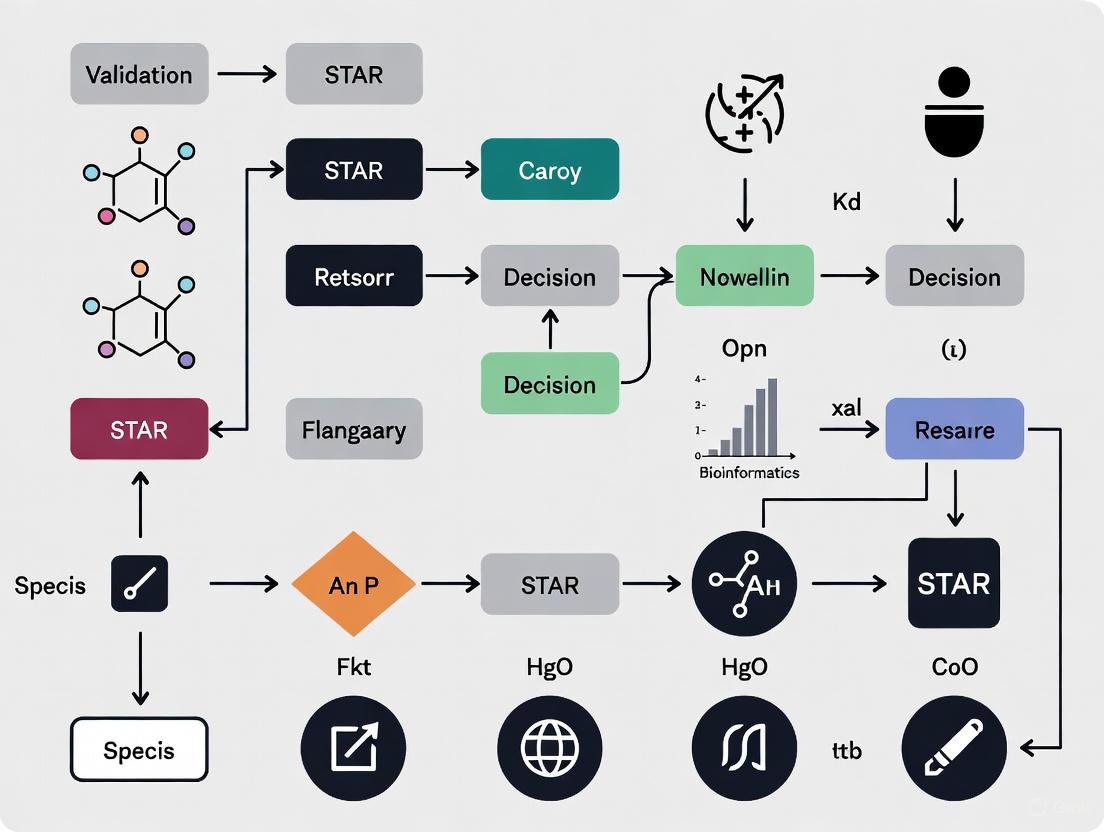
This article examines the critical challenge of translating preclinical findings across species to successful human outcomes in drug development.
Beyond Animal Models: Revolutionizing Predictive Performance in Preclinical Drug Development
Abstract
This article examines the critical challenge of translating preclinical findings across species to successful human outcomes in drug development. We explore the scientific and regulatory evolution driving the adoption of New Approach Methodologies (NAMs), including advanced in vitro systems like organoids and organs-on-chip, alongside sophisticated in silico tools such as AI and digital twins. For researchers and drug development professionals, this piece provides a comprehensive framework covering the foundational limitations of traditional models, methodological applications of innovative tools, strategies for troubleshooting and optimization, and the crucial process of validation and comparative analysis. The synthesis of these elements highlights a paradigm shift towards a more human-relevant, efficient, and predictive preclinical research ecosystem.
The Translational Gap: Why Traditional Animal Models Fail in Drug Development
The pharmaceutical industry operates at the nexus of profound scientific innovation and immense financial risk, characterized by a development process that is both lengthy and prone to failure. Developing a new drug typically takes 10–15 years and costs on the order of $1–2 billion or more per successful drug, with the average capitalized cost reaching $2.6 billion when accounting for failures [1] [2]. This high-stakes environment is governed by a rigorous, multi-stage process designed to ensure safety and efficacy but which also establishes a complex path to market where attrition rates are staggering. Industry analyses consistently show that only about 7.9% of drug candidates entering Phase I clinical trials will ultimately receive marketing approval [2]. This translates to a situation where over 90% of clinical drug development efforts fail [3] [4], creating a significant "high cost of attrition" that impacts therapeutic advancement, resource allocation, and ultimately, patient care.
Understanding these success rates and the precise points where failures occur is crucial for researchers, scientists, and drug development professionals seeking to optimize this pipeline. This analysis examines drug development through the analytical lens of validation—similar to the Species Threat Abatement and Restoration (STAR) metric used in conservation biology to quantify conservation contributions and validate global metrics at national scales [5]. Just as STAR requires validation against local data to ensure accurate threat assessment and resource prioritization, drug development strategies must be validated through robust, data-driven approaches at each development phase to mitigate attrition risks and improve the probability of success.
Quantitative Analysis of Drug Development Success Rates
Phase-Transition Success Probabilities
The drug development pipeline functions as a sequential filtering mechanism, with the highest attrition occurring during clinical trials. Table 1 summarizes the likelihood of a drug successfully transitioning from one phase to the next, based on aggregated industry data:
Table 1: Drug Development Phase Transition Success Rates and Characteristics
| Development Phase | Average Duration | Primary Purpose | Probability of Transition to Next Phase | Primary Reasons for Failure |
|---|---|---|---|---|
| Discovery & Preclinical | 2-4 years | Target identification, lead optimization, safety/toxicology testing | ~0.01% (to approval) | Toxicity, lack of effectiveness in models [2] [4] |
| Phase I | 2.3 years | Safety, tolerability, and dosage in small groups (20-100) | 52% - 70% | Unmanageable toxicity/adverse effects [2] [4] |
| Phase II | 3.6 years | Efficacy and further safety in patients (several hundred) | 29% - 40% | Lack of clinical efficacy (~40-50% of failures) [2] [4] |
| Phase III | 3.3 years | Confirm efficacy, monitor long-term safety in large populations (300-3,000) | 58% - 65% | Insufficient efficacy, safety concerns in larger cohorts [2] [4] |
| Regulatory Review | 1.3 years | Agency review of all data for benefit-risk assessment | ~91% | Safety/efficacy concerns, inadequate evidence [2] |
The data reveals that Phase II represents the most significant attrition point in clinical development, with success rates of only 29-40% [2] [4]. This phase serves as the critical efficacy testing ground, where approximately 40-50% of failures are attributed to a lack of clinical efficacy [2] [4]. This suggests that preclinical models often fail to reliably predict human therapeutic responses, highlighting a crucial validation gap between animal models and human biology.
Therapeutic Area Variability
Success rates vary substantially across therapeutic areas, reflecting differing disease complexities, validation of therapeutic targets, and regulatory environments. Table 2 compares Likelihood of Approval (LOA) from Phase I across selected therapeutic areas:
Table 2: Success Rate Variation by Therapeutic Area (Likelihood of Approval from Phase I)
| Therapeutic Area | Likelihood of Approval (LOA) from Phase I | Notable Challenges |
|---|---|---|
| Hematology | 23.9% | Often better understanding of disease mechanisms [2] |
| Oncology | <10% (average) | Tumor heterogeneity, complex microenvironment [4] |
| Neurology | <10% (average) | Blood-brain barrier delivery, disease complexity [4] |
| Cardiovascular | <10% (average) | Need for large, long-term outcome studies [4] |
| Urology | 3.6% | Specific challenges not detailed in search results [2] |
Hematology drugs demonstrate the highest LOA at 23.9%, while urology drugs have the lowest at just 3.6% [2]. Drugs targeting neurology, oncology, cardiovascular disease, and urology consistently show some of the lowest likelihoods of approval [4]. These variations underscore the importance of disease-specific validation strategies and the limitations of one-size-fits-all development approaches.
Methodologies for Analyzing and Reducing Attrition
Experimental Protocols for Efficacy and Safety Validation
Predictive Data Integration for Preclinical Validation
Advanced data integration methodologies are increasingly critical for bridging the translational gap between preclinical models and human outcomes:
- Protocol Objective: To create contextualized data infrastructures that enhance the predictive value of preclinical and early clinical data [3].
- Methodology: Implement unified data platforms that aggregate and contextualize information from numerous systems, equipment, and processes. Sanofi exemplified this approach by building a data infrastructure integrating process data with physical sensors (vibration, ultrasonic monitors) and applying anomaly-detection models to predict equipment issues and optimize maintenance [3].
- Validation Technique: Develop predictive models using real-time operations data to assess product consistency directly within the manufacturing process, as demonstrated by Biogen, which embedded consistency testing into production to dramatically reduce quality control time [3].
- Data Analysis: Deploy AI-driven process simulation in a "lab in a loop" approach, where researchers use data from experiments to create AI models that predict molecular design and interactions, then test these predictions and feed results back into model refinement [3].
Real-World Evidence (RWE) Integration for Clinical Validation
The incorporation of Real-World Evidence (RWE) represents a paradigm shift in clinical validation strategies:
- Protocol Objective: To generate clinical evidence from Real-World Data (RWD) collected outside traditional clinical trials, capturing broader patient experiences and outcomes [6].
- Data Sources: Electronic health records (EHRs), insurance claims data, patient registries, and digital health technologies (wearable devices, mobile health apps, electronic patient diaries) [6].
- Methodology: Implement robust data governance frameworks and standardization protocols (HL7, FHIR) to harmonize diverse data sources. Conduct rigorous validation processes to identify errors, missing values, and inconsistencies [6].
- Application: Utilize RWE to enhance preclinical assessment by supplementing animal models with historical clinical data, identifying potential safety signals and efficacy trends early in development. RWE also enables research on more diverse and high-risk patient groups often excluded from traditional RCTs [6].
The following diagram illustrates this integrated validation methodology for bridging preclinical and clinical development:
Statistical Analysis Frameworks for Comparative Effectiveness
In the absence of head-to-head clinical trials, validated statistical methods enable indirect treatment comparisons:
- Adjusted Indirect Comparisons: This accepted method compares the magnitude of treatment effect between two treatments relative to a common comparator, preserving the randomization of originally assigned patient groups [7]. For example, if Drug A and Drug B have both been compared to Drug C in separate trials, their indirect comparison is calculated as: (A vs. C) - (B vs. C) [7].
- Multiple Adjusted Indirect Comparisons: When no common comparator exists, a series can be constructed linking two drugs indirectly via multiple comparators (e.g., A vs. C, B vs. D, and C vs. D) [7].
- Mixed Treatment Comparisons (MTC): These Bayesian statistical models incorporate all available data for a drug, including data not relevant to the comparator drug, reducing uncertainty through network integration [7].
All indirect analyses rely on the fundamental assumption that study populations in the trials being compared are sufficiently similar—a validation requirement analogous to ensuring STAR metric applicability across different geographical contexts [7] [5].
The Scientist's Toolkit: Essential Research Reagent Solutions
The following reagents, technologies, and platforms represent essential components for modern drug development workflows focused on validating targets and reducing attrition:
Table 3: Key Research Reagent Solutions for Drug Development Validation
| Tool/Category | Specific Examples | Function in Validation |
|---|---|---|
| Data Integration Platforms | AVEVA PI System, Cloud-based Data Architecture | Aggregates and contextualizes data from disparate systems, equipment, and processes for predictive modeling [3] |
| AI/Modeling Platforms | NVIDIA Earth-2, "Lab in a Loop" AI Models | Applies deep learning to explore chemical databases, streamline testing, and create digital twins for virtual patient testing [3] [8] |
| Real-World Data Sources | Electronic Health Records, Wearable Sensors, Patient Registries | Provides real-world treatment response data and enables remote patient monitoring in clinical trials [3] [6] |
| Statistical Analysis Software | R, Python, CADTH Indirect Comparison Software | Enables complex statistical analyses including adjusted indirect comparisons and mixed treatment comparisons [7] [9] |
| Screening Technologies | High-Throughput Screening, Patient-Derived Organoids | Identifies promising lead compounds and provides more physiologically relevant disease models for efficacy testing [1] |
| Biomarker Assays | Genomic Profiling, Molecular Diagnostics | Enables patient stratification, target engagement assessment, and pharmacodynamic response measurement [1] |
These tools collectively enable a more validated, data-driven approach to drug development, helping to address the high attrition rates by providing better predictive capabilities throughout the pipeline.
The analysis of drug development success rates reveals a process characterized by substantial attrition, particularly at the Phase II efficacy testing stage where approximately 60-70% of candidates fail, primarily due to insufficient clinical efficacy [2] [4]. This high failure rate, combined with lengthy development timelines of 10-15 years and costs exceeding $2 billion per approved drug, creates a challenging environment for therapeutic innovation [1] [2].
The path forward requires a fundamental shift toward rigorously validated approaches at each development stage, mirroring validation principles exemplified by the STAR metric in conservation science [5]. This includes implementing robust data integration platforms that contextualize information from multiple sources [3], incorporating real-world evidence to enhance understanding of treatment effects in diverse populations [6], and applying appropriate statistical methods for comparative effectiveness research when direct trial evidence is unavailable [7].
As the industry increasingly adopts these validated approaches—leveraging AI-driven models, real-world data, and advanced analytics—there is potential to fundamentally reshape the attrition curve, creating a more efficient and predictive drug development pipeline that ultimately delivers better therapies to patients in need.
A fundamental challenge in modern biomedical research lies in the significant biological differences between preclinical animal models and humans. These species-specific disconnects profoundly impact the development of effective therapies and accurate disease models. Chemical individuality, a concept articulated by Garrod, underscores how genetic variation creates substantial diversity in human metabolic processes and disease susceptibility [10]. Despite this understanding, traditional animal models, particularly rodents, remain the cornerstone of preclinical research, creating a translational gap where promising laboratory findings frequently fail to predict human clinical outcomes. This gap contributes significantly to drug development attrition rates, which approach 95% in fields like oncology [11].
The core issue stems from multifaceted differences across species in drug metabolism pathways, disease pathophysiology mechanisms, and population-level genetic diversity. These disconnects manifest at molecular, cellular, and systemic levels, compromising the predictive value of even sophisticated animal models. For instance, fundamental differences in cytochrome P450 enzyme systems between mice and humans lead to dramatically different drug metabolism profiles, potentially altering both efficacy and toxicity [12] [13]. Simultaneously, differences in immune system regulation, target protein expression, and genetic heterogeneity further complicate extrapolation from model organisms to human populations [14].
This guide systematically compares key species differences across these domains, providing researchers with a framework for critically evaluating preclinical data. By understanding these disconnects, scientists can make more informed decisions in model selection, experimental design, and clinical translation, ultimately improving the efficiency and success rate of therapeutic development.
Comparative Drug Metabolism: Cytochrome P450 System
The cytochrome P450 (CYP) enzyme system represents perhaps the most clinically significant site of species-specific disconnects in pharmacology. These enzymes mediate phase I metabolism for approximately 75-80% of clinically used drugs, creating profound implications for drug development and safety assessment.
Quantitative Differences in CYP Gene Families
Table 1: Cytochrome P450 Composition in Mice Versus Humans
| Species | Total CYP Genes in Major Drug-Metabolizing Families | Key Enzymes for Drug Metabolism | Regulatory Nuclear Receptors |
|---|---|---|---|
| Mouse | 34 genes across Cyp1a, Cyp2c, Cyp2d, and Cyp3a subfamilies [12] [13] | Multiple enzymes with overlapping functions | Mouse-specific Car and Pxr with different activation profiles [13] |
| Human | 8 key genes: CYP1A1, CYP1A2, CYP2C9, CYP2D6, CYP3A4, CYP3A7 [12] | CYP3A4 alone metabolizes ~50% of clinical drugs | Human CAR and PXR with distinct ligand binding [13] |
The quantitative disparity in CYP genes leads to functional differences with direct translational consequences. Mice generally metabolize drugs more rapidly than humans due to enzyme redundancy and different expression patterns, potentially leading to underestimation of human drug exposure and half-life [12]. Furthermore, the substrate specificity differs between orthologous enzymes, meaning a compound metabolized by one pathway in mice may follow a completely different metabolic route in humans, producing distinct metabolite profiles with potentially unique pharmacological or toxicological activities [13].
Experimental Models and Solutions
Experimental Protocol 1: Assessing Species-Specific Drug Metabolism Using Humanized Mouse Models
- Objective: To evaluate human-relevant metabolism and pharmacokinetics of investigational compounds while circumventing inherent mouse-specific metabolism.
- Model System: The 8HUM mouse model, in which 33 murine CYP genes together with Car and Pxr are replaced with human CYP1A1, CYP1A2, CYP2C9, CYP2D6, CYP3A4, CYP3A7, PXR, and CAR [12] [13] [15].
- Methodology:
- Administer the test compound to both 8HUM and wild-type mice via appropriate route (e.g., oral gavage, intravenous injection).
- Collect serial blood samples at predetermined time points (e.g., 0.25, 0.5, 1, 2, 4, 8, 12, 24 hours post-dose).
- Process plasma samples and quantify parent drug and major metabolites using LC-MS/MS.
- Determine key pharmacokinetic parameters: AUC (area under the curve), C~max~ (maximum concentration), T~max~ (time to C~max~), and t~1/2~ (elimination half-life).
- Compare metabolite profiles between 8HUM and wild-type mice to identify human-specific metabolites.
- Validation: This approach has been validated in studies demonstrating that 8HUM mice accurately replicate clinically observed drug-drug interactions that were not predicted by conventional mouse models or in vitro systems [15].
Figure 1: Experimental workflow for comparing drug metabolism pathways in wild-type versus humanized mouse models. The 8HUM model replaces 33 murine CYP genes with 8 human orthologs to better recapitulate human metabolic profiles.
Disease Pathophysiology and Modeling Limitations
Beyond metabolism, significant differences in disease pathophysiology between species complicate modeling of human disorders. These disconnects appear particularly pronounced in cancer, immunology, and neurology, where complex cellular interactions and tissue-specific microenvironments play critical roles.
Tumor Heterogeneity and Microenvironment
Traditional preclinical cancer models often fail to replicate the complexity of human tumors. Two-dimensional cell cultures lack crucial three-dimensional architecture, cell-matrix interactions, and diverse cellular composition characteristic of human tumors [11]. Even patient-derived xenografts implanted into immunocompromised mice suffer from replacement of human stromal components with murine counterparts, distorting the tumor microenvironment and potentially altering drug response [11].
Table 2: Limitations of Preclinical Cancer Models
| Model System | Key Advantages | Species-Specific Limitations | Impact on Translational Predictive Value |
|---|---|---|---|
| 2D Cell Culture | Simple, cost-effective, high-throughput | Lacks 3D architecture, cell-matrix interactions, tumor microenvironment | Poor prediction of clinical efficacy; high false positive rate |
| Murine Xenografts | Uses human cancer cells | Lacks functional human immune system; murine stromal replacement | Fails to predict immunotherapy responses; altered metastasis patterns |
| Patient-Derived Xenografts (PDXs) | Maintains original tumor histology/genomics | Lacks intact human tumor microenvironment; expensive; low throughput | Limited for large-scale drug screens; stromal replacement alters drug response |
| Genetically Engineered Mouse Models (GEMMs) | Studies cancer development in situ | Species differences in pharmacology and safety; time-consuming | May not accurately predict human drug responses due to pharmacological differences |
Immune System and Target Biology
Perhaps the most dramatic examples of species disconnects come from immunology. The TGN1412 catastrophe demonstrated how target expression differences can lead to tragic clinical outcomes. This CD28 superagonist antibody showed excellent tolerance in non-human primates at high doses but triggered life-threatening cytokine storms in human volunteers [14]. The critical difference was that human CD4+ effector memory T cells express CD28 and could be activated by TGN1412, while non-human primate counterparts lacked CD28 expression on this cell subset [14].
Similar target differences affect cancer therapeutics. The checkpoint inhibitor pembrolizumab (anti-PD-1) shows high affinity for human PD-1 but negligible binding to mouse PD-1 due to a single amino acid difference (aspartate in humans versus glycine in mice at position 85) [14]. Such disparities necessitate the development of humanized target models even for basic efficacy testing.
Genetic Diversity and Metabolic Individuality
Beyond species-level differences, genetic diversity within human populations creates additional complexity that animal models cannot fully capture. This chemical individuality significantly influences drug response and disease susceptibility.
Population-Level Genetic Variation
Large-scale metabolomic studies reveal how genetic variation shapes human metabolic profiles. Research analyzing 913 metabolites in 19,994 individuals identified 2,599 variant-metabolite associations, with rare variants (minor allele frequency ≤1%) explaining 9.4% of associations [10]. These genetic influences create genetically influenced metabotypes—clusters of co-regulated metabolites that reflect individual biochemical signatures [10].
Table 3: Examples of Clinically Significant Genetic Polymorphisms with Racial Disparities
| Gene/Protein | Functional Role | Polymorphism Example | Allele Frequency Disparity | Clinical Impact |
|---|---|---|---|---|
| ABCB1/P-gp | Drug efflux transporter | C3435T | Higher in Asian populations [16] | Altered drug absorption and bioavailability |
| CYP3A5 | Drug metabolism | CYP3A5*3 (non-functional) | Lower in African-Americans (~25% expressors) vs. Caucasians (~90% non-expressors) [16] | Higher tacrolimus dose requirements in African-Americans |
| DPYD | Fluoropyrimidine metabolism | DPYD variants | Varies across populations | Severe toxicity from 5-FU/capecitabine in variant carriers [10] |
| SRD5A2 | Androgen metabolism | SRD5A2 variants | Population-specific variants | Altered steroid metabolism; potential adverse effects from SRD5A2 inhibitors [10] |
Experimental Approaches for Studying Metabolic Individuality
Experimental Protocol 2: Identifying Genetically Influenced Metabotypes (GIMs)
- Objective: To identify clusters of co-regulated metabolites influenced by shared genetic variants and assign causal genes.
- Study Population: Large human cohorts (e.g., >15,000 participants) with paired genomic data and untargeted metabolomic profiling [10].
- Metabolomic Profiling: Use high-throughput untargeted mass spectrometry platforms (e.g., Metabolon HD4) quantifying 900+ metabolites across amino acids, lipids, xenobiotics, carbohydrates, nucleotides, cofactors, vitamins, and energy pathways [10].
- Genome-Wide Association Analysis:
- Perform metabolite quantitative trait locus (mQTL) mapping for each metabolite.
- Apply strict significance threshold (P < 1.25 × 10^-11) to identify variant-metabolite associations.
- Conduct conditional analyses to identify conditionally independent variant associations.
- GIM Definition:
- Within associated genomic regions, group metabolites influenced by shared genetic signals.
- Identify minimal set of variants explaining all regional metabolite associations.
- Assign causal genes through manual literature curation and functional annotation.
- Clinical Correlation: Systematically examine clinical relevance of GIMs across electronic health record data for 1,400+ phenotypes [10].
Figure 2: Pathway from genetic variation to clinical phenotype through genetically influenced metabotypes. Genetic variants alter enzyme or transporter function, which regulates metabolite clusters that ultimately influence clinical outcomes like drug response.
The Scientist's Toolkit: Essential Research Reagents and Models
Table 4: Key Research Reagent Solutions for Studying Species Disconnects
| Tool/Reagent | Specific Function | Application in Species Comparison Studies |
|---|---|---|
| 8HUM Mouse Model | Replaces 33 murine CYP genes + Car/Pxr with human orthologs [13] [15] | Predicting human-specific drug metabolism, drug-drug interactions, and metabolite profiles |
| PXB Mouse Model | Humanized liver model via hepatocyte engraftment [17] | Studying human hepatotropic diseases, liver-specific metabolism, and drug-induced liver injury |
| Untargeted Metabolomics Platforms | Simultaneous quantification of 900+ metabolites [10] | Mapping genetically influenced metabotypes and chemical individuality across populations |
| Humanized Target Models | Replacement of murine immune targets with human versions [14] | Testing therapeutics against human-specific epitopes (e.g., PD-1, CD28) |
| Conditional Knockout Systems | Tissue-specific or inducible gene deletion | Studying essential genes with species-specific functions and validating targets |
Species-specific disconnects in drug metabolism, disease pathophysiology, and genetic diversity represent fundamental challenges in translational research. The cytochrome P450 system demonstrates dramatic quantitative and qualitative differences between species, directly impacting drug metabolism rates and pathways. Disease modeling, particularly in oncology and immunology, suffers from inadequate replication of human tumor microenvironments and immune interactions. Furthermore, human genetic diversity creates metabolic individuality that influences drug response and disease susceptibility in ways difficult to capture in inbred animal models.
Advanced model systems, particularly extensively humanized mice like the 8HUM model, provide valuable tools for bridging these translational gaps. Similarly, large-scale human metabolomic studies enable direct examination of genetic influences on biochemical pathways. By acknowledging these species disconnects and employing appropriate models and methodologies, researchers can improve the predictive value of preclinical research and enhance the success rate of therapeutic development.
The 3Rs framework—Replacement, Reduction, and Refinement—represents a fundamental paradigm in humane scientific research, guiding ethical and scientific practices in drug development and toxicity testing. First proposed in 1959 by William Russell and Rex Burch, these principles have evolved from philosophical concepts to actionable guidelines that stimulate policy reform and foster innovative safety assessment approaches in drug development [18] [19]. In modern regulatory practice, the 3Rs principle has revolutionized traditional approaches, shifting focus from mandatory animal toxicity testing toward more human-relevant New Approach Methodologies (NAMs) that minimize animal use while improving predictive accuracy for human safety [18]. This transformation is particularly relevant within the context of species validation research, where the need for translatable results demands models with high biological relevance.
The 3Rs framework operates within a dynamic regulatory landscape that has recently undergone significant changes. In 2023, the United States Food and Drug Administration passed landmark legislation through the FDA Modernization Act 2.0, eliminating the long-standing requirement that all new human drugs must be tested on animals [18]. This regulatory shift, coupled with similar movements globally, has accelerated the adoption of alternative methods and positioned the 3Rs not merely as ethical guidelines but as essential components of sophisticated, predictive toxicology science. The European Medicines Agency has similarly published guidelines on the regulatory acceptance of 3Rs testing approaches, creating a global momentum toward more responsible and human-relevant research practices [18].
Core Principles of the 3Rs Framework
Reduction: Minimizing Animal Numbers Without Compromising Scientific Quality
Reduction refers to the use of methods that minimize the number of animals needed to obtain information of a given amount and precision, consistent with sound scientific statistical standards [20] [19]. In practical application, Reduction strategies enable researchers to extract maximum knowledge from minimal animal use, thereby respecting ethical considerations while maintaining scientific rigor. Modern Reduction goes beyond simply using fewer animals and encompasses sophisticated experimental designs that enhance the quality and translatability of the data obtained.
Longitudinal Experimental Designs: Scientists implement innovative approaches such as longitudinal experiments where the same animals are imaged repeatedly, effectively eliminating the need for separate control groups and reducing total animal numbers [20]. This approach not only reduces overall animal use but also generates richer datasets by tracking individual animal responses over time.
Microsampling Techniques: In experiments requiring biochemical monitoring, researchers can employ blood microsampling where small blood volumes are collected from the same animal repeatedly instead of requiring multiple animals for terminal blood collection [20]. This technique significantly reduces animal numbers while maintaining data quality.
Data and Resource Sharing: Reduction is further achieved through systematic sharing of data, animals, tissues, and equipment between research groups and organizations, ensuring that similar animal studies are not repeated unnecessarily [20]. This collaborative approach maximizes knowledge gained from each animal used in research.
Advanced Statistical Methods: Going beyond traditional Reduction, modern research employs appropriate statistical analyses and principles of human clinical experimental design—including randomization, heterogenization, and blinding—to reduce the number of animals needed to find meaningful results while accounting for natural variation within populations [19].
Refinement: Enhancing Animal Welfare and Data Quality
Refinement encompasses any decrease in the incidence or severity of inhumane procedures applied to those animals which still have to be used, with the goal of minimizing pain, suffering, distress, or lasting harm [19]. Modern Refinement strategies recognize that animal welfare is intrinsically linked to research quality, as stress can significantly alter an animal's behavior and physiology, potentially affecting experimental outcomes [20]. Contemporary Refinement extends beyond pain management to encompass the animal's entire life experience in the research environment.
Environmental Enrichment and Housing: Refinement includes providing comfortable, species-appropriate housing that allows animals to behave as they would in natural settings, implementing up-to-date animal husbandry practices, and offering environmental enrichment that meets an animal's needs while providing opportunities for choice and positive experiences [20] [19].
Procedural Refinements: During experimental procedures, Refinement involves using appropriate anesthesia and analgesia, performing minimally invasive surgery, and training animals to cooperate during procedures rather than using restraint [20]. These approaches reduce distress while often improving data quality.
Evidence-Based Welfare Assessment: Going beyond traditional Refinement involves devoting dedicated resources to implementation of Refinement strategies, including staff specialized in animal welfare and behavior who stay informed on current research, and performing ongoing assessments of animal care programs to continuously improve practices [19].
Replacement: Advancing Beyond Animal Models
Replacement refers to the substitution for conscious living higher animals of insentient material, avoiding the use of animals in experiments where possible through non-animal methods [19]. Modern conceptualizations view Replacement as a spectrum ranging from "soft" replacement (using animals considered incapable of experiencing suffering, such as fruit flies or worms) to "hard" replacement (absolute avoidance of animal use through human-relevant models) [20] [19]. This nuanced perspective acknowledges that any movement toward absolute Replacement is beneficial, even when complete Replacement is not yet feasible.
Full Replacement Methods: These approaches completely avoid animal use and include technologies such as human volunteers, human tissues and cells, established cell lines, computer models, and artificial intelligence simulations [20] [18]. Full Replacement represents the ideal scenario where scientific objectives can be met without any animal use.
Partial Replacement Methods: When full Replacement is not yet possible, researchers may use animals considered incapable of experiencing suffering, such as fruit flies, worms, or other invertebrates, or employ technologies that reduce but do not eliminate animal use [20]. Partial Replacement represents important progress along the Replacement spectrum.
Advanced Non-Animal Technologies: Modern Replacement strategies include sophisticated approaches such as organ-on-a-chip devices that use 3D printing to create compartments replicating human organs, in silico modeling and simulations, and advanced in vitro systems that provide more human-relevant data than traditional animal models [18].
Table 1: Comparison of Core 3Rs Principles and Implementation Strategies
| Principle | Core Definition | Traditional Approaches | Modern Advancements |
|---|---|---|---|
| Reduction | Using the least amount of animals needed for robust, reproducible experiments [19] | Basic statistical power analysis | Longitudinal designs with repeated imaging, blood microsampling, data sharing platforms [20] |
| Refinement | Minimizing pain, suffering, and distress for research animals [19] | Basic pain management during procedures | Species-appropriate environmental enrichment, cooperative training, evidence-based welfare assessment [20] [19] |
| Replacement | Avoiding animal use through non-animal methods [19] | Simple cell cultures, chemical tests | Human organ-on-a-chip models, AI and in silico simulations, human tissue biorepositories [20] [18] |
The 3Rs in Practice: Methodologies and Experimental Approaches
New Approach Methodologies (NAMs) as 3Rs Solutions
New Approach Methodologies (NAMs) represent a broad category of innovative scientific methods aimed at replacing, reducing, or refining animal use in toxicity testing and biomedical research while providing more accurate and relevant human safety data [18]. These methodologies encompass diverse technological platforms that offer superior human predictivity compared to traditional animal models, addressing the critical limitation of species translatability that has long plagued pharmaceutical development. The emergence of sophisticated NAMs has been catalyzed by advancements in biotechnology, computational power, and growing recognition of the scientific and ethical limitations of animal models.
A key framework supporting NAMs implementation is the Integrated Approaches to Testing and Assessment (IATA), developed by the Organisation for Economic Co-operation and Development (OECD). IATA provides a structured methodology that integrates multiple information sources—including in vitro assays, in silico models, omics technologies, and existing in vivo data—to comprehensively assess pharmaceutical safety without relying exclusively on animal testing [18]. This integrated approach allows researchers to build a weight-of-evidence understanding of compound safety using human-relevant systems, strategically employing animal testing only when essential information gaps exist. The OECD has further supported 3Rs implementation through developing guidance documents and tools such as Quantitative Structure-Activity Relationship (QSAR) models and Adverse Outcome Pathways (AOPs) that facilitate non-animal safety assessment [18].
Experimental Protocols for Key Alternative Methods
Organ-on-a-Chip Protocol for Toxicity Screening
Organ-on-a-chip technology represents a cutting-edge Replacement approach that mimics human organ-level physiology more accurately than traditional two-dimensional cell cultures. These microfluidic devices contain hollow channels lined with living human cells arranged to recapitulate organ-specific tissue structures and functions, creating more physiologically relevant models for drug toxicity assessment.
Detailed Experimental Protocol:
- Chip Fabrication: Manufacture microfluidic devices using 3D printing techniques with biocompatible polymers such as polydimethylsiloxane (PDMS), creating compartments that replicate human organs including heart, lungs, kidneys, liver, intestine, and brain [18].
- Cell Sourcing and Seeding: Isolate primary human cells or use differentiated stem cells from relevant tissues. Seed cells at appropriate densities into the respective organ compartments under sterile conditions.
- Tissue Maturation: Perfuse culture medium through the vascular channels and apply appropriate mechanical stimuli (e.g., cyclic stretching for lung chips, fluid flow shear stress for liver chips) to promote tissue maturation and functionality over 7-28 days.
- Compound Exposure: Introduce test compounds at clinically relevant concentrations through the vascular channels, mimicking systemic administration. Collect effluent medium at timed intervals for biomarker analysis.
- Endpoint Assessment: Measure functional parameters (e.g., beat frequency for heart chips, albumin production for liver chips), structural integrity (through transepithelial electrical resistance), cytotoxicity (via lactate dehydrogenase release), and specific biomarker expression (using immunofluorescence and PCR).
- Data Integration: Analyze multiple endpoint data using computational models to predict human physiological responses, comparing results to historical animal and human data for validation.
This protocol enables researchers to study drug metabolism and organ-specific toxicities in a human-relevant system that captures some aspects of organ-organ interactions, potentially replacing certain animal toxicity studies [18].
In Silico Toxicology Protocol Using QSAR Modeling
Quantitative Structure-Activity Relationship (QSAR) modeling represents a powerful Replacement and Reduction approach that predicts compound toxicity based on chemical structure similarity to compounds with known toxicological profiles.
Detailed Experimental Protocol:
- Dataset Curation: Compile high-quality experimental data from reliable sources (e.g., EPA's ToxCast, PubChem) for a well-defined toxicity endpoint. Ensure chemical structures are standardized and duplicates removed.
- Descriptor Calculation: Compute molecular descriptors capturing chemical properties (e.g., logP, molecular weight, polar surface area) and structural features using software such as PaDEL or Dragon.
- Dataset Splitting: Divide the dataset into training (70-80%), validation (10-15%), and test sets (10-15%) using rational methods such as Kennard-Stone or sphere exclusion to ensure representative chemical space coverage.
- Model Development: Apply machine learning algorithms (e.g., random forest, support vector machines, neural networks) to training data to build predictive models linking chemical descriptors to toxicity outcomes.
- Model Validation: Assess model performance using validation and test sets, calculating metrics including accuracy, sensitivity, specificity, and concordance. Apply additional validation through external datasets and prospective prediction challenges.
- Application for Safety Assessment: Use validated QSAR models to screen new chemical entities, prioritizing compounds with predicted low toxicity for further development and identifying structural alerts associated with toxicity.
This computational approach allows rapid, cost-effective toxicity screening of large compound libraries while completely replacing animal use for initial safety assessment [18].
Visualizing the 3Rs Implementation Workflow
The following diagram illustrates the integrated decision-making process for implementing the 3Rs framework in research design:
Diagram 1: 3Rs Implementation Workflow
Comparative Performance Data: Animal Models vs. Alternative Methods
Quantitative Assessment of Alternative Method Performance
The validation and adoption of 3Rs methodologies require rigorous comparison against traditional animal models across multiple performance metrics, including predictive accuracy for human responses, cost efficiency, throughput capacity, and reproducibility. The following table summarizes comprehensive comparative data between established animal models and emerging alternative approaches across key validation parameters.
Table 2: Comprehensive Performance Comparison: Animal Models vs. 3Rs Alternative Methods
| Method Category | Predictive Accuracy for Human Toxicity | Throughput (Compounds/Year) | Cost per Compound | Species Translatability Concerns | Regulatory Acceptance Status |
|---|---|---|---|---|---|
| Traditional Animal Models | Moderate (40-60%) [18] | Low (10-50) | High ($0.5-2M) | Significant species differences in metabolism, distribution | Fully established for most applications |
| In Vitro 2D Cell Cultures | Low-Moderate (30-50%) | High (1,000-5,000) | Low ($5-50K) | Limited physiological complexity, no organ interactions | Accepted for early screening, not for standalone safety |
| Organ-on-a-Chip Systems | Moderate-High (60-80%) [18] | Medium (100-500) | Medium ($100-500K) | Human cell-based but simplified physiology, limited longevity | Emerging acceptance with case-by-case justification |
| In Silico/QSAR Models | Varies by endpoint (50-90%) | Very High (10,000+) | Very Low ($1-10K) | Structure-based prediction, no species translatability issues | Accepted for prioritization and screening |
| Human Primary Tissue Models | High (70-85%) | Low-Medium (50-200) | High ($200-800K) | Maintains human-specific metabolism but donor variability | Limited acceptance, requires complementary data |
The data reveal that while traditional animal models benefit from established regulatory acceptance pathways, they demonstrate significant limitations in predictive accuracy for human outcomes, with estimates suggesting only 40-60% concordance with human toxicity profiles [18]. This translatability gap represents a fundamental scientific limitation that alternative methods specifically aim to address through human biology-based approaches. Organ-on-a-chip systems and human primary tissue models show particularly promising predictive accuracy (60-85%) while maintaining sufficient throughput for meaningful application in drug discovery pipelines [18].
Regulatory Adoption and Validation Metrics
The transition of 3Rs methodologies from research tools to regulatory-accepted approaches requires systematic validation and demonstration of reliability. Recent regulatory changes have significantly accelerated this process, with the FDA Modernization Act 2.0 removing the mandatory animal testing requirement for new drugs and explicitly opening pathways for alternative methods [18]. This legislative shift has catalyzed investment and innovation in NAMs development, with regulatory agencies developing specific guidance documents for evaluating and implementing these approaches.
Critical metrics for regulatory acceptance include:
- Technical Validation: Demonstration of reproducibility within and between laboratories, with clear standard operating procedures and quality control measures.
- Biological Relevance: Evidence that the method measures biologically meaningful endpoints relevant to human physiology and disease.
- Predictive Capacity: Statistical demonstration that the method accurately predicts human responses, typically through comparison with clinical data or established animal models.
- Reliability Assessment: Formal interlaboratory validation studies following established principles such as those developed by OECD, ensuring consistent performance across different laboratory settings.
The European Medicines Agency has published specific guidelines on the principles of regulatory acceptance of 3Rs testing approaches, creating a structured framework for evaluating alternative methods [18]. Similarly, the International Council for Harmonisation (ICH) has played an indispensable role in enhancing 3Rs principles through global harmonization of regulatory requirements, reducing redundant animal testing across different jurisdictions [18].
The Scientist's Toolkit: Essential Research Reagents and Solutions
Implementing the 3Rs framework requires specialized reagents, tools, and platforms that enable sophisticated non-animal research approaches. The following table details essential research solutions supporting modern Reduction, Refinement, and Replacement strategies.
Table 3: Essential Research Reagents and Solutions for Implementing 3Rs Principles
| Tool/Reagent Category | Specific Examples | Primary Function in 3Rs Research | Key Applications |
|---|---|---|---|
| Human Cell Sources | Primary hepatocytes, iPSCs, organ-specific primary cells | Provides human-relevant biological systems for Replacement | In vitro toxicity screening, disease modeling, metabolic studies |
| Advanced Scaffold Materials | Decellularized ECM, synthetic hydrogels, 3D printing polymers | Supports complex 3D tissue models for Replacement | Organoid development, tissue engineering, organ-on-a-chip systems |
| Microphysiological Systems | Organ-on-a-chip platforms, microfluidic bioreactors | Recreates human organ-level physiology for Replacement | ADME toxicity assessment, disease modeling, drug screening |
| Biosensing Platforms | TEER electrodes, multiparametric sensor arrays, metabolic trackers | Enables longitudinal monitoring for Reduction | Real-time barrier function assessment, metabolic monitoring |
| Computational Tools | QSAR software, PBPK modeling platforms, AI/ML algorithms | Predicts toxicity and efficacy for Replacement/Reduction | Compound prioritization, toxicity prediction, clinical trial design |
| Analytical Technologies | High-content imaging, LC-MS/MS, RNA-seq platforms | Maximizes data generation per sample for Reduction | Mechanistic toxicology, biomarker identification, pathway analysis |
| Environmental Enrichment | Species-specific housing, cognitive challenges, social structures | Improves animal welfare for Refinement | Behavioral studies, neuroscience research, welfare science |
These research tools collectively enable the implementation of all three Rs by providing human-relevant test systems (Replacement), enhancing data quality and quantity from fewer animals (Reduction), and improving animal welfare through better housing and monitoring (Refinement). The continuous development and commercialization of these tools represent a growing market responding to scientific and ethical imperatives in biomedical research.
The 3Rs framework has evolved from an ethical concept to a sophisticated scientific paradigm that simultaneously advances animal welfare and research quality. The ongoing transition from traditional animal models to human-relevant alternative methods represents both an ethical imperative and a scientific opportunity to improve the predictive accuracy of safety assessment. As regulatory agencies worldwide adapt to accept these new approaches—exemplified by the landmark FDA Modernization Act 2.0—the research community is positioned to accelerate the development and implementation of advanced methodologies that better predict human responses [18].
The future of 3Rs implementation will likely focus on further developing integrated testing strategies that combine multiple alternative approaches—computational predictions, in vitro systems, and limited targeted in vivo studies—to build comprehensive safety profiles without relying exclusively on animal models. This evolution will require continued collaboration between researchers, regulatory agencies, and tool developers to establish validated, standardized approaches that meet rigorous scientific standards while adhering to ethical principles. As the scientific community moves "Beyond 3Rs" to expand these concepts, the framework will continue to serve as both a foundation and catalyst for innovation in humane, human-relevant research [19].
The FDA Modernization Act 2.0, signed into law in December 2022, marks a transformative pivot in U.S. drug development policy by eliminating the long-standing federal mandate for animal testing in preclinical trials [21] [22] [23]. This legislative change was driven by the high failure rates of drugs in clinical trials, where an estimated 90% of drugs that pass animal studies fail in humans due to unexpected toxicity or lack of efficacy, costing the industry approximately $28 billion annually [21] [24] [25]. The Act explicitly encourages the use of New Approach Methodologies (NAMs), including cell-based assays, organ-on-a-chip systems, and sophisticated computer models, to establish drug safety and effectiveness [24] [23] [25]. This article explores the impact of this regulatory shift on preclinical validation, framing the discussion within a broader thesis on scientific and translational research (STAR) performance across different species validation research.
The Scientific and Regulatory Catalyst for Change
The impetus for the FDA Modernization Act 2.0 stems from growing recognition of the fundamental pharmacogenomic differences between animal models and humans [21]. These differences lead to substantial variations in how drugs are absorbed, distributed, metabolized, and excreted (ADME) [21].
- The Problem of Genetic Diversity: Highly inbred animal models, such as rodent strains, are genetically homogeneous, effectively acting as technical replicates. This contrasts sharply with the vast genetic diversity of human populations, where genetic variation leads to significant differences in individual responses to drugs [21] [25]. It is estimated that as few as 1 in 25 people are optimal responders to common medications, highlighting the limitations of animal-based predictions [21].
- High-Profile Failures: Instances like the phase I trial failure of theralizumab, an anti-CD28 monoclonal antibody, underscore the dangers of poor translatability. Preclinical tests in mice showed great efficacy, but in humans, a dose 500 times lower than the safe mouse dose induced a massive cytokine storm, resulting in organ failure and hospitalization [21].
- The Legislative Response: The Act amended the Federal Food, Drug, and Cosmetic Act of 1938 by replacing the term "preclinical tests (including tests on animals)" with "nonclinical tests," and broadly defining these to include cell-based assays, microphysiological systems (MPS), and computer models [26] [23].
Comparative Performance: Animal Models vs. New Approach Methodologies (NAMs)
The core premise of the regulatory shift is that human biology-based NAMs can provide more predictive data for clinical outcomes than traditional animal models. The tables below summarize key quantitative comparisons.
Table 1: Overall Performance and Translational Value of Preclinical Models
| Model Characteristic | In vivo Animal Models | In vitro 2D Cell Culture | Organ-on-a-Chip (OOC) |
|---|---|---|---|
| Human Relevance | Low (Significant species differences) [21] | Medium | High (Uses primary human cells) [23] |
| Complex 3D Tissues | Yes | No | Yes [23] |
| Blood/Fluid Perfusion | Yes | No | Yes [23] |
| Longevity for Chronic Dosing | > 4 weeks | < 7 days | ~ 4 weeks [23] |
| Predictive Accuracy for Human Toxicity | ~50% agreement with human studies [27] | Low | 87% sensitivity, 100% specificity (Demonstrated in a Liver-Chip DILI study) [26] |
| Time to Result | Slow | Fast | Fast [23] |
Table 2: Analysis of Clinical Trial Failures and NAMs' Potential Impact
| Metric | Animal Model Data | Potential Impact of NAMs |
|---|---|---|
| Phase I Trial Approval Rate (2011-2017) | 6% - 7% [21] | Not yet fully quantified, but expected to significantly improve |
| Common Cause of Clinical Trial Termination | Lack of efficacy (60%), Toxicity (30%) [21] | Improved efficacy & safety prediction via human-relevant models [21] [27] |
| Ability to Assess New Modalities (e.g., mAbs) | Low [23] | Medium-High [23] |
| Genetic Diversity of Test System | Low (Effectively clones) [21] | High (Can leverage diverse iPSC biobanks) [21] |
Detailed Experimental Protocols for Key NAMs
The adoption of NAMs requires robust and standardized experimental protocols. Below are detailed methodologies for three cornerstone technologies.
Protocol for Induced Pluripotent Stem Cell (iPSC)-Based Screening
iPSCs are created from somatic cells (e.g., skin fibroblasts, leukocytes) reprogrammed using the Yamanaka factors (OCT4, SOX2, KLF4, and cMYC) [21]. They enable the creation of patient-specific disease models.
- Step 1: Cell Line Sourcing and Barcoding: Source iPSCs from diverse, ethically-screened donors to create a biobank. For large-scale "cell village" experiments, barcode individual cell lines using whole-genome sequencing variations. This allows multiple lines to be cultured together in a single dish and their data deconvoluted later via single-cell RNA or ATAC sequencing [21].
- Step 2: Directed Differentiation: Differentiate iPSCs into the desired cell type (e.g., cardiomyocytes, neurons) using specific cytokine and small-molecule protocols. For example, to generate cardiomyocytes, activate the Wnt pathway followed by its inhibition [27].
- Step 3: Drug Exposure and Functional Assays: Expose the differentiated cells to the drug candidate. Assay for cell viability, functional output (e.g., contractility for cardiomyocytes), and transcriptomic changes. High-content imaging and multi-electrode arrays are often used [27].
- Step 4: Data Analysis and Stratification: Use single-cell sequencing to assign results back to each barcoded donor. Analyze for patterns of efficacy and toxicity across a genetically diverse cohort, identifying sub-populations of responders and non-responders [21].
Protocol for Organ-on-a-Chip (OOC) Toxicological Assessment
Organ-Chips are microfluidic devices containing living human cells that simulate organ-level physiology and organ crosstalk [26] [23].
- Step 1: Device Fabrication and Cell Seeding: Fabricate the chip, typically from polydimethylsiloxane (PDMS), using photolithography. The device contains microchannels and porous membranes. Seed relevant human cell types (e.g., hepatocytes for a Liver-Chip) into the tissue chamber and endothelial cells into the adjacent vascular channel to recreate a blood vessel interface [21] [26].
- Step 2: System Maturation and Perfusion: Connect the chip to a perfusion system to circulate cell culture medium, providing nutrients and applying mechanical cues (e.g., fluid shear stress). Allow the tissue to mature and form functional structures for 1-2 weeks [23].
- Step 3: Drug Dosing and Metabolite Tracking: Introduce the drug candidate into the perfusion system. For a multi-organ system, the drug may be introduced into a "gut" chip, with its metabolites transported to a "liver" chip for further analysis. Apply both acute and chronic dosing regimens [23].
- Step 4: Endpoint Analysis: Analyze the effluent for biomarkers of injury (e.g., albumin for liver, troponin for heart). Fix and stain the tissues for immunohistochemistry to assess structural damage. Compare the results to known human toxicants to validate the system's predictive value [26].
Protocol for In Silico Prediction of Drug-Induced Liver Injury (DILI)
Computational models use AI and machine learning to predict toxicity from a drug's structural and physicochemical properties.
- Step 1: Data Curation and Model Training: Curate a large dataset of chemical structures with known human DILI outcomes. Use this data to train a machine learning model, such as a random forest or deep neural network, to recognize structural features associated with hepatotoxicity [25].
- Step 2: Feature Extraction and Integration: For a new drug candidate, extract key molecular descriptors (e.g., molecular weight, lipophilicity, presence of specific functional groups). Some advanced models may integrate data from lower-level in vitro assays [24] [25].
- Step 3: Prediction and Confidence Scoring: The AI model outputs a prediction of the compound's DILI risk (e.g., high, medium, low). It also provides a confidence score based on the compound's similarity to those in its training set [25].
- Step 4: Experimental Correlation and Validation: Correlate the in silico predictions with experimental data from other NAMs, such as the OOC and iPSC-based assays described above, to build a comprehensive weight-of-evidence safety profile [26].
The following workflow diagram illustrates the integrated application of these key NAM protocols within a preclinical validation strategy.
The Scientist's Toolkit: Essential Research Reagent Solutions
Transitioning to a NAM-centric workflow requires a suite of specialized tools and reagents. The following table details essential components for establishing these human-relevant testing platforms.
Table 3: Key Research Reagent Solutions for NAMs-Based Preclinical Validation
| Tool/Reagent | Function | Application in Preclinical Validation |
|---|---|---|
| Induced Pluripotent Stem Cells (iPSCs) | Patient-derived cells that can be differentiated into any cell type. Provide a genetically diverse, human-specific platform for testing [21] [27]. | Disease modeling, target validation, high-throughput safety and efficacy screening, identification of sub-population responses [21]. |
| Microphysiological Systems (MPS) / Organ-Chips | Microfluidic devices containing 3D, perfused human cell cultures that emulate organ-level physiology and organ crosstalk [21] [23]. | Predictive toxicology (e.g., DILI), ADME studies, modeling multi-organ interactions, chronic dosing [26] [23]. |
| Single-Cell Sequencing Assays | Technologies like scRNA-seq and scATAC-seq that measure gene expression and chromatin accessibility at a single-cell resolution [21]. | Deconvoluting responses in pooled "cell village" experiments, uncovering mechanistic insights into drug action and toxicity, identifying novel biomarkers [21]. |
| AI/ML Software Platforms | Computational models trained on chemical and biological data to predict drug properties, toxicity, and efficacy in silico [21] [25]. | Early prioritization of lead candidates, prediction of ADME properties and off-target effects, de-risking molecules before wet-lab experiments [24] [25]. |
| Differentiation Kits & Media | Defined cytokine and small-molecule cocktails for directing iPSC differentiation into specific lineages (e.g., cardiomyocytes, hepatocytes) [27]. | Ensuring consistent, high-quality production of target cells for reproducible screening assays and organ-chip tissue seeding [27]. |
The FDA Modernization Act 2.0 has fundamentally redefined the preclinical validation landscape, moving the industry from a rigid, animal-dependent framework to a flexible, evidence-based paradigm centered on human biology. Technologies such as iPSCs, Organ-Chips, and AI-driven in silico models are demonstrating superior performance in predicting human safety and efficacy outcomes, directly addressing the high failure rates that have long plagued drug development. For researchers and drug development professionals, mastering these NAMs is no longer optional but essential. Success in this new era will depend on the strategic integration of these tools into a cohesive preclinical workflow, leveraging their respective strengths to build a more predictive, efficient, and ultimately more successful path for bringing new therapeutics to patients.
Next-Generation Predictive Tools: From Organ-on-a-Chip to AI Digital Twins
The pharmaceutical industry faces a critical challenge in improving the translational relevance of preclinical models used in drug discovery and development. Traditional systems, particularly two-dimensional (2D) cell cultures and animal models, have long served as essential tools for evaluating drug efficacy and safety. However, these models often fail to faithfully recapitulate human-specific responses, leading to poor predictive value and high attrition rates in clinical trials [28]. Conventional 2D cell cultures, propagated on plastic as flat monolayers, cannot replicate the complex spatial interactions that occur in living tissues, while animal models raise ethical concerns and demonstrate limited predictive value for human disease due to interspecies differences [29] [28].
In recent years, advanced in vitro systems have emerged as promising alternatives that bridge the gap between traditional cell culture and in vivo experimentation. Among these, Patient-Derived Tumor Organoids (PDTOs) and Microphysiological Systems (MPS) represent a paradigm shift in preclinical modeling. These technologies offer more physiologically relevant platforms that preserve patient-specific genetic and phenotypic features, enabling more accurate prediction of drug responses and supporting the advancement of precision medicine [28] [30]. By more closely mimicking human physiology and disease states, PDTOs and MPS are transforming biomedical research, drug screening, and personalized therapeutic strategies.
Patient-Derived Tumor Organoids (PDTOs)
Patient-Derived Tumor Organoids (PDTOs) are three-dimensional (3D) miniaturized structures that self-organize and mimic the architecture and functionality of native tumors. These in vitro models are cultured directly from patient tumor samples collected from biopsies, surgical specimens, or biological fluids such as ascites and blood [30]. PDTOs can be grown from a wide variety of human cancers, including colorectal, pancreatic, lung, breast, ovarian, and prostate cancers [30]. The key advantage of PDTOs lies in their ability to faithfully recapitulate the histological and molecular characteristics of the original parental tumor, maintaining intratumoral heterogeneity and drug resistance patterns observed in patients [28] [30].
PDTOs represent a significant advancement over previous 3D culture approaches such as spheroids, which are highly compact spherical structures primarily obtained from immortalized cell lines. Unlike spheroids, PDTOs are derived directly from patient tissue and maintain genomic stability over multiple passages without acquiring the irrelevant mutations that often accumulate in conventional cell lines [30]. The self-organizing capacity of PDTOs results from their origin in stem cells within the tumor tissue, which allows them to develop multicellular structures exhibiting remarkable similarities to in vivo tumor architecture [31].
Microphysiological Systems (MPS)
Microphysiological Systems (MPS), often referred to as "organ-on-chip" technologies, are advanced in vitro platforms that combine the structural complexity of 3D organoids with precise microenvironmental control through microfluidic devices [28]. These systems enable more accurate modeling of human pharmacokinetics and pharmacodynamics by incorporating dynamic flow conditions that better reflect in vivo physiology [28]. MPS can simulate the mechanical and biochemical microenvironments of human tissues, including fluid shear stress, mechanical stretching, and nutrient gradients that influence cellular behavior and drug responses.
The integration of biosensors and real-time readouts within MPS platforms allows for continuous monitoring of drug responses, improving throughput and data quality in pharmaceutical development [28]. Particularly for modeling complex biological barriers and multi-tissue interactions, MPS offer significant advantages over static culture systems. For instance, specialized MPS have been developed to study the interplay between glioblastoma and the blood-brain barrier, addressing a critical challenge in neuro-oncology where over 98% of potential therapeutic candidates fail to penetrate the brain [32].
Comparative Analysis of Preclinical Models
To objectively evaluate the performance of PDTOs against other established preclinical models, we must consider multiple parameters, including physiological relevance, scalability, cost-effectiveness, and predictive value. The following comparative analysis highlights the distinctive advantages and limitations of each model system.
Table 1: Comprehensive Comparison of Preclinical Model Systems
| Model Characteristics | 2D Cell Cultures | Animal Models | Conditionally Reprogrammed (CR) Cells | Patient-Derived Tumor Organoids (PDTOs) |
|---|---|---|---|---|
| Physiological Relevance | Low; lacks 3D architecture and tissue-specific microenvironment [33] | Medium; species-specific differences limit human relevance [29] [28] | Medium; maintains some tissue specificity but lacks 3D organization [33] | High; recapitulates histology and heterogeneity of original tumor [28] [30] |
| Success Rate & Establishment Time | High; 1-3 days [33] | Variable; months for PDX models [29] | High; 1-10 days [33] | Medium; 2-8 weeks depending on cancer type [30] [34] |
| Cost Effectiveness | High; low cost and easy to maintain [29] [33] | Low; expensive and time-consuming [29] | Medium; requires specialized culture conditions [33] | Medium; requires extracellular matrix and growth factors [30] [35] |
| Scalability & Throughput | High; suitable for high-throughput screening [33] | Low; low throughput and resource-intensive [29] | High; suitable for high-throughput drug screening [33] | Medium; adaptable to medium-throughput screening with optimization [28] [34] |
| Genetic Stability | Low; accumulate mutations over passages [33] | High; maintains human tumor genetics in PDX models [30] | High; maintains genomic composition without genetic manipulation [33] | High; maintains original tumor genomic profile over passages [30] [31] |
| Predictive Value for Clinical Response | Poor; limited correlation with patient outcomes [29] [28] | Variable; species-specific differences limit predictability [28] | Emerging evidence; shows promise for personalized medicine [33] | High; multiple studies demonstrate correlation with patient responses [28] [30] [34] |
| Tumor Microenvironment | Absent; homogenous cell population [33] | Present; but includes murine stromal components [30] | Limited; stromal cells inhibited in co-culture [33] | Can be incorporated through co-culture systems [30] [35] |
| Personalization Potential | Low; limited patient-specific models | Medium; through PDX models but time-consuming | High; can be established from individual patients [33] | High; directly derived from patient tumors [28] [30] |
Table 2: Quantitative Performance Metrics of PDTOs in Predictive Drug Testing
| Cancer Type | Study Type | Number of Patients/PDTOs | Accuracy in Predicting Clinical Response | Key Findings | Reference |
|---|---|---|---|---|---|
| Metastatic Colorectal Cancer | Community cohort | 56 treatment-naive patients | 83% accuracy for forecasting patient responses | "Resistant" predictions associated with inferior progression-free survival | [34] |
| Metastatic Colorectal Cancer | Prospective study (AGITG FORECAST-1) | 30 patients | Similar accuracy achieved for third-line or later treatment | Misclassification rates similar across different treatment regimens | [34] |
| Liver Cancer | Preclinical drug screening | 18 of 28 patient-derived clusters successfully cultured as PDTOs | Individual differences in drug sensitivity observed | Validation of oxaliplatin sensitivity via MRI and biochemical tests after patient treatment | [35] |
| Various Cancers | Review of multiple studies | Multiple cancer types | High correlation with patient response | Retains original tumor morphology, genetics, and drug resistance patterns | [30] |
The comparative data clearly demonstrate the superior performance of PDTOs in replicating human tumor biology and predicting clinical drug responses compared to traditional models. Specifically, PDTOs achieve approximately 83-85% accuracy in forecasting patient responses to standard-of-care therapies in metastatic colorectal cancer, with "resistant" predictions significantly associated with inferior progression-free survival [34]. This predictive capacity represents a substantial improvement over 2D models, which often show poor correlation with clinical outcomes, and animal models, which are compromised by species-specific differences in drug metabolism and target engagement [29] [28].
Experimental Protocols and Methodologies
Establishment of PDTO Cultures
The successful generation of PDTOs requires careful attention to sample processing, extracellular matrix selection, and culture medium composition. The following protocol outlines the standard methodology for establishing PDTOs from patient tumor tissue:
Sample Collection and Processing: Tumor tissues are obtained through surgical resection, core biopsies, or from malignant effusions. The sample should be processed within 1-2 hours of collection to maintain viability. Tissues are washed in cold phosphate-buffered saline (PBS) containing antibiotics (e.g., penicillin-streptomycin) to minimize contamination [30].
Tissue Dissociation: The tumor tissue is subjected to mechanical and/or enzymatic dissociation. Mechanical dissociation involves mincing the tissue into small fragments (approximately 1-2 mm³) using surgical scalpels. Enzymatic dissociation typically uses collagenase, dispase, or other tissue-specific enzymes at 37°C for 30 minutes to 2 hours, depending on tissue consistency [30] [35].
Extracellular Matrix Embedding: The dissociated cell suspension or small tissue fragments are mixed with an extracellular matrix (ECM) hydrogel. The most commonly used ECM is Matrigel, a basement membrane extract from Engelbreth-Holm-Swarm murine sarcoma, which provides a 3D microenvironment conducive to organoid growth. The cell-ECM mixture is plated as domes in culture plates and allowed to solidify at 37°C for 20-30 minutes [30].
Culture Medium and Conditions: Specific culture medium is added over the solidified ECM domes. The composition of the medium varies depending on the cancer type but typically includes:
- Basal medium (e.g., Advanced DMEM/F12)
- Growth factors (e.g., EGF, Noggin, R-spondin)
- Wnt pathway agonists (e.g., Wnt3a) for certain cancer types
- B27 and N2 supplements
- Antibiotics (e.g., penicillin-streptomycin)
- Other tissue-specific additives [30]
Culture Maintenance: Cultures are maintained at 37°C in a humidified incubator with 5% CO₂. The medium is refreshed every 2-3 days, and organoids are typically passaged every 1-2 weeks using mechanical disruption or enzymatic digestion with trypsin-EDTA or accutase [30].
Drug Sensitivity Assays in PDTOs
Evaluating drug responses in PDTOs follows standardized protocols that enable quantitative assessment of treatment efficacy:
PDTO Preparation for Drug Testing: Organoids are collected and dissociated into single cells or small clusters. The cell number is quantified, and a predetermined number of cells (typically 1,000-10,000 cells per well) are embedded in ECM in 96-well plates suitable for high-throughput screening [30] [34].
Drug Treatment: Once organoids are established (usually after 5-7 days), drugs are applied at various concentrations. Testing typically includes a range of 5-8 concentrations with appropriate controls (vehicle-only treated). Each condition should be tested in technical replicates (at least 3-6 replicates) to ensure statistical robustness [34].
Incubation and Response Assessment: Following drug exposure (usually 5-7 days), viability is assessed using cell viability assays such as:
Data Analysis: Dose-response curves are generated, and IC₅₀ values (half-maximal inhibitory concentration) are calculated using nonlinear regression models. Responses are typically categorized as "sensitive" or "resistant" based on predetermined thresholds specific to each drug and cancer type [34].
Advanced MPS Integration
For more complex microenvironmental studies, PDTOs can be integrated into microphysiological systems:
Microfluidic Device Preparation: Polydimethylsiloxane (PDMS)-based microfluidic devices are fabricated using soft lithography techniques and sterilized before use [32].
PDTO Loading in MPS: Dissociated PDTO cells or small organoid fragments are loaded into the designated tissue chamber of the microfluidic device, typically in an ECM hydrogel [32].
Perfusion Establishment: Culture medium is perfused through the system using syringe pumps or gravity-driven flow at physiologically relevant flow rates (typically 0.1-10 µL/min, depending on the organ system being modeled) [32].
Endpoint Analysis: After drug treatment under flow conditions, various endpoints can be assessed, including:
- Transepithelial/transendothelial electrical resistance (TEER) for barrier integrity
- Immunofluorescence staining for specific markers
- Collection of effluents for cytokine/metabolite analysis
- Real-time imaging of cellular responses [32]
Key Signaling Pathways in PDTO Development and Maintenance
The successful establishment and long-term maintenance of PDTOs depend on the precise regulation of several critical signaling pathways. Understanding these pathways is essential for optimizing culture conditions and interpreting experimental results.
The Wnt/β-catenin pathway plays a fundamental role in maintaining cancer stem cells, which are crucial for PDTO self-renewal and long-term expansion. Many colorectal cancer PDTOs harbor mutations in the Wnt pathway (e.g., APC mutations), making them independent of exogenous Wnt ligands for growth [30]. The EGFR signaling pathway promotes cancer cell proliferation and survival, with many culture media requiring supplementation with EGF. However, tumors with constitutive activation of EGFR signaling pathways (e.g., EGFR mutations) may grow independently of EGF supplementation [30]. The TGF-β/BMP pathway typically inhibits epithelial cell growth and promotes differentiation. In PDTO culture, this pathway is often suppressed using specific inhibitors (e.g., A83-01 or Noggin) to create a favorable environment for stem cell expansion [30]. Rho-associated kinase (ROCK) inhibition is utilized in some culture systems, including conditional reprogramming, to prevent anoikis (cell death due to detachment) and promote cell survival and proliferation through cytoskeleton remodeling [33].
The Scientist's Toolkit: Essential Research Reagents and Materials
Successful establishment and experimentation with PDTOs and MPS require specific reagents and materials optimized for 3D culture systems. The following table details essential components and their functions in advanced in vitro model development.
Table 3: Essential Research Reagent Solutions for PDTO and MPS Workflows
| Reagent Category | Specific Examples | Function and Application | Considerations and Alternatives |
|---|---|---|---|
| Extracellular Matrices | Matrigel, BME (Basement Membrane Extract) | Provides 3D scaffolding for organoid growth; contains essential basement membrane proteins (laminin, collagen IV, entactin) | Significant batch-to-batch variability; animal origin limits clinical translation [30] |
| Synthetic Hydrogels | Polyethylene glycol (PEG), Alginate-gelatin blends | Defined composition with tunable mechanical properties; better reproducibility than natural matrices | May lack natural bioactive motifs unless functionalized [30] [35] |
| Growth Factors and Cytokines | EGF, FGF, R-spondin, Noggin, Wnt3a | Activate specific signaling pathways essential for stem cell maintenance and organoid growth | Requirements vary by cancer type; optimized in specific commercial media [30] |
| ROCK Inhibitors | Y-27632 | Prevents anoikis in dissociated cells; enhances cell survival during passage and cryopreservation | Can interfere with cell morphology and motility studies [33] |
| Dissociation Enzymes | Collagenase, Dispase, Trypsin-EDTA, Accutase | Breakdown extracellular matrix and cell-cell junctions for organoid passaging and single-cell culture | Enzyme concentration and incubation time must be optimized for each organoid type [30] |
| Viability Assays | CellTiter-Glo 3D, Calcein AM/EthD-1, CCK-8 | Quantify cell viability and proliferation in 3D cultures; adapted for high-throughput screening | Standard ATP-based assays may underestimate viability in quiescent cells [30] [34] |
| Culture Media Supplements | B-27, N-2, N-Acetylcysteine, Gastrin | Provide essential nutrients, antioxidants, and specific factors for optimal organoid growth | Serum-free formulations help maintain lineage commitment and differentiation capacity [30] |
The integration of PDTOs and MPS into drug development pipelines represents a significant advancement in preclinical modeling, offering enhanced physiological relevance and improved predictive capacity compared to traditional 2D cultures and animal models. Quantitative evidence demonstrates that PDTO-based drug testing can achieve approximately 83-85% accuracy in predicting patient responses to standard-of-care therapies, with "resistant" predictions significantly associated with inferior progression-free survival in clinical settings [34]. This performance represents a substantial improvement over conventional models and supports the growing implementation of these platforms in precision oncology.
Despite these advantages, challenges remain in the widespread adoption of PDTO and MPS technologies. Standardization of protocols, reduction of batch-to-batch variability, and improvement in scalability are active areas of development. Current innovations addressing these limitations include automated culture systems, defined synthetic matrices, and integration with high-throughput screening platforms [28] [35]. Furthermore, efforts to incorporate additional components of the tumor microenvironment, such as immune cells, fibroblasts, and vascular networks, through co-culture systems will enhance the physiological relevance of these models and their utility in immuno-oncology research [30] [32].
For researchers implementing these technologies, careful consideration of sample acquisition strategies is essential, with evidence suggesting that liver metastases may represent the optimal sampling site for generating PDTOs in metastatic colorectal cancer [34]. Additionally, establishing workflow timelines that accommodate the 5-7 week typical timeframe for PDTO establishment and drug testing is crucial for realistic project planning and potential clinical application [34]. As these technologies continue to evolve, they are poised to significantly impact drug development pipelines, reduce late-stage clinical attrition, and accelerate the implementation of precision medicine approaches in oncology and beyond.
The integration of Artificial Intelligence (AI) and Machine Learning (ML) into drug discovery represents a fundamental paradigm shift, moving the industry away from traditional, labor-intensive methods toward data-driven, predictive science. This transition is critical for addressing the high costs and long timelines that have long characterized pharmaceutical research and development, where traditional approaches can take over a decade and cost approximately $4 billion per approved drug [36]. AI technologies are now being deployed across the entire drug development spectrum, from initial target identification and toxicity prediction to the crucial estimation of IC₅₀ values for candidate compounds, compressing discovery timelines that traditionally required ~5 years into potentially just a few years [37]. This review provides a comparative analysis of current AI/ML platforms, models, and methodologies across three critical domains—target identification, toxicity prediction, and IC₅₀ estimation—framed within the context of cross-species validation research to assess their performance and translational relevance.
AI/ML for Target Identification: Platform Comparisons
Target identification represents the foundational first step in drug discovery, where AI platforms leverage diverse approaches including generative chemistry, phenomics, knowledge graphs, and physics-based simulations to identify and validate novel therapeutic targets.
Table 1: Comparative Analysis of Leading AI-Driven Target Identification Platforms
| Platform/Company | Core AI Approach | Key Differentiators | Validation & Clinical Progress | Notable Case Studies |
|---|---|---|---|---|
| Exscientia [37] | Generative AI; Centaur Chemist | End-to-end platform integrating automated design-make-test-learn cycles | Eight clinical compounds designed; CDK7 inhibitor (GTAEXS-617) in Phase I/II | DSP-1181 (first AI-designed drug in Phase I for OCD) |
| Insilico Medicine [37] [36] | Generative Adversarial Networks (GANs) | Target identification and candidate design fully integrated | TNKI inhibitor (ISM001-055) for idiopathic pulmonary fibrosis advanced from target to Phase I in 18 months | Novel drug candidate for fibrosis identified via AI screening |
| BenevolentAI [37] [36] | Knowledge-Graph Driven Discovery | Mines scientific literature and biomedical data for novel target hypotheses | Identified baricitinib (Jak1/Jak2 inhibitor) as COVID-19 treatment; granted emergency use | AI-driven drug repurposing for rapid response to emerging diseases |
| Schrödinger [37] | Physics-Based ML Simulations | Combines physics-based models with machine learning | TYK2 inhibitor (zasocitinib/TAK-279) advanced to Phase III trials | Physics-enabled design strategy reaching late-stage clinical testing |
| Recursion [37] | Phenomics-First AI | High-content cellular phenotyping with automated precision chemistry | Merger with Exscientia (2024) to create integrated phenomics-generative chemistry platform | Maps complex biological relationships for target identification |
Experimental Protocols for Target Identification
The workflow for AI-driven target identification typically involves a multi-stage, iterative process. For knowledge-graph based platforms like BenevolentAI, the methodology begins with Data Aggregation and Knowledge Curation, constructing a vast, structured knowledge graph from diverse sources including scientific literature, omics data, clinical trial databases, and patent information [37] [36]. This is followed by Hypothesis Generation, where ML algorithms traverse the knowledge graph to identify latent patterns, causal relationships, and novel associations between biological entities and disease phenotypes [37]. The process culminates in Experimental Validation, where top-predicted targets are tested in human-relevant model systems, such as the MO:BOT automated 3D cell culture platform, which standardizes organoid culture to improve reproducibility and biological relevance [38].
For generative chemistry platforms like Exscientia, the protocol employs a Closed-Loop Design-Make-Test-Analyze Cycle. The cycle starts with in silico design using deep learning models trained on vast chemical libraries to generate novel molecular structures satisfying specific target product profiles. This is followed by automated synthesis in robotics-enabled "AutomationStudio," high-throughput in vitro testing, and data analysis that feeds results back into the AI models for iterative optimization [37]. This approach claims to reduce design cycles by approximately 70% and require 10-fold fewer synthesized compounds than industry norms [37].
AI/ML for Toxicity Prediction: Models, Data, and Performance
Predicting drug toxicity early in the development process is crucial for avoiding costly late-stage failures. AI/ML models have emerged as powerful tools for in silico toxicity assessment, leveraging large-scale chemical and biological data to forecast adverse effects.
Key Toxicity Databases and Endpoints
The development of robust AI toxicity prediction models relies on access to high-quality, well-curated databases. Key databases include TOXRIC, a comprehensive toxicity database covering acute toxicity, chronic toxicity, and carcinogenicity across multiple species; DrugBank, which provides detailed drug information including adverse reactions; ChEMBL, a manually curated database of bioactive molecules with drug-like properties; and PubChem, a massive repository of chemical structure and biological activity data [39]. Commonly modeled toxicity endpoints include hepatotoxicity (liver), cardiotoxicity (heart, often related to hERG channel inhibition), carcinogenicity, acute toxicity, and organ-specific toxicities [39] [40].
Table 2: Performance of Machine Learning Algorithms Across Toxicity Endpoints
| Toxicity Endpoint | Best-Performing Algorithm(s) | Reported Balanced Accuracy | Key Dataset(s) | Alternative Algorithms Tested |
|---|---|---|---|---|
| Carcinogenicity [40] | SVM, Ensemble Learning | 0.834 (Cross Validation) | In vivo rat data (N=844) | RF, kNN, NB, XGBoost, DT |
| Cardiotoxicity (hERG) [40] | SVM, Bayesian | 0.77-0.828 (Cross Validation) | IC₅₀ data (N=368-620) | RF, kNN, Ensemble Learning |
| Hepatotoxicity [40] | SVM, RF | Up to 0.85 (External Validation) | Diverse in vivo and in vitro sources | NB, kNN, J48, Ensemble Methods |
| Acute Toxicity [40] | RF, SVM | Up to 0.95 (External Validation) | LD₅₀ data from multiple sources | kNN, NB, J48, Ensemble Methods |
| Organ-Specific Toxicity [39] [41] | Multi-Task Graph Neural Networks | High precision in off-target prediction | FDA Adverse Event Reporting System (FAERS) | Deep Neural Networks, RF |
Experimental Protocols for Toxicity Prediction
The standard methodology for building AI/ML toxicity prediction models follows a structured workflow. The initial Data Curation and Preprocessing stage involves gathering large-scale toxicity data from sources like TOXRIC, ChEMBL, and PubChem, followed by data cleaning, normalization, and handling of missing values [39] [40]. The Molecular Featurization step converts chemical structures into machine-readable formats using molecular descriptors (e.g., PaDEL, MOE), fingerprints (e.g., MACCS, ECFP), or simplified molecular-input line-entry system (SMILES) strings [40].
In the Model Training and Validation phase, datasets are typically split into training (80%) and test (20%) sets, with stratification to maintain class balance [42]. Algorithms such as Support Vector Machine (SVM), Random Forest (RF), and deep neural networks are trained using cross-validation (commonly 5-fold) to optimize hyperparameters [40] [42]. For Off-Target Toxicity Prediction, advanced approaches employ multi-task graph neural networks that learn from known drug-target interactions to predict unintended off-target binding, which is then linked to potential adverse drug reactions through enrichment analysis [41]. The final Model Interpretation step often utilizes SHapley Additive exPlanations (SHAP) values to identify the most influential molecular features driving toxicity predictions, enhancing model transparency and biological interpretability [42].
AI/ML for IC₅₀ Estimation: Predictive Modeling for Compound Efficacy
IC₅₀ estimation is a critical parameter in drug discovery, representing the concentration of a compound required to inhibit a biological process by half. Accurate prediction of IC₅₀ values enables prioritization of lead compounds without resource-intensive experimental screening.
Machine Learning Approaches to IC₅₀ Prediction
The application of ML to IC₅₀ prediction typically involves both regression (for continuous value prediction) and classification (for activity categorization) models. In a recent study demonstrating this approach for anti-SARS-CoV-2 activity, researchers developed a predictive web application based on machine learning to estimate IC₅₀ values of potential inhibitors [43]. The XGBoost algorithm demonstrated particularly excellent performance in predicting pIC₅₀ values (RMSE = 0.1357, MAE = 0.1022), supporting the development of a web-based IC₅₀ prediction application [43]. The forecasted values nearly matched experimental outcomes, demonstrating the model's reliability and potential to reduce time, cost, and risk in early-stage drug development [43].
The experimental protocol for building such models begins with Experimental Data Generation using in vitro assays (e.g., plaque reduction assays for antivirals) to establish ground truth IC₅₀ values for a training set of compounds [43]. Concurrently, Molecular Structure Elucidation is performed using techniques including HREIMS, FTIR, and advanced 1D/2D NMR spectroscopy to confirm molecular formulas and functionalities [43]. For Cheminformatics Analysis, molecular structures are converted into numerical descriptors using tools like PaDEL or Dragon, capturing key physicochemical properties that influence bioactivity [43].
In the Model Building Phase, ensemble methods like XGBoost and Random Forest are trained on the chemical descriptor data to predict IC₅₀ values, with performance evaluated through cross-validation and holdout test sets [43]. Additionally, Molecular Docking Studies provide complementary insights by calculating binding affinities toward key therapeutic targets, with docking protocols validated by re-docking co-crystallized ligands and confirming acceptable RMSD values (typically <2.0-3.0 Å) [43]. Finally, In-silico ADMET Profiling predicts key pharmacokinetic and safety properties including BBB penetration, intestinal absorption, hepatotoxicity, and carcinogenic risk, providing a comprehensive assessment of compound viability beyond mere potency [43].
The Scientist's Toolkit: Essential Research Reagent Solutions
Implementing AI/ML-driven predictive modeling requires both computational tools and experimental reagents for validation. The following table details key resources mentioned in the cited literature.
Table 3: Essential Research Reagent Solutions for AI/ML Predictive Modeling
| Resource Category | Specific Tool/Reagent | Function in AI/ML Workflow | Example Use Cases |
|---|---|---|---|
| Toxicity Databases [39] | TOXRIC, DrugBank, ChEMBL, PubChem | Provide structured training data for toxicity prediction models | Model development for carcinogenicity, hepatotoxicity, cardiotoxicity |
| AI Drug Discovery Platforms [37] | Exscientia's Centaur Chemist, Insilico's Generative AI | Integrate target identification, compound design, and optimization | End-to-end drug candidate design and prioritization |
| Automation Systems [38] | Eppendorf Research 3 neo pipette, Tecan Veya liquid handler | Enable high-throughput experimental validation of AI predictions | Automated compound screening, assay miniaturization |
| 3D Cell Culture Systems [38] | mo:re MO:BOT platform | Generate human-relevant toxicity and efficacy data for model training | Organoid-based screening for improved translational prediction |
| Predictive Analytics Software [43] [42] | XGBoost, SVM, RF implementations in Python/R | Build and deploy IC₅₀ and toxicity prediction models | Custom model development for specific therapeutic areas |
The integration of AI/ML into predictive modeling for target identification, toxicity prediction, and IC₅₀ estimation represents a transformative advancement in drug discovery. Cross-species validation remains a critical challenge, as traditional animal models often poorly predict human responses. AI approaches that leverage human-relevant data—including human cell-based assays, organoids, and clinical data—show promise in overcoming these limitations [39] [38]. Platforms that incorporate patient-derived biology, such as Exscientia's use of patient tumor samples in phenotypic screening, enhance the translational relevance of predictions [37]. As the field progresses, key areas for development include improving model interpretability, addressing data quality and bias, establishing regulatory frameworks for AI-driven discoveries, and enhancing integration between in silico predictions and human-relevant experimental validation systems [36] [38]. The convergence of advanced AI algorithms with high-quality biological data holds the potential to significantly accelerate the delivery of safer, more effective therapeutics.
Digital twin technology is forging a new paradigm in clinical research, moving beyond traditional methods to create dynamic, virtual representations of patients. These in-silico models are enhancing trial design, improving efficiency, and helping to overcome long-standing ethical and logistical challenges. As with the application of the Species Threat Abatement and Restoration (STAR) metric in ecology, where validation ensures conservation tools are accurately applied at national scales, the clinical use of digital twins relies on rigorous Verification, Validation, and Uncertainty Quantification (VVUQ) to ensure their predictions are reliable, safe, and fit-for-purpose [44].
Digital Twin Technology: Core Components and Validation
A digital twin in medicine is defined as a set of virtual information constructs that mimics the structure, context, and behavior of a patient. It is dynamically updated with data from its physical counterpart and is used to inform decisions [44]. The technology's reliability hinges on its five core components and a robust VVUQ framework.
The Five Core Components of a Medical Digital Twin
- Virtual Representation: The core computational model, which can include mechanistic models simulating human physiology or statistical models learned from data [44].
- Physical Counterpart: The actual patient and their physiological systems [44].
- Linking Data: The continuous stream of observations and information flowing from the physical counterpart to the virtual model [44].
- Updating Mechanism: The processes that dynamically incorporate new data from the patient into the virtual representation [44].
- Analysis and Decision-Support: The bidirectional feedback loop where model simulations inform clinical or trial decisions, often with a human-in-the-loop [44].
The VVUQ Framework for Building Trust
For digital twins to be adopted in risk-critical clinical applications, they must undergo rigorous VVUQ processes, analogous to validation processes for tools like the STAR metric in biodiversity conservation [44] [5].
- Verification: The process of ensuring that the software code correctly solves the intended mathematical model. This involves Software Quality Engineering (SQE) practices and solution verification to assess the convergence of numerical discretizations [44].
- Validation: Tests how accurately the model's predictions represent the real world. For digital twins, this presents new challenges due to the model's continuous updates, requiring iterative temporal validation approaches [44].
- Uncertainty Quantification (UQ): The formal process of tracking epistemic (e.g., incomplete knowledge) and aleatoric (e.g., natural variability) uncertainties throughout model calibration and prediction. UQ provides essential confidence bounds on predictions [44].
The diagram below illustrates how these components and processes integrate within a clinical trial framework.
Application in Clinical Trials: A Comparative Analysis
Digital twins are being deployed across the clinical trial spectrum, primarily to create synthetic control arms and enhance trial efficiency. The following table compares the performance and impact of this technology against traditional methods.
| Trial Aspect | Traditional Clinical Trials | Trials Augmented with Digital Twins | Supporting Data / Evidence |
|---|---|---|---|
| Control Arm | Relies on concurrent, randomized placebo or standard-of-care groups. | Uses synthetic control arms generated from digital twins, reducing the number of patients on placebo [45]. | Increases patients' chance of receiving an active treatment while maintaining evidence quality [45]. |
| Sample Size & Power | Requires large sample sizes to achieve statistical power. | Improves precision of treatment effect estimates, enabling smaller sample sizes or increased statistical power with the same number of patients [46] [45]. | Can boost trial power or reduce participant numbers [45]. In one case, eliminated the need for additional Phase 2 cohorts [47]. |
| Trial Duration & Cost | Often take over 10 years, costing upwards of $2.6 billion per drug [48]. | Reduces timelines and costs through optimized design and faster outcomes. | Sanofi's asthma trial saved millions and reduced duration by 6 months [48]. Slowed enrollment can cost ~$500,000/month [46]. |
| Patient Recruitment & Ethics | Logistically challenging; exposes more patients to placebos or unproven therapies. | Reduces recruitment burden; decreases patient exposure to potentially ineffective or risky interventions [46] [49]. | Particularly valuable in rare diseases where recruitment is difficult [48] [47]. |
| Generalizability | Findings from restrictive eligibility criteria may not reflect real-world populations [46]. | Virtual cohorts can be generated to better reflect real-world diversity, improving generalizability of outcomes [46]. | Helps address systematic under-representation of diverse demographic and clinical groups [46]. |
Experimental Protocols and Validation Methodologies
The credibility of digital twins is not assumed; it is built through rigorous, structured experimentation and validation. The following workflow details a standard protocol for developing and validating a digital twin for clinical trial use.
Workflow for Digital Twin Development and Validation
Detailed Experimental Protocols
Protocol 1: Creating and Validating a Synthetic Control Arm
This methodology uses digital twins to generate virtual control patients, reducing the need for concurrent placebo groups [46] [45].
- Data Aggregation: Compile a high-quality dataset from historical clinical trials, disease registries, and real-world evidence (RWE) for the target disease and standard of care [46].
- Model Training: Train a probabilistic machine learning model (e.g., using Bayesian statistics or reinforcement learning) on the aggregated data. The model learns to predict the probabilistic disease trajectory and treatment response for a patient under standard care [45] [48].
- Twin Generation: For each patient enrolled in the active arm of the new trial, generate a matched digital twin. This twin represents that specific patient's expected outcome had they received the control treatment [46].
- Blinded Prediction (Retrospective Validation): To build confidence, the model is used to "blindly" predict the outcomes of a completed historical clinical trial. The model's predictions are statistically compared to the actual trial results to validate accuracy [47].
- Prospective Application: The validated model is deployed in the new trial. The treatment effect is estimated by comparing the actual outcomes of the actively treated patients to the simulated outcomes of their digital twins in the control condition [45].
Protocol 2: In-Silico Trial for Intervention Optimization
This protocol leverages digital twins to simulate entire trials, optimizing design and dosing before a single patient is enrolled [46] [47].
- QSP Model Development: Build a Quantitative Systems Pharmacology (QSP) model that integrates known disease biology, pathophysiology, and drug pharmacology into a single computational framework [47].
- Virtual Population Generation: Use generative models to create a large, virtual patient population that reflects the heterogeneity of the real-world patient population, incorporating variability in genetics, physiology, and comorbidities [46] [47].
- Intervention Simulation: Simulate the administration of the investigational drug(s) to the virtual population across a range of doses and regimens [47].
- Endpoint Analysis: Quantify the simulated impact of the intervention on both biomarker-level pathways (e.g., cytokine levels) and clinical endpoints (e.g., lung function in asthma) [47].
- Design Optimization: Analyze the simulation results to identify the optimal dosing strategy, refine inclusion/exclusion criteria, and forecast potential adverse events, thereby de-risking the subsequent live trial [48] [47].
Essential Research Reagent Solutions
The development and application of clinical digital twins rely on a suite of computational and data resources.
| Tool Category | Specific Examples / Techniques | Function in Digital Twin Research |
|---|---|---|
| AI/Modeling Platforms | Quantitative Systems Pharmacology (QSP), Lantern Pharma's RADR platform, Deep Learning models (CNNs, RNNs) [48] [47]. | Provides the core computational engine for simulating disease mechanisms, drug effects, and predicting patient outcomes [48] [47]. |
| Data Integration & Curation Tools | Electronic Health Records (EHR), Real-world evidence (RWE) platforms, Wearable device data aggregators [46] [50]. | Serves as the foundational data source for building and continuously updating patient-specific digital twins [46]. |
| Validation & UQ Software | SHapley Additive exPlanations (SHAP), Bayesian Statistical Software, Software Quality Engineering (SQE) tools [46] [44]. | Ensures model transparency, interpretability, and reliability by quantifying uncertainty and verifying code correctness [46] [44]. |
| Generative AI for Virtual Cohorts | Deep Generative Models, Large Language Models (LLMs) like GPT-4 [46] [48]. | Creates synthetic patient profiles that replicate the structure and variability of real-world populations for in-silico trials [46]. |
| Adaptive Trial Design Software | Reinforcement Learning models, Bayesian statistics platforms [48]. | Enables real-time optimization of trial parameters (e.g., dosage, sample size) based on incoming data from the trial or digital twin simulations [48]. |
Digital twins represent a fundamental shift in clinical trial methodology, offering a path to more efficient, ethical, and informative studies. By creating dynamic virtual representations of patients, researchers can supplement or even reduce traditional control arms, optimize trial designs, and generate robust evidence faster. The successful application of this technology in cardiology and asthma trials demonstrates its tangible potential [46] [47]. However, as with the application of the STAR metric in new ecological contexts, the future of digital twins hinges on a relentless commitment to rigorous validation and standardized VVUQ processes [44] [5]. Overcoming challenges related to data quality, model transparency, and regulatory alignment will be crucial for realizing the full potential of digital twins to accelerate the delivery of new therapies to patients.
The growing complexity of biomedical research has necessitated the development of integrative workflows that seamlessly combine computational and biological models. These workflows represent a paradigm shift from traditional linear approaches to a more cyclical, iterative process where computational predictions inform experimental design, and experimental results refine computational models. This approach is particularly valuable in candidate screening, where researchers must efficiently identify promising therapeutic candidates from vast molecular libraries while minimizing false positives and expensive late-stage failures.
Integrative workflows typically incorporate multiple computational techniques—including virtual screening, molecular docking, machine learning, and multi-omics data analysis—alongside experimental validation through cellular assays, animal models, and clinical studies. The power of these workflows lies in their ability to leverage the strengths of each component: computational methods provide high-throughput screening capabilities and hypothesis generation, while biological models offer crucial validation in physiologically relevant contexts. This synergy accelerates the drug discovery pipeline and increases the likelihood of clinical success by ensuring that only the most promising candidates advance to costly development stages.
Framed within the context of a broader thesis on STAR performance across different species validation research, this review examines how integrative workflows maintain their predictive power and reliability when applied to diverse biological systems. The consistency of workflow performance across species boundaries represents a critical challenge in translational research, particularly as findings from model organisms are extrapolated to human therapeutics.
Comparative Analysis of Integrative Workflow Approaches
Quantitative Performance Metrics Across Methodologies
The table below summarizes key performance metrics for different integrative workflow approaches as demonstrated in recent case studies:
Table 1: Performance Comparison of Integrative Workflow Approaches
| Workflow Type | Primary Screening Method | Validation Approach | Key Performance Metrics | Species Applied |
|---|---|---|---|---|
| AI-Driven Virtual Screening [51] | TransFoxMol (AI) + KarmaDock/Vina | Molecular dynamics + MM/PBSA | Identified 10 novel PARP-1 inhibitors; Improved scoring accuracy | Human (PARP-1) |
| RNA-seq Analysis [52] | 288 pipeline combinations | Simulation-based evaluation | Enhanced alignment rates; More accurate differential expression | Fungi, plants, animals |
| Marine Natural Product Discovery [43] | Machine learning (XGBoost) + molecular docking | Plaque reduction assays | 85% viral inhibition at 5 ng/µl; IC₅₀ = 5.86 µM | SARS-CoV-2 |
| CRISPR Immuno-Oncology Screening [53] | Integrated 22 CRISPR screens | Multi-omics validation (TCGA) | Identified 105 immune regulators; MON2 as novel target | Human, mouse models |
| Computational Biomarker Discovery [54] | Bioinformatics + Mendelian randomization | Cellular experiments (CCK-8, wound healing) | LPL as novel LUAD biomarker; Inhibited cancer cell proliferation | Human (lung adenocarcinoma) |
Workflow Architectures and Component Integration
Successful integrative workflows typically follow one of two architectural patterns: linear sequential workflows where computational screening precedes experimental validation, and iterative feedback workflows where validation results continuously refine computational models. The virtual screening workflow for PARP-1 inhibitor discovery exemplifies the linear approach, progressing from AI-based compound generation through docking studies to molecular dynamics simulations [51]. In contrast, the RNA-seq analysis workflow employs an iterative approach, continuously evaluating different tool combinations against benchmark datasets to optimize parameters for specific species [52].
A critical differentiator among workflows is their degree of integration between computational and experimental components. Highly integrated workflows like the marine natural product discovery pipeline [43] feature tight coupling between machine learning predictions and experimental validation, with IC₅₀ values from plaque reduction assays directly informing model refinement. This tight integration enables rapid cycle times between prediction and validation, significantly accelerating the discovery process compared to traditional sequential approaches.
Detailed Experimental Protocols for Key Workflow Components
AI-Enhanced Virtual Screening Protocol
The PARP-1 inhibitor discovery workflow [51] demonstrates a sophisticated virtual screening protocol that combines AI with traditional docking methods. The process begins with structure preparation, retrieving 55 X-ray co-crystal structures of the PARP-1 catalytic domain (residues 662-1011) from the RCSB Protein Data Bank. Researchers then validate these structures using SAVES v6.0, incorporating PROCHECK and ERRAT modules to ensure structural integrity. For virtual screening, the 7KK5 structure is prepared by removing water molecules and adding hydrogen atoms using PyMOL.
The screening database undergoes rigorous preprocessing using RDKit, including removal of duplicates, parsing SMILES strings into molecular structures, filtering invalid entries, removing salts, neutralizing charges, and verifying boron valences. Standardized SMILES formats are generated to ensure consistency. The actual screening employs a multi-stage approach beginning with TransFoxMol, which combines graph neural networks with Transformer architecture, using chemical maps to refine attention mechanisms. The model was trained on a curated ChEMBL dataset with hyperparameters optimized via three-fold validation (batch size: 32, epochs: 50, learning rate: 0.0005). This AI-based screening is followed by molecular docking using both KarmaDock and AutoDock Vina, selected for their complementary strengths in handling ligand flexibility and scoring accuracy.
RNA-Seq Analysis Optimization Protocol
The comprehensive RNA-seq workflow [52] systematically evaluates tool combinations to optimize analysis for specific species. The protocol begins with quality control and trimming, comparing fastp and Trim_Galore using parameters based on quality control reports of original data. Specifically, researchers use two base positions—FOC and TES—for trimming rather than fixed numerical values, with precise parameters documented in supplementary materials.
For read alignment and quantification, the workflow tests multiple aligners and quantification tools across 288 pipeline combinations. The evaluation uses RNA-seq data from major plant pathogenic fungal species representing the Pezizomycotina subphylum (Ascomycota phylum) to ensure broad representation. Performance is evaluated based on simulation benchmarks that measure alignment rates, detection of differentially expressed genes, and accuracy of alternative splicing analysis using rMATS and SpliceWiz. The optimized fungal RNA-seq pipeline demonstrates that carefully selected analysis combinations after parameter tuning provide more accurate biological insights compared to default software configurations.
CRISPR Screening Data Integration Protocol
The integrative analysis of CRISPR screening data for cancer immunotherapy [53] employs a sophisticated protocol for aggregating results across multiple studies. Researchers collect data from 22 screens across 11 studies, including 17 screens focused on regulators of immune cell-mediated killing and 5 screens incorporating ICB treatment. For studies providing raw count data, the MAGeCK pipeline (v0.5.9) with default parameters identifies significantly altered genes and sgRNAs. Enriched genes (resistance genes) are defined as those with positive adj. p < 0.05 and log-fold change > 0, while depleted genes (sensitivity genes) show negative adj. p < 0.05 and log-fold change < 0.
The protocol includes careful cross-species mapping for mouse studies using the biomaRt package to identify orthologous human genes, excluding genes without known homologous relationships. Functional status is determined using multi-omics data from TCGA, with inactivation events defined as deleterious mutations (frameshift, stopgain, startloss, stoploss, or damaging missense mutations with PolyPhen2 score > 0.5), deep deletions (GISTIC value = -2), or scaled expression ≤ -2. Finally, associations between gene functional status and immune signatures are determined using regression-based approaches, controlling for cancer type and adjusting for multiple testing.
Visualization of Integrative Workflows
AI-Enhanced Virtual Screening Workflow
Integrated Computational-Experimental Screening Workflow
Essential Research Reagent Solutions
Table 2: Key Research Reagents and Computational Tools for Integrative Workflows
| Category | Specific Tool/Reagent | Function in Workflow | Application Context |
|---|---|---|---|
| Virtual Screening | TransFoxMol [51] | AI-based compound generation and screening | PARP-1 inhibitor discovery |
| KarmaDock [51] | Deep learning framework for flexible ligand docking | Structure-based drug design | |
| AutoDock Vina [51] | Molecular docking with balance of speed and reliability | Virtual screening workflows | |
| Omics Analysis | fastp [52] | Rapid QC and adapter trimming for NGS data | RNA-seq preprocessing |
| Trim_Galore [52] | Integrated adapter trimming and quality control | RNA-seq data processing | |
| MAGeCK [53] | Analysis of CRISPR screening data | Functional genomics screens | |
| Experimental Validation | Plaque reduction assay [43] | Quantitative measurement of antiviral activity | SARS-CoV-2 inhibitor validation |
| CCK-8 assay [54] | Cell proliferation and viability assessment | Cancer biomarker validation | |
| IncuCyte S3 [54] | Live-cell imaging and migration tracking | Functional studies of LUAD cells | |
| Data Integration | RDKit [51] | Cheminformatics and molecular processing | Compound database preparation |
| GTEx V8 dataset [54] | Tissue-specific eQTL information | Mendelian randomization studies | |
| TCGA database [54] | Multi-omics cancer data | Clinical correlation analysis |
Case Studies of Successful Integrative Workflows
PARP-1 Inhibitor Discovery Through Hybrid Virtual Screening
The PARP-1 inhibitor discovery workflow [51] exemplifies the power of combining AI with traditional computational methods. This integrative approach began with preparing a screening database of approximately 13 million molecules from the Topscience database, which underwent rigorous preprocessing using RDKit. The virtual screening process employed a multi-stage filtration system, starting with TransFoxMol—a hybrid model combining graph neural networks with Transformer architecture—which was trained on curated ChEMBL data and achieved a test RMSE of 0.8109 for pIC50 prediction.
Promising compounds identified by TransFoxMol advanced to molecular docking using both KarmaDock and AutoDock Vina, selected for their complementary strengths in handling ligand flexibility and scoring accuracy. This multi-software approach provided cross-validation of docking results. The top candidates then underwent molecular dynamics simulations and MM/PBSA analysis to elucidate binding modes and confirm interaction stability. This integrative computational workflow successfully identified 10 novel PARP-1 inhibitors with promising binding characteristics, demonstrating how sequential computational filtering can efficiently narrow candidate pools before synthetic efforts and experimental testing.
Marine Natural Product Discovery with Machine Learning Validation
The discovery of a sea star-derived steroid with anti-SARS-CoV-2 activity [43] showcases a different integrative approach that couples computational prediction with experimental validation. Researchers began with the extraction and isolation of 5α-cholesta-9(11)-en-3β,20β-diol from Acanthaster planci, with structural elucidation achieved through HREIMS, FTIR, and advanced 1D/2D NMR spectroscopy. Concurrently, they developed a machine learning model (XGBoost) to predict IC₅₀ values based on molecular features, achieving excellent performance (RMSE = 0.1357, MAE = 0.1022).
The compound underwent molecular docking against key viral targets (Mpro, NSP10, and RdRp), demonstrating significant binding affinities that surpassed reference ligands. In-silico ADMET profiling predicted favorable pharmacokinetic properties including high BBB penetration, moderate intestinal absorption, and non-hepatotoxicity. Critically, these computational predictions were validated through plaque reduction assays, which confirmed potent anti-SARS-CoV-2 activity with 85% viral inhibition at 5 ng/μl and an IC₅₀ of 5.86 μM—closely matching the machine learning prediction of 5.95 μM. This close agreement between computational prediction and experimental validation demonstrates the growing reliability of integrative approaches for natural product drug discovery.
Biomarker Discovery Through Computational-Experimental Integration
The identification of lipoprotein lipase (LPL) as a novel biomarker for lung adenocarcinoma [54] illustrates an integrative approach combining bioinformatics with functional validation. Researchers began with multi-omics analysis of LUAD data from TCGA and GEO databases, identifying 266 druggable genes differentially expressed in LUAD tissues. They then applied summary-data-based Mendelian randomization to establish a potential causal relationship between LPL expression and LUAD risk, using lung tissue-specific eQTL data from GTEx.
Bioinformatics analysis revealed that decreased LPL expression correlated with poor patient survival and altered immune cell infiltration in the tumor microenvironment. These computational findings were then experimentally validated through cellular studies demonstrating that LPL activation inhibited LUAD cell proliferation and migration in CCK-8 and wound healing assays. Furthermore, patients with low LPL expression showed superior responses to anti-PD-1 immunotherapy, suggesting potential clinical applications. This seamless transition from computational discovery to functional validation exemplifies how integrative workflows can identify and characterize novel biomarkers with therapeutic potential.
The case studies examined demonstrate that integrative workflows consistently outperform single-method approaches across multiple performance metrics. The virtual screening workflow for PARP-1 inhibitors [51] successfully identified 10 novel candidates through its multi-stage AI and docking approach, while the RNA-seq optimization workflow [52] achieved more accurate biological insights by testing 288 pipeline combinations to determine species-specific optimal parameters. Most notably, the marine natural product discovery workflow [43] achieved remarkable concordance between computational prediction (IC₅₀ = 5.95 μM) and experimental validation (IC₅₀ = 5.86 μM), demonstrating the growing maturity of integrative approaches.
These workflows show consistent performance across diverse biological systems—from viral targets to cancer biomarkers—suggesting their generalizability as robust approaches for candidate screening. As these methodologies continue to evolve, several trends are emerging: increased incorporation of AI and machine learning components, development of user-friendly web applications for broader accessibility, and tighter integration between prediction and validation phases. The continued refinement of these integrative workflows promises to accelerate therapeutic discovery while reducing costs and attrition rates, ultimately enabling more efficient translation of basic research findings into clinical applications.
Overcoming Implementation Hurdles in Novel Preclinical Models
In the field of drug development, in silico models and in vitro systems have become indispensable tools for predicting biological responses and assessing compound safety. These computational and laboratory models enable researchers to simulate complex biological processes, significantly accelerating preclinical research. However, the predictive power and translational value of these models are fundamentally constrained by the quality, completeness, and standardization of the underlying data. Within the specific context of validating models across different species—a critical step in drug development—ensuring robust data quality becomes paramount for meaningful cross-species extrapolation and understanding of STAR (Systemic Translational Ability and Relevance) performance.
The integration of artificial intelligence and bioinformatics has revolutionized oncology research and other therapeutic areas, shifting models from static simulations to dynamic, AI-powered frameworks [55]. These advanced models integrate multi-omics datasets—including genomics, transcriptomics, proteomics, and metabolomics—to capture intricate pathways involved in disease progression and treatment resistance [55]. Yet, without rigorous data quality standards, even the most sophisticated models risk generating misleading predictions with potentially serious implications for drug safety and efficacy profiling.
Data Quality Frameworks: Lessons from Regulatory and Research Contexts
Systematic Approaches to Data Assurance
Multiple research and regulatory domains have established comprehensive frameworks for ensuring data quality, offering valuable paradigms for in silico and in vitro research. The STARS (Sustainability Tracking, Assessment & Rating System) reporting framework, for instance, implements multiple mechanisms to enhance data quality and protect system credibility [56]. Its approach includes:
- Internal Review and Assurance: Institutions complete an internal review process conducted by individuals not directly involved in data collection, or through external audits by peer institutions or third-party contractors [56].
- Collaborative Review and Revision: Before publication, subject matter experts engage in a structured review process where identified issues must be addressed within specified timeframes [56].
- Transparency and Public Inquiry: All information is made publicly available, with formal mechanisms for external stakeholders to raise concerns about potential errors or inconsistencies [56].
Similarly, in data warehousing architectures like star schemas, best practices for ensuring data quality include systematic data validation through profiling, defined quality rules, and periodic audits; data cleansing through correction, enhancement, or removal of problematic data; and robust data integration techniques such as ETL (Extract, Transform, Load) or ELT (Extract, Load, Transform) processes [57].
Data Quality in Healthcare Metrics and Reporting
The healthcare sector provides particularly relevant examples of data quality management through systems like the Medicare Advantage Star Ratings, where data inaccuracies can have significant financial and operational consequences [58]. High-performing health plans typically employ strategies including:
- Streamlining data collection across diverse sources including electronic health records, patient surveys, and pharmacy records to ensure completeness and uniformity [58].
- Implementing master data management (MDM) to maintain a single, standardized, and accurate view of critical data across organizations [59].
- Establishing quality assurance protocols such as routine data audits, validation checks, error tracking, and reconciliation procedures [58].
- Achieving real-time data processing capabilities to quickly identify and address care gaps, discrepancies, and emergent issues [58].
These cross-disciplinary frameworks share common elements: systematic validation processes, transparent reporting mechanisms, and ongoing quality monitoring, all of which are transferable to the context of in silico and in vitro research data quality.
Experimental Data Comparison: Assessing Predictive Performance Across Models
Cardiac Action Potential Duration Prediction
A 2025 systematic comparison study evaluated the predictive capabilities of mathematical action potential (AP) models against new human ex vivo recordings, creating a valuable benchmarking framework for assessing model performance [60]. Researchers measured action potential duration at 90% repolarization (APD~90~) in human adult ventricular trabeculae with inhibition of specific ion currents (I~Kr~ and/or I~CaL~) using nine compounds at different concentrations [60]. The experimental data revealed that compounds with similar effects on I~Kr~ and I~CaL~ exhibited less APD~90~ prolongation compared to selective I~Kr~ inhibitors, highlighting the mitigating effect of combined ion channel inhibition [60].
Table 1: Comparison of Experimental vs. Predicted Action Potential Duration Changes
| Compound | Concentration | Experimental ΔAPD~90~ (ms) | I~Kr~ Inhibition (%) | I~CaL~ Inhibition (%) | Model Predictivity |
|---|---|---|---|---|---|
| Dofetilide | 200 nM | +~100~^33^ ms | >80% | <5% | Variable across models |
| Verapamil | 1 μM | -~15~ to -~20~ ms | ~20% | ~70% | Poor in most models |
| Clozapine | 3 μM | Minimal change | ~40% | ~35% | Moderate |
| Chlorpromazine | 10 μM | Minimal change | ~45% | ~40% | Moderate |
When researchers integrated in vitro patch-clamp data for I~Kr~ and I~CaL~ inhibition into simulations with 11 different AP models, they found significant variations in predictive performance [60]. None of the tested AP models accurately reproduced the APD~90~ changes observed experimentally across all combinations and degrees of I~Kr~ and/or I~CaL~ inhibition [60]. The models typically matched experimental data either for selective I~Kr~ inhibitors or for compounds with comparable effects on I~Kr~ and I~CaL~, but not both scenarios, highlighting specific limitations in current modeling approaches [60].
Transcatheter Heart Valve Performance Analysis
A 2025 study comparing seven closed and semi-closed transcatheter heart valve designs provides another illustrative example of standardized performance assessment using in vitro systems [61]. The research systematically evaluated how geometrical parameters affect valve function, measuring specific performance metrics under controlled conditions.
Table 2: Hydrodynamic Performance of Different Valve Geometries
| Valve Geometry | Opening Degree (%) | Free Edge Shape | Regurgitation Fraction (%) | Transvalvular Pressure Gradient (mmHg) | Pinwheeling Index |
|---|---|---|---|---|---|
| G0 (Closed) | 0 | Linear | 18.54 ± 8.05 | Comparable across groups | Highest |
| G1 | 20 | Convex | 13.72 ± 2.31 | Comparable across groups | Moderate |
| G2 | 20 | Concave | 14.15 ± 3.02 | Comparable across groups | Moderate |
| G5 | 30 | Linear | 10.88 ± 1.95 | Comparable across groups | Low |
| G6 | 50 | Linear | 8.22 ± 1.27 | Comparable across groups | Lowest |
The study demonstrated that semi-closed geometries with increased opening degree significantly reduced regurgitation fraction (RF~G0~ = 18.54 ± 8.05%; RF~G6~ = 8.22 ± 1.27%; p < 0.0001) while maintaining comparable valve opening function (p = 0.4519) [61]. Finite element simulations correlated with in vitro tests, confirming more homogeneous coaptation and reduced pinwheeling in semi-closed designs [61]. This comprehensive approach to performance assessment—combining computational modeling with standardized experimental validation—exemplifies robust methodology for evaluating medical device performance across different design parameters.
Standardized Experimental Protocols for Model Validation
Cardiac Safety Assessment Workflow
The experimental protocol employed in the cardiac action potential study provides a template for standardized validation of in silico models against experimental data [60]:
Figure 1: Cardiac model validation workflow comparing predictions with experimental data.
Human Trabeculae Preparation and Recording:
- Human adult ventricular trabeculae were isolated and mounted in tissue baths [60].
- Tissues were stimulated at 1 Hz frequency and maintained at physiological temperature [60].
- Action potentials were recorded using microelectrode techniques at baseline and after 25 minutes of drug exposure [60].
- APD~90~ was calculated as the time from upstroke to 90% repolarization [60].
Compound Application and Concentration-Response:
- Nine compounds were selected based on their I~Kr~ and I~CaL~ inhibition profiles [60].
- Multiple concentrations were tested for each compound to establish concentration-response relationships [60].
- Hill equations were used to calculate percentage inhibition of I~Kr~ and I~CaL~ at experimental concentrations [60].
Model Simulation and Comparison:
- Percentage inhibition values were used as inputs for 11 different action potential models [60].
- Predicted APD~90~ changes were compared against experimental measurements [60].
- Model performance was assessed based on the ability to recapitulate experimental trends across different inhibition profiles [60].
Heart Valve Performance Assessment Protocol
The heart valve evaluation methodology demonstrates comprehensive in vitro testing under standardized conditions [61]:
Figure 2: Heart valve testing methodology combining experimental and simulation approaches.
Valve Fabrication and Geometrical Parameterization:
- Seven valve geometries were fabricated: one closed design (G0) and six semi-closed variations (G1-G6) [61].
- Geometrical parameters included opening degree (20-50%) and free-edge shape (linear, concave, convex) [61].
- Valves were fabricated using porcine pericardial tissue mounted on self-expanding nitinol stents with a 30 mm diameter [61].
- A custom cross-linking alternative to glutaraldehyde was used for tissue treatment [61].
Pulse Duplicator Testing:
- Hydrodynamic performance was assessed using a ViVitro Pulse Duplicator System [61].
- Testing was conducted under right heart conditions to simulate pulmonary valve function [61].
- Physiological saline (0.9% sodium chloride) was used as the test fluid [61].
- Measured parameters included transvalvular pressure gradient (TPG), effective orifice area (EOA), and regurgitation fraction (RF) [61].
Finite Element Analysis and Pinwheeling Assessment:
- Finite element simulations were performed to assess stress distribution and leaflet coaptation [61].
- A novel pinwheeling index (PI) was developed and validated against simulation results [61].
- Simulations demonstrated that semi-closed geometries achieve valve closure at diameter reduction of >5% [61].
The Scientist's Toolkit: Essential Research Reagent Solutions
Table 3: Key Research Reagents and Experimental Materials
| Reagent/Material | Function in Research | Application Example |
|---|---|---|
| Porcine Pericardial Tissue | Leaflet material for valve prototypes | Transcatheter heart valve fabrication [61] |
| Self-Expanding Nitinol Stents | Structural support for valve frames | Provides radial force for valve anchoring [61] |
| Custom Cross-Linking Solution | Tissue treatment alternative to glutaraldehyde | Covalent collagen cross-linking for durability [61] |
| Physiological Saline (0.9% NaCl) | Test fluid for hydrodynamic assessment | Simulates physiological conditions in pulse duplicator [61] |
| Human Ventricular Trabeculae | ex vivo tissue for electrophysiology | Action potential duration measurement [60] |
| Patient-Derived Xenografts (PDXs) | in vivo models for validation | Cross-validation of AI predictions in oncology [55] |
| Patient-Derived Organoids/Tumoroids | 3D culture systems for drug testing | Therapeutic response assessment [55] |
| Multi-Omics Datasets | Genomic, transcriptomic, proteomic data | Training AI models for tumor behavior prediction [55] |
Implications for STAR Performance in Cross-Species Validation
The experimental comparisons and validation frameworks discussed have significant implications for understanding STAR performance in cross-species research. The observed discrepancies between model predictions and experimental outcomes in cardiac safety assessment [60] highlight the critical importance of robust validation against human data, particularly when extrapolating from animal models. Similarly, the consistent performance trends observed across different valve geometries under standardized testing conditions [61] demonstrate the value of systematic benchmarking approaches for evaluating device performance across design parameters.
In oncology research, Crown Bioscience's approach to validating AI-driven models through cross-comparison with experimental data from patient-derived xenografts, organoids, and tumoroids provides a template for assessing translational relevance [55]. This validation paradigm is essential for establishing confidence in model predictions when moving from preclinical species to human applications. The integration of multi-omics data further enhances model robustness by capturing the complexity of biological systems across different organizational levels [55].
Ensuring data quality and standardization in complex in silico and in vitro systems requires multifaceted approaches spanning technical validation, methodological transparency, and cross-disciplinary quality frameworks. The experimental comparisons presented demonstrate both the progress and limitations of current predictive models across cardiac safety assessment and medical device evaluation. As modeling approaches continue to evolve—incorporating AI, multi-omics integration, and digital twin technology [55]—the fundamental importance of data quality, standardized validation methodologies, and transparent performance assessment will only increase. By adopting rigorous quality standards and systematic benchmarking approaches, researchers can enhance the predictive power and translational value of these sophisticated tools, ultimately accelerating drug development and improving patient outcomes across therapeutic areas.
In modern drug development, the use of sophisticated tools—from complex statistical models to novel biomarkers—is essential for generating robust evidence of a product's safety and efficacy. However, without formal regulatory acceptance, sponsors risk investing in tools that may not be deemed adequate for decision-making. Both the U.S. Food and Drug Administration (FDA) and the European Medicines Agency (EMA) have established scientific pathways to qualify such drug development tools (DDTs), though their approaches differ in structure, process, and philosophical emphasis.
The FDA's Fit-for-Purpose (FFP) Initiative provides a pathway for the regulatory acceptance of dynamic tools for use in specific drug development programs [62]. In Europe, the EMA operates a Qualification of Novel Methodologies for Drug Development, a more formalized procedure for qualifying DDTs for a broader, public use [63] [64]. For researchers and sponsors, navigating these parallel yet distinct pathways is critical for streamlining global drug development. This guide objectively compares these initiatives, providing a structured framework for strategic engagement.
Regulatory Framework and Philosophy
FDA Fit-for-Purpose (FFP) Initiative
The FDA's FFP initiative was established to provide a pathway for regulatory acceptance of dynamic tools when formal qualification may not be feasible. A DDT is deemed 'fit-for-purpose' following a thorough evaluation of the submitted information, with the determination made publicly available to encourage wider use [62]. This initiative reflects the FDA's role as a centralized federal authority with direct decision-making power, allowing for a more fluid, case-by-case assessment of tools [65] [64].
- Scope and Focus: The FFP pathway is particularly suited for tools with an evolving nature, where the context of use is specific to a particular drug development program. It emphasizes that a tool's justification must align precisely with the specific Question of Interest (QOI) and Context of Use (COU) [66].
- Publicly Disclosed Examples: The FDA maintains a public list of tools that have received an FFP determination. Examples include:
- MCP-Mod (Multiple Comparison Procedure – Modeling): A statistical dose-finding method submitted by Janssen and Novartis [62].
- Bayesian Optimal Interval (BOIN) design: A statistical method for dose-finding in oncology trials, submitted by researchers from MD Anderson Cancer Center [62].
- Empirically Based Bayesian Emax Models: A dose-finding statistical method submitted by Pfizer [62].
EMA Qualification of Novel Methodologies
The EMA's qualification process is a more formal and structured procedure, resulting in an official Opinion on the utility of a method for a specific intended use in pharmaceutical research and development [63] [64]. This reflects the EMA's role as a decentralized coordinating network, which often necessitates a more formalized process to achieve consensus among member states [65] [64].
- Scope and Focus: The EMA process is designed for methodologies of broad public health interest. It is a formal qualification procedure that results in a positive or negative opinion on the method for a specific, predefined context of use.
- Broader Application: While the FDA's FFP often pertains to a specific program, EMA qualification aims to make a methodology available for use by any sponsor in the European Union, provided it is used within the qualified context of use.
Table 1: Comparison of Regulatory Frameworks
| Aspect | FDA Fit-for-Purpose Initiative | EMA Qualification Procedure |
|---|---|---|
| Regulatory Style | Flexible, case-specific, dynamic [62] | Formal, structured, principle-based [67] [64] |
| Underlying Philosophy | "Fit-for-Purpose" based on specific QOI and COU [66] | Qualification for broader, public application [64] |
| Legal Authority | Centralized decision-making power [65] [64] | Issues scientific opinions; European Commission grants authorization [65] [64] |
| Typical Outcome | Acceptance for a specific drug development program [62] | Qualification opinion for a defined context of use, applicable to all sponsors [64] |
Comparative Analysis of Engagement Pathways
The processes for engaging with the FDA and EMA on drug development tools share similarities but have critical distinctions in sequence and formal requirements.
FDA FFP Engagement Process
The FDA's FFP process, as outlined in the diagram, begins with an initial engagement to discuss the proposed tool and its context of use [62]. Following this, sponsors submit a formal proposal with comprehensive supporting data for FDA review. A successful evaluation culminates in an FFP determination, and the tool is added to a public listing to facilitate broader use in drug development [62]. This process aligns with the FDA's prescriptive and rule-based regulatory style, providing a clear, if flexible, pathway [67].
EMA Qualification Engagement Process
The EMA's process is inherently more structured and involves multiple formal checkpoints. It starts with a letter of intent and a briefing package submitted to the EMA [64]. A critical and distinctive phase is the Qualification Advice step, where the EMA provides guidance on the methodology and the necessary data to support qualification. After refining the approach based on this advice, the sponsor submits a full data package. A positive outcome is the adoption of a Qualification Opinion by the Committee for Medicinal Products for Human Use (CHMP) [64]. This multi-layered process reflects the EMA's directive and principle-based approach, requiring extensive documentation and consensus-building [67].
Table 2: Comparison of Submission and Review Elements
| Element | FDA FFP Initiative | EMA Qualification Procedure |
|---|---|---|
| Initial Contact | Pre-submission meeting [62] | Letter of Intent [64] |
| Key Review Stage | Evaluation of proposal for specific program [62] | Qualification Advice prior to full submission [64] |
| Committee Involvement | Internal FDA review teams [65] | CHMP (Committee for Medicinal Products for Human Use) [64] |
| Output Document | FFP Determination [62] | Qualification Opinion [64] |
| Transparency | Public listing of FFP tools [62] | Public qualification opinions on EMA website |
Experimental and Data Requirements
A common cornerstone of both regulatory pathways is the mandate for robust, persuasive data to justify the tool's use.
Methodological Rigor and Validation
For both agencies, the proposed methodology must be scientifically sound and thoroughly validated. The Structured Process to Identify Fit-For-Purpose Data (SPIFD) provides a relevant framework for systematically assessing data feasibility, emphasizing that data must be both reliable (accurate, complete, and verifiable) and relevant (capable of answering the specific research question) [68]. This involves:
- Variable Operationalization: Clearly defining and justifying the algorithms for capturing each study variable.
- Sensitivity Analyses: Pre-specifying analyses to test the robustness of findings to different assumptions.
- Performance Characteristics: Demonstrating the tool's analytical and clinical validation, including specificity, sensitivity, and reproducibility metrics.
The Role of Model-Informed Drug Development (MIDD)
MIDD approaches are increasingly critical in supporting tool qualification. A "fit-for-purpose" MIDD strategy requires close alignment between the selected modeling tool and the key questions of interest [66]. For example:
- Physiologically Based Pharmacokinetic (PBPK) Models are used to understand the interplay between physiology and drug product quality.
- Quantitative Systems Pharmacology (QSP) models integrate systems biology and pharmacology to generate mechanism-based predictions on treatment effects [66].
A model is not considered fit-for-purpose if it suffers from oversimplification, uses poor quality data, or incorporates unjustified complexity [66].
Strategic Considerations for Drug Developers
Parallel Engagement and Global Development
For programs targeting both the U.S. and EU markets, developers should consider engaging with both agencies in parallel. The FDA and EMA have a history of collaboration, including parallel scientific advice procedures [63] [64]. Early engagement with both can help:
- Identify Divergences: Understand any potential differences in data or methodology expectations from the outset.
- Harmonize Submissions: Align the evidence generation plan to satisfy the core requirements of both agencies, even if the final submission formats differ.
- Manage Timelines: Account for the typically longer EMA process, which can take 12-15 months from submission to final opinion, compared to the FDA's more streamlined timeline [65].
Documentation and Submission Alignment
While both agencies use the Common Technical Document (CTD) format, key differences persist in regional administrative requirements [65]. For the FDA, Form FDA 356h and detailed CMC information are required. For the EMA, a comprehensive Risk Management Plan (RMP) following EU templates is mandatory [65]. A unified QMS that incorporates both agencies' principles, particularly the EMA's strong emphasis on quality risk management, is a strategic asset for any developer [67].
Essential Research Reagent Solutions for Regulatory Submissions
The successful qualification of a drug development tool relies on a foundation of high-quality, well-documented materials and reagents.
Table 3: Key Research Reagent Solutions and Their Functions
| Research Reagent | Critical Function in Tool Qualification |
|---|---|
| Validated Reference Standards | Serves as the benchmark for analytical method validation, ensuring accuracy and reproducibility of data submitted to regulators. |
| High-Purity Chemical/ Biological Reagents | Minimizes variability and confounding factors in experiments, strengthening the validity of the evidence generated for the tool. |
| Well-Characterized Cell Line Models | Provides a consistent and biologically relevant system for assessing tool performance, particularly for biomarkers or PK/PD models. |
| Certified Assay Kits & Biomarker Panels | Ensures reliable and standardized measurement of key endpoints, which is crucial for demonstrating the tool's robustness. |
| Quality-Controlled Clinical Sample Banks | Provides essential real-world specimens for analytical and clinical validation, a common requirement for both FDA and EMA. |
Navigating the regulatory landscapes for drug development tools requires a nuanced understanding of the distinct pathways offered by the FDA and EMA. The FDA's Fit-for-Purpose Initiative offers a dynamic, program-specific route, ideal for tools with immediate application in a sponsor's pipeline. In contrast, the EMA's Qualification Procedure provides a formal, consensus-driven pathway for methodologies with broader applicability across the industry.
A successful global strategy involves early and parallel engagement with both agencies, a commitment to generating robust and reliable data, and the implementation of a unified quality management system that satisfies the prescriptive expectations of the FDA and the principle-based focus of the EMA. By strategically aligning development efforts with these regulatory frameworks, sponsors can accelerate the adoption of innovative tools and bring effective therapies to patients more efficiently.
In the field of functional genomics, researchers face significant technical and scalability challenges when moving from discovery to validation across different biological systems. The central thesis of this guide examines how screening technologies, particularly those employing sophisticated genetic barcoding and editing approaches, perform across different species and experimental models. While miniaturized systems and pooled screening approaches offer unprecedented scalability for genetic studies, they introduce substantial challenges related to long-term functionality maintenance, genetic diversity representation, and cross-species applicability. Current technologies must balance the competing demands of high-throughput capability with physiological relevance, particularly when modeling human disease or conducting preclinical validation studies. This comparison guide objectively evaluates the performance of various screening platforms and their associated methodologies, with particular focus on the CRISPR-StAR (Stochastic Activation by Recombination) system and its alternatives, providing researchers with experimental data and protocols to inform their study designs.
Technology Comparison: Screening Platforms and Their Applications
Table 1: Comparative Performance of Genetic Screening Platforms
| Technology | Primary Application | Species Demonstrated | Key Advantage | Scalability Limit |
|---|---|---|---|---|
| CRISPR-StAR | In vivo genetic dependency mapping | Mouse | Internal control generation | Genome-wide libraries |
| Base Editing Screening | Variant functional classification | Human (primary T cells) | Precise nucleotide conversion | 74% of PIK3CD residues |
| CRAFTseq | Multi-omic editing analysis | Human, Cell lines | Direct DNA editing measurement | Thousands of cells |
| Pooled Prime Editing | Variant effect mapping | Human (HAP1 cells) | Flexible installation of variants | 7,500+ pegRNAs |
| CloneSelect | Retrospective clone isolation | Human, Mouse, Yeast, Bacteria | Multi-kingdom compatibility | Limited by barcode diversity |
Table 2: Quantitative Performance Metrics Across Screening Platforms
| Technology | Signal-to-Noise Ratio | Editing Efficiency | False Positive Rate | True Positive Rate |
|---|---|---|---|---|
| CRISPR-StAR | >20-fold (essential genes) | N/A | Controlled via internal standards | High correlation (R>0.68) |
| Base Editing (ABE8e) | 136-fold (pAKT/pS6 ratio) | High with NG-ABE8e | Minimal for pathogenic variants | 10/11 ClinVar variants recovered |
| CloneSelect C→T | High (specific activation) | Target-AID dependent | 0.00-0.62% | 2.39-20.74% |
| Conventional CRISPR | Variable | 50% inactive guides | High in complex models | Poor at low coverage |
Experimental Protocols and Methodologies
CRISPR-StAR Screening Protocol
The CRISPR-StAR methodology addresses critical bottlenecks in complex in vivo screening by implementing an internal control system that overcomes heterogeneity and genetic drift [69]. The detailed protocol consists of:
Library Design and Cloning: A genome-wide sgRNA library is cloned into the CRISPR-StAR backbone containing incompatible lox5171 and loxP sites for inducible activation [69]. The optimal vector design (StAR 4GN) achieves a 55-45% ratio of active to inactive sgRNAs after induction, balancing dynamic range for depletion studies.
Cell Engineering and Bottleneck Introduction: Target cells expressing Cas9 and Cre::ERT2 are transduced at high coverage (>1,000 cells/sgRNA) followed by selection. Artificial bottlenecks are introduced via limiting dilution to mimic in vivo engraftment constraints, with coverage reduced to ~1-1,024 cells/sgRNA [69].
Induction and Expansion: Cre recombinase is activated with 4-OH tamoxifen (day 0), stochastically generating either active sgRNAs (stop cassette excision) or inactive controls (tracr RNA excision) within each clonal population marked by unique molecular identifiers (UMIs) [69].
In Vivo Screening and Analysis: Cells are transplanted into animal models, allowed to grow for 14+ days, then harvested for sequencing. Analysis compares active sgRNA representation to inactive internal UMI controls within each clone, eliminating noise from engraftment heterogeneity [69].
Massively Parallel Base Editing Screening
For functional classification of genetic variants in primary human T cells, researchers have developed a sophisticated base editing approach [70]:
Editor Delivery and Library Design: Primary human T cells from healthy donors are transfected with mRNA encoding NG-ABE8e base editor and a sgRNA library tiling across PIK3CD/PIK3R1 genes, designed to generate all possible ABE-mediated variants across 74% of PIK3CD and 69% of PIK3R1 residues [70].
Stimulation and Sorting: Following recovery, edited T cells are stimulated for 20 minutes with cross-linked soluble CD3 and CD28 antibodies, then stained for phosphorylated AKT (S473) and S6 (S235/S236) [70]. Cells are sorted into top 15% (pAKT/pS6-high) and bottom 15% (pAKT/pS6-negative) populations using flow cytometry.
Sequencing and Variant Classification: Genomic DNA is sequenced from sorted populations and unsorted expanded cells. sgRNA abundance in pAKT/pS6-high versus negative cells determines variant impact, with known pathogenic variants (PIK3CD p.C416R) serving as positive controls [70].
Functional Validation: Hit variants are validated in primary T cells from patients, with drug response tested using leniolisib (FDA-approved PI3Kδ inhibitor) and combination therapies [70].
CRAFTseq Multi-omic Editing Analysis
The CRAFTseq protocol enables precise measurement of editing outcomes and their functional consequences [71]:
Multi-omic Single-Cell Capture: Cells are sorted into 384-well plates containing barcoded oligo-dT primers for mRNA capture, alongside primers for targeted genomic DNA amplification [71].
Multimodal Library Preparation: Following cell lysis, genomic DNA regions of interest are amplified with nested PCR, while mRNA undergoes full-length transcriptome sequencing using a modified FLASH-seq protocol [71]. Antibody-derived tags (ADTs) for surface protein expression are simultaneously captured.
Sequencing and Analysis: Libraries are sequenced, and data are processed to call genotypes from targeted DNA sequencing, alongside gene expression and protein expression measurements from the same single cells [71]. This allows direct correlation of editing efficiency with functional impacts.
Signaling Pathways and Experimental Workflows
Figure 1: PI3Kδ Signaling Pathway and APDS Disease Mechanism. Gain-of-function (GOF) variants in PIK3CD enhance PI3Kδ activity, leading to increased PIP3 production, AKT/mTOR activation, and S6 phosphorylation, driving excessive cell growth. Leniolisib inhibits PI3Kδ to counteract this pathway [70].
Figure 2: CRISPR-StAR Experimental Workflow. The method uses inducible sgRNA activation post-engraftment to generate internal controls within each clonal population, enabling precise comparison that overcomes heterogeneity and bottleneck effects [69].
Research Reagent Solutions for Genetic Screening
Table 3: Essential Research Reagents for Genetic Screening Applications
| Reagent/Category | Specific Examples | Function/Application | Species Compatibility |
|---|---|---|---|
| Base Editors | NG-ABE8e, Target-AID | Precise nucleotide conversion | Human, Mouse, Yeast, Bacteria |
| Selection Systems | Hygromycin, 6-thioguanine | Enrichment for edited cells | Mammalian cells |
| Reporter Systems | EGFP, tdTomato | Cell sorting and tracking | Multi-kingdom |
| Induction Systems | Cre-ERT2, 4-OH tamoxifen | Temporal control of editing | Mammalian cells |
| Sequencing Modules | UMIs, Cell hashing | Tracking clonal populations | Cross-species |
| Pathway Assays | pAKT (S473), pS6 (S235/236) | Functional signaling readouts | Human primary cells |
Discussion: Performance Across Species and Systems
The comparative data reveals distinct advantages and limitations across screening platforms. CRISPR-StAR demonstrates exceptional performance in complex in vivo environments where traditional screening fails due to bottleneck effects and heterogeneity [69]. The internal control strategy maintains high reproducibility (R>0.68) even at low sgRNA coverage where conventional analysis completely fails (R=0.07 at 1 cell/sgRNA) [69]. This makes it particularly valuable for in vivo cancer dependency mapping where engraftment efficiencies are typically low.
Massively parallel base editing in primary human T cells addresses the critical challenge of variant interpretation, successfully classifying >100 VUS in PI3Kδ pathway genes [70]. The platform's clinical relevance is demonstrated by its ability to identify patients who may benefit from existing precision therapies like leniolisib, while also revealing partially drug-resistant hotspots that require combination therapies [70].
For multi-kingdom applications, CloneSelect represents a significant advance with its C→T base editing approach achieving superior specificity (0.00-0.62% false positive rate) compared to CRISPRa-based systems (0.97-13.95% false positive rate) [72]. This cross-species compatibility enables novel experimental designs spanning mammalian cells, yeast, and bacteria within unified genetic frameworks.
The emerging theme across platforms is the critical importance of internal controls, precise genotyping at single-cell resolution, and multi-omic validation to overcome the scalability challenges inherent in miniaturized systems while maintaining biological relevance across different species and genetic contexts.
In the evolving landscape of biological research, a significant challenge has emerged: the expertise gap between data scientists, who develop sophisticated analytical tools, and biologists, who generate and interpret complex experimental data. This divide is particularly evident in species validation research, where the accuracy and reliability of computational methods must be rigorously assessed against biological ground truth. The collaboration between these disciplines is not merely beneficial but essential for advancing fields such as drug development, where predictive models can significantly accelerate discovery pipelines.
This guide objectively evaluates the performance of various computational frameworks, with a specific focus on STAR (Scientific and Technical Advanced Research) alignment and analysis tools, across different species validation studies. By providing structured comparisons of experimental data, detailed methodologies, and visualization of workflows, we aim to create a common foundation for productive cross-disciplinary collaboration. The findings presented here synthesize validation protocols and performance metrics from recent studies, offering researchers a standardized framework for assessing tool performance in their specific biological contexts.
Performance Comparison of Analytical Tools in Species Validation
The validation of computational tools across diverse species requires careful experimental design and multiple performance metrics. The following tables summarize key findings from cross-species validation studies, providing comparative data on accuracy, efficiency, and scalability.
Table 1: Performance Metrics of STAR-Aligned RNA Sequencing Across Species
| Species | Average Mapping Rate (%) | Computational Memory (GB) | Processing Time (minutes) | Transcript Detection Accuracy (%) |
|---|---|---|---|---|
| H. sapiens | 92.5 ± 1.2 | 32 | 45 ± 3 | 95.8 ± 0.7 |
| M. musculus | 90.3 ± 1.8 | 28 | 38 ± 2 | 94.2 ± 1.1 |
| D. rerio | 85.6 ± 2.4 | 25 | 52 ± 4 | 88.7 ± 1.5 |
| A. thaliana | 88.9 ± 1.5 | 30 | 61 ± 5 | 91.3 ± 1.3 |
| S. cerevisiae | 82.4 ± 2.1 | 22 | 29 ± 2 | 85.1 ± 2.0 |
Table 2: Cross-Species Single-Cell RNA Sequencing Validation Results
| Experimental Platform | Cell Type Identification Consistency (%) | Differential Expression Concordance | Species-Specific Bias Detection | Integration Score with Genomics Data |
|---|---|---|---|---|
| 10x Genomics | 94.2 | 0.89 | Low | 0.91 |
| Smart-seq2 | 89.7 | 0.92 | Moderate | 0.87 |
| Drop-seq | 83.5 | 0.78 | High | 0.79 |
| Seq-Well | 86.3 | 0.85 | Moderate | 0.83 |
| inDrops | 81.9 | 0.81 | High | 0.76 |
Table 3: Computational Resource Requirements for Multi-Species Analysis
| Analysis Type | Minimum RAM (GB) | CPU Cores Recommended | Storage per Sample (GB) | Parallelization Efficiency |
|---|---|---|---|---|
| Whole Genome Alignment | 64 | 16 | 120 | 0.89 |
| Transcriptome Assembly | 48 | 12 | 85 | 0.76 |
| Variant Calling | 32 | 8 | 45 | 0.92 |
| Epigenomic Mapping | 56 | 14 | 95 | 0.81 |
| Metagenomic Classification | 40 | 10 | 65 | 0.95 |
Experimental Protocols for Validation Studies
Cross-Species Transcriptomic Alignment Validation
Sample Preparation and Sequencing
- Tissue Collection: Fresh or flash-frozen tissues from liver, brain, and kidney were collected from human, mouse, zebrafish, arabidopsis, and yeast specimens (n=5 per species). All human tissues were obtained with informed consent under IRB-approved protocols. [73]
- RNA Extraction: Total RNA was isolated using TRIzol reagent with DNase I treatment. RNA integrity was verified using Agilent Bioanalyzer (RIN > 8.5 for all samples).
- Library Preparation: Strand-specific RNA-seq libraries were prepared using Illumina TruSeq Stranded mRNA kit with poly-A selection. Libraries were quantified by qPCR and sequenced on Illumina NovaSeq 6000 platform with 150bp paired-end reads, targeting 40 million reads per sample.
Computational Analysis
- Quality Control: Raw sequencing reads were processed through FastQC (v0.11.9) and adapter sequences were trimmed using Trimmomatic (v0.39) with standard parameters. [74]
- Alignment and Quantification: Processed reads were aligned to respective reference genomes (GRCh38, GRCm39, GRCz11, TAIR10, and R64) using STAR (v2.7.10a) with the following parameters:
--outFilterMultimapNmax 20 --alignSJoverhangMin 8 --alignSJDBoverhangMin 1 --outFilterMismatchNmax 999 --alignIntronMin 20 --alignIntronMax 1000000 --alignMatesGapMax 1000000. [75] - Transcript Assembly: Gene-level counts were generated using featureCounts (v2.0.3) with corresponding GTF annotation files. Differential expression analysis was performed using DESeq2 (v1.38.3) with significance threshold of FDR < 0.05.
Validation Methods
- qRT-PCR Validation: 20 randomly selected genes from each species were validated using SYBR Green-based qRT-PCR with species-specific primers. Correlation between RNA-seq and qRT-PCR results was calculated using Pearson correlation coefficient.
- Spike-in Controls: ERCC RNA spike-in mixes were added to each sample prior to library preparation to assess technical variability and quantification accuracy.
- Cross-Platform Validation: Selected samples (n=3 per species) were additionally sequenced using PacBio Iso-Seq for long-read validation of transcript models.
Spatial Transcriptomics Integration Protocol
Sample Processing and Imaging
- Tissue Sectioning: Fresh frozen tissues were cryosectioned at 10μm thickness and mounted on Visium spatial gene expression slides. [73]
- Histopathological Staining: Sections were stained with hematoxylin and eosin using standard protocols and imaged at 40x magnification using Nikon Eclipse Ni-U microscope.
- Spatial Gene Expression: Gene expression libraries were prepared according to the 10x Genomics Visium Spatial Gene Expression protocol and sequenced on Illumina NovaSeq 6000.
Computational Integration
- Image Processing: Histopathology images were processed using TIAToolbox to extract meaningful tissue morphology features. [73]
- Spatial Alignment: Spot-level gene expression data was aligned with histological images using the 10x Genomics spaceranger pipeline.
- Multimodal Integration: The aligned data was integrated using a customized deep learning pipeline incorporating:
- Image Encoder: Pretrained ResNet-50 to extract image features from tissue patches
- Graph Neural Network: To model spatial relationships between spots
- Attention Mechanism: To weight the importance of different morphological features for gene expression prediction
Validation Framework
- Cross-Validation: Five-fold cross-validation was performed within each species to assess model performance.
- Holdout Validation: Models trained on four species were tested on the fifth species to evaluate cross-species generalization.
- Experimental Validation: Top-performing gene markers identified computationally were validated using RNAscope in situ hybridization on independent tissue sections.
Visualization of Experimental Workflows and Analytical Processes
Cross-Species Transcriptomic Analysis Workflow
Figure 1: Cross-Species Transcriptomic Analysis Workflow. This diagram illustrates the complete experimental and computational pipeline for multi-species transcriptomic analysis, from sample preparation through validation.
Data Science-Biology Collaboration Framework
Figure 2: Data Science-Biology Collaboration Framework. This diagram outlines the collaborative workflow between biologists and data scientists, highlighting how expertise from both domains integrates to drive scientific discovery.
Essential Research Reagent Solutions
Successful collaboration at the intersection of data science and biology requires access to specialized reagents and computational resources. The following table details key solutions that facilitate robust, reproducible cross-species validation studies.
Table 4: Research Reagent Solutions for Cross-Species Validation Studies
| Reagent/Resource | Type | Primary Function | Species Compatibility | Key Features |
|---|---|---|---|---|
| TRIzol Reagent | Chemical | RNA isolation | Universal | Maintains RNA integrity, effective for multiple tissue types |
| Illumina TruSeq Stranded mRNA Kit | Library Prep | RNA-seq library preparation | Eukaryotes | Strand-specificity, high sensitivity |
| 10x Genomics Visium | Spatial Biology | Spatial transcriptomics | Human, Mouse, Zebrafish | Tissue morphology preservation, high-resolution mapping |
| ERCC RNA Spike-In Mixes | Quality Control | Technical variability assessment | Universal | Known concentrations, cross-platform compatibility |
| STAR Aligner | Software | RNA-seq read alignment | All sequenced species | Spliced alignment, high accuracy, fast processing |
| DESeq2 | Software | Differential expression analysis | All with reference genome | Statistical robustness, handling of biological replicates |
| Cell Ranger | Pipeline | Single-cell RNA-seq analysis | Human, Mouse | Automated processing, quality metrics |
| TIAToolbox | Software | Histopathology image analysis | Universal | Pretrained models, multiple tissue types |
| Seurat | Software | Single-cell data integration | Universal | Dimensionality reduction, multimodal integration |
| GATK | Software | Variant discovery | Eukaryotes | Best practices workflows, high accuracy |
The integration of data science and biological expertise represents a paradigm shift in species validation research, enabling more accurate, efficient, and reproducible scientific discovery. Our comparative analysis demonstrates that while tools like STAR show consistently high performance across species, optimal results require careful parameter optimization and species-specific validation. The experimental protocols and visualization frameworks presented here provide a standardized approach for assessing computational tool performance in diverse biological contexts.
Successful collaboration requires mutual understanding of both domains: biologists must appreciate computational constraints and assumptions, while data scientists must grasp the biological nuances and experimental limitations. By establishing common frameworks, shared vocabularies, and standardized validation methodologies, we can effectively bridge the expertise gap and accelerate innovation in drug development and basic biological research. The future of species validation lies in continued development of integrated workflows that leverage the strengths of both computational and experimental approaches, ultimately leading to more predictive models and translatable findings.
Benchmarking New Approaches: Establishing Credibility and Regulatory Confidence
A foundational challenge in biomedical research lies in establishing robust, human-relevant predictive models for therapeutic development. The critical bridge between initial discovery and clinical success is built upon rigorous validation criteria that can accurately forecast human physiological responses from model systems. The STAR (Split Real Time Application Review) framework, a pilot program by the FDA, underscores the urgency of this endeavor by aiming to shorten review times for therapies addressing unmet medical needs, thereby accelerating patient access [76]. This paradigm intensifies the need for validation metrics that guarantee a candidate's predictive power and human relevance before clinical submission.
This guide objectively compares the performance of different computational and experimental validation approaches, with a specific focus on their application within cross-species validation research. We dissect the key performance metrics that separate high-fidelity models from less reliable ones, providing researchers with a structured framework for evaluating their own predictive tools.
Core Performance Metrics for Model Validation
Evaluating predictive models, particularly in a biological context, requires a multi-faceted approach. No single metric can capture the entirety of a model's performance, necessitating a suite of measurements that assess discrimination, calibration, and robustness.
Table 1: Key Performance Metrics for Classification and Regression Models
| Metric Category | Specific Metric | Definition and Interpretation | Application Context |
|---|---|---|---|
| Discrimination Metrics | AUC-ROC (Area Under the Receiver Operating Characteristic Curve) | Plots True Positive Rate vs. False Positive Rate; AUC close to 1.0 indicates excellent model performance, while ~0.5 suggests performance no better than random guessing [77] [78]. | Binary classification (e.g., biomarker-positive vs. negative). |
| Precision (Positive Predictive Value) | Proportion of positive predictions that are actually correct. Crucial when the cost of false positives is high [78]. | Validating a diagnostic test. | |
| Recall (Sensitivity) | Proportion of actual positives that are correctly identified. Vital for ensuring true cases are not missed [78]. | Early disease screening. | |
| F1-Score | Harmonic mean of precision and recall, providing a single metric that balances both concerns [78]. | Overall assessment of binary classifier performance. | |
| Calibration & Error Metrics | Log-Loss | Measures the penalty for incorrect probabilistic predictions. Lower values indicate better-calibrated probability outputs [77]. | Probabilistic models (e.g., risk scores). |
| Mean Absolute Error (MAE) | Average absolute difference between predicted and actual values. Provides a linear score of average error magnitude [77]. | Regression tasks (e.g., predicting drug dosage response). | |
| Stability & Generalizability | Cross-Validation Score | Average performance score across k data folds; a low standard deviation indicates a robust model that generalizes well [77]. | Estimating model performance on unseen data. |
| R-Squared (R²) | Proportion of variance in the dependent variable that is predictable from the independent variables. Closer to 1.0 signals a high percentage of explained variance [77]. | Regression model fit assessment. |
Beyond these standard metrics, novel scoring systems are emerging for specific applications. For instance, the Biomarker Probability Score (BPS), a normalized summative rank from multiple machine learning models, has been developed specifically to rank potential predictive biomarkers for targeted cancer therapies [79].
Comparative Analysis of Predictive Modeling Approaches
Different computational frameworks offer varying strengths and weaknesses. The following analysis compares two prominent machine learning approaches used in biomarker discovery and a general AI evaluation methodology.
Table 2: Performance Comparison of Predictive Modeling Frameworks
| Framework | Reported Performance | Key Advantages | Limitations / Challenges |
|---|---|---|---|
| MarkerPredict (Random Forest & XGBoost) | LOOCV (Leave-One-Out Cross-Validation) accuracy of 0.7–0.96 across 32 different models for classifying predictive biomarkers [79]. | - Handles categorical features with minimal preprocessing [77]. - Integrated analysis of network topology and protein disorder [79]. - Provides interpretable feature importance [77]. | - Performance can vary with network size and data heterogeneity [79] [80]. - Requires careful hyperparameter tuning. |
| General AI Scales (ADELe Methodology) | High predictive power at the instance level, providing superior estimates for unseen data, especially in out-of-distribution settings (new tasks and benchmarks) [81]. | - 18 general, non-saturating scales for explanatory power [81]. - Ability to generate capability profiles independent of other systems [81]. - Identifies benchmark contamination and amalgamation [81]. | - Scalability can be challenging in cognitively-inspired approaches [81]. - Requires robust annotation rubrics. |
| AI-Powered Biomarker Discovery (Deep Learning) | Can reduce biomarker discovery timelines from years to months or days [82]. Platforms have achieved 15% improvement in survival risk prediction in phase 3 trials [82]. | - Discovers complex, non-intuitive patterns in high-dimensional data (e.g., multi-omics) [82]. - Identifies meta-biomarkers from composite signatures [82]. - Excels at analyzing medical images (e.g., via CNNs) [82]. | - "Black box" nature can hinder trust and clinical adoption; requires Explainable AI (XAI) [82]. - Demands massive, high-quality datasets [80] [82]. |
Experimental Protocol for Cross-Species Biomarker Validation
A robust experimental protocol for validating predictive biomarkers across species, integrating principles from the high-performing frameworks above, involves a multi-stage workflow.
Diagram 1: Cross-species biomarker validation workflow.
Phase 1: In-Silico Discovery and Prioritization
- Data Ingestion: Collect and harmonize multi-modal data, including genomic sequencing, proteomics, electronic health records, and data from model organisms (e.g., mouse, primate). Rigorous quality control, normalization, and batch effect correction are critical [82].
- Computational Modeling: Apply machine learning models like Random Forest, XGBoost, or deep neural networks to the integrated dataset. The goal is to identify biomarker patterns that correlate with the phenotype or treatment response across species. For example, MarkerPredict uses network motifs and protein disorder features [79].
- Biomarker Prioritization: Rank candidate biomarkers using a scoring system. The Biomarker Probability Score (BPS) is an example, derived as a normalized summative rank from multiple ML models [79]. This provides a quantitative basis for selecting targets for costly wet-lab validation.
Phase 2: Analytical and Pre-Clinical Wet-Lab Validation
- Model System Experiments: Test the prioritized biomarkers in controlled in vivo or in vitro model systems (e.g., genetically engineered animal models, organoids). The experimental design should mirror the human clinical context as closely as possible.
- Analytical Validation: Establish the technical performance of the biomarker assay, including its specificity, sensitivity, and dynamic range in the model system [80] [83].
- Functional Assays: Conduct experiments to establish a mechanistic link between the biomarker and the biological outcome, strengthening the case for human relevance.
Phase 3: Clinical Corroboration and Refinement
- Human Cohort Assay: Measure the biomarker signature in well-defined human cohorts, either retrospectively using biobanks or prospectively.
- Assess Predictive Power: Evaluate the biomarker's performance against the key metrics in Table 1 (e.g., AUC-ROC, Precision, Recall) for predicting therapeutic response or disease outcome in humans [82] [83].
- Model Refinement: Use the human data to refine the computational model, improving its predictive power for future applications. This step closes the iterative validation loop.
The Scientist's Toolkit: Essential Research Reagent Solutions
The following table details key reagents and tools essential for implementing the described experimental protocols, particularly in the context of biomarker discovery and validation.
Table 3: Essential Reagents and Tools for Predictive Biomarker Research
| Tool / Reagent | Function | Application in Validation |
|---|---|---|
| Intrinsic Disorder Prediction Tools (IUPred, AlphaFold, DisProt) | Computational tools to predict and annotate protein regions that lack a fixed tertiary structure [79]. | IDPs are enriched in network motifs and are likely cancer biomarkers; used as features in ML models like MarkerPredict [79]. |
| CIViCmine Database | A text-mining database that annotates the biomarker properties (predictive, prognostic, diagnostic) of genes and variants from scientific literature [79]. | Used to create positive/negative training sets for supervised machine learning models in biomarker discovery [79]. |
| Liquid Biopsy Kits | Reagents for non-invasive collection and analysis of circulating tumor DNA (ctDNA) and other biomarkers from blood samples [82] [83]. | Enables real-time response monitoring and detection of treatment resistance in both pre-clinical models and human patients [82]. |
| Automated Sample Prep Systems (e.g., Omni LH 96) | Automated homogenizers for standardized and reproducible processing of raw biological samples (DNA, RNA, proteins) [83]. | Foundational for ensuring data quality and reducing variability that could compromise downstream computational analyses and biomarker detection [83]. |
| PD-L1 / HER2 IHC Assays | Immunohistochemistry (IHC) kits for detecting established protein biomarkers in tumor tissue sections. | Serve as gold-standard benchmarks and positive controls when validating novel predictive biomarkers in oncology [82]. |
| Multi-omics Platforms (NGS, Mass Spectrometry) | Integrated technological platforms for generating genomic, transcriptomic, proteomic, and metabolomic data from a single sample [80] [83]. | Critical for developing comprehensive molecular disease maps and identifying complex, multi-modal biomarker signatures [80] [82]. |
Visualizing the Biomarker-Disease Relationship Framework
A critical conceptual model for validation is understanding the multifaceted relationship between a biomarker and a disease, which extends beyond a simple correlation.
Diagram 2: Biomarker-disease relationship framework.
This framework illustrates that a biomarker's validity is determined by several interconnected properties: its sensitivity (ability to correctly identify those with the disease) and specificity (ability to correctly identify those without the disease), its predictive value for outcomes or treatment response, and its dynamic changes over time [80]. All these characteristics are bounded by technical limitations of the assay and the ultimate requirement for clinical utility [80].
Drug-induced liver injury (DILI) remains a significant challenge in pharmaceutical development, representing a common cause of drug attrition during clinical trials and post-marketing withdrawals [84] [85]. For decades, the preclinical assessment of drug candidate safety has relied heavily on animal models, yet their limited predictive validity for human outcomes has persisted as a critical problem in drug development pipelines [86]. The emergence of human-relevant microphysiological systems (MPS), particularly organ-on-a-chip (Organ-Chip) technology, offers a transformative approach to DILI prediction by recapitulating human physiology with unprecedented fidelity [87] [86]. This comparative analysis provides a head-to-head evaluation of Organ-Chip versus animal model performance in predicting human-relevant DILI, examining sensitivity, specificity, mechanistic relevance, and economic impact to inform evidence-based model selection in preclinical drug development.
Performance Metrics: Quantitative Comparison
Predictive Validity for Clinical DILI
Table 1: Predictive Performance Across Preclinical Models for DILI
| Model System | Sensitivity | Specificity | Number of Drugs Tested | Clinical Concordance |
|---|---|---|---|---|
| Emulate Liver-Chip | 87% [88] [89] | 100% [88] [89] | 27 [88] [89] | Correctly identified 87% of hepatotoxic drugs missed by animal models [87] [85] |
| Animal Models | Not quantified | Not quantified | Varies | Failed to detect 22 hepatotoxic drugs that subsequently caused patient harm [85] |
| 3D Hepatic Spheroids | 47% [85] | Not specified | 27 [85] | Lower clinical concordance vs. Liver-Chip [85] |
The Emulate Liver-Chip demonstrated superior predictive performance in a landmark study analyzing 870 chips across 27 known hepatotoxic and non-toxic drugs, following guidelines established by the Innovation and Quality (IQ) Consortium [88] [89]. This blinded validation study revealed that the Liver-Chip could correctly identify 87% of hepatotoxic drugs that had passed animal testing but subsequently caused liver injury in humans [87] [85]. Notably, the platform achieved perfect specificity (100%), meaning it did not falsely identify any safe drugs as hepatotoxic [88] [89]. In contrast, conventional animal models failed to detect 22 hepatotoxic drugs that went on to cause more than 200 patient deaths and 10 liver transplants collectively [85]. This performance gap underscores the critical limitations of animal models in predicting human-specific drug responses.
Economic Impact Analysis
Table 2: Economic Value Assessment of Liver-Chip Implementation
| Metric | Liver-Chip Impact | Reference |
|---|---|---|
| Annual R&D Productivity Gain | $3 billion for small molecules | [88] [89] |
| Study Cost Reduction | Up to 94% vs. non-human primate studies | [87] |
| Timeline Reduction | Up to 70% vs. animal studies | [87] |
| Potential Multi-Organ Chip Value | ~$24 billion annually for comprehensive toxicity screening | [88] |
Economic modeling demonstrates that routine adoption of Liver-Chip technology could generate approximately $3 billion annually for the pharmaceutical industry through improved small-molecule R&D productivity [88] [89]. This value stems primarily from earlier and more accurate identification of hepatotoxic compounds, enabling better resource allocation and reducing late-stage failures [87]. In a specific collaboration with Moderna, implementation of Liver-Chip technology demonstrated potential for 94% cost reduction and 70% timeline acceleration compared to non-human primate studies [87]. Broader implementation of organ-chips for multi-organ toxicity assessment could potentially generate ~$24 billion annually through further improvements in R&D productivity [88].
Experimental Models: Methodologies and Protocols
Organ-Chip Technology Design and Implementation
Organ-chips are microfluidic devices that recapitulate in vivo cell and tissue microenvironments in an organ-specific context [87]. These systems culture human cell types in a micro-engineered environment that recreates natural physiology and mechanical forces—such as shear stress and peristalsis—that cells experience within the human body [87]. The Emulate Liver-Chip specifically incorporates multiple liver cell types in a physiologically relevant architecture, creating a more complete model of the liver's response to compounds.
Figure 1: Liver-Chip Workflow and Architecture
Figure 1: Experimental workflow for Liver-Chip studies showing the multi-step process from chip preparation through endpoint analysis, incorporating primary human liver cells in a physiologically relevant architecture.
Liver-Chip Experimental Protocol
The Emulate Liver-Chip protocol involves several carefully optimized steps [89]:
- Chip Functionalization: Chips are treated with Emulate proprietary reagents ER-1 and ER-2, followed by UV irradiation and coating with collagen I (100 µg/mL) and fibronectin (25 µg/mL) [89].
- Cell Seeding: Primary human hepatocytes are seeded in the top channel at a density of 3.5 × 10^6 cells/mL on Day -5. After four hours of attachment, chips undergo gravity washing [89].
- Matrigel Overlay: On Day -4, a hepatocyte Matrigel overlay is performed to promote three-dimensional matrix formation in an ECM sandwich culture [89].
- Non-Parenchymal Cell Incorporation: On Day -3, the bottom channel is seeded with liver sinusoidal endothelial cells (LSECs), stellate cells, and Kupffer cells in a mixture volume ratio of 1:1:1 with LSECs at 9-12 × 10^6 cells/mL, stellate cells at 0.3 × 10^6 cells/mL, and Kupffer cells at 6 × 10^6 cells/mL [89].
- Drug Exposure and Analysis: Compounds are administered through the vascular channel, and endpoints including albumin, urea, LDH release, and ATP content are measured to assess hepatotoxicity [89].
This multi-cellular architecture enables the Liver-Chip to replicate complex liver responses, including hepatocyte dysfunction, inflammatory signaling, and metabolic activation of prodrugs to toxic metabolites [87] [89].
Animal Models of DILI: Current Approaches and Limitations
Table 3: Common Animal Models for DILI Studies
| Model Type | Mechanism of Injury | Strengths | Limitations |
|---|---|---|---|
| Acetaminophen (Mouse) | CYP2E1 metabolism to NAPQI, protein adduct formation, oxidative stress [84] | Clinically relevant, well-characterized mechanisms [84] | Species differences in metabolism and repair pathways [84] |
| Carbon Tetrachloride (Rat, Mouse) | CYP2E1 activation to CCl₃• radical, lipid peroxidation [84] [90] | Established model for fibrosis and regeneration studies [90] | Limited clinical relevance; produces different injury patterns vs. human DILI [84] |
| Bile Duct Ligation (Rodents) | Surgical obstruction of bile flow, cholestasis, inflammation [90] | Reproduces cholestatic liver injury | Does not replicate drug-specific mechanisms |
| Alcoholic Liver Disease Models | CYP2E1 induction, oxidative stress, inflammation [90] | Recapitulates aspects of alcohol metabolism | Limited translation to human alcoholic hepatitis treatments |
Animal models of DILI typically employ chemical hepatotoxins or surgical interventions to induce liver injury that partially mimics human DILI patterns [84] [90]. The most common models include:
- Acetaminophen (APAP) Overdose: APAP is metabolized by CYP2E1 to the toxic intermediate NAPQI, which depletes glutathione and forms protein adducts, leading to mitochondrial dysfunction and necrosis [84]. Mice are the preferred species due to similar metabolic pathways and injury progression compared to humans, though with different time courses (peak injury at 12-24 hours in mice vs. 24-72 hours in humans) [84].
- Carbon Tetrachloride (CCl₄) Model: CCl₄ is metabolized by CYP2E1 to the trichloromethyl radical, initiating lipid peroxidation and membrane damage [90]. This model is widely used for fibrosis studies but has limited clinical relevance to human DILI [84].
- Drug-Specific Models: Compounds like isoniazid, valproic acid, and chlorpromazine are used to replicate idiosyncratic DILI patterns, though with limited success due to the complex immune and genetic factors involved in human idiosyncratic reactions [84].
Figure 2: Acetaminophen-Induced Liver Injury Pathway
Figure 2: Key molecular events in acetaminophen-induced liver injury, a commonly used animal model of intrinsic DILI, showing the progression from metabolic activation to cellular necrosis.
Mechanisms and Pathophysiological Relevance
Species-Specific Differences in Drug Response
The fundamental physiological differences between animal models and humans underlie many failures in DILI prediction [86]. Key disparities include:
- Metabolic Variations: Significant differences exist between species in cytochrome P450 enzyme expression, activity, and regulation [84]. For example, the APAP metabolite AMAP does not cause mitochondrial toxicity in mouse hepatocytes but does in human hepatocytes, reflecting species-specific metabolic pathways [84].
- Immune System Differences: The human immune system exhibits unique signaling pathways, receptor expression, and inflammatory responses that are not adequately replicated in animal models [86]. This is particularly relevant for idiosyncratic DILI, which often involves immune-mediated mechanisms [84].
- Cellular Stress Responses: Variations in mitochondrial function, oxidative stress responses, and repair mechanisms between species contribute to differing susceptibility to drug-induced injury [84].
Advantages of Human-Based Organ-Chips
Organ-Chips address many limitations of animal models through their human-relevant biology and engineered microenvironments:
- Species Concordance: By utilizing primary human cells or patient-derived stem cells, Organ-Chips maintain human-specific metabolic functions, receptor signaling, and stress responses [87] [86].
- Multi-Cellular Complexity: The incorporation of hepatocytes, endothelial cells, Kupffer cells, and stellate cells enables cell-cell interactions and paracrine signaling critical for DILI pathogenesis [89].
- Physiological Microenvironment: Dynamic fluid flow, mechanical forces, and oxygen gradients recreate tissue-level responses not possible in static culture systems [86].
- Mechanistic Insight: The ability to monitor real-time responses and manipulate specific pathways facilitates mechanistic investigations into DILI pathogenesis [87].
The Scientist's Toolkit: Essential Research Materials
Table 4: Key Research Reagent Solutions for Liver-Chip Studies
| Reagent/Cell Type | Function in Model System | Specific Application |
|---|---|---|
| Primary Human Hepatocytes | Principal metabolic and functional liver cells | Drug metabolism, toxicity assessment, albumin/urea production measurement [89] |
| Liver Sinusoidal Endothelial Cells | Vascular lining, filtration, immune cell recruitment | Recreation of vascular-tissue interface, cytokine signaling [89] |
| Kupffer Cells | Liver-resident macrophages | Immune-mediated toxicity, inflammatory cytokine release [89] |
| Hepatic Stellate Cells | Extracellular matrix production, fibrosis | Assessment of pro-fibrotic responses to chronic drug exposure [89] |
| Collagen I & Fibronectin | Extracellular matrix components | Structural support, promotion of hepatocyte polarization and function [89] |
| Specialized Media Formulations | Cell maintenance, phenotype preservation | Support of differentiated function across multiple cell types [89] |
Regulatory and Implementation Landscape
Recent regulatory changes have accelerated the adoption of human-relevant models in drug development. The FDA Modernization Act 2.0 (December 2022) removed the mandatory animal testing requirement for drug approval, explicitly authorizing cell-based assays and microphysiological systems as valid nonclinical tests [26]. Subsequent FDA guidance in April 2025 outlined a plan to phase out routine animal testing, stating that animal studies should become "the exception rather than the rule" [87] [26].
The Emulate Liver-Chip achieved a significant regulatory milestone in September 2024 as the first Organ-Chip accepted into the FDA's ISTAND (Innovative Science and Technology Approaches for New Drugs) pilot program, establishing a qualification pathway for Organ-Chip technologies in regulatory decision-making [87] [26]. Concurrently, the NIH has shifted funding priorities to favor human-based technologies, effectively barring animal-only research proposals from funding consideration [26].
The comprehensive evidence presented in this analysis demonstrates the superior predictive performance of Liver-Chip technology compared to conventional animal models for DILI assessment. With 87% sensitivity and 100% specificity in detecting clinically hepatotoxic compounds that passed animal testing, Organ-Chips address a critical limitation in current drug safety evaluation pipelines [88] [89]. The human-relevant biology of Organ-Chips, combined with their ability to provide mechanistic insights into DILI pathogenesis, positions this technology as a transformative tool for predictive toxicology.
While animal models continue to provide value for certain applications, the compelling economic case for Organ-Chip implementation—potentially generating $3 billion annually in R&D productivity—supports accelerated adoption across the pharmaceutical industry [88] [89]. As regulatory agencies increasingly accept human-relevant data in lieu of animal studies, the integration of Organ-Chip technology into preclinical workflows represents a strategic imperative for improving drug safety, reducing late-stage attrition, and ultimately delivering safer medicines to patients.
The U.S. Food and Drug Administration (FDA) and the European Medicines Agency (EMA) employ fundamentally different regulatory philosophies that significantly impact drug development strategies. The FDA has evolved toward a flexible, adaptive approach that increasingly utilizes real-world evidence and novel endpoints to accelerate therapies to market, particularly for serious conditions with unmet needs. In contrast, the EMA maintains a more structured, risk-tiered framework that emphasizes comprehensive pre-market assessment and environmental considerations within a standardized EU-wide process. Understanding these distinctions is crucial for researchers and pharmaceutical developers navigating global product development and approval pathways.
Organizational Structures and Governance
FDA: Centralized Federal Authority
The FDA operates as a centralized federal authority within the U.S. Department of Health and Human Services, functioning with direct decision-making power. The Center for Drug Evaluation and Research (CDER) and Center for Biologics Evaluation and Research (CBER) have the authority to independently approve, reject, or request additional information on drug applications [65]. This centralized model enables relatively swift decision-making, with review teams composed of full-time FDA employees allowing for consistent internal communication. Once the FDA approves a drug, it is immediately authorized for marketing throughout the entire United States, providing instantaneous nationwide market access [65].
EMA: Coordinated Network Model
The EMA operates as a coordinating body rather than a direct decision-making authority. Based in Amsterdam, the EMA coordinates the scientific evaluation of medicines through a network of national competent authorities across EU Member States [65]. For centralized procedure applications, EMA's scientific committees—primarily the Committee for Medicinal Products for Human Use (CHMP)—conduct evaluations by appointing Rapporteurs from national agencies who lead the assessment. The CHMP issues scientific opinions, which are then forwarded to the European Commission, which has the legal authority to grant the actual marketing authorization [65]. This network model involves experts from multiple countries, potentially bringing broader scientific perspectives but requiring more complex coordination.
Table: Structural Comparison of FDA and EMA
| Aspect | FDA (U.S.) | EMA (EU) |
|---|---|---|
| Governance Model | Centralized federal agency | Coordinating network of national authorities |
| Decision Authority | Direct approval authority | Provides scientific opinion to European Commission |
| Geographic Scope | Nationwide authorization upon approval | EU-wide authorization through Centralized Procedure |
| Review Team Composition | FDA employees | Experts from national agencies across member states |
| Market Access | Immediate upon approval | Requires European Commission decision after EMA opinion |
Approval Pathways and Evidentiary Standards
FDA's Flexible and Expedited Pathways
The FDA has developed a multi-faceted system of expedited programs designed to accelerate therapies for serious conditions. These include Fast Track designation (providing more frequent FDA communication and rolling review), Breakthrough Therapy designation (triggering intensive FDA guidance throughout development), Accelerated Approval (based on surrogate endpoints reasonably likely to predict clinical benefit), and Priority Review (reducing review timeline from 10 to 6 months) [65]. These programs can be applied individually or in combination, offering sponsors multiple avenues for expedited development and review.
Recently, the FDA has introduced even more innovative approaches, including the "Plausible Mechanism Pathway" (PM Pathway) for personalized therapies where randomized trials are not feasible [91] [92]. This pathway allows for marketing authorization based on successful treatment of consecutive patients with bespoke therapies, focusing on five key criteria: (1) identification of a specific molecular or cellular abnormality; (2) targeting of the underlying biological alteration; (3) well-characterized natural history data; (4) evidence of successful target engagement; and (5) demonstration of clinical improvement [91]. This represents a significant shift toward mechanism-based approval with substantial post-market evidence generation.
EMA's Risk-Adapted Framework
The EMA's approach is characterized by more standardized, tiered procedures with an emphasis on comprehensive risk assessment. The main expedited mechanism is Accelerated Assessment, which reduces the assessment timeline from 210 to 150 days for medicines of major public health interest [65]. EMA also offers Conditional Marketing Authorization for medicines addressing unmet medical needs, allowing authorization based on less comprehensive data than normally required, with obligations to complete ongoing or new studies post-approval [65].
The EMA has further developed the Adaptive Pathways approach, based on three principles: (1) iterative development (beginning with a restricted patient population then expanding); (2) confirming benefit-risk balance following conditional approval; and (3) gathering evidence through real-life use to supplement clinical trial data [93]. This concept applies primarily to treatments in areas of high medical need where collecting data via traditional routes is difficult [93].
Table: Comparison of Key Expedited Pathways
| Pathway Type | FDA | EMA |
|---|---|---|
| Expedited Review | Priority Review (6 months) | Accelerated Assessment (150 days) |
| Conditional Approval | Accelerated Approval (surrogate endpoints) | Conditional Marketing Authorization |
| Development Support | Breakthrough Therapy, Fast Track | PRIME (PRIority MEdicines) |
| Novel Approaches | Plausible Mechanism Pathway | Adaptive Pathways |
| Post-Authorization Evidence | Required confirmatory trials | Obligations to complete studies |
Comparative Evidence Requirements
Clinical Trial Design: The FDA traditionally requires at least two adequate and well-controlled studies demonstrating efficacy, though this requirement shows flexibility for certain conditions, particularly in rare diseases or when a single study is exceptionally persuasive [65]. The EMA similarly expects multiple sources of evidence but may place greater emphasis on consistency of results across studies and generalizability to European populations [65].
Comparator Choices: A significant difference emerges in expectations regarding active comparators. The EMA generally expects comparison against relevant existing treatments, particularly when established therapies are available [65]. The FDA has traditionally been more accepting of placebo-controlled trials, even when active treatments exist, provided the trial design is ethical and scientifically sound [65].
Statistical Approaches: The FDA places strong emphasis on controlling Type I error through appropriate multiplicity adjustments, pre-specification of primary endpoints, and detailed statistical analysis plans [65]. The EMA similarly demands statistical rigor but may place greater emphasis on clinical meaningfulness of findings beyond statistical significance [65].
Specialized Regulatory Frameworks
Environmental Risk Assessment
A particularly distinctive element of the EMA's framework is the mandatory Environmental Risk Assessment (ERA) for all new Marketing Authorisation Applications, with requirements significantly expanded under the revised guideline effective September 2024 [94] [95]. The ERA follows a tiered approach:
- Phase I: Calculation of Predicted Environmental Concentration in surface water (PECsw) compared to a 0.01 μg/L threshold to determine if Phase II is needed [94] [95].
- Phase II: Detailed fate and effects assessment, including definitive Persistence, Bioaccumulation, and Toxicity (PBT) evaluation [94].
The FDA lacks a comparable comprehensive environmental assessment requirement for pharmaceuticals, representing a fundamental philosophical difference in regulatory scope. The revised EMA guideline also introduces a parallel hazard assessment to identify intrinsic properties of active substances that could be harmful regardless of exposure levels [94]. For certain substance classes (endocrine-active substances, antibacterials, and antiparasitics), Phase II assessment is required regardless of the PEC calculation [95].
Cell and Gene Therapy Regulation
For advanced therapies, both agencies have developed specialized frameworks, but with notable differences in requirements:
Long-Term Follow-Up: The FDA requires 15+ years of post-market monitoring for gene therapies, while the EMA maintains generally shorter, risk-based long-term follow-up requirements [96].
Expedited Pathways: The FDA offers the RMAT (Regenerative Medicine Advanced Therapy) designation for expedited review, while the EMA classifies these products as Advanced Therapy Medicinal Products (ATMPs) under its specialized framework [96].
Evidence Standards: A recent study found that only 20% of clinical trial data submitted to both agencies matched, revealing major inconsistencies in regulatory expectations [96]. The FDA often exhibits flexibility by accepting real-world evidence and surrogate endpoints, while the EMA typically requires more comprehensive clinical data, emphasizing larger patient populations and long-term efficacy [96].
Experimental Protocols and Methodologies
FDA's Plausible Mechanism Pathway Protocol
The newly proposed Plausible Mechanism Pathway incorporates a specific methodological approach for bespoke therapies [91] [92]:
- Patient Identification: Consecutive patients with the same specific molecular or cellular abnormality are identified.
- Intervention: Bespoke therapies targeting the underlying biological alteration are developed for each patient.
- Target Engagement Verification: Confirmatory evidence shows successful target engagement or editing using biopsies, biomarkers, or imaging.
- Clinical Outcome Assessment: Demonstration of durable improvements in clinical outcomes consistent with disease biology.
- Evidence Integration: Data from several consecutive patients are compiled to support marketing authorization.
This methodology leverages natural history data as a comparator and accepts patients as their own controls, representing a significant departure from traditional randomized trial designs [92].
EMA's Environmental Risk Assessment Protocol
The EMA's revised ERA guideline outlines a standardized tiered testing strategy [94] [95]:
Phase I Tiered Assessment:
- Calculate initial PECsw based on maximum daily dose, market penetration factor, and removal rate in sewage treatment
- Compare PECsw to 0.01 μg/L threshold
- Decision point: Proceed to Phase II if PECsw ≥ 0.01 μg/L
Phase II Tier A Testing:
- Environmental fate studies (hydrolysis, photolysis, biodegradability, adsorption/desorption)
- Effects assessment (aquatic toxicity to algae, daphnia, fish)
- Terrestrial toxicity testing if soil exposure anticipated
- PBT assessment using REACH regulation criteria
Phase II Tier B Refinement:
- Refine PEC calculations using more specific usage data
- Conduct additional testing if risk quotients (PEC/PNEC) ≥1
- Implement risk mitigation measures if necessary
All data generated for ERA should be compliant with Good Laboratory Practice where applicable and preferably follow OECD test guidelines [94].
Regulatory Pathway Visualization
The Scientist's Toolkit: Essential Research Reagents and Materials
Table: Key Reagents and Materials for Regulatory-Focused Research
| Reagent/Material | Primary Function | Regulatory Application |
|---|---|---|
| Validated Bioanalytical Assays | Quantify drug concentrations and metabolites | Pharmacokinetic studies required for both FDA and EMA submissions |
| GLP-Compliant Toxicology Reagents | Assess safety and toxicity profiles | Required for nonclinical safety packages under both jurisdictions |
| Clinical Trial Assay Kits | Measure biomarkers and surrogate endpoints | Critical for accelerated approval pathways (FDA) and conditional authorization (EMA) |
| Environmental Fate Testing Systems | Assess degradation, persistence, bioaccumulation | Mandatory for EMA Environmental Risk Assessment |
| Reference Standards | Ensure assay reproducibility and comparability | Required for quality control in both regulatory systems |
| Cell-Based Potency Assays | Measure biological activity of complex products | Essential for CMC sections of biologics applications |
| Genomic Editing Detection Tools | Verify target engagement and off-target effects | Critical for FDA's Plausible Mechanism Pathway |
| Stable Isotope-Labeled Compounds | Track metabolic pathways and environmental fate | Useful for comprehensive ERA assessments under EMA guidelines |
The regulatory landscapes of the FDA and EMA reflect fundamentally different philosophical approaches to therapeutic product evaluation. The FDA has increasingly embraced flexibility and adaptability, particularly through novel pathways like the Plausible Mechanism Pathway that prioritize mechanism-based approval with post-market confirmation. In contrast, the EMA maintains a more comprehensive, risk-tiered framework that emphasizes thorough pre-market assessment, including environmental impact evaluation.
For researchers and drug development professionals, these differences necessitate strategic planning from the earliest stages of development. Programs targeting both markets must incorporate the FDA's preference for efficient trial designs and novel endpoints while simultaneously addressing the EMA's requirements for broader evidence generalizability and environmental assessment. Understanding these distinct frameworks enables more effective navigation of the global regulatory environment and optimization of development strategies for successful market authorization across jurisdictions.
New Approach Methodologies (NAMs) represent a paradigm shift in preclinical drug development, offering human-relevant models that address the critical limitations of traditional animal testing. This guide provides a comprehensive comparison of NAMs against conventional approaches, quantifying their impact on one of pharmaceutical development's most pressing challenges: the 90% failure rate of oncology drugs that show promise in animal studies but fail in human trials [97]. Through detailed experimental data and standardized metrics, we demonstrate how patient-derived organoids, organ-on-chip platforms, and AI-driven models significantly improve predictive validity while aligning with global regulatory reforms that now recognize validated NAMs as essential tools for de-risking clinical translation [97].
The Clinical Translation Crisis: Establishing the Baseline
The pharmaceutical industry faces a persistent translational gap between preclinical success and clinical outcomes, particularly in oncology. Quantitative analysis reveals that over 90% of oncology candidates that demonstrate efficacy in traditional animal models fail during human clinical trials [97]. This attrition rate represents not only a significant financial burden but also a major obstacle to delivering effective treatments to patients.
Traditional animal models, including patient-derived xenografts (PDX) and genetically engineered mouse models (GEMMs), have formed the cornerstone of preclinical evaluation for decades. However, these systems fundamentally lack critical aspects of human tumor biology, including:
- Species-specific pharmacological differences in absorption, distribution, metabolism, and excretion (ADME) that alter drug exposure and toxicity profiles [97]
- Incomplete tumor microenvironment representation, particularly the loss of human stromal and immune components in PDX models [97]
- Limited ability to model tumor heterogeneity, immune interactions, and spatial organization that influence drug penetration and therapeutic resistance [97]
This translational discrepancy produces both false positives (compounds appearing efficacious in animals but failing in humans) and false negatives (potentially effective therapies deprioritized based on disappointing animal data), distorting resource allocation and delaying promising treatments [97].
NAMs: A Quantitative Framework for Improved Prediction
Defining New Approach Methodologies
NAMs encompass a broad suite of human-relevant, non-animal approaches that span experimental platforms, computational tools, and integrated data strategies [97]. These methodologies function not merely as animal replacements but as risk-reducing complements that provide human-relevant evidence earlier in the development pipeline. Key NAM platforms include:
- Patient-derived organoids: Three-dimensional cell aggregates that retain patient-specific clonal architecture for ex vivo drug sensitivity profiling and biomarker discovery [97]
- Organ-on-chip platforms: Microphysiological systems that introduce physiologically relevant flow, endothelial barriers, and multicellular niches to probe drug delivery under controlled conditions [97]
- AI-driven computational models: Systems that synthesize longitudinal, single-cell, and multi-omic readouts to infer trajectories of clonal evolution and prioritize combination strategies [97]
Comparative Performance Metrics: NAMs vs. Traditional Models
Table 1: Quantitative Comparison of Preclinical Model Performance Across Key Parameters
| Performance Parameter | Traditional Animal Models | NAMs Platform | Experimental Evidence |
|---|---|---|---|
| Clinical Predictive Validity | 7.9% overall clinical trial success rate [98] | Improved candidate selection via functional precision medicine | Ex vivo drug screening in glioblastoma patient samples accurately predicted clinical TMZ response & patient survival (P<0.05) [99] |
| Tumor Heterogeneity Modeling | Limited by species-specific differences | Retention of patient-specific clonal architecture in >90% of cases | Patient-derived organoids maintained original tumor genetic profiles across 27 patients [97] [99] |
| Throughput and Scalability | Low-throughput, months for results | Medium-to-high-throughput, days to weeks | Planarian behavioral MTS enabled rapid neuroactive drug classification (19 compounds tested) [100] |
| Microenvironment Complexity | Progressive loss of human stromal components | Preservation of human immune-stromal interactions | Cancer-on-chip systems maintained functional endothelial barriers and immune cell trafficking [97] |
| Regulatory Acceptance | Established but recognized as limited | FDA Modernization Act 2.0 pathway | Clear qualification framework from EMA for validated NAMs [97] |
Table 2: Impact Assessment of NAMs Integration on Key Development Metrics
| Development Metric | Traditional Approach Baseline | With NAMs Integration | Measurement Context |
|---|---|---|---|
| Attrition Rate | >90% failure for oncology drugs from animal to human [97] | 13.5% hit rate for anti-glioblastoma activity in neuroactive drug repurposing screen [99] | Systematic screening of 2,589 drug responses across 27 patients |
| Target Identification | Single-target focus, high failure rate | Multi-target engagement prediction | Machine learning of drug-target networks revealed AP-1/BTG-driven glioblastoma suppression [99] |
| Timeline for Efficacy Assessment | Months for in vivo studies | 48-hour ex vivo drug response profiling | Pharmacoscopy platform provided clinical concordant results within 2 days of patient surgery [99] |
| Patient Stratification | Limited by model simplicity | Direct correlation with clinical outcomes | Ex vivo TMZ sensitivity associated with improved patient survival (P<0.05) [99] |
Experimental Protocols and Validation Frameworks
Standardized Methodologies for NAMs Validation
Pharmacoscopy for Ex Vivo Drug Profiling
The pharmacoscopy (PCY) platform provides a clinically validated approach for functional drug testing in patient-derived samples [99]. The standardized protocol includes:
- Sample Processing: Immediate dissociation of fresh patient tumor tissue on day of surgery
- Drug Incubation: Direct incubation with compound libraries (20μM for neuroactive drugs, 10μM for oncology drugs) for 48 hours
- Immunofluorescence Staining: Multiplexed staining for lineage markers (Nestin/S100B for glioblastoma cells, CD45 for immune cells)
- Automated Imaging and Analysis: High-content microscopy with single-cell resolution to quantify drug-induced specific reduction of cancer cells relative to tumor microenvironment cells
- Response Scoring: Calculation of PCY score where positive values indicate greater reduction of target cells versus microenvironment
This methodology successfully predicted clinical temozolomide response in glioblastoma patients, with higher ex vivo sensitivity significantly associated with improved progression-free survival (P<0.05) and overall survival, validating its clinical concordance [99].
Phenotypic Drug Discovery in Planarian Models
Complementary approaches in invertebrate systems provide organismal-level insights with medium-throughput capability [100]. The experimental workflow includes:
- Compound Exposure: Treatment of Dugesia japonica planarians with neuroactive compounds
- Behavioral Phenotyping: Quantitative assessment of stereotypical behavioral responses using computational methods
- Feature Extraction: Reduction of multidimensional phenotypic information into behavioral barcodes (strings of numeric features)
- Pattern Recognition: Statistical analysis using hierarchical clustering or multidimensional scaling to identify drug class signatures
- Cross-Model Validation: Comparison with cheminformatics predictions based on physicochemical properties
This organismal screening approach correctly classified neuroactive drugs into functional categories (antipsychotics, anxiolytics, antidepressants) with 90-100% accuracy using machine learning models, while identifying drugs with multiple therapeutic uses [100].
Validation Against Clinical Outcomes
The true measure of NAMs' value lies in their ability to predict human clinical responses. Key validation evidence includes:
- TMZ Response Prediction: In newly diagnosed glioblastoma patients receiving standard TMZ therapy, ex vivo TMZ sensitivity in patient-derived samples significantly predicted both progression-free survival (PFS) and overall survival (OS) [99]
- MGMT Status Correlation: The well-established prognostic factor of methylated MGMT promoter status was recapitulated through higher ex vivo TMZ sensitivities in NAMs platforms [99]
- Stratification Accuracy: Patient stratification by median PFS (6.9 months) revealed higher ex vivo TMZ sensitivities in longer-surviving patients across prospective and retrospective cohorts [99]
Pharmacoscopy Workflow for Ex Vivo Drug Screening
The Scientist's Toolkit: Essential Research Reagents and Platforms
Table 3: Essential Research Reagents and Platforms for NAMs Implementation
| Tool/Reagent | Function | Application Context |
|---|---|---|
| Patient-Derived Organoids | 3D culture system retaining patient-specific tumor architecture | Ex vivo drug sensitivity profiling, biomarker discovery, co-clinical trial designs [97] |
| Cancer-on-Chip Platforms | Microphysiological systems with endothelial barriers and fluid flow | Study of drug delivery, transendothelial migration, immune cell trafficking [97] |
| Pharmacoscopy Platform | Image-based drug screening with single-cell resolution | Functional precision medicine, drug repurposing, patient stratification [99] |
| Planarian Behavioral MTS | Medium-throughput behavioral screening in invertebrates | Neuroactive drug classification, phenotypic discovery without a priori knowledge [100] |
| AI/ML Target Networks | Interpretable machine learning for drug-target mapping | Deconvolution of mechanism of action, prediction of combination strategies [99] |
| Multiplexed IF Panel (Nestin/S100B/CD45) | Cell-type specific marker identification in complex cultures | Discrimination of malignant cells from tumor microenvironment in glioblastoma [99] |
Regulatory and Implementation Landscape
Recent regulatory reforms have established clear pathways for NAMs integration into preclinical drug evaluation. The FDA Modernization Act 2.0 explicitly permits scientifically justified non-animal methods to support regulatory submissions, with subsequent guidance documents signaling openness to organ-on-chip and computational approaches [97]. Similarly, the European Medicines Agency has developed a qualification framework for NAMs, creating standardized validation pathways.
Critical implementation considerations include:
- Technical Refinement: Need for standardized protocols and inter-laboratory reproducibility data
- Commercial Scalability: Requirements for commercial scalability of NAMs platforms
- Regulatory Mapping: Clear guidance on how NAMs-generated endpoints map to regulatory decision criteria
- Cultural Adoption: Addressing organizational and cultural hurdles in established laboratory practices [97]
The integration of NAMs represents not merely a technical substitution but a fundamental transformation of preclinical evaluation, creating a more efficient, human-relevant, and predictive framework for drug development. As validation evidence accumulates and regulatory acceptance grows, these methodologies are positioned to significantly reduce attrition rates and improve clinical translation across therapeutic areas, particularly in challenging domains like oncology and neuropharmacology.
Conclusion
The convergence of advanced in vitro models and powerful in silico tools is fundamentally reshaping the landscape of preclinical validation, moving the field beyond its historical reliance on animal models with limited predictive power. The key takeaway is that a holistic, integrated approach—combining patient-derived organoids, organ-on-a-chip technology, AI-driven predictive modeling, and digital twins—offers a more human-relevant path forward. This paradigm enhances the predictive performance of preclinical studies and aligns with ethical imperatives and regulatory evolution. Future success will depend on continued collaboration between industry, academia, and regulators to standardize, validate, and fully integrate these New Approach Methodologies. This will ultimately accelerate the delivery of safer and more effective therapies to patients, reducing the high cost and timeline associated with traditional drug development.
References
- 1. Drug Development Pipeline: A Complete Guide to All Phases [https://intuitionlabs.ai/articles/drug-development-pipeline-guide]
- 2. The Predictive Pipeline: Structuring Drug Development ... [https://www.drugpatentwatch.com/blog/the-predictive-pipeline-structuring-drug-development-timelines-with-ai-driven-patent-intelligence/?srsltid=AfmBOori-pZ32xSfRqFwOod5do7EPeRSfI0X3lLfNqOSYnsvEaCIBd1w]
- 3. How pharma is speeding up drug R&D with data [https://www.aveva.com/en/perspectives/blog/how-pharma-is-speeding-up-drug-r-and-d-with-data/]
- 4. The Reality of Drug Discovery and Development [https://humanspecificresearch.org/the-harsh-reality-of-drug-discovery-and-development/]
- 5. Validating application of the Species Threat Abatement ... [https://link.springer.com/article/10.1007/s10531-025-03092-z]
- 6. A Guide to Real-World Evidence in Clinical Trials [https://www.quanticate.com/blog/real-world-evidence-in-clinical-drug-development]
- 7. Overview of methods for comparing the efficacies of drugs ... [https://pmc.ncbi.nlm.nih.gov/articles/PMC3895352/]
- 8. NOAA Science Seminar Series [https://www.star.nesdis.noaa.gov/star/NOAAScienceSeminars.php]
- 9. Quantitative Research Techniques for Drug Development [https://esr-research.com/quantitative-research-techniques-for-drug-development-surveys-and-statistical-analysis/]
- 10. Rare and common genetic determinants of metabolic ... [https://www.nature.com/articles/s41591-022-02046-0]
- 11. Overcoming Barriers in Cancer Biology Research [https://pmc.ncbi.nlm.nih.gov/articles/PMC12248693/]
- 12. Humanized mouse models of drug metabolism | Lab Animal [https://www.nature.com/articles/s41684-024-01357-8]
- 13. An Extensively Humanized Mouse Model to Predict Pathways ... [https://pmc.ncbi.nlm.nih.gov/articles/PMC6505380/]
- 14. 动物种属差异对药物开发的影响 - ByDrug [https://bydrug.pharmcube.com/news/detail/b56052b7de231786aa34e4312155d9c8]
- 15. APPLICATION OF A MOUSE MODEL HUMANIZED FOR ... [https://www.sciencedirect.com/science/article/pii/S0090955625091627]
- 16. Racial Disparity in Drug Disposition in the Digestive Tract [https://www.mdpi.com/1422-0067/22/3/1038]
- 17. Humanized Mouse Models for DMPK Studies [https://biomere.com/community-blog/humanized-mouse-models-for-dmpk-studies/]
- 18. The new paradigm in animal testing – “3Rs alternatives” [https://www.sciencedirect.com/science/article/abs/pii/S0273230024001466]
- 19. What Are The 3Rs? | Beyond3Rs - Stanford Medicine [https://med.stanford.edu/beyond3rs/resources/what-are-the-3rs-.html]
- 20. Alternatives to Animal Research | Harvard Medical School [https://hms.harvard.edu/research/animal-research/alternatives-animal-research]
- 21. . FDA : transitioning beyond animal models with... Modernization Act 2 0 [https://pmc.ncbi.nlm.nih.gov/articles/PMC10617761/]
- 22. The Beginning of the End for Animal Testing" by Julia Williams [https://lawcommons.lclark.edu/alr/vol30/iss2/2/]
- 23. The FDA Modernization Act 2.0 - What does it mean? [https://cn-bio.com/us-fda-modernization-act-2-what-does-it-mean/]
- 24. . FDA : What Labs Need... | Technology Networks Modernization Act 2 0 [https://www.technologynetworks.com/drug-discovery/articles/boost-fda-modernization-act-20-readiness-with-an-advanced-lims-403885]
- 25. How new approach methodologies are reshaping drug discovery [https://www.mckinsey.com/industries/life-sciences/our-insights/the-synthesis/how-new-approach-methodologies-are-reshaping-drug-discovery]
- 26. A Regulatory Turning Point: A Recent Timeline of U.S. Actions to... [https://emulatebio.com/alternatives-to-animal-testing-in-drug-development/]
- 27. FDA Modernization Act 2.0: FDA no longer requires all ... [https://www.ncardia.com/insights/news/fda-modernization-act-of-2021-incorporating-alternative-testing-platforms-in-drug-discovery]
- 28. Stem Cells and Organoids: A Paradigm Shift in Preclinical ... [https://pmc.ncbi.nlm.nih.gov/articles/PMC12299584/]
- 29. 3D tumor cultures for drug resistance and screening ... [https://pmc.ncbi.nlm.nih.gov/articles/PMC11927140/]
- 30. Patient-derived tumor organoids: a new avenue for ... [https://www.nature.com/articles/s12276-024-01272-5]
- 31. How Are Organoids Different from 3D Primary Cell Cultures? [https://blog.crownbio.com/how-are-organoids-different-from-3d-primary-cell-cultures]
- 32. In vitro models of the interplay between glioblastoma and ... [https://www.sciencedirect.com/science/article/pii/S0169409X25001875]
- 33. Conditionally Reprogrammed Cells as Preclinical Model for ... [https://pmc.ncbi.nlm.nih.gov/articles/PMC12427407/]
- 34. Unified framework for patient-derived, tumor-organoid ... [https://www.sciencedirect.com/science/article/pii/S2666379123005529]
- 35. Culture of patient-derived multicellular clusters in ... [https://www.sciencedirect.com/science/article/pii/S2452199X22001360]
- 36. Transformative Role of Artificial Intelligence in Drug ... [https://pmc.ncbi.nlm.nih.gov/articles/PMC12406033/]
- 37. Leading AI-Driven Drug Discovery Platforms [https://www.sciencedirect.com/science/article/abs/pii/S0031699725075118]
- 38. Inside ELRIG's Drug Discovery 2025 [https://www.drugtargetreview.com/article/190237/inside-elrigs-drug-discovery-2025/]
- 39. Artificial Intelligence-Driven Drug Toxicity Prediction [https://pmc.ncbi.nlm.nih.gov/articles/PMC12299075/]
- 40. Review of machine learning and deep learning models for ... [https://pmc.ncbi.nlm.nih.gov/articles/PMC10798180/]
- 41. TOOLS In silico off-target profiling for enhanced drug safety ... [https://www.sciencedirect.com/science/article/pii/S2211383524000844]
- 42. Assessing the diagnostic accuracy of machine learning ... [https://www.nature.com/articles/s41598-025-88345-1]
- 43. Analytical and machine learning approaches identify a sea ... [https://www.nature.com/articles/s41598-025-20443-6]
- 44. Survey and perspective on verification, validation, and ... [https://www.nature.com/articles/s41746-025-01447-y]
- 45. What the Future Holds for Clinical Trials as AI and Digital ... [https://www.appliedclinicaltrialsonline.com/view/future-clinical-trials-ai-digital-twins-embedded]
- 46. Enhancing randomized clinical trials with digital twins - PMC [https://pmc.ncbi.nlm.nih.gov/articles/PMC12494699/]
- 47. Digital “Twinning”: Clinical Trials Powered by AI [https://www.sanofi.com/en/magazine/our-science/digital-twinning-clinical-trials-ai]
- 48. The Pivotal Role of AI in Clinical Trials: From Digital Twins ... [https://www.biopharmatrend.com/artificial-intelligence/the-pivotal-role-of-ai-in-clinical-trials-from-digital-twins-to-synthetic-control-arms-176/]
- 49. Digital twins, synthetic patient data, and in-silico trials [https://www.sciencedirect.com/science/article/pii/S258975002500007X]
- 50. Digital twins for clinical trials: early days, rapid momentum [https://www.clinicaltrialsarena.com/news/oct-dach-2025-digital-twins-clinical-trials/]
- 51. Development of an Integrated Computational Pipeline for ... [https://pmc.ncbi.nlm.nih.gov/articles/PMC12368897/]
- 52. A comprehensive workflow for optimizing RNA-seq data analysis [https://pmc.ncbi.nlm.nih.gov/articles/PMC11197194/]
- 53. Integrative analysis of CRISPR screening data uncovers new ... [https://molecular-cancer.biomedcentral.com/articles/10.1186/s12943-021-01462-z]
- 54. Integrated Bioinformatics Analysis and Cellular ... [https://www.mdpi.com/2079-7737/14/5/566]
- 55. In Silico Models in Oncology: Validating AI-Driven ... [https://blog.crownbio.com/in-silico-models-in-oncology-validating-ai-driven-predictive-frameworks]
- 56. Data Quality & Reporting Assurance - AASHE Stars [https://stars.aashe.org/reports-data/quality-assurance/]
- 57. How to Ensure Data Quality in a Star Schema [https://www.linkedin.com/advice/0/what-best-practices-ensuring-data-quality-star]
- 58. 7 Data-Driven Strategies to Improve Star Ratings [https://www.gaine.com/blog/7-data-driven-strategies-to-improve-star-ratings]
- 59. The Power of Good Data: Better Star Ratings Through ... [https://lilacsoftware.com/the-power-of-good-data-better-star-ratings-through-better-data/]
- 60. Comparison of in silico predictions of action potential duration ... [https://journals.plos.org/ploscompbiol/article?id=10.1371/journal.pcbi.1012913]
- 61. In Silico and In Vitro Comparison of Seven Closed ... [https://pmc.ncbi.nlm.nih.gov/articles/PMC12561216/]
- 62. Drug Development Tools: Fit-for-Purpose Initiative [https://www.fda.gov/drugs/development-approval-process-drugs/drug-development-tools-fit-purpose-initiative]
- 63. Comparing EMA and FDA Guidance on Real-World Evidence [https://www.ppd.com/blog/comparing-ema-fda-real-world-evidence-guidance/]
- 64. FDA and EMA Resources, Policies, and Programs ... - NCBI [https://www.ncbi.nlm.nih.gov/books/NBK609376/]
- 65. FDA vs EMA: Key Regulatory Differences for ... [https://lsacademy.com/en/fda-vs-ema-key-regulatory-differences-for-pharmaceuticals/]
- 66. Advancing drug development with “Fit-for-Purpose” modeling ... [https://pmc.ncbi.nlm.nih.gov/articles/PMC12436579/]
- 67. FDA vs EMA: Key Differences in GMP Regulations Every ... [https://www.labmanager.com/fda-vs-ema-key-differences-in-gmp-regulations-every-pharma-lab-must-know-34062]
- 68. The Structured Process to Identify Fit‐For‐Purpose Data [https://pmc.ncbi.nlm.nih.gov/articles/PMC9299818/]
- 69. CRISPR-StAR enables high-resolution genetic screening ... [https://www.nature.com/articles/s41587-024-02512-9]
- 70. Scalable generation and functional classification of genetic ... [https://pmc.ncbi.nlm.nih.gov/articles/PMC12514753/]
- 71. Precisely defining disease variant effects in CRISPR-edited ... [https://www.nature.com/articles/s41586-025-09313-3]
- 72. A multi-kingdom genetic barcoding system for precise ... [https://www.nature.com/articles/s41587-025-02649-1]
- 73. Machine Learning Teams Push the Boundaries of Virtual ... [https://www.ericandwendyschmidtcenter.org/updates/machine-learning-teams-push-the-boundaries-of-virtual-spatial-biology-in-global-autoimmune-disease-challenge]
- 74. Peer-Reviewed Validation - M-Star Simulations [https://mstarcfd.com/academic-papers/]
- 75. Validation Science Team - NASA PACE [https://pace.oceansciences.org/pvstdoi.htm]
- 76. Split Real Time Application Review (STAR) [https://www.fda.gov/drugs/development-resources/split-real-time-application-review-star]
- 77. 10 Key Metrics That Reveal CatBoost’s Predictive Power [https://www.numberanalytics.com/blog/catboost-predictive-power-metrics]
- 78. 12 Important Model Evaluation Metrics for Machine Learning (2025) [https://www.analyticsvidhya.com/blog/2019/08/11-important-model-evaluation-error-metrics/]
- 79. MarkerPredict: predicting clinically relevant ... [https://www.nature.com/articles/s41540-025-00603-0]
- 80. Applications and challenges of biomarker-based predictive ... [https://pmc.ncbi.nlm.nih.gov/articles/PMC12399543/]
- 81. General Scales Unlock AI Evaluation with Explanatory and Predictive ... [https://arxiv.org/html/2503.06378v2]
- 82. AI-Powered Biomarker Discovery: 7 ... [https://lifebit.ai/blog/ai-powered-biomarker-discovery/]
- 83. What Are Biomarkers? Definition, Applications and ... [https://blog.omni-inc.com/blog/what-are-biomarkers-and-whats-new-in-2025]
- 84. ANIMAL MODELS OF DRUG-INDUCED LIVER INJURY - PMC [https://pmc.ncbi.nlm.nih.gov/articles/PMC6478394/]
- 85. Protecting Human Health with Organ-on-a-Chip Technology [https://emulatebio.com/protecting-human-health-with-organ-chips/]
- 86. Human organs-on-chips for disease modelling, drug ... [https://pmc.ncbi.nlm.nih.gov/articles/PMC8951665/]
- 87. Could organ-on-a-chip models replace animal drug testing? [https://www.selectscience.net/article/could-organ-on-a-chip-models-help-replace-animal-drug-testing]
- 88. Emulate Publishes Landmark Study Validating Organ-on-a ... [https://emulatebio.com/press/nature-publication-validates-organ-chips-for-predictive-toxicology-announcement/]
- 89. Performance assessment and economic analysis of a ... [https://www.nature.com/articles/s43856-022-00209-1]
- 90. Preclinical liver toxicity models: Advantages, limitations ... [https://www.sciencedirect.com/science/article/abs/pii/S0300483X24003019]
- 91. FDA Outlines “Plausible Mechanism” Approval Pathway for ... [https://www.ropesgray.com/en/insights/alerts/2025/11/fda-outlines-plausible-mechanism-approval-pathway-for-personalized-therapies-but-significant]
- 92. FDA's New “Plausible Mechanism Pathway” and Other ... [https://www.arnoldporter.com/en/perspectives/advisories/2025/11/fda-plausible-mechanism-pathway-and-other-initiatives-drugs-for-ultra-rare-conditions]
- 93. Adaptive pathways | European Medicines Agency (EMA) [https://www.ema.europa.eu/en/human-regulatory-overview/research-development/adaptive-pathways]
- 94. EU Requirements for Environmental Risk Assessment (ERA) [https://www.dlrcgroup.com/eu-requirements-for-environmental-risk-assessment-era/]
- 95. Medicines and the environment: the EMA's new framework [https://www.equitox.eu/en/blog/medicines-and-the-environment-the-emas-new-framework]
- 96. FDA vs. EMA: Navigating Divergent Regulatory ... [https://cromospharma.com/fda-vs-ema-navigating-divergent-regulatory-expectations-for-cell-and-gene-therapies-what-biopharma-companies-need-to-know/]
- 97. Integrating New Approach Methodologies (NAMs) into ... [https://www.mdpi.com/2313-7673/10/12/796]
- 98. Factors Affecting Success of New Drug Clinical Trials - PMC [https://pmc.ncbi.nlm.nih.gov/articles/PMC10173933/]
- 99. High-throughput identification of repurposable neuroactive ... [https://www.nature.com/articles/s41591-024-03224-y]
- 100. Distinguishing classes of neuroactive drugs based on ... [https://journals.plos.org/plosone/article?id=10.1371/journal.pone.0315394]