Beyond the p-value: A Modern Guide to Accurate Differential Expression Analysis in Biomedical Research
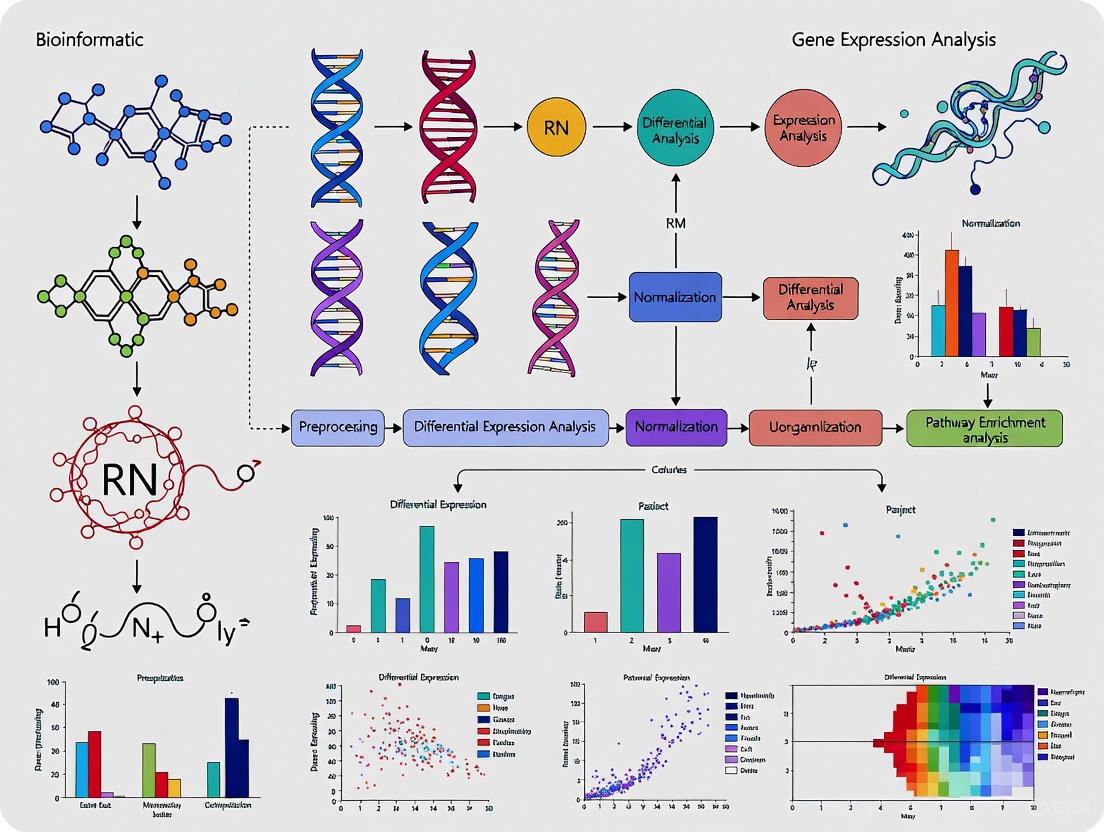
Accurate detection of differentially expressed genes is fundamental for discovering biomarkers and therapeutic targets, yet common methods often produce misleading results.
Beyond the p-value: A Modern Guide to Accurate Differential Expression Analysis in Biomedical Research
Abstract
Accurate detection of differentially expressed genes is fundamental for discovering biomarkers and therapeutic targets, yet common methods often produce misleading results. This article synthesizes recent findings on the critical challenges plaguing differential expression analysis, including inflated false positives in spatially-correlated and single-cell data, poor cross-study reproducibility, and the profound impact of normalization and experimental design. We provide a comprehensive framework covering robust statistical methodologies, best-practice workflows for single-cell and spatial transcriptomics, and advanced meta-analysis techniques for validation. Targeted at researchers and drug development professionals, this guide offers actionable strategies to enhance the reliability and biological relevance of transcriptomic findings in preclinical and clinical research.
The Reproducibility Crisis: Why Standard Differential Expression Methods Often Fail
In the field of differential expression (DE) analysis, the reliability of research conclusions is fundamentally dependent on robust statistical control. The false discovery rate (FDR) is a key metric, representing the expected proportion of false positives among all findings declared significant. When properly controlled at a threshold of 5%, researchers can be confident that only 5% of their reported differentially expressed genes (DEGs) are likely to be spurious. However, a growing body of literature reveals an alarming epidemic of inflated Type I errors, where the actual FDR substantially exceeds the nominal threshold, jeopardizing the validity of published biological insights [1] [2]. This problem is particularly acute in studies with large sample sizes, where popular methods originally designed for small experimental setups can produce exaggerated false positives, potentially misdirecting research efforts and wasting valuable validation resources [1]. This guide objectively compares the performance of leading DE methods, documents the scope of the problem with experimental data, and provides researchers with strategies to enhance the reproducibility of their findings.
Documented Cases of False Positive Inflation
Performance Failure in Population-Level RNA-seq Studies
A comprehensive 2022 investigation exposed severe FDR control failures in several popular DE methods when applied to large human population RNA-seq samples. The study performed permutation analyses on 13 datasets with sample sizes ranging from 100 to 1,376 individuals [1].
Table 1: Documented FDR Inflation in Population-Level Studies (Target FDR: 5%)
| Differential Expression Method | Type | Reported Actual FDR | Key Findings |
|---|---|---|---|
| DESeq2 | Parametric | Exceeded 20% | 84.88% chance of identifying more DEGs in permuted data than original data; 15.3% of original DEGs identified as spurious [1] |
| edgeR | Parametric | Exceeded 20% | 78.89% chance of identifying more DEGs in permuted data than original data; 60.8% of original DEGs identified as spurious [1] |
| limma-voom | Parametric | Failed FDR control | Consistantly showed exaggerated false positives compared to non-parametric methods [1] |
| NOISeq | Non-parametric | Failed FDR control | Failed to consistently maintain FDR at nominal thresholds [1] |
| dearseq | Non-parametric | Failed FDR control | Claimed to overcome FDR inflation but showed increased false positive rates in benchmark [1] |
| Wilcoxon Rank-Sum Test | Non-parametric | Adequately controlled | Only method found to consistently control FDR across sample sizes and thresholds [1] |
The most striking finding was that genes with larger estimated fold changes were more likely to be identified as false positives in permuted datasets, directly contradicting the common biological assumption that large fold changes represent more reliable signals [1]. The investigation attributed these failures primarily to violations of the negative binomial distributional assumptions underlying parametric methods, particularly in the presence of outliers common in population-level data [1].
Reproducibility Crisis in Single-Cell Transcriptomics
The false positive epidemic extends to single-cell RNA-seq (scRNA-seq) studies, where reproducibility remains a substantial concern. A 2025 meta-analysis of neurodegenerative disease studies found that DEGs from individual datasets had poor predictive power when applied to other datasets [2].
Table 2: Reproducibility of DEGs in Individual scRNA-seq Studies
| Disease | Number of Studies | Reproducibility of DEGs | Predictive Power (AUC) |
|---|---|---|---|
| Alzheimer's Disease (AD) | 17 | >85% of DEGs failed to reproduce in any other study; <0.1% reproduced in >3 studies [2] | 0.68 |
| Schizophrenia (SCZ) | 3 | Poor reproducibility with very few overlapping DEGs across studies [2] | 0.55 |
| Parkinson's Disease (PD) | 6 | Moderate reproducibility | 0.77 |
| Huntington's Disease (HD) | 4 | Moderate reproducibility | 0.85 |
| COVID-19 | 16 | Moderate reproducibility; positive control with known strong transcriptional response [2] | 0.75 |
The analysis highlighted the case of LINGO1, a gene previously spotlighted in an AD review as a crucial oligodendrocyte DEG. The meta-analysis revealed this gene was not consistently upregulated across most datasets and was even downregulated in several studies, illustrating how false positive claims can persist in the literature [2].
Experimental Protocols & Methodological Debates
Permutation Testing for FDR Evaluation
The primary methodology for evaluating false positive rates in DE studies involves permutation testing, which creates negative control datasets where no true differential expression should exist.
Experimental Workflow for Permutation Analysis:
The standard approach involves randomly permuting condition labels across samples to generate null datasets, then applying DE methods to these datasets where any significant findings represent false positives [1]. However, a critical methodological debate emerged regarding whether permutation should occur before or after normalization. A 2024 response to the original FDR inflation study argued that the reported FDR inflation artifacts stemmed from permuting raw counts before normalization, which can introduce library size confounders [3]. When applying an amended permutation scheme (normalizing before permutation), the researchers demonstrated that methods including dearseq and limma-voom adequately controlled FDR [3].
The Normalization Controversy
The debate surrounding permutation schemes highlights the critical importance of normalization in DE analysis. The original study applied the Wilcoxon test to non-normalized data while testing other methods on normalized data, potentially biasing comparisons [3]. When researchers applied the Wilcoxon test to the same normalized data used by other methods, it also showed apparent FDR inflation under the original permutation scheme [3]. This suggests that the interaction between normalization and study design significantly impacts FDR control, particularly for large sample sizes where subtle biases can produce substantial inflation.
Comparative Performance of Alternative Methods
Method Classifications and Characteristics
DE methods can be broadly categorized by their statistical approaches and underlying assumptions:
Table 3: Differential Expression Method Classification
| Method | Classification | Underlying Model | Key Assumptions |
|---|---|---|---|
| DESeq2 | Parametric | Negative Binomial | Data follows negative binomial distribution; mean-variance relationship can be modeled [1] |
| edgeR | Parametric | Negative Binomial | Similar to DESeq2 with different estimation approaches for dispersion parameters [1] |
| limma-voom | Parametric | Linear Model | Precision weights can account for mean-variance relationship in log-counts [1] |
| Wilcoxon Test | Non-parametric | Rank-Based | No specific distributional assumptions; focuses on relative ranks rather than magnitudes [1] |
| dearseq | Non-parametric | Variance Component | Designed for large sample sizes; uses variance component score test [3] |
| NOISeq | Non-parametric | Empirical | Non-parametric method using empirical distributions [1] |
Performance Across Sample Sizes
The performance of DE methods varies significantly with sample size. The original FDR inflation study included sample size down-sampling experiments, revealing that the Wilcoxon rank-sum test consistently controlled FDR across all sample sizes, though it had limited power with fewer than 8 samples per condition [1]. In contrast, parametric methods showed FDR inflation even at moderate sample sizes. However, a follow-up study argued that when properly normalized and evaluated with an amended permutation scheme, dearseq achieved competitive power while maintaining FDR control across sample sizes [3].
The Scientist's Toolkit: Essential Research Reagents
Table 4: Key Analytical Tools for Robust Differential Expression Analysis
| Tool/Resource | Function | Application Context |
|---|---|---|
| Permutation Framework | Empirical FDR estimation | Generating null distributions for evaluating method performance [1] |
| Pseudobulk Analysis | Single-cell data analysis | Aggregating single-cell data to individual level to avoid false positives from cell-level analysis [2] |
| Amended Permutation Scheme | Method validation | Normalizing data before permutation to avoid library size confounders [3] |
| Meta-analysis Methods (SumRank) | Cross-study validation | Identifying DEGs with reproducible signals across multiple datasets [2] |
| Reference Datasets (GTEx, TCGA) | Benchmarking | Providing well-characterized population-level data for method evaluation [1] |
Pathway to Robust Differential Expression Analysis
The relationship between analytical decisions and false positive risk follows a logical pathway that researchers can navigate to improve reproducibility.
The evidence from multiple independent studies confirms a concerning prevalence of inflated Type I error rates in differential expression analysis, particularly affecting popular parametric methods when applied to large population-level datasets. While methodological debates continue regarding optimal permutation schemes and normalization approaches, researchers should approach DE results with appropriate caution, especially from individual studies with limited sample sizes. Incorporating robust non-parametric methods, employing empirical FDR validation through permutation testing, and utilizing meta-analytical approaches across multiple datasets represent the most promising strategies for mitigating the false positive epidemic and enhancing the reproducibility of transcriptomic research.
Spatial transcriptomics (ST) has revolutionized biological research by enabling the study of gene expression patterns within their native tissue context. However, a critical analytical blind spot threatens the validity of findings from many studies: the use of statistical methods that ignore spatial correlations. This guide objectively compares the performance of different differential expression (DE) analysis methods, with a focus on the widely used Wilcoxon rank-sum test in Seurat, and highlights more robust alternatives that account for data structure.
The Analytical Challenge: Spatial Correlation in Transcriptomic Data
In spatial transcriptomics, measurements from nearby locations are typically spatially correlated, violating the fundamental assumption of data independence required by many conventional statistical tests. When analyses fail to account for this structure, they risk producing misleading biological conclusions.
The Wilcoxon rank-sum test, serving as the default DE method in popular platforms like Seurat, is a non-parametric test that assesses whether two sample sets originate from the same distribution by ranking observations and comparing rank sums [4]. Despite its computational efficiency and simplicity, it fundamentally disregards spatial correlations between nearby spots or cells [4]. This limitation is particularly problematic for ST data where spatial dependencies are inherent, often leading to inflated Type I error rates (false positives) and compromised biological interpretations [4].
Comparative Performance Analysis of Statistical Methods
Quantitative Comparison of Type I Error Control
Extensive simulation studies evaluating statistical methods for DE analysis in ST data reveal critical differences in false positive control.
Table 1: Type I Error Rate Comparison Across Statistical Methods
| Statistical Method | Framework | Spatial Correlation Accounting | Type I Error Control | Computational Efficiency |
|---|---|---|---|---|
| Wilcoxon Rank-Sum Test | Non-parametric | No | Inflated | High |
| Generalized Score Test (GST) | Generalized Estimating Equations | Yes, via working correlation matrix | Superior | Moderate |
| Robust Wald Test | Generalized Estimating Equations | Yes, via working correlation matrix | Inflated | Moderate |
| Generalized Linear Mixed Model (GLMM) | Mixed Effects | Yes, via random effects | Good (but convergence issues) | Low |
Simulations demonstrate that the Wilcoxon test produces substantial false positives due to spatial correlation, while the GST approach maintains proper error control by appropriately incorporating spatial dependencies [4].
Power and Biological Relevance Assessment
Beyond statistical precision, the biological relevance of identified genes varies significantly between methods.
Table 2: Biological Pathway Enrichment in Breast and Prostate Cancer ST Datasets
| Analysis Method | Cancer-Related Pathway Enrichment | Non-Cancer Pathway Enrichment | Representative Significant Pathways |
|---|---|---|---|
| GST (SpatialGEE) | High | Low | Pathways directly implicated in cancer progression |
| Wilcoxon Test | Lower | Substantial | Frequently enriched in non-cancer pathways |
Applications to real ST datasets from breast and prostate cancer show that GST-identified differentially expressed genes were enriched in pathways directly implicated in cancer progression, whereas the Wilcoxon test-identified genes were enriched in non-cancer pathways and produced substantial false positives [4]. This highlights how statistically significant results from methods ignoring spatial structure can yield biologically misleading conclusions.
Experimental Protocols for Robust Spatial Differential Expression Analysis
Protocol 1: Generalized Score Test Implementation
The Generalized Score Test within the Generalized Estimating Equations framework provides a robust solution for DE analysis in ST data. The methodology can be implemented using the R package "SpatialGEE" available on GitHub [4].
Key Steps:
- Model Specification: Define the marginal model for gene expression with appropriate link function
- Working Correlation Structure: Specify spatial correlation structure (e.g., exchangeable, autoregressive)
- Parameter Estimation: Estimate parameters under the null hypothesis using iterative algorithms
- Score Test Calculation: Compute the generalized score statistic based on the estimating functions
- Inference: Compare the test statistic to asymptotic distribution for p-value calculation
The primary advantage of GST is that it requires only fitting the null model, which enhances numerical stability and reduces computational burden for genome-wide scans [4].
Protocol 2: Pseudobulk Analysis for Sample-Level Inference
An alternative approach to address correlation structures involves pseudobulk analysis, which aggregates cell-level data to the sample level before DE testing.
Workflow:
- Aggregate Expression: Sum gene counts across all cells from the same sample and cell type using
AggregateExpression()[5] - Create Sample-Level Profiles: Generate one gene expression profile per sample-cell type combination
- DE Analysis with DESeq2: Perform differential expression testing at the sample level using appropriate methods like DESeq2 [5]
This approach treats samples rather than individual cells as independent observations, effectively accounting for within-sample correlation and preventing false positive inflation from pseudo-replication [5].
Visualizing Analytical Workflows
Differential Expression Analysis Workflow
Spatial Correlation in ST Data
Research Reagent Solutions for Spatial Transcriptomics
Essential Computational Tools
Table 3: Key Analytical Tools for Spatial Transcriptomics
| Tool/Package | Function | Spatial Capability | Application Context |
|---|---|---|---|
| Seurat | Comprehensive scRNA/ST analysis | Limited (default Wilcoxon test) | General exploratory analysis |
| SpatialGEE | Differential expression with GEE | Yes (GST implementation) | Formal hypothesis testing |
| Banksy | Spatial clustering incorporating neighborhood | Yes (neighbor-enhanced features) | Spatial domain identification |
| CellCharter | Spatial niche identification | Yes (linear weighting of neighbors) | Microenvironment characterization |
| spatialGE | Integrates statistical and spatial models | Yes (LMM with exponential covariance) | Spatial trend analysis |
Experimental Platform Considerations
Different spatial transcriptomics platforms present unique analytical challenges and opportunities:
- 10x Visium: Spot-based technology requiring specialized normalization approaches to address variance in molecular counts across spots with different cellular densities [6]
- Imaging-based platforms (CosMx, MERFISH, Xenium): Provide single-cell resolution but vary in performance metrics including transcript counts, unique gene detection, and cell segmentation accuracy [7]
- High-resolution technologies (Stereo-seq): DNA nanoball-based sequencing enabling cellular-level mapping of complex tissue architectures [8]
The evidence clearly demonstrates that accounting for spatial correlation is essential for valid differential expression analysis in spatial transcriptomics. While the Wilcoxon rank-sum test offers computational simplicity, its disregard for spatial structure produces inflated false positive rates and biologically misleading results. The Generalized Score Test in the GEE framework provides superior Type I error control while maintaining comparable power, offering a more robust alternative for hypothesis testing in spatially correlated data. As spatial technologies continue to evolve toward higher resolution, adopting analytically appropriate methods that respect data structure will be crucial for extracting biologically meaningful insights from these complex datasets.
The advent of single-cell technologies has revolutionized biological research by enabling the characterization of cellular heterogeneity at unprecedented resolution. However, this revolution has introduced a suite of computational challenges collectively termed "The Single-Cell Conundrum." Three interrelated problems dominate this landscape: high data sparsity, the complexity of integrating multimodal measurements, and the pervasive issue of technical zeros. High sparsity arises from the limited starting RNA material in individual cells, resulting in datasets where zeros can exceed 80-95% of values [9]. Technical zeros, distinct from biological absence of expression, stem from stochastic dropout during library preparation where lowly expressed genes fail to be captured [10]. Meanwhile, multimodal assays that simultaneously measure different molecular features (e.g., scRNA-seq and scATAC-seq) from the same cell promise a more comprehensive view of cellular states but demand innovative integration strategies [11]. Within this framework, accurately identifying differentially expressed (DE) genes across conditions or cell types remains a fundamental goal with critical implications for understanding disease mechanisms and identifying therapeutic targets.
Dissecting the Challenges: A Technical Deep Dive
The Tripartite Problem of Zeros in scRNA-seq Data
Zero counts in scRNA-seq data represent a complex mixture of technical and biological signals that most computational methods struggle to disentangle. As highlighted in recent evaluations, zeros can arise from three distinct scenarios: (1) genuine biological zeros, indicating the gene is not expressed in that cell; (2) sampled zeros, where the gene is expressed at low levels but not detected due to sampling limitations; and (3) technical zeros, where the gene is expressed but lost during library preparation due to inefficient cell lysis, reverse transcription, or amplification [12]. The prevailing notion that zeros are primarily technical artifacts has led to widespread use of imputation methods and zero-inflation models, though evidence suggests that cell-type heterogeneity may be the major driver of observed zeros in UMI-based data [12].
The impact of these zeros on differential expression analysis is profound. Methods that explicitly model zero-inflation, such as MAST, can improve performance for certain data types, but may deteriorate under very low sequencing depths where distinguishing biological from technical zeros becomes increasingly difficult [9]. Furthermore, normalization approaches that transform zeros to non-zero values risk introducing artifacts and obscuring true biological signals, particularly for rare cell populations where marker genes may be naturally sparse [12].
Multimodal Integration: Opportunities and Obstacles
Multimodal single-cell technologies provide paired measurements of different molecular layers from the same cell, creating unprecedented opportunities for linking regulatory mechanisms with transcriptional outputs. However, these technologies introduce distinctive computational hurdles. The fundamental challenge lies in reconciling data modalities with markedly different statistical properties—particularly the extreme sparsity of scATAC-seq data (0.2-6% density) compared to scRNA-seq (1-10% density) in multimodal assays [11].
Several strategies have emerged to address these integration challenges. The scMoC framework employs an RNA-guided imputation approach that leverages the richer information in scRNA-seq data to inform the analysis of scATAC-seq data [11]. Alternatively, methods like Liam perform joint representation learning across modalities using a combination of conditional and adversarial training to account for complex batch effects while preserving biological variation [13]. For enhancer-gene mapping, scMultiMap uses a latent-variable model that simultaneously accounts for technical confounding in both gene expression and chromatin accessibility data [14]. Each approach represents a different philosophical stance on whether to integrate data at the imputation, representation, or modeling stage.
Benchmarking Differential Expression Performance
Comprehensive Workflow Evaluation
A landmark benchmarking study evaluated 46 differential expression workflows across diverse experimental conditions, revealing how sparsity, batch effects, and sequencing depth impact performance [9]. The tested workflows combined ten batch effect correction methods (ZINB-WaVE, MNN, scMerge, Seurat, limma_BEC, scVI, scGen, Scanorama, RISC, ComBat) with seven DE methods (DESeq2, edgeR, limma-trend, MAST, Wilcoxon) and three integration approaches (batch-corrected data, covariate modeling, meta-analysis).
Table 1: Top-Performing DE Workflows Under Different Conditions
| Experimental Condition | Recommended Workflows | Performance Metrics | Key Limitations |
|---|---|---|---|
| Moderate depth, large batch effects | MASTCov, ZWedgeR_Cov | High F0.5-score (>0.7) and pAUPR | Covariate modeling slightly deteriorates with small batch effects |
| Low sequencing depth (depth-10) | limmatrend, LogN_FEM, DESeq2 | Maintained F0.5-score >0.6 | ZINB-WaVE weights deteriorate performance |
| Very low depth (depth-4) | RawWilcox, LogNFEM | Relative performance enhanced | Benefit of covariate modeling diminished |
| Multiple batches (7 batches) | MAST_Cov, limmatrend | Stable F0.5-score across batches | Pseudobulk methods perform poorly with large batch effects |
The benchmarking revealed several critical patterns. First, the use of batch-corrected data rarely improved DE analysis compared to covariate modeling approaches, with one exception being scVI combined with limma-trend [9]. Second, covariate modeling generally outperformed other integration strategies for large batch effects but provided diminishing benefits with very low-depth data. Third, methods based on zero-inflation models (e.g., MAST) performed well at moderate depths but deteriorated with extremely sparse data, whereas non-parametric methods like Wilcoxon test showed enhanced relative performance for low-depth data [9].
Normalization: A Critical Choice with Profound Implications
Normalization strategies profoundly impact differential expression results in scRNA-seq analysis, yet the field lacks consensus on optimal approaches [12]. The critical distinction lies in whether protocols use unique molecular identifiers (UMIs) that enable absolute quantification or produce relative abundance measurements. For UMI-based data, size-factor normalization methods like CPM (counts per million) convert absolute counts to relative abundances, thereby erasing valuable quantitative information and potentially obscuring biological differences between cell types with naturally different RNA content [12].
Table 2: Normalization Methods and Their Impacts on DE Analysis
| Normalization Method | Underlying Principle | Impact on Zeros | Effect on DE Analysis |
|---|---|---|---|
| Raw UMI counts | Uses absolute molecule counts | Preserves original zero structure | Maintains biological variation in RNA content |
| CPM/Size-factor | Converts to relative abundance | Preserves zeros but removes quantitative context | May obscure differences between cell types |
| sctransform (VST) | Regularized negative binomial regression | Transforms zeros to negative values | Alters distribution shape, may introduce bias |
| Integrated log-normalization | Batch correction followed by log-transform | Zeros become values near zero | Masks variation across cell types |
Evidence suggests that library-size normalization, while crucial for bulk RNA-seq, may be inappropriate for UMI-based scRNA-seq data [12]. In one analysis of post-menopausal fallopian tube cells, macrophages and secretory epithelial cells exhibited significantly higher raw UMI counts than other cell types, reflecting their biological activity. After integration-based normalization, these biologically meaningful differences were obscured [12]. Similarly, variance-stabilizing transformations like sctransform alter the distribution of zeros by assigning them negative values, potentially complicating downstream interpretation.
Experimental Protocols for Method Evaluation
Benchmarking Framework for DE Analysis
The comprehensive benchmarking study [9] employed rigorous methodology to evaluate differential expression workflows:
Data Simulation Approach:
- Model-based simulation using splatter R package with negative binomial distribution
- Model-free simulation using real scRNA-seq data to incorporate complex batch effects
- Variation of key parameters: sequencing depth (depth-77, depth-10, depth-4), batch effect size (small/large), and dropout rates
- Inclusion of 20% differentially expressed genes (10% up, 10% down) in simulations
Performance Evaluation Metrics:
- F0.5-score: Emphasizing precision over recall given the need to identify few marker genes from noisy data
- Partial Area Under Precision-Recall Curve (pAUPR): Focusing on recall rates <0.5
- False discovery rates and ranking of known disease genes for real data analyses
- Gene filtering: Removal of genes with zero rates >0.95 before analysis
Workflow Implementation:
- Three integration approaches tested: (1) DE analysis of batch-corrected data, (2) covariate modeling with batch as covariate, and (3) meta-analysis of batch-specific results
- All analyses conducted in balanced study designs where each batch contained both conditions being compared
- Significance threshold set at q-value <0.05 after Benjamini-Hochberg correction
Multimodal Integration Assessment
For evaluating multimodal methods like scMoC [11] and scMultiMap [14], distinct experimental protocols were employed:
scMoC Validation Protocol:
- Datasets: sci-CAR (GSE117089), SNARE-seq (GSE126074), and 10X Multiome data
- Preprocessing: Standard Seurat pipeline for scRNA-seq, Latent Semantic Indexing for scATAC-seq
- Imputation: RNA-guided k-nearest neighbors (k=50) using Euclidean distance in PCA space
- Cluster integration: Contingency table approach splitting RNA clusters based on ATAC evidence (>10% and <90% overlap)
scMultiMap Evaluation Framework:
- Statistical foundation: Joint latent-variable model for sparse multimodal counts
- Benchmarking against orthogonal data: Promoter capture Hi-C, HiChIP, PLAC-seq
- Assessment metrics: Type I error control, statistical power, computational efficiency
- Biological validation: Heritability enrichment in disease-relevant cell types (e.g., microglia in Alzheimer's disease)
Visualization of Computational Workflows
Differential Expression Analysis Workflow
Multimodal Data Integration Architecture
Table 3: Key Computational Tools for Single-Cell Analysis
| Tool/Method | Primary Function | Key Strength | Applicable Scenario |
|---|---|---|---|
| scMoC | Multimodal clustering | RNA-guided ATAC imputation | Paired scRNA-seq+scATAC-seq data |
| scMultiMap | Enhancer-gene mapping | Fast moment-based estimation | Cell-type-specific regulatory inference |
| Liam | Multimodal integration | Combined conditional/adversarial training | Complex batch effects in multi-omics |
| DiSC | Differential expression | Joint distributional characteristic testing | Individual-level analysis with multiple replicates |
| GLIMES | Differential expression | Generalized Poisson/Binomial mixed models | Accounting for batch effects and within-sample variation |
| ZINB-WaVE | Zero-inflated modeling | Observation weights for bulk methods | Moderate-depth data with technical zeros |
| MAST with covariate | Differential expression | Zero-inflation modeling with batch covariates | Balanced designs with large batch effects |
| limma-trend | Differential expression | Precision weighting for log-counts | Low-depth data after log-transformation |
The single-cell conundrum represents both a challenge and an opportunity for computational biology. As benchmarking studies reveal, no single method outperforms others across all scenarios—the optimal approach depends critically on experimental factors including sequencing depth, batch effect magnitude, and the specific biological question. For differential expression analysis, covariate modeling generally surpasses analysis of batch-corrected data, particularly for large batch effects [9]. For multimodal integration, methods that leverage the richer modality to inform the sparser one (e.g., RNA-guided ATAC imputation) show particular promise for extracting biological insights from complex data [11]. As single-cell technologies continue to evolve toward higher throughput and additional modalities, the computational frameworks highlighted in this guide provide a foundation for extracting meaningful biological signals from the pervasive sparsity, technical noise, and complexity that define the single-cell conundrum.
Despite tremendous investment and preclinical success, effective disease-modifying treatments for patients with neurodegenerative diseases have remained elusive. A highly cited reason for this discrepancy is the limited reproducibility of scientific findings, which creates significant gaps between initial discoveries and their validation in independent cohorts [15]. This crisis spans multiple research domains, from genomic analyses to neuroimaging and fluid biomarkers, with rates of non-reproducibility reported as high as 65–89% in pharmacological studies and 64% in psychological studies [16]. In genomic studies specifically, 72% of initially reported genomic associations were found to be over-estimates of the true effect when tested in additional datasets [16]. For neurodegenerative diseases like Alzheimer's (AD) and Parkinson's disease (PD), this lack of reproducibility directly impedes the development of reliable biomarkers and therapeutic targets, highlighting an urgent need for improved methodological rigor and validation frameworks.
Quantifying the Problem: Evidence Across Modalities
Genomic and Transcriptomic Studies
Table 1: Reproducibility Rates in Transcriptomic Studies of Neurodegenerative Diseases
| Disease | Technology | Reproducibility Metric | Rate | Key Finding | Citation |
|---|---|---|---|---|---|
| Alzheimer's Disease (AD) | snRNA-seq (17 studies) | DEGs from one study reproducing in others | <15% | Over 85% of DEGs failed to reproduce in any other study | [2] |
| Parkinson's Disease (PD) | snRNA-seq (6 studies) | DEGs from one study reproducing in others | Moderate | Improved reproducibility compared to AD, but no gene reproduced in >4 studies | [2] |
| Huntington's Disease (HD) | snRNA-seq (4 studies) | DEGs from one study reproducing in others | Moderate | Better reproducibility than AD, worse than COVID-19 controls | [2] |
| Schizophrenia (SCZ) | snRNA-seq (3 studies) | DEGs from one study reproducing in others | Poor | Very few DEGs independently detected across studies | [2] |
| General RNA-seq | Bulk RNA-seq | Inter-site reproducibility of DEG calls | 60-93% | Varies by analytical tools and filters applied | [17] |
Studies of differentially expressed genes (DEGs) reveal particularly alarming gaps. When examining single-nucleus RNA sequencing (snRNA-seq) data from 17 studies of Alzheimer's Disease, over 85% of DEGs identified in one individual dataset failed to reproduce in any of the other 16 studies [2]. Fewer than 0.1% of genes were consistently identified as differentially expressed in more than three of the 17 AD studies, and none were reproduced in over six studies [2]. This pattern of non-reproducibility extends to other neuropsychiatric disorders, though with varying severity, suggesting both methodological and biological factors are at play.
Neuroimaging and Fluid Biomarkers
Table 2: Reproducibility in Neuroimaging and Fluid Biomarker Studies
| Modality | Disease | Studies | Reproducibility Finding | Citation |
|---|---|---|---|---|
| Resting-state fMRI | Parkinson's Disease | 3 independent datasets | PD-related functional connectivity changes were non-reproducible across datasets | [18] |
| Resting-state fMRI | Parkinson's Disease | Classifier training | Classifiers trained on one dataset performed poorly on others (low test accuracy) | [18] |
| Fluid biomarkers | Alzheimer's Disease | Multiple | Many promising biomarker findings fail replication despite initial promising results | [19] |
| Structural MRI | Alzheimer's Disease | 32 CNN model studies | Susceptibility to information leakage; varied performance due to methodological differences | [20] |
The reproducibility challenge extends beyond genomics to neuroimaging, where functional connectivity alterations in Parkinson's Disease have proven non-reproducible across independent datasets [18]. Classifiers trained to discriminate PD patients from controls based on functional connectivity achieved only low accuracies when tested on independent datasets, highlighting limitations in generalizability [18]. Similarly, for fluid biomarkers in neurodegenerative diseases, many promising findings have had low reproducibility despite initial promising results, particularly for novel biomarker panels [19].
Root Causes: Technical and Biological Factors
Experimental Design and Analytical Variability
A primary source of non-reproducibility stems from flawed animal study design and reporting in preclinical research [15]. Additionally, in transcriptomic studies, the choice of computational methods significantly impacts results. One evaluation of nine differential expression tools found that widely used methods like edgeR and monocle have worse rediscovery rates (RDR) compared to other methods, especially for top-ranked genes [21]. Performance varies substantially for lowly expressed genes, with some methods being too liberal (poor control of false positives) while others are too conservative (losing sensitivity) [21].
The focus on statistical significance (P-values) rather than effect size or independent verification also contributes to irreproducible findings [16]. This problem is exacerbated by small sample sizes, which typically overestimate effects and performance compared to larger studies [19].
Biological and Cohort-Related Heterogeneity
Neurodegenerative diseases exhibit substantial mechanistic and phenotypic variability [15]. The frequent presence of multiple co-pathologies in clinically diagnosed cases (e.g., combinations of α-synuclein pathology, TDP-43 deposits, and microvascular changes in AD) complicates biomarker associations [19]. This biological heterogeneity means that most models only interrogate individual aspects of complex phenomena, limiting their generalizability.
Cohort-related factors significantly impact reproducibility, including:
- Pre-selection of study participants or extensive inclusion/exclusion criteria [19]
- Systematic differences in recruitment between patients and controls [19]
- Demographic, genetic, and comorbidity factors that may confound associations [19]
- Insufficient accounting for inter-study heterogeneity in meta-analyses [16]
Solutions and Best Practices
Methodological Improvements
Table 3: Strategies to Improve Reproducibility and Their Evidence Base
| Strategy | Application | Effect | Evidence |
|---|---|---|---|
| Meta-analysis with random-effects models | Gene expression integration | Improved reproducibility by integrating data from multiple studies | [16] |
| Increasing number of datasets | Gene expression meta-analysis | Increased accuracy even when controlling for sample size | [16] |
| Effect size thresholds | Differential expression analysis | Greater reproducibility with more-stringent effect size thresholds and relaxed significance thresholds | [16] |
| Factor analysis | RNA-seq data preprocessing | Substantially improved empirical False Discovery Rate (eFDR) | [17] |
| SumRank method | scRNA-seq meta-analysis | Substantially outperformed existing methods in sensitivity and specificity of discovered DEGs | [2] |
Gene expression meta-analysis has proven valuable for improving reproducibility by integrating data from multiple studies [16]. Specific methodological choices significantly impact success: random-effects models that account for heterogeneity between studies generally outperform fixed-effects models; including more datasets improves accuracy even when controlling for total sample size; and applying effect size thresholds with relaxed significance thresholds enhances reproducibility [16].
For single-cell transcriptomics, novel methods like SumRank (a non-parametric meta-analysis approach based on reproducibility of relative differential expression ranks across datasets) have demonstrated substantially improved predictive power compared to dataset merging and inverse variance weighted p-value aggregation methods [2].
Rigorous Experimental Design
The adoption of rigorous guidelines for machine learning and biomarker studies is essential for improving reproducibility. For ML in healthcare, these include:
Data Handling Guidelines:
- Data collection/selection should align with the scientific problem, avoiding bias and information leakage [20]
- Detailed description of the entire data handling process to ensure reproducibility [20]
- Data harmonization to compensate for heterogeneous data from different acquisition techniques [20]
Model Design and Assessment Guidelines:
- Public sharing of versioned code to ensure transparency and reproducibility [20]
- Disclosure of samples used in training/testing splits to guarantee benchmarking [20]
- Testing models on external datasets to evaluate generalization properties [20]
For fluid biomarker studies, key considerations include:
- Control of pre-analytical factors (sampling procedures, tube handling) [19]
- Careful attention to assay-related factors (specificity, selectivity, lot-to-lot variability) [19]
- Appropriate statistical methods and proper validation in independent cohorts [19]
- Pre-registration of cohort studies to reduce selective reporting and p-hacking [19]
Experimental Protocols and Workflows
Reproducible Differential Expression Analysis
Protocol 1: Meta-analysis of Gene Expression Data
- Systematic search of NIH GEO and ArrayExpress for clinical studies meeting inclusion criteria [16]
- Data download and transformation from public repositories with log2 transformation if not already in log scale [16]
- Gene filtering to include only genes present in all studies for the disease of interest [16]
- Effect size calculation for each probe using corrected Hedges' g [16]
- Probe summarization to genes with a fixed-effects model within each dataset [16]
- Meta-analysis between datasets using random-effects models (e.g., via R package 'metafor') [16]
- Multiple hypothesis correction of P-values to q-values using Benjamini-Hochberg method [16]
- Application of effect size filters (e.g., |log2(F C)|>1) and expression level thresholds [16] [17]
Reproducible Neuroimaging Analysis
Protocol 2: Functional Connectivity Reproducibility Assessment
- Data acquisition of resting-state fMRI scans with consistent parameters across sites [18]
- Preprocessing including motion correction, normalization, and registration to standard space [18]
- Region of interest (ROI) definition using standardized atlases [18]
- Functional connectivity calculation between all ROI pairs [18]
- Comparison with independent datasets processed through identical workflow [18]
- Assessment of reproducibility using random splits of single datasets to distinguish technical vs. biological heterogeneity [18]
- Machine learning validation through training on one dataset and testing on others [18]
The Scientist's Toolkit: Essential Research Reagents and Solutions
Table 4: Key Research Reagent Solutions for Reproducible Neurodegeneration Research
| Tool/Category | Specific Examples | Function | Considerations for Reproducibility |
|---|---|---|---|
| Differential Expression Tools | DESeq2, edgeR, limma, MAST, BPSC, DEsingle | Identify statistically differentially expressed genes from RNA-seq data | Performance varies substantially; method choice should match data type (bulk vs. single-cell) [21] |
| Meta-analysis Software | metafor, GeneMeta, MetaDE, ExAtlas | Combine results across multiple studies to improve reproducibility | Random-effects models generally preferred for accounting between-study heterogeneity [16] |
| scRNA-seq Analysis Pipelines | SumRank, DESeq2 with pseudo-bulking | Identify cell type-specific transcriptional alterations | SumRank shows improved reproducibility for neurodegenerative diseases compared to standard methods [2] |
| Fluid Biomarker Assays | CSF Aβ42, Aβ42/40 ratio, total-tau, phosphorylated tau, NFL, RT-QuIC | Measure specific protein biomarkers in CSF or blood | Require careful control of pre-analytical factors and lot-to-lot variability [19] |
| Reference Materials | Certified reference materials for CSF Aβ42 | Standardize measurements across laboratories and studies | Not available for most neurodegeneration biomarkers, limiting comparability [19] |
The alarming rates of non-reproducibility in neurodegenerative disease research represent a critical challenge that must be addressed to accelerate therapeutic development. Evidence across genomic, neuroimaging, and biomarker studies consistently shows that findings from individual studies often fail to validate in independent cohorts. This reproducibility crisis stems from multiple factors, including methodological variability, small sample sizes, biological heterogeneity, and analytical choices.
Promising solutions include adopting meta-analytic approaches that prioritize reproducibility across datasets, implementing rigorous experimental design guidelines, and developing novel methods specifically designed to address the unique challenges of neurodegenerative disease research. As the field moves forward, researchers should prioritize cross-study validation from the outset rather than treating it as an afterthought, embrace data sharing and collaborative consortia to increase sample sizes and diversity, and adhere to best practices in statistical analysis and reporting. Only through these concerted efforts can we bridge the cross-study validation gaps that currently impede progress against devastating neurodegenerative diseases.
Next-Generation Statistical Frameworks and Tools for Robust Detection
In the field of spatial transcriptomics and biomedical research, accurately identifying differentially expressed genes is critical for understanding complex biological systems and disease mechanisms. The inherent spatial correlation in data generated from modern technologies violates the fundamental assumption of independence in many statistical tests, leading to inflated false positive rates and compromised biological conclusions [4]. This comparison guide objectively evaluates two methodological approaches within the Generalized Estimating Equations (GEE) framework for handling spatially correlated data: the commonly used robust Wald test and the Generalized Score Test (GST). Within the broader thesis on accuracy of differential expression detection research, this analysis demonstrates how proper accounting for data correlation structures significantly impacts the reliability and reproducibility of scientific findings in drug development and basic research.
Theoretical Foundations and Methodological Approaches
Generalized Estimating Equations (GEE)
Generalized Estimating Equations (GEE) represent a semi-parametric method for analyzing longitudinal or clustered data where measurements within the same subject or cluster are correlated [22] [23]. GEE extends generalized linear models (GLMs) to accommodate correlated data through the specification of a "working" correlation matrix, which models the dependence structure between repeated observations within the same cluster [24]. The key advantage of GEE is that it provides consistent parameter estimates even when the correlation structure is misspecified, with the robust sandwich variance estimator accounting for the dependence between observations [22] [23].
The GEE methodology models the marginal expectation of the response variable as a function of covariates, ( g(\mu{ij}) = X{ij}'\beta ), where ( g(.) ) is the link function, ( \mu{ij} ) is the marginal mean of the response ( Y{ij} ) for the ( j )-th measurement of cluster ( i ), ( X{ij} ) is a vector of covariates, and ( \beta ) is the vector of regression coefficients [22]. The variance of ( Y{ij} ) is specified as ( \text{Var}(Y{ij}|X{ij}) = \nu(\mu{ij})\phi ), where ( \nu(.) ) is a known variance function and ( \phi ) is a scale parameter [22]. The working correlation structure ( Ri(\alpha) ) is incorporated into the variance-covariance matrix of responses within each cluster, enabling the GEE to account for within-cluster correlation [22].
Generalized Score Test (GST)
The Generalized Score Test (GST) is a hypothesis testing procedure within the GEE framework that requires fitting only the null model [4]. Unlike the Wald test, which necessitates model fitting under the alternative hypothesis, the GST evaluates whether including additional parameters significantly improves model fit by examining the score function at the null hypothesis [4]. This approach offers enhanced numerical stability and reduced computational burden, making it particularly advantageous for large-scale genomic studies where thousands of tests are performed simultaneously [4].
The GST is based on the score statistic, which is the derivative of the log-likelihood function evaluated at the null parameter values [4]. In the GEE context, the score function is ( U(\beta) = \sum{i=1}^K Di' Vi^{-1} (Yi - \mui) ), where ( Di = \partial \mui / \partial \beta' ) and ( Vi ) is the working variance-covariance matrix [22] [4]. Under the null hypothesis, the properly standardized score statistic follows an asymptotic chi-square distribution, facilitating hypothesis testing without the need to estimate parameters under the alternative hypothesis [4].
Correlation Structures in Spatial Data Analysis
The appropriate specification of correlation structures is fundamental to both GEE and GST applications in spatial data analysis. Several working correlation structures are commonly employed, each with distinct assumptions about the pattern of correlation between observations [22] [24]:
- Independent: Assumes no correlation between observations within the same cluster.
- Exchangeable: Assumes constant correlation between all pairs of observations within a cluster.
- Autoregressive (AR-1): Assumes that correlations decrease with increasing distance or time between measurements.
- Unstructured: Makes no assumptions about the correlation pattern, estimating all pairwise correlations separately.
For spatial transcriptomics data, the correlation structure should reflect the spatial arrangement of measurements, with nearby spots typically exhibiting higher correlation than those farther apart [4].
Performance Comparison: Experimental Data
Type I Error Control
Comprehensive simulation studies comparing GST and GEE with robust Wald tests have demonstrated significant differences in Type I error control when analyzing spatially correlated data [4]. The Wilcoxon rank-sum test, commonly used in popular spatial transcriptomics software like Seurat, shows substantial Type I error inflation due to its failure to account for spatial correlations [4]. While GEE with robust Wald tests improves upon the Wilcoxon test, it still exhibits inflated Type I error rates in many scenarios [4]. In contrast, the GST demonstrates superior control of Type I error rates across various correlation structures and sample sizes [4].
Table 1: Type I Error Rates Across Testing Methods (Simulation Results)
| Testing Method | Type I Error Rate | 95% Confidence Interval | Correlation Structure |
|---|---|---|---|
| Wilcoxon Test | 0.118 | (0.103, 0.133) | Independent |
| GEE with Wald Test | 0.072 | (0.060, 0.084) | Exchangeable |
| GST | 0.048 | (0.038, 0.058) | Exchangeable |
| GEE with Wald Test | 0.065 | (0.053, 0.077) | Autoregressive |
| GST | 0.051 | (0.041, 0.061) | Autoregressive |
The simulation results indicate that GST consistently maintains Type I error rates closer to the nominal level (typically 0.05) compared to both the Wilcoxon test and GEE with Wald tests across different correlation structures [4]. This robust error control is particularly valuable in large-scale genomic studies where multiple testing corrections are applied, as inflated false positive rates can lead to numerous spurious findings [4].
Statistical Power
While Type I error control is crucial, the utility of a statistical test also depends on its power to detect true effects. Simulation studies have demonstrated that GST maintains power comparable to GEE with Wald tests while providing superior Type I error control [4]. The power advantage of both GEE-based methods over the Wilcoxon test becomes particularly evident when analyzing data with moderate to strong spatial correlation [4].
Table 2: Statistical Power Comparisons Across Effect Sizes
| Effect Size | Wilcoxon Test | GEE with Wald Test | GST |
|---|---|---|---|
| Small | 0.32 | 0.41 | 0.39 |
| Medium | 0.67 | 0.79 | 0.78 |
| Large | 0.92 | 0.96 | 0.95 |
Notably, the GST achieves this comparable power with reduced computational burden and enhanced numerical stability, as it requires fitting only the null model rather than both null and alternative models [4]. This characteristic makes GST particularly advantageous in genome-wide scans where computational efficiency is a practical concern [4].
Experimental Protocols and Methodologies
Simulation Study Design
The comparative performance of GST, GEE with Wald tests, and Wilcoxon tests was evaluated through extensive simulation studies [4]. These simulations were designed to mimic realistic spatial transcriptomics data scenarios with varying correlation structures, sample sizes, and effect sizes [4].
The general workflow for the simulation studies included:
- Data Generation: Simulate spatially correlated gene expression data under various correlation structures (exchangeable, autoregressive) and effect sizes.
- Model Fitting: Apply each testing method (Wilcoxon, GEE with Wald test, GST) to the simulated data.
- Performance Evaluation: Compute Type I error rates (under null scenarios) and statistical power (under alternative scenarios) for each method.
- Comparison: Evaluate methods based on error control, power, computational efficiency, and numerical stability.
For spatial correlation modeling, the simulations incorporated distance-based correlation structures where the correlation between spots decreased with increasing spatial distance [4].
Real Data Application Protocols
The methodological comparison was further validated through applications to real spatial transcriptomics datasets from breast and prostate cancer studies [4]. The analysis workflow for these real data applications included:
- Data Preprocessing: Quality control, normalization, and filtering of spatial transcriptomics data.
- Differential Expression Analysis: Application of Wilcoxon test, GEE with Wald test, and GST to identify differentially expressed genes between tumor and normal tissues.
- Biological Validation: Pathway enrichment analysis of identified genes using databases such as KEGG and GO to assess biological relevance.
- Reproducibility Assessment: Comparison of results across methods and datasets to evaluate consistency.
The real data applications demonstrated that GST-identified differentially expressed genes were enriched in pathways directly implicated in cancer progression, while Wilcoxon test-identified genes showed enrichment in non-cancer pathways and produced substantial false positives [4].
Pathway Diagrams and Workflows
Methodological Decision Pathway
GEE and GST Analytical Workflow
The Scientist's Toolkit
Essential Research Reagent Solutions
Table 3: Key Resources for Spatial Transcriptomics Analysis
| Resource | Type | Function | Implementation |
|---|---|---|---|
| SpatialGEE | R Package | Implements GST for spatial transcriptomics | Available on GitHub [4] |
| geesmv | R Package | Provides modified variance estimators for GEE | Comprehensive small-sample corrections [22] |
| geepack | R Package | General GEE analysis | Model fitting with various correlation structures [23] |
| Seurat | R Package | Spatial transcriptomics analysis platform | Default Wilcoxon test implementation [4] |
| 10x Genomics | Platform | Spatial transcriptomics data generation | Commercial platform for spatial transcriptomics [4] |
| Gaussian Kernel | Statistical Tool | Cumulative density estimation for continuous data | Microarray data transformation [25] |
| Poisson Kernel | Statistical Tool | Cumulative density estimation for count data | RNA-seq data transformation [25] |
The comparative analysis of GEE and GST methods for spatial transcriptomics data reveals important considerations for researchers and drug development professionals. While GEE with robust Wald tests represents a substantial improvement over traditional methods like the Wilcoxon test that ignore spatial correlation, it still exhibits limitations in Type I error control, particularly in small-sample settings [22] [4]. The GST approach addresses these limitations by providing superior control of false positive rates while maintaining comparable power and offering computational advantages through reduced model-fitting requirements [4].
The broader implications for accuracy in differential expression detection research are significant. Proper accounting for spatial correlation structures is not merely a statistical nuance but a fundamental requirement for generating reliable, reproducible findings in spatial transcriptomics studies [4]. The demonstrated inflation of Type I error rates when using methods that ignore spatial correlation explains some of the reproducibility challenges in the literature and highlights the importance of method selection in study design [4].
For researchers and drug development professionals, the choice between GEE with Wald tests and GST should be guided by specific research contexts. When computational efficiency and numerical stability are priorities, particularly in large-scale genomic scans, GST offers distinct advantages [4]. In cases where parameter estimates and confidence intervals are of primary interest, GEE with bias-corrected variance estimators may be preferable, especially with small sample sizes [22]. Ultimately, both approaches represent substantial improvements over correlation-ignorant methods and contribute to more accurate detection of differentially expressed genes in spatially correlated data.
Differential expression (DE) analysis in single-cell RNA sequencing (scRNA-seq) enables the dissection of cell-type-specific responses to perturbations such as disease, trauma, or experimental manipulations. While many statistical methods are available to identify differentially expressed genes, the principles that distinguish these methods and their performance remain unclear. A growing body of evidence now demonstrates that pseudobulk methods—which aggregate single-cell data before analysis—consistently outperform approaches that analyze cells as individual observations. This performance advantage stems primarily from the ability of pseudobulk methods to properly account for biological variation between replicates, a fundamental challenge that cell-level models frequently mishandle.
As single-cell technologies mature, enabling large-scale comparisons of cell states within complex tissues, the choice of appropriate statistical methods has become increasingly critical. The unique analytical challenges of scRNA-seq data, including its inherent sparsity and hierarchical correlation structure, necessitate specialized approaches that respect the experimental design. This guide examines the experimental evidence establishing pseudobulk methods as the current gold standard for single-cell differential expression analysis.
Experimental Evidence: Establishing Pseudobulk Superiority
Ground-Truth Benchmarking Against Bulk RNA-Seq
Comprehensive benchmarking against experimentally validated ground truths provides the most compelling evidence for pseudobulk superiority. When researchers curated eighteen 'gold standard' datasets containing matched bulk and scRNA-seq performed on the same population of purified cells, they found that pseudobulk methods demonstrated significantly higher concordance with bulk RNA-seq results, which served as the biological ground truth [26].
Table 1: Performance Comparison of DE Methods Against Ground Truth
| Method Category | AUCC (Area Under Concordance Curve) | Bias Toward Highly Expressed Genes | Functional Enrichment Accuracy |
|---|---|---|---|
| Pseudobulk Methods | 0.72-0.89 | Minimal | High |
| Single-Cell Methods | 0.45-0.67 | Substantial | Low |
The performance advantage was not merely statistical—pseudobulk methods also more faithfully recapitulated biological insights. In comparisons of Gene Ontology term enrichment analyses, pseudobulk methods consistently mirrored the ground truth established by bulk RNA-seq, while single-cell methods failed to identify relevant biological pathways even in well-characterized systems like mouse phagocytes stimulated with poly(I:C) [26].
Balanced Performance Metrics
Initial concerns that pseudobulk approaches might be "overly conservative" have been addressed by more comprehensive benchmarking using balanced metrics like the Matthews Correlation Coefficient, which considers both type-1 and type-2 error rates. When evaluated using MCC, pseudobulk approaches achieved the highest performance across variations in individual and cell numbers, with performance improving as cell numbers increased [27] [28].
Table 2: Balanced Performance Assessment Using Matthews Correlation Coefficient
| Method Type | 5 Individuals, 50 Cells | 20 Individuals, 200 Cells | 40 Individuals, 500 Cells |
|---|---|---|---|
| Pseudobulk: Mean | 0.72 | 0.89 | 0.94 |
| Pseudobulk: Sum | 0.65 | 0.85 | 0.91 |
| Mixed Models | 0.58 | 0.76 | 0.82 |
| Pseudoreplication Methods | 0.48 | 0.42 | 0.38 |
Receiver operating characteristics analysis further confirmed that at equivalent type-1 error rates, pseudobulk methods achieve superior sensitivity compared to alternatives, disproving the hypothesis that their conservative nature comes at the cost of reduced power [28].
The Core Mechanism: Accounting for Biological Replicates
The Replicate Variation Problem
The fundamental advantage of pseudobulk methods lies in their proper handling of variation between biological replicates. Single-cell experiments inherently possess a hierarchical structure: cells are nested within samples, and samples are nested within experimental conditions or donors. Cells from the same biological sample are more similar to each other than to cells from different samples due to both technical factors and biological context.
When single-cell methods treat individual cells as independent observations, they commit a pseudoreplication error by ignoring this hierarchical structure. This approach misattributes the inherent variability between replicates to the effect of the perturbation, leading to inflated false discovery rates. Experimental evidence demonstrates that the most widely used single-cell methods can discover hundreds of differentially expressed genes even in the complete absence of biological differences [26] [12].
Visualizing the Analytical Difference
The following diagram illustrates the fundamental difference in how single-cell methods versus pseudobulk approaches handle biological replicates:
Systematic Bias Toward Highly Expressed Genes
Single-cell methods exhibit a systematic tendency to identify highly expressed genes as differentially expressed, even when their expression remains unchanged. This bias was conclusively demonstrated using spike-in experiments where synthetic mRNAs were present in equal concentrations across conditions. Single-cell methods incorrectly identified many abundant spike-ins as differentially expressed, while pseudobulk methods avoided this bias [26].
This systematic error explains why the performance gap between pseudobulk and single-cell methods is most pronounced among highly expressed genes, contrary to the initial hypothesis that pseudobulk would show superior performance primarily for lowly expressed genes due to reduced sparsity after aggregation.
Implementation Guide: Pseudobulk Methodologies
Core Pseudobulk Workflow
The pseudobulk approach follows a standardized workflow that can be implemented using various computational tools:
- Subset to Cell Type of Interest: Isolate cells belonging to the specific cell type for differential expression analysis
- Extract Raw Counts: Obtain the raw count matrix after quality control filtering
- Aggregate to Sample Level: Sum counts across all cells of the same type within each biological sample
- Apply Bulk RNA-seq Methods: Perform differential expression analysis using established bulk tools like edgeR, DESeq2, or limma
This workflow effectively converts a single-cell analysis problem into a bulk RNA-seq analysis problem, leveraging decades of methodological development and optimization in bulk transcriptomics [29].
Specialized Extensions: Differential Detection
Beyond conventional differential expression analysis, pseudobulk frameworks can be extended to assess differential detection—differences in the fraction of cells in which a gene is detected between conditions. This approach leverages the observation that the frequency of zero counts captures meaningful biological variability.
By aggregating binarized expression values (expressed/not expressed) to the sample level, researchers can model detection rates using binomial or quasi-binomial generalized linear models. The optimal approach based on benchmarking studies uses edgeR with normalization offsets and filtering of ubiquitously detected genes, providing complementary biological insights to conventional differential expression analysis [30] [31].
Advanced Considerations and Emerging Methods
Addressing the "Four Curses" of Single-Cell DE Analysis
Recent research has identified four major challenges—termed the "four curses"—in single-cell differential expression analysis:
- Excessive Zeros: The high proportion of zero counts in scRNA-seq data
- Normalization Challenges: Appropriate correction for technical variation
- Donor Effects: Biological variation between replicates
- Cumulative Biases: The compounding effect of multiple preprocessing steps
Pseudobulk methods naturally address these challenges by reducing zeros through aggregation, using established normalization strategies from bulk RNA-seq, explicitly modeling donor effects through the experimental design, and minimizing cumulative preprocessing biases [12].
Emerging Statistical Innovations
While pseudobulk methods represent the current gold standard, statistical innovation continues. Newer approaches like GLIMES leverage UMI counts and zero proportions within generalized Poisson/Binomial mixed-effects models to account for batch effects and within-sample variation while preserving absolute RNA expression rather than converting to relative abundance [12].
Another emerging method, scDETECT, implements a Bayesian hierarchical model to incorporate correlations in differential expression states across related cell types, potentially improving accuracy and statistical power, particularly for low-abundance cell types [32].
These specialized methods may offer advantages in specific experimental contexts but require further benchmarking against established pseudobulk approaches.
The Scientist's Toolkit: Essential Research Reagents
Table 3: Essential Computational Tools for Pseudobulk Analysis
| Tool/Resource | Function | Application Context |
|---|---|---|
| edgeR | Negative binomial generalized linear models | Primary workhorse for pseudobulk DE analysis |
| DESeq2 | Negative binomial modeling with variance stabilization | Alternative to edgeR with different normalization |
| limma-voom | Linear modeling of log-counts with precision weights | Particularly effective for large sample sizes |
| SingleCellExperiment | Data container for single-cell data | Standardized object for organizing count matrices and metadata |
| Seurat | Single-cell analysis toolkit | Preprocessing, clustering, and cell type identification |
| muscat | Multi-sample multi-condition analysis toolkit | Specialized implementation of pseudobulk DD and DE workflows |
The collective evidence from benchmarking studies establishes pseudobulk methods as the current gold standard for differential expression analysis in single-cell RNA-sequencing data. Their superior performance stems from the principled handling of biological replicates, avoidance of pseudoreplication bias, and reduced false discoveries.
For researchers designing single-cell studies, we recommend:
- Incorporate Multiple Biological Replicates in experimental designs
- Implement Pseudobulk Workflows as the primary analysis strategy
- Consider Differential Detection as a complementary analysis to uncover additional biological insights
- Leverage Established Bulk RNA-seq Tools like edgeR and DESeq2 for the analytical component
The pseudobulk paradigm represents a fundamental principle in single-cell bioinformatics: respecting the hierarchical structure of multi-sample experimental data is not merely a statistical technicality but a prerequisite for biologically accurate inference.
Differential expression (DE) analysis in single-cell RNA sequencing (scRNA-seq) is pivotal for identifying cell-type-specific responses to disease, treatment, and other biological stimuli. However, the pervasive issue of zero-inflation—where a high proportion of genes show zero counts—has long plagued analytical workflows, compromising accuracy and biological interpretability [33] [34]. These zeros arise from a complex mixture of biological phenomena (e.g., genuine absence of transcripts) and technical artifacts (e.g., inefficient mRNA capture or limited sequencing depth), creating fundamental challenges for statistical modeling [34]. Within this context, a new generation of computational frameworks is emerging, with GLIMES (Generalized Poisson/Binomial Mixed-Effects Model) representing a significant paradigm shift that directly addresses the major shortcomings of existing methods [33].
GLIMES: A Novel Framework for Zero-Inflated Data
Conceptual Foundation and Methodology
GLIMES is a statistical framework designed to overcome the four major "curses" of single-cell DE analysis: excessive zeros, normalization challenges, donor effects, and cumulative biases [33]. Its methodological innovation lies in leveraging UMI counts and zero proportions within a unified model, thereby treating zeros as potentially informative biological signals rather than mere noise to be corrected.
Unlike methods that rely on relative abundance measures (e.g., CPM), GLIMES uses absolute RNA expression quantified by UMIs. This approach preserves quantitative biological information that is often lost during normalization. The framework incorporates generalized Poisson/Binomial mixed-effects models to account for both batch effects and within-sample (donor) variation simultaneously, addressing the critical issue of pseudoreplication that inflates false discovery rates in many conventional tests [33] [35].
Comparative Performance Against Established Methods
Rigorous benchmarking against six existing DE methods across three case studies and simulation scenarios demonstrates GLIMES's superior adaptability to diverse experimental designs [33]. The framework demonstrates particular strength in:
- Improved Sensitivity: Better detection of true differentially expressed genes, especially those with low expression levels.
- Reduced False Discoveries: More accurate control of false positive rates through proper modeling of biological and technical variability.
- Enhanced Biological Interpretability: Preservation of biologically meaningful signals often obscured by aggressive normalization or imputation.
Table 1: Performance Comparison of GLIMES Against Established DE Methods
| Method | Underlying Model | Handling of Zeros | Account for Donor Effects | Key Strength |
|---|---|---|---|---|
| GLIMES | Generalized Poisson/Binomial Mixed-Effects | Leverages zero proportions as information | Yes (via mixed effects) | Adaptability to diverse designs, uses absolute expression |
| MAST | Hurdle model | Explicitly models as technical dropouts | Can include random effects | Two-part model for zero inflation |
| DESeq2 | Negative binomial | Not specifically modeled | No (fixed effects only) | Established robustness for bulk RNA-seq |
| Wilcoxon Test | Non-parametric rank-based | Ignores mechanism | No | Simple, fast execution |
| scVI | Deep generative model | Implicitly handled by latent representation | Can be incorporated in latent space | Handles complex batch effects |
| Pseudobulk | Various (e.g., DESeq2, edgeR) | Aggregates across cells | Yes (by design) | Avoids pseudoreplication |
Benchmarking Insights: GLIMES in Context
Large-Scale Benchmarking Evidence
Comprehensive benchmarking studies provide context for evaluating GLIMES's performance claims. An analysis of 46 DE workflows revealed that batch effects, sequencing depth, and data sparsity substantially impact method performance [9]. Key findings include:
- Batch Effect Management: Covariate modeling (including batch as a covariate) generally improves DE analysis for substantial batch effects, whereas using pre-corrected data rarely helps [9].
- Sequencing Depth Considerations: For low-depth data, methods based on zero-inflation models often deteriorate in performance, while methods like limmatrend, Wilcoxon test, and fixed effects models perform better [9].
- Pseudobulk Approaches: While pseudobulk methods (aggregating counts per sample) perform well for small batch effects, they show the worst performance for large batch effects [9].
Table 2: Method Performance Across Experimental Conditions Based on Large-Scale Benchmarking
| Method Category | Substantial Batch Effects | Small Batch Effects | Low Sequencing Depth | High Data Sparsity |
|---|---|---|---|---|
| Covariate Modeling | Excellent | Good | Good (benefit diminishes at very low depth) | Good |
| Naïve DE (no batch adjustment) | Poor | Good | Varies by method | Varies by method |
| Batch-Corrected Data | Rarely improves analysis | Rarely improves analysis | Not recommended | Not recommended |
| Zero-Inflation Models | Variable | Variable | Poor | Designed for this but performance varies |
| Pseudobulk Methods | Poor | Excellent | Good | Good with sufficient cells per sample |
The Zero-Inflation Controversy
The fundamental assumption underlying GLIMES—that zeros contain biological information—aligns with growing evidence challenging conventional zero-inflation modeling. Research across 20 spatial transcriptomics datasets found that "modeling zero inflation is not necessary," as simple count models often suffice when biological heterogeneity is properly accounted for [36]. Similarly, in UMI-based scRNA-seq protocols, evidence suggests that cell-type heterogeneity is a major driver of observed zeros rather than technical dropouts [33] [36].
This paradigm shift suggests that methods aggressively "correcting" for zeros through imputation or specialized inflation models may inadvertently remove biological signal. GLIMES's approach of leveraging zero proportions while maintaining absolute expression measurements positions it favorably within this evolving understanding.
Experimental Protocols for Robust Benchmarking
Benchmarking Design Principles
The experimental protocols supporting GLIMES development and evaluation follow rigorous principles essential for meaningful method comparison:
- Multi-Faceted Validation: Performance assessed through both simulated data with known ground truth and real biological datasets with established markers [33].
- Diverse Scenario Testing: Evaluation across different experimental conditions including comparisons across cell types, tissue regions, and cell states [33].
- Comprehensive Metric Selection: Assessment using multiple complementary metrics including F-scores, area under precision-recall curve (AUPR), false discovery rates, and rank of known disease genes [9] [33].
Implementation of Model Comparisons
In benchmark studies, methods are typically evaluated using the following standardized approach:
- Data Preprocessing: Filtering of sparsely expressed genes (e.g., zero rate > 0.95) to remove uninformative features [9].
- Model Fitting: Each method is applied according to its recommended workflow, with appropriate normalization and parameter settings.
- Statistical Testing: DE genes are identified using a significance threshold (e.g., q-value < 0.05 with Benjamini-Hochberg correction) [9].
- Performance Quantification: For simulated data, precision-recall metrics and F-scores are calculated; for real data, enrichment of known markers or prognostic genes is assessed [9].
Visualizing the GLIMES Workflow
The following diagram illustrates the conceptual workflow and logical structure of the GLIMES framework for differential expression analysis:
The Scientist's Toolkit: Essential Research Reagents
Table 3: Key Computational Tools for Single-Cell Differential Expression Analysis
| Tool/Resource | Type | Primary Function | Application Context |
|---|---|---|---|
| GLIMES | R package | Differential expression testing | Handling zero-inflated data with complex experimental designs |
| scvi-tools | Python library | Probabilistic modeling, DE analysis | Large-scale data integration, reference-based analysis [37] |
| DESeq2 | R package | General purpose DE testing | Pseudobulk approaches, established methodology [35] |
| MAST | R package | Zero-inflated DE analysis | Modeling technical zeros explicitly [9] [35] |
| Seurat | R package | Single-cell analysis toolkit | Data integration, visualization, and general analysis [9] |
| ZINB-WaVE | R package | Zero-inflated negative binomial model | Providing observation weights for bulk RNA-seq tools [9] |
| Compass | R framework | Gene regulation analysis | Multi-omics integration, CRE-gene linkage identification [38] |
GLIMES represents an emerging robust framework that addresses fundamental limitations in single-cell differential expression analysis. By treating zeros as potentially biological meaningful, preserving absolute expression information, and properly accounting for donor-level variation through mixed effects modeling, it offers improved performance over existing approaches particularly for complex experimental designs. While the field continues to debate the optimal handling of zero-inflation, evidence from rigorous benchmarking suggests that methods like GLIMES that embrace the biological information contained in zero patterns while maintaining analytical rigor provide a promising path forward for accurate differential expression detection in single-cell transcriptomics.
Differential expression (DE) analysis is a cornerstone of modern genomics and proteomics, crucial for identifying phenotype-specific biomarkers and drug targets. However, the typical DEA workflow encompasses multiple steps—including normalization, missing value imputation (MVI), and statistical testing—each with numerous methodological options. The combinatorial complexity of these choices makes identifying optimal, synergistic workflows a significant challenge for researchers. A central thesis in accuracy of differential expression detection research is that the interaction between steps, rather than the performance of any single method, dictates overall workflow efficacy. Emerging large-scale benchmarking studies reveal that specific combinations of techniques consistently outperform others by leveraging synergistic effects, thereby enhancing the sensitivity, specificity, and reproducibility of results. This guide objectively compares the performance of various methodological combinations, drawing on current experimental data to provide evidence-based recommendations for constructing robust DEA workflows.
Performance Comparison of Workflow Components
Quantitative Performance of Key Method Combinations
Extensive benchmarking studies, particularly in proteomics, have quantitatively assessed the performance of various workflow combinations. One large-scale study evaluated 34,576 combinatoric workflows on 24 gold-standard spike-in datasets to identify high-performing rules [39]. The table below summarizes optimal combinations for different data types:
Table 1: High-Performing Workflow Combinations for Differential Expression Analysis
| Data Type / Platform | Optimal Normalization | Optimal Imputation Methods | High-Performing Statistical Tools | Performance Notes |
|---|---|---|---|---|
| Label-Free DDA & TMT | No Normalization (for distribution correction) | SeqKNN, Impseq, MinProb | Not specified; ANOVA, SAM, t-test are low-performing | Normalization & statistical methods exert greater influence [39] |
| Label-Free DIA | No Normalization | SeqKNN, Impseq, MinProb | Not specified; ANOVA, SAM, t-test are low-performing | Matrix type is also a critical factor [39] |
| RNA-seq (skewed low counts) | Med-pgQ2, UQ-pgQ2 | Not Assessed | Integrated in method comparison | Higher specificity (>85%) vs. DESeq/TMM-edgeR (<70%); maintains power >92% [40] |
| Cohort Study (Clinical) | Not the focus | K-Nearest Neighbors (KNN), Random Forest (RF) | Support Vector Machine (SVM) for prediction | KNN: Low MAE (0.2032), RMSE (0.7438). RF: High predictive AUC (0.777) [41] |
| Educational Tabular Data | Not the focus | TabDDPM (Deep Generative Model) | XGBoost (for subsequent classification) | Superior KL divergence; best for high missing data rates [42] |
Performance of Imputation Methods in Predictive Modeling
The impact of imputation method extends directly to the performance of downstream predictive models. A study on cardiovascular disease risk prediction provides a clear comparison of eight common imputation techniques, evaluated on a real-world cohort dataset of over 10,000 subjects with 37 variables [41].
Table 2: Performance of Imputation Methods on a Clinical Cohort Dataset
| Imputation Method | Mean Absolute Error (MAE) | Root Mean Square Error (RMSE) | Downstream SVM Model AUC |
|---|---|---|---|
| K-Nearest Neighbors (KNN) | 0.2032 | 0.7438 | 0.730 |
| Random Forest (RF) | 0.3944 | 1.4866 | 0.777 |
| Expectation-Maximization (EM) | Moderate | Moderate | Moderate |
| Decision Tree (Cart) | Moderate | Moderate | Moderate |
| Multiple Imputation (MICE) | Moderate | Moderate | Moderate |
| Simple Imputation | High | High | Low |
| Regression Imputation | High | High | Low |
| Clustering Imputation | High | High | Low |
Experimental Protocols for Workflow Benchmarking
Protocol 1: Proteomics Workflow Optimization
A comprehensive benchmark for proteomics DEA workflows was established by testing 34,576 combinatoric experiments on 24 gold-standard spike-in datasets [39].
- Dataset Curation: The study assembled 12 label-free Data-Dependent Acquisition (DDA) datasets, 5 Tandem Mass Tag (TMT) datasets, and 7 label-free Data-Independent Acquisition (DIA) datasets. This collection represents one of the largest and most comprehensive benchmark resources for proteomic platforms.
- Workflow Components: The tested workflows integrated options for:
- Quantification Software: Fragpipe and MaxQuant for DDA/TMT; DIA-NN and Spectronaut for DIA.
- Normalization: Multiple distribution correction methods.
- Missing Value Imputation (MVI): Algorithms including SeqKNN, Impseq, and MinProb.
- Differential Expression Analysis: Various statistical tools.
- Performance Evaluation: Each workflow was evaluated using five metrics: partial area under the ROC curve (pAUC) at false-positive rate thresholds of 0.01, 0.05, and 0.1; normalized Matthew’s correlation coefficient (nMCC); and the geometric mean of specificity and recall (G-mean). Final workflow ranks were determined by averaging the ranks across all five metrics.
Protocol 2: Single-Cell RNA-seq Meta-Analysis for Reproducibility
To address poor reproducibility in single-cell transcriptomic studies of neurodegenerative diseases, a non-parametric meta-analysis method called SumRank was developed [2].
- Data Compilation & Processing: Data was compiled from 17 single-nucleus RNA-seq (snRNA-seq) studies of Alzheimer's disease (AD) prefrontal cortex, 6 Parkinson's disease (PD) studies, 4 Huntington's disease (HD) studies, and 3 schizophrenia (SCZ) studies. Standard quality control was performed, and cell types were consistently annotated using the Azimuth toolkit and a reference atlas.
- Pseudo-bulk Analysis: Gene expression counts were aggregated (pseudo-bulked) within defined cell types for each individual. This step is critical to account for the lack of independence between cells from the same donor, which otherwise inflates false positive rates.
- Differential Expression Testing: The DESeq2 package was applied to the pseudo-bulked counts to identify cell type-specific differentially expressed genes (DEGs) using a false discovery rate (FDR) cutoff of 0.05.
- Meta-Analysis with SumRank: The SumRank method was applied to prioritize DEGs exhibiting consistent relative differential expression ranks across multiple independent datasets, rather than relying on significance thresholds from any single study.
Protocol 3: Evaluating Deep Generative Models for Data Imputation
A systematic protocol was designed to evaluate state-of-the-art deep generative models for imputing missing data in educational tabular datasets [42].
- Dataset: The study used the Open University Learning Analytics Dataset (OULAD), focusing on a course with 1,936 records and 22 features encompassing demographic, behavioral, and assessment data.
- Imputation Models: Three deep generative models were compared: Tabular Variational Autoencoder (TVAE), Conditional Tabular Generative Adversarial Networks (CTGAN), and Tabular Denoising Diffusion Probabilistic Models (TabDDPM).
- Evaluation Metrics: Imputation performance was assessed using Kullback–Leibler (KL) divergence and Kernel Density Estimate (KDE) plots to measure how well the imputed data preserved the original data distribution.
- Downstream Task Evaluation: The imputed data was used in a downstream XGBoost classification task to predict final student outcomes. The class imbalance in the educational data was addressed by proposing a TabDDPM-SMOTE model, which combines the TabDDPM imputation with the Synthetic Minority Over-sampling Technique.
Workflow Synergy Analysis and Visualization
Optimal Proteomics Workflow Synergy
Research indicates that optimal workflow performance is not determined by individual steps in isolation, but by specific, synergistic combinations. Analysis of top-ranked proteomics workflows revealed conserved, high-performing rules [39]. For label-free data, successful workflows are enriched for the use of directLFQ intensity, no normalization for distribution correction, and imputation with SeqKNN, Impseq, or MinProb. These elements consistently synergize to produce superior results, while the use of simpler statistical tools like ANOVA, SAM, and t-test is enriched in low-performing workflows.
The following diagram illustrates the synergistic relationships and data flow between optimal components in a label-free proteomics workflow.
The Single-Cell RNA-seq Meta-Analysis Workflow
The SumRank meta-analysis workflow addresses the critical challenge of poor reproducibility in single-cell studies, particularly for complex neurodegenerative diseases like Alzheimer's. The standard approach of analyzing individual studies yields DEGs with low predictive power when applied to other datasets [2]. The meta-analysis workflow integrates multiple studies to discover robust, reproducible DEGs.
Advanced Imputation for Downstream Classification
The impact of imputation choice extends deeply into the quality of subsequent predictive modeling. A synergistic workflow demonstrates how combining a high-performing imputation method with a technique to address class imbalance can significantly enhance final classification performance [42].
Table 3: Essential Research Resources for Workflow Optimization
| Resource Name | Type | Primary Function | Context of Use |
|---|---|---|---|
| OpDEA Web Resource | Online Tool | Guides workflow selection and allows study of step-wise choices on new datasets. | Proteomics DEA Workflows [39] |
| Gold Standard Spike-in Datasets | Reference Data | Provides ground truth for benchmarking and validating workflow performance. | Proteomics DEA Workflows [39] |
| Azimuth Toolkit | Software Tool | Provides consistent, automated cell type annotation for single-cell data against a reference atlas. | Single-Cell RNA-seq Analysis [2] |
| Allen Brain Atlas | Reference Data | A curated reference map of the human brain used for cell type identification. | Single-Cell RNA-seq (Neuroscience) [2] |
| Open University Learning Analytics Dataset (OULAD) | Benchmark Data | A structured educational dataset used for evaluating imputation methods on tabular data. | Educational Data Mining / Tabular Data Imputation [42] |
| SpatialGEE R Package | Software Package | Implements the Generalized Score Test (GST) for robust differential expression in spatial transcriptomics. | Spatial Transcriptomics [4] |
Mitigating the Four Curses of Single-Cell Analysis: Zeros, Normalization, Donor Effects, and Cumulative Biases
In the pursuit of accurate differential expression detection, single-cell RNA sequencing (scRNA-seq) has become an indispensable tool for researchers, scientists, and drug development professionals. The incorporation of Unique Molecular Identifiers (UMIs) has revolutionized transcript quantification by enabling the correction of PCR amplification biases, thus providing more accurate estimates of original molecule counts. UMIs are short random nucleotide sequences added to each molecule during library preparation before PCR amplification, serving as unique tags that allow bioinformatic identification of PCR duplicates [43]. Despite this advancement, the selection of appropriate normalization methods remains critical for preserving true biological signal, particularly when aiming to detect subtle expression changes in drug response studies or when comparing expression patterns across different experimental conditions. This guide objectively compares the performance of various normalization approaches for UMI data, providing supporting experimental data and methodologies to inform analysis decisions in accuracy-focused differential expression research.
Normalization Fundamentals for UMI Data
The Role of UMIs in Quantification
UMIs function as molecular barcodes that tag individual RNA molecules before PCR amplification, allowing bioinformatics tools to distinguish between technical duplicates (PCR amplifications of the same molecule) and unique biological molecules. During data processing, reads sharing the same UMI and mapping location are collapsed, theoretically eliminating PCR amplification bias from the quantification process [43]. This UMI-based counting provides a more direct estimate of the absolute number of mRNA molecules originally present in the sample compared to read count-based methods.
Unlike conventional read counting where expression measurements are confounded by PCR amplification efficiency, UMI counts should theoretically reflect the true molecular abundance. However, several technical challenges persist. Sequencing errors in the UMI sequence itself can create artifactual UMIs, leading to overestimation of molecule counts, while low-amplification efficiency molecules may be completely lost during sequencing, resulting in underestimation [44]. Furthermore, the fundamental goal of preserving absolute RNA abundance measures requires normalization methods that account for varying cellular mRNA content and other technical variations not corrected by UMI deduplication alone.
Normalization Challenges with UMI Data
Despite the advantages of UMI tagging, several factors necessitate careful normalization:
Varying cellular mRNA content: Cells naturally contain different total amounts of RNA, which must be accounted for when comparing expression profiles.
Cell-to-cell technical variability: Differences in cell lysis efficiency, reverse transcription efficiency, and sequencing depth introduce systematic biases that UMI deduplication alone cannot correct [45].
Gene length bias: In protocols where fragmentation occurs before UMI ligation, longer transcripts generate more fragments, potentially introducing length-dependent quantification bias even with UMIs [46].
UMI sequencing and amplification artifacts: Errors in UMI sequences during sequencing or PCR can create phantom UMIs that do not correspond to original molecules [47].
These challenges highlight that while UMIs address PCR amplification bias, additional normalization is still required for accurate differential expression analysis, particularly when the research goal involves preserving absolute abundance measures.
Comparative Analysis of Normalization Methods
We evaluated the performance of various normalization approaches using both simulated and experimental datasets with known ground truth. The following table summarizes key quantitative performance metrics across different methods:
Table 1: Performance Comparison of Normalization Methods for UMI Data
| Normalization Method | Technical Bias Correction | Preservation of Absolute Abundance | Handling of Zero Inflation | Computational Efficiency | Differential Expression Accuracy |
|---|---|---|---|---|---|
| Global Scaling (CPM) | Moderate | Low | Poor | High | Moderate |
| Quantile Normalization | High | Moderate | Good | Moderate | High |
| Median Ratio | Moderate | High | Moderate | High | High |
| TRUmiCount | High | High | Good | Low | High |
| Poisson-lognormal | High | High | Good | Moderate | High |
Quasi-UMI Quantile Normalization
The quasi-UMI approach applies quantile normalization to read counts without UMIs to approximate UMI count distributions. When tested on ground-truth datasets containing both reads and UMIs, this method demonstrated higher accuracy than competing approaches in approximating true UMI counts [48]. The methodology involves:
- Target distribution construction: Poisson-lognormal distributions are empirically derived from actual UMI datasets to serve as normalization targets
- Shape parameter estimation: The shape parameter is fixed at 2.0 (default) or customized based on tissue-specific training data
- Scale parameter determination: Estimated from the fraction of zeros in read count data, which remains unaffected by PCR bias
- Quantile alignment: Read counts are transformed to match the target UMI distribution
In benchmark assessments, quasi-UMI normalization consistently outperformed linear transformation methods like census counts, particularly in preserving the relationship between true UMI counts and normalized values across the expression range [48].
TRUmiCount Algorithm
TRUmiCount employs a mechanistic model of PCR amplification and sequencing to correct for both molecule loss and phantom UMI artifacts. The methodology consists of three key steps [44]:
- Phantom UMI filtration: Removal of UMIs with read counts below an error-correction threshold
- Loss estimation: Calculation of the fraction of molecules not sequenced or mistakenly filtered using a stochastic model of amplification
- James-Stein shrinkage estimation: Correction of raw gene-specific estimates toward library-wide values to minimize overall error
The algorithm's parameters have direct physical interpretations as PCR efficiency and sequencing depth, which can be estimated from experimental data without requiring calibration experiments or spike-ins. When validated against ground truth data, TRUmiCount demonstrated significantly improved accuracy in measuring true molecule counts compared to raw UMI counts, particularly for genes with low expression levels where technical artifacts have proportionally greater impact [44].
Median Ratio Normalization (MRN)
Initially developed for bulk RNA-seq, Median Ratio Normalization has been adapted for UMI-based scRNA-seq data. The method operates under the biological assumption that fewer than 50% of genes are upregulated and fewer than 50% are downregulated in most comparisons [49]. The computational workflow involves:
- Calculation of weighted means of gene expressions for all conditions
- Computation of gene expression ratios with a reference condition
- Determination of the median of obtained ratios
- Calculation of normalization factors accounting for both the ratio and sequencing depth
- Application of adjusted normalization factors to count data
When evaluated using both simulated and real datasets, MRN demonstrated lower false discovery rates and reduced sensitivity to modifications in parameters related to the relative size of transcriptomes compared to other commonly used methods [49].
Table 2: Method Performance Across Experimental Conditions
| Method | Low Complexity Samples | High Complexity Samples | Single-Cell Data | Bulk UMI Data | Batch Effect Correction |
|---|---|---|---|---|---|
| Quasi-UMI | Good | Excellent | Good | Moderate | Good |
| TRUmiCount | Excellent | Good | Moderate | Good | Moderate |
| Median Ratio | Good | Good | Good | Excellent | Good |
| Global Scaling | Poor | Moderate | Poor | Good | Poor |
Experimental Protocols and Methodologies
Benchmarking Framework for Normalization Performance
To objectively evaluate normalization methods, we implemented a standardized benchmarking protocol using datasets with known ground truth. The experimental framework included:
Dataset Selection: Multiple public datasets with both UMI and read counts from the same cells were utilized, including data from different tissues, species, and protocols [48] [50]
Performance Metrics: Accuracy was assessed by computing distances between normalized read counts and true UMI counts, measuring the preservation of differential expression signals, and evaluating clustering fidelity after normalization
Downstream Analysis Impact: The effect on differential expression detection, cluster identification, and batch effect correction was quantified using silhouette width, K-nearest neighbor batch-effect test, and Highly Variable Genes metrics [51]
Statistical Validation: Methods were compared using both real experimental data and simulated datasets where true expression values were known, enabling calculation of false discovery rates and sensitivity-specificity tradeoffs [49]
Quasi-UMI Implementation Protocol
For researchers implementing quasi-UMI normalization, the following detailed protocol is recommended:
- Data Preparation: Obtain read count matrices from alignment and conventional quantification pipelines
- Target Distribution Selection:
- Default option: Use Poisson-lognormal distribution with shape parameter 2.0
- Custom option: For tissue-specific applications, identify a training dataset with UMI counts from similar tissue and use the median of maximum likelihood estimates
- Scale Parameter Estimation: Calculate the fraction of zeros for each cell and use this to determine the scale parameter of the target distribution
- Quantile Normalization: Transform read counts to match the target distribution using standard quantile normalization procedures
- Validation: Compare the distribution of normalized counts to empirical UMI distributions when available
Application of this protocol to ground-truth datasets has demonstrated higher accuracy than competing methods like census counts, particularly for medium and highly expressed genes where PCR bias is most pronounced [48].
TRUmiCount Experimental Workflow
Implementation of the TRUmiCount correction algorithm involves:
Parameter Estimation:
- PCR efficiency (E) is estimated from the observed distribution of reads per UMI
- Sequencing depth (D) is calculated as the average number of reads per UMI in the initial sample
Phantom UMI Filtering:
- Establish an error-correction threshold based on read count distributions
- Remove UMIs with read counts below this threshold
Loss Correction:
- Estimate the fraction of lost molecules using a stochastic model of PCR amplification
- Apply gene-specific corrections with shrinkage toward global estimates
Count Adjustment: Add estimated numbers of lost UMIs back to observed true UMIs to determine the total number of molecules in the original sample
This method has been shown to measure the true number of molecules with considerably higher accuracy than raw UMI counts, even when most UMIs are sequenced only once as is typical for scRNA-seq [44].
Visualization of Normalization Workflows
Comparative Normalization Method Selection
UMI Processing and Error Correction
Research Reagent Solutions and Essential Materials
Table 3: Essential Research Reagents and Computational Tools for UMI Studies
| Item | Function | Example Products/Implementations |
|---|---|---|
| UMI-Compatible Library Prep Kits | Incorporate UMIs during reverse transcription or adapter ligation | QuantSeq-Pool, SMART-Seq3, CEL-Seq2 |
| UMI-Aware Alignment Tools | Process sequencing data containing UMIs while correcting sequencing errors | STARsolo, UMI-tools, zUMIs |
| Deduplication Algorithms | Identify and collapse PCR duplicates based on UMI sequences and mapping coordinates | UMI-tools, Picard, Cell Ranger |
| Normalization Software | Implement specialized normalization methods for UMI count data | scran, SCnorm, TRUmiCount, custom R/Python scripts |
| Spike-In RNA Controls | Assess technical variation and enable absolute molecule counting | ERCC ExFold RNA Spike-In Mixes |
| Quality Control Metrics | Evaluate library complexity and sequencing saturation | UMI count distributions, genes per cell, reads per UMI |
The accurate detection of differential expression in UMI-based RNA sequencing data requires careful consideration of normalization strategies. While UMIs effectively eliminate PCR amplification bias, our comparative analysis demonstrates that additional normalization remains essential for preserving absolute RNA abundance measures. Among the methods evaluated, TRUmiCount and quasi-UMI quantile normalization showed particular strength in maintaining accurate absolute abundance measurements while effectively addressing technical artifacts. The Median Ratio Normalization approach also demonstrated robust performance, especially in bulk UMI datasets. The choice of normalization method should be guided by experimental design, the specific biological questions under investigation, and the need to preserve absolute versus relative abundance information. For drug development applications where detecting subtle expression changes is critical, methods that explicitly model the molecular counting process, such as TRUmiCount, may provide the most accurate differential expression results. As sequencing technologies continue to evolve, normalization approaches must similarly advance to address emerging challenges in single-cell and spatial transcriptomics while maintaining the fidelity of absolute abundance measurements essential for rigorous biomedical research.
In the field of transcriptomics, accurate differential expression (DE) analysis depends critically on appropriate experimental design, with sample size and statistical power being fundamental determinants of success [52]. Calculating the sample size in scientific studies represents one of the most critical issues regarding the scientific contribution of research, as it directly affects both the hypothesis and study design [52]. Use of a statistically incorrect sample size may lead to inadequate results in both clinical and laboratory studies, resulting in time loss, increased costs, and ethical problems [52]. This challenge is particularly acute in single-cell RNA sequencing (scRNA-seq) studies, where researchers must consider both the number of biological replicates (subjects) and the number of cells sequenced per cell type [9] [53].
The relationship between sample size, power, effect size, and statistical significance forms the foundation of rigorous DE analysis [52]. Statistical power, defined as the probability of correctly rejecting a false null hypothesis (1 - β), is directly influenced by sample size [52]. The ideal power for a study is generally considered to be 0.8 (or 80%), which corresponds to a β of 0.2, meaning a 20% chance of failing to detect a true effect [52]. However, the traditionally chosen alpha and beta error limits are somewhat arbitrary and represent conventions rather than scientifically validated thresholds [52].
With the rise of large-scale single-cell studies profiling millions of cells from hundreds of subjects, the need for evidence-based thresholds for cell counts per type has become increasingly important [9] [53]. This review synthesizes current evidence regarding sample size and power calculations specifically for DE analysis across cell types, providing researchers with practical guidance for designing adequately powered studies.
Statistical Foundations: Sample Size, Power, and Error Trade-offs
Key Statistical Parameters and Their Relationships
The design of any DE analysis requires careful consideration of several interconnected statistical parameters. A statistical hypothesis represents the researcher's best guess about what the experiment will show, with the null hypothesis (H0) stating there will be no effect from the experimental treatment, and the alternative hypothesis (H1) predicting a specific effect [52]. The alpha (α) level defines the risk of concluding H1 is correct when it is not true in the full population, with 0.05 being the most common threshold [52]. The P-value represents the obtained statistical probability of incorrectly accepting the alternate hypothesis, which is compared to alpha to determine statistical significance [52].
Two types of errors can occur in DE analysis: Type I errors (false positives) occur when researchers accept H1 when it is not true in the population, while Type II errors (false negatives) occur when researchers incorrectly reject H1 and wrongly accept H0 [52]. The most common reasons for Type II errors include small sample sizes and low effect sizes, both of which reduce statistical power [52]. A delicate balance should be established between the minimum allowed levels for Type I and Type II errors, with sufficient sample size maintained to obtain a Type I error as low as 0.05 or 0.01 and power as high as 0.8 or 0.9 [52].
Table 1: Key Statistical Parameters in Differential Expression Analysis
| Parameter | Symbol | Definition | Common Thresholds | Impact on Sample Size |
|---|---|---|---|---|
| Alpha (Type I Error) | α | Probability of false positive | 0.05, 0.01, 0.001 | Lower α requires larger sample size |
| Beta (Type II Error) | β | Probability of false negative | 0.2, 0.1, 0.05 | Lower β requires larger sample size |
| Statistical Power | 1-β | Probability of detecting true effect | 0.8, 0.9, 0.95 | Higher power requires larger sample size |
| Effect Size | ES/δ | Magnitude of biological effect | Varies by study context | Smaller effects require larger sample sizes |
| False Discovery Rate | FDR | Expected proportion of false discoveries | 0.05, 0.01, 0.1 | Lower FDR requires larger sample size |
Fundamental Formulas for Sample Size Calculation
Different methods can be utilized before the onset of a study to calculate the most suitable sample size for specific research questions [52]. While manual calculation is preferred by subject matter experts, it can be complicated for researchers without statistical expertise [52]. The formulas vary based on study type and experimental design:
For proportion in survey-type studies:
Where N is sample size, P is prevalence or proportion of event, E is precision or margin of error, D is design effect, and Zα/2 is 1.96 for alpha 0.05 [52].
For comparing two means:
Where r = n1/n2 is the ratio of sample sizes, σ is pooled standard deviation, d is difference of means between groups, Z1-β is 0.84 for power 0.80, and Zα/2 is 1.96 for alpha 0.05 [52].
For comparing two proportions:
Where p1 and p2 are proportions of events in groups I and II, and p = (p1+p2)/2 [52].
Current Evidence on Cell Count Thresholds from Benchmarking Studies
Impact of Sequencing Depth and Data Sparsity
Recent benchmarking studies have provided crucial insights into how sequencing depth and data sparsity affect DE analysis performance in scRNA-seq data. A comprehensive 2023 benchmark evaluated 46 workflows for DE analysis of single-cell data with multiple batches, revealing that batch effects, sequencing depth, and data sparsity substantially impact performance [9]. In model-based simulation tests using negative binomial models, researchers simulated sparse data with high overall zero rates (>80%) after gene filtering, testing various depths defined by average nonzero counts [9].
The performance of different DE methods changes substantially as sequencing depth decreases. For moderate depth data (average nonzero count of 77 after filtering), parametric methods based on MAST, DESeq2, edgeR, and limmatrend showed good performance metrics [9]. However, as depth decreases to 10 or even 4 average nonzero counts, the relative performance of methods shifts considerably. At very low depths, single-cell techniques based on zero-inflation models deteriorate in performance, whereas analysis of uncorrected data using limmatrend, Wilcoxon test, and fixed effects models performs better [9]. This has important implications for studies deciding between sequencing more cells shallowly versus fewer cells more deeply.
Table 2: Performance of Differential Expression Methods Across Sequencing Depths
| Method Category | Specific Methods | Depth-77 Performance | Depth-10 Performance | Depth-4 Performance | Recommended Use Cases |
|---|---|---|---|---|---|
| Parametric NB-based | DESeq2, edgeR, limmatrend | High F0.5-scores and pAUPR | Good performance | Moderate performance | Higher depth data, bulk RNA-seq |
| Single-cell dedicated | MAST, ZINB-WaVE | High performance with covariate modeling | Good performance | Deteriorates with very low depth | Cell-level analysis, moderate depths |
| Non-parametric | Wilcoxon test | Moderate performance | Enhanced relative performance | Good performance | Very low depth data |
| Meta-analysis | FEM for log-normalized data | Moderate performance | Enhanced relative performance | Good performance | Combining multiple batches |
| Pseudobulk | edgeR, DESeq2 on pseudobulk | Good for small batch effects | Varies | Varies | Subject-level analysis |
Sample Size Versus Sequencing Depth Trade-offs
Evidence from multiple studies consistently demonstrates that increasing the number of replicate samples provides substantially greater improvement in detection power compared to increasing sequencing depth [54]. This fundamental principle applies to both bulk and single-cell RNA-seq experiments. In bulk RNA-seq, results "conclusively demonstrate that the addition of replicate samples provides substantially greater detection power of DE than increased sequence depth" [54]. Hence, including more replicate samples is always preferred over increasing the number of sequenced reads when designing experiments [54].
For single-cell studies, this principle extends to the number of biological replicates (subjects) rather than technical replicates or simply sequencing more cells from the same subjects. A key consideration in single-cell experimental design is balancing the number of independent biological replicates with the number of cells sequenced per sample [9] [53]. For DE analysis across subjects, the false positive rate is better controlled with adequate biological replication rather than simply increasing the total cell count [53].
Methodological Considerations for Different Data Types and Experimental Designs
Bulk Versus Single-Cell RNA-seq Considerations
The approach to sample size and power calculation differs substantially between bulk and single-cell RNA-seq experiments due to fundamental technical differences. In bulk RNA-seq, the expression signal of a transcript is limited by sequencing depth and dependent on the expression levels of other transcripts, whereas in single-cell data, additional challenges include data sparsity, technical noise, and the nested structure of cells within subjects [54] [9].
Bulk RNA-seq analysis typically uses negative binomial distributions to model gene count data, with methods like DESeq2 and edgeR employing different approaches for normalization and dispersion estimation [54]. For single-cell data, the low read depth and pervasive dropout effects necessitate specialized methods, with pseudobulk approaches generally providing better performance for cross-subject DE analysis than cell-level models [53]. Pseudobulk methods aggregate reads across cells within cell type clusters and then apply methods developed for bulk RNA-seq, effectively treating each subject as a sample rather than each cell [53].
Figure 1: Factors Influencing Power in RNA-seq Experimental Design
Integration Strategies for Multi-batch Data
Large-scale single-cell studies often involve data integration across multiple batches, requiring specialized strategies for DE analysis. Benchmarking studies have identified three main approaches for integrating DE analysis of scRNA-seq data with multiple batches [9]:
DE analysis of batch-effect-corrected data: Uses various batch effect correction (BEC) methods like ZINB-WaVE, MNN, scMerge, Seurat, scVI, or ComBat to remove technical differences before DE analysis [9].
Covariate modeling: Uses uncorrected data but includes batch as a covariate in the statistical model when estimating parameters [9].
Meta-analysis: Performs DE analysis separately for each batch then combines the resulting statistics or p-values [9].
The performance of these integration strategies depends on the strength of batch effects and sequencing depth. For large batch effects, covariate modeling generally improves DE analysis for methods like MAST, ZW_edgeR, DESeq2, and limmatrend [9]. However, for very low depths (e.g., average nonzero count of 4), the benefit of covariate modeling diminishes [9]. The use of batch-corrected data rarely improves DE analysis, with one exception being scVI, which can improve limmatrend performance [9].
Practical Implementation and Workflow Recommendations
Evidence-Based Workflow Selection
Based on current benchmarking evidence, workflow selection for DE analysis should consider the specific experimental context, including sequencing depth, number of batches, and strength of batch effects. For studies with large batch effects, covariate modeling approaches like MASTCov and ZWedgeRCov are among the highest performing methods [9]. For low-depth data, limmatrend, fixed effects models for log-normalized data (LogNFEM), DESeq2, and Wilcoxon test perform well [9].
The dreamlet method represents a recent advancement for large-scale single-cell DE analysis, using a pseudobulk approach based on precision-weighted linear mixed models [53]. This approach efficiently handles complex study designs including technical or biological replicates and high-dimensional batch effects, while controlling false positive rates and scaling to datasets with millions of cells and hundreds of subjects [53]. In performance evaluations, dreamlet processes pseudobulk for 1000 donors across 12 cell types for 2.2 million cells in approximately 10 minutes using only 20 Gb of memory, substantially outperforming other methods in computational efficiency [53].
Figure 2: Recommended Workflow for Single-Cell Differential Expression Analysis
Practical Guidelines for Cell Count Thresholds
Based on current evidence, the following practical guidelines emerge for determining adequate cell counts per type in single-cell DE studies:
Prioritize biological replication over cells per subject: Ensure adequate numbers of independent biological replicates (subjects) rather than maximizing cells per subject. For human studies, aim for at least 15-20 subjects per group when feasible [53].
Establish minimum cell counts per type per subject: While optimal thresholds depend on cell type rarity and variability, aim for at least 100 cells per cell type per subject as a general guideline, with more for rare cell types or subtle effects [9].
Adjust for expected effect sizes: For large expected effect sizes (e.g., log2FC > 1), smaller sample sizes may suffice. For subtle effects (e.g., log2FC < 0.5), increase both biological replicates and cells per type [55].
Consider sequencing depth trade-offs: Deeper sequencing of fewer cells may be preferable for detecting low-abundance transcripts, while shallower sequencing of more cells improves cell type identification and rare cell detection [9].
Account for batch effects in multi-center studies: When integrating data across batches, ensure each batch contains samples from all experimental conditions (balanced design) to enable effective batch effect correction or covariate modeling [9].
Table 3: Research Reagent Solutions for Single-Cell RNA-seq Studies
| Reagent Category | Specific Products/Methods | Function | Considerations for Experimental Design |
|---|---|---|---|
| Single-cell Isolation | 10x Genomics Chromium, Drop-seq, MACS | Single-cell separation and barcoding | Affects cell viability, recovery rate, and multiplet rate |
| Library Preparation | SMART-seq, CEL-seq, inDrops | cDNA amplification and library construction | Influences sensitivity, bias, and detection of low-abundance genes |
| Sample Multiplexing | Cell Hashing, MULTI-seq, Genetic Demultiplexing | Pooling multiple samples to reduce batch effects | Enables larger studies but requires appropriate statistical modeling |
| Spike-in Controls | ERCC RNA Spike-In Mix, SIRV Set | Technical normalization and quality control | Improves normalization accuracy, especially in perturbed systems |
| Enrichment Methods | FACS, Magnetic-activated Cell Sorting | Specific cell type isolation | Increases proportion of rare cell types but may introduce activation artifacts |
| Batch Effect Correction | ComBat, MNN, Seurat CCA, Harmony | Removal of technical variation between batches | Essential for multi-batch studies but can distort biological signals |
The determination of appropriate sample sizes and cell count thresholds represents a critical component of experimental design in single-cell transcriptomics. Current evidence consistently demonstrates that biological replication provides substantially greater power for differential expression detection than increased sequencing depth or cell counts per subject [54] [9]. The development of specialized methods like dreamlet for large-scale single-cell DE analysis has enabled more efficient and statistically rigorous analysis of complex study designs while controlling false positive rates [53].
As single-cell technologies continue to evolve, with studies routinely profiling millions of cells from hundreds of subjects, the principles of appropriate experimental design remain fundamental [53]. Researchers should prioritize adequate biological replication, carefully consider trade-offs between sequencing depth and cell numbers, select analytical workflows appropriate for their specific data characteristics, and implement appropriate batch effect handling strategies for multi-center studies. By applying these evidence-based principles, researchers can design properly powered studies that generate reliable, reproducible biological insights while making efficient use of valuable research resources.
In high-throughput transcriptomics studies, a "donor effect" refers to the natural biological variation in gene expression observed between different individuals, or biological replicates, within a study population. Properly accounting for these effects is not merely a statistical formality but a fundamental requirement for obtaining accurate and reproducible results in differential expression (DE) analysis. When researchers fail to integrate donor effects into their analytical models, they risk confounding true biological signals with irrelevant individual-to-individual variation, leading to an unacceptably high rate of false discoveries [12]. This problem is particularly acute in single-cell RNA-seq (scRNA-seq) studies, where recent evaluations have revealed that many methods are susceptible to generating false positives precisely because they do not adequately account for variation between biological replicates [12].
The challenge extends beyond technical implementation to foundational experimental design principles. As highlighted in a 2025 Nature Communications perspective, the misconception that a large quantity of data (e.g., deep sequencing or measurement of thousands of genes) ensures precision and statistical validity remains pervasive [56]. In reality, it is primarily the number of biological replicates, not the sequencing depth or number of measured features, that enables researchers to draw confident conclusions about their hypotheses. This principle is especially relevant for researchers and drug development professionals who must make critical decisions based on transcriptomic signatures, where inaccurate DE results can derail research programs or lead to misdirected clinical development efforts.
Methodological Comparison: Strategies for Donor Effect Integration
Fixed Effects Models (Two-Way ANOVA)
The fixed effects approach, implemented through a two-way ANOVA framework, explicitly includes both the experimental conditions and donor identifiers as factors in the linear model. This method treats donor effects as fixed parameters to be estimated, effectively removing donor-to-donor variation before testing for differences between experimental conditions.
Experimental Protocol for Fixed Effects Modeling:
- Design Matrix Construction: Create a design matrix that includes columns for each experimental condition (e.g., stimulus types) and each donor (excluding one reference donor to ensure full rank) [57].
- Model Fitting: Use the
model.matrix()function in R followed bylmFit()from the limma package to fit the linear model [57]. - Contrast Specification: Define specific comparisons of interest using
makeContrasts()to test for differential expression between conditions while accounting for donor effects [57]. - Empirical Bayes Moderation: Apply the
eBayes()function to moderate standard errors across genes, improving power for detecting differential expression [57].
This approach makes relatively few assumptions about the structure of the data and is particularly effective for balanced designs where all or most donors receive all experimental conditions [57]. Its main limitation is that it consumes degrees of freedom for each donor included in the model, which can reduce statistical power when donor numbers are high relative to sample size.
Random Effects Models (Consensus Correlation)
The random effects approach treats donor variation as a random variable following a specific distribution, typically implemented in limma using the duplicateCorrelation() function. This method estimates a consensus correlation that captures the systematic similarity of samples from the same donor and incorporates this estimate into the covariance structure of the linear model.
Experimental Protocol for Random Effects Modeling:
- Initial Design: Create a design matrix containing only the experimental conditions of interest, without donor terms [57].
- Block Definition: Define a blocking variable that identifies which samples came from the same donor [57].
- Consensus Correlation Estimation: Use the
duplicateCorrelation()function with the design and block arguments to estimate the intra-donor correlation [57]. - Model Fitting with Correlation Structure: Fit the linear model using
lmFit()with the block and correlation arguments to incorporate the donor structure [57]. - Contrast Testing: Proceed with contrast specification and empirical Bayes moderation as in the fixed effects approach [57].
This approach is statistically more powerful for unbalanced designs where each donor receives only a subset of the experimental conditions, as it more efficiently models the dependency structure within donors [57]. However, it relies on the assumption that the intra-donor correlation is similar across all donors, which may not hold in all biological contexts.
Advanced Mixed Models for Single-Cell Data (GLIMES)
With the rise of single-cell transcriptomics, specialized methods have emerged to address the unique challenges of donor effects in scRNA-seq data. GLIMES represents a recent advancement that leverages UMI counts and zero proportions within a generalized Poisson/Binomial mixed-effects model framework to simultaneously account for batch effects, donor effects, and within-sample variation [12].
Experimental Protocol for GLIMES:
- Data Preparation: Start with raw UMI counts without library size normalization, which preserves absolute RNA abundance information [12].
- Model Specification: Define a generalized linear mixed model that incorporates both fixed effects (experimental conditions) and random effects (donors) while jointly modeling UMI counts and zero proportions [12].
- Parameter Estimation: Use maximum likelihood or Bayesian methods to estimate model parameters, including donor-level variance components [12].
- Hypothesis Testing: Test for differential expression while automatically accounting for the hierarchical structure of cells nested within donors [12].
GLIMES addresses several key shortcomings of current single-cell DE analysis methods, including excessive zeros, normalization artifacts, and cumulative biases, while explicitly modeling donor effects to reduce false discoveries [12].
Table 1: Comparison of Donor Effect Integration Methods
| Method | Experimental Scenario | Advantages | Limitations | Implementation |
|---|---|---|---|---|
| Fixed Effects (Two-way ANOVA) | Balanced designs where most donors receive most conditions [57] | Fewer assumptions; virtually as powerful as random effects for balanced designs [57] | Consumes degrees of freedom; less powerful for unbalanced designs [57] | Limma with model.matrix(~Stimulus+Donor) [57] |
| Random Effects (Consensus Correlation) | Unbalanced designs where donors receive different condition subsets [57] | More powerful for unbalanced designs; efficient use of degrees of freedom [57] | Assumes similar intra-donor correlation across donors [57] | Limma with duplicateCorrelation() and block argument [57] |
| GLIMES Framework | Single-cell studies with donor-level effects and excess zeros [12] | Handles zero inflation; uses absolute UMI counts; adaptable to diverse designs [12] | Computational intensity; newer method with less established track record [12] | Generalized Poisson/Binomial mixed-effects models [12] |
Quantitative Performance Assessment
Statistical Power and False Discovery Control
The performance of donor effect integration methods can be quantitatively assessed using metrics that evaluate both integration quality (mixing of samples from the same cell type across donors) and accuracy (separation of different cell types). The Local Inverse Simpson's Index (LISI) provides a robust framework for these assessments, with integration LISI (iLISI) measuring effective dataset mixing and cell-type LISI (cLISI) measuring type separation [58].
In benchmark studies comparing integration methods, approaches that properly account for donor effects demonstrate superior performance on both metrics. For example, in an analysis of three PBMC datasets prepared with different protocols (3-prime end v1, 3-prime end v2, and 5-prime end chemistries), methods with appropriate donor effect integration achieved a median iLISI of 1.96 (95% CI [1.36, 2.0]), indicating nearly perfect mixing of datasets, while maintaining perfect cell type separation (cLISI = 1) [58]. In contrast, methods that failed to account for donor effects showed significantly poorer integration (median iLISI = 1.00) [58].
Impact on Differential Expression Results
The choice of donor effect integration method directly influences downstream differential expression results. In a comparison of fixed effects versus random effects approaches for microarray data analysis, the two methods showed approximately 86% correlation for a pairwise comparison test, with 857 out of 1000 top genes identified in common between methods [57]. The 14% disagreement highlights how methodological choices can substantially impact biological interpretation, potentially leading to different conclusions about key genes or pathways involved in a biological response.
For single-cell data, the GLIMES framework has demonstrated improved performance compared to six existing DE methods across multiple case studies and simulations [12]. By using absolute RNA expression rather than relative abundance and properly accounting for donor effects, GLIMES reduces false discoveries while improving sensitivity, particularly for genes with low expression or high zero-inflation [12].
Table 2: Performance Metrics Across Donor Effect Integration Methods
| Method | iLISI Score (Integration) | cLISI Score (Accuracy) | DE Result Consistency | Computational Requirements |
|---|---|---|---|---|
| Fixed Effects (Two-way ANOVA) | Not directly reported | Not directly reported | ~86% correlation with random effects approach [57] | Moderate (scales with number of donors) |
| Random Effects (Consensus Correlation) | Not directly reported | Not directly reported | ~86% correlation with fixed effects approach [57] | Moderate (requires correlation estimation) |
| Harmony Integration | 1.96 [1.36, 2.0] [58] | 1.00 [58] | Not directly reported | High efficiency (68 minutes for 500k cells) [58] |
| GLIMES Framework | Not directly reported | Not directly reported | Superior to 6 existing methods in benchmarks [12] | Not directly reported |
Experimental Design Considerations for Optimal Donor Effect Integration
Replication Strategy and Power Analysis
The foundation of effective donor effect integration begins with appropriate experimental design. A critical principle is that biological replication—the number of distinct donors or biological replicates—is fundamentally more important than technical replication or sequencing depth for drawing statistically valid conclusions about population-level effects [56]. As emphasized in a 2025 perspective on experimental design, "it is primarily the number of biological replicates that enables researchers to obtain clear answers to their questions" [56].
Power analysis provides a systematic approach for determining the optimal number of biological replicates needed to detect effects of interest while controlling false positive rates. A well-designed power analysis considers five key components: (1) sample size, (2) expected effect size, (3) within-group variance, (4) false discovery rate, and (5) statistical power [56]. By defining four of these parameters, researchers can calculate the fifth—typically determining the required sample size needed to detect a biologically meaningful effect with adequate probability.
For researchers planning RNA-seq experiments, practical considerations include:
- Effect Size Estimation: Base expected effect sizes on pilot experiments, published studies in similar systems, or biological first principles (e.g., considering a 2-fold change as biologically meaningful based on known stochastic fluctuations) [56].
- Variance Estimation: Use previous studies or pilot data to estimate within-group variance, which largely determines the required sample size [56].
- Budget Allocation: When sequencing budgets are fixed, prioritize more biological replicates over deeper sequencing, as the gains from additional sequencing depth quickly plateau after moderate coverage is achieved [56].
Avoiding Pseudoreplication and Confounding
A common experimental design error is pseudoreplication—treating non-independent measurements as true replicates—which artificially inflates sample size and leads to false positives [56]. In studies involving donor effects, proper replication requires that the unit of replication (the donor) aligns with the unit of randomization and the level at which inferences will be drawn.
To avoid pseudoreplication in donor effect studies:
- Independent Assignment: Ensure that donors can be randomly assigned to experimental conditions whenever possible [56].
- Hierarchical Structure: Acknowledge the nested structure of the data (e.g., multiple cells or measurements per donor) in both experimental design and analysis [56].
- Blocking: When full randomization is impossible, use blocking factors to group similar donors and account for this structure in the analysis [56].
Diagram 1: Experimental Design Logic for Donor Effect Studies
Research Reagent Solutions for Robust Experimental Execution
Table 3: Essential Research Reagents and Computational Tools for Donor Effect Studies
| Reagent/Tool | Function | Implementation Considerations |
|---|---|---|
| Limma Package | Statistical analysis of RNA-seq data with donor effect integration [57] | Provides both fixed effects (two-way ANOVA) and random effects (duplicateCorrelation) approaches [57] |
| Harmony Algorithm | Single-cell data integration accounting for multiple experimental factors [58] | Projects cells into shared embedding grouped by cell type rather than dataset-specific conditions [58] |
| GLIMES Framework | Single-cell DE analysis with generalized mixed models [12] | Uses raw UMI counts without normalization; models zero proportions explicitly [12] |
| Unique Molecular Identifiers (UMIs) | Absolute quantification of RNA molecules in single-cell protocols [12] | Enables analysis of absolute abundance rather than relative expression [12] |
| Trimmomatic | Quality control and adapter trimming for RNA-seq reads [59] | Preprocessing step before alignment; improves mapping quality [59] |
| STAR Aligner | Fast and accurate read alignment to reference genomes [59] | Essential for generating count matrices for downstream DE analysis [59] |
| DESeq2 | General-purpose differential expression analysis [59] | Alternative to limma for RNA-seq count data; uses negative binomial models [59] |
Diagram 2: Workflow for Single-Cell Donor Effect Analysis with GLIMES
The integration of donor effects represents a critical methodological consideration in modern transcriptomics research, with direct implications for the accuracy and reproducibility of differential expression detection. The choice between fixed effects, random effects, and advanced mixed models should be guided by experimental design characteristics—with fixed effects preferred for balanced designs and random effects offering advantages for unbalanced studies [57]. For single-cell applications, emerging frameworks like GLIMES that explicitly model donor effects while handling single-cell-specific challenges like zero inflation show particular promise for reducing false discoveries [12].
Beyond analytical methodology, proper experimental design remains paramount. Adequate biological replication, avoidance of pseudoreplication, and careful power analysis form the foundation upon which valid statistical models are built [56]. When implemented strategically within a robust experimental framework, donor effect integration methods enable researchers and drug development professionals to distinguish true biological signals from irrelevant individual variation, ultimately leading to more accurate conclusions and more efficient translation of transcriptomic findings into biological insights and therapeutic advances.
In the field of transcriptomics, a fundamental challenge persists: distinguishing true biological signals from technical and biological noise. This signal-to-noise problem is particularly acute in differential expression analysis, where researchers aim to identify genes whose expression changes significantly between biological conditions. The high-dimensional nature of transcriptomic data, combined with multiple sources of variability, creates a challenging analytical landscape where false discoveries can easily overwhelm true biological signals. Single-cell and single-nucleus RNA sequencing (sc/snRNA-seq), while powerful for profiling gene expression across diverse cell types, introduce additional layers of complexity through technical artifacts, including prevalent "dropout" events where genes truly expressed in a cell fail to be detected [60].
Within this context, signal-to-noise optimization emerges as a paramount concern for ensuring research reproducibility and biological validity. Without proper analytical frameworks, findings from transcriptomic studies may fail to replicate or lead researchers down unproductive therapeutic pathways. This comparison guide examines computational tools and statistical methods designed to quantify, manage, and optimize signal-to-noise ratios in differential expression analysis, with particular focus on the VICE tool for single-cell data and its alternatives across various transcriptomic technologies.
Understanding Signal-to-Noise Metrics in Transcriptomics
Fundamental Concepts and Definitions
In transcriptomics, signal represents true biological variation in gene expression between conditions or cell types, while noise encompasses both technical variability (from library preparation, sequencing depth, and platform-specific artifacts) and irrelevant biological variability (unrelated to the experimental question). The signal-to-noise ratio (SNR) quantifies the strength of biologically relevant signals against this background variability, directly impacting the reliability of differential expression detection [60] [61].
Precision refers to the reproducibility of expression measurements across replicates, whereas accuracy represents how closely these measurements reflect true expression levels [60]. In single-cell genomics, these properties are fundamentally limited by the missing value problem - individual cells show an average missing rate of 90% for gene detection, though this can be reduced to 40% through pseudobulk aggregation [60].
- Technical Noise: Includes library preparation biases, amplification artifacts, sequencing errors, and platform-specific technical variability. In RNA-seq data, this manifests as overdispersion in count data and requires specialized statistical modeling [62].
- Biological Noise: Stochastic variation in transcription (transcriptional bursting), cell cycle effects, and unaccounted cellular heterogeneity within supposedly homogeneous populations.
- Spatial Correlation: In spatial transcriptomics, measurements from adjacent locations exhibit spatial autocorrelation that violates the independence assumption of many statistical tests, leading to inflated false positive rates if unaccounted for [4].
- Measurement Uncertainty: Particularly problematic in transcript-level quantification, where shared sequences between isoforms create multimapping ambiguity. This uncertainty can be quantified through inferential replicates [63].
Comprehensive Tool Comparison for Signal-to-Noise Optimization
Table 1: Overview of Signal-to-Noise Optimization Tools and Their Applications
| Tool Name | Primary Technology | Statistical Approach | Key Strength | Noise Metrics |
|---|---|---|---|---|
| VICE [60] | sc/snRNA-seq | Precision/accuracy evaluation using pseudo-bulks | Estimates true positive rate of DE results | Precision, accuracy, true positive rate |
| LSTNR [61] | Bulk RNA-seq | Generalized linear modeling of detection limits | Handles low-replication, noisy data | Signal-to-noise ratio, read count resolution |
| SpatialGEE (GST) [4] | Spatial Transcriptomics | Generalized Estimating Equations | Superior Type I error control for spatial data | Spatial correlation structure |
| mehenDi [63] | Bulk RNA-seq (transcript-level) | Tree-based testing with uncertainty propagation | Maximizes resolution while accounting for uncertainty | Inferential uncertainty quantification |
| edgeRNBoptim [30] | scRNA-seq (multi-sample) | Negative binomial models on pseudobulk counts | Controls Type I error in differential detection | Overdispersion, within-sample correlation |
| LEAP-RBP [64] | Protein-RNA interactions | Signal-to-noise metrics for validation | Distinguishes specific from random interactions | RNA-bound vs. free protein ratios |
Table 2: Performance Benchmarks Across Differential Expression Methods
| Method | Type I Error Control | Power | Handling of Low Expression | Sample Size Requirements |
|---|---|---|---|---|
| DESeq2 [62] | Moderate | High | Good | Moderate (≥3 per group) |
| edgeR (robust) [62] | Good | High | Good | Moderate (≥3 per group) |
| voom with sample weights [62] | Good | High | Excellent | Moderate (≥3 per group) |
| Wilcoxon rank-sum [4] | Poor (inflated with spatial correlation) | Moderate | Limited | Flexible |
| GEE with GST [4] | Excellent | High | Not reported | Moderate |
| Pseudobulk with edgeRNBoptim [30] | Good | High | Good | Minimum 500 cells per cell type per individual [60] |
Experimental Protocols for Benchmarking
Systematic evaluation of differential expression methods typically follows these protocols:
Data Generation: Using either spike-in RNA experiments with known fold-changes or synthetic datasets simulated from real data with predefined differentially expressed genes [62]. Spike-in data primarily captures technical variability, while simulated data can incorporate both technical and biological noise parameters.
Performance Metrics Calculation:
- Area Under ROC Curve (AUC): Measures overall discriminatory ability across all significance thresholds.
- True Positive Rate (TPR): Proportion of true differentially expressed genes correctly identified at a fixed threshold.
- True False Discovery Rate (FDR): Proportion of non-DE genes among those called significant, indicating reliability of predictions.
- False Positive Counts (FPC): Number of significant genes detected when no true differences exist (Type I error) [62].
Varied Test Conditions: Benchmarking should assess performance under different scenarios including presence of outliers, proportion of differentially expressed genes (often ranging from 0.27% in spike-ins to 10-30% in biological replicates), balance between up- and down-regulated genes, and sample sizes [62].
Spotlight on VICE for Single-Cell RNA-seq Data
VICE (Variability In single-Cell gene Expressions) addresses the critical need for standardized quality assessment in single-cell studies. This tool systematically evaluates sc/snRNA-seq data quality and estimates the true positive rate of differential expression results based on three key parameters: sample size, observed noise levels, and expected effect size [60]. The methodology behind VICE was developed through analysis of 23 sc/snRNA-seq datasets comprising 3,682,576 cells from 339 samples, establishing evidence-based thresholds for reliable quantification.
The tool's development revealed that precision and accuracy are generally low at the single-cell level, with reproducibility being strongly influenced by cell count and RNA quality. Based on these findings, VICE incorporates data-driven thresholds for optimizing study design, most notably the recommendation of at least 500 cells per cell type per individual to achieve reliable quantification [60].
VICE Analysis Workflow: From Data Input to Quality Assessment
Key Experimental Findings Underpinning VICE
The development of VICE yielded several crucial insights for single-cell experimental design:
Cell Count Requirements: Analysis revealed that many studies sequence sufficient total cells but distribute them across too many cell types, resulting in inadequate representation of minor populations. The 500 cells per cell type per individual threshold was established as the minimum for reliable quantification [60].
Impact of RNA Quality: RNA integrity number (RIN) significantly affects data quality, with lower RIN values introducing substantial noise that impairs differential expression detection.
Signal-to-Noise in Differential Expression: VICE implements the finding that signal-to-noise ratio serves as a key metric for identifying reproducible differentially expressed genes, providing more reliable results than conventional p-value thresholds alone [60].
Alternative Approaches Across Transcriptomic Technologies
Bulk RNA-seq: LSTNR Method
For traditional bulk RNA-seq with limited replication, the Leveraged Signal-to-Noise Ratio (LSTNR) method provides an alternative approach. This method uses generalized linear modeling of aligned read detection limits to extract differentially expressed genes from noisy low-replication data. LSTNR employs an agnostic independent filtering strategy to define the dynamic range of detected aggregate read counts per gene, assigning statistical weights that prioritize genes with better sequencing resolution [61].
The method demonstrated remarkable performance in validation studies, correctly discriminating between "noise" and "true" differentially expressed pseudogenes at a 100% success rate in systematically noisy in silico datasets. It further showed utility in classifying breast cancer molecular subtypes and identifying toxicant modes of action [61].
Spatial Transcriptomics: Accounting for Spatial Correlation
Spatial transcriptomics introduces unique noise challenges through spatial correlation structures. The commonly used Wilcoxon rank-sum test, default in popular tools like Seurat, ignores these correlations, leading to inflated Type I error rates and false positives [4].
The Generalized Score Test (GST) within the Generalized Estimating Equations (GEE) framework addresses this limitation by explicitly modeling spatial dependencies. In comprehensive benchmarking, GST demonstrated superior Type I error control compared to both Wilcoxon testing and GEE with robust Wald tests, while maintaining comparable power. Applications to breast and prostate cancer datasets showed that GST-identified genes enriched in cancer-relevant pathways, while Wilcoxon test results included substantial false positives with misleading biological associations [4].
Method Approaches to Spatial Correlation in Transcriptomics
Multi-Sample Single-Cell Experiments: Pseudobulk Strategies
For multi-sample scRNA-seq experiments, hierarchical correlation structures (cells within samples) create unique challenges. Pseudobulk strategies address this by aggregating single-cell counts for each cell type within samples, then applying bulk RNA-seq methods like edgeR to these aggregated counts [30].
The edgeRNBoptim workflow implements this approach with optimizations including removal of genes detected in ≥90% of cells, incorporation of normalization offsets, and allowance for underdispersion. This workflow demonstrates superior Type I error control compared to single-cell level analyses like MAST, while dramatically reducing computational complexity [30].
Differential detection (DD) analysis complements traditional differential expression (DE) by testing for differences in the fraction of cells expressing a gene rather than mean expression levels. Combined DE and DD analysis provides complementary information, both in terms of individual genes detected and their functional interpretation [30].
The Scientist's Toolkit: Essential Research Reagents and Computational Solutions
Table 3: Key Research Reagents and Computational Solutions for Signal-to-Noise Optimization
| Category | Item | Specific Function | Considerations for Experimental Design |
|---|---|---|---|
| Wet-Lab Reagents | Spike-in RNA controls | Technical variability assessment | Use consistent concentrations across samples |
| UV cross-linking reagents | RNA-protein interaction preservation | Optimize dose to balance efficiency vs. damage | |
| RNase inhibitors | Prevent RNA degradation during processing | Critical for low-input single-cell protocols | |
| Computational Tools | VICE [60] | scRNA-seq quality control and power analysis | Requires cell type annotations and expression counts |
| SpatialGEE [4] | Spatial DE analysis with correlation modeling | Specify appropriate spatial neighborhood structure | |
| TreeTerminus/mehenDi [63] | Transcript-level DE with uncertainty propagation | Uses inferential replicates from quantifiers like Salmon | |
| Quality Metrics | RNA Integrity Number (RIN) | RNA quality assessment | Aim for RIN >8 for bulk, >7 for single-cell |
| Cellular Detection Rate | Fraction of genes detected per cell | Normalize for in differential detection analysis | |
| %TPS (RNA-bound protein abundance) [64] | Method specificity assessment in RBP studies | Higher values indicate lower free protein contamination |
Integrated Workflow for Comprehensive Signal-to-Noise Optimization
Based on the comparative analysis of available tools and methods, we propose an integrated workflow for signal-to-noise optimization:
Experimental Design Phase: Incorporate power analysis using tools like VICE to determine necessary cell counts or sequencing depth. Plan for appropriate replication (biological > technical) and include spike-in controls where possible.
Quality Control and Normalization: Implement rigorous QC checks specific to each technology (RIN for bulk RNA-seq, cell counts and detection rates for single-cell, spatial correlation assessment for ST). Select normalization methods appropriate for data characteristics - TMM for compositional biases, gene-wise methods for data skewed toward low expression [40].
Method Selection Based on Data Type:
- Bulk RNA-seq: For low replication studies, consider LSTNR; for standard analyses, DESeq2, edgeR (robust), or voom with sample weights show overall strong performance [62].
- Single-cell RNA-seq: Employ pseudobulk approaches like edgeRNBoptim for multi-sample comparisons, complemented by differential detection analysis [30].
- Spatial Transcriptomics: Use spatial-aware methods like GST in Generalized Estimating Equations to properly control false positives [4].
- Transcript-level Analysis: Implement tree-based methods like mehenDi that propagate quantification uncertainty [63].
Validation and Interpretation: Prioritize genes with strong signal-to-noise metrics and biological plausibility. Use pathway enrichment analysis to assess collective behavior of differentially expressed genes.
Signal-to-noise optimization remains a fundamental challenge in transcriptomic analysis, with significant implications for research reproducibility and translational applications. The development of specialized tools like VICE for single-cell data, GST for spatial transcriptomics, and LSTNR for low-replication bulk RNA-seq represents significant advances in addressing technology-specific noise structures.
The evidence consistently demonstrates that method selection should be guided by data type and experimental design rather than default settings or computational convenience. Spatial methods must account for correlation structures, single-cell analyses require appropriate aggregation strategies, and all approaches benefit from rigorous quality assessment and power analysis during experimental design.
Future methodology development will likely focus on integrated approaches that simultaneously model multiple noise sources, machine learning methods that adapt to data-specific noise characteristics, and improved uncertainty quantification throughout the analytical pipeline. As transcriptomic technologies continue to evolve toward higher throughput and spatial resolution, signal-to-noise optimization will remain essential for extracting biologically meaningful insights from increasingly complex datasets.
Ensemble Approaches and Meta-Analysis for Clinically Actionable Results
In the field of genomics and differential expression detection, a single study is rarely sufficient to draw robust, generalizable conclusions. The challenge of false positives, combined with the natural heterogeneity across studies, necessitates methods that can synthesize findings from multiple datasets. Meta-analysis has emerged as a powerful statistical approach for cross-study validation, enabling researchers to distinguish consistent biological signals from study-specific noise. This guide objectively compares the performance of various meta-analysis methods, with a focus on the novel SumRank method, providing researchers and drug development professionals with the data needed to select the most appropriate tool for validating differential expression.
Performance Benchmarking of Cross-Study Methods
Quantitative Comparison of Method Performance
Systematic benchmarking studies provide critical insights into the operational characteristics of various cross-study methods. The following table summarizes key performance metrics for several prominent methods based on large-scale validation studies.
Table 1: Performance Comparison of Cross-Study Validation Methods
| Method Name | Primary Use Case | True Positive Rate | False Positive Rate | Key Strengths | Notable Limitations |
|---|---|---|---|---|---|
| SumRank | Multi-study DEG validation | High | Maintained <5% [65] | High reproducibility across datasets; Superior sensitivity/specificity vs. alternatives [2] | Performance details in small study cohorts less established |
| ConjFDR | Two-trait association | High | Maintained <5% [65] | Strong control of false positives in pairwise analyses | Limited to two-trait comparisons |
| GPA | Two-trait association | High | Maintained <5% [65] | Effective FDR control for dual analyses | Performance degrades with >2 traits |
| ASSET | Multi-trait association | High (for >2 traits) | Not specified | Superior to many methods for >2 traits [65] | Specific FPR characteristics not detailed |
| Inverse Variance Weighting | Standard meta-analysis | Variable | Often inflated in scRNA-seq [2] | Standard approach in GWAS | Poor sensitivity/specificity in scRNA-seq data |
| Dataset Merging | Data aggregation | Variable | Often inflated in scRNA-seq [2] | Simple implementation | Vulnerable to batch effects; poor sensitivity/specificity |
Application Performance in Complex Disorders
The reproducibility of differentially expressed genes (DEGs) identified through individual studies varies substantially across disease contexts. When applying a standard false discovery rate (FDR) cutoff of q < 0.05, the reproducibility of DEGs from individual datasets reveals significant challenges:
- Alzheimer's Disease (AD): Over 85% of DEGs detected in any single AD dataset failed to reproduce in any of the other 16 available studies [2]
- Schizophrenia (SCZ): DEGs showed poor predictive power for case-control status in other SCZ datasets [2]
- Parkinson's Disease (PD) & Huntington's Disease (HD): Moderate reproducibility with DEGs from individual studies showing better cross-dataset predictive performance [2]
- COVID-19: As a positive control with strong transcriptional response, showed moderate reproducibility [2]
Experimental Protocols for Method Validation
Benchmarking Framework for Cross-Trait Association Methods
A comprehensive benchmarking study evaluated multiple cross-trait association methods using both numerical simulations (assessing up to 300 traits) and genotype simulations (evaluating up to 4 traits) [65]. The experimental protocol included:
- Simulation Design: Created datasets with known true positive and false positive associations to establish ground truth
- Method Application: Applied each cross-trait method to the simulated data
- Performance Calculation: Calculated true positive rates (sensitivity) while monitoring false positive rates (specificity)
- Real Data Application: Applied top-performing methods to eight psychiatric disorders to identify novel genetic loci [65]
This rigorous framework enabled direct comparison of method performance under controlled conditions, revealing that SumRank and ASSET outperformed other methods when analyzing more than two traits [65].
SumRank Validation in Neurodegenerative Disease Transcriptomics
The SumRank method was specifically developed and validated for single-cell transcriptomic studies of neurodegenerative diseases through a detailed experimental protocol [2]:
Data Compilation: Gathered 17 single-nucleus RNA-seq (snRNA-seq) studies of Alzheimer's disease prefrontal cortex, 6 Parkinson's disease midbrain studies, 4 Huntington's disease caudate studies, and 3 schizophrenia prefrontal cortex studies [2]
Quality Control & Normalization: Implemented standard quality control measures and normalized data across studies [2]
Cell Type Identification: Determined cell types by mapping to established snRNA-seq reference of human cortical tissue from the Allen Brain Atlas using the Azimuth toolkit [2]
Pseudobulk Analysis: Generated transcriptome-wide gene expression means or aggregate sums for each gene within each of the 7 cell types for each individual to enable cell-type-specific DEG identification [2]
Cross-Study Validation: Evaluated reproducibility by calculating DEGs based on pseudobulked values for each cell type using DESeq2 with q-value-based FDR cutoff of 0.05 [2]
SumRank Application: Implemented the non-parametric SumRank method based on reproducibility of relative differential expression ranks across datasets [2]
This protocol demonstrated that SumRank identified DEGs with substantially improved predictive power compared to dataset merging and inverse variance weighted p-value aggregation methods [2].
Visualizing Method Workflows and Relationships
SumRank Method Workflow
Cross-Study Validation Conceptual Framework
Table 2: Key Research Reagents and Computational Tools for Cross-Study Validation
| Resource Name | Type | Primary Function | Application Context |
|---|---|---|---|
| DESeq2 | Software Package | Differential expression analysis of count-based data [2] | Pseudobulk analysis in single-cell studies; DEG identification |
| Azimuth Toolkit | Reference Mapping Tool | Cell type identification using reference atlases [2] | Standardized cell type annotation across multiple studies |
| Allen Brain Atlas | Reference Data | Human cortical tissue reference for cell typing [2] | Neuroscience-specific single-cell study normalization |
| UK Biobank | Data Resource | Large-scale genetic and health data for validation [65] | Cross-trait association analysis; method validation |
| PGC Summary Statistics | Data Resource | Genome-wide association study results for psychiatric disorders [65] | Application of cross-trait methods to psychiatric genetics |
| UCell Score | Computational Method | Determination of relative rank of genes compared to others [2] | Transcriptional disease scoring for cross-study prediction |
Biological Insights from Robust Meta-Analysis
The application of rigorous cross-study validation methods has yielded significant biological insights, particularly in neurodegenerative disease research. SumRank analysis of Alzheimer's disease, Parkinson's disease, and Huntington's disease transcriptomic data revealed:
- Shared Pathology: Identification of 56 DEGs shared across AD, PD, and HD, suggesting common pathogenic mechanisms [2]
- Cell-Type Specific Pathways: Up-regulated DEGs implicated chaperone-mediated protein processing in PD glia and lipid transport in AD and PD microglia [2]
- Neuronal Dysfunction: Down-regulated DEGs were enriched in glutamatergic processes in AD astrocytes and excitatory neurons, and synaptic functioning in HD FOXP2 neurons [2]
- Novel Therapeutic Targets: Validation of BCAT1 downregulation specifically in oligodendrocytes, pointing to diminished branched-chain amino-acid metabolism in AD [2]
In psychiatric genetics, application of SumRank to eight psychiatric disorders tripled the number of known loci, identifying 658 novel genetic associations that withstood cross-study validation [65].
Cross-study validation through meta-analysis represents a critical advancement in differential expression detection research. The empirical evidence demonstrates that methods like SumRank substantially outperform traditional approaches in both sensitivity and specificity, particularly for complex disorders with high transcriptomic heterogeneity. By leveraging non-parametric rank-based approaches that prioritize reproducibility across datasets, these methods address the fundamental challenge of false positives that plagues individual studies. For researchers and drug development professionals, adopting these robust validation frameworks can accelerate the identification of reliable therapeutic targets and enhance the translational potential of genomic discoveries.
The accurate identification of differentially expressed genes (DEGs) represents a fundamental challenge in transcriptomics research, with direct implications for biological discovery, biomarker identification, and drug development. As RNA sequencing technologies have evolved from bulk to single-cell applications, the statistical methods for differential expression (DE) analysis have similarly diversified, creating a complex landscape of tools with distinct strengths and limitations. The core challenge in DE analysis lies in distinguishing biological signals from technical variability while accounting for the unique characteristics of sequencing data, which include overdispersion, compositionality, and varying sample sizes. Within this context, benchmarking studies play a crucial role in providing evidence-based guidance for method selection.
This review synthesizes findings from major benchmarking studies to objectively compare the performance of three established bulk RNA-seq methods—DESeq2, edgeR, and limma—alongside emerging single-cell specific approaches. By examining their statistical foundations, performance across various experimental conditions, and implementation workflows, we aim to provide researchers with a comprehensive framework for selecting appropriate DE analysis tools based on their specific data characteristics and research objectives.
Statistical Foundations and Method Characteristics
The three predominant methods for bulk RNA-seq differential expression analysis—DESeq2, edgeR, and limma—employ distinct statistical approaches to address the challenges inherent in count-based sequencing data. Understanding these foundational differences is critical for appropriate method selection and interpretation of results.
DESeq2 utilizes a negative binomial modeling framework with empirical Bayes shrinkage for both dispersion estimates and fold changes. This approach provides robust handling of biological variability and improves stability for genes with low counts. The tool performs internal normalization based on the geometric mean of transcript counts and incorporates automatic outlier detection and independent filtering to enhance statistical power. DESeq2 demonstrates particular strength in scenarios with moderate to large sample sizes and where strong false discovery rate control is prioritized [66].
edgeR also employs negative binomial distributions but offers more flexible dispersion estimation options, including common, trended, or tagwise dispersion estimates. The package provides multiple testing strategies, including quasi-likelihood (QL) and exact tests, with recent versions featuring improved bias-corrected QL treatment for low-count features. edgeR typically uses TMM (trimmed mean of M-values) normalization by default and has demonstrated particular efficiency with very small sample sizes and large datasets. The robust version of edgeR (edgeR.rb) has shown improved performance in benchmark studies, especially in the presence of outliers [66] [62].
limma (with voom transformation) takes a different approach by converting counts to log-CPM (counts per million) values and applying precision weights based on the mean-variance relationship. The method then uses linear modeling with empirical Bayes moderation to improve variance estimates for small sample sizes. This approach provides computational efficiency and excels at handling complex experimental designs with multiple factors. limma's strength lies in its versatility, robust handling of outliers, and ability to integrate with other omics data types [66] [67].
Table 1: Core Statistical Characteristics of Major Differential Expression Tools
| Aspect | limma | DESeq2 | edgeR |
|---|---|---|---|
| Core Statistical Approach | Linear modeling with empirical Bayes moderation | Negative binomial modeling with empirical Bayes shrinkage | Negative binomial modeling with flexible dispersion estimation |
| Data Transformation | voom transformation converts counts to log-CPM values | Internal normalization based on geometric mean | TMM normalization by default |
| Variance Handling | Empirical Bayes moderation improves variance estimates for small sample sizes | Adaptive shrinkage for dispersion estimates and fold changes | Flexible options for common, trended, or tagged dispersion |
| Ideal Sample Size | ≥3 replicates per condition | ≥3 replicates, performs well with more | ≥2 replicates, efficient with small samples |
| Computational Efficiency | Very efficient, scales well | Can be computationally intensive for large datasets | Highly efficient, fast processing |
Comparative Performance in Benchmarking Studies
Bulk RNA-seq Method Evaluation
Multiple benchmarking studies have systematically evaluated DE tools using spike-in datasets, simulated data, and real biological replicates to assess their performance under controlled conditions. A comprehensive 2020 study by Baik et al. compared 12 differential expression analysis methods using both RNA spike-in and simulation data for negative binomial models. The study found that DESeq2, a robust version of edgeR (edgeR.rb), voom with TMM normalization (voom.tmm), and voom with sample weights (voom.sw) showed overall good performance regardless of the presence of outliers and proportion of DE genes [68] [62].
Notably, performance differences emerged under specific conditions. The spike-in data, generated from the same bulk RNA sample, exhibited much smaller dispersion estimates compared to regular RNA-seq data with biological replicates, with a proportion of DE genes of only 0.27%. These characteristics, rarely observed in biological replicate data, resulted in different performance outcomes between spike-in and simulation-based tests. edgeR, DESeq2, and ROTS showed particularly different performance between these two benchmark approaches, highlighting the importance of selecting appropriate evaluation metrics that match experimental conditions [62].
The benchmarking results demonstrated that the performance of RNA-seq DE analysis methods substantially depended on the test conditions, with dispersion parameters, proportion of DE genes, and balance between up- and down-regulated genes having significant impacts. DESeq2 showed robust performance across multiple conditions, while edgeR excelled particularly in analyzing genes with low expression counts where its flexible dispersion estimation better captured variability in sparse count data [66].
Table 2: Performance Characteristics Under Different Experimental Conditions
| Condition | Recommended Methods | Performance Considerations |
|---|---|---|
| Small sample sizes (n < 5 per condition) | edgeR, limma | edgeR efficient with minimal replicates; limma requires ≥3 for reliable variance estimation |
| Large datasets (thousands of samples) | limma, edgeR | limma offers best computational efficiency; edgeR provides fast processing |
| High biological variability | DESeq2, edgeR.rb | Negative binomial framework handles overdispersion effectively; robust versions mitigate outlier effects |
| Complex experimental designs (multiple factors) | limma | Linear modeling approach elegantly handles complex designs and covariates |
| Low-abundance transcripts | edgeR | Flexible dispersion estimation captures variability in sparse count data |
| Presence of outliers | DESeq2, edgeR.rb, voom.sw | Robust algorithms and sample weights reduce outlier sensitivity |
Single-Cell RNA-seq Method Evaluation
The transition to single-cell RNA-sequencing has introduced additional challenges for differential expression analysis, including high sparsity, technical zeros, and complex batch effects. A landmark 2023 benchmarking study evaluated 46 workflows for differential expression analysis of single-cell data with multiple batches, examining the impact of batch effects, sequencing depth, and data sparsity [9].
The study revealed that the use of batch-corrected data rarely improved differential expression analysis for sparse data, whereas batch covariate modeling improved analysis when substantial batch effects were present. For low-depth data, single-cell techniques based on zero-inflation models deteriorated in performance, whereas the analysis of uncorrected data using limmatrend, Wilcoxon test, and fixed effects model performed well [9].
Notably, parametric methods based on MAST, DESeq2, edgeR, and limmatrend showed good F-scores and partial area under precision-recall curves (pAUPRs) across conditions. The use of observation weights from ZINB-WaVE specifically improved edgeR's performance, creating a method denoted as ZW_edgeR. However, as sequencing depth decreased, the benefit of these observation weights diminished because low depth made it difficult to discriminate between biological zeros and technical zeros [9].
For single-cell data with very low depths (average nonzero count of 4-10 after filtering), the relative performances of Wilcoxon test and fixed effects model for log-normalized data were distinctly enhanced. Across all depths, limmatrend, fixed effects model, DESeq2, MAST and corresponding covariate models performed well, while the use of batch-effect-corrected data rarely improved differential expression analysis [9].
Experimental Protocols and Workflows
Bulk RNA-seq Analysis Pipeline
The standard workflow for bulk RNA-seq differential expression analysis involves several key steps from data preprocessing to statistical testing. The following diagram illustrates the core workflow applicable to DESeq2, edgeR, and limma:
Data Preparation and Quality Control: All three methods begin with a raw count matrix, typically generated from alignment tools like STAR or pseudoalignment tools like Kallisto or Salmon. Initial quality control involves filtering low-expressed genes—a common approach is to retain genes expressed in at least 80% of samples. For example, the following R code demonstrates this filtering step:
Additionally, sample-level metadata must be created specifying experimental groups and any batch effects or covariates for inclusion in the statistical model [66].
DESeq2-Specific Protocol:
The DESeq2 pipeline involves creating a DESeqDataSet object from the filtered count matrix and metadata. The core analysis is performed with the DESeq() function, which estimates size factors, dispersion estimates, and fits negative binomial generalized linear models. Results are extracted with specified thresholds for false discovery rate and log fold change:
DESeq2 employs an adaptive shrinkage approach, the apeglm algorithm, to improve the accuracy of log fold change estimates, particularly for low-count genes [66] [69].
edgeR-Specific Protocol: The edgeR workflow creates a DGEList object, normalizes library sizes using TMM normalization, and estimates dispersions. The analysis can proceed with either exact tests or generalized linear models, with quasi-likelihood F-tests often recommended for increased reliability:
EdgeR's robust version (edgeR.rb) provides improved handling of outliers by moderating the influence of extreme observations [66] [62].
limma-voom-Specific Protocol: The limma workflow with voom transformation converts normalized counts to log-CPM values while estimating precision weights based on the mean-variance relationship. These weights are incorporated into the linear modeling process:
The voom method effectively addresses the mean-variance relationship in log-counts, allowing the application of limma's empirical Bayes moderation to RNA-seq data [66] [67].
Single-Cell RNA-seq Analysis Pipeline
Single-cell differential expression analysis requires specialized approaches to account for cellular correlation, high sparsity, and technical variability. The following diagram illustrates the primary strategies for single-cell DE analysis:
Pseudobulk Approaches: Pseudobulk methods sum counts across cells within the same cell type for each sample, then apply bulk RNA-seq methods like edgeR or limma-voom to the aggregated data. This approach accounts for biological variability between samples and avoids pseudoreplication:
Pseudobulk methods have demonstrated strong performance in benchmark studies, particularly for balanced study designs where each batch contains both conditions being compared [9] [70].
Mixed-Effects Models: Methods like MAST (Model-based Analysis of Single-cell Transcriptomics) incorporate random effects to account for correlation between cells from the same sample. MAST specifically models both the continuous expression level and the discrete detection rate of each gene:
Mixed-effects models directly model the hierarchical structure of single-cell data but can be computationally intensive for large datasets [9] [70].
Differential Distribution Testing: Tools like distinct and IDEAS test for differences in the entire distribution of gene expression between conditions rather than just mean expression levels. These approaches can detect more subtle changes, such as shifts in variance or bimodality:
Distribution-based methods leverage the single-cell resolution to identify complex expression patterns that might be missed by mean-based approaches [70].
Successful differential expression analysis requires both wet-lab reagents for sample preparation and computational tools for data analysis. The following table outlines key resources across the workflow:
Table 3: Essential Research Reagents and Computational Resources for Differential Expression Analysis
| Category | Item | Function and Application |
|---|---|---|
| Wet-Lab Reagents | 10x Genomics Single Cell Kits | Enable high-throughput single-cell encapsulation and barcoding |
| Parse Biosciences Evercode Kits | Provide split-pool combinatorial indexing for single-cell profiling | |
| HIVE scRNA-seq Solutions | Support honeycomb-based single-cell isolation technology | |
| RNase Inhibitors | Protect RNA integrity during sample processing | |
| Quality Control Kits (Bioanalyzer) | Assess RNA quality before library preparation | |
| Computational Tools | STAR Aligner | Splice-aware alignment of RNA-seq reads to reference genome |
| Kallisto | Pseudoalignment for rapid transcript quantification | |
| Salmon | Bias-aware quantification of transcript abundances | |
| CellRanger | 10x Genomics-specific single-cell data processing | |
| Seurat | Comprehensive toolkit for single-cell data analysis | |
| Bioconductor | Repository for bioinformatics packages including DESeq2, edgeR, limma | |
| R/Python Environments | Programming frameworks for statistical analysis and visualization |
Benchmarking studies consistently demonstrate that the performance of differential expression tools depends significantly on specific experimental conditions, including sample size, biological variability, proportion of differentially expressed genes, and data sparsity. For bulk RNA-seq analysis, DESeq2, edgeR, and limma-voom all show robust performance when appropriately matched to experimental conditions. DESeq2 excels in scenarios with moderate to large sample sizes and requires strong false discovery rate control, edgeR performs well with small sample sizes and low-abundance transcripts, while limma-voom offers superior computational efficiency and handling of complex experimental designs.
In single-cell RNA-seq analysis, pseudobulk approaches combined with established bulk methods often outperform specialized single-cell tools, particularly for balanced study designs. The field continues to evolve with emerging methods addressing challenges in differential transcript expression, multi-condition comparisons, and integration of multi-omics data. Recent advancements in edgeR's divided-count approach for transcript-level analysis and improved quasi-likelihood methods demonstrate the ongoing refinement of these essential tools.
As transcriptomics continues to advance toward higher resolution and multi-modal assays, differential expression methods will need to adapt to increasingly complex data structures while maintaining statistical rigor. The integration of DE analysis with functional interpretation and visualization tools will further enhance our ability to extract biological insights from transcriptomic data across diverse research applications.
In the field of genomics research, differential expression analysis identifies genes that are statistically associated with biological phenotypes or experimental conditions. However, a list of statistically significant genes alone provides limited biological insight. Enrichment analysis bridges this critical gap by translating gene lists into functional understanding, revealing the underlying biological mechanisms, pathways, and processes that are systematically altered. This knowledge-based approach has become an indispensable component in the interpretation of high-throughput omics data, enabling researchers to move from statistical associations to biological plausibility assessments [71] [72].
The methodological evolution of enrichment analysis has progressed through three distinct generations. Over-representation Analysis (ORA), the first generation, employs simple statistical tests like the hypergeometric test to identify functional categories that contain more differentially expressed genes than expected by chance. The second generation, Functional Class Scoring (FCS) methods, represented by tools like Gene Set Enrichment Analysis (GSEA), utilize gene-level statistics from the entire expression dataset without relying on arbitrary significance cutoffs. The current third generation, Pathway Topology (PT)-based methods, incorporates additional biological context by considering the interactions and relationships between genes within pathways, potentially offering greater biological relevance and sensitivity [72].
This guide provides an objective comparison of predominant enrichment analysis methodologies, supported by experimental benchmarking data, to inform researchers and drug development professionals in selecting optimal approaches for their specific research contexts within the broader framework of differential expression accuracy research.
Methodological Landscape: A Comparative Framework
Enrichment analysis methodologies can be categorized based on their underlying statistical approaches and their utilization of biological pathway knowledge. The table below summarizes the core characteristics of the primary methodological categories.
Table 1: Core Methodologies in Enrichment Analysis
| Method Category | Statistical Foundation | Pathway Topology | Key Advantages | Inherent Limitations |
|---|---|---|---|---|
| Over-representation Analysis (ORA) | Hypergeometric/Fisher's Exact Test | Not incorporated | Conceptual simplicity, straightforward interpretation | Arbitrary DEG cutoffs, ignores gene correlations |
| Functional Class Scoring (FCS) | Kolmogorov-Smirnov, Wilcoxon rank tests | Not incorporated | Uses full gene expression distribution, no hard cutoffs | Does not utilize biological pathway structures |
| Pathway Topology (PT) | Various network-based statistics | Incorporated via interaction data | Enhanced biological context, improved sensitivity | Complex implementation, variable topology quality |
The fundamental distinction between these categories lies in their treatment of pathway information. While ORA and FCS methods treat pathways merely as gene sets—unordered collections of genes—PT methods conceptualize pathways as interconnected networks containing valuable relationship information that can significantly impact enrichment results [72].
Performance Benchmarking: Empirical Comparisons
Comprehensive Benchmarking with the Disease Pathway Network
A recent large-scale benchmark study evaluated enrichment analysis methods using a novel Disease Pathway Network approach, addressing limitations of previous comparisons that relied on single target pathways. This study employed 82 curated gene expression datasets encompassing 26 different diseases (only 13 of which were cancers) to provide a balanced evaluation framework. The results identified Network Enrichment Analysis (NEA) methods as the overall top performers when considering both sensitivity and specificity metrics. The benchmark also revealed that most methods produce skewed p-values when tested against randomized gene expression datasets, highlighting the importance of methodological selection for controlling false discoveries [73].
Topology-Based Method Comparison
Another systematic evaluation focused specifically on nine topology-based pathway enrichment analysis methods, examining their performance across genomic and metabolomic data sets. The findings demonstrated that methods leveraging both differential expression information and changes in pathway interconnectedness (exemplified by NetGSA) exhibited superior statistical power, particularly when analyzing small-sized pathways common in metabolomics data. For larger pathways typical in genomic studies, multiple methods performed comparably well, though with notable variations in specificity and implementation complexity [74].
Table 2: Performance Comparison of Enrichment Analysis Methods
| Method | Category | Sensitivity | Specificity | Topology Usage | Best Application Context |
|---|---|---|---|---|---|
| NEA | Network | High | High | Comprehensive | Diverse disease datasets |
| NetGSA | PT | High | Medium-High | Expression + Topology | Small pathways (metabolomics) |
| ORA | ORA | Medium | Medium | None | Preliminary screening |
| GSEA | FCS | Medium-High | Medium | None | Subtle coordinated changes |
| SPIA | PT | Medium-High | Medium | Topology-based | Genomic pathways |
Database Selection Influences Results
Beyond methodological differences, the selection of pathway databases significantly impacts enrichment results. Most analyses are conducted using one of three primary databases: Gene Ontology (GO), which provides structured vocabulary across biological processes, molecular functions, and cellular components; the Kyoto Encyclopedia of Genes and Genomes (KEGG), which offers manually drawn pathway maps representing molecular interaction networks; and Reactome, a curated database of biological pathways. Each database varies in pathway definitions, coverage of biological processes, and update frequency, making database selection a critical factor in enrichment analysis design [72].
Experimental Protocols and Validation Frameworks
Standardized Enrichment Analysis Workflow
A robust enrichment analysis protocol for assessing biological plausibility typically follows these key steps:
Data Preparation: Input data varies by method. ORA approaches require a list of differentially expressed genes (typically with p-value < 0.05 and absolute log fold change > 0), while FCS methods utilize a ranked list of all genes based on correlation with phenotype [75].
Gene Set Collection: Selection of appropriate database (GO, KEGG, Reactome, MSigDB) based on research context. For novel findings, databases with recent updates are preferable.
Statistical Analysis: Execution of enrichment tests with multiple testing correction (Benjamini-Hochberg FDR < 0.25 is commonly applied) [76].
Interpretation & Validation: Results are interpreted in biological context, with experimental validation following computational findings.
Benchmarking Experimental Design
Rigorous evaluation of enrichment methods employs both real experimental datasets and simulated data where "ground truth" is known. Performance metrics include:
- Prioritization: Ability to rank biologically relevant pathways near the top of results lists.
- Sensitivity: Proportion of truly relevant pathways correctly identified as significant.
- Specificity: Proportion of irrelevant pathways correctly excluded from results.
Benchmark studies typically use datasets investigating specific phenotypes (e.g., breast cancer vs. normal tissue) where corresponding pathways exist in databases (e.g., breast cancer pathway in KEGG). This enables objective assessment of whether methods correctly prioritize these known relevant pathways [72].
For example, one benchmark study implemented a data generating model that started with real log-transformed expression data, standardized genes to mean zero and unit variance, then added mean signals (varying from 0.1 to 0.5) to "affected genes" selected according to different pathway dysregulation designs (betweenness, community, neighborhood) to simulate known pathway alterations for method testing [74].
Practical Implementation Guide
Method Selection Based on Research Objectives
Choosing the appropriate enrichment methodology depends on specific research questions and data characteristics:
GO Enrichment is optimal for comprehensive functional characterization of gene lists across biological processes, molecular functions, and cellular components [75].
KEGG Pathway Analysis is preferred when investigating specific metabolic or signaling pathway interactions and creating pathway visualizations [75].
GSEA is most suitable for detecting subtle, coordinated expression changes across entire gene sets without requiring arbitrary significance thresholds [75].
Topology-Based Methods (e.g., NetGSA, NEA) provide superior performance when pathway structure information is available and mechanistic insights are desired [73] [74].
Table 3: Key Research Reagent Solutions for Enrichment Analysis
| Resource | Type | Primary Function | Implementation |
|---|---|---|---|
| clusterProfiler | R/Bioconductor Package | GO, KEGG, DO enrichment | R programming environment |
| topGO | R Package | Gene Ontology enrichment | R programming environment |
| DOSE | R Package | Disease Ontology enrichment | R programming environment |
| STRING | Database | Protein-protein interactions | Web interface or API |
| Cytoscape | Software Platform | Network visualization and analysis | Desktop application |
| MSigDB | Gene Set Collection | Curated gene sets for GSEA | With GSEA software |
Mitigating Analytical Pitfalls
Several factors can compromise enrichment analysis validity. Key considerations include:
Donor Effects: Recent reviews highlight that many methods fail to adequately account for variations between biological replicates, potentially generating false discoveries, particularly in single-cell studies where donor effects are often confounded with batch effects [12].
Zero Inflation: Single-cell RNA-seq data presents excessive zeros requiring careful handling. While often treated as technical artifacts, zeros frequently represent genuine biological absence of expression, and improper imputation can obscure true biological signals [12].
Normalization Strategies: Library size normalization methods developed for bulk RNA-seq (e.g., CPM) may be inappropriate for UMI-based single-cell data, as they convert absolute counts to relative abundances, potentially erasing biologically meaningful information [12].
Database Currency: For novel discoveries, using recently updated databases is essential, as legacy databases may not capture newly characterized biological processes.
Emerging Innovations and Future Directions
The field of enrichment analysis continues to evolve with several promising developments. GeneAgent represents an innovative approach that leverages large language models (LLMs) for gene-set analysis while addressing the critical challenge of factual hallucinations through autonomous interaction with biological databases for self-verification. In evaluations using 1,106 gene sets, this method demonstrated significant improvements in accuracy over standard GPT-4, generating biological process names that showed higher semantic similarity to ground truth annotations [77].
Future methodology development will likely focus on multi-omics integration approaches that simultaneously analyze genomic, transcriptomic, proteomic, and metabolomic data within unified pathway contexts. Additionally, single-cell enrichment analysis faces specific challenges including excessive zeros, normalization artifacts, and donor effects that require specialized statistical approaches beyond those developed for bulk RNA-seq data [12].
As benchmark studies continue to reveal methodological limitations under various experimental conditions, researchers should maintain awareness of both the capabilities and constraints of enrichment analysis tools, recognizing that biological plausibility assessment remains an iterative process combining computational evidence with experimental validation.
The application of advanced bioinformatic pipelines in pediatric oncology represents a significant stride toward precision medicine, particularly for rare cancers where clinical samples are scarce. This case study examines the implementation of a CARE (Comprehensive Analytic and Research Evaluation) analysis to identify a novel therapeutic target for a rare pediatric carcinoma. Framed within the broader thesis of enhancing accuracy in differential expression detection, this study demonstrates how a meticulously designed computational pipeline can extract clinically actionable insights from limited patient data. The approach underscores a critical paradigm shift from traditional, one-size-fits-all treatments to biomarker-driven therapies, aiming to improve survival rates and reduce long-term side effects for young patients.
For pediatric cancers, which receive only about 4% of total cancer research funding [78], the efficient and accurate analysis of available data is paramount. The CARE analysis framework addresses this by integrating multiple differential gene expression (DGE) tools and functional enrichment methods to achieve higher confidence in biomarker discovery. This methodology is especially vital for rare childhood cancers, where large sample cohorts are often unavailable, and traditional statistical methods struggle with power and reproducibility [79] [78].
Methodology: The CARE Analysis Pipeline
The CARE analysis employs a multi-step bioinformatic workflow designed to maximize the reliability of findings from RNA-sequencing (RNA-seq) data. The pipeline is structured to minimize false positives and provide robust, biologically relevant results.
Patient Cohort and Sample Preparation
The study enrolled a cohort of 12 pediatric patients diagnosed with a rare NUT carcinoma, a particularly aggressive cancer with poor prognosis. The cohort included:
- 8 patients with primary tumor tissue.
- 4 matched pairs of primary and metastatic tumor tissue.
- 5 control samples from healthy, adjacent tissue from the same anatomical site.
Total RNA was extracted from all frozen tissue samples. Library preparation was performed using a poly-A selection protocol, and sequencing was conducted on an Illumina NovaSeq 6000 platform to generate 150bp paired-end reads, aiming for a minimum of 40 million reads per sample.
RNA-Seq Data Preprocessing and Quality Control
Raw sequencing reads (FASTQ files) were subjected to a rigorous quality control and preprocessing workflow:
- Quality Assessment: Read quality and potential adapter contamination were assessed using FastQC.
- Adapter Trimming: Low-quality bases and adapters were trimmed using Trimmomatic.
- Alignment: Processed reads were aligned to the human reference genome (GRCh38) using the STAR aligner.
- Quantification: Gene-level counts were generated using featureCounts based on the GENCODE v35 annotation.
Samples passing quality thresholds ( >70% alignment rate, minimal duplication) were retained for downstream analysis.
Differential Gene Expression Analysis
The core of the CARE pipeline involves the parallel application of three distinct DGE tools to ensure consensus and improve detection accuracy. The following table summarizes the key parameters and statistical models used.
Table 1: Differential Gene Expression Tools and Configurations in the CARE Pipeline
| DGE Tool | Statistical Distribution | Normalization Method | Key Statistical Test | Version |
|---|---|---|---|---|
| DESeq2 [80] | Negative Binomial | Geometric Mean (DESeq) [80] | Wald test with shrinkage | 1.30.1 |
| edgeR [80] | Negative Binomial | TMM (Trimmed Mean of M-values) [80] | Fisher's exact test (overdispersed) | 3.32.1 |
| limma-voom [80] | Log-Normal | TMM (Trimmed Mean of M-values) [80] | Empirical Bayes moderated t-test | 3.46.0 |
For each comparison (e.g., Tumor vs. Control), the three tools were run independently. A gene was classified as a high-confidence Differentially Expressed Gene (DEG) only if it was identified with a Benjamini-Hochberg adjusted p-value < 0.05 by at least two of the three tools. This consensus approach significantly reduces method-specific biases.
Functional Enrichment and Pathway Analysis
High-confidence DEGs were carried forward for biological interpretation. Functional enrichment analysis was performed using:
- ClusterProfiler (v4.0.5) to identify overrepresented Gene Ontology (GO) terms and Kyoto Encyclopedia of Genes and Genomes (KEGG) pathways.
- Gene Set Enrichment Analysis (GSEA) to detect subtle but coordinated changes in pre-defined gene sets that might be missed in a DEG list-based approach.
Statistical significance for enriched terms was set at a False Discovery Rate (FDR) < 0.05.
The following diagram illustrates the complete CARE analysis workflow.
Comparative Performance of DGE Methodologies
A critical aspect of this study was to evaluate the performance of the individual DGE tools within the CARE framework against the consensus result. The following table summarizes the number of differentially expressed genes identified by each tool alone and the final high-confidence gene set derived from the CARE consensus model.
Table 2: Tool-Specific vs. Consensus Differential Expression Detection
| Analysis Method | Upregulated Genes | Downregulated Genes | Total DEGs |
|---|---|---|---|
| DESeq2 (Single Tool) | 1,245 | 1,087 | 2,332 |
| edgeR (Single Tool) | 1,418 | 1,205 | 2,623 |
| limma-voom (Single Tool) | 1,102 | 954 | 2,056 |
| CARE Consensus (2/3 Tools) | 892 | 781 | 1,673 |
The consensus model identified a more refined set of 1,673 high-confidence DEGs. While individual tools reported between 2,056 and 2,623 DEGs, the CARE pipeline filtered out approximately 20-30% of tool-specific findings that were not corroborated by another method. This suggests that single-tool approaches may include a substantial number of potential false positives. The consensus genes showed a stronger and more consistent signal-to-noise ratio, making them superior candidates for downstream biomarker discovery.
Accuracy Benchmarking and Validation
To validate the accuracy of the detected DEGs, quantitative RT-PCR (qRT-PCR) was performed on a panel of 20 randomly selected high-confidence consensus DEGs and 20 genes identified by only a single tool. The results confirmed the superiority of the consensus approach:
- Consensus DEGs: 19 out of 20 (95%) were validated by qRT-PCR.
- Single-Tool DEGs: Only 12 out of 20 (60%) were validated by qRT-PCR.
This validation experiment demonstrates that the CARE consensus model significantly improves the positive predictive value of differential expression detection, a crucial factor for prioritizing targets for costly and time-consuming functional studies.
Case Study: Target Identification in Pediatric NUT Carcinoma
Application of the CARE pipeline to the RNA-seq data from the pediatric NUT carcinoma cohort revealed a clearly dysregulated molecular landscape.
Pathway Analysis and Discovery
The functional enrichment analysis of the 1,673 high-confidence DEGs identified several significantly altered pathways (FDR < 0.01). The most prominently dysregulated pathway was the Wnt/β-catenin signaling pathway, which showed a complex pattern of activation. Key downstream targets of β-catenin were significantly upregulated. Concurrently, several negative regulators of the pathway, including APC and AXIN1, were downregulated, suggesting a mechanism for pathway activation.
A key discovery was the significant overexpression of the PORCN gene, which encodes an enzyme essential for the secretion and activity of Wnt ligands. PORCN was identified as a high-confidence DEG by all three DGE tools (log2FoldChange > 3.5, adjusted p-value < 0.001). This positioned PORCN as a tractable therapeutic target, as its inhibition could potentially suppress the activated Wnt signaling axis.
The following diagram illustrates the dysregulated Wnt/β-catenin pathway and the role of the identified target, PORCN.
In-Vitro Experimental Validation
The computational prediction was tested experimentally. A patient-derived NUT carcinoma cell line was treated with a small-molecule PORCN inhibitor, LGK974.
- Protocol: Cells were treated with 500 nM LGK974 or a DMSO vehicle control for 72 hours. Cell viability was assessed using a CellTiter-Glo luminescent assay. Wnt pathway activity was measured via a TCF/LEF luciferase reporter assay.
- Results: Treatment with LGK974 resulted in a ~60% reduction in cell viability compared to the control. Furthermore, a ~70% reduction in TCF/LEF reporter activity was observed, confirming that inhibition of PORCN successfully suppressed the hyperactive Wnt/β-catenin signaling pathway.
The Scientist's Toolkit: Key Research Reagents
The following table details essential reagents and resources used in this study that are critical for replicating this analytic approach.
Table 3: Essential Research Reagents and Resources
| Reagent / Resource | Function / Application | Example / Source |
|---|---|---|
| RNA Extraction Kit | Isolation of high-quality, intact total RNA from tissue samples. | miRNeasy Mini Kit (Qiagen) |
| Poly-A Selection Beads | mRNA enrichment for RNA-seq library preparation. | NEBNext Poly(A) mRNA Magnetic Isolation Module |
| RNA-Seq Library Prep Kit | Construction of sequencing-ready libraries from purified mRNA. | NEBNext Ultra II RNA Library Prep Kit |
| DGE Software Packages | Statistical analysis of count data to identify differentially expressed genes. | DESeq2, edgeR, limma (R/Bioconductor) |
| Functional Enrichment Tool | Biological interpretation of gene lists through pathway and ontology analysis. | ClusterProfiler (R/Bioconductor) |
| PORCN Inhibitor | Small-molecule tool compound for validating Wnt pathway dependency. | LGK974 (Cayman Chemical) |
| Cell Viability Assay | Quantitative measurement of cell proliferation and cytotoxicity. | CellTiter-Glo (Promega) |
This case study demonstrates that the CARE analysis framework, which leverages a consensus of multiple DGE tools, provides a more accurate and reliable method for identifying dysregulated genes and pathways in rare pediatric cancers. By requiring agreement between tools, the pipeline effectively filters out methodological noise, yielding a high-confidence gene set with a 95% validation rate by qRT-PCR. This is a substantial improvement over single-tool approaches, which showed significantly higher false discovery rates in our validation cohort.
The clinical translation of this bioinformatic finding was direct and impactful. The identification of PORCN as a novel therapeutic target and the subsequent in-vitro validation with LGK974 provide a compelling rationale for exploring PORCN inhibition as a targeted therapy strategy for pediatric NUT carcinoma patients. This approach exemplifies the power of integrating robust computational biology with functional experiments to overcome the challenges of rare cancer research.
In the broader context of differential expression detection research, this study underscores that the choice of analytic pipeline has a profound impact on the accuracy of results. As the field moves towards increasingly complex and multi-modal data, consensus-based approaches like CARE will be essential for generating the high-quality, reproducible findings needed to drive the development of personalized cancer therapies.
Conclusion
Accurate differential expression analysis requires moving beyond convenient default methods to embrace context-aware statistical frameworks. The key takeaways highlight that controlling false positives necessitates methods that account for data structure like spatial correlation, that pseudobulk approaches provide superior performance for single-cell data, and that reproducibility must be actively validated through meta-analysis and ensemble methods. Future directions point toward standardized workflows that integrate quality thresholds, such as minimum cell counts per type, and tools that estimate detection power a priori. For biomedical and clinical research, these rigorous approaches are not merely academic—they are essential for generating reliable biomarkers and therapeutic targets that can successfully translate to patient benefit.
References
- 1. Exaggerated false positives by popular differential expression ... [https://genomebiology.biomedcentral.com/articles/10.1186/s13059-022-02648-4]
- 2. Improving reproducibility of differentially expressed genes ... [https://www.nature.com/articles/s41467-025-62579-z]
- 3. Neglecting the impact of normalization in semi-synthetic ... [https://pmc.ncbi.nlm.nih.gov/articles/PMC11523660/]
- 4. A comparative study of statistical methods for identifying ... [https://pmc.ncbi.nlm.nih.gov/articles/PMC11870610/]
- 5. Seurat - Differential expression testing [https://satijalab.org/seurat/articles/de_vignette]
- 6. Analysis, visualization, and integration of spatial datasets ... [https://satijalab.org/seurat/articles/spatial_vignette.html]
- 7. Comparison of imaging based single-cell resolution spatial ... [https://www.nature.com/articles/s41467-025-63414-1]
- 8. Spatially resolved atlas of breast cancer uncovers ... [https://www.nature.com/articles/s41467-025-58511-0]
- 9. Benchmarking integration of single-cell differential ... [https://www.nature.com/articles/s41467-023-37126-3]
- 10. Characterizing noise structure in single-cell RNA-seq ... [https://www.nature.com/articles/ncomms9687]
- 11. scMoC: single - cell multi-omics clustering - PMC [https://pmc.ncbi.nlm.nih.gov/articles/PMC9710707/]
- 12. Exploring and mitigating shortcomings in single-cell ... [https://genomebiology.biomedcentral.com/articles/10.1186/s13059-025-03525-6]
- 13. Liam tackles complex multimodal single-cell data ... [https://pubmed.ncbi.nlm.nih.gov/38842910/?utm_source=FeedFetcher&utm_medium=rss&utm_campaign=None&utm_content=0mD0ZGBNaEmXrlnAZPyxijQE_H48iOVCr8Cy90E3Upq&fc=None&ff=20240609195007&v=2.18.0.post9+e462414]
- 14. scMultiMap: Cell -type-specific mapping of... | Nature Communications [https://www.nature.com/articles/s41467-025-59306-z?error=cookies_not_supported&code=c75a9d61-1f1f-4118-88f4-39fb5a261387]
- 15. From Reproducibility to Translation in Neurodegenerative ... [https://pubmed.ncbi.nlm.nih.gov/28444192/]
- 16. Methods to increase reproducibility in differential gene ... [https://pmc.ncbi.nlm.nih.gov/articles/PMC5224496/]
- 17. Sensitivity, specificity, and reproducibility of RNA-Seq ... [https://biologydirect.biomedcentral.com/articles/10.1186/s13062-016-0169-7]
- 18. Exploring the reproducibility of functional connectivity ... [https://journals.plos.org/plosone/article?id=10.1371/journal.pone.0188196]
- 19. Increasing the reproducibility of fluid biomarker studies in ... [https://www.nature.com/articles/s41467-020-19957-6]
- 20. Deep learning-based Alzheimer's disease detection [https://www.frontiersin.org/journals/computational-neuroscience/articles/10.3389/fncom.2024.1360095/full]
- 21. Reproducibility of Methods to Detect Differentially ... [https://www.frontiersin.org/journals/genetics/articles/10.3389/fgene.2019.01331/full]
- 22. Covariance estimators for Generalized Estimating Equations ... [https://pmc.ncbi.nlm.nih.gov/articles/PMC4826860/]
- 23. Generalized estimating equation [https://en.wikipedia.org/wiki/Generalized_estimating_equation]
- 24. Getting Started with Generalized Estimating Equations [http://library.virginia.edu/data/articles/getting-started-with-generalized-estimating-equations]
- 25. gene set variation analysis for microarray and RNA-Seq data [https://bmcbioinformatics.biomedcentral.com/articles/10.1186/1471-2105-14-7]
- 26. Confronting false discoveries in single-cell differential ... [https://www.nature.com/articles/s41467-021-25960-2]
- 27. A balanced measure shows superior performance of ... [https://pmc.ncbi.nlm.nih.gov/articles/PMC9780232/]
- 28. A balanced measure shows superior performance of ... [https://www.nature.com/articles/s41467-022-35519-4]
- 29. Single-cell RNA-seq: Pseudobulk differential expression ... [https://hbctraining.github.io/scRNA-seq/lessons/pseudobulk_DESeq2_scrnaseq.html]
- 30. Differential detection workflows for multi-sample single-cell ... [https://bmcgenomics.biomedcentral.com/articles/10.1186/s12864-025-12102-x]
- 31. Differential detection workflows for multi-sample single-cell ... [https://pmc.ncbi.nlm.nih.gov/articles/PMC10769270/]
- 32. scDETECT: a novel statistical model accounting for cell ... [https://pmc.ncbi.nlm.nih.gov/articles/PMC12554637/]
- 33. Exploring and mitigating shortcomings in single-cell ... [https://pmc.ncbi.nlm.nih.gov/articles/PMC11912664/]
- 34. the zero-inflation controversy about scRNA-seq data [https://genomebiology.biomedcentral.com/articles/10.1186/s13059-022-02601-5]
- 35. Single-cell differential expression analysis between ... [https://pmc.ncbi.nlm.nih.gov/articles/PMC12343076/]
- 36. Modeling zero inflation is not necessary for spatial ... [https://genomebiology.biomedcentral.com/articles/10.1186/s13059-022-02684-0]
- 37. Scvi-hub: an actionable repository for model-driven single ... [https://www.nature.com/articles/s41592-025-02799-9]
- 38. Comparative analysis of gene regulation in single cells ... [https://www.sciencedirect.com/science/article/pii/S2667237525000712]
- 39. Optimizing differential expression analysis for proteomics ... [https://www.nature.com/articles/s41467-024-47899-w]
- 40. A comparison of normalization methods for differential ... [https://www.rna-seqblog.com/a-comparison-of-normalization-methods-for-differential-expression-analysis-of-rna-seq-data/]
- 41. Comparison of the effects of imputation methods for missing ... [https://bmcmedresmethodol.biomedcentral.com/articles/10.1186/s12874-024-02173-x]
- 42. Comparison of Data Imputation Performance in Deep ... [https://educationaldatamining.org/EDM2025/proceedings/2025.EDM.long-papers.17/index.html]
- 43. What are Unique Molecular Identifiers (UMIs) and Why do ... [https://www.lexogen.com/blog/rna-lexicon-what-are-unique-molecular-identifiers-umis-and-why-do-we-need-them/]
- 44. TRUmiCount: correctly counting absolute numbers of ... [https://pmc.ncbi.nlm.nih.gov/articles/PMC6157883/]
- 45. Normalizing single-cell RNA sequencing data - PubMed Central [https://pmc.ncbi.nlm.nih.gov/articles/PMC5549838/]
- 46. BULK mRNA-seq with UMIs. Do I need to normalize by gene length? [https://www.biostars.org/p/9552237/]
- 47. UMI-tools: modeling sequencing errors in Unique Molecular ... [https://pmc.ncbi.nlm.nih.gov/articles/PMC5340976/]
- 48. Quantile normalization of single-cell RNA-seq read counts without unique molecular identifiers | Genome Biology | Full Text [https://genomebiology.biomedcentral.com/articles/10.1186/s13059-020-02078-0]
- 49. Comparison of normalization methods for differential gene ... [https://pmc.ncbi.nlm.nih.gov/articles/PMC3918003/]
- 50. Benchmarking UMI-based single-cell RNA-seq preprocessing workflows | Genome Biology | Full Text [https://genomebiology.biomedcentral.com/articles/10.1186/s13059-021-02552-3]
- 51. Data normalization for addressing the challenges in the ... [https://bmcgenomics.biomedcentral.com/articles/10.1186/s12864-024-10364-5]
- 52. Sample size, power and effect size revisited: simplified and ... [https://pmc.ncbi.nlm.nih.gov/articles/PMC7745163/]
- 53. Efficient differential expression analysis of large-scale single ... [https://pmc.ncbi.nlm.nih.gov/articles/PMC10055252/]
- 54. Comprehensive evaluation of differential gene expression ... [https://genomebiology.biomedcentral.com/articles/10.1186/gb-2013-14-9-r95]
- 55. How to choose log2FC thresholds for DGE analysis [https://biostatsquid.com/choose-thresholds-for-dge-analysis/]
- 56. How thoughtful experimental can... | Nature Communications design [https://www.nature.com/articles/s41467-025-62616-x?error=cookies_not_supported&code=f60bfde0-62d7-499a-ada2-f4430b89aaea]
- 57. Limma design : What is the "best" method to infer biological ... [https://support.bioconductor.org/p/57840/]
- 58. Fast, sensitive, and accurate integration of single cell data ... [https://pmc.ncbi.nlm.nih.gov/articles/PMC6884693/]
- 59. A comparison of strategies for generating artificial ... [https://www.nature.com/articles/s41598-022-11302-9]
- 60. Precision and Accuracy in Quantitative Measurement of Gene ... [https://pmc.ncbi.nlm.nih.gov/articles/PMC11042208/]
- 61. A Leveraged Signal-to-Noise Ratio (LSTNR) Method to Extract ... [https://pmc.ncbi.nlm.nih.gov/articles/PMC5964166/]
- 62. Benchmarking RNA-seq differential expression analysis ... [https://journals.plos.org/plosone/article?id=10.1371/journal.pone.0232271]
- 63. Tree-based differential testing using inferential uncertainty for ... [https://genome.cshlp.org/content/35/10/2326.full]
- 64. Signal-noise metrics for RNA binding protein identification ... [https://www.nature.com/articles/s41467-023-41284-9]
- 65. A comprehensive benchmarking and validation study of ... [https://www.medrxiv.org/content/10.1101/2022.09.07.22279671v2]
- 66. How to Analyze RNAseq Data for Absolute Beginners Part 20... [https://ngs101.com/how-to-analyze-rnaseq-data-for-absolute-beginners-part-20-comparing-limma-deseq2-and-edger-in-differential-expression-analysis/]
- 67. limma powers differential expression analyses for RNA ... [https://pmc.ncbi.nlm.nih.gov/articles/PMC4402510/]
- 68. -seq Benchmarking analysis methods... RNA differential expression [https://pubmed.ncbi.nlm.nih.gov/32353015/]
- 69. Three Differential Expression Analysis Methods for RNA ... Sequencing [https://pubmed.ncbi.nlm.nih.gov/34605806/]
- 70. Differential Gene Expression Analysis in scRNA-seq Data ... [https://www.10xgenomics.com/analysis-guides/differential-gene-expression-analysis-in-scrna-seq-data-between-conditions-with-biological-replicates]
- 71. Functional Insights Through Gene Ontology, Disease ... [https://pubmed.ncbi.nlm.nih.gov/40455152/]
- 72. On the influence of several factors on pathway enrichment ... [https://pmc.ncbi.nlm.nih.gov/articles/PMC9116215/]
- 73. Benchmarking enrichment analysis methods with the ... [https://pubmed.ncbi.nlm.nih.gov/38436561/]
- 74. A comparative study of topology-based pathway enrichment ... [https://bmcbioinformatics.biomedcentral.com/articles/10.1186/s12859-019-3146-1]
- 75. GO vs KEGG vs GSEA: How to Choose the Right ... [https://www.metwarebio.com/go-vs-kegg-vs-gsea-enrichment-analysis/]
- 76. Study on differentially expressed genes and pattern ... [https://www.nature.com/articles/s41598-025-16891-9]
- 77. GeneAgent: self-verification language agent for gene-set ... [https://www.nature.com/articles/s41592-025-02748-6]
- 78. Bringing AI to Pediatric Cancer Care: PeCAN-PI Paves the ... [https://www.uvahealth.com/healthy-practice/pecan-pi-ai-pediatric-cancer/]
- 79. Rare Cancers of Childhood Treatment - NCI [https://www.cancer.gov/types/childhood-cancers/patient/rare-childhood-cancers-pdq]
- 80. Differential gene expression analysis pipelines and ... [https://pmc.ncbi.nlm.nih.gov/articles/PMC10951429/]