Correcting GC Bias in Transcriptomics: A Comprehensive Guide for Accurate RNA-Seq Analysis
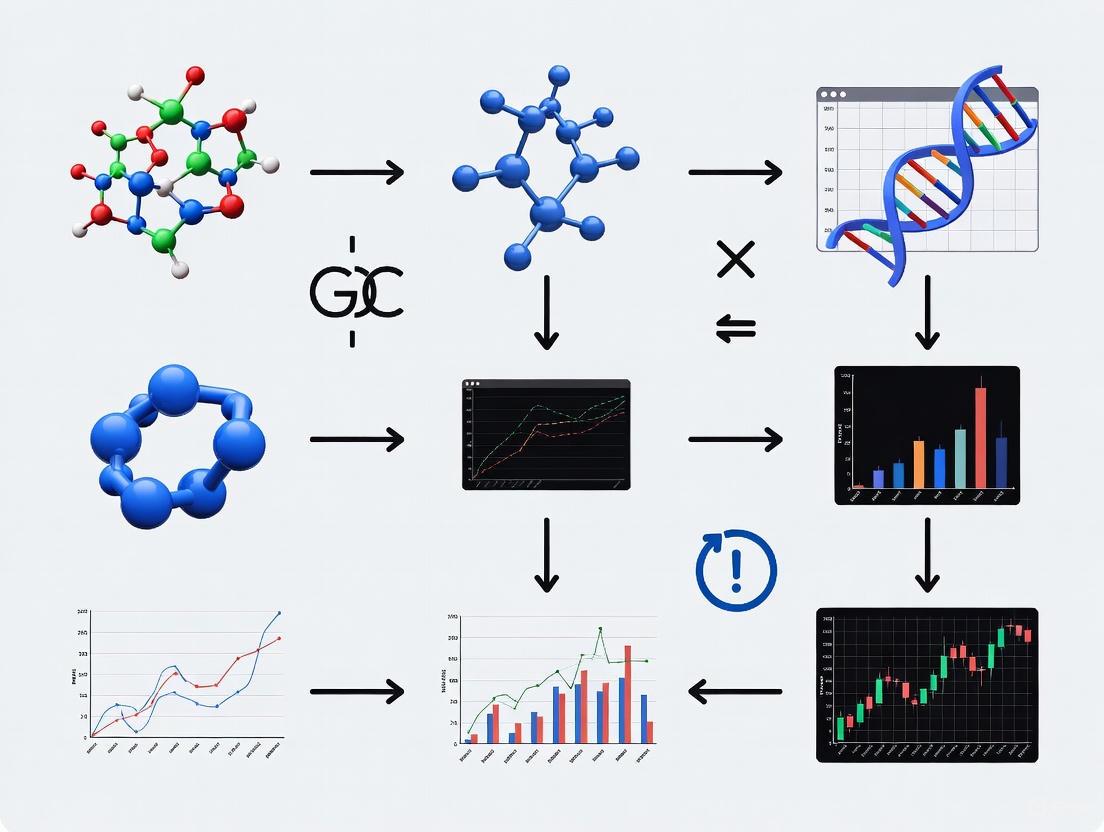
GC bias, the dependence of sequencing read coverage on guanine-cytosine content, is a major technical artifact that confounds transcriptomics analysis, leading to inaccurate gene expression quantification and differential expression results.
Correcting GC Bias in Transcriptomics: A Comprehensive Guide for Accurate RNA-Seq Analysis
Abstract
GC bias, the dependence of sequencing read coverage on guanine-cytosine content, is a major technical artifact that confounds transcriptomics analysis, leading to inaccurate gene expression quantification and differential expression results. This article provides a comprehensive framework for researchers and drug development professionals to understand, identify, and correct for GC bias in RNA-Seq data. Covering foundational concepts through advanced validation strategies, we detail the unimodal nature of GC bias affecting both GC-rich and GC-poor regions, explore experimental and computational mitigation methods, and present best practices for troubleshooting and benchmarking. By synthesizing current evidence and multi-center study findings, this guide empowers scientists to achieve more reliable biological interpretations from their transcriptomics data, which is crucial for robust biomarker discovery and clinical translation.
Understanding GC Bias: From Core Concepts to Transcriptomic Impact
Defining GC Bias and Its Unimodal Effect in Sequencing
GC bias is a technical artifact in high-throughput sequencing where the guanine (G) and cytosine (C) content of DNA or RNA fragments influences their representation in sequencing data. This bias manifests as a unimodal relationship between GC content and fragment coverage, meaning both GC-rich and AT-rich (adenine-thymine) fragments are underrepresented, while fragments with moderate GC content are overrepresented [1] [2]. This effect can substantially distort quantitative analyses in transcriptomics, such as differential expression and copy number estimation, making its understanding and correction essential for accurate biological interpretation [1] [2].
Frequently Asked Questions (FAQs)
What is GC bias and why is it a problem in transcriptomics?
GC bias describes the dependence between fragment count (read coverage) and GC content found in sequencing data [1]. In transcriptomics, this bias confounds the true biological signal because the measured read count for a gene depends not only on its actual expression level but also on its sequence composition [2]. This can lead to:
- Inaccurate fold-change estimates in differential expression analysis [2].
- False positives or false negatives in tests for differential expression [2].
- Misinterpretation of biological results, as GC content is often correlated with genomic functionality [1].
What does "unimodal effect" mean in the context of GC bias?
The unimodal effect refers to the specific pattern observed in GC bias: read coverage is highest for fragments with an intermediate GC content and drops off for fragments that are either very GC-poor or very GC-rich [1] [2]. This creates a single-peak (unimodal) curve when coverage is plotted against GC content. Empirical evidence suggests this pattern is consistent with polymerase chain reaction (PCR) being a major cause of the bias, as both extremely high and low GC sequences amplify less efficiently [1] [3].
My RNA-seq data shows an unusual GC content distribution. Should I be concerned?
An unusual GC profile does not automatically indicate a problem. It could be due to a set of highly expressed genes with a particular GC content in your specific sample [4]. However, you should investigate further if:
- The distribution differs substantially between sample groups in a differential expression study [5] [2].
- There is a low mapping rate to your target organism, which could point to microbial contamination that also alters the GC profile [4].
- Samples were processed in different batches, labs, or with different library preparation kits, as the GC bias effect is often sample-specific [1] [5] [3]. Normalization methods in tools like DESeq2 or edgeR can account for some technical variability, but severe bias may require explicit correction [4].
Which step of the sequencing workflow introduces the most GC bias?
Library preparation, and particularly PCR amplification, is identified as a dominant source of GC bias [1] [6]. During PCR, fragments with very high or very low GC content are amplified less efficiently, leading to their under-representation in the final sequencing library [1]. Other steps can also contribute, including:
- Fragmentation methods (e.g., enzymatic vs. chemical) [6].
- Adapter ligation efficiency, which can be sequence-dependent [6].
- Priming biases, especially from random hexamers used in cDNA synthesis [2] [6].
- Enzymes used in library kits: For example, Oxford Nanopore's transposase-based (rapid) kits show a stronger coverage bias linked to GC content compared to their ligation-based kits [3].
How can I check my data for GC bias?
A primary method is to visualize the relationship between GC content and read coverage. This typically involves:
- Binning genomic regions (e.g., genes or fixed-size windows) based on their GC content.
- Calculating the average read coverage for each bin.
- Plotting the average coverage against GC content. A unimodal curve, rather than a flat line, indicates the presence of GC bias. Many software packages, such as
deepToolsandEDASeq, can assist with this analysis [2] [7].
Troubleshooting Guides
Identifying and Diagnosing GC Bias
Follow this workflow to systematically diagnose GC bias in your sequencing data.
Table 1: Key Features of GC Bias in Sequencing Data
| Feature | Description | How to Detect It |
|---|---|---|
| Unimodal Coverage | Read coverage peaks at moderate (~40-60%) GC content and decreases for both high and low GC regions. | Plot average read depth vs. GC content percentage per genomic bin. |
| Sample-Specificity | The exact shape of the GC bias curve can vary between samples, even from the same library. | Compare GC-coverage plots across all samples in the experiment. |
| Technology/Library Dependence | The severity of bias can differ between sequencing platforms and library prep kits. | Compare results from different kits or protocols; ONT rapid kits may show stronger bias than ligation kits [3]. |
| Impact on DE | Can cause false differential expression calls for genes with extreme GC content. | Check if DE genes are enriched for high or low GC content after standard normalization. |
Mitigating and Correcting for GC Bias
Pre-sequencing (Preventative) Measures
- Use PCR-free library protocols where possible, though this is often challenging for low-input samples like cfDNA [6] [7].
- Optimize PCR conditions: Use polymerases known for better performance across GC extremes (e.g., Kapa HiFi) and additives like betaine for GC-rich templates [6].
- Choose library kits carefully: Ligation-based protocols may introduce less bias than transposase-based ones for some technologies [3].
- Maintain high RNA quality: Use high-quality, non-degraded RNA (RIN > 7) to prevent interactions between degradation bias and GC bias [8].
Post-sequencing (Computational) Corrections
Computational methods model and counter the observed bias. They generally work by calculating a correction factor for each fragment or genomic region based on its GC content.
Table 2: Comparison of GC Bias Correction Methodologies
| Method / Tool | Primary Application | Key Principle | Key Considerations |
|---|---|---|---|
| GCparagon [7] | Cell-free DNA (cfDNA) | Two-stage algorithm that computes fragment-level weights based on length and GC count, adding them as tags to BAM files. | Designed for the specific length distribution of cfDNA; allows customization of fragment length range. |
| Conditional Quantile Normalization (CQN) [2] | RNA-seq | Incorporates GC-content and gene length effects into a Poisson model using smooth spline functions. | Simultaneously corrects for multiple within-lane biases (GC and length). |
| Gaussian Self-Benchmarking (GSB) [9] | RNA-seq (short-read) | Leverages the theoretical Gaussian distribution of GC content in k-mers to model and correct biases without relying on empirical data. | Aims to correct multiple co-existing biases simultaneously. |
| Benjamini & Speed Method [1] [7] | DNA-seq | Produces GC-effect predictions at the base pair level, allowing strand-specific correction. | Informed by the analysis that the full fragment's GC content is the most influential factor. |
| EDASeq [2] | RNA-seq | Provides within-lane gene-level GC-content normalization procedures, to be followed by between-lane normalization. | Offers multiple simple normalization approaches. |
The Scientist's Toolkit
Table 3: Essential Research Reagents and Tools for GC Bias Analysis
| Item | Function / Description | Example Use Case |
|---|---|---|
| Kapa HiFi Polymerase | A PCR enzyme known for robust amplification across sequences with varying GC content. | Reducing bias during library amplification step [6]. |
| Ribo-off rRNA Depletion Kit | Removes ribosomal RNA to enrich for mRNA and other RNA biotypes, improving sequencing efficiency. | Preparing RNA-seq libraries from total RNA to avoid skewed representation due to abundant rRNA [9] [8]. |
| Spike-in RNAs (e.g., ERCC, SIRV, Sequin) | Synthetic RNA molecules with known sequences and concentrations added to the sample. | Acts as an internal control to monitor technical performance, including GC bias, across samples and protocols [10] [9]. |
| VAHTS Universal V8 RNA-seq Library Prep Kit | A standardized protocol for constructing RNA-seq libraries, including fragmentation, adapter ligation, and amplification. | A representative kit used in standardized workflows for transcriptome sequencing [9]. |
| GCparagon Software [7] | A stand-alone tool designed specifically for GC bias correction in cfDNA data on a fragment level. | Correcting GC bias in liquid biopsy sequencing data to improve detection of copy number alterations or nucleosome footprints. |
| EDASeq R/Bioconductor Package [2] | An open-source software package providing functions for exploratory data analysis and normalization of RNA-seq data, including GC correction. | Implementing within-lane GC-content normalization during the initial bioinformatic processing of RNA-seq data. |
Core Concepts: PCR and GC Bias
What is the primary function of PCR in NGS library preparation? PCR is used to amplify the amount of DNA in a library, ensuring there is sufficient material for sequencing. It also incorporates sequencing adapters and sample indices (barcodes) onto the DNA fragments, enabling the sequencing process and multiplexing of samples [11].
How does PCR contribute to GC bias in transcriptomics data? PCR amplification is not always uniform. DNA fragments with extreme GC content (very high or very low) often amplify less efficiently than fragments with moderate GC content [12]. This leads to:
- Under-representation: GC-rich regions can form stable secondary structures that hinder DNA polymerase activity, leading to lower coverage [13] [12].
- Skewed Data: The resulting sequencing data does not accurately represent the original abundance of transcripts, compromising the accuracy of downstream differential expression analysis [12].
What are the downstream impacts of PCR-induced GC bias on transcriptomics research? GC bias can significantly impact the biological interpretation of your data, leading to:
- Inaccurate variant calling, potentially causing both false negatives and false positives [12].
- Compromised detection of copy number variations (CNVs) and other structural variants due to uneven coverage [12].
- Misleading differential expression results in transcriptomics, as coverage differences can be mistaken for true biological changes [12].
PCR Troubleshooting Guide
The following table outlines common PCR-related issues during library prep, their root causes, and proven solutions.
| Observation | Primary Cause | Recommended Solution |
|---|---|---|
| No / Low Amplification [14] [11] | Poor template quality or contaminants [13] [14] | Re-purify template DNA; use fluorometric quantification (e.g., Qubit) over absorbance; ensure 260/280 ratio ~1.8 [14] [11]. |
| Suboptimal reaction conditions [14] | Optimize Mg2+ concentration in 0.2-1 mM increments [14]; use a hot-start polymerase [13] [14]; test an annealing temperature gradient starting 5°C below primer Tm [14]. | |
| Multiple Bands / Non-specific Products [14] | Primer annealing temperature too low [13] [14] | Increase annealing temperature; optimize stepwise in 1-2°C increments [13]. |
| Excess enzyme or primers [13] | Lower DNA polymerase amount [13]; optimize primer concentration (typically 0.1-1 µM) [13] [14]. | |
| Sequence Errors / Low Fidelity [13] [14] | Low fidelity DNA polymerase [14] | Switch to a high-fidelity polymerase (e.g., Q5, Phusion) [14]. |
| Unbalanced dNTP concentrations [13] [14] | Use fresh, equimolar dNTP mixes [13] [14]. | |
| High Duplicate Read Rate / Amplification Bias [12] [11] | Too many PCR cycles [12] [11] | Reduce the number of amplification cycles [13] [12]; use unique molecular identifiers (UMIs) to distinguish PCR duplicates [12]. |
| Complex template (e.g., high GC-content) [13] [14] | Use a polymerase with high processivity [13]; add a PCR enhancer or co-solvent (e.g., DMSO, GC enhancer) [13] [14]. |
Experimental Protocols for Mitigation
Protocol 1: Optimizing PCR for GC-Rich Transcripts
This protocol is designed to improve the uniform amplification of GC-rich regions, which are common in gene promoters and other critical genomic areas [12].
- Polymerase Selection: Use a DNA polymerase engineered for high processivity and robustness to inhibitors, often marketed for "difficult" templates [13] [14].
- Master Mix Formulation:
- Thermal Cycling Adjustments:
- Denaturation: Increase the denaturation temperature (e.g., to 98°C) and/or time (e.g., to 30 seconds) to ensure complete separation of stable, GC-rich templates [13].
- Annealing/Eextension: Use a combined annealing/extension step at a higher temperature (e.g., 68-72°C) to prevent secondary structure formation [13].
- Cycles: Use the minimum number of cycles necessary to obtain sufficient yield to minimize bias [13] [12].
Protocol 2: A PCR-Free Library Preparation Workflow
The most effective method to eliminate PCR bias is to avoid it entirely. This is feasible when input DNA is of sufficient quantity and quality [12].
- Input DNA: Start with high-quality, high-molecular-weight DNA (recommended amount varies by kit, often > 1μg).
- Fragmentation: Fragment DNA via sonication or enzymatic methods. Mechanical shearing has demonstrated improved coverage uniformity compared to enzymatic methods [12].
- End-Repair & A-Tailing: Perform standard enzymatic steps to prepare fragment ends for adapter ligation.
- Adapter Ligation: Ligate double-stranded sequencing adapters directly to the prepared fragments. This is a key step that replaces the PCR amplification of adapters [11].
- Purification: Clean up the ligated library using bead-based purification to remove excess adapters and reaction components. Accurate bead-to-sample ratios are critical to prevent loss of desired fragments [11].
- QC and Sequencing: Quantify the final library using qPCR-based methods and proceed to sequencing. The resulting data will be free from PCR duplicates and amplification bias, providing a more accurate representation of the original sample [12].
Workflow and Cause-Effect Visualization
PCR Workflow and Bias Introduction Points
Cause and Effect of PCR-Induced Bias
The Scientist's Toolkit: Research Reagent Solutions
| Reagent / Material | Primary Function in PCR | Key Consideration for GC Bias |
|---|---|---|
| High-Processivity DNA Polymerase [13] [14] | Robustly amplifies difficult templates; maintains activity over long targets. | Essential for denaturing and amplifying stable secondary structures in GC-rich regions [13]. |
| PCR Additives (e.g., DMSO, GC Enhancer) [13] [14] | Destabilizes DNA secondary structures; improves polymerase processivity. | Critical for reducing the melting temperature of GC-rich sequences, promoting even amplification [13]. |
| Hot-Start DNA Polymerase [13] [14] | Remains inactive until a high-temperature activation step. | Prevents nonspecific priming and primer-dimer formation at setup, improving specificity and yield [13] [14]. |
| Unique Molecular Identifiers (UMIs) [12] | Short random nucleotide sequences ligated to each fragment before amplification. | Allows bioinformatic correction for PCR duplicates and amplification bias, crucial for accurate quantification [12]. |
| PCR-Free Library Prep Kit [12] | Uses adapter ligation without amplification to create sequencing libraries. | The most effective solution to eliminate PCR bias, but requires higher input DNA [12]. |
Frequently Asked Questions (FAQs)
How can I identify if GC bias is present in my sequencing data? Use quality control tools like FastQC to visualize the relationship between GC content and read coverage across your genome. A uniform distribution should show a relatively smooth, symmetrical peak. Deviations from this, such as sharp drops in coverage at high or low GC percentages, indicate significant bias [12].
Are there bioinformatic tools to correct for GC bias? Yes, several bioinformatics normalization approaches exist. These algorithms computationally adjust the read depth based on the local GC content of the genome, which can help improve the uniformity of coverage and the accuracy of downstream analyses like variant calling [12].
What is the single most impactful step I can take to reduce PCR bias? The most impactful step is to reduce the number of PCR cycles during library amplification. Every additional cycle exponentially amplifies small, initial biases in amplification efficiency. Use the minimum number of cycles required to obtain sufficient library yield for sequencing [13] [12].
How GC Bias Skews Gene Expression and Quantification
GC bias, the technical artifact where the guanine (G) and cytosine (C) content of a transcript influences its representation in sequencing data, is a significant challenge in transcriptomics. This bias can severely skew gene expression quantification, leading to inaccurate biological interpretations. In sequencing data, the relationship between fragment count and GC content is typically unimodal: both GC-rich fragments and AT-rich fragments are underrepresented [1]. This bias predominantly arises during PCR amplification steps in library preparation, where fragments with extreme GC content amplify less efficiently [1] [12]. Understanding and correcting for this effect is crucial for the reliability of RNA-seq in clinical diagnostics and drug development [15].
Frequently Asked Questions (FAQs)
Q1: What is GC bias and how does it affect my RNA-seq data? GC bias describes the dependence between fragment count (read coverage) and the GC content of the DNA fragment [1]. It creates a unimodal curve: fragments with extremely high or low GC content have lower coverage than those with moderate GC content [1]. This skews gene expression quantification, as genes with non-optimal GC content will be under-represented, leading to false negatives in differential expression analysis and inaccurate measurement of expression levels [12].
Q2: What are the primary molecular causes of GC bias? Evidence strongly suggests that PCR amplification during library preparation is a dominant cause [1]. GC-rich regions can form stable secondary structures that hinder polymerase processivity, while AT-rich regions may have less stable DNA duplexes, both leading to inefficient amplification [12]. The bias is influenced by the GC content of the entire DNA fragment, not just the sequenced reads [1].
Q3: How can I identify GC bias in my sequencing data? GC bias can be identified using several quality control (QC) tools. FastQC provides graphical reports highlighting deviations in GC content [12]. Picard tools and Qualimap enable detailed assessments of coverage uniformity relative to GC content [12]. Visually, you will observe a non-uniform distribution of coverage when plotted against GC content, forming a characteristic unimodal shape [1].
Q4: Does GC bias only affect RNA-seq, or other sequencing types too? While this guide focuses on transcriptomics, GC bias is a pervasive issue in many high-throughput sequencing assays, including DNA-seq for copy number variation analysis and ChIP-seq [1]. The underlying cause—PCR amplification of fragments with varied GC composition—is common to many library preparation protocols.
Q5: Are some genes more susceptible to GC bias than others? Yes, genes with extreme GC content (either very high or very low) are most affected. For example, genes in promoter-associated CpG islands (which are GC-rich) are often underrepresented due to this bias [12]. This is a critical consideration when studying gene families with inherent sequence composition biases.
Troubleshooting Guides
Problem 1: Inaccurate Gene Expression Quantification Due to GC Bias
- Symptoms: Inconsistent gene expression measurements between replicates; under-representation of genes with very high or very low GC content; poor correlation with qPCR validation data for specific genes [12] [15].
- Root Causes:
- PCR Over-amplification: Excessive number of PCR cycles during library preparation exacerbates the under-representation of extreme-GC fragments [1] [12].
- Suboptimal Fragmentation: Enzymatic fragmentation methods can be susceptible to sequence-dependent biases compared to mechanical methods like sonication [12].
- Incorrect Data Normalization: Using standard normalization methods that do not account for GC content.
- Solutions:
- Wet-Lab Protocol Adjustments:
- Optimize library preparation by reducing the number of PCR cycles [11].
- Use PCR-free library workflows if input DNA is sufficient [12].
- Consider using polymerases engineered for more uniform amplification across different GC contents [12].
- Use mechanical fragmentation (e.g., sonication) which has demonstrated improved coverage uniformity compared to enzymatic methods [12].
- Bioinformatics Corrections:
- Employ normalization algorithms that explicitly adjust read counts based on local GC content [12].
- Utilize advanced bias mitigation frameworks like the Gaussian Self-Benchmarking (GSB) framework, which models the natural Gaussian distribution of GC content in transcripts to correct for multiple coexisting biases simultaneously [9].
- Wet-Lab Protocol Adjustments:
Problem 2: Low Sensitivity in Detecting Subtle Differential Expression
- Symptoms: Inability to reliably detect differentially expressed genes (DEGs) between samples with similar transcriptome profiles (e.g., different disease subtypes or stages); high inter-laboratory variation in DEG lists [15].
- Root Causes: GC bias introduces technical noise that can obscure small, biologically relevant expression differences [15]. The problem is more pronounced than when analyzing samples with large biological differences [15].
- Solutions:
- Implement Rigorous Quality Control: Use reference materials like the Quartet samples, which are designed for benchmarking performance at subtle differential expression levels [15].
- Benchmark Your Pipeline: Calculate metrics like the signal-to-noise ratio (SNR) based on principal component analysis (PCA) of your data and reference samples to gauge your ability to detect subtle expression changes [15].
- Standardize Experimental Protocols: Studies show that factors like mRNA enrichment method and library strandedness are major sources of variation. Adopting best-practice protocols can reduce inter-lab variability [15].
Problem 3: General Workflow for GC Bias Mitigation
The following diagram illustrates a logical pathway for diagnosing and correcting GC bias in a transcriptomics project.
Quantitative Data on GC Bias Impact
Table 1: Performance Variation in Multi-Center RNA-Seq Studies
This table summarizes key findings from a large-scale benchmarking study across 45 laboratories, highlighting the impact of technical variations, including GC bias, on RNA-seq results [15].
| Metric | Samples with Large Biological Differences (MAQC) | Samples with Subtle Biological Differences (Quartet) | Implication |
|---|---|---|---|
| Signal-to-Noise Ratio (SNR) | Average: 33.0 (Range: 11.2–45.2) | Average: 19.8 (Range: 0.3–37.6) | Technical noise has a greater relative impact when biological differences are small [15]. |
| Correlation with TaqMan (Protein-Coding Genes) | Average Pearson R: 0.825 | Average Pearson R: 0.876 | Accurate quantification of a broader gene set is more challenging; highlights need for large-scale reference datasets [15]. |
| Primary Sources of Variation | Experimental factors (mRNA enrichment, strandedness) and every step in bioinformatics pipelines [15]. |
Table 2: Common Sequencing Preparation Failures Linked to Bias
This table links common laboratory issues with their potential to introduce or exacerbate GC bias [11].
| Problem Category | Typical Failure Signals | Link to GC Bias |
|---|---|---|
| Amplification / PCR | Overamplification artifacts; high duplicate rate; bias [11]. | Primary cause. Excessive cycles preferentially amplify mid-GC fragments [1] [12]. |
| Sample Input / Quality | Low library complexity; shearing bias [11]. | Degraded DNA/RNA and uneven fragmentation can compound under-representation of extreme-GC regions [12]. |
| Fragmentation | Unexpected fragment size distribution [11]. | Enzymatic fragmentation can be sequence-dependent, skewing fragment population before PCR [12]. |
Experimental Protocols for Bias Mitigation
Protocol 1: Gaussian Self-Benchmarking (GSB) for Bioinformatics Correction
The GSB framework is a theoretical model-based approach that mitigates multiple biases simultaneously by leveraging the natural Gaussian distribution of GC content in transcripts [9].
- k-mer Categorization: Break down the transcript reference sequences into k-mers and categorize them based on their GC content [9].
- Theoretical Model Building: Aggregate the counts of k-mers within each GC-content category. Fit these aggregate counts to a Gaussian distribution to establish a theoretical, unbiased benchmark. The key parameters (mean and standard deviation) are derived from this theoretical model, independent of empirical data [9].
- Empirical Data Processing: Process your empirical sequencing data by similarly categorizing k-mers from the aligned reads by their GC content and aggregating their counts [9].
- Bias Correction: Fit the empirical GC-count aggregates to the Gaussian distribution using the pre-determined parameters from Step 2. The resulting Gaussian-distributed counts serve as unbiased indicators. Use these to adjust the sequencing counts for each k-mer, effectively reducing bias across the entire transcript [9].
Protocol 2: Best-Practice RNA-seq Workflow to Minimize Bias
This protocol summarizes wet-lab and computational best practices compiled from multiple sources [12] [15] [9].
- Library Preparation:
- Use rRNA depletion instead of poly-A selection if possible, as the latter can introduce its own biases [9].
- If PCR is necessary, minimize the number of amplification cycles. Use polymerases known for balanced amplification [12].
- Incorporate Unique Molecular Identifiers (UMIs) to account for PCR duplicates [12].
- Sequencing:
- Sequence to an adequate depth, as the impact of bias can be more pronounced in low-coverage data.
- Bioinformatics Analysis:
- Quality Control: Use FastQC and MultiQC to generate reports on GC distribution [12] [9].
- Trimming: Remove adapters and low-quality bases using tools like Cutadapt or Trimmomatic [9].
- Alignment: Map reads to a reference genome using a splice-aware aligner like HISAT2 [9].
- Bias Mitigation: Apply a GC-content normalization method or a advanced framework like GSB [9].
- Validation: Where possible, validate key findings using an orthogonal method like qPCR or by leveraging spike-in controls [15].
The Scientist's Toolkit
Table 3: Essential Reagents and Tools for GC Bias-Aware Research
| Item Name | Function / Explanation | Relevance to GC Bias |
|---|---|---|
| ERCC Spike-In Controls | Synthetic RNA controls with known concentrations spiked into samples. | Provide an external standard to monitor technical accuracy, including GC bias effects, independent of biological variation [15]. |
| Quartet Reference Materials | RNA reference materials derived from a family quartet with well-characterized, subtle expression differences [15]. | Essential for benchmarking pipeline performance and accurately detecting subtle differential expression in the presence of technical noise like GC bias [15]. |
| PCR-Free Library Prep Kit | Library preparation kits that eliminate the PCR amplification step. | Avoids the introduction of PCR-based biases, including GC bias, but requires higher input DNA [12]. |
| Bias-Robust Polymerase | PCR enzymes engineered for uniform amplification efficiency across sequences with varied GC content. | Reduces the under-representation of GC-rich and AT-rich fragments during library amplification [12]. |
| Ribo-off rRNA Depletion Kit | A kit for removing ribosomal RNA from total RNA samples. | An alternative to poly-A selection for mRNA enrichment; helps avoid 3' bias associated with some poly-A protocols [9]. |
| VAHTS Universal V8 RNA-seq Library Prep Kit | A standardized commercial kit for RNA-seq library construction. | Using a standardized, widely adopted kit helps ensure reproducibility and reduces protocol-specific variability [9]. |
Frequently Asked Questions
What is the fundamental difference between fragment GC and read GC content? Read GC refers to the proportion of Guanine (G) and Cytosine (C) bases only in the sequenced part of a DNA fragment. In contrast, Fragment GC refers to the GC content of the entire original DNA molecule before sequencing, including the parts between the paired-end reads that are never actually sequenced [1].
Why is this distinction critical for my analysis? The GC bias observed in sequencing data (where coverage depends on GC content) is primarily influenced by the full fragment GC, not just the read GC [1]. Using the wrong one for normalization can lead to incomplete correction, leaving substantial bias in your data and confounding downstream analyses like differential expression or copy number variation detection [1] [2] [16].
What is the typical "shape" of GC content bias? The bias is unimodal. This means that both GC-rich fragments and AT-rich fragments (GC-poor) are underrepresented in the sequencing results. The highest coverage is typically observed for fragments with a moderate, intermediate GC content [1] [12].
What is the primary cause of this bias? Empirical evidence strongly suggests that PCR amplification during library preparation is the most important cause of the GC bias. Both GC-rich and AT-rich fragments amplify less efficiently than those with balanced GC content [1] [12].
Troubleshooting Guide: Symptoms and Diagnosis
If you are observing the following issues in your data, incorrect GC bias correction might be the cause:
- In DNA-seq: Unexplained fluctuations in copy number (CN) profiles that correlate with regional GC content [1].
- In RNA-seq: Inaccurate transcript abundance estimates and an increased false discovery rate in differential expression analysis [2] [16].
- General NGS: Persistent uneven coverage across the genome after standard normalization, with systematic drops in coverage in known GC-rich or GC-poor regions [12].
Diagnostic Checklist:
- Plot Your GC-Coverage Curve: Create a plot of fragment coverage versus GC content. If the curve is not unimodal (peaking in the middle), your normalization method may be insufficient [1].
- Check Protocol Details: Determine if your library preparation method is prone to this bias (e.g., PCR-amplified libraries). PCR-free workflows show reduced bias [12].
- Verify Normalization Method: Ensure the bioinformatics tool you are using for GC correction accounts for the full fragment GC content.
Visualizing the Concepts and Workflow
The following diagram illustrates the core concepts and a general workflow for identifying and correcting for fragment GC bias.
Methodologies for Assessing and Correcting Bias
The table below summarizes key experimental and computational approaches for addressing fragment GC bias.
| Method Category | Description | Key Tools / Protocols |
|---|---|---|
| Experimental Mitigation | Reducing the bias at the source during library preparation. | PCR-free library workflows [12]; Using polymerases engineered for GC-rich templates [12]; Mechanical fragmentation (sonication) over enzymatic [12]. |
| Computational Correction (DNA-seq) | Modeling the unimodal relationship between fragment GC and coverage, then normalizing the data. | BEADS [1]; Polynomial regression on bin-level counts [2]. |
| Computational Correction (RNA-seq) | Correcting transcript abundance estimates by modeling bias from fragment sequence features. | alpine R/Bioconductor package [16]; Conditional Quantile Normalization (CQN) [2]; GC-content normalization in EDASeq [2] [17]. |
Detailed Protocol: Computational Correction with a Full-Fragment Model
This methodology, as described in Benjamini & Speed (2012) [1], involves:
- Fragment Definition: For paired-end data, use the mapped coordinates of both reads to determine the start, end, and length of the original DNA fragment.
- GC Calculation: For each genomic position, calculate the GC content for every possible fragment that could be observed in the library, considering the actual distribution of fragment lengths.
- Bias Modeling: Model the observed read coverage as a function of the pre-calculated fragment GC content. The relationship is typically fitted with a unimodal curve (e.g., a smooth loess curve or a parametric unimodal function).
- Normalization: Divide the observed read count in a genomic region (or bin) by the predicted count from the GC-bias model. This yields a normalized coverage value that is corrected for fragment GC effects.
The Scientist's Toolkit
| Research Reagent / Tool | Function |
|---|---|
| PCR-free Library Prep Kits | Eliminates the primary source of GC bias by avoiding amplification, though they require higher input DNA [12]. |
| Bias-Correcting Software | Tools like alpine (for RNA-seq) and BEADS (for DNA-seq) implement models that use full fragment GC for normalization [1] [16]. |
| Unique Molecular Identifiers (UMIs) | Short random barcodes ligated to each fragment before PCR. They help distinguish technical duplicates (from PCR) from biological duplicates, mitigating one aspect of amplification bias [12]. |
| Spike-in Controls | Synthetic RNAs or DNAs with known concentrations and a range of GC contents. They are added to the sample to provide an external standard for quantifying and correcting technical biases [10]. |
| Quality Control Tools | Software like FastQC, Picard, and MultiQC help visualize GC coverage trends and duplication rates, providing the first alert to potential bias issues [12] [18]. |
What is GC Bias in Sequencing?
GC bias refers to the uneven sequencing coverage of genomic regions due to variations in their guanine (G) and cytosine (C) nucleotide content. In both DNA and RNA sequencing, regions with very high or very low GC content often show reduced read coverage compared to regions with balanced GC content. This technical artifact can lead to inaccurate measurements of gene expression in transcriptomics (RNA-seq) or false conclusions in metagenomic abundance estimates [19] [12]. The bias arises because the probability of a DNA or RNA fragment being successfully amplified and sequenced is not constant, but depends on its sequence composition [20].
Critically, the shape and severity of GC bias are not consistent; they are sample-specific, meaning they can change from one experiment to another, even when using the same sequencing platform [6] [20]. This variability is a major source of systematic error that must be understood and corrected for reliable biological interpretation.
FAQs on GC Bias Variability
1. Why does the GC bias profile differ between my sequencing runs?
The GC bias profile is highly sensitive to specific laboratory conditions and choices during library preparation. The core reason for variability is that multiple experimental factors, which differ between runs, can introduce and modulate the bias. Key factors include [6] [19] [20]:
- Library Preparation Kit and Protocol: Different commercial kits and methods (e.g., PCR-free vs. PCR-amplified) have varying susceptibilities to GC bias.
- PCR Amplification: The number of amplification cycles and the type of DNA polymerase used are major contributors. PCR can stochastically introduce biases, as it amplifies different molecules with unequal probabilities [6].
- Sequencing Platform: Different platforms (e.g., Illumina MiSeq, NextSeq, HiSeq, PacBio, Oxford Nanopore) exhibit distinct and characteristic GC bias profiles [19] [21].
- Sample Storage and RNA Extraction Method: For RNA-seq, the method of sample preservation (e.g., frozen vs. FFPE) and RNA isolation can influence RNA integrity and introduce biases that interact with GC effects [6].
2. How can the same protocol produce different GC biases in different labs?
Even with an identical written protocol, inter-laboratory variation in execution introduces significant variability. A large-scale, real-world benchmarking study of RNA-seq across 45 laboratories found that subtle differences in experimental execution are a primary source of variation. Factors such as the specific mRNA enrichment method (e.g., poly-A selection vs. rRNA depletion) and the strandedness of the library can profoundly influence results, including GC-related biases [15]. This means that operator technique, reagent batches, and equipment calibration can all contribute to the unique GC bias signature of a dataset.
3. What is the molecular basis for GC bias affecting certain fragments?
The bias is driven by the physical properties of DNA and RNA fragments during the library preparation process:
- GC-Rich Regions: Sequences with high GC content form stable secondary structures (e.g., hairpins) that can hinder the binding of primers and polymerases, leading to inefficient amplification during PCR [12].
- GC-Poor Regions: Sequences with low GC content have less stable DNA duplexes, which can also result in inefficient amplification [12].
- Fragment GC Content: Evidence suggests that it is the GC content of the entire DNA fragment, not just the sequenced read ends, that most strongly influences its representation. The relationship is typically unimodal, meaning both GC-rich and GC-poor fragments are under-represented compared to those with an optimal, intermediate GC content [20].
4. Does GC bias impact transcriptomics analysis differently than genomic studies?
Yes, the impact and correction strategies can differ. In genomics (e.g., DNA-seq for copy number variation), GC bias directly causes uneven coverage across the genome, creating gaps or false positives. In transcriptomics (RNA-seq), the bias can lead to systematic errors in transcript abundance estimation. For example, isoforms of the same gene that differ in a high-GC exon can be mis-quantified, as the high-GC region may have artificially low coverage, skewing expression estimates between isoforms [22]. This can result in hundreds of false positives in differential expression analysis [22].
Comparison of Sequencing Platforms and GC Bias
The following table summarizes how different sequencing technologies and library preparation methods compare in their susceptibility to GC bias, based on empirical studies.
Table 1: GC Bias Profiles Across Sequencing Platforms and Methods
| Platform / Method | GC Bias Profile | Key Characteristics |
|---|---|---|
| Illumina MiSeq/NextSeq | High GC Bias [19] | Major GC biases; severe under-coverage outside 45-65% GC range; GC-poor regions (e.g., 30% GC) can have >10-fold less coverage [19]. |
| Illumina HiSeq | Moderate GC Bias [19] | Exhibits GC bias, but with a profile distinct from MiSeq/NextSeq [19]. |
| Pacific Biosciences (PacBio) | Moderate GC Bias [19] | Similar GC bias profile to HiSeq [19]. |
| Oxford Nanopore | Minimal to No GC Bias [19] [21] | PCR-free workflows are not afflicted by GC bias, making it advantageous for unbiased coverage [19] [21]. |
| PCR-free Library Prep | Greatly Reduced Bias [19] [12] | Eliminates the major contributor to bias; requires high input DNA [19] [12]. |
| PCR-based Library Prep | Variable, often High Bias [6] [23] | Bias level depends on polymerase, cycle number, and additives [6] [23]. |
The Scientist's Toolkit: Research Reagent Solutions
Table 2: Key Reagents and Methods for Mitigating GC Bias
| Reagent / Method | Function / Explanation |
|---|---|
| Kapa HiFi Polymerase | An enzyme engineered for more balanced amplification of sequences with extreme GC content, outperforming others like Phusion [6]. |
| PCR Additives (Betaine, TMAC) | Chemical additives that help denature stable secondary structures in GC-rich regions, promoting more uniform amplification [6] [19]. |
| Unique Molecular Identifiers (UMIs) | Short random barcodes ligated to each molecule before PCR amplification, allowing bioinformatic identification and removal of PCR duplicates [12]. |
| Ribosomal RNA Depletion Kits | For RNA-seq, using rRNA depletion (e.g., Ribo-off kit) instead of poly-A selection can help avoid 3'-end capture bias associated with random hexamer priming [6] [24]. |
| Mechanical Fragmentation | Using sonication or other physical methods for DNA shearing demonstrates improved coverage uniformity compared to enzymatic fragmentation, which can be sequence-biased [12]. |
| ERCC Spike-In Controls | Synthetic RNA controls with known concentrations and a range of GC contents, used to track and correct for technical biases, including GC effects, within a sample [15]. |
Experimental Protocols for Assessing GC Bias
Protocol 1: Visualizing and Quantifying GC Bias in Your Data
This protocol allows you to assess the level of GC bias in your own sequencing dataset.
- Read Alignment: Map your sequencing reads to the reference genome using a standard aligner (e.g., BWA for DNA-seq, HISAT2 for RNA-seq).
- Genome Binning: Divide the reference genome into consecutive, non-overlapping windows (bins). A common size is 1 kb, but this can be adjusted.
- Calculate Metrics: For each bin, compute:
- GC Content: The proportion of G and C bases in the bin's reference sequence.
- Read Coverage: The average number of reads mapping to that bin (normalized by the total number of mapped reads).
- Data Visualization: Create a scatter plot with GC content on the x-axis and normalized read coverage on the y-axis.
- Curve Fitting: Fit a smooth curve (e.g., a Loess curve) or a unimodal function to the data points. The resulting curve is your sample-specific GC bias profile [20]. A flat line indicates no bias, while a curved line shows the dependence of coverage on GC.
Diagram: The Workflow for GC Bias Assessment
Protocol 2: A Multi-Center Study Design for Systemic Bias Evaluation
Large-scale consortium projects have established robust methods for evaluating technical variability, including GC bias.
- Reference Materials: Use well-characterized reference samples. For transcriptomics, the Quartet project provides RNA reference materials from a family quartet, designed to have subtle differential expression, making them sensitive to technical noise [15]. The MAQC project samples are also widely used.
- Spike-In Controls: Spiked-in synthetic RNAs (like ERCC controls) at known ratios into your samples prior to library preparation. These provide an external "ground truth" for evaluating quantification accuracy across different GC contents [15].
- Distributed Sequencing: Distribute the same set of reference materials to multiple participating laboratories. Each lab should prepare libraries and sequence the samples using their own standard protocols and platforms.
- Centralized Analysis: Perform a centralized bioinformatic analysis to quantify the inter-laboratory variation. Key metrics include:
- Signal-to-noise ratio (SNR) based on Principal Component Analysis (PCA).
- Accuracy of absolute gene expression measurements against TaqMan reference datasets.
- Accuracy of detecting differentially expressed genes (DEGs) [15].
- Factor Analysis: Statistically correlate the observed variations (e.g., in GC bias profiles) with the documented experimental factors (e.g., library kit, platform, operator) from each lab to identify the most influential sources of bias [15].
Key Troubleshooting Guide
Problem: My data shows a strong GC bias, with poor coverage of both AT-rich and GC-rich regions.
Solutions:
- Wet-Lab: For future experiments, switch to a PCR-free library preparation protocol if input material allows [19] [12]. If PCR is necessary, reduce the number of cycles and use a high-fidelity polymerase optimized for GC-rich regions (e.g., Kapa HiFi) with PCR additives like betaine [6].
- Bioinformatic: Apply a GC-content normalization algorithm to your existing data. Methods exist in tools like
alpinefor RNA-seq, which models fragment GC content to correct abundance estimates and can drastically reduce false positives in differential expression analysis [22]. Other tools likeEDASeqalso provide robust within-lane GC normalization [2].
Problem: I am getting inconsistent results in a multi-site study.
Solutions:
- Standardize Protocols: Implement a single, detailed library preparation protocol across all sites, including specific kit recommendations and PCR cycle numbers.
- Use Common Controls: Provide all sites with the same batch of reference materials (e.g., Quartet or MAQC samples) and spike-in controls (ERCCs) to be included in every sequencing run. This allows for post-hoc batch effect correction and performance monitoring [15].
- Centralized Processing: Process all raw sequencing data through a single, standardized bioinformatics pipeline to avoid introducing additional variation from analysis choices [15].
GC Bias Correction Strategies: From Laboratory to Code
Frequently Asked Questions (FAQs)
What is GC bias in transcriptomics and why is it a problem? GC bias describes the dependence between fragment count (read coverage) and GC content found in sequencing data. This technical artifact results in both GC-rich fragments and AT-rich fragments being underrepresented in sequencing results, which can dominate the biological signal of interest and lead to inaccurate interpretation of gene expression data [1].
How does PCR contribute to GC bias? PCR is considered the most important cause of GC bias. During library preparation, the polymerase chain reaction amplifies DNA fragments with varying efficiency based on their GC content, leading to uneven coverage across the genome that doesn't reflect true biological abundance [1].
What are the main advantages of PCR-free workflows? PCR-free workflows eliminate amplification bias, provide more uniform coverage across regions with varying GC content, reduce duplicate reads, and offer more accurate representation of true biological abundance. These benefits are particularly valuable for quantitative applications like transcriptomics and copy number variation analysis [1] [11].
Troubleshooting Guides
Common GC Bias Issues and Solutions
| Observation | Possible Cause | Solution |
|---|---|---|
| Uneven coverage in GC-rich or AT-rich regions | PCR amplification bias during library prep | Implement PCR-free library preparation methods; Use GC-balanced kits [1] [11] |
| Inaccurate gene expression measurements | Overamplification of specific GC content fragments | Reduce PCR cycles; Optimize amplification conditions; Switch to PCR-free protocols [1] |
| Difficulties in CNV detection | GC bias confounding copy number signal | Apply computational GC bias correction (e.g., DRAGEN GC bias correction) [25] |
| Low library complexity | Overamplification in early PCR cycles | Limit PCR cycles; Use unique molecular identifiers (UMIs); Optimize input DNA quality [11] |
PCR Optimization Strategies to Minimize Bias
| Factor | Problem | Optimization Strategy |
|---|---|---|
| Cycle Number | Overamplification introduces bias | Use minimal cycles needed for adequate library yield [11] |
| Polymerase Type | Standard polymerases have GC bias | Use high-fidelity or GC-enhanced polymerases [26] |
| Buffer Composition | Suboptimal Mg++ concentration affects fidelity | Adjust Mg++ concentration in 0.2-1 mM increments [26] |
| Annealing Temperature | Mispriming causes spurious products | Optimize annealing temperature using gradient PCR [26] |
| Template Quality | Degraded DNA increases amplification bias | Use high-quality, intact DNA/RNA templates [26] [11] |
Enzyme Engineering Solutions for GC Bias
| Approach | Mechanism | Application in GC Bias Reduction |
|---|---|---|
| Directed Evolution | Laboratory evolution through mutation and screening | Develop polymerases with improved amplification efficiency across GC content [27] |
| Enzyme Immobilization | Stabilizing enzymes on solid supports | Enhance polymerase thermal stability and processivity [27] |
| Rational Design | Structure-based protein engineering | Engineer polymerase variants with reduced GC preference [27] |
| Computer-Aided Design | AI and simulation-guided optimization | Predict and design enzyme mutants with unbiased amplification [27] |
Experimental Protocols
Assessing GC Bias in Your Data
- Sequence your samples using standard library preparation protocols
- Align reads to reference genome using appropriate aligners (e.g., BWA)
- Calculate GC content and coverage in genomic bins
- Plot relationship between GC content and read coverage
- Identify characteristic unimodal curve where both high-GC and low-GC regions show underrepresentation [1]
Implementing PCR-Free Workflows
- Start with high-quality, high-molecular-weight DNA (≥100 ng)
- Fragment DNA using mechanical shearing (e.g., sonication)
- Perform end-repair and A-tailing following standard protocols
- Ligate adapters without amplification steps
- Clean up library and quantify using fluorometric methods
- Sequence with appropriate coverage to account for lack of amplification [11]
Computational GC Bias Correction
For experiments where PCR-free workflows aren't feasible, implement computational correction:
The DRAGEN GC bias correction module processes aligned reads to generate GC-corrected counts, which are recommended for downstream analysis when working with whole genome sequencing data [25].
The Scientist's Toolkit: Research Reagent Solutions
| Item | Function | Application Notes |
|---|---|---|
| Q5 High-Fidelity DNA Polymerase | High-fidelity amplification | Reduces sequence errors; better for GC-rich templates [26] |
| PreCR Repair Mix | Template damage repair | Fixes damaged DNA template before amplification [26] |
| GC Enhancer Additives | Improve GC-rich amplification | Specialized buffers for difficult templates [26] |
| Monarch PCR & DNA Cleanup Kit | Purification | Removes inhibitors that affect amplification [26] |
| DRAGEN Bio-IT Platform | Computational GC correction | Software-based bias correction for existing data [25] |
| Immobilized Enzymes | Enhanced stability | Improved reusability and industrial applicability [27] |
| Directed Evolution Platforms | Enzyme optimization | OrthoRep and PACE systems for polymerase improvement [27] |
Within-Lane Normalization Approaches for RNA-Seq Data
Frequently Asked Questions (FAQs)
1. What is within-lane normalization, and why is it specifically needed for RNA-Seq data? Within-lane normalization corrects for gene-specific technical biases that occur within a single sequencing lane. It is essential because raw RNA-Seq read counts are influenced not only by biological expression but also by technical factors like gene length and GC-content. Without this correction, comparing expression levels between different genes within the same sample is biased, as longer genes naturally produce more reads, and genes with extreme GC content (either very high or very low) can be under-represented [28] [29].
2. How does GC-content bias specifically affect my differential expression analysis? GC-content bias is not constant across samples; it is lane-specific. This means the bias does not cancel out when you compare samples. For a given gene, one sample might have a lower read count not because of true biological down-regulation, but due to that specific lane's bias against the gene's GC content. This can lead to false positives or false negatives in your differential expression results [28] [30].
3. My data is normalized with TPM. Is that sufficient for cross-sample comparison? No. While TPM is a useful within-sample normalization method that corrects for sequencing depth and gene length, it is not sufficient for reliable cross-sample comparisons. TPM does not fully account for library composition bias, which occurs when a few highly expressed genes in one sample consume a large fraction of the sequencing reads, skewing the apparent expression of all other genes. For cross-sample comparisons, such as differential expression, you should use methods designed for between-sample normalization (e.g., those in DESeq2 or edgeR) after within-lane corrections [31] [29].
4. What are the signs that my dataset might have a significant GC-content bias? You can detect potential GC-content bias by plotting gene-level read counts (or log-counts) against their GC-content for each lane. A clear non-random pattern, such as a curve where both GC-rich and GC-poor genes have lower counts, indicates a strong bias. Tools like the EDASeq package in R provide functions for this kind of exploratory data analysis [28] [30].
5. Are there methods that can correct for multiple biases at once? Yes, newer computational frameworks are being developed to handle co-existing biases simultaneously. For example, the Gaussian Self-Benchmarking (GSB) framework leverages the natural Gaussian distribution of GC content in transcripts to model and correct for multiple biases, including GC bias, fragmentation bias, and library preparation bias, in a single integrated process [9].
Troubleshooting Guides
Issue 1: Persistent GC-Bias After Standard Normalization
Problem: Even after applying common normalization methods (e.g., TMM), you observe a clear relationship between GC-content and read counts in your diagnostic plots.
Solutions:
- Apply a dedicated GC-content normalization method: Use the functions available in the EDASeq R package. The package implements within-lane gene-level GC-content normalization procedures that can be followed by a between-lane normalization step [28] [30].
- Consider the GSB Framework: For a more comprehensive solution, explore the GSB framework, which is designed to mitigate multiple biases jointly based on GC-content distribution [9].
- Verify with Spike-Ins: If available, use external RNA controls (spike-ins) with a range of GC contents to independently monitor and validate the performance of your GC-bias correction [9].
Issue 2: Non-Uniform Read Coverage Along Transcripts
Problem: Reads are not distributed evenly across exons, which can make standard count-based summarization (like summing all reads per gene) unreliable.
Solutions:
- Try the "maxcounts" approach: Instead of summing all reads mapped to a feature (totcounts), quantify its expression as the maximum per-base coverage (maxcounts). This method has been shown to be less biased by non-uniform read distribution and less sensitive to variations in alignment quality [32].
- Check library preparation protocols: Be aware that the choice of fragmentation method (e.g., sonication vs. enzymatic) and reverse transcription primers (e.g., random hexamers vs. poly-dT) can influence coverage uniformity. Optimizing these wet-lab steps can reduce the bias at the source [12] [32].
Comparison of Normalization Methods and Their Characteristics
The table below summarizes key within-sample normalization methods and their properties to help you choose the right one for your analysis goals.
Table 1: Characteristics of Common Within-Sample Normalization Methods
| Method | Full Name | Corrects for Sequencing Depth | Corrects for Gene Length | Primary Use Case | Key Limitation |
|---|---|---|---|---|---|
| CPM | Counts Per Million | Yes | No | Simple scaling for sequencing depth. | Fails to account for gene length and RNA composition. Not for cross-sample DE [33] [29]. |
| RPKM/FPKM | Reads/Fragments Per Kilobase per Million mapped reads | Yes | Yes | Comparing gene expression within a single sample [29]. | Values for a gene can differ between samples even if true expression is the same. Not for cross-sample comparison [31] [29]. |
| TPM | Transcripts Per Million | Yes | Yes | Comparing gene expression within a single sample [29]. | More comparable between samples than RPKM/FPKM, but still not suitable for DE analysis as it doesn't fully correct for composition bias [31] [33]. |
| GC-content (EDASeq) | - | Via subsequent between-lane method | Via subsequent between-lane method | Correcting sample-specific GC-content bias before differential expression. | Requires a two-step process (within-lane then between-lane) [28]. |
Experimental Protocols for GC-Bias Assessment and Correction
Protocol 1: Implementing GC-Content Normalization with EDASeq
This protocol outlines the steps for performing within-lane GC-content normalization using the EDASeq package in R, as derived from the foundational paper [28] [30].
- Input Data Preparation: Prepare a matrix of raw gene-level read counts for your experiment.
- GC Content Calculation: Compute the GC-content for each gene based on its nucleotide sequence.
- Within-Lane Normalization: Apply one of the three within-lane GC-normalization approaches implemented in EDASeq:
- Loess Robust Smoothing: Fits a loess curve to the relationship between read counts and GC-content within each lane and corrects counts based on this fit.
- Global-Scaling: Adjusts counts based on the global mean of counts for genes with similar GC-content.
- Full-Quantile Normalization: Makes the distribution of read counts conditional on GC-content the same across all genes.
- Between-Lane Normalization: Following the within-lane correction, apply a between-lane normalization method (e.g., TMM from edgeR or the median-of-ratios from DESeq2) to account for differences in sequencing depth across lanes.
- Output: The final output is a normalized count matrix suitable for downstream differential expression analysis.
The following workflow diagram illustrates this process:
Diagram Title: GC-content normalization workflow with EDASeq.
Protocol 2: The maxcounts Quantification Approach
This protocol describes an alternative method for quantifying gene expression that is less sensitive to non-uniform read coverage [32].
- Alignment and Post-Processing: Map reads to a reference genome or transcriptome and perform standard post-alignment QC, including filtering out poorly aligned reads and multireads.
- Compute Per-Base Coverage: For each exon or single-isoform transcript, calculate the number of reads covering every single position (p) in its sequence. This gives you a vector of "positional counts" (N^p).
- Determine maxcounts: For each feature, define its expression value as the maximum value in its vector of positional counts:
maxcounts = max(N^p). - Between-Sample Normalization: Normalize the maxcounts values across samples to correct for library size differences using a method like TMM [32].
Research Reagent Solutions
Table 2: Key Reagents and Tools for GC-Bias Mitigation Experiments
| Item | Function in Context | Example/Note |
|---|---|---|
| VAHTS Universal V8 RNA-seq Library Prep Kit | A standardized protocol for library preparation used in studies developing bias mitigation methods [9]. | Used in the validation of the GSB framework. |
| Ribo-off rRNA Depletion Kit | Removes ribosomal RNA (rRNA) from total RNA, enriching for other RNA types and improving sequencing sensitivity [9]. | Critical for reducing dominant rRNA signals that can worsen composition bias. |
| ERCC Spike-In Controls | Exogenous RNA controls with known sequences and concentrations. | Mixed with sample RNA to monitor technical accuracy and bias in the sequencing workflow [32]. |
| Custom RNA Spike-Ins (Circular) | Synthetic RNA oligonucleotides used for internal calibration and benchmarking of bias correction methods [9]. | Used to validate the GSB framework's performance. |
| EDASeq R/Bioconductor Package | Provides a suite of functions for the exploratory data analysis and normalization of RNA-Seq data, including GC-content normalization [28] [30]. | Implements the within-lane methods described in Protocol 1. |
| Gaussian Self-Benchmarking (GSB) Framework | A novel computational tool that uses the theoretical distribution of GC content to correct for multiple biases simultaneously [9]. | A tool for advanced, integrated bias correction. |
Gaussian Self-Benchmarking (GSB) Framework
Frequently Asked Questions (FAQs)
Q1: What is the core principle behind the Gaussian Self-Benchmarking (GSB) framework?
The GSB framework is a novel bias mitigation method that leverages the natural Gaussian (normal) distribution of Guanine and Cytosine (GC) content found in RNA transcripts. Instead of treating GC content as a source of bias, GSB uses it as a theoretical foundation to build a robust correction model. It operates on the principle that k-mer counts from a transcript, when grouped by their GC content, should inherently follow a Gaussian distribution. By comparing empirical sequencing data against this theoretical benchmark, the framework can simultaneously identify and correct for multiple technical biases [9] [34].
Q2: How does the GSB framework differ from traditional bias correction methods in RNA-seq?
Traditional methods are often empirical, meaning they rely on the observed (and already biased) sequencing data to estimate and correct for biases one at a time. In contrast, the GSB framework is theoretical and simultaneous [9]. The key differences are summarized below:
| Feature | Traditional Methods | GSB Framework |
|---|---|---|
| Approach | Empirical, using biased data for correction [9] | Theoretical, using a known GC distribution as a benchmark [9] |
| Bias Handling | Corrects biases individually and sequentially [9] | Corrects multiple co-existing biases simultaneously [9] |
| Foundation | Relies on observed data flaws [9] | Relies on pre-determined parameters (mean, standard deviation) of GC content [9] |
| Model | Various statistical models for single biases (e.g., GC, positional) [9] | A single Gaussian distribution model for k-mers grouped by GC content [9] |
Q3: What specific biases does the GSB framework address?
The framework is designed to mitigate a range of common RNA-seq biases, including [9]:
- GC bias: The dependence between read coverage and the GC content of fragments.
- Fragmentation or degradation bias: Uneven survival of RNA fragments based on their position within the transcript.
- Library preparation bias: Introduced by factors like hexamer priming preferences and PCR amplification.
- Mapping bias: Arising from specific characteristics of RNA molecules during alignment.
Q4: What are the key software tools used in implementing the GSB pipeline?
A standard data analysis pipeline for GSB incorporates several established bioinformatics tools for pre- and post-processing. Key software includes [9]:
- FastQC (v0.11.8): For initial quality control checks of raw sequence data.
- Cutadapt (v2.10) & Trimmomatic (v0.39): For trimming adapter sequences and removing low-quality bases.
- HISAT2 (v2.2.1): For aligning sequenced reads to a reference genome (e.g., GRCh38).
- Samtools (v1.7): For post-alignment processing and file management.
- RSeQC package: For comprehensive quality control of RNA-seq data.
Troubleshooting Guide
Common Issues and Solutions
| Problem | Potential Causes | Solutions & Diagnostic Checks |
|---|---|---|
| Poor Bias Correction | Incorrectly pre-determined parameters (mean, standard deviation) for the theoretical GC distribution [9]. | Recalculate the GC distribution parameters from a validated reference transcriptome. Ensure the reference is appropriate for your organism and sample type. |
| Low library complexity or quality [11]. | Check RNA integrity (RIN > 8) and library profile using a BioAnalyzer. Use fluorometric quantification (e.g., Qubit) instead of absorbance alone [11]. | |
| High Technical Variation | Inefficient rRNA depletion, leading to skewed representation [9]. | Validate the efficiency of the rRNA depletion kit (e.g., Ribo-off rRNA Depletion Kit) using a BioAnalyzer trace [9]. |
| PCR over-amplification artifacts [11]. | Optimize the number of PCR cycles during library amplification to minimize duplicates and bias. Re-amplify from leftover ligation product if yield is low [11]. | |
| Data Integration Failures | Inconsistent genome builds or annotation files between alignment and k-mer analysis [35]. | Ensure all steps use the same genome assembly (e.g., GRCh38.p14) and annotation source (e.g., Ensembl). Check for inconsistencies in chromosome naming [35]. |
| Adapter Contamination | Inefficient adapter ligation or cleanup during library prep [11]. | Inspect the FastQC report for adapter content. Re-trim raw reads with Cutadapt/Trimmomatic. Optimize adapter-to-insert molar ratios in ligation [11]. |
Experimental Protocol: Key Steps for GSB Implementation
The following workflow outlines the critical steps for applying the GSB framework, from sample preparation to computational analysis.
Step-by-Step Methodology:
Library Preparation and Sequencing:
- Extract high-quality total RNA (e.g., using RNAiso Plus kit) and verify integrity with a BioAnalyzer [9].
- Deplete ribosomal RNA using a commercial kit (e.g., Ribo-off rRNA Depletion Kit) to enrich for coding and non-coding RNAs of interest [9].
- Prepare the RNA-seq library using a standardized protocol (e.g., VAHTS Universal V8 RNA-seq Library Prep Kit). This involves RNA fragmentation, cDNA synthesis with hexamer priming, end repair, A-tailing, adapter ligation, and PCR amplification [9].
- Sequence the library on an Illumina platform to generate high-quality short reads [9].
Computational Data Processing:
- Perform quality control on raw sequencing reads using FastQC [9].
- Trim adapters and remove low-quality bases using Cutadapt and Trimmomatic [9].
- Align the cleaned reads to the appropriate reference genome (e.g., GRCh38 for human) using a splice-aware aligner like HISAT2 [9].
- Process alignment files (BAM) using Samtools and perform additional RNA-seq QC with the RSeQC package [9].
GSB Bias Correction Core:
- Theoretical Benchmark: From the reference transcriptome, organize all possible k-mers based on their GC content. The aggregate counts for each GC-content category will form a Gaussian distribution. Pre-determine the mean (μ) and standard deviation (σ) of this distribution. These are the key theoretical parameters [9].
- Empirical Data Processing: Similarly, from the aligned sequencing data, extract k-mers along the transcripts, group them by their GC content, and aggregate their observed counts [9].
- Self-Benchmarking and Correction: Fit the empirical GC-count aggregates to a Gaussian distribution using the pre-determined theoretical parameters (μ, σ). The fitted Gaussian curve represents the unbiased expected counts for each GC category. Use these expected values to calculate correction factors and systematically reduce bias at targeted positions across all transcripts [9].
The Scientist's Toolkit: Research Reagent Solutions
| Item | Function / Application | Example / Specification |
|---|---|---|
| VAHTS Universal V8 RNA-seq Library Prep Kit | A standardized protocol for constructing high-quality RNA-seq libraries, covering fragmentation, cDNA synthesis, and adapter ligation [9]. | Used in the GSB study for preparing libraries from HEK293T cells and colorectal samples [9]. |
| Ribo-off rRNA Depletion Kit | Efficiently removes ribosomal RNA from total RNA samples, enriching for mRNA and other non-rRNA species to improve detection sensitivity [9]. | Specifically used to profile non-rRNA molecules in the GSB study [9]. |
| RNAiso Plus Reagent | A monophasic reagent for the effective isolation of high-quality total RNA from cells and tissues [9]. | Used for total RNA isolation from HEK293T cells in the GSB protocol [9]. |
| Spike-in RNA Controls | Synthetic RNA oligonucleotides of known sequence and quantity used to monitor technical performance and potential biases throughout the workflow [9]. | Used in the GSB validation process to generate circular RNA spike-ins [9]. |
| DMEM High Glucose Media | Cell culture medium for maintaining mammalian cell lines, such as HEK293T, under optimal conditions prior to RNA extraction [9]. | Used for culturing HEK293T cells in the GSB experimental validation [9]. |
Frequently Asked Questions (FAQs)
Q1: What is the core algorithmic difference between Salmon and Kallisto that influences their GC bias correction capabilities? Salmon and Kallisto both use rapid, alignment-free quantification but employ different core algorithms. Kallisto uses pseudoalignment with a de Bruijn graph to determine transcript compatibility [36]. In contrast, Salmon uses quasi-mapping, which tracks the position and orientation of mapped fragments, providing additional information that feeds into its rich, sample-specific bias models [37] [36]. This foundational difference allows Salmon to incorporate a broader set of bias models, including explicit fragment GC content bias correction, which is a key differentiator [37].
Q2: Under what experimental conditions is Salmon's GC bias correction most critical? Salmon's GC bias correction provides the most significant advantage in datasets where fragment GC content has a strong and variable influence on sequencing coverage across samples. This is particularly important in differential expression (DE) analysis when the condition of interest is confounded with GC bias, such as when comparing samples from different sequencing batches or libraries prepared with different protocols [37] [38]. In such cases, Salmon's model can markedly reduce false positive rates and increase the sensitivity of DE detection [37].
Q3: Can Kallisto correct for GC bias? While Kallisto's primary focus is not on GC bias correction, it does include basic sequence-specific bias correction [36]. However, it lacks the comprehensive, sample-specific fragment-GC bias model that is a feature of Salmon [37] [36]. For experiments where GC bias is a major concern, Salmon is generally the recommended tool between the two.
Q4: How does the role of EDASeq differ from that of Salmon and Kallisto? Salmon and Kallisto are quantification tools that estimate transcript abundance from raw RNA-seq reads. EDASeq, on the other hand, is a normalization package typically used downstream of quantification. It operates on a matrix of gene or transcript counts (often obtained from tools like Salmon or Kallisto) to correct for various technical biases, including GC content, as part of the data preparation for differential expression analysis [39]. Therefore, they function at different stages of the analysis workflow.
Q5: Is there a significant accuracy difference between Salmon and Kallisto in practice? While original publications highlighted specific scenarios where Salmon's bias correction improved accuracy [37], independent benchmarks and user experiences often show that the abundance estimates from the two tools are highly correlated and frequently lead to similar biological conclusions in standard differential expression analyses [38] [40]. The greatest performance differences are typically observed in simulations or real data with strong, confounded technical biases [37] [38].
Troubleshooting Guides
Issue 1: Poor Inter-Replicate Concordance in Differential Expression Analysis
Problem: Your differential expression analysis results in high false discovery rates or poor agreement between biological replicates, and you suspect GC bias is a contributing factor.
Diagnosis Steps:
- Visualize GC Bias: Use tools like
multiQCto check for correlations between fragment GC content and read coverage across your samples. A strong dependency indicates GC bias. - Inspect Method Logs: Ensure that the bias correction flags were successfully enabled and executed by checking the tool's output logs.
Solutions:
- For Salmon: Rerun quantification with the
--gcBiasflag enabled. This activates the fragment GC content bias model, which learns a sample-specific correction during online inference [37] [41]. - For Kallisto: While Kallisto lacks a dedicated GC bias model, ensure that the basic sequence bias correction is enabled with the
--biasflag. - Post-Quantification with EDASeq: If quantification is complete, use the
withinLaneNormalizationfunction in EDASeq to correct the count matrix for GC content effects after importing quantifications (e.g., viatximport).
Issue 2: Handling of Short-Read and Long-Read Data
Problem: You are working with long-read sequencing data (e.g., from Oxford Nanopore or PacBio) and are unsure about the best quantification strategy for GC-aware analysis.
Diagnosis Steps:
- Confirm the sequencing technology used in your experiment.
- Check the error profile and read length of your data.
Solutions:
- Salmon and Kallisto were primarily designed for short-read RNA-seq data [37] [36].
- For long-read data, consider specialized tools like lr-kallisto, an adaptation of the kallisto method optimized for the higher error rates and different error profiles of long-read technologies [42]. The benchmarking indicates lr-kallisto provides accurate quantification for long-read datasets [42].
Issue 3: Integration with Downstream Differential Expression Tools
Problem: You have quantified transcript abundances with GC bias correction but are unsure how to properly prepare this data for differential expression analysis with tools like DESeq2 or edgeR.
Diagnosis Steps:
- Confirm the output format of your quantification tool (e.g.,
quant.sffrom Salmon). - Verify that you are using the correct import function to bring abundance estimates into R/Bioconductor.
Solutions:
- Best Practice: Do not use TPM or FPKM values directly for DE analysis. These normalized counts are not suitable for variance-stabilizing methods like DESeq2, which require estimated counts that are not scaled for transcript length [38].
- Recommended Pipeline:
- Run Salmon with
--gcBiasand--seqBiasto get bias-corrected estimates. - Use the
tximportR package to import thequant.sffiles. When importing for use with DESeq2, settxOut = FALSEto obtain gene-level summarized estimated counts ortxOut = TRUEto work with transcript-level counts [36] [38]. - Pass the imported counts directly to DESeq2 or edgeR. These tools have built-in normalization procedures (e.g., median-of-ratios in DESeq2, TMM in edgeR) that account for sequencing depth and library composition, and should be applied to the estimated counts [33].
- Run Salmon with
Experimental Protocols
Detailed Methodology: Benchmarking GC Bias Correction Performance
This protocol outlines a procedure to evaluate the effectiveness of GC bias correction in quantification tools, based on principles from benchmark studies [37] [40].
1. Experimental Design:
- Data Source: Use a publicly available dataset with known GC bias issues, or generate simulated data where the ground truth abundance is known. The SEQC and GEUVADIS datasets have been used for this purpose [37].
- Comparison Groups: Process the same dataset with different tool configurations (e.g., Salmon with and without
--gcBias, and Kallisto with--bias).
2. Computational Processing:
- Quantification:
- Salmon: Run with
--validateMappings --seqBias --gcBias. - Salmon (no GC bias): Run with
--validateMappings --seqBiasbut omit--gcBias. - Kallisto: Run with
--bias.
- Salmon: Run with
- Indexing: Use a consistent, decoy-aware transcriptome index for all runs [41].
3. Outcome Measures:
- Accuracy against ground truth: Calculate the correlation (Pearson/Spearman) and mean absolute relative difference (MARD) between estimated abundances and known true abundances [37] [43].
- Inter-replicate concordance: Measure the correlation of abundance estimates between technical or biological replicates. Higher concordance suggests better bias correction [37].
- Differential expression performance: In a simulated DE experiment, compare the sensitivity (true positive rate) and false discovery rate (FDR) achieved when using counts from each method.
Research Reagent Solutions
Table 1: Essential Computational Tools for GC-aware RNA-seq Analysis
| Tool Name | Function | Key Feature for GC Bias | Typical Output |
|---|---|---|---|
| Salmon | Transcript Quantification | Sample-specific fragment GC bias model [37] | quant.sf file with estimated counts & TPM |
| Kallisto | Transcript Quantification | Pseudoalignment; basic sequence bias correction [36] | abundance.h5 & abundance.tsv |
| EDASeq | R/Bioconductor Package | Normalizes count matrices for GC content and length [39] | Normalized expression matrix |
| tximport | R/Bioconductor Package | Imports Salmon/Kallisto outputs into R for DE analysis [38] | A list object compatible with DESeq2/edgeR |
| DESeq2 / edgeR | R/Bioconductor Package | Differential expression analysis on imported counts [33] | DE results table with log-fold changes & p-values |
Workflow and Relationship Diagrams
Diagram 1: GC-aware RNA-seq Analysis Workflow. This diagram outlines the key decision points for integrating GC bias awareness into a standard RNA-seq analysis pipeline, highlighting the roles of Salmon, Kallisto, and EDASeq.
Integrating GC Correction into Standard RNA-Seq Pipelines
GC bias is a well-documented technical artifact in high-throughput sequencing where the observed read coverage becomes dependent on the guanine-cytosine (GC) content of the nucleic acid fragments [44] [45]. In RNA-Seq experiments, this bias can significantly distort gene expression measurements, as both GC-rich and AT-rich fragments may be systematically underrepresented in the final sequencing data [44]. This unimodal bias pattern, where fragments with extreme GC content (either too high or too low) show lower coverage, can dominate the biological signal of interest and compromise the accuracy of transcript quantification [45] [9]. Understanding and correcting for this bias is therefore essential for ensuring the reliability of RNA-Seq data, particularly in quantitative applications like differential gene expression analysis.
Core Concepts and Impact
What is GC Bias and Why Does It Matter?
GC content bias describes the dependence between fragment count (read coverage) and GC content found in Illumina sequencing data [44]. This bias originates from multiple steps in the RNA-Seq workflow, including:
- RNA fragmentation during library preparation
- cDNA synthesis efficiency variations
- PCR amplification preferences during library amplification [44] [9]
The bias follows a unimodal pattern: both GC-rich fragments and AT-rich fragments are underrepresented in sequencing results, while fragments with moderate GC content (typically 45-65%) are overrepresented [44] [21]. This technical artifact can dominate the signal of interest for analyses focusing on measuring fragment abundance within a sample, potentially leading to false conclusions in differential expression studies [44] [9].
Troubleshooting GC Bias: Common Questions
Q: How can I detect GC bias in my RNA-Seq data? A: GC bias can be identified through several diagnostic approaches:
- Calculate the GC content of all sequenced fragments and plot coverage against GC content percentage
- Use quality control tools like FastQC which include GC bias modules [46] [9]
- Examine 3' to 5' coverage bias across gene bodies using tools like RSeQC [46]
- Check for correlation between GC content and read counts in your quantification data [44] [9]
Unexplained dips in coverage for regions with very high or very low GC content typically indicate significant GC bias.
Q: My RNA-Seq data shows strong GC bias. Which steps in my workflow should I investigate first? A: Focus on these common culprits:
- Library preparation: Excessive PCR amplification cycles exacerbate GC bias [44] [11]
- RNA fragmentation: Over-fragmentation can introduce additional bias [9]
- Input RNA quality: Degraded RNA often shows stronger technical biases [46] [11]
- cDNA synthesis: Reverse transcription efficiency varies with GC content [9]
Q: Are some sequencing platforms less prone to GC bias? A: Yes, platform choice affects GC bias profiles. Studies have found:
- MiSeq and NextSeq workflows show major GC biases, especially outside 45-65% GC range [21]
- PacBio and HiSeq platforms show distinct but still present GC bias profiles [21]
- Oxford Nanopore workflows demonstrated minimal GC bias in comparative studies [21]
Q: Can normalization methods alone correct for GC bias? A: Traditional normalization methods like TPM or median-of-ratios correct for sequencing depth but are insufficient for complete GC bias removal [33] [9]. They assume most genes are not differentially expressed, but do not address the fundamental coverage unevenness caused by GC content. Dedicated GC correction methods that model the relationship between GC content and coverage are necessary for comprehensive correction [44] [9].
Quantitative Analysis of GC Bias
Table 1: Common QC Metrics for Detecting GC Bias in RNA-Seq Data
| Metric | Normal Range | Concerning Value | Interpretation |
|---|---|---|---|
| % rRNA reads | <10% of total reads | >20% of total reads | High rRNA suggests poor RNA enrichment, can exacerbate GC bias [46] |
| % Uniquely Aligned Reads | >70-80% | <60% | Low alignment rates may indicate quality issues correlating with bias [46] |
| # Detected Genes | Depends on tissue/condition | <50% expected value | Low gene detection suggests technical issues including potential bias [46] |
| Gene Body Coverage 3'-5' Uniformity | Consistent across transcript | Strong 3' bias | Indicates RNA degradation, often correlates with GC bias [46] |
| GC Content Distribution | Matches reference | Deviation from expected | Direct indicator of GC bias in sequencing [9] |
Table 2: Comparison of GC Bias Correction Methods
| Method | Principle | Advantages | Limitations |
|---|---|---|---|
| GC-content Matching | Adjusts counts based on observed GC-coverage relationship | Simple implementation, fast computation | May overcorrect if not properly calibrated [44] |
| Gaussian Self-Benchmarking (GSB) | Leverages natural GC distribution of transcripts; uses k-mer based Gaussian model | Addresses multiple biases simultaneously; theory-driven rather than empirical [9] | Requires accurate pre-determination of GC distribution parameters [9] |
| Platform-specific Correction | Uses known bias profiles of sequencing platforms | Tailored to specific technology | Not transferable between platforms [21] |
| Linear Model Approaches | Models read count as function of GC content | Statistical framework, uncertainty quantification | May miss non-linear relationships [44] |
Implementing GC Correction: Workflow and Protocols
Standard RNA-Seq Pipeline with GC Correction
The following workflow diagram illustrates key decision points for GC bias correction in a standard RNA-Seq analysis pipeline:
Gaussian Self-Benchmarking Framework Protocol
The GSB framework represents a recent advancement in GC bias correction that simultaneously addresses multiple biases [9]:
Principle: The method leverages the observation that the distribution of guanine (G) and cytosine (C) across natural transcripts inherently follows a Gaussian distribution when k-mer counts are categorized and aggregated by their GC content [9].
Step-by-Step Protocol:
k-mer Categorization
- Extract all k-mers from transcript references
- Group k-mers by their GC content (0%, 5%, 10%, ..., 100%)
- Count occurrences of each GC category across the transcriptome
Theoretical Distribution Modeling
- Calculate expected k-mer counts for each GC category assuming uniform distribution
- Fit a Gaussian distribution to the aggregated counts using maximum likelihood estimation
- Establish parameters (mean μ, standard deviation σ) for the theoretical distribution
Empirical Distribution Calculation
- Process sequencing data through standard alignment (HISAT2, STAR) or pseudoalignment (Salmon, Kallisto)
- Count observed k-mers from sequencing reads, grouped by GC content
- Aggregate counts for each GC category across all transcripts
Bias Correction
- For each GC category, compute correction factors based on the ratio between theoretical and observed counts
- Apply position-specific corrections to read counts along transcripts
- Generate bias-corrected count matrix for downstream analysis
Validation:
- Apply to synthetic RNA constructs with known concentrations
- Test on real human tissue samples with varying RNA integrity
- Compare correction performance against traditional methods using spike-in controls [9]
Research Reagent Solutions
Table 3: Essential Reagents and Tools for GC Bias Mitigation
| Reagent/Tool | Function | Usage Notes |
|---|---|---|
| VAHTS Universal V8 RNA-seq Library Prep Kit | Library preparation | Standardized protocol reduces batch effects; includes optimized fragmentation [9] |
| Ribo-off rRNA Depletion Kit | rRNA removal | Effective rRNA reduction improves detection of non-rRNA transcripts affected by GC bias [9] |
| RNAiso Plus Kit | RNA isolation | Maintains RNA integrity, reducing degradation-related biases [9] |
| FastQC | Quality control | Detects GC bias patterns in raw sequencing data [46] [9] |
| RSeQC Package | RNA-seq specific QC | Analyzes gene body coverage and identifies 3' bias correlated with GC effects [46] [9] |
| GC Correction Algorithms | Computational correction | Implements GSB or other correction models; can be integrated into custom pipelines [44] [9] |
Advanced GC Bias Mitigation Strategies
Multi-Bias Integration Framework
GC bias rarely occurs in isolation. The Gaussian Self-Benchmarking framework addresses this challenge by simultaneously modeling multiple bias types:
Platform-Specific Optimization
Different sequencing platforms exhibit distinct GC bias profiles that require tailored approaches [21]:
- Illumina MiSeq/NextSeq: Show severe GC bias outside 45-65% GC range; require aggressive correction
- PacBio/HiSeq: Demonstrate different bias profiles that may need platform-specific parameter tuning
- Oxford Nanopore: Shows minimal GC bias; may not require correction but has other technical considerations
Integrating GC correction into standard RNA-Seq pipelines is essential for accurate transcript quantification and reliable differential expression analysis. The unimodal nature of GC bias, where both GC-rich and AT-rich fragments are underrepresented, can significantly distort biological interpretations if left uncorrected [44] [45]. While traditional normalization methods provide some correction for sequencing depth, they are insufficient for addressing GC-specific biases [33].
The most effective approach combines experimental optimizations with computational corrections:
- Wet-lab optimizations: Minimize PCR cycles, maintain RNA integrity, and use platform-aware library preparation [11]
- Rigorous QC: Implement comprehensive quality control using tools like FastQC, RSeQC, and MultiQC to detect bias early [46] [9]
- Advanced correction: Employ multi-bias correction frameworks like Gaussian Self-Benchmarking that simultaneously address GC content, positional, and amplification biases [9]
As sequencing technologies evolve, ongoing validation of GC bias profiles and correction methods remains crucial. Platform-specific considerations, particularly when using multiple technologies in integrated analyses, require special attention to ensure consistent, bias-free results across datasets [21].
Diagnosing and Overcoming GC Bias Challenges
What is GC Bias and Why Does It Matter?
GC bias refers to the uneven sequencing coverage of genomic regions due to variations in their guanine (G) and cytosine (C) nucleotide content [12]. This technical artifact can significantly impact your transcriptomics data, as regions with extremely high or low GC content are often underrepresented [1] [12]. This leads to inaccurate gene expression measurements, potentially causing false positives or negatives in downstream analyses like differential expression and variant calling [12].
The bias is often introduced during library preparation, particularly in PCR amplification steps, where fragments with extreme GC content amplify less efficiently [1] [47]. The resulting uneven coverage can dominate your data and obscure true biological signals [1].
What Key Metrics and Diagnostic Plots Should I Examine?
To effectively diagnose GC bias, you need to examine specific metrics and visualizations. The table below summarizes the key diagnostic plots and what they reveal.
Table 1: Key Diagnostic Plots for GC Bias Identification
| Plot Type | Description | What to Look For |
|---|---|---|
| GC Bias Distribution Plot [47] | Shows the relationship between %GC content (x-axis) and normalized sequencing coverage (y-axis). | An ideal, bias-free plot shows a flat line where coverage is consistent across all GC percentages. A biased plot shows a unimodal curve, where coverage drops in both AT-rich and GC-rich regions [1] [47]. |
| Coverage Uniformity Plot [47] | Assesses how evenly sequencing reads are distributed across target regions. | Perfect uniformity has a Fold-80 penalty score of 1. A higher score indicates uneven coverage, which can be a symptom of GC bias among other issues [47]. |
The following diagram illustrates the logical workflow for identifying and investigating GC bias using these plots and tools:
Which Tools Can I Use to Generate These Plots?
Several specialized software packages can generate the quality control metrics and plots needed to identify GC bias. The table below lists the most commonly used tools.
Table 2: Key QC Tools for GC Bias Detection
| Tool Name | Primary Function | Key Feature for GC Bias |
|---|---|---|
| FastQC [33] [12] | Initial quality control of raw sequencing data. | Provides a module that plots the relationship between GC content and read coverage in your sample. |
| MultiQC [33] [12] | Aggregates results from multiple tools and samples into a single report. | Excellent for comparing GC bias plots across all your samples simultaneously. |
| Picard Tools [12] | A collection of command-line tools for processing sequencing data. | Includes CollectGcBiasMetrics which generates detailed metrics and plots for GC bias analysis. |
| Qualimap [33] [12] | Facilitates quality control of alignment data. | Offers comprehensive analysis of sequencing data, including bias evaluation. |
| Illumina DRAGEN [48] | A bioinformatics platform that provides accurate, ultra-rapid secondary analysis. | Includes a specific "GC bias correction" module that also produces diagnostic outputs. |
A Researcher's Toolkit: Essential Materials for GC Bias Analysis
Table 3: Research Reagent Solutions for GC Bias Analysis
| Item / Reagent | Function / Application |
|---|---|
| High-Quality Library Prep Kits | Kits designed for uniform coverage reduce GC bias introduction. Look for "PCR-free" or "low-bias" protocols [12]. |
| Probes for Target Enrichment | In hybrid capture workflows, well-designed, high-quality probes minimize off-target rates and associated biases [47]. |
| Enzymes for Fragmentation | Mechanical fragmentation (e.g., sonication) often demonstrates improved coverage uniformity over enzymatic methods [12]. |
| UMIs (Unique Molecular Identifiers) | Adapters with UMIs help distinguish technical duplicates (from PCR) from unique biological fragments, aiding in bias assessment [12]. |
| Robust Bioinformatics Pipelines | Platforms like Illumina DRAGEN come with built-in modules for GC bias correction and analysis [48]. |
How Do I Interpret a GC Bias Plot?
Interpreting the GC bias distribution plot is critical. As shown in the diagram below, a perfect experiment shows normalized coverage that closely follows the theoretical GC distribution of the reference genome. When bias is present, a characteristic unimodal curve emerges, where coverage peaks at a middle range of GC content and falls off for both GC-rich and AT-rich fragments [1] [47].
In transcriptomics analysis research, accurate quantification of gene expression is paramount. A major technical challenge that can compromise data integrity is GC bias, the dependence between sequencing coverage and the guanine-cytosine (GC) content of the DNA or cDNA fragments. This bias results in the uneven representation of genomic regions, where areas with extremely high or low GC content are under-represented, leading to inaccurate abundance measurements in transcriptomic studies. Different sequencing technologies exhibit distinct GC bias profiles, making platform selection and bias correction critical steps in experimental design. Understanding and mitigating these platform-specific biases is essential for generating biologically meaningful results in gene expression studies, variant calling, and metagenomic analyses [1] [19] [12].
The following sections provide a comprehensive technical guide to identifying, understanding, and correcting for GC bias across the three major sequencing platforms: Illumina, PacBio, and Oxford Nanopore Technologies (ONT).
Frequently Asked Questions (FAQs) on Platform-Specific Biases
1. What is GC bias and how does it affect my transcriptomics data?
GC bias refers to the uneven sequencing coverage of genomic regions with different GC content. In transcriptomics, this leads to inaccurate gene expression quantification, as transcripts with non-optimal GC content will be under-represented. This bias can create false positives or negatives in differential expression analysis and skew the perceived abundance of transcripts in your samples [1] [19].
2. Which sequencing platform has the least GC bias?
Research indicates that Oxford Nanopore Technologies (ONT) exhibits the least GC bias among major platforms, as it does not require PCR amplification during library preparation. One study found "the Oxford Nanopore workflow was not afflicted by GC bias," unlike Illumina platforms which showed significant biases, particularly outside the 45-65% GC range [19] [21].
3. How does Illumina's GC bias manifest technically?
Illumina sequencing exhibits a unimodal GC bias curve: both GC-rich and AT-rich fragments are under-represented, with optimal coverage typically occurring in regions with approximately 50% GC content. This bias is primarily driven by PCR amplification during library preparation, where fragments with extreme GC content amplify less efficiently. The bias is not consistent between samples or runs, requiring sample-specific correction approaches [1] [19].
4. Are there differences in GC bias between Illumina platforms?
Yes, significant differences exist. Studies show that MiSeq and NextSeq workflows demonstrate particularly severe GC biases, with coverage dropping to less than 10% of the average in regions with 30% GC content compared to regions with 50% GC. HiSeq platforms show a different bias profile, though still significant [19].
5. Does library preparation method affect GC bias in Nanopore sequencing?
Yes, significantly. ONT's ligation-based kits provide more even coverage across different GC contents, while transposase-based rapid kits show strong bias, with preferential representation of regions with 30-40% GC content and under-representation of regions above 40% GC. The rapid kit's MuA transposase has a recognized insertion bias for specific motifs (5'-TATGA-3') [3].
6. Can bioinformatic tools correct for GC bias?
Yes, several bioinformatic approaches exist. The DRAGEN platform from Illumina includes GC bias correction modules that model the relationship between GC content and coverage to normalize data. Other tools like bcbio-nextgen and custom scripts using LOESS normalization can also effectively mitigate GC bias, though correction efficiency varies [25].
Quantitative Comparison of Platform-Specific Biases
Table 1: Comparative Analysis of GC Bias Across Sequencing Platforms
| Platform | GC Bias Profile | Optimal GC Range | Coverage Drop-off | Primary Bias Source |
|---|---|---|---|---|
| Illumina (MiSeq/NextSeq) | Severe unimodal bias | 45-65% | >10-fold at 30% GC | PCR amplification |
| Illumina (HiSeq) | Moderate unimodal bias | 40-60% | ~5-fold at 30% GC | PCR amplification |
| PacBio | Moderate bias | Varies | Less pronounced than Illumina | Polymerase processivity |
| Oxford Nanopore (Ligation) | Minimal bias | Broad range | Minimal | Slight sequence-specific effects |
| Oxford Nanopore (Rapid) | Moderate bias toward low GC | 30-40% | Significant above 40% GC | MuA transposase insertion preference |
Table 2: Error Profile Characteristics with GC Content Dependencies
| Platform | Average Error Rate | Error Type predominance | GC-Error Relationship |
|---|---|---|---|
| Illumina | <0.1% | Substitution errors | Increased errors in extreme GC regions |
| PacBio HiFi | ~0.1% (Q27) | Random errors | Less GC-dependent |
| Oxford Nanopore | 5-8% | Deletions in homopolymers | High-GC reads: ~8% error rateLow-GC reads: ~6% error rate |
Experimental Protocols for Bias Assessment and Correction
Protocol 1: Quantifying GC Bias in Your Sequencing Data
Purpose: To systematically evaluate GC bias in sequencing datasets from any platform.
Materials: FASTQ files from your experiment, reference genome, computing resources with R/Python.
Procedure:
- Map reads to reference: Use appropriate aligner (BWA for Illumina, minimap2 for long reads).
- Calculate genomic GC content: Divide genome into windows (suggested: 1kb for WGS, transcript-length for RNA-seq).
- Calculate coverage depth: Count reads per window using tools like
samtools depthorbedtools coverage. - Correlate coverage with GC: Plot coverage against GC content for all windows.
- Generate bias profile: Fit a LOESS curve to visualize the relationship between GC content and coverage.
- Quantify bias strength: Calculate coefficient of variation (CV) of coverage across GC bins.
Expected Results: Illumina data typically shows an inverted U-shape, with maximal coverage at ~50% GC. Nanopore shows a relatively flat profile, especially with ligation kits [19] [49].
Protocol 2: Wet-Lab Mitigation for Illumina Sequencing
Purpose: To minimize GC bias during library preparation for Illumina platforms.
Materials: High-quality DNA/RNA, PCR-free library prep kit (if sufficient input), betaine or TMAC additives, polymerase with GC-neutral performance.
Procedure:
- Use mechanical fragmentation (sonication) rather than enzymatic methods to minimize sequence-specific bias.
- Implement PCR-free workflows when input DNA allows (>100ng).
- If PCR is necessary:
- Use polymerases engineered for GC-neutral amplification
- Incorporate betaine (1-1.5M) for GC-rich regions or TMAC for AT-rich regions
- Reduce PCR cycles to minimum necessary
- Use slow ramp rates during thermal cycling
- Employ Unique Molecular Identifiers (UMIs) to distinguish PCR duplicates from true biological duplicates.
Validation: Compare coverage uniformity across GC range with and without optimization [12] [19].
Protocol 3: Computational Correction of GC Bias
Purpose: To normalize GC bias bioinformatically after sequencing.
Materials: BAM files with aligned reads, GC content per feature (gene/genomic bin).
Procedure:
- For Illumina DRAGEN users: Enable GC bias correction using
--cnv-enable-gcbias-correction truewith optional smoothing. - For custom pipelines:
- Calculate expected coverage based on GC relationship
- Derive correction factors for each GC value
- Apply factors to normalize counts
- Validate using samples with known uniform coverage
- For transcriptomics: Use tools like
cqn(Conditional Quantile Normalization) orEDASeqthat incorporate GC content into normalization.
Implementation:
Workflow Diagrams for Bias Mitigation
Diagram 1: Comprehensive GC bias mitigation workflow spanning experimental planning through data analysis.
Diagram 2: Decision tree for selecting appropriate sequencing platform based on research requirements and GC bias considerations.
Research Reagent Solutions for Bias Mitigation
Table 3: Essential Reagents and Kits for Minimizing Sequencing Bias
| Reagent/Kit | Function | Bias Mitigation Role | Platform Compatibility |
|---|---|---|---|
| PCR-free library prep kits | Library construction without amplification | Eliminates PCR-induced GC bias | Illumina, some Nanopore |
| Betaine (5M solution) | PCR additive | Destabilizes secondary structures in GC-rich regions | All platforms using PCR |
| TMAC (Tetramethylammonium chloride) | PCR additive | Improves amplification of AT-rich regions | All platforms using PCR |
| Unique Molecular Identifiers (UMIs) | Molecular barcoding | Distinguishes PCR duplicates from biological duplicates | All platforms |
| ONT Ligation Sequencing Kit (SQK-LSK114) | Nanopore library preparation | Provides more even coverage than rapid kits | Oxford Nanopore |
| KAPA HiFi HotStart ReadyMix | High-fidelity PCR enzyme | Reduces amplification bias in extreme GC regions | All platforms using PCR |
| NEB Next Ultra II FS DNA Module | DNA fragmentation and library prep | Mechanical shearing reduces sequence-specific bias | Illumina |
| DNEasy PowerSoil Kit | DNA extraction from complex samples | Consistent lysis across diverse GC organisms | All platforms |
GC bias remains a significant challenge in transcriptomics research, with varying implications across sequencing platforms. Illumina technologies show pronounced unimodal GC bias primarily driven by PCR amplification, while Oxford Nanopore technologies demonstrate minimal GC bias, particularly with ligation-based library preparation. PacBio offers intermediate performance with high accuracy but some GC-dependent coverage variation.
Successful mitigation requires an integrated approach: careful platform selection based on research goals, optimized laboratory protocols to minimize bias introduction, and bioinformatic correction of residual biases. By implementing the systematic strategies outlined in this guide, researchers can significantly improve the accuracy and reliability of their transcriptomic analyses, leading to more biologically meaningful conclusions.
As sequencing technologies continue to evolve, ongoing characterization of platform-specific biases remains essential. Future developments in enzyme engineering, library preparation methods, and computational correction will further enhance our ability to obtain unbiased views of transcriptomes across the full spectrum of GC content.
Strategies for Low-Input and Degraded RNA Samples
Frequently Asked Questions (FAQs)
FAQ 1: What is the minimum RNA Quality (RIN) required for reliable RNA-Seq results? While an RNA Integrity Number (RIN) greater than 7 is generally recommended for high-quality sequencing, this is not an absolute barrier for degraded samples. The key is to match your library preparation protocol to your sample's quality. For samples with low RIN values (e.g., below 7), protocols that utilize rRNA depletion with random priming are strongly preferred over poly(A) enrichment methods, as they do not depend on an intact poly-A tail at the 3' end [8].
FAQ 2: My samples are degraded. Should I use Poly(A) Selection or Ribosomal RNA Depletion? For degraded samples, ribosomal RNA (rRNA) depletion is the unequivocally superior choice. Poly(A) selection relies on an intact 3' tail, which is often missing in fragmented RNA. Depletion methods remove the abundant rRNA (which can constitute up to 80% of cellular RNA), thereby increasing the sequencing coverage of informative, non-ribosomal transcripts and making your sequencing more cost-effective. Be aware that depletion can introduce mild biases, as some non-target RNAs may be co-depleted [8].
FAQ 3: What computational tools can help rescue data from a failed low-quality RNA-Seq experiment? Recent advances in deep learning offer powerful solutions. DiffRepairer is a tool that uses a conditional diffusion model framework to computationally reverse the effects of RNA degradation. It is trained to learn the mapping from degraded data to its high-quality counterpart, effectively restoring biologically meaningful signals. This method has been shown to outperform traditional statistical methods (like CQN) and standard deep learning models (like VAE) in reconstruction accuracy [50].
FAQ 4: Are stranded or unstranded libraries better for degraded RNA? Stranded libraries are generally recommended. They preserve information about which DNA strand the RNA was transcribed from, which is critical for identifying overlapping genes on opposite strands and for accurately determining alternative splicing events. This is especially valuable in degraded samples where transcript information is already compromised. While unstranded protocols are simpler and cheaper, the loss of strand information can limit the biological insights you can gain [8].
Troubleshooting Guide
Problem: Low Gene Detection Counts in FFPE or Archived Samples
Potential Cause: Systematic degradation and 3' bias, where RNA fragmentation leads to the loss of 5' transcript information [50].
Solutions:
- Wet-Lab: Use an rRNA depletion kit with RNAse H-based degradation, which is noted for its reproducibility [8].
- Computational: Employ a transcriptome repair tool like DiffRepairer. Its workflow involves taking a degraded sample and applying a deep learning model to reconstruct the original transcriptome. The model is trained on pseudo-degraded data that simulates 3' bias, gene dropout, and technical noise [50].
Problem: High Ribosomal RNA Content in Sequencing Output
Potential Cause: Inefficient ribosomal RNA depletion.
Solutions:
- Wet-Lab: Evaluate and optimize your depletion protocol. Precipitating bead methods can offer greater enrichment but with higher variability, whereas RNAse H-based methods provide more modest but more reproducible enrichment [8].
- Bioinformatic: During data processing, you can bioinformatically subtract reads that align to ribosomal RNA sequences. However, this is a less efficient use of sequencing depth than physical depletion [8].
Problem: Excessive Noise and Dropouts in Low-Input Samples
Potential Cause: Stochastic sampling effects and technical noise are amplified when starting with minimal RNA.
Solutions:
- Wet-Lab: Select a library preparation kit specifically validated for low-input RNA. These kits often incorporate unique molecular identifiers (UMIs) to correct for PCR amplification biases.
- Computational: Use alignment-free quantification tools like Kallisto or Salmon, which are robust to technical noise. Subsequently, import the transcript abundance estimates into DESeq2 or edgeR for differential expression analysis, as these packages incorporate normalization methods that handle noise and low counts effectively [51].
Table 1: Comparison of Library Preparation Methods for Challenging Samples
| Method | Ideal RNA Input | Minimum RIN | Best for RNA Biotype | Pros | Cons |
|---|---|---|---|---|---|
| Poly(A) Selection | Standard (25ng-1µg) [8] | High (>7) [8] | Coding mRNA | Simple protocol, focuses on protein-coding genes | Unsuitable for degraded RNA, misses non-polyA RNAs |
| rRNA Depletion | Standard to Low [8] | Flexible (works on degraded samples) [8] | Total RNA, non-coding RNA | Works with degraded samples, captures more RNA species | More complex protocol, potential for off-target depletion |
| Low-Input/Single-Cell Kits | Very Low (down to single-cell) | Flexible | All biotypes (with depletion) | Allows profiling of minute samples | Higher cost per sample, more amplification required |
Table 2: Computational Tools for Analysis and Repair of Problematic Data
| Tool | Function | Key Application | Key Metric / Performance |
|---|---|---|---|
| DiffRepairer | Transcriptome Repair | Reconstructs high-quality expression from degraded data using diffusion models [50]. | Outperforms CQN, VAE, and MAGIC in reconstruction accuracy and preservation of biological signals [50]. |
| Salmon / Kallisto | Pseudoalignment & Quantification | Fast, alignment-free transcript quantification [51]. | Robust to technical noise, fast processing speed. |
| DESeq2 / edgeR | Differential Expression | Statistical testing for differentially expressed genes from count data [51]. | Incorporates robust normalization for complex experiments. |
| FastQC / Falco | Quality Control | Initial assessment of raw sequence data quality [52]. | Identifies adapter contamination, low-quality bases. |
| HISAT2 / STAR | Read Alignment | Maps sequencing reads to a reference genome [53] [51]. | High accuracy and speed, important for spliced alignments. |
Experimental Protocols
Protocol 1: rRNA Depletion and Library Construction for Degraded RNA
This protocol is adapted for use with degraded RNA samples, such as those from FFPE tissue [8].
- RNA Quality Control (QC): Assess RNA integrity using a system like Bioanalyzer or TapeStation. Record the RIN value, but note that proceeding with a low RIN is acceptable with this protocol. Also, check 260/280 and 260/230 ratios to ensure purity [8].
- Ribosomal RNA Depletion: Use an RNAse H-based rRNA depletion kit.
- Hybridize DNA probes complementary to rRNA sequences to the total RNA sample.
- Add RNAse H to enzymatically degrade the RNA in the formed RNA-DNA hybrids.
- Purify the remaining RNA, which is now enriched for non-ribosomal transcripts.
- Library Construction:
- Fragmentation: If required, fragment the RNA.
- Reverse Transcription: Use random hexamer primers (not Oligo dT) to generate first-strand cDNA. This is critical for capturing RNA fragments that lack a poly-A tail.
- Second-Strand Synthesis: Incorporate dUTP during second-strand synthesis to create a stranded library.
- Adapter Ligation: Ligate sequencing adapters to the cDNA fragments.
- Uracil Digestion: Treat with Uracil-DNA-glycosylase to degrade the second strand, preserving strand-of-origin information.
- PCR Amplification: Amplify the final library for sequencing.
Protocol 2: Computational Reconstruction of a Degraded Transcriptome Using DiffRepairer
This protocol outlines the use of the DiffRepairer tool to computationally improve data from degraded samples [50].
- Data Preprocessing:
- Start with your gene count matrix or normalized expression data (e.g., logCPM).
- Perform standard normalization and select Highly Variable Genes (HVGs) if required.
- Model Application:
- Input your preprocessed, degraded expression profile into the pre-trained DiffRepairer model.
- The model's Transformer architecture, using a self-attention mechanism, captures global dependencies among genes to perform context-aware repair.
- The model executes a single-step denoising map, transforming the degraded input
X_deginto a repaired outputX_repairedthat approximates the original, high-quality transcriptome.
- Downstream Analysis:
- Use the repaired expression matrix (
X_repaired) for all subsequent analyses, such as differential expression testing with DESeq2 or pathway analysis, as you would with high-quality data.
- Use the repaired expression matrix (
Workflow Visualizations
Diagram 1: Experimental & Computational Workflow for Degraded RNA
Diagram 2: Decision Tree for Library Prep Selection
The Scientist's Toolkit: Research Reagent Solutions
Table 3: Essential Reagents and Kits for Low-Input and Degraded RNA Studies
| Item | Function/Benefit | Key Consideration |
|---|---|---|
| RNase H-based Depletion Kits | Effectively removes ribosomal RNA from degraded samples without requiring an intact poly-A tail [8]. | Offers more reproducible enrichment compared to probe-based precipitation methods [8]. |
| Stranded Library Prep Kits with Random Primers | Preserves strand information and captures non-polyadenylated and fragmented transcripts [8]. | The dUTP second-strand marking method is a common way to achieve strand specificity. |
| rRNA Depletion Probes | Target species-specific ribosomal RNA sequences for removal. | Ensure the probe set is comprehensive for your organism of interest to maximize depletion efficiency. |
| Unique Molecular Identifiers (UMIs) | Short random nucleotide sequences that tag individual RNA molecules pre-amplification, allowing bioinformatic correction of PCR duplicates and bias [51]. | Essential for accurate quantification in single-cell and very low-input protocols. |
| DESeq2 / edgeR R Packages | Statistical software for determining differentially expressed genes from count data; they incorporate robust normalization that corrects for library composition and other technical biases [51]. | A foundational tool for downstream bioinformatic analysis. |
Frequently Asked Questions (FAQs) and Troubleshooting
Q1: How does GC content bias specifically affect my RNA-Seq results, and why should I correct for it?
GC content bias causes uneven sequencing coverage where both GC-rich and GC-poor RNA transcripts are underrepresented in your final data [1] [12] [2]. This is a sample-specific, unimodal bias that can severely confound differential expression analysis [1] [2]. It leads to inaccurate fold-change estimates because the bias does not cancel out when comparing samples; the effect is different in each library [2]. Failure to correct can result in both false positives and false negatives in your list of differentially expressed genes [2].
Q2: What are the primary sources of bias during library fragmentation?
The two main sources of bias are GC content and PCR amplification bias [12].
- GC Bias: Regions with extreme GC content (either high or low) often show reduced sequencing efficiency. GC-rich regions can form stable secondary structures that hinder enzymatic reactions, while GC-poor regions may amplify less efficiently [12].
- PCR Bias: During library amplification, certain DNA fragments are preferentially amplified over others based on their sequence. This leads to skewed representation, duplicate reads, and uneven coverage, which is especially problematic for variant calling and quantitative applications [12] [54].
Q3: My research involves low-input or degraded samples (e.g., FFPE). What special considerations should I take for rRNA depletion?
Ribo-depletion is often favored for these sample types because it does not require intact poly-A tails [55] [56]. When working with challenging samples like FFPE tissues:
- Use library preparation kits that are explicitly compatible with low-quality RNA and incorporate a repair step [55].
- Select rRNA depletion methods that demonstrate high effectiveness to maximize the yield of informative transcripts [55].
- Consider using Unique Molecular Identifiers (UMIs) to account for the high molecular heterogeneity and to accurately quantify the number of accessible transcripts [54].
Q4: I am using UMIs in my protocol. Why am I still seeing what looks like duplicate reads with different mapping coordinates?
A fundamental assumption is that reads sharing a UMI and mapping locus come from the same original molecule. However, sequencing errors can cause slight shifts in mapping coordinates [54]. Standard UMI deduplication tools might incorrectly count these as unique molecules, leading to an overestimation of expression for low-abundance transcripts. To fix this, ensure your bioinformatics pipeline uses a tool with UMI error-correction functionality that can account for small mapping coordinate shifts and nucleotide mis-incorporations within the UMI sequence itself [54].
Q5: What is the most effective way to normalize for GC bias bioinformatically?
Effective normalization requires a multi-step approach. The following table summarizes the purpose and description of key methods:
| Normalization Method | Purpose | Description |
|---|---|---|
| Within-Lane GC Normalization | Adjusts for gene-specific GC effects within a single sequencing lane. | Corrects the read counts for each gene based on its GC content and the observed lane-specific bias pattern, often using regression or smoothing techniques [2]. |
| Between-Lane Normalization | Adjusts for distributional differences between lanes, such as sequencing depth. | Applies scaling (e.g., based on total read count) or full-quantile normalization to make counts comparable across different lanes or samples [2]. |
| Integrated Approaches (e.g., CQN) | Simultaneously models multiple sources of bias. | Uses a model (e.g., Poisson) that incorporates GC-content and gene length as smooth terms, followed by between-lane normalization for a comprehensive correction [2]. |
Experimental Protocols for Bias Mitigation
Protocol 1: A Workflow for Integrated GC-Bias-Aware RNA-Seq Library Preparation and Analysis
This workflow incorporates best practices from experimental and bioinformatic steps to minimize and correct for GC bias.
Key Steps:
- Sample Preparation: Isolate RNA. For degraded samples or those where poly-A tails are compromised, choose rRNA depletion over poly-A selection for broader transcript recovery [55] [56].
- Fragmentation & cDNA Synthesis: Fragment RNA and convert to cDNA. Consider mechanical fragmentation methods (e.g., sonication) which often demonstrate improved coverage uniformity across varying GC content compared to enzymatic methods [12].
- Early UMI Integration: Add Unique Molecular Identifiers (UMIs) during the initial reverse transcription or second strand synthesis step, before any PCR amplification [54]. This tags original molecules to correct for PCR bias later.
- Library Preparation & Amplification: Use PCR enzymes engineered for unbiased amplification. Keep the number of PCR cycles as low as possible to minimize duplication rates and amplification bias [12] [54].
- Sequencing: Sequence the final library on your preferred platform.
- Bioinformatic Processing:
- UMI Deduplication: Process raw data with a UMI-aware pipeline. Use tools that perform UMI error-correction and can account for small mapping shifts to accurately collapse PCR duplicates [54].
- GC Normalization: Apply a two-step normalization. First, perform within-lane GC-content normalization using a method like those in the
EDASeqR package to correct for the sample-specific unimodal bias [2]. Second, apply a between-lane normalization (e.g., based on sequencing depth) to make counts comparable across samples [2].
Protocol 2: Method for Validating GC-Bias Correction in a Differential Expression Experiment
This protocol provides a way to test if your GC-bias correction methods are working effectively.
Methodology:
- Experimental Design: Include a control where you expect no differential expression. This could be technical replicates of the same sample or a spike-in RNA control with known concentrations and a range of GC contents.
- Data Analysis without Correction: Run a standard differential expression analysis on the raw, uncorrected read counts. Create a scatterplot of the log2 fold-change against the GC content of the transcripts.
- Data Analysis with Correction: Run the same differential expression analysis on the counts after applying your chosen GC-normalization method (from Protocol 1). Create the same scatterplot.
- Validation of Results: A successful correction will be evident in the second plot, where the correlation between fold-change and GC content is drastically reduced or eliminated. The distribution of p-values from the differential expression test should also be uniform across GC content ranges, whereas before correction, low or high GC genes may show artificially significant p-values [2].
Research Reagent Solutions
The following table lists key reagents and their specific functions in optimizing library preparation and mitigating biases.
| Research Reagent | Function in Optimization |
|---|---|
| rRNA Depletion Kits (e.g., Lexogen RiboCop, NEBNext rRNA Depletion Kit) | Selectively removes abundant ribosomal RNA, increasing sequencing sensitivity for other RNA species. Crucial for FFPE, degraded, or bacterial samples [55] [57]. |
| PCR-Free Library Prep Kits | Eliminates PCR amplification bias by entirely avoiding the PCR step, though they require higher input DNA [12]. |
| Low-Bias Polymerase Enzymes | Engineered DNA polymerases that amplify fragments more uniformly, regardless of GC content, reducing PCR bias [12]. |
| UMI-Adapters & Kits (e.g., xGen RNA Library Prep, QuantSeq-Pool) | Provides reagents with built-in UMIs for accurate molecular counting and removal of PCR duplicates [54] [57]. |
| Stranded Library Prep Kits (e.g., xGen RNA Library Prep, Twist Library Prep) | Preserves the strand orientation of the original RNA transcript (≥97% strandedness), improving genome annotation and discovery of anti-sense transcripts [55] [57]. |
GC-Content Normalization Software (e.g., EDASeq R package, CQN) |
Bioinformatics tools that implement algorithms to computationally correct for GC-content bias in read counts post-sequencing [2]. |
Parameter Tuning and Filtering Strategies for Reliable Results
Frequently Asked Questions (FAQs) on GC Bias in Transcriptomics
What is GC bias in RNA-Seq and why is it a problem for my data?
GC bias refers to the dependence between fragment count (read coverage) and the GC content (proportion of Guanine and Cytosine bases) in the sequenced region. In RNA-Seq data, this results in both GC-rich and AT-rich fragments being underrepresented in your sequencing results [1]. This is a major problem because:
- Skews Expression Measurements: Genes with non-optimal GC content will have artificially low counts, leading to inaccurate estimates of their true expression levels [2].
- Confounds Differential Expression: The bias is often sample-specific, meaning it does not cancel out when comparing conditions. This can lead to false positives or false negatives in your differential expression analysis [2].
- Impairs Biological Interpretation: Since GC content is often associated with genomic functionality (e.g., promoter regions), the bias can distort downstream analyses like Gene Ontology (GO) enrichment [2].
The primary cause of GC bias is attributed to PCR amplification during library preparation, where fragments with extreme GC content amplify less efficiently [1] [12].
How can I detect and quantify GC bias in my dataset?
You can identify GC bias using standard quality control tools. The key is to examine the relationship between the GC content of your fragments and the coverage they receive.
Table 1: Key Metrics and Tools for Quantifying GC Bias
| Metric | Description | Tool Examples | What to Look For |
|---|---|---|---|
| Coverage vs. GC Plot | Plots read coverage or counts against the GC content percentage of genomic regions/genes. | FastQC, Picard, Qualimap, EDASeq (R) [12] [2] | A unimodal curve (bell-shaped), where coverage peaks at a mid-range GC content (often ~50%) and drops for both low and high GC regions [1]. |
| GC Distribution Plot | Compares the observed GC distribution of your reads to an expected theoretical distribution. | FastQC [58] | A shift or deviation from the expected distribution, indicating an over- or under-representation of certain GC contents. |
| Between-Sample Correlation | Assesses if the GC bias pattern is consistent across all samples. | MultiQC, EDASeq [58] [2] | Lane-specific or sample-specific GC effects, which are a major red flag for differential expression analysis [2]. |
The following workflow can help you systematically diagnose and correct for GC bias:
My data shows severe GC bias. What are the main strategies to correct for it?
Correction strategies can be divided into wet-lab (experimental) and dry-lab (bioinformatic) approaches. A combination of both is often most effective.
Table 2: Strategies for Mitigating GC Bias in RNA-Seq
| Strategy Type | Method | Brief Protocol / Application | Considerations |
|---|---|---|---|
| Experimental (Wet-Lab) | PCR-Free Library Prep | Use library preparation kits that avoid PCR amplification entirely. | Requires higher input DNA/RNA [12]. |
| Optimized Fragmentation | Use mechanical fragmentation (e.g., sonication) over enzymatic methods for more uniform coverage [12]. | ||
| Reduced PCR Cycles | Minimize the number of amplification cycles during library prep [12]. | May not be feasible with low-input samples. | |
| UMIs (Unique Molecular Identifiers) | Incorporate UMIs before amplification to accurately identify and account for PCR duplicates [12]. | Helps distinguish technical duplicates from biological duplicates. | |
| Bioinformatic (Dry-Lab) | Within-Lane GC Normalization | Model the relationship between read counts and GC-content for each gene in each sample, then adjust counts. Implemented in R packages like EDASeq [2]. |
Corrects the bias at the source rather than just equalizing it across samples. |
| Conditional Quantile Normalization (CQN) | A robust method that simultaneously normalizes for GC-content and gene length effects using a regression approach [2]. | Handles multiple sources of bias concurrently. | |
| GC-Corrected Count Scaling | For a given gene, scale counts based on the observed vs. expected coverage for its GC content bin [1]. | A more direct but potentially less nuanced correction. |
A recommended bioinformatic protocol for GC normalization using the EDASeq package in R involves:
- Data Preparation: Load your gene-level read counts and corresponding gene annotations, including GC content for each gene.
- Exploratory Analysis: Use
EDASeq's plotting functions to visualize the within-lane gene-specific GC bias. - Apply Normalization: Run the within-lane normalization function to adjust counts for GC content. The package offers multiple approaches (e.g., loess regression, non-linear scaling).
- Between-Lane Normalization: After GC correction, apply standard between-lane normalization (e.g., using methods in
DESeq2oredgeR) to account for differences in sequencing depth. - Verification: Re-plot the GC-coverage relationship post-correction to confirm the bias has been reduced [2].
I have followed a standard pipeline, but my gene list still looks biased. How do I troubleshoot?
If problems persist, systematically check your workflow from start to finish.
- Verify Input Data Quality: Re-inspect your raw and trimmed FASTQ files with FastQC. Ensure quality trimming and adapter removal were successful, as poor sequence quality can exacerbate biases [58] [59].
- Check Annotation Consistency: Ensure all your analysis files use the exact same genome assembly and annotation versions. Mismatches in chromosome names (e.g.,
chr1vs.1) or gene identifiers can cause severe errors [35]. - Re-run Key Steps: If you suspect a specific tool failed, run it again on a small subset of data with default parameters to see if the error is reproducible [35].
- Consult Diagnostic Plots: Carefully review the diagnostic plots generated by your differential expression tool (e.g., PCA plots from
DESeq2). If samples don't cluster by experimental condition but by other factors (like sequencing batch), batch effects or uncorrected technical biases like GC content may be the cause [60].
What are the essential reagents and tools for a robust, bias-aware transcriptomics workflow?
Table 3: Research Reagent Solutions and Key Tools for GC Bias-Aware Analysis
| Item / Tool | Function / Solution | Relevance to GC Bias Mitigation |
|---|---|---|
| PCR-Free Library Prep Kit (e.g., from Illumina, NEB) | Generates sequencing libraries without PCR amplification. | Directly addresses the primary source of GC bias by eliminating the PCR step [12]. |
| Uracil-Specific Excision Reagent (USER) Enzyme | Used in some NEB kits to reduce artifacts and improve library complexity. | Can help reduce sequence-specific bias during library construction. |
| Mechanical Shearing Instrument (e.g., Covaris sonicator) | Fragments DNA/RNA by acoustic shearing. | Provides more uniform fragmentation compared to enzymatic methods, which can be sequence-biased [12]. |
| High-Fidelity DNA Polymerase | Amplifies libraries with high accuracy and uniformity. | Engineered polymerases can improve amplification efficiency across fragments with varying GC content [12]. |
| R Package: EDASeq | Exploratory Data Analysis and normalization for RNA-Seq data. | Provides specialized functions for diagnosing and correcting within-lane GC-content bias [2]. |
| R Package: DESeq2 / edgeR | Statistical analysis of differential expression. | Standard tools that should be used after effective GC-bias normalization for best results [53] [60]. |
| Tool: FastQC | Initial quality control of raw sequencing data. | The first line of defense for identifying GC bias and other sequencing issues [58]. |
Benchmarking Correction Methods and Ensuring Analytical Accuracy
FAQ: Understanding ERCC Spike-Ins and Reference Materials
What are ERCC spike-in controls and why are they used? ERCC (External RNA Control Consortium) spike-ins are a set of synthetic RNA transcripts that are added to a sample before RNA-seq library preparation. They serve as an external "ground truth" because their sequences and concentrations are precisely known. They are used to measure sensitivity, accuracy, and technical biases in RNA-seq experiments, and to derive standard curves for quantifying the absolute abundance of endogenous transcripts [61].
When should I use ERCC spike-ins versus other reference materials like the Quartet set? The choice depends on your experimental goal. ERCC spike-ins are ideal for assessing quantification accuracy, dynamic range, and protocol-specific biases within an experiment [61]. Reference materials like the Quartet samples (derived from genetically defined cell lines) are better for assessing cross-laboratory reproducibility and the ability to detect subtle, biologically relevant differential expression between complex samples [15].
Do I need to perform GC-content normalization if I use spike-ins? Spike-ins and GC-content normalization address different issues and can be compatible. ERCC spike-ins are primarily used for library size normalization, especially in cases where global transcript levels are expected to change dramatically (e.g., single-cell RNA-seq). GC-content normalization corrects for a sequence-specific bias that can affect the quantification of both endogenous genes and spike-ins. For the most accurate results, you can use the spike-ins to inform library normalization and then apply a separate GC-bias correction [2] [62].
I've detected a strong GC-bias in my data. Is my experiment failed? Not necessarily. A detectable GC-bias is common and does not automatically invalidate an experiment. The presence of bias highlights the need for appropriate correction during data analysis. However, an extremely strong bias may indicate issues with library preparation, such as problems during PCR amplification [1] [62]. Using the ERCC controls can help you determine if the bias is consistent and therefore correctable.
How do I know if my RNA-seq data is of high quality? A comprehensive quality assessment uses multiple metrics. The ERCC spike-ins can be used to check the linearity between read density and input RNA concentration. Reference materials like the Quartet and MAQC samples can be used to evaluate the accuracy and reproducibility of gene expression measurements, and the signal-to-noise ratio (SNR) in your data. A high SNR in well-characterized samples indicates a strong ability to distinguish true biological signal from technical noise [15].
Troubleshooting Common Issues
Problem: Inaccurate quantification of transcripts, especially those with low or extreme GC-content.
- Potential Cause: GC-content bias, where both GC-rich and AT-rich fragments are under-represented in sequencing results due to protocol-specific issues, most notably during PCR amplification [1] [2].
- Solution:
- Spike-in Controls: Use ERCC spike-ins to generate a standard curve and assess the accuracy of your quantification across a wide concentration range [61].
- Computational Correction: Apply a GC-bias correction algorithm. These methods model the relationship between observed read counts and GC-content, then adjust counts accordingly. Examples include the
cqnR package for gene-level RNA-seq data [2] or GuaCAMOLE for metagenomic data [63].
Problem: Poor reproducibility of differential expression results across laboratories or studies.
- Potential Cause: Inter-laboratory variations in experimental protocols (e.g., mRNA enrichment method, library strandedness) and bioinformatics pipelines [15].
- Solution:
- Standardize Materials: Use well-characterized reference materials like the Quartet or MAQC samples in parallel with your experimental samples. This provides a "built-in truth" to benchmark your lab's performance against a gold standard [15].
- Harmonize Protocols: Adopt best-practice experimental and bioinformatics workflows as identified by large-scale benchmarking studies [15].
Problem: High technical variation obscuring biological signals.
- Potential Cause: Inconsistent sample handling, insufficient biological replication, or suboptimal library preparation [64] [65].
- Solution:
- Adequate Replication: Include a sufficient number of biological replicates (not just technical ones) to account for natural variability. Statistical power analysis tools like
RNAseqPowercan help determine the right number [64] [65]. - Control Variables: Minimize batch effects by randomly assigning samples from different biological groups to RNA extraction batches, library preparation kits, and sequencing lanes [65].
- Adequate Replication: Include a sufficient number of biological replicates (not just technical ones) to account for natural variability. Statistical power analysis tools like
Performance of RNA-seq with Reference Materials
Large-scale studies using reference materials reveal key performance metrics for RNA-seq. The table below summarizes findings from a real-world benchmarking study across 45 laboratories using Quartet and MAQC reference samples [15].
| Metric | Description | Findings from Multi-Center Study |
|---|---|---|
| Signal-to-Noise Ratio (SNR) | Ability to distinguish biological signals from technical noise. | Average SNR for Quartet samples (subtle differences): 19.8; for MAQC samples (large differences): 33.0. Highlights greater challenge in detecting subtle differential expression [15]. |
| Absolute Expression Accuracy | Correlation of measured expression with ground truth (TaqMan assays). | Lower correlation for the larger MAQC gene set (0.825) vs. the smaller Quartet set (0.876). Accurate quantification of a broad gene set is more challenging [15]. |
| Spike-in Quantification | Correlation of measured ERCC reads with known concentration. | Consistently high across all labs (average correlation: 0.964), demonstrating reliability of spike-ins for linearity assessment [15]. |
| Inter-Lab Variation | Consistency of results across different laboratories and protocols. | Significant variation was observed, influenced by mRNA enrichment methods, library strandedness, and every step in the bioinformatics pipeline [15]. |
GC Bias in Transcriptomics: A Workflow for Correction
GC bias is a pervasive technical artifact where the observed read count for a gene or genomic region is influenced by its Guanine-Cytosine (GC) content, rather than its true abundance. The following workflow outlines how to use reference materials and computational tools to diagnose and correct for this bias.
Workflow Description:
- Start & Spike-in: Begin your RNA-seq experiment and add ERCC spike-in controls to your sample at the very start of library preparation. These synthetic RNAs act as internal molecular rulers [61].
- Sequencing: Sequence the prepared library as usual.
- Model GC Bias: Use the data from the ERCC spike-ins—which have known concentrations and varying GC content—to model how sequencing efficiency depends on GC content. Alternatively, for samples without spike-ins, this relationship can be inferred from the behavior of endogenous genes, assuming most are not differentially expressed [2].
- Apply Correction: Use a computational tool to correct the raw read counts based on the derived GC-bias model. This step adjusts the counts for genes with GC contents that lead to under- or over-representation [2] [63].
- Validate: Use data from external reference materials like the Quartet samples to validate that the correction has improved accuracy without introducing new artifacts. This is a key step for ensuring cross-study reproducibility [15].
The Scientist's Toolkit: Key Research Reagent Solutions
| Reagent / Material | Function |
|---|---|
| ERCC Spike-in Controls | A pool of synthetic RNA transcripts used to assess technical performance, generate standard curves for quantification, and evaluate GC-content and other biases [61]. |
| Quartet Reference Materials | A set of four reference RNA samples derived from a family of immortalized cell lines. Used for inter-laboratory benchmarking and assessing accuracy in detecting subtle differential expression [15]. |
| MAQC Reference Samples | RNA samples from cancer cell lines (MAQC A) and human brain (MAQC B) with large biological differences. Traditionally used for benchmarking RNA-seq reproducibility and accuracy [15]. |
| GuaCAMOLE | A computational algorithm designed to detect and remove GC-bias from metagenomic sequencing data, improving species abundance estimation [63]. |
| CQN (Conditional Quantile Normalization) R Package | A normalization method for RNA-seq data that corrects for technical biases related to GC-content and gene length within and between samples [2]. |
The Quartet Project represents one of the most comprehensive efforts to date to benchmark RNA-seq performance across multiple laboratories, providing critical insights into the real-world challenges of transcriptomics analysis, particularly regarding GC bias and technical variability [15]. This multi-center study involved 45 independent laboratories using their own in-house experimental protocols and analysis pipelines to sequence Quartet and MAQC reference samples, generating over 120 billion reads from 1,080 libraries [15]. The project specifically addressed the critical need for reliable detection of subtle differential expression - minor expression differences between sample groups with similar transcriptome profiles that are clinically relevant but challenging to distinguish from technical noise [15]. Within this context, understanding and correcting for GC content bias - the dependence between fragment count (read coverage) and GC content found in sequencing data - becomes paramount for generating accurate, reproducible results in transcriptomics research [1].
FAQ: GC Bias in Multi-Center Transcriptomics Studies
What is GC content bias and how does it affect transcriptomics data? GC bias describes the dependency between fragment count (read coverage) and GC content found in Illumina sequencing data [1]. This bias manifests as both GC-rich fragments (>60% GC) and AT-rich fragments (<40% GC) being underrepresented in sequencing results, creating a unimodal curve where intermediate GC content regions sequence most efficiently [1] [12]. In transcriptomics, this bias can dominate the signal of interest for analyses that focus on measuring fragment abundance, leading to inaccurate gene expression quantification, particularly for genes with extreme GC content [1].
Why is GC bias particularly problematic in multi-center studies? The Quartet Project demonstrated significant inter-laboratory variations in detecting subtle differential expressions, with experimental factors including mRNA enrichment and strandedness emerging as primary sources of variation [15]. GC bias patterns are not consistent between samples or laboratories, making normalization particularly challenging when integrating datasets across multiple centers [1] [66]. Batch effects from different laboratory conditions, reagents, personnel, and equipment can introduce technical variations correlated with GC bias, potentially leading to misleading conclusions when these confound biological signals [66].
How can I identify GC bias in my RNA-seq data? Several quality control tools can detect GC bias:
- FastQC provides graphical reports highlighting GC content deviations
- Picard and Qualimap enable detailed assessments of coverage uniformity
- MultiQC summarizes results from multiple tools and samples in a single report [12] The key indicator is a unimodal relationship between GC content and read coverage, with both high-GC and low-GC regions showing reduced coverage [1].
What are the best practices for mitigating GC bias during library preparation?
- Mechanical fragmentation (sonication) generally demonstrates improved coverage uniformity across varying GC content compared to enzymatic fragmentation [12]
- PCR-free workflows significantly reduce amplification biases but require higher input DNA [12]
- Reducing amplification cycles when PCR is necessary [12]
- Using polymerases engineered for difficult sequences [12]
- Incorporating Unique Molecular Identifiers (UMIs) before amplification to distinguish true duplicates from PCR duplicates [12]
Troubleshooting Guides
Problem: Inconsistent Gene Expression Measurements Across Multiple Laboratories
Symptoms:
- Significant inter-laboratory variations in detecting subtle differential expressions [15]
- Discrepancies in differentially expressed gene (DEG) lists between centers
- Poor correlation of absolute gene expression measurements with reference datasets [15]
Diagnostic Steps:
- Calculate PCA-based signal-to-noise ratio (SNR) using both Quartet and MAQC samples to discriminate data quality [15]
- Check correlation with TaqMan datasets for protein-coding genes (expected: >0.85 for Quartet, >0.825 for MAQC) [15]
- Examine ERCC spike-in controls for consistent correlation with nominal concentrations (expected: >0.95) [15]
Solutions:
- Standardize mRNA enrichment protocols and strandedness methods across centers [15]
- Implement consistent filtering strategies for low-expression genes [15]
- Apply optimal gene annotation and analysis pipelines across all sites [15]
- Utilize GC bias correction tools (see Table 2) as part of standardized bioinformatics pipeline
Problem: GC Bias Skewing Transcript Quantification
Symptoms:
- Underrepresentation of both high GC and high AT genomic regions [1]
- Uneven read depth across transcripts with varying GC content
- Inaccurate variant calling in regions with extreme GC content [12]
- False negatives for variants in poorly covered regions [12]
Diagnostic Steps:
- Run FastQC to visualize GC content distribution across samples
- Use Picard Tools to calculate GC bias metrics
- Compare coverage in GC-rich regions (CpG islands, promoters) versus intermediate GC regions [12]
Solutions:
- Implement DRAGEN GC bias correction with appropriate settings for your data type (see Table 1)
- Consider bioinformatics normalization approaches that adjust read depth based on local GC content [12]
- For WES data with sufficient targets (>200,000), enable GC bias correction; disable for targeted panels with fewer regions [25]
- Optimize library preparation to minimize PCR amplification bias [12]
Table 1: GC Bias Correction Settings for DRAGEN Platform
| Option | Description | Recommended Setting |
|---|---|---|
--cnv-enable-gcbias-correction |
Enable/disable GC bias correction | true for WGS, assess for WES based on target count [25] |
--cnv-enable-gcbias-smoothing |
Smooth correction across GC bins | true (default) [25] |
--cnv-num-gc-bins |
Number of GC content percentage bins | 25 (default), options: 10, 20, 25, 50, 100 [25] |
Problem: Batch Effects Correlated with GC Content
Symptoms:
- Samples cluster by processing batch rather than biological group
- Technical variations confound biological signals in multi-center data [66]
- Irreproducible results across different laboratories or sequencing runs [66]
Diagnostic Steps:
- Perform PCA to check for batch clustering
- Use batch effect detection tools like Combat or ARSyN
- Check correlation between processing date and principal components
Solutions:
- Implement randomized sample processing across batches
- Include reference samples like Quartet materials in each batch [15]
- Apply appropriate batch effect correction algorithms (BECAs) while preserving biological signal [66]
- Standardize sample preparation, storage, and processing protocols across centers [66]
Experimental Protocols
Protocol: Assessing RNA-seq Performance Using Reference Materials
Based on Quartet Project Methodology [15]
Materials:
- Quartet RNA reference materials (D5, D6, F7, M8)
- ERCC RNA spike-in controls
- MAQC RNA samples A and B for comparison
- T1 and T2 samples (3:1 and 1:3 mixtures of M8 and D6)
Procedure:
- Prepare libraries using standardized protocol with three technical replicates
- Spike ERCC controls into M8 and D6 samples at defined ratios
- Sequence across multiple platforms mimicking real-world conditions
- Analyze data using both standardized and laboratory-specific pipelines
Performance Metrics:
- Calculate PCA-based signal-to-noise ratio (SNR)
- Assess accuracy of absolute expression using TaqMan datasets
- Evaluate DEG detection against built-in truths (mixing ratios, spike-ins)
- Measure inter-laboratory concordance for subtle differential expression
Protocol: Computational GC Bias Correction
Using DRAGEN Platform [25]
Input Requirements:
- Aligned BAM files from RNA-seq data
- Target BED file (for WES) or whole genome (for WGS)
Procedure:
- Run initial alignment and target counting to generate
*.target.counts.gz - Enable GC bias correction module:
--cnv-enable-gcbias-correction true - Apply smoothing across GC bins:
--cnv-enable-gcbias-smoothing true - Set appropriate number of GC bins:
--cnv-num-gc-bins 25 - Generate output:
*.target.counts.gc-corrected.gz
Validation:
- Compare coverage uniformity before and after correction
- Verify preservation of biological signals using spike-in controls
- Check for over-correction in regions with known CNVs
Signaling Pathways and Workflow Diagrams
GC Bias Correction Workflow for Transcriptomics Data
Quartet Project Multi-Center Study Design
Research Reagent Solutions
Table 2: Essential Research Reagents and Computational Tools for GC Bias Management
| Resource Type | Specific Product/Tool | Function/Application | Considerations |
|---|---|---|---|
| Reference Materials | Quartet RNA Reference Materials | Benchmarking cross-laboratory performance, detecting subtle differential expression [15] | Includes multiple cell lines with small biological differences for challenging benchmarks |
| Spike-in Controls | ERCC RNA Spike-in Mixes | Assessing quantification accuracy, normalizing technical variations [15] | Add to samples before library preparation for optimal performance |
| QC Tools | FastQC, MultiQC | Initial detection of GC bias and other sequencing artifacts [12] | Run on raw sequencing data before alignment |
| Bias Correction | Illumina DRAGEN GC Bias Correction | Computational correction of GC content biases [25] | Recommended for WGS; assess target count for WES applications |
| Alignment Tools | BWA, STAR, TopHat2 | Read alignment to reference genome [15] | Choice affects downstream quantification accuracy |
| Quantification | Salmon, kallisto, featureCounts | Transcript/gene expression quantification [15] | Pseudo-alignment tools may reduce computational resources |
The Quartet Project provides critical evidence that GC bias and other technical variations significantly impact real-world RNA-seq performance, particularly for detecting subtle differential expressions with clinical relevance [15]. Through systematic benchmarking across multiple laboratories, the study underscores the necessity of standardized protocols, appropriate reference materials, and computational corrections including GC bias normalization. Implementing the troubleshooting guides and best practices outlined here will enhance the accuracy, reproducibility, and cross-site consistency of transcriptomics analyses in multi-center studies, ultimately supporting more reliable biomarker discovery and clinical application.
Assessing Impact on Differential Expression Analysis
Frequently Asked Questions
Q1: What is GC bias in transcriptomics sequencing and how does it affect my differential expression results?
GC bias refers to the dependence between fragment count (read coverage) and the guanine-cytosine (GC) content of DNA fragments. This technical artifact causes systematic under-representation of both GC-rich and GC-poor fragments, creating a unimodal bias pattern where only fragments with moderate GC content are efficiently sequenced and amplified [1]. In differential expression analysis, this bias leads to false positives because methods that don't model fragment GC content may misinterpret coverage drops in high-GC or low-GC regions as biological differences [22]. Studies have shown this can result in hundreds of false-positive differentially expressed transcripts, with one analysis finding 10% of reported differentially expressed transcripts were actually false positives attributable to GC bias [22].
Q2: How can I detect GC bias in my RNA-seq data?
You can identify GC bias through both computational and visual methods. Quality control tools like FastQC provide initial screening for GC bias, while more specialized tools like Picard and Qualimap offer detailed assessments of coverage uniformity [12]. The key indicator is a unimodal relationship between fragment coverage and GC content, where coverage peaks at moderate GC levels (typically 40-60%) and drops at both extremes [1]. For transcript-level analysis, examine regions that distinguish isoforms - systematic coverage drops in high-GC exons between samples may indicate bias rather than biological differences [22].
Table 1: Key Software Tools for GC Bias Detection and Correction
| Tool Name | Primary Function | Key Features | Applicable Data Types |
|---|---|---|---|
| alpine [22] | Bias modeling & correction | Fragment sequence features, GC content, GC stretches | RNA-seq, Transcript abundance |
| EDASeq [2] | GC-content normalization | Within-lane normalization, GC effect adjustment | RNA-seq, Gene-level analysis |
| BEADS [1] | GC-effect correction | Base-pair level predictions, Strand-specific | DNA-seq, ChIP-seq |
| FastQC [12] | Quality control | GC deviation reports, Duplication rates | All sequencing types |
| GSB Framework [9] | Multi-bias mitigation | Gaussian distribution modeling, k-mer based | RNA-seq, Short-read data |
| Cufflinks [22] | Transcript abundance | Read start bias correction (VLMM) | RNA-seq, Isoform analysis |
Q3: What are the most effective methods to correct for GC bias in differential expression analysis?
Effective GC bias correction requires specialized statistical approaches that model the sample-specific, unimodal nature of this bias. The alpine method incorporates fragment GC content and GC stretches within a Poisson generalized linear model, which demonstrated a fourfold reduction in false positives compared to Cufflinks [22]. The Gaussian Self-Benchmarking (GSB) framework leverages the natural Gaussian distribution of GC content in transcripts to simultaneously correct multiple biases without relying on empirical data [9]. For gene-level analysis, within-lane GC-content normalization followed by between-lane normalization effectively reduces bias in fold-change estimation [2]. Critical to all methods is using the full fragment GC content, not just the sequenced read portion, as this most accurately represents the source of bias [1].
Q4: Why does GC bias correction need to be sample-specific rather than using a standard correction across all samples?
The shape and magnitude of GC bias varies substantially between experiments due to differences in library preparation protocols, PCR conditions, sequencing batches, and laboratory-specific procedures [22] [1]. Research has demonstrated that the GC bias curve—showing the relationship between GC content and coverage—is highly inconsistent between repeated experiments, and even between libraries within the same experiment [1]. This sample-specificity means that applying a standardized correction from one dataset to another may introduce new artifacts rather than remove bias. Each sample requires independent estimation of bias parameters for accurate correction [22].
Q5: How does GC bias specifically impact isoform-level differential expression analysis?
GC bias poses particular challenges for isoform-level analysis because isoforms of the same gene often differ only in short sequence regions that may have varying GC content. When these distinguishing regions contain high GC content, the systematic under-representation of GC-rich fragments can cause computational methods to incorrectly assign expression between isoforms [22]. For example, in the USF2 gene, an exon with ~70% GC content showed dramatically reduced coverage in samples from one sequencing center, leading to false inference of isoform switching [22]. Methods that don't account for fragment GC content may misinterpret these technical coverage variations as biological isoform preference changes.
Troubleshooting Guides
Problem: Unexpected Differential Expression Results
Symptoms:
- Differentially expressed transcripts with unusually high or low GC content
- Inconsistent differential expression patterns between technical replicates
- Poor agreement between RNA-seq and qPCR validation results
Diagnosis Steps:
- Generate GC bias plots: Plot fragment coverage against GC content for each sample
- Check for unimodal pattern: Look for the characteristic drop in coverage at GC extremes
- Compare bias profiles: Assess whether bias patterns differ between experimental conditions
- Examine high-GC transcripts: Check if reported DE transcripts are enriched for extreme GC content
Solutions:
- Implement the alpine package for bias-corrected transcript abundance estimation [22]
- Apply within-lane GC normalization using EDASeq followed by between-lane normalization [2]
- For advanced multi-bias correction, consider the GSB framework which handles co-existing biases [9]
- Re-analyze data with methods that use full fragment GC content rather than read-based GC [1]
Problem: Inconsistent Replicate Measurements
Symptoms:
- High variability in expression measurements between biological replicates
- Batch effects correlated with sequencing runs rather than biological conditions
- Poor reproducibility of differential expression results
Diagnosis Steps:
- Perform PCA: Check if samples cluster by technical factors rather than biology
- Assess GC bias consistency: Compare GC bias curves across all replicates
- Evaluate positive controls: Check expression of housekeeping genes with moderate GC content
- Analyze spike-ins: If available, examine coverage of external RNA controls
Solutions:
- Apply sample-specific GC bias correction rather than global adjustments [22] [1]
- Use unique molecular identifiers (UMIs) to distinguish technical duplicates from biological duplicates [12]
- Implement PCR-free library preparation where feasible to reduce amplification bias [12]
- Consider mechanical fragmentation instead of enzymatic methods for more uniform coverage [12]
Experimental Protocols
Protocol 1: Comprehensive GC Bias Assessment in RNA-seq Data
Purpose: Systematically evaluate GC bias in transcriptomics data to determine appropriate correction strategies.
Materials:
- Aligned RNA-seq reads in BAM format
- Reference genome sequence
- Transcript annotation file (GTF format)
Procedure:
- Fragment GC Calculation: Compute GC content for each potential fragment (using tools like alpine), considering the full fragment length, not just sequenced portions [22]
- Coverage Profiling: Calculate read coverage across all transcripts, ensuring sufficient depth for reliable estimation
- Bias Curve Generation: Plot coverage against GC content using smoothing techniques to reveal the unimodal relationship
- Sample Comparison: Generate bias curves for all samples to identify inconsistent bias patterns
- Impact Assessment: Correlate reported differential expression with transcript GC content to identify potential false positives
Validation:
- Compare results before and after correction using positive control genes
- Validate findings with orthogonal methods (qPCR) for key transcripts
- Assess reduction in GC-content correlation for expression measures
Protocol 2: Implementing alpine for GC Bias Correction
Purpose: Apply the alpine framework to obtain bias-corrected transcript abundance estimates.
Materials:
- R/Bioconductor environment with alpine package installed
- Aligned RNA-seq reads (BAM format)
- Gene annotations (GTF format)
- Reference genome sequence
Procedure:
- Data Preparation: Load aligned reads and annotation files into R
- Bias Parameter Estimation: Run alpine to estimate sample-specific bias parameters including:
- Fragment length distribution
- Relative position along transcripts
- Read start sequence bias (using VLMM)
- Fragment GC content
- GC stretches within fragments [22]
- Model Fitting: Employ the Poisson generalized linear model to estimate bias-corrected counts
- Abundance Estimation: Calculate corrected FPKM or TPM values
- Quality Assessment: Use alpine's visualization tools to inspect bias patterns and correction efficacy
Technical Notes:
- Ensure sufficient read depth for reliable parameter estimation
- Use cross-validation to assess model performance
- Compare results with uncorrected values to evaluate impact
Research Reagent Solutions
Table 2: Essential Research Reagents and Computational Tools for GC Bias Mitigation
| Reagent/Tool | Function/Application | Key Features | Implementation Considerations |
|---|---|---|---|
| Unique Molecular Identifiers (UMIs) [12] | Distinguishing PCR duplicates from biological duplicates | Molecular barcoding, Duplicate identification | Requires specialized library prep, Added cost |
| PCR-free Library Prep Kits [12] | Eliminating amplification bias | No PCR amplification, Reduced GC bias | Higher input DNA requirements, Cost considerations |
| Ribo-off rRNA Depletion Kit [9] | Removing ribosomal RNA | Improved signal-to-noise, Human/Mouse/Rat specificity | Protocol modification needed, Quality control critical |
| VAHTS Universal V8 RNA-seq Library Prep Kit [9] | Standardized library preparation | RNA fragmentation, cDNA synthesis, Adaptor ligation | Compatible with UMIs, Standardized workflow |
| alpine R/Bioconductor Package [22] | Bias-corrected abundance estimation | Multiple bias features, Visualization tools | Requires computational expertise, R environment |
| EDASeq R/Bioconductor Package [2] | GC-content normalization | Within-lane normalization, Multiple approaches | Gene-level analysis, Complementary to other methods |
| GSB Framework [9] | Multi-bias mitigation | Gaussian distribution, k-mer based | Advanced implementation, Theoretical foundation |
Quantitative Impact Assessment
Table 3: Quantitative Impact of GC Bias on Differential Expression Analysis
| Metric | Uncorrected Data | With GC Bias Correction | Improvement | Source |
|---|---|---|---|---|
| False Positive Rate (across sequencing centers) | 562 DE transcripts (10% FDR) | 141 DE transcripts (10% FDR) | 4-fold reduction | [22] |
| Family-Wise Error Rate (Bonferroni correction) | 157 DE transcripts | 37 DE transcripts | ~4.2-fold reduction | [22] |
| Predictive Power (coverage prediction) | Read start models only | Adding fragment GC content | 2x improvement in MSE reduction | [22] |
| Isoform Switching (false calls) | 619 genes with changes in major isoform | Substantially reduced | Not quantified | [22] |
| Coverage Uniformity | Under-representation of GC extremes | More uniform coverage | Varies by sample | [1] [9] |
Evaluating Correction Efficacy Across Gene Types and Expression Levels
Troubleshooting Guides & FAQs
How do I know if my GC bias correction has been effective?
A successful GC bias correction will show a clear reduction in the relationship between a genomic region's GC content and its sequencing coverage. You should evaluate this both qualitatively, by visually inspecting plots, and quantitatively, using specific metrics [67].
- Visual Inspection: Plot the normalized coverage against GC content before and after correction. Before correction, you will often see a pronounced "bell curve" shape. After successful correction, this curve should flatten significantly, showing no strong dependency on GC content [68].
- Quantitative Metrics: Use statistical measures to confirm the improvement.
- AT/GC Dropout: These metrics, used by tools like DRAGEN, should decrease after correction. A high AT dropout indicates low coverage in AT-rich regions, while a high GC dropout indicates the same for GC-rich regions. Effective correction brings these values closer to zero [68].
- Variation Metric: This measures the consistency of coverage across genomic regions that have similar copy numbers. After proper correction, the variation in coverage between these regions should be reduced [67].
- Divergence Metric: This assesses how well the fragment count distribution across different GC contents in your corrected sample matches an expected, unbiased distribution [67].
My coverage is still uneven after GC bias correction. What should I check?
If coverage inconsistencies persist, the issue may lie with the data itself or the correction parameters.
- Check Input Data Quality: Ensure your sequencing data has passed standard quality control (e.g., using FastQC). High duplication rates or adapter contamination can cause biases that GC correction cannot fix [69].
- Verify Correct BED File: If using a target capture method (like WES), confirm you are using the appropriate BED file defining your target regions. An incorrect file will lead to poor bias estimation [25].
- Assess Number of Targets: For Whole Exome Sequencing (WES), GC bias correction is recommended only if your BED file contains a sufficient number of targets (e.g., >200,000). With too few targets, the GC bias statistics become unreliable and correction should be disabled [25].
- Confirm Fragment Length Range: For cfDNA analysis, tools like GCfix are optimized for a specific fragment length range (e.g., 51-400 bp by default). Ensure your correction tool is configured for the appropriate fragment sizes in your experiment [67].
Should I perform GC bias correction for low-coverage whole-genome sequencing (lcWGS) data?
Yes, GC bias correction is particularly critical for low-coverage data, such as that used in copy number alteration analysis from cfDNA. The lower the coverage, the more pronounced the impact of technical biases like GC bias can be on your results. Methods like GCfix are specifically designed to be robust and accurate across a wide range of coverages, from high-depth (30x) down to ultra-low-pass (0.1x) WGS [67].
How does GC bias correction impact the detection of differentially expressed genes?
Effective GC bias correction directly improves the accuracy of transcript abundance estimates. This leads to greater sensitivity in subsequent differential expression (DE) analysis. When GC bias is corrected for, the true biological signals are unmasked. Studies have shown that methods which correct for fragment GC-content bias, like Salmon, demonstrate a substantial improvement in the sensitivity of DE analysis, allowing for the detection of more true positives at a given false discovery rate (FDR) [70].
Efficacy Metrics and Experimental Validation
To rigorously evaluate the success of a GC bias correction method, you should design experiments that measure its performance using both simulated and real data. The following table summarizes key metrics used for this purpose.
Table 1: Key Metrics for Evaluating GC Bias Correction Efficacy
| Metric | Description | What It Measures | Desired Outcome Post-Correction |
|---|---|---|---|
| AT/GC Dropout [68] | The sum of positive differences between the expected and observed read proportions in AT-rich (≤50% GC) and GC-rich (>50% GC) windows. | Loss of coverage in extreme GC regions. | Values decrease significantly, approaching zero. |
| Normalized Coverage Profile [68] | The average coverage of genomic windows with a specific GC content, divided by the global average coverage. | The direct relationship between GC content and coverage. | The curve flattens, with values hovering close to 1.0 across all GC percentages. |
| Divergence Metric [67] | A statistical measure comparing the fragment count density distribution of GC content between the corrected sample and an expected unbiased distribution. | How well the corrected data's GC distribution matches the ideal. | A lower value indicates a better match to the expected distribution. |
| Variation Metric [67] | The level of coverage variability across genomic regions that are expected to have the same copy number. | Consistency of coverage in genomically similar regions. | A lower value indicates smoother, more consistent coverage. |
| Log Fold Change Accuracy [70] | The absolute difference between the estimated and true log2 fold change of transcript/gene abundance. | Accuracy of quantitative estimates after correction. | Values cluster closer to zero, indicating more accurate abundance estimates. |
Detailed Experimental Protocol: Evaluating Correction on Simulated Data
This protocol outlines how to use simulated data to benchmark a GC bias correction tool's performance, as referenced in studies of methods like Salmon and GCfix [70] [67].
1. Objective: To quantify the accuracy and sensitivity of a GC bias correction method under a controlled, known truth scenario.
2. Materials & Inputs:
- Simulation Software: A tool like Polyester (for RNA-seq) or a custom simulator (for cfDNA WGS).
- Reference Genome: A high-quality reference (e.g., GRCh38).
- Ground Truth Abundance File: A file containing the true expression levels for each transcript or the true copy number for each genomic region.
3. Procedure:
- Step 1: Data Simulation. Use the simulation software to generate sequencing reads. Introduce empirically-derived fragment GC bias profiles into the simulation to create a realistic biased dataset [70].
- Step 2: Application of Correction. Process the simulated raw reads (.fastq files) with your standard bioinformatics pipeline (e.g., alignment, quantification) both with and without the GC bias correction method enabled.
- Step 3: Abundance Estimation. Generate transcript/gene abundance estimates (e.g., in TPM or counts) from both the corrected and uncorrected outputs.
- Step 4: Performance Calculation.
- Abundance Accuracy: For each transcript/gene, calculate the log2 fold change between its estimated abundance and its true simulated abundance. Plot these values against the true abundance. A superior method will show points tightly clustered around zero [70].
- Differential Expression Sensitivity: If the simulation includes multiple conditions, perform differential expression analysis on both the corrected and uncorrected estimates. Plot the False Discovery Rate (FDR) against the Sensitivity (True Positive Rate). A method with better bias correction will show a higher sensitivity curve across all FDR thresholds [70].
Detailed Experimental Protocol: Evaluating Correction on Real Sequencing Data
This protocol describes how to validate correction efficacy when a ground truth is not known, relying on internal consistency and established biological expectations.
1. Objective: To assess the performance of a GC bias correction method on real experimental data by measuring consistency and noise reduction.
2. Materials & Inputs:
- Real Sequencing Data: BAM files from your experiment (e.g., RNA-seq or cfDNA WGS).
- GC Bias Correction Tool: Such as Salmon (for transcriptomics), DRAGEN, or GCfix (for genomics).
- Valid Genomic Regions File: A BED file specifying regions of the genome with high mappability, excluding blacklisted areas [67].
3. Procedure:
- Step 1: Data Processing. Run your BAM files through the GC bias correction tool using its standard workflow and recommended parameters.
- Step 2: Metric Extraction.
- GC Bias Report: Generate a report (e.g., using DRAGEN's
--gc-metrics-enableoption) that includes the normalized coverage per GC bin and the AT/GC dropout values. Compare these values before and after correction [68]. - Coverage Profile Analysis: In cfDNA analysis, examine the coverage profile around known open chromatin regions, such as Transcription Start Sites (TSS). Effective correction should reduce technical noise and provide a cleaner, more biologically coherent profile [67].
- GC Bias Report: Generate a report (e.g., using DRAGEN's
- Step 3: Inter-Replicate Consistency. If you have technical or biological replicates, calculate the mean absolute error of abundance estimates (e.g., TPM) between replicates after correction. Improved consistency, especially between replicates processed at different sequencing centers, is a strong indicator of effective bias correction [70].
The Scientist's Toolkit
Table 2: Essential Research Reagents and Software for GC Bias Analysis
| Item | Function / Relevance | Example Tools / Sources |
|---|---|---|
| Reference Genome | Provides the reference sequence for calculating expected GC content and coverage. | GRCh38, GRCm39 [67] |
| Valid Genomic Regions File | Defines regions of the genome suitable for analysis, excluding low-mappability and blacklisted areas to avoid spurious results. | UCSC Genome Browser, ENCODE Blacklists [67] |
| Quality Control Software | Assesses the initial quality of raw sequencing data (.fastq files) to identify issues like adapter contamination or low-quality bases that could confound bias correction. | FastQC [69] |
| Alignment Software | Maps sequencing reads to the reference genome, creating a BAM file that is the primary input for many GC bias correction tools. | HISAT2 (RNA-seq), BWA (DNA-seq) [69] |
| GC Bias Correction Tools | Specialized software that models and corrects for GC-dependent biases in sequencing coverage. | Salmon (Transcriptomics), DRAGEN, GCfix (Genomics) [70] [25] [67] |
| Quantification Software | Estimates transcript or gene abundance from RNA-seq data. Often has built-in or companion bias correction methods. | Salmon, kallisto [70] |
Experimental Workflow Visualization
The following diagram illustrates the core decision points and steps in a general GC bias correction and evaluation workflow, integrating both transcriptomic and genomic approaches.
GC Bias Correction Workflow
Best Practices for Cross-Platform and Cross-Laboratory Reproducibility
Frequently Asked Questions (FAQs)
1. What is the main cause of GC bias in transcriptomics, and how does it affect my data? GC bias, the variation in sequencing efficiency based on guanine-cytosine content, is primarily introduced during library preparation steps like PCR amplification. This bias causes the under-representation or over-representation of transcripts with extreme GC content, skewing abundance measurements. In metagenomic sequencing, this has been shown to underestimate the abundance of clinically relevant GC-poor species like F. nucleatum (28% GC) by up to a factor of two [63]. In RNA-seq, PCR amplification stochastically introduces biases, as different molecules are amplified with unequal probabilities [6].
2. Why do I get different results when I perform the same experiment in a different lab or on a different sequencing platform? Differences arise from variations in protocols, reagents, and equipment between labs and platforms. The type and severity of GC bias have been shown to vary considerably between studies and even between different library preparation kits [63]. Furthermore, the data structure and distributions differ between platforms like microarray and RNA-seq, making direct combination challenging without proper normalization [71]. Ensuring reproducibility requires controlling what can be reasonably controlled and understanding measurement uncertainty [72].
3. What is the difference between "reproducibility" and "replicability" in scientific experiments? According to the National Academy of Sciences and NIST definitions often used in technical contexts:
- Repeatability is obtaining consistent results when the experiment is performed by the same team using the same experimental setup.
- Reproducibility is obtaining consistent results using the same input data but performed by a different team, using different conditions of measurement, which can include methods, location, or instrumentation [72] [73].
4. Which normalization methods are best for combining data from different platforms, like microarray and RNA-seq? The suitability of a normalization method depends on your downstream application. For supervised and unsupervised machine learning tasks, such as predicting cancer subtypes, the following methods have been evaluated for combining microarray and RNA-seq data [71]:
| Normalization Method | Best Suited For | Key Performance Note |
|---|---|---|
| Quantile Normalization (QN) | Supervised machine learning | Shows strong performance when moderate amounts of RNA-seq data are incorporated; requires a reference distribution [71] [74]. |
| Training Distribution Matching (TDM) | Supervised machine learning | Consistently strong performance across settings; designed to make RNA-seq data comparable to microarray for ML [71] [74]. |
| Nonparanormal Normalization (NPN) | Pathway analysis & Supervised learning | Performed well for pathway analysis with PLIER and for subtype classification [71]. |
| Z-Score Standardization | Some applications | Performance can be variable and highly dependent on the sample selection from each platform [71]. |
5. What are the most critical steps in RNA-seq library preparation to monitor for bias? Several steps in library prep are critical for minimizing bias [6] [75]:
- RNA Quality: Using degraded RNA or RNA with a low RIN (RNA Integrity Number) severely biases results, especially for protocols relying on poly(A) enrichment. A RIN >7 is generally recommended [75].
- mRNA Enrichment: Poly(A) selection can introduce 3'-end capture bias. Ribosomal RNA depletion is an alternative but may have variable efficiency and off-target effects [6] [75].
- Reverse Transcription & Priming: Random hexamer priming can introduce bias at the transcript start site [6].
- PCR Amplification: This is a major source of bias. The number of cycles should be minimized to avoid over-amplification, which favors GC-neutral fragments and increases duplication rates [6] [11].
Troubleshooting Guides
Problem 1: Inconsistent Results for Low/High GC Transcripts Across Labs
Symptoms: Quantification of genes or species with extremely low or high GC content is not consistent when the same biological sample is processed in different laboratories.
Root Cause: Different library preparation protocols and kits have varying dependencies on GC content. PCR conditions and the specific polymerase used can also preferentially amplify fragments within a specific GC range [63] [6].
Diagnostic Steps:
- Plot GC Bias: Calculate and plot the sequencing efficiency or observed vs. expected read count as a function of GC content for each lab's data.
- Review Protocols: Compare the library prep kits, PCR cycle numbers, and polymerase types used across labs.
- Check QC Metrics: Look for differences in duplication rates and coverage uniformity, which can be indicators of amplification bias.
Solutions:
- Wet-Lab Protocol Harmonization: Standardize the library preparation protocol, kit, and PCR cycle number across all laboratories. For GC-rich or AT-rich transcripts, consider using PCR additives like TMAC or betaine, or optimizing extension temperatures [6].
- Computational Correction: Apply a GC bias correction algorithm. For example, tools like GuaCAMOLE (for metagenomics) can estimate and correct for GC-dependent sequencing efficiencies directly from the data in a single sample, without requiring a specific calibration experiment [63].
- Use PCR-Free Protocols: Whenever possible, use PCR-free library preparation methods to eliminate amplification bias entirely [6].
Problem 2: Low Library Yield or Failed Library Prep
Symptoms: Final library concentration is unexpectedly low, electropherogram shows adapter-dimer peaks (~70-90 bp), or the sequencing run returns high duplication rates and flat coverage.
Root Cause: This is often due to issues with sample input quality, fragmentation, ligation efficiency, or over-aggressive purification [11].
Diagnostic Steps & Solutions:
| Symptoms | Potential Root Cause | Corrective Action |
|---|---|---|
| Low yield, smear in electropherogram | Degraded RNA/DNA or contaminants (phenol, salts) | Re-purify input sample; ensure high purity (260/230 > 1.8); use fluorometric quantification (Qubit) over NanoDrop [11]. |
| Sharp peak at ~70-90 bp | Adapter dimers from inefficient ligation or over-amplification | Titrate adapter-to-insert molar ratio; optimize ligation time/temperature; reduce PCR cycles; use bead cleanup with optimized ratios to remove dimers [6] [11]. |
| High duplicate rate, bias | Too many PCR cycles during library amplification | Minimize the number of PCR cycles; use a high-fidelity polymerase suitable for your GC content [6] [11]. |
| Low yield after purification | Overly aggressive size selection or bead cleanup errors | Re-optimize bead-to-sample ratio; avoid over-drying beads during cleanup steps [11]. |
Problem 3: Combining Datasets from Microarray and RNA-seq Platforms
Symptoms: Machine learning models or differential expression analyses fail or perform poorly when trained on or applied to data from a mix of microarray and RNA-seq platforms.
Root Cause: The data structure and dynamic range differ fundamentally between the two platforms. RNA-seq data is quantitative with a higher dynamic range, while microarray data is based on hybridization intensity [71].
Solutions:
- Apply Cross-Platform Normalization: Choose a normalization method proven for this task. As shown in the table in the FAQ section, Quantile Normalization, Training Distribution Matching (TDM), and Nonparanormal Normalization (NPN) are suitable choices for many applications [71].
- Validate on Holdout Sets: Always test the performance of your normalized, combined dataset on a holdout set from each platform to ensure the normalization has not introduced new artifacts [71].
- Leverage Public Resources: The
TDMpackage for R is publicly available to help transform RNA-seq data for use with models built on microarray data [74].
Experimental Protocols for Key Scenarios
Protocol: Assessing and Correcting GC Bias with GuaCAMOLE
This protocol is for detecting and removing GC-content-dependent biases from metagenomic sequencing data [63].
1. Input: Raw sequencing reads (FASTQ format) from a single metagenomic sample. 2. Read Assignment: Assign reads to individual taxa using a k-mer-based tool like Kraken2. 3. Probabilistic Redistribution: Redistribute ambiguously assigned reads using the Bracken algorithm. 4. GC-Bin Creation: Within each taxon, bin the assigned reads based on their GC content. 5. Normalization & Estimation: Normalize read counts in each taxon-GC-bin based on expected counts from genome lengths and genomic GC distributions. The algorithm then simultaneously computes the GC-dependent sequencing efficiency and the bias-corrected species abundances. 6. Output: Corrected species abundances (sequence or taxonomic) and a plot of the estimated GC-dependent sequencing efficiency.
GC Bias Correction with GuaCAMOLE
Protocol: Cross-Platform Normalization for Machine Learning
This protocol outlines how to normalize RNA-seq data to be combined with a legacy microarray dataset for building a unified machine learning model [71].
1. Data Preparation: * Obtain your RNA-seq dataset (e.g., counts or TPMs) and the target microarray dataset. * Ensure gene identifiers are harmonized (e.g., using official gene symbols). 2. Method Selection: Choose a normalization method based on your goal (see table in FAQ #4). For general-purpose supervised learning, Quantile Normalization (QN) or TDM are recommended. 3. Normalization Execution (Example using QN): * Combine Datasets: Create a combined gene expression matrix where rows are genes and columns are samples from both platforms. * Apply QN: Perform quantile normalization across all samples. This forces the distribution of expression values in each sample (both RNA-seq and microarray) to be the same. * Split Data: Separate the normalized matrix back into training (e.g., microarray) and test (e.g., RNA-seq) sets for model building and validation. 4. Model Training & Validation: Train your model on the normalized training set and validate its performance on the normalized holdout set from a different platform.
Cross-Platform Normalization Workflow
The Scientist's Toolkit: Essential Research Reagents & Materials
| Item / Reagent | Function / Application | Considerations for Reproducibility |
|---|---|---|
| PCR Enzymes (e.g., Kapa HiFi) | Amplification during library prep. | High-fidelity polymerases can reduce bias compared to standard options like Phusion, especially for GC-rich templates [6]. |
| RNA Stabilization Reagents (e.g., PAXgene) | Preserves RNA integrity in collected samples (especially blood). | Critical for obtaining high-quality, non-degraded input RNA. Degraded RNA introduces severe 3' bias [75]. |
| rRNA Depletion Kits | Removes abundant ribosomal RNA to increase sequencing depth of mRNA. | Efficiency and reproducibility can vary between methods (e.g., probe-based vs. RNase H). Can have off-target effects on some genes of interest [75]. |
| Bead-Based Cleanup Kits | Purifies and size-selects nucleic acids after various prep steps. | The bead-to-sample ratio and technique are critical. Inconsistent practices lead to variable sample recovery and contamination with adapter dimers [11]. |
| Fluorometric Quantification Kits (e.g., Qubit) | Accurately measures concentration of nucleic acids. | More accurate than UV absorbance (NanoDrop) as it is specific to nucleic acids and ignores contaminants, leading to better input normalization [11]. |
| Bioanalyzer/TapeStation | Assesses RNA integrity (RIN) and final library size distribution. | Essential QC equipment. A RIN >7 is often a minimum threshold for reliable poly(A) RNA-seq. Library profiles reveal adapter contamination and size anomalies [75] [11]. |
Conclusion
GC bias presents a significant, yet addressable, challenge in transcriptomics that requires integrated experimental and computational strategies for effective mitigation. The unimodal nature of this bias means both GC-rich and GC-poor regions are vulnerable to under-representation, with PCR amplification being a primary contributor during library preparation. Successful correction hinges on understanding that the bias is sample-specific and affects the entire DNA fragment, not just the sequenced read. As demonstrated by multi-center benchmarking studies, the accuracy of detecting subtle differential expression—critical for identifying clinically relevant biomarkers—is profoundly improved through proper GC bias correction. Future directions should focus on standardizing correction protocols across platforms, developing more robust spike-in controls, and creating integrated frameworks that simultaneously address multiple sources of bias. For biomedical and clinical research, implementing these GC bias correction practices is essential for generating reliable, reproducible transcriptomic data that can confidently inform drug development and diagnostic applications.
References
- 1. Summarizing and correcting the GC content bias in high- ... [https://pmc.ncbi.nlm.nih.gov/articles/PMC3378858/]
- 2. GC-Content Normalization for RNA-Seq Data [https://bmcbioinformatics.biomedcentral.com/articles/10.1186/1471-2105-12-480]
- 3. Biases from Oxford Nanopore library preparation kits and their ... [https://bmcgenomics.biomedcentral.com/articles/10.1186/s12864-025-11649-z]
- 4. When should one be concerned about the CG content in ... [https://www.biostars.org/p/434543/]
- 5. Correct for GC content bias RNASeq DE [https://www.biostars.org/p/241499/]
- 6. Bias in RNA-seq Library Preparation: Current Challenges ... [https://pmc.ncbi.nlm.nih.gov/articles/PMC8079181/]
- 7. GCparagon: evaluating and correcting GC biases in cell-free ... [https://pmc.ncbi.nlm.nih.gov/articles/PMC10657415/]
- 8. Commentary: a review of technical considerations for ... [https://pmc.ncbi.nlm.nih.gov/articles/PMC12522984/]
- 9. Enhancing RNA-seq bias mitigation with the Gaussian self ... [https://bmcgenomics.biomedcentral.com/articles/10.1186/s12864-024-10814-0]
- 10. A systematic benchmark of Nanopore long-read RNA ... [https://www.nature.com/articles/s41592-025-02623-4]
- 11. How to Troubleshoot Sequencing Preparation Errors (NGS ... [https://www.cd-genomics.com/resource-sequencing-preparation-troubleshooting.html]
- 12. Reducing GC & PCR Bias in Whole-Genome Sequencing [https://www.revvity.com/blog/understanding-impact-gc-and-pcr-biases-whole-genome-sequencing]
- 13. PCR Troubleshooting Guide | Thermo Fisher Scientific - US [https://www.thermofisher.com/us/en/home/life-science/cloning/cloning-learning-center/invitrogen-school-of-molecular-biology/pcr-education/pcr-reagents-enzymes/pcr-troubleshooting.html]
- 14. PCR Troubleshooting Guide [https://www.neb.com/en-us/tools-and-resources/troubleshooting-guides/pcr-troubleshooting-guide?srsltid=AfmBOoqawQLclZu7L33q1Tz95hMDESg2u0KmFK2orki5-fu9-hXCmE8L]
- 15. A real-world multi-center RNA-seq benchmarking study ... [https://www.nature.com/articles/s41467-024-50420-y]
- 16. Alpine – modeling and correcting fragment sequence bias ... [https://www.rna-seqblog.com/alpine-modeling-and-correcting-fragment-sequence-bias-in-transcript-abundance-estimation/]
- 17. GC-Content Normalization for RNA-Seq Data [https://biostats.bepress.com/ucbbiostat/paper291/]
- 18. Getting Started with scRNA-seq: Library Preparation, QC ... [https://www.parsebiosciences.com/blog/getting-started-with-scrna-seq-library-preparation-qc-and-sequencing/]
- 19. GC bias affects genomic and metagenomic reconstructions ... [https://pmc.ncbi.nlm.nih.gov/articles/PMC7016772/]
- 20. Summarizing and correcting the GC content bias in high-throughput sequencing - PMC [https://www.ncbi.nlm.nih.gov/pmc/articles/PMC3378858/]
- 21. GC bias affects genomic and metagenomic reconstructions ... [https://nanoporetech.com/resource-centre/gc-bias-affects-genomic-and-metagenomic-reconstructions-underrepresenting-gc-poor]
- 22. Modeling of RNA-seq fragment sequence bias reduces systematic errors in transcript abundance estimation - PMC [https://pmc.ncbi.nlm.nih.gov/articles/PMC5143225/]
- 23. Effects of GC Bias in Next-Generation-Sequencing Data on De Novo Genome Assembly | PLOS One [https://journals.plos.org/plosone/article?id=10.1371/journal.pone.0062856]
- 24. Enhancing RNA-seq bias mitigation with the Gaussian self ... [https://pmc.ncbi.nlm.nih.gov/articles/PMC11441123/]
- 25. GC Bias Correction [https://support-docs.illumina.com/SW/DRAGEN_v310/Content/SW/DRAGEN/BiasCorrections.htm]
- 26. PCR Troubleshooting Guide [https://www.neb.com/en-ca/tools-and-resources/troubleshooting-guides/pcr-troubleshooting-guide?srsltid=AfmBOor7dO6NtWNHs1wgVqI-cYiwACY1-iK5epwkfOTGD26D2hyAFVZ1]
- 27. Enzyme Engineering: Performance Optimization, Novel ... [https://pmc.ncbi.nlm.nih.gov/articles/PMC11639928/]
- 28. GC-Content Normalization for RNA-Seq Data - PubMed Central [https://pmc.ncbi.nlm.nih.gov/articles/PMC3315510/]
- 29. RNA-Seq Normalization: Methods and Stages [https://bigomics.ch/blog/why-how-normalize-rna-seq-data/]
- 30. GC-Content Normalization for RNA-Seq Data [https://escholarship.org/uc/item/7937s566]
- 31. Normalizing Behaviors and RNASeq: A Tale of Good and ... [https://medium.com/@decodebox/normalizing-behaviors-and-rnaseq-a-tale-of-good-and-bad-practices-72cb2a122cc9]
- 32. Reducing bias in RNA sequencing data: a novel approach to ... [https://bmcbioinformatics.biomedcentral.com/articles/10.1186/1471-2105-15-S1-S7]
- 33. a practical guide to RNA sequencing data analysis [https://pmc.ncbi.nlm.nih.gov/articles/PMC12599993/]
- 34. Enhancing RNA-seq bias mitigation with the Gaussian self- ... [https://pubmed.ncbi.nlm.nih.gov/39350040/]
- 35. Transcriptomics troubleshooting [https://help.galaxyproject.org/t/transcriptomics-troubleshooting/10395]
- 36. BOL: Kallisto vs Salmon: Choosing the Right Tool for RNA-Seq Quantification [https://bioinformaticsonline.com/blog/view/44789/kallisto-vs-salmon-choosing-the-right-tool-for-rna-seq-quantification]
- 37. Salmon: fast and bias-aware quantification of transcript expression using dual-phase inference - PMC [https://pmc.ncbi.nlm.nih.gov/articles/PMC5600148/]
- 38. How not to perform a differential expression analysis (or ... [https://liorpachter.wordpress.com/2017/08/02/how-not-to-perform-a-differential-expression-analysis-or-science/]
- 39. Correcting scale distortion in RNA sequencing data [https://bmcbioinformatics.biomedcentral.com/articles/10.1186/s12859-025-06041-3]
- 40. Comparative evaluation of full-length isoform quantification from RNA-Seq | BMC Bioinformatics [https://link.springer.com/article/10.1186/s12859-021-04198-1]
- 41. Salmon 1.10.2 documentation [https://salmon.readthedocs.io/en/latest/salmon.html]
- 42. Long-read sequencing transcriptome quantification with lr- ... [https://pmc.ncbi.nlm.nih.gov/articles/PMC11275803/]
- 43. Improving gene isoform quantification with miniQuant [https://www.nature.com/articles/s41587-025-02633-9]
- 44. Summarizing and correcting the GC content bias in high-throughput... [https://pubmed.ncbi.nlm.nih.gov/22323520/]
- 45. Estimation and correction for GC -content bias in high throughput... [https://statistics.berkeley.edu/tech-reports/804]
- 46. Integration of Bulk RNA-seq Pipeline Metrics for Assessing ... [https://pmc.ncbi.nlm.nih.gov/articles/PMC12236924/]
- 47. Making the Most of Your NGS Data: Understanding Metrics ... [https://sequencing.roche.com/us/en/article-listing/metrics-for-target-enriched-ngs.html]
- 48. GC Bias Correction [https://support.illumina.com/content/dam/illumina-support/help/Illumina_DRAGEN_Bio_IT_Platform_v3_7_1000000141465/Content/SW/Informatics/Dragen/BiasCorrections_fDG_dtSW.htm]
- 49. Sequencing DNA with nanopores: Troubles and biases - PMC [https://pmc.ncbi.nlm.nih.gov/articles/PMC8486125/]
- 50. High-Fidelity Transcriptome Reconstruction of Degraded ... [https://www.mdpi.com/2079-7737/14/12/1652]
- 51. RNASeq Data Analysis - CRCD User Manual - Pitt CRC [https://crc-pages.pitt.edu/user-manual/advanced-genomics-support/RNASeq-data-analysis/]
- 52. Reference-based RNA-Seq data analysis [https://training.galaxyproject.org/training-material/topics/transcriptomics/tutorials/ref-based/tutorial.html]
- 53. A Guide to Basic RNA Sequencing Data Processing and ... [https://pmc.ncbi.nlm.nih.gov/articles/PMC12067304/]
- 54. What are Unique Molecular Identifiers (UMIs) and Why do ... [https://www.lexogen.com/blog/rna-lexicon-what-are-unique-molecular-identifiers-umis-and-why-do-we-need-them/]
- 55. Unleashing the Power of RNA-seq [https://www.twistbioscience.com/blog/science/RNA-seq-solutions]
- 56. RNA Sequencing | RNA-Seq | GENEWIZ from Azenta [https://www.genewiz.com/public/services/next-generation-sequencing/rna-seq]
- 57. xGen RNA-Seq Library Prep Kit | IDT [https://www.idtdna.com/pages/products/next-generation-sequencing/workflow/xgen-ngs-library-preparation/rna-library-preparation/rna-library-prep-kit]
- 58. RNA-Seq data processing and gene expression analysis [https://h3abionet.github.io/H3ABionet-SOPs/RNA-Seq]
- 59. FastqPuri: high-performance preprocessing of RNA-seq data [https://bmcbioinformatics.biomedcentral.com/articles/10.1186/s12859-019-2799-0]
- 60. A Beginner's Guide to Analysis of RNA Sequencing Data [https://pmc.ncbi.nlm.nih.gov/articles/PMC6096346/]
- 61. Synthetic spike-in standards for RNA-seq experiments - PMC [https://pmc.ncbi.nlm.nih.gov/articles/PMC3166838/]
- 62. Normalization Of Rna Sequencing Counts (By Ercc / Gene ... [https://www.biostars.org/p/138394/]
- 63. Genomic GC bias correction improves species abundance ... [https://www.nature.com/articles/s41467-025-65530-4]
- 64. Valuable lessons-learned in transcriptomics experimentation [https://pmc.ncbi.nlm.nih.gov/articles/PMC4581358/]
- 65. Top Tips for Obtaining Meaningful Transcriptomics Data [https://www.technologynetworks.com/proteomics/how-to-guides/top-tips-for-obtaining-meaningful-transcriptomics-data-405157]
- 66. Assessing and mitigating batch effects in large-scale omics ... [https://genomebiology.biomedcentral.com/articles/10.1186/s13059-024-03401-9]
- 67. GCfix: a fast and accurate fragment length-specific method for... [https://pmc.ncbi.nlm.nih.gov/articles/PMC12133280/]
- 68. GC Bias Report [https://support.illumina.com/content/dam/illumina-support/help/Illumina_DRAGEN_Bio_IT_Platform_v3_7_1000000141465/Content/SW/Informatics/Dragen/GCBiasReport_fDG.htm]
- 69. A Guide to Basic RNA Sequencing Data Processing and ... [https://pubmed.ncbi.nlm.nih.gov/40364982/]
- 70. Salmon provides fast and bias -aware quantification... | Nature Methods [https://www.nature.com/articles/nmeth.4197?error=cookies_not_supported]
- 71. Cross-platform normalization enables machine learning ... [https://www.nature.com/articles/s42003-023-04588-6]
- 72. Ensuring Reproducible Data in the Laboratory [https://www.labmanager.com/ensuring-reproducible-data-in-the-laboratory-23958]
- 73. Understanding experiments and research practices for ... [https://pmc.ncbi.nlm.nih.gov/articles/PMC8067906/]
- 74. Cross-platform normalization of RNA-seq data for machine ... [https://www.rna-seqblog.com/cross-platform-normalization-of-rna-seq-data-for-machine-learning-applications/]
- 75. Commentary: a review of technical considerations for planning ... [https://bmcgenomics.biomedcentral.com/articles/10.1186/s12864-025-12094-8]