Input Control Selection for Histone ChIP-seq: A Complete Guide to Best Practices and Protocols
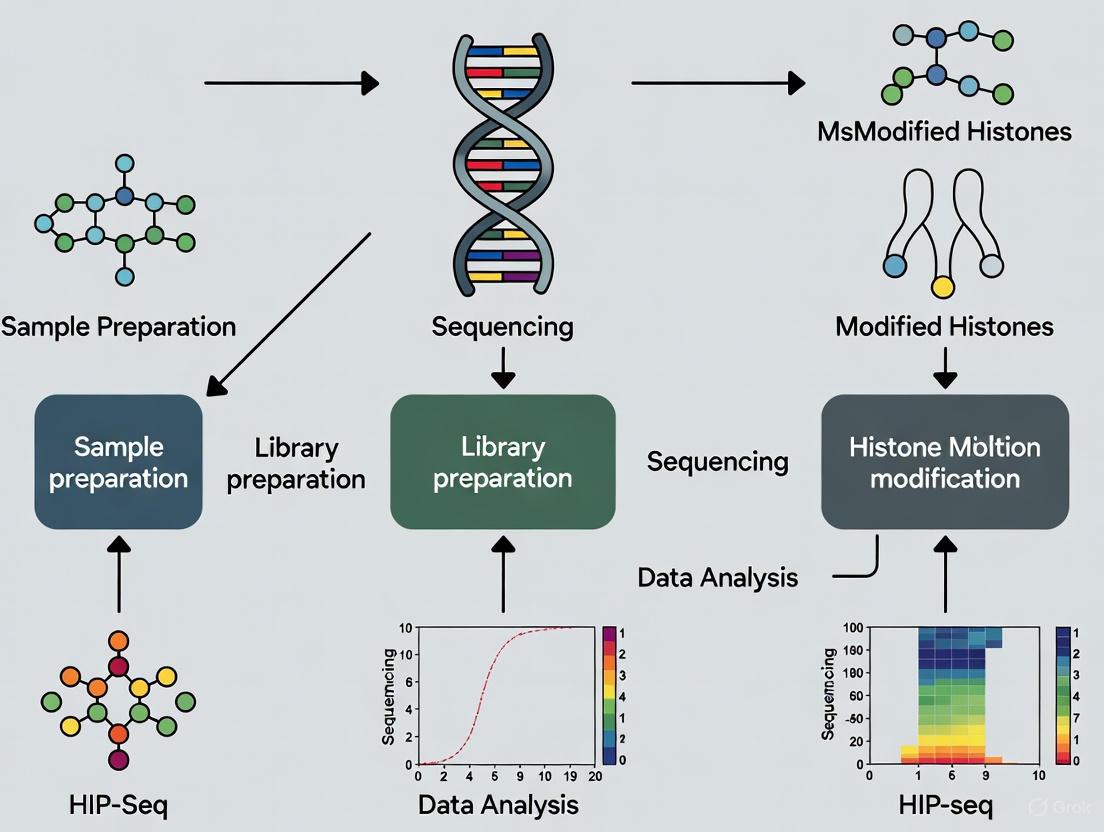
This article provides a comprehensive guide for researchers and drug development professionals on selecting and utilizing input controls for histone modification ChIP-seq experiments.
Input Control Selection for Histone ChIP-seq: A Complete Guide to Best Practices and Protocols
Abstract
This article provides a comprehensive guide for researchers and drug development professionals on selecting and utilizing input controls for histone modification ChIP-seq experiments. It covers the foundational principles of control samples, including the roles of Whole Cell Extract (WCE) and histone H3 immunoprecipitation. The guide details methodological best practices as outlined by the ENCODE consortium, explores advanced troubleshooting and optimization strategies for challenging scenarios, and offers a comparative analysis of validation techniques to ensure data quality and biological relevance. By synthesizing current standards and research, this resource aims to empower scientists to design robust ChIP-seq experiments that yield reliable and interpretable epigenomic data.
Understanding Input Controls: The Foundation of Robust Histone ChIP-seq Data
The Critical Role of Controls in Background Signal Estimation
## FAQs and Troubleshooting Guides
### Frequently Asked Questions
1. What is the primary purpose of an input control in ChIP-seq? The input control serves as a critical baseline, capturing background signals arising from technical artifacts like open chromatin structure, sequence-specific biases (e.g., GC-rich regions), and high mappability. In histone modification ChIP-seq, comparing your IP sample against this input is essential for distinguishing true biological enrichment from this background noise [1].
2. Can I use an IgG control instead of an input DNA control for my histone modification experiment? For histone mark ChIP-seq, an input DNA control is strongly preferred. While IgG (a control antibody with no specific target) is sometimes used, it is more appropriate for detecting non-specific antibody binding. The input control is better suited for normalizing against the technical biases inherent in chromatin structure and sequencing [1].
3. My input control has low sequencing depth. Is this a problem? Yes, this is a significant problem. A low-coverage input control cannot adequately capture the genome-wide background signal structure, leading to biased peak calling and false positives. It is recommended that your input control has a sequencing depth at least equal to, and ideally greater than, your ChIP samples. A common guideline is to aim for a 1:1 or 2:1 ChIP-to-input read ratio [1].
4. What are the consequences of proceeding without an input control? Analyzing ChIP-seq data without a proper input control often results in peaks appearing in artifact-prone regions, such as pericentromeric repeats or areas with high mappability, which can be mistaken for novel biological findings. One study on H3K27ac reported peaks in pericentromeric regions that were, in fact, background artifact when an input control was missing [1].
5. How can I salvage an experiment if no input control was sequenced?
While not ideal, you can apply post-alignment corrections. These include using tools like deepTools for GC bias correction and rigorously filtering your peak calls against established genomic blacklists (e.g., the ENCODE blacklist) to remove known artifact-prone regions. However, this is a compensatory measure and not a replacement for a proper input control [1].
### Troubleshooting Common Problems
Problem: Peaks appear in genomic regions inconsistent with the expected biology of the histone mark.
- Root Cause: This is frequently due to a poor-quality or missing input control, leading to false positives in regions with high background [1].
- Solutions:
- Verify Control Quality: Ensure your input control has sufficient depth and complexity.
- Apply Blacklists: Filter your final peak list using the appropriate ENCODE blacklist for your genome build to remove technical artifacts [1].
- Check QC Metrics: Calculate the Fraction of Reads in Peaks (FRiP). A low FRiP score (e.g., below 1% for some histone marks like H3K27ac) can indicate a high background or poor IP efficiency [2].
Problem: Poor concordance between biological replicates is revealed only when analyzed separately.
- Root Cause: Analysts often pool sequence data from replicates before peak calling to maximize sensitivity, which can mask inter-replicate variability [1].
- Solutions:
- Replicate-Level QC: Always perform quality control on replicates individually. Calculate metrics like FRiP and Irreproducible Discovery Rate (IDR) to quantitatively assess reproducibility [1].
- Validate Separately: Only after demonstrating high concordance should you proceed with a pooled analysis. Always provide separate peak sets for each replicate in supplementary materials for reviewer scrutiny [1].
Problem: A broad histone mark like H3K27me3 appears as hundreds of fragmented, sharp peaks.
- Root Cause: Using a peak caller with default parameters designed for narrow transcription factor binding sites. The algorithm is not tuned to recognize large, diffuse domains of enrichment [1] [3].
- Solutions:
- Use Broad Peak Callers: Employ peak callers and settings specifically designed for broad marks. Use MACS2 in
--broadmode or tools like SICER2 [1]. - Visual Inspection: Always inspect the signal profiles on a genome browser to confirm that the called peaks match the expected broad biological patterns [1].
- Use Broad Peak Callers: Employ peak callers and settings specifically designed for broad marks. Use MACS2 in
## Standards and Data Quality Assessment
The table below summarizes key quality control metrics and standards recommended for ChIP-seq experiments, including those specific to input controls.
Table 1: Key Quality Control Metrics for ChIP-seq Experiments
| Metric | Description | Recommended Threshold / Standard |
|---|---|---|
| Sequencing Depth | Number of uniquely mapped reads required for robust signal detection. | Broad marks (e.g., H3K27me3): 40-50 million reads (human). Input Control: Depth equal to or greater than ChIP samples [4] [1]. |
| FRiP (Fraction of Reads in Peaks) | Proportion of all mapped reads that fall into peak regions; measures signal-to-noise. | >1% is a minimum, but is highly antibody-dependent. H3K27ac can be low; H3K4me3 is often high. Higher is better [4] [2]. |
| Replicate Concordance | Measure of reproducibility between biological replicates. | Use Irreproducible Discovery Rate (IDR) or ensure >75% of top peaks are shared between replicates [4] [1]. |
| Cross-Correlation (NSC/RSC) | Measures the signal-to-noise ratio based on the shift between strands. | NSC > 1.05, RSC > 0.8 (ENCODE guidelines). RSC < 0.5 indicates no enrichment [4] [1]. |
| Genomic Blacklist | Regions known to produce false-positive peaks due to technical artifacts. | Always filter final peak lists using the ENCODE blacklist appropriate for the genome build [1]. |
## Experimental Protocols
### Protocol: Input Control Sample Preparation
The input control is generated from the same starting cell population as the ChIP experiment but omits the immunoprecipitation step.
- Cross-linking and Lysis: Cross-link cells with 1% formaldehyde for 10-20 minutes at room temperature. Quench with 125 mM glycine. Lyse cells using ice-cold buffers with protease inhibitors [5].
- Chromatin Shearing: Sonicate the cross-linked chromatin to fragment DNA to a size range of 200-500 bp. Keep samples cold at all times during shearing. The shearing efficiency must be checked by running purified DNA on a 1-1.5% agarose gel [5].
- Reverse Cross-Linking and Purification: Take an aliquot of the sheared chromatin (equivalent to the amount used for a single IP). Reverse the cross-links by incubating with NaCl at 65°C overnight.
- DNA Clean-Up: Treat with RNase A and Proteinase K, followed by DNA purification via phenol-chloroform extraction and ethanol precipitation, or using a commercial PCR purification kit.
- Quality Control: Analyze the purified DNA using a bioanalyzer or agarose gel to confirm successful fragmentation and the absence of RNA contamination.
- Library Preparation and Sequencing: Proceed with standard library preparation and sequencing. Ensure the input library is sequenced to a depth that matches or exceeds the ChIP samples [1].
### Protocol: Functional Annotation of ChIP-seq Peaks with geneXtendeR
After peak calling, functional annotation links enriched regions to genes. The geneXtendeR package provides an optimized method for this, especially important given the variability in peak boundaries from different callers [3].
- Load Data: Load your peak file (e.g., BED format) and the appropriate gene annotation file (e.g., GTF) into R.
- Run Extension Algorithm: The core algorithm performs iterative gene-feature overlaps. It extends the gene body coordinates by a user-defined region upstream of the gene start and a fixed 500 bp downstream.
- Iterate and Optimize: Repeat the overlap analysis across a range of upstream extension parameters (e.g., from 0 bp to 10,000 bp). This process helps determine the optimal genomic distance for linking peaks to genes, rather than relying on an arbitrary fixed cutoff [3].
- Analyze N-dimensional Annotation: Investigate not just the closest gene, but also the second-closest, third-closest, etc. This helps prioritize biological candidates, especially in genomic regions with many linked genes close to each other [3].
- Visualize and Interpret: Use the package's output visualizations to hone in on the optimal functional annotation for your specific dataset and biological question.
Diagram: Workflow for Input Control and ChIP-seq Analysis
## The Scientist's Toolkit
Table 2: Essential Research Reagents and Materials
| Item | Function in Experiment | Key Considerations |
|---|---|---|
| ChIP-grade Antibody | Binds specifically to the target histone modification for immunoprecipitation. | Validate specificity via immunoblot or peptide binding tests. 25% of antibodies in large assessments fail specificity tests [4]. |
| Formaldehyde | Cross-links proteins to DNA in living cells, preserving in vivo interactions. | Use high-quality, fresh 1% solution. Cross-linking time (10-30 min) is critical and may require optimization [5]. |
| Protein A/G Magnetic Beads | Captures the antibody-target protein-DNA complex for purification. | Choose A or G based on antibody species/isotype for optimal binding affinity (see compatibility tables) [5]. |
| Protease Inhibitors | Prevents degradation of proteins and histone modifications during cell lysis and chromatin preparation. | Add to lysis buffers immediately before use. Some require storage at -20°C [5]. |
| Genomic Blacklist | A curated list of genomic coordinates for artifact-prone regions. | Filter final peak lists against the ENCODE blacklist to remove false positives [1]. |
| Ultrasonic Shearing Device | Fragments cross-linked chromatin to appropriate size for sequencing. | Optimization is required for each cell type. Over-shearing or under-shearing impacts results [5]. |
Common WCE Troubleshooting Guide
| Problem | Possible Causes | Recommended Solutions |
|---|---|---|
| Low Chromatin Concentration [6] | Insufficient starting tissue or cell material; Incomplete cell lysis. | - Accurately count cells before cross-linking. [6]- Confirm complete nuclei lysis microscopically after sonication. [6]- If concentration is slightly low, increase the volume of chromatin used per IP to ensure at least 5 µg. [6] |
| High Background Noise [7] | Non-specific binding; Contaminated buffers; Low-quality beads. | - Pre-clear the lysate with protein A/G beads. [7]- Prepare fresh lysis and wash buffers. [7]- Use high-quality, guaranteed protein A/G beads. [7] |
| Over-fragmented Chromatin [6] | Excessive sonication or enzymatic digestion. | - Optimize sonication or MNase digestion to avoid fragments shorter than 150 bp. [6]- Over-sonication can disrupt chromatin integrity and lower IP efficiency. [6] |
| Under-fragmented Chromatin [6] | Insufficient sonication/digestion; over-crosslinking. | - Shorten cross-linking time (aim for 10-30 minutes). [6]- Reduce the amount of cells or tissue per sonication sample. [6]- For enzymatic protocols, increase MNase amount or perform a digestion time course. [6] |
| Poor ChIP-seq Results with WCE Control [1] | Use of low-quality or low-coverage input DNA; Failure to filter artifact-prone regions. | - Sequence WCE to a sufficient depth; a 1:1 or 2:1 ChIP-to-input read ratio is recommended. [1]- Filter peaks against ENCODE blacklist regions to remove technical artifacts from satellite repeats or telomeres. [1] |
Frequently Asked Questions (FAQs)
Q1: What is the primary purpose of a Whole Cell Extract (WCE) control in histone modification ChIP-seq? The WCE, or "input," controls for biases inherent in the ChIP-seq process, such as sequencing artifacts, GC content, and background DNA accessibility. [8] It represents the total sheared chromatin prior to immunoprecipitation, providing a baseline to accurately measure the specific enrichment of your histone mark across the genome. [8]
Q2: How does a WCE control compare to a Histone H3 immunoprecipitation control? While WCE is the most common control, an H3 control maps the underlying distribution of all histones. [8] Studies show the H3 pull-down is generally more similar to the ChIP-seq profile of histone modifications, especially near transcription start sites. [8] However, for standard differential enrichment analysis, the differences between H3 and WCE often have a negligible impact on the final results. [8]
Q3: My WCE control has low DNA yield. What should I do? Expected chromatin yield varies significantly by tissue type. [6] For instance, from 25 mg of tissue, you can expect 20-30 µg from spleen but only 2-5 µg from brain or heart. [6] If your yield is low but close to 50 µg/ml, you can add more chromatin to each IP to reach the recommended 5-10 µg. [6] Ensure complete tissue disaggregation and cell lysis, and consider increasing starting material for low-yield tissues. [6]
Q4: What is an acceptable fragment size for sheared chromatin in the WCE sample? Optimal fragmentation produces DNA fragments between 150–900 base pairs (1–6 nucleosomes). [6] You should always run an aliquot of your decrosslinked WCE DNA on an agarose gel to verify the fragment size distribution before proceeding with immunoprecipitation. [6]
Comparative Analysis: WCE vs. H3 Control
For histone modification studies, the choice of control sample is a key consideration. The table below summarizes the core characteristics of the two main options.
| Feature | Whole Cell Extract (WCE / Input) | Histone H3 Immunoprecipitation |
|---|---|---|
| Definition | Sample of total sheared chromatin taken prior to IP. [8] | Chromatin pulled down using an antibody against core Histone H3. [8] |
| What It Controls For | Technical biases (e.g., sequencing, GC-content, open chromatin). [8] | Technical biases + the underlying genomic distribution of nucleosomes. [8] |
| Key Advantage | By far the most common and widely accepted control; does not require an extra IP step. [8] | More closely mimics the background of a histone mark ChIP; accounts for non-specific antibody binding to histones. [8] |
| Consideration | Measures density relative to a uniform genome, which may not perfectly reflect local histone density. [8] | Requires a specific and effective H3 antibody; adds another IP step to the protocol. |
Control Selection Workflow
Experimental Protocol: WCE Preparation and QC
The following workflow details the key steps for generating and quality-controlling a WCE sample.
WCE Sample Preparation
Detailed Key Steps:
- Cross-linking and Quenching: Fix cells with 1% formaldehyde for 10-20 minutes at room temperature. Over-crosslinking (e.g., >30 minutes) can mask epitopes and reduce shearing efficiency. [9] Stop the reaction by adding 125 mM glycine and incubating for 5 minutes. [9]
- Cell Lysis and Shearing: Lyse cells in ice-cold buffers with fresh protease inhibitors. [9] Fragment the chromatin to 150-900 bp via sonication or micrococcal nuclease (MNase) digestion. [6] Optimization is critical: perform a sonication time course or MNase titration, analyzing DNA on a 1% agarose gel to achieve the desired fragment size. [6]
- WCE Aliquot and Quality Control: After shearing, remove a defined aliquot (e.g., 10%) of the sample before adding the antibody. This is your WCE control. [9] Reverse the cross-links in this aliquot by adding NaCl and Proteinase K, incubating at 65°C for 2 hours. [6] Purify the DNA and analyze it by gel electrophoresis to confirm successful fragmentation. [6] [9]
The Scientist's Toolkit: Essential Research Reagents
| Reagent / Material | Function in WCE Preparation & ChIP |
|---|---|
| Formaldehyde | Reversible cross-linking agent that fixes proteins (including histones) to DNA. [9] |
| Glycine | Used to quench the formaldehyde cross-linking reaction, preventing over-fixation. [9] |
| Protease Inhibitor Cocktail (PIC) | Added fresh to lysis buffers to prevent protein degradation during cell lysis and chromatin preparation. [9] |
| Micrococcal Nuclease (MNase) | Enzyme used in the "enzymatic" shearing method to digest chromatin into mononucleosomal fragments. [6] |
| Sonicator | Equipment used for "sonication" shearing method; uses high-frequency sound waves to physically fragment chromatin. [6] |
| Protein A/G Magnetic Beads | Used to immobilize and pull down the antibody-target complex during the IP step for ChIP samples. [9] |
| Antibody (for target histone mark) | A ChIP-grade antibody is essential for specific immunoprecipitation of the histone modification of interest. [9] |
| Non-immune IgG | Serves as a negative control antibody in a mock IP to assess background and non-specific binding. [9] |
What is the core concept behind using Histone H3 Immunoprecipitation as a control?
Histone H3 Immunoprecipitation serves as a biological background model for histone modification ChIP-seq experiments. Unlike whole cell extract (WCE) or immunoglobulin G (IgG) controls, which model technical or non-specific background, an H3 ChIP control directly maps the underlying genomic distribution of nucleosomes. This is crucial because it accounts for the fact that histone modifications can only occur where histones are present. By measuring a histone mark of interest against the total H3 background, you directly calculate enrichment relative to nucleosome occupancy, which provides a more biologically accurate reference than uniform genomic background models [8]. This method helps control for variations in chromatin accessibility and nucleosome density that can confound interpretation of histone modification data.
How does an H3 control compare to traditional input controls?
A traditional input DNA (or WCE) control is essential for identifying artifacts from chromatin fragmentation and sequencing biases. However, it represents a uniform genomic background and does not account for the uneven distribution of nucleosomes across the genome. In contrast, an H3 control is itself an immunoprecipitation that mimics the ChIP process for histone modifications but targets the core histone itself. Studies have shown that where H3 and WCE controls differ, the H3 pull-down is generally more similar to the ChIP-seq of histone modifications, particularly near transcription start sites and other nucleosome-dense regions [8]. While the practical impact on standard analyses might be minor, the H3 control provides a more nuanced background for precise biological interpretation.
Table 1: Comparison of Control Types for Histone Modification ChIP-seq
| Control Type | Description | Advantages | Limitations |
|---|---|---|---|
| Histone H3 ChIP | Immunoprecipitation of total histone H3 | Accounts for nucleosome occupancy; ideal biological background for histone marks [8] | Requires additional experimental step and antibody |
| Whole Cell Extract (WCE/Input) | Sheared chromatin prior to IP | Controls for technical biases (e.g., open chromatin shearing, base composition) [10] | Does not model nucleosome distribution |
| IgG Control | Mock IP with non-specific antibody | Controls for non-specific antibody binding and bead interactions [8] | Can yield low DNA amounts, leading to over-amplification and insufficient genomic coverage [10] |
Experimental Setup & Protocols
What are the key reagents and materials needed?
Successful Histone H3 ChIP requires specific, validated reagents. The core component is an antibody that robustly and specifically recognizes total histone H3.
Table 2: Research Reagent Solutions for Histone H3 ChIP
| Reagent | Function | Examples & Specifications |
|---|---|---|
| Histone H3 Antibody | Immunoprecipitates total histone H3 to capture nucleosome background. | Rabbit mAb #2650 (Cell Signaling Technology): 1:50 dilution, 10 µg chromatin per IP [11]. Mouse mAb (Clone MABI 0301, Active Motif): 4 µg per ChIP-Seq [12]. |
| Crosslinker | Stabilizes protein-DNA interactions in vivo. | Formaldehyde; for higher-order complexes, longer crosslinkers like EGS or DSG can be used [13]. |
| Chromatin Shearing Agent | Fragments chromatin to optimal size. | Sonication (mechanical) or Micrococcal Nuclease (MNase, enzymatic) [13] [14]. |
| ChIP Kit | Provides optimized buffers, beads, and reagents. | SimpleChIP Enzymatic Chromatin IP Kit (Cell Signaling Technology) [11] [14]. |
| Proteinase K & RNase A | Digest protein and RNA for DNA purification and analysis. | Essential for reversing crosslinks and cleaning up DNA after IP [13] [14]. |
What is a standard protocol for a Histone H3 ChIP control?
The workflow for a Histone H3 ChIP closely mirrors that of a target histone modification ChIP, ensuring the controls are process-matched.
Detailed Steps:
- Crosslinking: Stabilize protein-DNA interactions with formaldehyde (typically 1% for 10-30 minutes at room temperature). The duration must be optimized, as over-crosslinking makes chromatin difficult to shear [13] [14].
- Cell Lysis and Nuclear Isolation: Lyse cells with a detergent-based buffer to liberate cellular components. Isolating the nuclear fraction can help reduce background signal [13]. Protease inhibitors are essential at this stage.
- Chromatin Fragmentation: Shear chromatin to an ideal size of 150–900 bp [14]. This can be achieved via:
- Immunoprecipitation: Incubate the sheared chromatin with an antibody against total histone H3. For example, use 10 µL of Histone H3 Antibody #2650 and 10 µg of chromatin (approximately 4 x 10⁶ cells) per IP reaction [11]. Include a "no-antibody" control (mock IP) to identify non-specific binding to beads.
- Washing and Elution: Wash protein G beads stringently to remove non-specifically bound chromatin. Elute the immunoprecipitated complexes from the beads.
- Reverse Crosslinks and Purify DNA: Incubate eluates with Proteinase K at 65°C for 2 hours to reverse formaldehyde crosslinks [14]. Purify the DNA using a commercial kit or phenol-chloroform extraction.
- Analysis: The purified DNA can be quantified by qPCR for specific loci or used to construct a sequencing library for ChIP-seq.
Troubleshooting Common Issues
What are common problems with chromatin preparation and how are they fixed?
Chromatin quality is the foundation of a successful ChIP.
Table 3: Chromatin Preparation Troubleshooting Guide
| Problem | Possible Causes | Recommendations |
|---|---|---|
| Low Chromatin Yield | Insufficient cells/tissue; incomplete lysis. | Accurately count cells before cross-linking. Visualize nuclei under a microscope before and after lysis to confirm complete breakage [14]. |
| Chromatin Under-fragmented | Over-crosslinking; too much input material; insufficient sonication/MNase. | Shorten crosslinking time (10-30 min range). For enzymatic digestion: increase MNase amount or time. For sonication: conduct a time course [14]. |
| Chromatin Over-fragmented | Excessive sonication or MNase digestion. | Use the minimal sonication cycles needed. Over-sonication can damage chromatin and lower IP efficiency [14]. For MNase: titrate enzyme and perform time course. |
How do you optimize chromatin fragmentation?
For MNase Digestion: Perform a pilot experiment with a fixed amount of chromatin and a dilution series of MNase (e.g., add 0, 2.5, 5, 7.5, or 10 µL of a diluted enzyme stock). Digest for 20 minutes at 37°C, then stop the reaction, reverse crosslinks, and run the DNA on a gel to determine which condition produces a dominant ~150 bp band (mononucleosome) with a smear up to 900 bp [14].
For Sonication: Perform a time-course experiment. Take 50 µL samples of chromatin after different durations of sonication (e.g., 1 min, 2 min, 3 min, etc.). Process the samples and analyze DNA fragment size on a gel. Optimal conditions for cells fixed for 10 minutes typically generate a DNA smear with ~90% of fragments less than 1 kb [14].
How do you validate an antibody for Histone H3 ChIP?
Antibody specificity is paramount. A good ChIP-grade histone H3 antibody should not cross-react with other histone proteins (e.g., H2A, H2B, H4) [11]. Validation methods include:
- Western Blot: Should detect a single band at the expected molecular weight (~17 kDa).
- Peptide ELISA: Can demonstrate specificity, as shown for an H3K9me2 antibody that did not recognize H3K9me1 or H3K9me3 [13].
- ChIP-qPCR: Should show strong, specific enrichment at positive control genomic regions known to be nucleosome-dense (e.g., promoters of inactive genes) compared to negative control regions (e.g., gene deserts). An antibody that shows ≥5-fold enrichment at positive loci is generally suitable for sequencing [10].
Data Analysis & Sequencing Standards
What are the sequencing requirements for H3 control and target samples?
The required sequencing depth depends on the nature of the histone mark being studied. The ENCODE consortium provides clear guidelines.
Table 4: ChIP-seq Sequencing Depth Standards (per replicate)
| Histone Mark Type | Example Marks | Recommended Usable Fragments | Note |
|---|---|---|---|
| Narrow Marks | H3K4me3, H3K9ac, H3K27ac [15] | 20 million | Point-source, punctate binding patterns. |
| Broad Marks | H3K27me3, H3K36me3, H3K4me1 [15] | 45 million | Broad enrichment domains. |
| Exception (Broad) | H3K9me3 [15] | 45 million | Enriched in repetitive regions; requires high depth. |
The control sample (whether H3 or WCE) must be sequenced to at least the same depth as the ChIP samples [16]. Each biological replicate of a ChIP should have its own matching control sample sequenced separately—controls should not be pooled.
How is H3 ChIP-seq data analyzed?
Data from H3 control and target mark ChIP-seq is processed through a standardized pipeline. The following diagram illustrates the key steps for a replicated experiment, as defined by the ENCODE histone ChIP-seq pipeline [15].
The analysis involves:
- Mapping: Quality-controlled reads are aligned to a reference genome.
- Signal Generation: Two key signal tracks are generated by comparing the target sample to the H3 control: a fold-change over control track and a signal p-value track to reject the null hypothesis that the signal is present in the control [15].
- Peak Calling: Initial ("relaxed") peaks are called, which are later refined by assessing reproducibility between biological replicates using methods like Irreproducible Discovery Rate (IDR) [15].
- Quality Control: Key metrics include the FRiP (Fraction of Reads in Peaks), which should be relatively high for a strong H3 ChIP, and library complexity scores (e.g., NRF > 0.9) [15].
Frequently Asked Questions (FAQs)
Is an H3 control a replacement for an input DNA control?
No, they are complementary. For the most rigorous analysis, especially when investigating a new cell type or condition, using both an H3 control and an input DNA control is considered best practice. The input DNA controls for technical biases inherent in the ChIP-seq process (e.g., chromatin shearing efficiency, sequencing biases), while the H3 control provides the biological context of nucleosome occupancy [8] [10]. The H3 control can be used alongside the input for a more comprehensive background model.
Can I use a monoclonal antibody for Histone H3 ChIP?
Yes. Both monoclonal and polyclonal antibodies can work for H3 ChIP. Monoclonal antibodies offer high specificity, reducing the risk of cross-reactivity. The key requirement is that the epitope recognized by the antibody must be exposed and accessible in the chromatin context [13]. For example, the Mouse Monoclonal MABI 0301 from Active Motif is validated for ChIP-seq [12]. Polyclonal antibodies, which recognize multiple epitopes, can sometimes be more robust if one epitope is buried.
Our H3 ChIP shows low enrichment. What should we check?
Low enrichment in an H3 ChIP, which targets an abundant nuclear protein, typically points to an issue with the IP process. Focus on:
- Antibody Performance: Confirm the antibody is validated for ChIP and used at the recommended concentration. Check for lot-to-lift variability.
- Chromatin Integrity: Ensure chromatin is not over- or under-fragmented. Run an agarose gel to check fragment size distribution [14].
- IP Conditions: Optimize the number of cells per IP (standard is 2-4 million cells [13] [11]) and ensure sufficient incubation time with the antibody.
- Lysis Efficiency: Incomplete nuclear lysis will reduce yield. Visualize nuclei under a microscope before and after lysis to confirm complete breakage [13].
Why is biological replication necessary?
Biological replicates (samples prepared from different biological batches) are essential to distinguish consistent biological signal from technical noise and random variation. The ENCODE consortium mandates at least two biological replicates for ChIP-seq experiments [15]. Replicates ensure the reliability and reproducibility of your findings. If small differences in histone modification occupancy are expected between conditions, increasing the number of replicates provides more statistical power than simply sequencing deeper [16].
FAQs on IgG Controls in ChIP-seq
Q1: What is an IgG control, and what is its intended purpose in a ChIP-seq experiment?
An IgG control, often called a "mock" control or mock pull-down, is a sample processed in parallel with your specific ChIP-seq experiment. In this control, the specific antibody targeting your protein of interest (e.g., a histone modification) is replaced by a non-immune immunoglobulin G (IgG) from the same host species. The primary purpose of this control is to identify regions of the genome that are non-specifically enriched during the immunoprecipitation process. This non-specific binding can be caused by the beads used for pull-down or by the IgG antibody itself [17]. By comparing your ChIP signal to the IgG control, the goal is to subtract this background and identify true, specific binding events.
Q2: When is it better to use an Input control over an IgG control for histone ChIP-seq?
For histone modification ChIP-seq research, Input chromatin is generally the preferred and more widely used control [16] [17]. Input DNA accounts for different types of biases that an IgG control cannot.
The table below summarizes the key differences:
| Control Type | Composition | Primary Function | Key Limitations |
|---|---|---|---|
| IgG Control [18] [17] | Non-immune IgG antibody | Identifies non-specific binding from beads and antibody. | Does not account for chromatin fragmentation biases; suffers from low library complexity and high PCR duplicates [18] [16]. |
| Input Control [16] [17] | Sheared, cross-linked chromatin (no IP) | Accounts for background from chromatin fragmentation, sequencing, and open chromatin structure. | Does not control for non-specific antibody interactions. |
Input control is superior because it accounts for technical artifacts arising from the three-dimensional structure of chromosomes and variations in the chromatin fragmentation step [17]. Certain genomic regions shear more efficiently than others based on their structure and GC content, creating an inherent bias in which DNA fragments are available for sequencing. The Input control directly measures this background, making it more effective for modeling local noise and identifying genuine enrichment in histone mark experiments [16] [17].
Q3: What are the specific limitations of using an IgG control?
While theoretically sound, IgG controls have several practical limitations that can compromise data quality:
- Low Library Complexity: Mock IPs with non-specific IgG often yield very little DNA. When sequenced, this results in either too few reads for reliable normalization or a high percentage of PCR duplicates, both of which are problematic for downstream analysis [18].
- Failure to Model Fragmentation Bias: The IgG control undergoes immunoprecipitation, so it does not capture the baseline landscape of chromatin shearing. The input control, being pre-IP, directly reflects these biases [17].
- Practical Obsolescence: Due to the above issues, many experts now consider dedicated mock IP samples to be neither required nor terribly useful. The consensus in the field has shifted towards using input chromatin as the standard control [18].
Q4: Are there any situations where an IgG control is still necessary?
Yes, an IgG control can provide valuable information in specific scenarios. It remains crucial when you need to directly demonstrate that the signal in your ChIP is due to the specificity of your primary antibody and not from non-specific interactions with the beads or the antibody Fc region. This can be particularly important when characterizing a new antibody's performance or when troubleshooting high background signals [19]. Furthermore, if multiple antibodies from the same species are used with the same chromatin preparation, a single IgG control may suffice for all of them [19].
Troubleshooting Guide: IgG Control Issues
| Problem | Potential Cause | Recommended Solution |
|---|---|---|
| High background in IgG control | Non-specific binding of the IgG antibody to chromatin. | Use a high-quality, non-immune IgG from the same species as your ChIP antibody. Pre-clear the chromatin with beads before the IP step. |
| Low DNA yield from IgG control | This is an expected outcome of a non-specific pull-down [18]. | Do not over-amplify the library, as this will increase duplicates. Sequence the IgG control to a depth sufficient to model background but prioritize deeper sequencing of your specific ChIP and Input samples [16]. |
| IgG control fails to normalize data effectively | The IgG control does not account for chromatin fragmentation biases [17]. | Switch to using an Input control for your peak-calling and analysis. The ENCODE consortium and other large projects routinely use input DNA for this reason [16] [20]. |
| Uncertain if signal is specific | The antibody may have off-target binding. | Include a specifically blocked antibody control. Pre-incubate your ChIP antibody with a saturating amount of its specific antigenic peptide before the IP. Loss of signal confirms specificity [19]. |
The Scientist's Toolkit: Essential Research Reagents
The following table details key materials and their functions for setting up controlled ChIP-seq experiments.
| Item | Function in Experiment | Critical Specifications |
|---|---|---|
| Non-immune IgG [19] | Serves as the negative control antibody for mock IP, identifying non-specific background. | Must be from the same species as the specific ChIP antibody; should be isotype-matched if possible. |
| Protein A/G Beads [19] | The solid substrate for immobilizing antibodies and capturing immune complexes. | Choose based on the species and isotype of your antibody; refer to protein A/G binding tables for optimal pairing. |
| ChIP-Grade Antibody [19] [20] | Specifically immunoprecipitates the target protein or histone modification. | Must be validated for ChIP (ChIP-grade). Check for vendor validation data (e.g., immunoblot, knockout cell line tests). |
| Chromatin Shearing Instrument [21] | Fragments chromatin to the optimal size (100-300 bp) for high-resolution mapping. | Sonicator (probe or bath) or enzymatic shearing kit. Conditions must be optimized for each cell/tissue type. |
| Protease Inhibitors [19] | Prevents proteolytic degradation of the target protein and histones during the protocol. | Added fresh to all lysis and wash buffers. A cocktail inhibiting a broad range of proteases is recommended. |
| Glycine [19] | Quenches formaldehyde to stop the cross-linking reaction. | Use a final concentration of 125 mM for 5 minutes at room temperature. |
Experimental Protocol: Key Steps for Robust Controls
1. Preparing the Input Control
- After shearing your cross-linked chromatin, set aside a sample equivalent to 1-10% of the volume being used for each IP.
- Reverse the cross-links in this sample, purify the DNA, and process it for sequencing alongside your IP samples [19] [21]. This sample represents your "input chromatin."
2. Preparing the IgG Control
- For each chromatin preparation, include a reaction where the specific antibody is substituted with an equivalent amount of non-immune IgG [19].
- Process this mock IP sample identically to your specific ChIP samples throughout the entire protocol, including library preparation and sequencing.
3. Antibody Validation (Critical for Interpretation)
- Use only ChIP-validated antibodies [19] [20].
- For a primary validation, perform an immunoblot on a chromatin preparation. A successful antibody should show a single dominant band at the expected molecular weight, confirming specificity [20].
- As a secondary test, a peptide blockade (where the antigenic peptide abolishes the ChIP signal) provides strong evidence for antibody specificity in the ChIP context [19].
4. Sequencing Depth Recommendations The required sequencing depth depends on your target. The table below provides general guidelines for mammalian genomes.
| Factor Type | Example | Recommended Depth (Uniquely Mapped Reads) |
|---|---|---|
| Point Source [16] | Transcription Factors, H3K4me3 | 20 - 25 Million |
| Broad Source [16] | H3K27me3, H3K36me3 | 40 - 55 Million |
Note: Your control sample (Input or IgG) should be sequenced to at least the same depth as your ChIP samples [16].
ChIP-seq Control Workflow and Decision Logic
The following diagram illustrates the experimental workflow for setting up ChIP-seq controls and the logical decision process for selecting the appropriate control for your data analysis.
How Different Controls Estimate Unique Background Distributions
In histone modification ChIP-seq studies, a significant portion of sequenced fragments do not originate from the target histone mark but represent non-specific "background" reads. Control samples are essential for estimating this background distribution, which is not uniform across the genome and is influenced by factors such as GC content, mappability, and chromatin structure. The accurate identification of enriched regions hinges on properly accounting for these biases through appropriate control samples [8] [22].
The most common controls are Whole Cell Extract (WCE), often called "input," and mock pull-downs using non-specific immunoglobulin G (IgG). For histone modifications specifically, a Histone H3 (H3) pull-down provides an alternative control that maps the underlying distribution of nucleosomes. Each control type estimates a different aspect of background, leading to unique noise profiles and enrichment estimations [8].
Comparative Analysis of Control Types
The choice of control sample directly impacts how background signal is estimated and, consequently, which genomic regions are identified as significantly enriched. The table below summarizes the core characteristics, advantages, and limitations of the primary control types used for histone modification ChIP-seq.
| Control Type | Description | Mechanism of Background Estimation | Key Advantages | Primary Limitations |
|---|---|---|---|---|
| Whole Cell Extract (WCE/Input) [8] | Sheared chromatin taken prior to immunoprecipitation. | Measures the baseline distribution of all sheared chromatin, accounting for sequencing and mapping biases. | Accounts for open chromatin regions and technical biases like GC content [22]. | Does not undergo IP; may not fully capture IP-specific artifacts [8]. |
| IgG Control [8] [23] | Mock pull-down using non-specific immunoglobulin G. | Empirically defines background from fragments non-specifically bound during the IP process. | Closely mimics the non-specific background of the ChIP protocol. | Can be difficult to obtain sufficient DNA, leading to poor background estimation [8]. |
| Histone H3 Control [8] | Immunoprecipitation with an anti-H3 antibody. | Maps the baseline distribution of all nucleosomes, providing a measure of enrichment relative to histone density. | Most accurately measures enrichment relative to histone occupancy; superior for accounting for antibody affinity to general histones [8]. | Specific to histone modification studies; may not be suitable for transcription factor binding studies. |
Practical Implications for Differential Enrichment
While overall differences in analysis outcomes between WCE and H3 controls may be minor, specific genomic contexts reveal important distinctions [8]:
- Promoter Regions: H3 controls can show different background behavior near transcription start sites compared to WCE.
- Mitochondrial DNA: H3 and WCE controls demonstrate differing coverage in mitochondrial genomes.
- Background Similarity: Where the two controls differ, the H3 pull-down is generally more similar to the ChIP-seq profile of histone modifications themselves. However, these differences often have a negligible impact on the quality of a standard analysis [8].
Researcher's Toolkit: Essential Reagents & Tools
| Category | Item | Function in Experiment |
|---|---|---|
| Antibodies | Target-specific (e.g., H3K27me3) [24] | Immunoprecipitates the histone modification of interest. |
| Histone H3 [8] | Used for H3 control experiments. | |
| Non-specific IgG [23] | Serves as a negative control for non-specific binding. | |
| Library Prep & Sequencing | TruSeq DNA Sample Prep Kit (Illumina) [8] | Prepares sequencing libraries from immunoprecipitated DNA. |
| HiSeq2000/Illumina Platform [8] | Performs high-throughput sequencing of prepared libraries. | |
| Software & Algorithms | Bowtie 2 / TopHat [8] | Aligns sequenced reads to a reference genome. |
| MACS2 [8] | A widely used peak-calling algorithm. | |
| histoneHMM [24] | Specialized tool for differential analysis of broad histone marks. | |
| phantompeakqualtools [25] | Calculates strand cross-correlation to assess ChIP quality. |
Experimental Protocol: Employing Controls for Histone Modifications
Sample Preparation and Sequencing
- Cell Isolation and Cross-linking: Isolate your cell population (e.g., 250,000 mouse hematopoietic stem and progenitor cells). Cross-link proteins and DNA with formaldehyde to stabilize interactions [8] [23].
- Chromatin Shearing: Lyse cells and shear the cross-linked chromatin to mononucleosome-sized fragments (150-300 bp) using a focused ultrasonicator (e.g., Covaris). Verify fragment size distribution by capillary electrophoresis [8] [23].
- Immunoprecipitation (IP): Split the sheared chromatin into separate reactions:
- Experimental IP: Incubate with antibody against your target histone mark (e.g., H3K27me3).
- H3 Control IP: Incubate with an antibody against total Histone H3.
- WCE/Input Control: Reserve a small fraction of sheared chromatin (typically 1-10%) before any IP steps.
- IgG Control (Optional): Incubate with a non-specific IgG antibody. Incubate all IP reactions overnight at 4°C. Capture immune complexes using Protein G magnetic beads, followed by stringent washes [8] [23].
- DNA Purification and Library Prep: Reverse cross-links, purify DNA, and prepare sequencing libraries for all samples (IPs and controls) using a commercial kit (e.g., Illumina TruSeq). Quantify libraries and pool them for multiplexed sequencing on a platform such as Illumina HiSeq [8].
Data Processing and Normalization
A critical step is normalizing the ChIP sample to the control to account for differing sequencing depths and to isolate true enrichment. Simple scaling by total read count is insufficient. Methods like NCIS (Normalization of ChIP-seq) are designed to estimate the background component of the ChIP sample and normalize it to the control sample accurately [22].
Control Normalization Workflow: This diagram illustrates the key steps in data-driven normalization methods like NCIS, which identify a background set of genomic bins to calculate a robust scaling factor.
Frequently Asked Questions (FAQs)
What is the single most important factor for a successful ChIP-seq control experiment?
A: The quality and specificity of the antibody are paramount. For H3 controls, use a validated anti-H3 antibody. For the target histone mark, the antibody must efficiently capture its target with minimal cross-reactivity, as non-specific antibodies are a major source of false positives [23].
My H3 control shows enrichment at specific genomic regions. Is this a problem?
A: No, this is expected and reflects the biological reality of nucleosome occupancy. The H3 control maps the distribution of all nucleosomes. The goal of your analysis is to find regions where your specific histone modification (e.g., H3K27me3) is enriched over and above this general nucleosome landscape [8].
Can I use the same control sample for multiple different histone modification ChIP-seq experiments?
A: It is strongly recommended to use a control generated from the same biological sample. However, if you are profiling multiple histone marks from the same cell population, a single, deeply sequenced H3 or WCE control can sometimes be used for multiple marks, provided the experimental conditions are identical. The most rigorous approach is to have a dedicated control for each biological replicate.
How many reads should I sequence for my control sample?
A: The control should be sequenced to a depth sufficient to robustly model the background distribution. The ENCODE consortium recommends sequencing the control to the same or greater depth as the IP sample. For mammalian genomes, this often means a minimum of 10-20 million uniquely aligned reads, but deeper sequencing (e.g., 30-50 million reads) improves the sensitivity for detecting weaker enrichment sites [26] [25].
Troubleshooting Guide
| Problem | Potential Cause | Solution |
|---|---|---|
| High background noise in IP sample even after normalization. | Non-specific antibody or insufficient washing during IP. | Include an IgG control to assess non-specific binding. Increase stringency of wash buffers. Validate antibody specificity using methods like SNAP-ChIP [23]. |
| Poor overlap between biological replicates after using H3 control. | Inconsistent cell populations or technical variation in the H3 IP. | Ensure biological replicates are truly independent. Standardize the H3 ChIP protocol across all samples and confirm high quality metrics (e.g., NSC > 1.05, RSC > 0.8) [25]. |
| Normalization factor is highly sensitive to the method used. | The experiment may have a very high background proportion (Π₀) or a low number of true enrichment sites. | Use a robust normalization method like NCIS that is less sensitive to arbitrary thresholds. Consider increasing sequencing depth to improve signal detection [22]. |
| H3 control fails to yield sufficient DNA for library prep. | Low cell number or inefficient H3 antibody. | Optimize the number of cells used for the H3 control IP (often more than for a specific mark). Titrate the H3 antibody to ensure maximum yield [8]. |
Control Selection Logic: This decision diagram helps researchers select the most appropriate control type based on their experimental goals and practical constraints.
Implementing Best Practices: ENCODE Guidelines and Experimental Design
ENCODE Consortium Standards for Control Experiments
Frequently Asked Questions (FAQs)
What types of control samples does ENCODE recommend for ChIP-seq experiments?
The ENCODE Consortium recommends using control samples to account for technical artifacts and background noise in ChIP-seq experiments. The primary recommended control is whole cell extract (WCE), often referred to as "input" DNA. This consists of sonicated chromatin taken prior to the immunoprecipitation step [8]. A mock immunoprecipitation with a non-specific antibody, such as IgG, is also an accepted control, though it may yield less DNA [8] [20]. For histone modification ChIP-seq specifically, some studies have explored using a Histone H3 (H3) pull-down as a control to account for the underlying nucleosome distribution, though WCE remains the most common choice [8].
Why is a control sample necessary, and what are the risks of not using one?
Control samples are essential for distinguishing specific biological enrichment from technical background and artifacts. Without a proper control, your analysis is at high risk of generating false-positive peaks in regions with inherently high background signal, such as those with specific sequence biases (e.g., high GC content) or open chromatin [1] [27]. Using a control sample allows peak-calling algorithms like MACS2 to model the background accurately and identify true enrichment. Omitting a control can lead to biologically misleading results, such as claims of novel enhancers in regions that are simply artifact-prone [1].
What are the ENCODE standards for control sample sequencing depth?
ENCODE provides clear guidelines for control sample sequencing. The consortium recommends that control samples should be sequenced to a depth that adequately captures the background signal structure. A common practice is to aim for a 1:1 or 2:1 ratio of reads between the ChIP sample and its corresponding input control [1]. The control must match the experimental sample in terms of read length, run type, and replicate structure to ensure a valid comparison [28].
How does ENCODE recommend validating antibodies for ChIP-seq?
Antibody validation is a critical standard. ENCODE requires that antibodies be characterized using both a primary and a secondary test [20].
- For transcription factors, the primary test is typically an immunoblot (Western blot) to confirm that the main reactive band corresponds to the expected protein size and constitutes at least 50% of the total signal. A secondary test, such as immunofluorescence to confirm correct subcellular localization, is also used [20].
- Antibodies must be specific and reproducible, and this characterization must be repeated for each new antibody lot [28] [20].
What are the consequences of using an incorrect control sample?
Using an inappropriate control, such as an IgG for a histone mark when input DNA is more suitable, or using a low-quality control with insufficient coverage, can introduce significant biases [1]. This can result in:
- Inflated or biased peak calling, where peaks are called in high-mappability or GC-rich regions due to background rather than real enrichment [1].
- Failure to identify true binding sites, as the background model is inaccurate.
- Inability to compare data with other ENCODE-compliant studies, reducing the reproducibility and utility of your data [20].
Troubleshooting Guides
Problem: Poor Replicate Concordance
Issue: Your biological replicates show low agreement, but pooling the data before analysis masks the problem.
- Solution:
- Do not skip replicate-level QC. Always analyze replicates individually before pooling.
- Calculate standardized quality metrics as per ENCODE guidelines, including the Irreproducible Discovery Rate (IDR), Fraction of Reads in Peaks (FRiP), and normalized strand cross-correlation (NSC/RSC) [28] [1].
- Only proceed with pooled analysis after demonstrating high concordance between replicates. ENCODE standards for transcription factor experiments require that the rescue and self-consistency ratios from IDR analysis are both less than 2 for the experiment to pass [28].
Problem: High Background Noise and False Positives
Issue: Your peak caller reports many peaks in genomic regions where your target protein or histone mark is not expected.
- Solution:
- Verify your control sample. Ensure you are using the correct type (e.g., input DNA) and that it is of high quality and sufficient depth [1] [27].
- Filter with genomic blacklists. Always remove peaks that fall within the ENCODE-defined blacklist regions, which are known artifact-prone areas like satellite repeats and telomeres [1] [27].
- Check for GC bias. If a high-quality control is unavailable, use tools like deepTools to correct for GC bias [1].
- Inspect your data visually in a genome browser to confirm that called peaks correspond to clear enrichment signals [29].
Problem: Fragmented Peaks for Broad Histone Marks
Issue: For a broad mark like H3K27me3, your peak caller outputs hundreds of sharp, fragmented peaks instead of the expected wide domains.
- Solution:
- Use a biologically informed peak-calling strategy. Do not use the same parameters designed for transcription factors. ENCODE uses different analysis pipelines for punctate (e.g., transcription factors) and broad marks (e.g., histones) [28].
- Switch to a broad peak-calling mode. When using MACS2, employ the
--broadflag and an appropriate cutoff [1]. Alternatively, use tools specifically designed for broad domains, such as SICER2 [1]. - Tailor your analysis to the biology of your target. Classify your histone mark as narrow (active) or broad (repressive) and choose your tools and parameters accordingly [1].
ENCODE Quantitative Standards for ChIP-seq
The table below summarizes key quantitative standards for ChIP-seq experiments as defined by the ENCODE Consortium.
| Metric | ENCODE Standard | Notes / Tiers |
|---|---|---|
| Biological Replicates | Minimum of two [28] [20] | Isogenic or anisogenic; exemptions for rare samples [28]. |
| Read Depth (TF) | 20 million usable fragments per replicate [28] | Low: 10-20M; Insufficient: 5-10M; Extremely low: <5M [28]. |
| Read Length | Minimum of 50 base pairs [28] | Pipeline can process down to 25 bp; longer reads encouraged [28]. |
| Library Complexity | NRF > 0.9, PBC1 > 0.9, PBC2 > 10 [28] | Measures PCR bottlenecking and library complexity [28]. |
| Replicate Concordance (TF) | IDR rescue and self-consistency ratios < 2 [28] | Measures reproducibility between biological replicates [28]. |
| Control Sample | Required; input DNA recommended [8] [20] | Must match IP sample in read length, run type, and replicate structure [28]. |
Experimental Protocol: Antibody Validation for ChIP-seq
This protocol is based on the ENCODE and modENCODE consortium guidelines [20].
Objective: To confirm the specificity and sensitivity of an antibody for its intended ChIP-seq target.
Materials:
- Antibody to be validated.
- Relevant cell lines or tissues expressing the target antigen.
- Materials for immunoblotting (SDS-PAGE gel, transfer apparatus, etc.) and/or immunofluorescence (microscope, slides, fixative).
Methodology:
- Primary Characterization (Choose one):
- Immunoblot Analysis:
- Prepare protein lysates from whole-cell, nuclear, or chromatin extracts.
- Perform SDS-PAGE and Western blotting with the antibody.
- Acceptance Criterion: The primary reactive band should constitute at least 50% of the total signal on the blot and ideally correspond to the expected molecular weight of the target protein [20].
- Immunofluorescence:
- Perform immunofluorescence on fixed cells.
- Acceptance Criterion: The staining pattern must be consistent with the expected subcellular localization (e.g., nuclear for most transcription factors) and only present in cell types known to express the factor [20].
- Immunoblot Analysis:
Secondary Characterization:
- If the primary characterization reveals unexpected bands or patterns, further validation is required. This can include:
- siRNA Knockdown: Demonstrating reduced signal after knocking down the target gene.
- Mass Spectrometry: Identifying the protein in the reactive band(s).
- Use of tagged cell lines: Corroborating results with an independently tagged version of the protein.
- If the primary characterization reveals unexpected bands or patterns, further validation is required. This can include:
Re-Validation:
- This entire validation process must be repeated for each new lot of the same polyclonal antibody [20].
Control Selection Workflow
The following diagram outlines the decision process for selecting an appropriate control sample for your ChIP-seq experiment, based on ENCODE guidelines and related research.
Research Reagent Solutions
The table below lists essential materials and reagents for conducting ENCODE-compliant ChIP-seq experiments.
| Reagent / Solution | Function | ENCODE-Specific Considerations |
|---|---|---|
| Validated Antibody | Immunoprecipitation of the target protein or histone mark. | Must be characterized per ENCODE guidelines (primary & secondary tests) [20]. |
| Input DNA (WCE) | Control for background signal from chromatin fragmentation and sequencing biases. | Should be sequenced to a depth matching the IP sample (1:1 or 2:1 ratio) [28] [1]. |
| IgG Antibody | Negative control for non-specific antibody binding. | Can be used if input DNA is unavailable, but may provide less uniform coverage [8]. |
| Histone H3 Antibody | Alternative control for histone modification ChIP-seq. | Accounts for underlying nucleosome distribution; can be more similar to histone mark background [8]. |
| ENCODE Blacklist | Genomic regions with known artifactual signals. | Must be used to filter final peak calls and reduce false positives [1] [27]. |
| IDR Analysis Scripts | Statistical tool to assess reproducibility between replicates. | Required for transcription factor ChIP-seq; thresholds defined by ENCODE (ratios < 2) [28]. |
Why is matching my control sample to my ChIP sample so critical?
The primary purpose of a control sample is to model the background noise and technical biases present in your ChIP-seq experiment. A well-matched control allows you to distinguish true biological enrichment from artifacts. Imperfect antibodies, sequencing biases, and alignment artifacts can all contribute to background reads that are not uniformly distributed across the genome. Using a control sample enables accurate estimation of this background distribution at any given genomic location [8].
For histone modification ChIP-seq, the choice of control is particularly important because the background signal is influenced by the underlying nucleosome landscape. The most common controls are:
- Whole Cell Extract (WCE) or "Input" DNA: This is sheared chromatin taken prior to immunoprecipitation. It captures general sequencing biases but does not account for the immunoprecipitation step or the underlying histone distribution [8].
- Histone H3 (H3) Pull-down: This control uses an anti-H3 antibody to map the location of all nucleosomes. It closely mimics the background for a histone modification ChIP by accounting for antibody affinity to the histone core [8].
- Mock IP (e.g., IgG): This is a mock immunoprecipitation using a non-specific antibody. It emulates most steps in the ChIP protocol but can yield low DNA amounts, making accurate background estimation difficult [8].
The table below summarizes a direct comparison between WCE and H3 controls from a study on mouse hematopoietic stem and progenitor cells [8].
Table 1: Comparison of WCE and H3 Controls for Histone Modifications
| Feature | Whole Cell Extract (WCE) | Histone H3 (H3) Pull-down |
|---|---|---|
| Protocol | Sheared chromatin before IP | Immunoprecipitation with anti-H3 antibody |
| Models | General sequencing and mapping biases | Underlying nucleosome distribution + immunoprecipitation biases |
| Coverage | Lower coverage in mitochondrial DNA | Higher coverage in mitochondrial DNA |
| Behavior at TSS | Different pattern near transcription start sites | More similar to histone modification profiles near transcription start sites |
| Overall Impact | Minor differences compared to H3; negligible impact on standard analysis | Generally more similar to ChIP-seq of histone modifications |
How should I structure my biological replicates for ChIP and control samples?
Biological replicates—independently collected and processed samples—are essential for reliable site discovery and are a requirement for consortia like ENCODE [30]. They account for biological variability and technical noise, ensuring your results are robust.
While two replicates were once considered standard, emerging consensus indicates that more than two biological replicates are essential for ChIP-seq experiments. Relying on only two replicates can cause binding sites with strong biological evidence to be missed [30].
Several methods exist for analyzing replicates, each with advantages and limitations.
Table 2: Strategies for Analyzing Biological Replicates
| Strategy | Description | Advantages | Limitations |
|---|---|---|---|
| Pooling Replicates | Combining sequence data from all replicates before peak calling. | Simple; increases read depth. | Loses information on sample variability; precludes quantitative comparisons; can be unduly influenced by an outlier [30]. |
| Irreproducible Discovery Rate (IDR) | Compares ranks of peaks from two replicates to identify reproducible signals. | Objective metric used by ENCODE. | Currently implemented for only a few peak callers; can drop strong signals that are inconsistent between replicates [30]. |
| Majority Rule | Peaks are called on each replicate individually, and a consensus set is defined as those present in >50% of replicates. | Intuitive; works with any number of replicates and any peak caller; more reliable than requiring 100% concordance [30]. | Requires individual peak calling for each replicate. |
For experiments with more than two replicates, a simple majority rule (e.g., peaks found in at least 2 out of 3 replicates) often yields more reliable peaks than requiring absolute concordance between only two replicates [30].
The following workflow outlines a recommended process for designing an experiment with three biological replicates.
What sequencing depth is sufficient for my ChIP and control samples?
Sufficient sequencing depth is the point at which detecting additional enriched regions plateaus. The required depth depends heavily on the nature of the histone mark and the genome size [31].
- Broad marks like H3K27me3 and H3K9me3 cover large genomic domains and require more reads to saturate coverage compared to sharp marks like H3K4me3 [31].
- For the human genome, there is often no clear saturation point, but a practical minimum of 40–50 million reads is recommended for most marks [31].
- For smaller genomes like fly (D. melanogaster), sufficient depth is often reached at less than 20 million reads [31].
It is considered best practice to sequence your control sample to a depth similar to your ChIP samples. Using an equal number of reads for ChIP and control inputs results in the best performance from peak-calling algorithms [31].
Table 3: Recommended Sequencing Depth Guidelines
| Factor | Sharp Marks (e.g., H3K4me3) | Broad Marks (e.g., H3K27me3, H3K9me3) |
|---|---|---|
| Human Genome | ~40 million reads [31] | ≥40-50 million reads [31] |
| Fly Genome | <20 million reads [31] | <20 million reads [31] |
| Control Sample | Match the depth of the ChIP sample [31] | Match the depth of the ChIP sample [31] |
| Impact of Low Depth | Poor replicate agreement; failure to detect weaker binding sites [32] [30] | Significant loss of genomic coverage; failure to define broad domains accurately [31] |
A peak is visible in my ChIP sample but not in the control. Is this a real signal?
Not necessarily. A qualitative visual inspection is not sufficient. You must use statistical peak-calling software (e.g., MACS2, SPP) that compares the ChIP and control signals across the entire genome to calculate significance. These tools account for local background noise and determine if the enrichment at a specific location is statistically significant compared to the matched control [8] [31].
Furthermore, a "bump" that is visually present in one replicate but not another is a common occurrence, often due to low sequencing depth, especially for broad histone marks. Underpowered experiments with insufficient reads naturally show poor reproducibility between replicates [32].
The Scientist's Toolkit
Table 4: Essential Research Reagent Solutions for Histone ChIP-seq
| Item | Function | Key Considerations |
|---|---|---|
| High-Quality Antibodies | Immunoprecipitation of the target histone mark. | The most critical factor. Antibodies must be validated for ChIP-seq specificity and efficiency to avoid cross-reactivity [33] [23]. |
| Micrococcal Nuclease (MNase) | Enzymatic fragmentation of chromatin. | Preferred for histone ChIP-seq to generate mononucleosome-sized fragments (150-300 bp) for high-resolution data [23]. |
| Magnetic Protein A/G Beads | Capture of antibody-bound chromatin complexes. | More efficient than agarose beads for washing and elution. Compatibility depends on antibody isotype [23]. |
| Input DNA Control | Control for background noise and technical biases. | Represents the pre-immunoprecipitation chromatin population. Essential for accurate peak calling [8] [33]. |
| Spike-In Controls | Internal controls for normalization. | Useful for assessing antibody performance and normalizing between different samples, especially when global histone levels may vary [23]. |
My replicates show poor overlap. Is my experiment failed?
Not necessarily. Poor overlap between replicates is a common challenge. Before concluding failure, investigate these potential causes:
- Insufficient Sequencing Depth: This is a frequent culprit. As shown in the diagram below, low read depth fails to saturate the detection of enriched regions, leading to inconsistent peak calls between replicates. Ensure your depth meets the recommended guidelines for your mark and organism [31] [32].
- Low Library Complexity: A high rate of PCR duplicates (e.g., over 50%) indicates a low-complexity library that was over-amplified. This can lead to artifactual peaks and poor reproducibility [34].
- Antibody Inefficiency: Variable antibody performance between immunoprecipitations is a major source of technical noise [35].
- Chromatin Fragmentation Variability: Inconsistent shearing between samples can alter the genomic profile and impact peak calling [36] [23].
The relationship between sequencing depth and the discovery of enriched regions follows a saturation curve, as illustrated below.
If you encounter poor overlap, first try a majority rule approach to define a consensus peak set from individually called replicates. If the overlap remains unacceptably low, it may be necessary to sequence your existing libraries more deeply or, in the worst case, repeat the ChIP with careful attention to protocol standardization and quality controls [30] [34].
Protocol for Input Control Sample Preparation
Core Concepts and Purpose of Input Controls
What is an input control, and why is it essential for histone modification ChIP-seq?
An input control (also referred to as "input DNA" or "input chromatin") consists of genomic DNA that has been cross-linked, fragmented, and purified from the same cell population as your ChIP experiment but without undergoing immunoprecipitation [37]. It represents the starting chromatin material before any antibody-based selection.
For histone modification studies within a thesis, the input control serves three critical purposes:
- Identifies Technical Artifacts: It reveals biases introduced during experimental steps like sonication (which can preferentially shear open chromatin) or sequencing (such as preferences for GC-rich regions) [37] [38]. This helps distinguish true biological signal from experimental noise.
- Enables Accurate Peak Calling: During bioinformatic analysis, the input control provides a background model. Peak-calling algorithms compare the ChIP sample to the input to identify genomic regions with statistically significant enrichment, a process that is "highly unreliable" without a control [37].
- Serves as a Normalization Reference: While not typically used for cross-sample normalization (a role for which spike-in controls are better suited), the input is crucial for visualizing fold-enrichment over background in genome browser tracks [15] [38].
Detailed Protocol for Input Sample Preparation
How is an input control sample prepared alongside a histone ChIP-seq experiment?
The preparation of input control chromatin is performed in parallel with the ChIP samples, sharing the initial steps up to chromatin fragmentation.
Workflow Overview:
Detailed Step-by-Step Methodology:
The protocol below is adapted from standard ChIP protocols for tissues and cells [39] [40] [41].
Shared Initial Steps: The input control sample originates from the same batch of cross-linked cells or tissue as the IP samples. The processes for cross-linking, cell lysis, and chromatin fragmentation are identical.
- Cross-linking: Fix cells with 1% formaldehyde for 10-20 minutes at room temperature. Quench with 125 mM glycine [41].
- Cell Lysis: Lyse cells in an appropriate ice-cold lysis buffer (e.g., FA Lysis Buffer or SDS Lysis Buffer) supplemented with fresh protease inhibitors [40] [41].
- Chromatin Fragmentation: Fragment chromatin to an optimal size of 200-1000 base pairs [42]. This can be achieved via:
Aliquot Chromatin: After fragmentation and clarification by centrifugation (e.g., 10,000-21,000 x g for 10 min at 4°C), set aside a portion of the supernatant. This aliquot represents your total fragmented chromatin and will become the input control [39] [43]. The volume should contain the equivalent of 5-10 µg of DNA, often aligned with 2% of the chromatin used for a single IP reaction [42].
Reverse Cross-links and Purify DNA:
- To the input aliquot, add nuclease-free water, NaCl (to a final concentration of 200 mM), and RNase A. Incubate at 37°C for 30 minutes [39].
- Add Proteinase K and incubate at 65°C for 2 hours (or overnight) to reverse formaldehyde cross-links [39].
- Purify the DNA using phenol-chloroform extraction and ethanol precipitation, or a commercial DNA purification kit.
Quality Control: Analyze the purified DNA by electrophoresis on a 1% agarose gel to confirm the fragment size distribution matches the intended profile [39] [41]. Quantify the DNA concentration using a fluorometric method (e.g., Qubit) [43].
Troubleshooting and FAQ
Frequently Asked Questions on Input Control Design
How much input chromatin should I save? We recommend saving an amount equivalent to 2-5% of the chromatin used for a single IP reaction. A typical IP uses 10-20 µg of chromatin, derived from 4 million cells or 25 mg of tissue, so the input would be 0.2-1 µg of chromatin [39] [42]. The ENCODE consortium standards often specify a fixed number of usable fragments for sequencing, such as 20 million for narrow histone marks and 45 million for broad marks [15].
Can I use a non-specific IgG antibody as my control instead of an input? For histone ChIP-seq, an input control is strongly preferred over IgG. A non-specific IgG control helps account for antibody-specific background, but an input control captures all technical and biological biases inherent in the chromatin preparation itself. Input DNA is considered the optimal negative control for peak-calling algorithms [44] [37].
My input DNA shows a patterned signal in open chromatin regions. Is this normal? Yes, this is an expected observation. Input DNA from cross-linked, sonicated samples often shows enrichment in open chromatin regions because these areas are more accessible and thus fragmented more easily during sonication. This pattern does not invalidate your input; it underscores its importance in correcting for such technical biases [38].
How do I use spike-in chromatin with my input control? Spike-in chromatin and input controls serve distinct but complementary purposes. Spike-ins (e.g., chromatin from Drosophila S2 cells added to human cells) are used to normalize for global changes in histone modification levels between different samples [43]. The input control is used for peak calling within each sample. Best practice is to prepare your input control following the same protocol as your ChIP samples, including the addition of a fixed amount of spike-in chromatin. During analysis, you would first normalize your ChIP and input samples using the spike-in signal, and then use the normalized input for peak calling [38].
Technical Specifications and Data Standards
Input Control Specifications for Reproducible Research
Adherence to community standards is critical for thesis research credibility. The table below summarizes key specifications from the ENCODE Consortium, a leading authority in functional genomics standards [15].
Table 1: Input Control Experimental Standards for ChIP-seq
| Parameter | Standard Requirement | Thesis Application Notes |
|---|---|---|
| Sample Type | Non-immunoprecipitated, fragmented chromatin | Must be processed in parallel with ChIP samples from the same cell/tissue batch. |
| Replicate Structure | Must match ChIP samples in type (biological/isogenic) and number. | Plan for a minimum of two biological replicates to ensure robustness. |
| Sequencing Characteristics | Must match ChIP samples in run type (single/paired-end) and read length. | Ensure your sequencing core provides the same specs for all samples. |
| Usable Fragments | Narrow Histone Marks (e.g., H3K4me3): 20 million per replicate.Broad Histone Marks (e.g., H3K27me3): 45 million per replicate. | These are targets for sequencing depth; aim to meet or exceed them. |
Table 2: Input Control Quality Metrics (ENCODE Standards) [15]
| Quality Metric | Preferred Value | Purpose in Quality Assessment |
|---|---|---|
| NRF (Non-Redundant Fraction) | > 0.9 | Indicates high library complexity and minimal PCR over-amplification. |
| PBC1 (PCR Bottlenecking Coefficient 1) | > 0.9 | Measures library complexity based on the fraction of distinct, unique locations. |
| PBC2 (PCR Bottlenecking Coefficient 2) | > 10 | Measures library complexity based on the redundancy of read locations. |
The Scientist's Toolkit
Research Reagent Solutions for Input Control Preparation
Table 3: Essential Reagents for Input Control Preparation
| Reagent / Kit | Function | Technical Notes |
|---|---|---|
| Formaldehyde (1-1.5%) | Reversible cross-linking of proteins to DNA. | Use fresh; quench with glycine. Handle in a fume hood [40] [41]. |
| Protease Inhibitor Cocktail | Prevents protein degradation during chromatin preparation. | Add fresh to all buffers before use [40] [41]. |
| Micrococcal Nuclease (MNase) | Enzymatic fragmentation of chromatin. | Requires optimization of enzyme-to-cell ratio to prevent over-digestion [39] [42]. |
| Sonicator (Probe or Bath) | Mechanical fragmentation of chromatin via acoustic energy. | Optimize cycles/power to achieve 200-1000 bp fragments; avoid over-sonication [39] [37]. |
| Proteinase K | Digests proteins and reverses formaldehyde cross-links. | Essential step for DNA purification after immunoprecipitation or input aliquotting [39]. |
| DNA Purification Kit | Purifies DNA after reverse cross-linking. | Silica-membrane columns are efficient and reduce carryover of contaminants. |
| Fluorometric DNA Quantification | Accurately measures DNA concentration. | More accurate for fragmented DNA than spectrophotometric methods [43]. |
Integrating Controls into Peak Calling Pipelines
FAQs: Control Selection and Experimental Design
Q1: What is the primary control recommended for histone modification ChIP-seq? For histone modification ChIP-seq, input chromatin is the most widely recommended and appropriate control [16] [10]. This control consists of your sheared chromatin sample prior to immunoprecipitation. It effectively controls for biases introduced during chromatin fragmentation, as open chromatin regions are more accessible and can be sheared more easily than closed regions, which may lead to higher background signals if not accounted for [10]. Sequencing this input DNA provides a background model that accounts for these technical artifacts, as well as variations in sequencing efficiency and genomic DNA composition.
Q2: When should I use an IgG control instead? IgG controls are less favored for general use but can be valuable for addressing specific concerns. They are most appropriate when you need to control for non-specific antibody interactions with chromatin or the beads used in immunoprecipitation [44]. However, a significant drawback of IgG controls is that they typically pull down much less DNA than a specific antibody. This can lead to insufficient genomic coverage and over-amplification of limited regions during library construction, resulting in a poor background model for peak identification [10]. Some studies suggest that input DNA is less biased and provides more even genomic coverage [16].
Q3: How deeply should I sequence my input control? Your input control should be sequenced to at least the same depth as your ChIP samples [16]. Some guidelines even recommend sequencing input controls to a higher depth (e.g., a 2:1 ratio of ChIP-to-input reads) to ensure the background signal is characterized robustly [1]. In practice, a 1:1 ratio is often considered the minimum acceptable standard. Inadequate sequencing depth of the control is a common mistake that can lead to failure in accurately modeling local background noise and result in false-positive peak calls [1].
Q4: Can I use the same input control for multiple ChIP replicates? No. Best practices dictate that each biological replicate of your ChIP experiment should have its own matching input control that is processed and sequenced separately [16]. Pooling input samples from different replicates is not recommended, as it prevents the accurate assessment of background variability specific to each replicate. Using a dedicated input for each replicate ensures that the unique technical and biological variations introduced during each sample preparation are properly controlled for during peak calling.
Q5: My input DNA concentration is low. What are the implications? A low-concentration input can lead to poor library complexity and inadequate genomic coverage, which severely compromises its utility as a control. If the DNA concentration of your fragmented chromatin is close to 50 µg/ml, you can compensate by adding more chromatin material to each immunoprecipitation reaction to reach the recommended amount (e.g., 5–10 µg) [45]. If the input DNA is already prepared and its concentration is low, it is crucial to sequence it to sufficient depth to obtain enough unique reads that broadly cover the genome.
Troubleshooting Guide: Common Control-Related Issues
Problem: High background and false-positive peaks after peak calling.
- Potential Cause: The use of an inappropriate or missing control, or a control with low sequencing depth [1].
- Solution:
- Always use a properly sequenced input chromatin control [16] [10].
- Ensure your control is sequenced to a depth equal to or greater than your ChIP samples.
- Following peak calling, rigorously filter your peaks by removing those that fall within genomic blacklisted regions (e.g., the ENCODE blacklist) which are known artifact-prone areas [1].
- Apply GC-bias correction tools (e.g., from deepTools) if a proper control is unavailable [1].
Problem: Poor concordance between biological replicates.
- Potential Cause: Inconsistent chromatin preparation between replicates or the use of a single, pooled control that masks inter-replicate variability [10].
- Solution:
- Ensure each biological replicate is processed with its own dedicated input control from the beginning of the protocol [16].
- Perform quality control metrics on a per-replicate basis before pooling data. Calculate the Fraction of Reads in Peaks (FRiP) and Irreproducible Discovery Rate (IDR) for each replicate pair [1].
- Only proceed with pooled analysis after confirming high concordance between replicates. Visually inspect the alignment and peak calls for each replicate in a genome browser.
Problem: Peaks appear in genomic regions inconsistent with the expected biology of the histone mark.
- Potential Cause: Incorrect peak-calling parameters, such as using a "narrow" peak calling algorithm for a "broad" histone mark, or a control that does not adequately model the background [1].
- Solution:
- Tailor your peak-calling strategy to the histone mark. Use broad peak calling (e.g.,
--broadin MACS2) for repressive marks like H3K27me3 and H3K9me3 [1]. - Cross-reference your peak locations with known regulatory elements and expected binding motifs to ensure biological relevance.
- Verify that your input control is of high quality and that the peak caller is using it correctly to model background signal.
- Tailor your peak-calling strategy to the histone mark. Use broad peak calling (e.g.,
Experimental Protocols
Protocol 1: Optimization of Chromatin Fragmentation for Input Sample Preparation
Proper chromatin shearing is critical for generating high-quality input DNA. The following protocol, adapted from the SimpleChIP guide, outlines a time-course experiment to determine optimal sonication conditions [45].
Key Materials:
- Sonicator (e.g., Branson Digital Sonifier with microtip)
- Cross-linked nuclei from 100–150 mg of tissue or 1 x 10^7–2 x 10^7 cells
- ChIP Sonication Nuclear Lysis Buffer
- RNAse A and Proteinase K
- Agarose gel electrophoresis equipment
Methodology:
- Prepare cross-linked nuclei according to your standard protocol.
- Resuspend the nuclear pellet in 200 µl of 1X ChIP buffer with protease inhibitors and incubate on ice for 10 minutes.
- Fragment chromatin by sonication. Perform a time-course experiment by subjecting the sample to multiple rounds of sonication. Remove a 50 µl aliquot after each round (e.g., after 1, 2, 4, 6, and 8 minutes of total sonication time).
- Clarify each aliquot by centrifugation at 21,000 x g for 10 minutes at 4°C.
- Transfer the supernatant to a new tube and reverse cross-links by adding:
- 100 µl nuclease-free water
- 6 µl 5 M NaCl
- 2 µl RNAse A
- Incubate at 37°C for 30 minutes.
- Add 2 µl Proteinase K and incubate at 65°C for 2 hours.
- Purify the DNA and analyze 20 µl of each sample on a 1% agarose gel.
- Determine optimal conditions: Choose the minimal sonication time that produces a smear of DNA fragments with the majority of the DNA between 150-500 bp, which is ideal for sequencing [45]. Over-sonication, where >80% of fragments are shorter than 500 bp, can damage chromatin and reduce IP efficiency.
Protocol 2: Input Control Sequencing and Quality Assessment
This protocol describes the generation and QC of the input control library.
Key Materials:
- Sheared, purified input DNA
- Library preparation kit (compatible with your sequencing platform)
- Bioanalyzer or TapeStation (for quality control)
Methodology:
- Using the purified DNA from your optimized shearing protocol, proceed with standard library construction. This typically involves end-repair, dA-tailing, adapter ligation, and PCR amplification [10].
- Assess the quality and size distribution of the final library using a Bioanalyzer. You should see a library distribution centered around 300-500 bp.
- Sequence the input control to an appropriate depth. Refer to the table below for general guidelines, ensuring the input is sequenced to at least the same depth as the corresponding ChIP samples [16].
Data Presentation: Sequencing Depth Guidelines
The table below summarizes recommended sequencing depths for different types of histone modifications, based on ENCODE and other consortium guidelines. "Recommended Depth" refers to uniquely mapped reads for human data [16].
| Signal Type | Histone Modification Examples | Recommended Depth | Control Sequencing Ratio (ChIP:Input) |
|---|---|---|---|
| Point Source | H3K4me3, H3K9ac | 20 - 25 million reads | At least 1:1 [16] |
| Broad Domains | H3K27me3, H3K36me3 | 40 - 55 million reads [16] | At least 1:1; 2:1 may be better [1] |
| Mixed Source | H3K4me1, H3K79me | ~35 million reads [16] | At least 1:1 |
Workflow Visualization
The following diagram illustrates the critical decision points for integrating controls into a ChIP-seq peak-calling pipeline, specifically for histone modifications.
Diagram Title: Control Integration in ChIP-seq Pipeline
The Scientist's Toolkit: Research Reagent Solutions
| Item | Function/Explanation | Considerations for Controls |
|---|---|---|
| Input Chromatin | Sheared, cross-linked genomic DNA prior to IP; serves as the gold-standard control for technical biases [10]. | Must be prepared from the same cell batch and using the same shearing protocol as the ChIP samples. |
| Non-specific IgG | Antibody from the same species but without antigen specificity; controls for non-specific antibody binding [46]. | Less ideal for histone marks; can suffer from low library complexity. Use from the same species and isotype as the specific antibody. |
| MACS2 | Widely used peak-calling software that utilizes the input control to model background signal and calculate enrichment [47]. | Use --broad flag for broad histone marks; ensure control BAM file is correctly specified. |
| ENCODE Blacklist | A curated list of genomic regions prone to technical artifacts; used for post-peak-calling filtration [1]. | Essential for all analyses. Peaks overlapping these regions should be removed to reduce false positives. |
| ChIPQC | An R/Bioconductor package that generates quality control metrics for ChIP-seq data, including metrics relative to controls [1]. | Calculates FRiP and replicate concordance scores to objectively assess experiment quality. |
| BWA/Bowtie2 | Short-read alignment software used to map sequenced reads to a reference genome [48] [47]. | Both ChIP and control reads are aligned using the same algorithm and parameters for consistency. |
Addressing Broad vs. Narrow Histone Marks in Experimental Design
FAQs: Peak Calling and Analysis
What is the fundamental difference between broad and narrow histone marks?
Broad domains (e.g., H3K27me3, H3K36me3) are large genomic regions, often covering entire gene bodies, that are associated with repressive chromatin states or widespread transcriptional activity. Narrow peaks (e.g., H3K4me3, H3K27ac) are focal, sharp enrichments, typically associated with active promoters or enhancers. The distinction is biological, relating to their function, and requires different computational approaches for accurate detection [49] [50].
How do I choose a peak caller suitable for my histone mark?
The choice of peak caller should be guided by the expected enrichment pattern of your histone mark. Using a narrow peak caller for a broad mark will fragment domains, while using a broad peak caller for a narrow mark will reduce resolution. For mixed or unknown patterns, tools like hiddenDomains that identify both simultaneously are ideal [49] [1].
Table 1: Recommended Peak Callers for Different Histone Mark Types
| Histone Mark Type | Example Marks | Recommended Peak Callers |
|---|---|---|
| Narrow Peaks | H3K4me3, H3K9ac, H3K27ac | MACS2 (narrow mode), CisGenome, PeakSeq |
| Broad Domains | H3K27me3, H3K36me3, H3K9me2 | MACS2 (broad mode), SICER, Rseg, PeakRanger-BCP |
| Mixed/Dual-Function | H3K27me3 (can have both) | hiddenDomains, SEACR |
My broad domains appear fragmented into many small peaks. What went wrong?
This is a common mistake caused by using a peak caller configured for narrow peaks on a broad histone mark. For example, running MACS2 with its default narrow mode on H3K27me3 data will produce this artifact. To fix this, re-analyze your data using a broad peak caller like SICER or MACS2 in broad mode (--broad flag) [1].
Troubleshooting Guides
Problem: Poor Replicate Concordance for Broad Marks
Possible Causes and Recommendations:
- Cause 1: Inconsistent Domain Calling. Broad domains have diffuse boundaries, making consistent identification across replicates more challenging than for sharp, narrow peaks.
- Recommendation: Use tools designed for broad domains and ensure you calculate replicate concordance metrics like the Irreproducible Discovery Rate (IDR) specifically adapted for broad peaks. Avoid simply merging BAM files from replicates before peak calling, as this can mask variability [1].
- Cause 2: Insufficient Sequencing Depth. Broad domains require deep sequencing to achieve sufficient coverage across their entire length.
- Recommendation: Follow ENCODE guidelines for sequencing depth. Broad marks often require higher depth than narrow transcription factor marks to be accurately profiled.
Problem: High Background Noise in Input-Normalized Data
Possible Causes and Recommendations:
- Cause 1: Poor Quality or Low-Coverage Input Control. The input DNA is critical for normalizing background signal. A low-quality or shallowly sequenced input library will fail to capture the background structure, leading to false positives.
- Recommendation: Always use a high-quality, deeply sequenced input control (recommended read ratio of 1:1 or 2:1, ChIP-to-input). Evaluate input library quality with tools like
fastqcanddeepTools[1]. - Cause 2: Failure to Filter Artifact-Prone Regions. Genomic regions like satellite repeats and telomeres are prone to technical artifacts and can produce false-positive peaks.
- Recommendation: Always filter your final peak list against the ENCODE blacklist for your specific genome build using tools like
BEDTools[1].
Problem: Weak ChIP Signal for a Repressive Mark
Possible Causes and Recommendations:
- Cause 1: Suboptimal Chromatin Fragmentation. Over- or under-fragmentation can damage epitopes or hinder immunoprecipitation efficiency.
- Recommendation: Optimize your fragmentation protocol. For enzymatic shearing, titrate the amount of micrococcal nuclease. For sonication, perform a time-course experiment to determine the optimal duration. Analyze fragmented DNA on an agarose gel to ensure a smear in the desired range (e.g., 150-900 bp) [51].
- Cause 2: Antibody Quality. Not all antibodies are suitable for ChIP-seq.
- Recommendation: Use ChIP-grade antibodies whenever possible. Verify antibody specificity by western blot. For a negative control, pre-incubate the antibody with its specific blocking peptide to compete for binding [52].
Experimental Design and Protocols
Workflow for Histone Mark Analysis
The following diagram outlines the critical decision points in an experimental and computational workflow for histone mark analysis, emphasizing steps specific to broad versus narrow marks.
Key Histone Modifications and Their Classifications
Understanding the biological function of your histone mark is the first step in choosing the correct analysis path.
Table 2: Classification and Function of Common Histone Modifications
| Histone Modification | Primary Classification | Associated Biological Function |
|---|---|---|
| H3K4me3 [50] | Narrow | Active promoters; a go-to mark for promoter definition. |
| H3K27ac [50] | Narrow | Active enhancers and promoters; a strong mark of regulatory activity. |
| H3K27me3 [49] [50] | Broad | Polycomb-mediated repression; forms broad repressive domains over developmentally silenced genes. |
| H3K36me3 [49] [50] | Broad | Transcriptional elongation; enriched across the gene bodies of actively transcribed genes. |
| H3K9me3 [50] | Broad | Repression of repetitive elements and heterochromatin formation. |
| H3K4me1 [50] | Narrow/Intermediate | Often associated with enhancers (both active and inactive); more diffuse than H3K4me3. |
Protocol: Optimization of Chromatin Fragmentation
Accurate peak calling, whether for broad or narrow marks, relies on optimally fragmented chromatin.
- Prepare Cross-linked Nuclei from your cells or tissue (e.g., 125 mg tissue or 2 x 10⁷ cells) [51].
- Set Up a Digestion Series. Aliquot 100 µL of nuclei preparation into 5 tubes. Add a diluted micrococcal nuclease (MNase) solution to each tube in a series of volumes (e.g., 0 µL, 2.5 µL, 5 µL, 7.5 µL, 10 µL) [51].
- Digest and Stop Reaction. Incubate tubes for 20 minutes at 37°C with frequent mixing. Stop the digestion by adding EDTA and placing on ice [51].
- Purify and Analyze DNA. Pellet nuclei, lyse, and purify DNA from each sample. Analyze the DNA fragment size by electrophoresis on a 1% agarose gel [51].
- Determine Optimal Conditions. Identify the MNase volume that produces a DNA smear in the desired range of 150–900 base pairs (1–6 nucleosomes). Scale down the volume to determine the amount of stock MNase to use per IP preparation [51].
The Scientist's Toolkit
Table 3: Essential Research Reagent Solutions for ChIP-seq
| Reagent / Material | Function in Experiment |
|---|---|
| ChIP-grade Antibody | Specifically enriches for the histone modification of interest. Must be validated for specificity and immunoprecipitation efficiency [52]. |
| Protein A/G Magnetic Beads | Facilitate the capture and purification of the antibody-bound chromatin complex. The choice of Protein A vs. G depends on the antibody species and isotype [52]. |
| Micrococcal Nuclease (MNase) | Enzyme used for chromatin digestion in the "native" ChIP protocol. Requires titration for optimal fragmentation [51]. |
| Sonicator | Instrument used for chromatin shearing in the "cross-linking" ChIP protocol. Power settings and time must be optimized for each cell or tissue type [51]. |
| Protease & RNase Inhibitors | Protect the chromatin and associated factors from degradation during the extraction and immunoprecipitation process [52]. |
| ENCODE Blacklist Regions | A curated list of genomic coordinates known to produce false-positive signals. Used computationally to filter final peak lists [1]. |
Solving Common Challenges: Low-Input Protocols and Quality Control
Strategies for Low-Input and Limited Cell Scenarios
FAQs on Low-Input ChIP-seq
1. What is considered a "low-input" scenario for histone modification ChIP-seq? Low-input ChIP-seq refers to experiments performed with cell numbers significantly lower than the millions typically required by conventional protocols. Advanced methods now enable genome-wide profiling from as few as 1,000 to 100,000 cells [53] [54]. For example, Ultra-Low-Input Native ChIP (ULI-NChIP) can generate high-quality maps of histone marks like H3K27me3 and H3K9me3 from only 10^3 cells [53].
2. What are the primary challenges when working with limited cell numbers? The main challenges include increased technical noise and significant material loss during library preparation. As cell numbers decrease, the proportion of unmapped sequence reads and PCR-generated duplicate reads rises, which can reduce sensitivity and increase sequencing costs [54]. Optimized protocols minimize these effects by reducing sample loss and avoiding excessive amplification [53].
3. Is cross-linking always necessary for low-input histone ChIP-seq? No. For histone modifications, MNase-based "native" ChIP (NChIP) is often preferred in low-input scenarios [53]. NChIP offers higher resolution and avoids potential epitope masking or protein denaturation caused by formaldehyde cross-linking, making it ideally suited for small cell numbers [54]. It also typically involves fewer steps, leading to less sample loss [53].
4. What control samples are most appropriate for histone modification studies? The most common controls are Whole Cell Extract (WCE or "Input") and mock IP (e.g., IgG) [8]. For histone modifications specifically, an anti-Histone H3 (H3) immunoprecipitation can also be used as a control, as it maps the underlying distribution of nucleosomes. Studies have found that where H3 and WCE controls differ, the H3 pull-down is generally more similar to the ChIP-seq of histone modifications [8].
Troubleshooting Guide
Table 1: Common Problems and Solutions in Low-Input ChIP-seq
| Problem | Possible Causes | Recommended Solutions |
|---|---|---|
| Low chromatin concentration [55] | Incomplete cell lysis; insufficient starting material. | Confirm accurate cell counting; visually inspect nuclei under a microscope to confirm complete lysis after sonication [55] [56]. |
| High background in PCR (high amplification in no-antibody control) [56] | Insufficient washing; non-specific antibody binding; over-sheared chromatin. | Increase wash stringency; ensure proper chromatin fragmentation; optimize antibody amount [56]. |
| Under-fragmented chromatin (large fragments) [55] | Over-crosslinking; insufficient enzymatic digestion or sonication. | Shorten cross-linking time; optimize micrococcal nuclease amount or perform a sonication time course [55] [23]. |
| Over-fragmented chromatin [55] | Excessive enzymatic digestion or sonication. | Reduce MNase concentration or sonication cycles; use minimal cycles to get desired fragment size [55]. |
| No amplification of product [56] | Insufficient antibody; inefficient reverse cross-linking; poor primer design. | Increase antibody amount; verify reverse cross-linking efficiency (e.g., 15 min at 95°C or Proteinase K for 2+ hours at 62°C); check primer design [56]. |
| High duplicate read rate after sequencing [54] | Low complexity of starting material; excessive PCR cycles during library amplification. | Use library preparation methods with minimal PCR cycles; employ protocols designed for low inputs to maximize complexity [54] [53]. |
Table 2: Expected Chromatin Yields from Different Tissues (from 25 mg tissue or ~4 million cells) [55]
| Tissue / Cell Type | Total Chromatin Yield (Enzymatic Protocol) | Expected DNA Concentration |
|---|---|---|
| Spleen | 20–30 µg | 200–300 µg/ml |
| Liver | 10–15 µg | 100–150 µg/ml |
| Brain | 2–5 µg | 20–50 µg/ml |
| HeLa Cells | 10–15 µg | 100–150 µg/ml |
Experimental Protocols for Low-Input Scenarios
Protocol 1: Ultra-Low-Input Native ChIP-seq (ULI-NChIP)
This protocol is optimized for generating genome-wide histone mark profiles from as few as 1,000 cells [53].
Key Modifications for Low Cell Number:
- Cell Sorting and Lysis: Cells can be sorted directly into a detergent-based nuclear isolation buffer, allowing for extended storage or pooling [53].
- Chromatin Fragmentation: Chromatin is fragmented using micrococcal nuclease (MNase). The amount of MNase must be titrated for each new cell type to achieve a dominant mononucleosome-sized fragment distribution (150-300 bp) [23].
- Immunoprecipitation: The protocol uses a dilution-based approach to minimize sample loss during tube transfers. Antibody incubation is performed overnight at 4°C [53].
- Library Preparation: A critical feature of ULI-NChIP is that no pre-amplification of ChIP material is required before library construction. This minimizes PCR artifacts and ensures high library complexity. Libraries are typically amplified with only 8-10 PCR cycles [53].
Protocol 2: Nano-ChIP-seq for Cross-Linked Chromatin
This protocol is designed for 10,000–500,000 cells and includes formaldehyde cross-linking [57].
Key Steps and Optimizations:
- Cross-linking: Resuspend cell pellet in 1% formaldehyde in PBS and incubate for 10 minutes at room temperature. Quench with 0.125 M glycine [57].
- Lysis and Sonication: Lyse cells in SDS Lysis Buffer. Sonicate to shear cross-linked DNA to 100-400 bp fragments. A sonication time course is recommended for optimization [57].
- Immunoprecipitation: Key adjustments for low inputs include antibody and bead titration to reduce non-specific background pull-down [57].
- Library Preparation from Scarce DNA: This protocol uses a specialized limited amplification method with custom primers and a polymerase effective for GC-rich regions to faithfully amplify the low picogram amounts of ChIP DNA [57].
The Scientist's Toolkit: Essential Reagents and Materials
Table 3: Key Research Reagent Solutions for Low-Input ChIP-seq
| Reagent / Material | Function / Application | Low-Input Considerations |
|---|---|---|
| Micrococcal Nuclease (MNase) [53] | Enzymatic fragmentation of chromatin for Native ChIP. | Requires careful titration for each cell type to achieve optimal mononucleosome-sized fragments [55]. |
| Protein A/G Magnetic Beads [23] | Immunoprecipitation of antibody-bound chromatin complexes. | Titrate to reduce background; use low-retention tubes to minimize sample loss [57]. |
| High-Specificity ChIP Antibodies [23] | Target-specific enrichment of histone modifications. | Essential to use ChIP-validated antibodies. Verify specificity to avoid cross-reactivity, which is a major source of error [23]. |
| Phusion Polymerase [57] | High-fidelity amplification of low-abundance ChIP DNA during library prep. | Used in nano-ChIP-seq for its ability to amplify GC-rich regions with high fidelity from picogram inputs [57]. |
| Protease Inhibitor Cocktail [57] | Prevents protein degradation during chromatin preparation. | Always freshly added to lysis and dilution buffers to protect limited sample [57]. |
| DNA Purification Kits (MinElute) [58] | Purification and concentration of DNA after reverse cross-linking. | Designed for small elution volumes to maximize DNA concentration from scarce samples [58]. |
Workflow Diagram: Control Sample Selection for Histone Modifications
What is the fundamental principle behind carrier ChIP-seq (cChIP-seq)? cChIP-seq is a robust method designed to perform chromatin immunoprecipitation followed by sequencing with very limited cell numbers, as low as 10,000 cells. Its core innovation is the use of a DNA-free recombinant histone carrier [59]. Traditionally, scaling down ChIP-seq reactions leads to problems with chromatin-to-beads-to-antibody ratios, increasing non-specific binding and noise. The recombinant histone carrier, which matches the modification being assayed (e.g., recombinant H3K4me3 for an H3K4me3 ChIP), provides a sufficient quantity of epitopes to maintain an effective working scale for the immunoprecipitation reaction. This eliminates the need for extensive, mark-specific optimization of antibody and bead quantities for different low-cell-number scenarios [59]. Crucially, because the carrier is DNA-free, it does not contaminate subsequent sequencing libraries, a significant drawback of earlier carrier methods that used chromatin from other species [59].
How does cChIP-seq fit into the context of input control selection for histone modification studies? In histone modification ChIP-seq, a proper control sample is critical for distinguishing specific enrichment from background noise. The most common controls are Whole Cell Extract (WCE or "Input") and mock IP (e.g., IgG) [8]. cChIP-seq introduces a refined approach to the experimental process, ensuring high-quality data from scarce samples, which in turn makes downstream control comparisons more reliable. Research comparing control samples suggests that a Histone H3 ChIP control can be advantageous as it accounts for the underlying nucleosome distribution. One study found that where H3 and WCE controls differ, the H3 pull-down is generally more similar to the ChIP-seq of histone modifications, though the practical impact on a standard analysis might be minor [8]. Using cChIP-seq to generate robust data from limited material, with an appropriate H3 control, provides a powerful combination for accurate epigenomic mapping.
Methodology & Protocols
Detailed cChIP-seq Workflow
The following diagram illustrates the key steps in the cChIP-seq protocol, highlighting where the recombinant histone carrier is introduced.
Step-by-Step Protocol for cChIP-seq on 10,000 Cells [59]:
- Cell Cross-linking: Fix approximately 10,000 cells using 1% formaldehyde for 10 minutes at room temperature. Quench the reaction with glycine.
- Chromatin Preparation and Sonication: Isolate nuclei and fragment the chromatin using a focused ultrasonicator (e.g., Covaris LE220). The goal is to achieve a fragment size distribution between 200-1000 bp. It is critical to optimize sonication conditions by running a time-course experiment and analyzing the DNA fragment size on an agarose gel [60].
- Carrier Addition: Mix the sonicated chromatin from 10,000 cells with a pre-determined amount of recombinant histone (e.g., recH3K4me3). The carrier quantity should be estimated based on the expected number of potentially marked histones in the sample to establish a robust ChIP reaction scale [59].
- Immunoprecipitation: Incubate the chromatin-carrier mixture with magnetic beads that have been pre-bound with the target-specific antibody (e.g., anti-H3K4me3). Perform extensive washing with RIPA buffer and a final TBS wash to reduce background.
- DNA Elution and Purification: Elute the ChIP DNA from the beads and reverse the cross-links. Purify the DNA using a column-based cleanup kit (e.g., Zymo ChIP DNA Clean and Concentrator). Avoid any organic extraction methods (phenol/chloroform) or DNA-based carriers like salmon sperm DNA, as these can inhibit downstream reactions or contaminate sequencing libraries [61].
- Library Preparation and Sequencing: Construct sequencing libraries from the purified DNA (1-10 ng is ideal). The cChIP-seq protocol uses two sequential rounds of limited-cycle PCR to minimize amplification-based background [59]. Libraries can be prepared using kits specifically designed for low inputs, such as the DNA SMART ChIP-Seq Kit, which is compatible with inputs as low as 10,000 cells [62]. Aim for 25-50 million sequencing reads per library.
Key Research Reagent Solutions
The table below lists essential reagents and their functions for a successful cChIP-seq experiment.
Table 1: Essential Reagents for cChIP-seq Experiments
| Reagent / Kit | Function / Application | Key Considerations |
|---|---|---|
| Recombinant Histone Carrier (e.g., recH3K4me3) | DNA-free carrier; provides epitopes to maintain ChIP reaction scale [59] | Must match the histone modification being targeted. |
| ChIP-Validated Antibodies | Target-specific immunoprecipitation. | Use antibodies validated for ChIP. H3K4me3 (Active Motif #39159) is a good positive control [61]. |
| Magnetic Protein A/G Beads | Capture antibody-target complexes. | Must be DNA-free to prevent library contamination [63]. |
| Chromatin Shearing Device (e.g., Covaris sonicator) | Fragments cross-linked chromatin to 200-1000 bp. | Power and time require optimization for each cell type [60] [61]. |
| ChIP DNA Cleanup Kit (e.g., Zymo) | Purifies ChIP DNA after cross-link reversal. | Column-based purification is preferred over organic extraction [61]. |
| Low-Input Library Prep Kit (e.g., DNA SMART ChIP-Seq Kit) | Prepares sequencing libraries from low nanogram DNA inputs. | Compatible with inputs from 10,000 cells; uses template-switching for high efficiency [62]. |
Troubleshooting Guides
Common Problems and Solutions
Table 2: cChIP-seq Troubleshooting Guide
| Problem | Possible Causes | Recommended Solutions |
|---|---|---|
| High Background Noise | Non-specific antibody binding; insufficient washing; contaminated buffers. | Pre-clear lysate with protein A/G beads; use fresh, high-quality wash buffers; ensure thorough washing steps [64]. |
| Low Signal/Enrichment | Insufficient starting material; over-sonication; excessive cross-linking; insufficient antibody. | Use at least 10,000 cell equivalents; optimize sonication to avoid fragments <200 bp; reduce cross-linking time; titrate antibody for optimal concentration (typically 1-10 µg) [59] [64] [63]. |
| Poor Chromatin Fragmentation | Over- or under-crosslinking; suboptimal sonication or enzymatic digestion settings. | For sonication: Perform a time-course experiment and check fragment size on a gel. For enzymatic digestion: Titrate micrococcal nuclease amount relative to cell number [60] [63]. |
| Low DNA Yield After IP | Over-fragmentation; inefficient immunoprecipitation; sample loss during purification. | Avoid over-sonication; use LoBind or similar tubes during purification to minimize sample adhesion; ensure antibody and beads are of high quality [64] [61]. |
Optimization of Critical Steps
The relationships between key parameters and their optimal outcomes are summarized in the following diagram. This serves as a quick reference for optimizing your protocol.
Frequently Asked Questions (FAQs)
Q1: Can I use cChIP-seq for transcription factors as well as histone modifications? While the primary data for cChIP-seq demonstrates its efficacy for histone modifications like H3K4me3, H3K4me1, and H3K27me3 [59], the underlying principle of using a carrier can be adapted. For challenging transcription factor targets in clinical specimens, an optimized protocol using disuccinimidyl glutarate (DSG) as an additional crosslinker alongside formaldehyde, along with protein carriers (like recombinant Histone 2B), has proven highly successful [65]. This double-cross-linking approach stabilizes transient transcription factor interactions.
Q2: How do I quantify my ChIP DNA before library prep, and what yield should I expect? The Nanodrop spectrophotometer is not recommended for quantifying ChIP DNA, as it is inaccurate for low-concentration samples and does not distinguish between DNA, RNA, and free nucleotides. Use a fluorescence-based method like the Qubit dsDNA High Sensitivity Assay for accurate measurement [61]. For libraries generated from 10,000 cells using a kit like the DNA SMART ChIP-Seq Kit, a final library yield of >5 ng/µl is typical, though lower yields (2-3 ng/µl) may still be sufficient for sequencing [62].
Q3: My chromatin is over-fragmented after sonication. How can I fix this? Over-sonication, where most DNA fragments are shorter than 500 bp, can damage chromatin and lower IP efficiency [60] [63]. To correct this:
- Reduce Sonication: Use the minimal number of sonication cycles or duration needed to achieve the desired fragment size.
- Optimize Settings: Conduct a sonication time-course experiment, analyzing fragment size after each interval to determine the optimal conditions for your specific sonicator and cell type [60].
Q4: What is an appropriate positive control for my cChIP-seq experiment? A well-characterized histone mark like H3K4me3 is an excellent positive control. It is a robust mark with strong, predictable enrichment at gene promoters, making it ideal for validating the overall performance of your cChIP-seq protocol [61]. The antibody for H3K4me3 (e.g., Active Motif #39159) has been successfully used by researchers.
Q5: How does cChIP-seq data compare to standard ChIP-seq from millions of cells? When performed correctly, cChIP-seq data is highly equivalent to reference data generated from orders of magnitude more cells. A study comparing cChIP-seq data from 10,000 cells to ENCODE consortium data (from tens of millions of cells) showed that cChIP-seq successfully recapitulated the bulk data. The observed differences were largely attributable to typical lab-to-lab variability rather than the reduced cell scale [59].
Within the framework of histone modification ChIP-seq research, the selection of an appropriate input control is a critical foundational step. However, the validity of any experiment also hinges on the rigorous assessment of data quality post-sequencing. Key quality control (QC) metrics, including the Fraction of Reads in Peaks (FRiP), Non-Redundant Fraction (NRF), and PCR Bottlenecking Coefficient (PBC), serve as essential indicators of successful chromatin immunoprecipitation and library preparation. This guide provides detailed interpretations of these metrics, complete with established thresholds and troubleshooting protocols, to empower researchers in evaluating their histone ChIP-seq data.
Metric Definitions and Ideal Thresholds
The following table summarizes the purpose, calculation, and ideal values for the three core QC metrics.
Table 1: Overview of Key ChIP-seq QC Metrics
| Metric | Full Name | Purpose | Calculation | Ideal Value |
|---|---|---|---|---|
| FRiP | Fraction of Reads in Peaks [66] | Measures signal-to-noise ratio and enrichment efficiency [20] [67] | (Reads in significant peaks) / (All usable reads) [66] | > 0.3 [28] [68] [69] |
| NRF | Non-Redundant Fraction [67] | Assesses library complexity and uniqueness of mapped reads | (Number of unique genomic locations) / (Number of uniquely mapped reads) [67] | > 0.9 [28] |
| PBC | PCR Bottlenecking Coefficient [70] | Evaluates library complexity and potential PCR amplification bias [67] | (Locations with one read) / (Unique genomic locations) [70] | PBC1 > 0.9 [28] |
The logical relationship between these metrics and the overall quality assessment of a ChIP-seq experiment is outlined below.
Troubleshooting Common QC Metric Failures
Low FRiP Score
A low FRiP score indicates poor enrichment of the target protein or histone modification.
- Problem: The fraction of reads falling within called peak regions is below the recommended threshold of 0.3 [68] [69].
- Solution:
- Antibody Validation: Verify that the antibody is ChIP-validated and characterized for specificity using immunoblot or immunofluorescence, as per ENCODE guidelines [20]. A poorly performing or non-specific antibody is a leading cause of low enrichment.
- Chromatin Fragmentation: Optimize shearing conditions. Under-shearing can trap epitopes, while over-sonication may damage chromatin integrity [71]. Perform a sonication or enzymatic digestion time course to achieve a DNA fragment smear of 100–300 bp [20] [71].
- Immunoprecipitation: Increase wash stringency to reduce background and ensure the antibody is used in an appropriate quantity [72]. Too little antibody reduces signal, while too much can increase background.
Low NRF or PBC
Low NRF and PBC scores indicate low library complexity, meaning the sequencing library is derived from an insufficient number of unique DNA fragments.
- Problem: The library is dominated by PCR duplicates, often reflected by PBC scores in the "moderate" (0.5-0.8) or "severe" (0-0.5) bottlenecking ranges [70].
- Solution:
- Input Material: Start with more biological material (cells or tissue) during cross-linking to increase the diversity of the starting chromatin template [71].
- PCR Amplification: Reduce the number of PCR cycles during library amplification to prevent a few original fragments from being over-represented [67].
- DNA Purification: Avoid excessive loss of material during DNA clean-up steps by ensuring purification columns are completely dry before elution [72].
General Experimental Failures
- High Background in No-Antibody Control: This is often caused by insufficient shearing, low wash stringency during IP, or too much input DNA [72].
- No Amplification Product: This can result from inefficient reverse cross-linking, poor antibody efficiency, or insufficient starting cell quantity [72].
Frequently Asked Questions (FAQs)
Q1: My FRiP score is 0.1. Is my experiment a total failure? A: While a FRiP score of 0.1 is below the recommended threshold and indicates low enrichment, it does not necessarily mean the data is useless. The acceptable FRiP score can vary depending on the biological target. For example, some factors with very few binding sites may naturally have lower FRiP scores [69]. You should cross-reference with other QC metrics like NRF and PBC and inspect the data by visualizing the alignment tracks in a genome browser before making a final conclusion.
Q2: How does input control selection impact the FRiP score? A: The input control is used to call peaks and calculate the fold-enrichment signal. An inappropriate input control can lead to inaccurate peak calling, which directly affects the denominator (the set of "significant peaks") used in the FRiP calculation. Therefore, a matched, high-quality input control is essential for a reliable FRiP score [28].
Q3: What is the difference between NRF and PBC? A: Both assess library complexity but focus on slightly different aspects. NRF measures the proportion of mapped reads that originate from unique genomic locations. PBC further dissects this by looking at the distribution of reads across those unique locations, specifically identifying if the library is dominated by a small number of highly amplified fragments [67] [70]. A library can have an acceptable NRF but a poor PBC if reads are evenly mapped but from too few original fragments.
The Scientist's Toolkit
Table 2: Essential Research Reagents and Materials for ChIP-seq QC
| Item | Function | Considerations |
|---|---|---|
| ChIP-Validated Antibody | Specifically immunoprecipitates the target protein or histone mark. | Must be validated by immunoblot (showing a single major band) or immunofluorescence [20]. |
| Micrococcal Nuclease (MNase) | Enzymatically digests chromatin to a desired fragment size (e.g., mononucleosomes). | Requires optimization of enzyme-to-cell ratio to prevent under- or over-digestion [71]. |
| Sonication Device | Shears cross-linked chromatin into small fragments via physical disruption. | Power settings and duration must be optimized for each cell or tissue type [71]. |
| Protein A/G Magnetic Beads | Captures the antibody-target complex for purification. | Ensure the bead type is compatible with the subclass of your antibody [72]. |
| DNA Purification Kit | Purifies the immunoprecipitated DNA after reverse cross-linking. | Ensure the column is dry before elution to prevent inhibitor carryover and poor yield [72]. |
| High-Sensitivity DNA Assay | Precisely quantifies the amount of purified DNA prior to sequencing. | Critical for accurate library preparation and avoiding over-amplification. |
Optimizing Antibody and Bead Ratios for Specificity
FAQs on Antibody and Bead Optimization
What is the recommended starting ratio for antibodies and beads? A typical starting point is 2 µg of antibody for every 10 µL of Magnetic Protein G Dynabeads [73]. This ratio matches the bead's binding capacity, which is approximately 2.5–3 µg of IgG per 10 µL of bead resuspension [73]. This should be optimized based on the specific antibody.
How can I tell if my antibody is the source of high background? High background in your no-antibody control can be caused by non-specific antibody binding [74]. To address this, ensure you are using a ChIP-validated antibody [74]. Testing the antibody's specificity with a knockout or knockdown control is the most rigorous way to confirm its specificity and rule out cross-reactivity [10].
My ChIP signal is low even though I used the recommended amount of antibody. What should I do? Low signal can result from several factors. First, confirm that you are using sufficient starting material; too little chromatin will yield poor results [75]. Second, over-crosslinking can mask antibody epitopes—try reducing fixation time [75] [74]. You can also test a higher antibody concentration or a longer incubation time (overnight at 4°C) to improve signal [75] [74].
Why is it critical to optimize chromatin fragmentation? Under-fragmented chromatin (large fragments) leads to increased background and lower resolution, while over-fragmentation (e.g., mostly mono-nucleosomes) can diminish signal, especially for larger PCR amplicons, and disrupt chromatin integrity [76]. The optimal DNA fragment size for high-resolution ChIP-seq is between 150–300 bp [10].
Troubleshooting Guide: Common Problems and Solutions
| Problem | Possible Causes | Recommendations |
|---|---|---|
| High Background [76] [75] [74] | Non-specific antibody binding; Under-fragmented chromatin; Too much antibody. | Use a ChIP-validated antibody [74]; Optimize fragmentation to 200-1000 bp [76] [75]; Pre-clear lysate with protein A/G beads [75]; Increase wash stringency [74]. |
| Low Signal [76] [75] [74] | Too little antibody; Masked epitopes from over-crosslinking; Over-fragmentation; Insufficient starting material. | Increase antibody amount within 1-10 µg range [75]; Reduce formaldehyde cross-linking time [75] [74]; Ensure chromatin is not over-sonicated [76]; Increase the amount of chromatin per IP (e.g., 25 µg) [75]. |
| Low Resolution [76] | Chromatin is under-fragmented, leading to large DNA fragments. | Enzymatic Protocol: Increase amount of Micrococcal Nuclease or perform a digestion time course [76].Sonication Protocol: Conduct a sonication time course to achieve optimal fragment size [76]. |
Experimental Protocol: Optimizing Antibody-Bead Coupling
This protocol outlines the steps for coupling antibodies to magnetic beads, a critical step for ensuring efficient immunoprecipitation [73].
Key Research Reagent Solutions
| Item | Function in the Protocol |
|---|---|
| Magnetic Protein G Dynabeads [73] | Solid support for immobilizing antibodies during the IP. |
| BSA (Bovine Serum Albumin) [73] | Used as a blocking agent in the buffer to reduce non-specific binding. |
| ChIP-Validated Antibody (e.g., Anti-H3K4me3) [73] | Binds specifically to the histone modification of interest. |
| PBS (Phosphate Buffered Saline) [73] | Provides a physiological pH and salt concentration for washing and coupling. |
Detailed Methodology:
- Wash Beads: Pipette the required volume of Magnetic Protein G Dynabeads (e.g., 10–20 µL per sample). Place the tube on a magnetic rack for 2 minutes, then remove the supernatant. Add 1.5 mL of 0.5% BSA in 1X PBS (BSA/PBS) to the beads, resuspend fully, and repeat the magnetic separation and buffer removal. Perform this wash three times in total [73].
- Couple Antibody: After the final wash, add 250 µL of BSA/PBS buffer to the beads. Add your preferred ChIP-validated antibody at the recommended ratio (e.g., 2 µg of antibody for every 10 µL of original bead suspension). Incubate the mixture for at least 5 hours on a rotating platform at 4°C [73].
- Wash Coupled Beads: After incubation, place the tube on the magnetic rack. Remove the coupling solution. Wash the beads three times with 1.5 mL of PBS/BSA to remove any unbound antibody. The beads are now ready for use in the chromatin immunoprecipitation reaction [73].
Experimental Protocol: Determining Optimal Chromatin Fragmentation
Accurate chromatin fragmentation is foundational for specificity. The workflow below outlines the optimization process for either enzymatic or sonication-based fragmentation.
Enzymatic Fragmentation (Micrococcal Nuclease) Optimization [76]:
- Prepare cross-linked nuclei from 125 mg of tissue or 2 x 10⁷ cells.
- Aliquot 100 µL of the nuclei preparation into 5 separate tubes.
- Prepare a 1:10 dilution of micrococcal nuclease (MNase) stock in buffer.
- Add different volumes of the diluted MNase to each tube.
- Incubate for 20 minutes at 37°C, then stop the reaction with EDTA.
- Process the samples to purify DNA and analyze fragment size on a 1% agarose gel.
- Select the condition where DNA is fragmented to 150–900 bp. The optimal volume of diluted MNase identified in this test scale is equivalent to 10 times the volume of stock MNase needed for one full-scale IP preparation [76].
Antibody Validation Pathway for Specificity
The flowchart below outlines the critical steps for validating an antibody's specificity, which is paramount for reliable ChIP-seq data, especially in a thesis context where input controls are crucial.
Validation Steps:
- ChIP-qPCR Enrichment: As a general rule, an antibody should show ≥5-fold enrichment in ChIP-qPCR assays at known positive-control genomic regions compared to negative control regions to be suitable for ChIP-seq [10].
- Western Blot with Knockout Control: The most direct test for antibody specificity is a western blot using a cell or tissue sample where the target protein has been knocked out or knocked down. Any remaining signal indicates non-specific cross-reactivity [10].
- Use of Epitope Tags: If a specific antibody is unavailable, expressing an epitope-tagged version of the protein (e.g., HA, Flag) and using a tag-specific antibody for ChIP is a viable alternative, provided expression levels do not exceed endogenous levels to avoid altered binding profiles [10].
Addressing High Background and Low Signal-to-Noise Issues
Why is a proper input control critical for reducing background in histone ChIP-seq?
A proper input control is the most effective experimental tool for accounting for technical noise and background in ChIP-seq data. It corrects for biases caused by variable chromatin accessibility, DNA sequence composition, and experimental artifacts like sonication efficiency or library preparation biases. Using a matched input control during peak calling allows the computational pipeline to distinguish true histone modification enrichment from background signal, directly improving the signal-to-noise ratio [15] [77].
Troubleshooting Guide: High Background and Low Signal-to-Noise
The following table outlines common experimental problems, their causes, and solutions to improve your ChIP-seq results.
| Problem | Possible Causes | Recommendations |
|---|---|---|
| High Background / Low Specificity | Inefficient chromatin shearing (fragments too large) [78]; Over-crosslinking [79]; Antibody quality or specificity [79]. | Optimize shearing: Perform a sonication or MNase digestion time course to achieve fragments of 150–900 bp [78]. Shorten crosslinking: Use 10-20 min with 1% formaldehyde at room temperature [79]. Validate antibodies: Use ChIP-grade antibodies and include a positive control antibody [79]. |
| Low Signal / Weak IP Efficiency | Insufficient starting chromatin [78]; Under-fragmented chromatin [78]; Suboptimal antibody binding [79]. | Increase input material: Ensure you are using 5–10 µg of chromatin per IP [78]. Verify fragmentation: Analyze DNA fragment size on a gel [78] [79]. Optimize IP: Extend antibody incubation time or use an ultrasonic water bath to accelerate binding kinetics [79]. |
| Over-fragmented Chromatin | Excessive sonication or MNase digestion [78]. | Reduce shearing: Use the minimal sonication cycles or MNase concentration needed. Over-sonication (>80% fragments <500 bp) can damage chromatin and lower IP efficiency [78]. |
Experimental Protocol: Optimization of Chromatin Fragmentation
A key step in reducing background is generating optimally sized chromatin fragments. Below is a detailed methodology for optimizing fragmentation via sonication, adapted from established troubleshooting guides [78].
1. Prepare Cross-Linked Nuclei
- Isolate nuclei from 100–150 mg of tissue or 1 x 10⁷–2 x 10⁷ cells as per your standard protocol.
2. Set Up a Sonication Time-Course
- Resuspend the nuclear pellet in 1 ml of ChIP Sonication Nuclear Lysis Buffer.
- Fragment the chromatin by sonication. To determine the optimal conditions, remove a 50 µl aliquot of chromatin after each round of sonication (e.g., after 1 min, 2 min, 3 min, etc.).
3. Reverse Cross-Linking and Purity DNA
- Clarify each chromatin sample by centrifugation.
- Transfer the supernatant to a new tube and add:
- 100 µl nuclease-free water
- 6 µl of 5 M NaCl
- 2 µl RNase A
- Vortex and incubate at 37°C for 30 min.
- Add 2 µl Proteinase K, vortex, and incubate at 65°C for 2 hours.
4. Analyze DNA Fragment Size
- Run 20 µl of each sample on a 1% agarose gel alongside a 100 bp DNA marker.
- Select the sonication conditions that generate a DNA smear with the desired fragment size. For tissues fixed for 10 minutes, optimal sonication typically yields a smear with ~60% of DNA fragments less than 1 kb [78].
Quality Control and Data Standards
Adhering to community-defined quality control metrics is essential for ensuring your input controls and ChIP-seq data are of high quality. The ENCODE consortium recommends the following standards for histone ChIP-seq experiments [15]:
- Input Control: Each ChIP experiment must have a corresponding input control with matching run type, read length, and replicate structure.
- Library Complexity: Preferable values are:
- Non-Redundant Fraction (NRF) > 0.9
- PCR Bottlenecking Coefficient 1 (PBC1) > 0.9
- PBC2 > 10
- Sequencing Depth:
- Narrow histone marks (e.g., H3K27ac, H3K4me3): 20 million usable fragments per replicate.
- Broad histone marks (e.g., H3K27me3, H3K36me3): 45 million usable fragments per replicate.
The Scientist's Toolkit: Essential Research Reagent Solutions
| Item | Function in ChIP-seq |
|---|---|
| ChIP-Grade Antibody | Essential for specific immunoprecipitation of the target histone modification or chromatin-associated protein. Must be validated for specificity [79]. |
| Protein A/G Magnetic Beads | Used to capture the antibody-target complex. The choice between Protein A and G depends on the species and isotype of your antibody for optimal binding [79]. |
| Protease Inhibitor Cocktail | Added to lysis buffers immediately before use to prevent protein degradation during cell lysis and chromatin preparation [79]. |
| Micrococcal Nuclease (MNase) | An enzyme used in some protocols for digesting chromatin into nucleosome-sized fragments, an alternative to sonication [78]. |
| ChIP Elute Kit | Allows for faster DNA elution and cross-link reversal in a single step, compatible with low-input samples [80]. |
| DNA SMART ChIP-Seq Kit | A library preparation kit specifically designed for ChIP DNA, which is compatible with single-stranded DNA produced by some elution methods and works with low inputs (e.g., from 10,000 cells) [80]. |
ChIP-seq Experimental and Analysis Workflow
The diagram below outlines the key steps in a ChIP-seq experiment, highlighting stages where input controls and optimization are critical for minimizing background.
FAQ: Addressing Common Concerns
Q: My chromatin concentration is too low. What should I do? A: If the DNA concentration is low but close to 50 µg/ml, you can add more chromatin to each IP to reach at least 5 µg per IP. For future preps, ensure complete tissue disaggregation and cell lysis, and confirm accurate cell counting before cross-linking [78].
Q: Can I use the same input control for multiple ChIP experiments? A: Yes, but only if the ChIP experiments were processed simultaneously from the same batch of sheared chromatin. The input control must be matched in terms of cell type, cross-linking, and shearing conditions to be effective [15].
Q: What is the role of normalization in data analysis for reducing noise? A: Between-sample normalization corrects for technical artifacts like differences in sequencing depth between your ChIP and input samples. Choosing a proper normalization method is crucial, as violation of its underlying technical assumptions (e.g., symmetric differential DNA occupancy) can lead to a high false discovery rate in downstream differential binding analysis [81].
Ensuring Data Integrity: Comparative Analysis and Biological Validation
In histone modification ChIP-seq research, an appropriate input control is essential for accurate peak calling and data interpretation, as it accounts for technical biases such as uneven chromatin fragmentation and non-specific antibody binding. The most common controls are Whole Cell Extract (WCE), often called "input," and Histone H3 (H3) immunoprecipitation [8]. This guide directly compares their performance to help you select the optimal control for your experiment.
WCE is a sample of sheared chromatin taken prior to immunoprecipitation. In contrast, an H3 control is a pull-down using an antibody against the core histone H3, mapping the underlying distribution of nucleosomes [8]. While the ENCODE Consortium guidelines suggest both WCE and mock IgG controls [8] [82], an H3 pull-down can provide a more specific background for histone mark experiments.
Frequently Asked Questions
1. What are the fundamental differences between WCE and H3 controls?
- WCE (Input): This is a sample of the total sheared chromatin that has not undergone immunoprecipitation. It controls for sequencing bias and background DNA, effectively measuring the density of a modified histone relative to a uniform genome [8].
- H3 Control: This sample undergoes an immunoprecipitation with an antibody against core histone H3. It maps the distribution of all nucleosomes and measures histone modification enrichment relative to the presence of a histone itself. This can account for an antibody's slight affinity for unmodified histones [8] [83].
2. Which control performs better in identifying biologically relevant enrichment?
A direct comparative study found that where the two controls differ, the H3 pull-down is generally more similar to the ChIP-seq signal of histone modifications itself [8]. When comparing the control samples to histone modification pull-downs and expression data, the H3 control shared features with the H3K27me3 samples that were not present in the WCE sample [8].
3. Will the choice of control significantly impact my final analysis?
For a standard analysis, the differences often have a negligible impact [8]. The key biological conclusions regarding genome-wide enrichment patterns are typically robust regardless of whether WCE or H3 is used. The major differences are observed in specific genomic contexts.
4. In what specific genomic regions do WCE and H3 controls differ most?
Performance differences are most notable in two key areas:
- Mitochondrial DNA: H3 controls show lower coverage in mitochondrial regions, which lack nucleosomes, providing a more accurate background [8].
- Transcription Start Sites (TSS): The behavior of the controls near TSSs differs, with the H3 profile being more similar to that of histone modifications [8].
5. What is the key practical consideration when choosing a control?
The H3 control more closely mimics the ChIP-seq protocol because it includes the immunoprecipitation step. A WCE sample misses this critical process, while an H3 pull-down better accounts for biases introduced during IP [8].
Performance Metrics Comparison
The table below summarizes quantitative and qualitative findings from a study comparing WCE and H3 controls in a mouse hematopoietic stem and progenitor cell model system [8].
| Performance Metric | WCE (Input) Control | Histone H3 Control |
|---|---|---|
| Experimental Process | Sheared chromatin, no IP [8] | Includes immunoprecipitation (IP) step [8] |
| Measured Background | Background relative to uniform genome [8] | Background relative to nucleosome occupancy [8] |
| Similarity to Histone Mod ChIP | Lower in specific regions [8] | Generally higher [8] |
| Coverage in Mitochondrial DNA | Higher (less specific) [8] | Lower (more specific, mitochondria lack nucleosomes) [8] |
| Behavior at TSS | Differs from histone mod profile [8] | More similar to histone mod profile [8] |
| Impact on Standard Analysis | Negligible impact [8] | Negligible impact [8] |
| Primary Advantage | Standardized, common practice [82] | Better accounts for IP bias and nucleosome occupancy [8] |
Experimental Protocol for Comparison
The following workflow and reagent list are based on the methodology from the comparative study [8].
ChIP-seq Experimental Workflow
Research Reagent Solutions
| Reagent | Function in the Experiment |
|---|---|
| Formaldehyde | Cross-links proteins to DNA, preserving in vivo protein-DNA interactions [84]. |
| Covaris Sonicator | Shears cross-linked chromatin into small fragments (typically 200-600 bp) for sequencing [8]. |
| Anti-Histone H3 Antibody | Used for the H3 control IP to pull down all nucleosomes [8] [83]. |
| Antibody for Target Mark | Specific antibody for the histone modification of interest (e.g., H3K27me3) [8]. |
| Protein G Beads | Magnetic or agarose beads used to capture the antibody-protein-DNA complexes [8]. |
| ChIP Clean & Concentrator Kit | Purifies the immunoprecipitated DNA after reverse cross-linking [8]. |
| TruSeq DNA Sample Prep Kit | Prepares sequencing libraries from the purified DNA for Illumina platforms [8]. |
Troubleshooting Guide
| Problem | Possible Cause | Solution |
|---|---|---|
| High background in mitochondrial regions | Using a WCE control for a histone mark. Mitochondrial DNA lacks nucleosomes, so its signal in a histone ChIP is pure background. | If using a WCE control, be aware that it shows higher mitochondrial coverage. An H3 control provides a more specific background here [8]. |
| Unexpected signal at active Transcription Start Sites (TSS) | WCE control may not fully account for the complex nucleosome architecture and histone modification patterns at TSS. | An H3 control generally behaves more like histone modifications at TSS and can lead to more accurate normalization in these regions [8]. |
| Concern about non-specific antibody binding | The antibody may have slight affinity for histones in general, not just the specific modification. | An H3 control is superior for accounting for this type of background, as it maps the total histone landscape [8]. |
For most standard analyses, both WCE and H3 controls are valid and will yield similar overall conclusions. The choice depends on the specific biological question and genomic regions of interest.
Linking Differential Histone Modifications to Gene Expression (RNA-seq)
Histone modifications serve as fundamental regulators of gene expression by altering chromatin structure and recruiting transcription factors. Integrating histone modification ChIP-seq data with RNA-seq expression profiles enables researchers to establish causal relationships between epigenetic changes and transcriptional outcomes. This integration is particularly valuable for identifying functional regulatory elements and understanding how epigenetic drugs influence gene networks in disease treatment. The selection of appropriate input controls for histone modification ChIP-seq forms the foundation for generating reliable data for these integrative analyses.
Frequently Asked Questions (FAQs) and Troubleshooting Guides
Q1: Why is my histone modification ChIP-seq data showing poor correlation with gene expression changes?
A: This common issue can stem from several technical and biological factors:
- Incorrect peak calling parameters: Using narrow peak settings (designed for transcription factors) for broad histone marks like H3K27me3 or H3K9me3 can fragment biologically relevant domains into artificial, disconnected peaks. Always use broad peak calling mode for repressive histone marks [35] [1].
- Poor replicate concordance: Low correlation between biological replicates indicates technical variability that will obscure true biological signals. Calculate FRiP (Fraction of Reads in Peaks) scores, cross-correlation metrics (NSC/RSC), and Irreproducible Discovery Rate (IDR) to quantify replicate quality before integration [1].
- Inadequate control samples: Using inappropriate controls (e.g., IgG for histone marks) or low-quality input DNA can introduce background noise and false positives. For histone modifications, H3 pull-down controls often outperform whole cell extract (WCE) by better accounting for nucleosome positioning biases [8].
- Oversimplified peak-to-gene assignment: Simply assigning peaks to the nearest transcription start site ignores chromatin looping and enhancer-promoter interactions. Integrate with chromatin interaction data (Hi-C) or enhancer databases for more accurate functional assignment [35] [1].
Q2: How do I choose the right differential analysis tool for histone modification ChIP-seq data?
A: Tool performance varies significantly based on peak shape and biological scenario. The table below summarizes recommendations based on a comprehensive 2022 benchmark study [85]:
Table 1: Differential ChIP-seq Tool Selection Guide
| Peak Type | Biological Scenario | Recommended Tools | Key Considerations |
|---|---|---|---|
| Sharp Marks (H3K27ac, H3K4me3) | Balanced changes (50:50 ratio) | bdgdiff, MEDIPS, PePr | Assume both increasing and decreasing peaks |
| Sharp Marks (H3K27ac, H3K4me3) | Global decrease (100:0 ratio) | DiffBind, csaw | Normalization critical for global changes |
| Broad Marks (H3K27me3, H3K36me3) | Balanced changes (50:50 ratio) | SICER2, MACS2 broad mode | Use domain-based calling, not focal peaks |
| Broad Marks (H3K27me3, H3K36me3) | Global decrease (100:0 ratio) | Nonparametric methods [86] | Avoid assumptions about unchanged peaks |
Q3: What are the minimum sequencing requirements for histone modification ChIP-seq?
A: Sequencing depth requirements vary by mark and genome complexity:
Table 2: Sequencing Depth Guidelines for Histone Modifications
| Mark Type | Minimum Reads (Human) | Minimum Reads (Mouse) | Rationale |
|---|---|---|---|
| Transcription Factors | 20-30 million | 15-20 million | Focal binding requires less coverage |
| Sharp Histone Marks (H3K4me3, H3K27ac) | 40-50 million | 30-40 million | Wider regions need greater depth |
| Broad Histone Marks (H3K27me3, H3K9me3) | 50-60+ million | 40-50+ million | Extensive domains require deepest sequencing |
These are practical minimums; complex genomes or low antibody specificity may require deeper sequencing. Always check library complexity and FRiP scores to determine if sufficient sequencing was achieved [87].
Experimental Protocols and Workflows
Standardized Histone Modification ChIP-seq Analysis Workflow
The following diagram illustrates the complete analytical pipeline for generating publication-quality histone modification data:
Nonparametric Method for Differential Enrichment Without Replicates
For studies with limited or no biological replicates, this specialized workflow detects differential histone enrichment:
Protocol Details: This method focuses on regulatory regions (e.g., ±5kb from TSS), divides them into small bins (25bp), applies variance-stabilizing transformation, and uses kernel smoothing to detect spatial differences in enrichment profiles. It effectively identifies differences in peak height, location, and shape without requiring replicates [86].
The Scientist's Toolkit: Essential Research Reagents and Materials
Table 3: Critical Reagents and Computational Tools for Histone Modification Studies
| Resource Type | Specific Examples | Function and Application |
|---|---|---|
| Antibodies | H3K27ac, H3K4me3, H3K27me3, H3K9me3 | Target-specific enrichment; quality varies significantly between vendors |
| Control Samples | Whole Cell Extract (WCE), Histone H3 pull-down | Background estimation; H3 controls better for histone modifications [8] |
| Peak Callers | MACS2 (broad/narrow), SICER2, SEACR | Identify enriched regions; choice depends on mark specificity |
| Differential Tools | DiffBind, MEDIPS, PePr, nonparametric methods [86] | Quantitative comparison between conditions |
| Annotation Resources | HOMER, ChIPseeker, GREAT | Functional interpretation of peaks |
| Genome Browsers | IGV, UCSC Genome Browser | Visual validation of called peaks |
| Motif Databases | JASPAR, CIS-BP, Hocomoco | Identify enriched transcription factor binding motifs |
Advanced Integration Methodologies
From Histone Modifications to Gene Expression: A Practical Framework
Successfully linking histone modifications to gene expression changes requires addressing several analytical challenges:
Multi-assay normalization: Differences in technical variability between ChIP-seq and RNA-seq data must be accounted for before integration. Strategies include quantile normalization or using stable reference genes.
Gene activity scoring: For scATAC-seq integration, calculate gene activity scores by summing accessibility in promoter and enhancer regions (±2kb from TSS), but validate these against actual expression data as they represent indirect predictions [35].
Temporal relationships: Consider the timing of histone modification changes relative to transcriptional changes. Some modifications (H3K27ac) show rapid dynamics while others (H3K27me3) exhibit slower, more stable changes.
Visual validation: Always inspect significant results in genomic browsers. Overlaying ChIP-seq signal tracks with RNA-seq expression values for key loci provides crucial validation that computational results reflect biological reality [35] [1].
The integration of differential histone modification data with gene expression profiles represents a powerful approach for understanding epigenetic regulation in development, disease, and drug response. By implementing rigorous analytical workflows, selecting appropriate tools for specific biological questions, and applying careful validation, researchers can extract meaningful biological insights from these complex datasets.
Cross-Correlation Analysis for Assessing Signal-to-Noise Ratio
Strand cross-correlation analysis is a powerful, peak call-independent method for assessing the quality of Chromatin Immunoprecipitation followed by sequencing (ChIP-seq) experiments. This technique calculates the correlation between the distribution of forward and reverse reads while systematically shifting one strand relative to the other. The resulting profiles provide robust assessment of signal-to-noise ratio (S/N) before peak calling, making it particularly valuable for quality control (QC) in histone modification studies where input control selection is critical [88] [89].
For researchers investigating histone modifications, proper QC is essential due to the diffuse nature of many histone marks and the challenges in distinguishing true biological signal from experimental noise. Cross-correlation analysis addresses this need by providing objective metrics that are stable across different sequencing depths and less dependent on specific peak calling algorithms or parameters [88].
Theoretical Foundation and Key Metrics
How Strand Cross-Correlation Works
In a successful ChIP-seq experiment, protein-DNA binding sites generate clusters of sequence reads that align to both genomic strands, with forward and reverse reads separated by a characteristic distance corresponding to the average DNA fragment length. Strand cross-correlation analysis quantifies this phenomenon by computing Pearson correlation coefficients between forward and reverse read densities at different shift sizes [88].
The cross-correlation profile typically displays two peaks:
- A peak at the read length shift: Corresponding to technical artifacts
- A peak at the fragment length shift: Representing genuine enrichment from successful immunoprecipitation [88]
The maximum value of the cross-correlation at the fragment length shift serves as a key indicator of experimental quality, with higher values signifying better signal-to-noise ratios [89].
Virtual Signal-to-Noise (VSN): A Novel Metric
Recent theoretical characterization has led to the development of Virtual S/N (VSN), a peak call-free metric that overcomes limitations of traditional measures like FRiP (Fraction of Reads in Peaks). Research demonstrates that the maximum cross-correlation coefficient is directly proportional to the number of total mapped reads and the square of the ratio of signal reads, while being inversely proportional to the number of peaks and the length of read-enriched regions [88] [89].
VSN achieves consistent S/N estimation across various ChIP targets and sequencing depths, making it particularly valuable for histone modification studies where signal patterns can vary significantly [88].
Table 1: Key Cross-Correlation Metrics for ChIP-seq QC
| Metric | Description | Interpretation | Theoretical Relationship |
|---|---|---|---|
| Maximum Cross-Correlation | Highest correlation value at fragment length shift | Higher values indicate better S/N | Proportional to total mapped reads × (signal read ratio)² |
| Cross-Correlation Profile | Plot of correlation values vs. shift sizes | Should show clear peak at fragment length | Dependent on number of peaks and enriched region length |
| VSN (Virtual S/N) | Peak call-free signal-to-noise estimation | Consistent across targets and sequencing depths | Derived from theoretical model of read distribution |
Experimental Protocol and Implementation
Workflow for Cross-Correlation Analysis
The following diagram illustrates the complete workflow for performing cross-correlation analysis in ChIP-seq experiments:
Practical Implementation with PyMaSC and ChIPQC
Researchers can implement cross-correlation analysis using specialized tools:
PyMaSC Implementation: PyMaSC is a recently developed tool that efficiently calculates strand cross-correlation and VSN. It incorporates mappability-bias-correction, which improves sensitivity by enabling differentiation of maximum coefficients from the noise level. The tool processes BAM files and generates both cross-correlation profiles and quantitative VSN metrics [88] [89].
ChIPQC R Package: For comprehensive quality assessment, the Bioconductor package ChIPQC provides integrated cross-correlation analysis along with other important metrics:
The ChIPQC report includes cross-correlation metrics alongside other quality measures such as Reads in Peaks (RiP) and reads in blacklisted regions (RiBL), providing researchers with a comprehensive quality assessment framework [69].
Troubleshooting Common Issues
FAQ: Cross-Correlation Analysis in Histone ChIP-seq
Q1: What does a low maximum cross-correlation value indicate in my histone modification experiment? A low maximum cross-correlation value typically indicates poor signal-to-noise ratio, which can result from several experimental issues:
- Insufficient immunoprecipitation: The antibody may not be efficiently pulling down the target histone modification
- Over-fragmented chromatin: DNA fragments that are too short (<150 bp) can diminish signal [90] [91]
- Excessive cross-linking: Masking of epitopes and prevention of proper chromatin shearing [92]
- High background noise: Potentially from nonspecific antibody interactions or insufficient washing [93] [91]
Q2: How does input control selection affect cross-correlation analysis? Input control selection is crucial for proper interpretation:
- DNA input controls: Correct for uneven sonication but not for nonspecific antibody interactions [93]
- Mock IP controls: Correct for both sonication bias and nonspecific interactions, providing more comprehensive background correction [93]
- Complex samples: For heterogeneous samples (e.g., whole organisms), mock IP controls substantially reduce spurious sites compared to DNA input alone [93]
Q3: What is the expected fragment length shift in cross-correlation profiles for histone modifications? Unlike transcription factors that typically show sharp enrichment, histone modifications often exhibit broader enrichment patterns. The fragment length peak may be less pronounced but should still be identifiable above the background correlation. The exact shift depends on your sonication protocol but typically ranges between 150-400 bp [88] [90].
Q4: How can I distinguish technical artifacts from genuine signal in cross-correlation profiles? Genuine enrichment signals demonstrate:
- Appropriate shift size: Corresponding to your expected fragment length
- Reproducibility: Consistent profiles across biological replicates
- Coherence with other metrics: Agreement with RiP scores and enrichment metrics [69] The peak at the read length shift represents technical artifacts and should be noticeably smaller than the fragment length peak in successful experiments [88].
Troubleshooting Guide
Table 2: Troubleshooting Common Cross-Correlation Issues
| Problem | Possible Causes | Solutions | Preventive Measures |
|---|---|---|---|
| Low Maximum Correlation | Poor IP efficiency, excessive fragmentation, high background | Optimize antibody concentration [91]; Verify antibody specificity [92]; Optimize fragmentation [90] | Pre-clear lysate [91]; Use fresh buffers [91]; Validate antibodies |
| No Clear Fragment Peak | Severe over-fragmentation, failed IP, incorrect shift range | Check fragment size distribution [90]; Extend shift range; Include positive control | Optimize sonication/ enzymatic digestion [90]; Verify IP with positive control target |
| High Background Correlation | Insufficient washing, nonspecific antibody binding, blacklisted regions | Increase wash stringency [91] [92]; Use mock IP control [93]; Filter blacklisted regions [69] | Use high-quality protein A/G beads [91]; Include mock IP; Pre-clear lysate |
Research Reagent Solutions
Table 3: Essential Reagents for Quality ChIP-seq Experiments
| Reagent/Category | Function | Considerations for Histone Modifications |
|---|---|---|
| Validated Antibodies | Specific recognition of target histone mark | Verify ChIP-validation [92]; Check species reactivity; Request validation data |
| Protein A/G Beads | Immunoprecipitation of antibody complexes | Ensure compatibility with antibody subclass [91] [92]; Use high-quality beads to reduce background [91] |
| Cross-linking Reagents | Fixation of protein-DNA interactions | Fresh paraformaldehyde [92]; Optimize concentration and timing (10-30 min) [90] [92] |
| Chromatin Shearing Reagents | Fragmentation of cross-linked chromatin | Enzymatic (MNase) or sonication methods [90]; Optimize for 150-900 bp fragments [90] |
| QC Tools | Quality assessment and metric calculation | PyMaSC for cross-correlation [88] [89]; ChIPQC for comprehensive QC [69] |
Integration with Broader QC Framework
Cross-correlation analysis should be integrated with other quality metrics for comprehensive experiment evaluation:
Complementary QC Metrics:
- Reads in Peaks (RiP/FRiP): Proportion of reads falling within called peaks [69]
- SSD Scores: Measures uniformity of coverage with higher values indicating better enrichment [69]
- Replicate Concordance: Irreproducible Discovery Rate (IDR) analysis [93]
For histone modification studies, the expected values for these metrics may differ from transcription factor ChIP-seq. Histone marks with broad domains (e.g., H3K27me3) typically show higher RiP scores (>30%) compared to sharp marks [69].
Cross-correlation analysis, particularly through the VSN metric, provides an objective foundation for evaluating input control efficacy in histone modification research. By implementing these protocols and troubleshooting approaches, researchers can ensure robust, reproducible ChIP-seq data quality for their studies of epigenetic regulation.
Tools for Differential Analysis of Broad Histone Marks (e.g., histoneHMM)
Broad histone marks, such as H3K27me3 and H3K9me3, are repressive histone modifications characterized by large genomic footprints that can span several thousands of base pairs, forming extensive heterochromatic domains [24]. Unlike sharp, punctate marks from transcription factors, these broad domains present significant challenges for computational analysis because they yield relatively low read coverage and low signal-to-noise ratios in ChIP-seq data [24]. Differential analysis of these marks is crucial for understanding cellular identity, development, and disease mechanisms, as improper placement of histone modifications is linked to abnormal phenotypes in cancer, aging, and other conditions [24] [94].
The selection of an appropriate input control is a foundational step in designing a ChIP-seq experiment for histone modifications. Input DNA, which undergoes fragmentation and sequencing without immunoprecipitation, serves as the optimal control for accounting for technical artifacts. It effectively controls for biases introduced during chromatin fragmentation (where open chromatin regions shear more easily) and variations in sequencing efficiency across regions with different base compositions [10]. Utilizing an input DNA library with greater sequencing depth for normalization allows for the identification of a greater number of statistically significant peaks, underscoring the critical impact of input control quality on experimental outcomes [95].
Analytical Workflow and Pipeline
The differential analysis of broad histone marks follows a structured computational workflow. The following diagram illustrates the key stages from initial quality control to the final biological interpretation.
The process begins with Quality Control & Read Mapping, where sequenced reads are assessed for quality and aligned to a reference genome [96] [95]. For broad marks, consideration of library complexity (Non-Redundant Fraction > 0.8 is recommended) and sufficient sequencing depth (a minimum of 20-45 million usable fragments per replicate for broad marks, as per ENCODE standards) is critical for detecting large, diffuse domains [96] [97].
In the Read Preprocessing & Binning stage, uniquely mapped reads are often aggregated over larger genomic regions (e.g., 1000 bp windows) to compensate for the low read coverage typical of broad marks [24]. The core of the analysis is the histoneHMM Classification, a bivariate Hidden Markov Model that performs an unsupervised probabilistic classification of genomic regions into three states: modified in both samples, unmodified in both samples, or differentially modified between the two conditions being compared [24]. Finally, the output list of Differential Regions undergoes Annotation & Interpretation, which involves integrating with gene expression data (e.g., from RNA-seq), functional enrichment analysis (e.g., Gene Ontology), and validation through methods like qPCR [24] [95].
Frequently Asked Questions (FAQs) and Troubleshooting
Q1: Our differential analysis of H3K27me3 using a standard peak-caller yielded many seemingly random, narrow peaks. What went wrong?
A: This is a classic symptom of using an inappropriate tool. Most standard peak-calling algorithms (e.g., MACS2) are designed for sharp, punctate marks like transcription factors. When applied to broad domains, they often fragment the continuous signal into false-positive narrow peaks or miss the diffuse enrichment entirely [24]. Solution: Employ tools specifically designed for broad marks, such as histoneHMM or Rseg, which aggregate signals over larger regions and are better suited to detect low signal-to-noise, broad enrichment [24] [95].
Q2: Why is our input control critical for the accurate differential analysis of H3K9me3?
A: H3K9me3 is highly enriched in repetitive and heterochromatic regions of the genome [97]. Input controls are essential to account for the inherent technical biases in these regions, notably mappability (the ability to uniquely map short reads) and chromatin accessibility (tightly packed heterochromatin is less accessible to shearing) [96] [10]. Without proper normalization using a matched input control, observed differences in ChIP-seq signal could be mistaken for biological changes when they are, in fact, artifacts of the experimental or sequencing process [10] [95].
Q3: We have followed the protocol, but our ChIP-seq data for a broad mark has a high background and low signal. How can we improve this?
A: High background and low signal often stem from suboptimal wet-lab procedures. Key considerations are listed in the table below [10] [98].
| Issue | Potential Cause | Troubleshooting Action |
|---|---|---|
| High Background | Non-specific antibody binding | Pre-clear lysate with protein A/G beads; use high-quality, validated antibodies [98]. |
| Contaminated buffers | Prepare fresh lysis and wash buffers [98]. | |
| Low Signal | Excessive sonication | Optimize sonication to yield fragments of 200-300 bp for sharp resolution [10] [98]. |
| Over-cross-linking | Reduce formaldehyde fixation time to avoid masking epitopes [98]. | |
| Insufficient starting material | Use more cells (e.g., 10 million for less abundant marks) [10]. | |
| Low antibody efficiency | Titrate antibody amount (typically 1-10 µg); test different clonalities (polyclonal vs. monoclonal) [10]. |
Q4: How many biological replicates and what sequencing depth are required for a robust differential analysis of broad histone marks?
A: The ENCODE consortium provides clear standards. For broad histone marks like H3K27me3, a minimum of two biological replicates is required to ensure reliability [10] [97]. Due to their extensive genomic coverage, broad marks require a greater sequencing depth than narrow marks. The recommended standard is 45 million usable fragments per replicate to confidently capture these large domains (with H3K9me3 as a noted exception due to its repetitive nature) [97].
Detailed Experimental Protocols
Protocol: Validating Differential H3K27me3 Regions with qPCR
This protocol is used for technical validation of computationally identified differential regions [24].
- Region Selection: Select genomic regions identified as differentially modified by histoneHMM, prioritizing those with a high fold-change (e.g., >2). Also, select control regions expected to show no change.
- qPCR Assay: Design primers for the selected regions. Perform quantitative PCR on the ChIP DNA from both the experimental and reference samples.
- Data Analysis: Normalize the ChIP qPCR signals to the input DNA control for each sample. Calculate the enrichment fold-change between the two conditions. A successful validation is confirmed when the qPCR results show a significant and consistent differential enrichment in the same direction as predicted by the histoneHMM analysis.
Protocol: Functional Validation by Integrating with RNA-seq Data
This protocol assesses the biological impact of differential histone modifications [24].
- Data Generation: Generate RNA-seq data from the same biological samples used for the ChIP-seq experiment (e.g., SHR and BN rat strains).
- Differential Expression: Identify differentially expressed genes (DEGs) from the RNA-seq data using tools like DESeq2.
- Integration and Overlap Analysis: Overlap the genomic coordinates of the differentially modified regions (e.g., from histoneHMM) with the gene loci. Perform a statistical test (e.g., Fisher's exact test) to determine if there is a significant enrichment of DEGs among the genes associated with differential H3K27me3 regions. A significant overlap provides functional evidence that the observed epigenetic changes may be regulating gene expression.
The Scientist's Toolkit: Research Reagent Solutions
The following table details essential materials and tools for the differential analysis of broad histone marks.
| Item | Function & Importance | Examples & Notes |
|---|---|---|
| Validated Antibodies | Binds specific histone modification. Quality is paramount; requires high specificity and sensitivity. | Test via ChIP-PCR (≥5-fold enrichment at positive controls). Check for cross-reactivity using knockout controls [10]. |
| Input DNA Control | Serves as the background model for peak calling; controls for technical biases. | Must be from the same cell type and fixed in parallel. More effective than non-specific IgG for most biases [10]. |
| Cell Lysis & Wash Buffers | For cell lysis and washing away non-specifically bound DNA after IP. | Use fresh, high-quality buffers. SDS-containing buffers can improve efficiency for some targets [10] [98]. |
| Computational Tools | Software for identifying differentially modified regions from sequenced reads. | histoneHMM (specialized for broad marks), Rseg, SICER. Avoid tools designed only for sharp peaks [24] [95]. |
Manual Genome Browser Inspection as a Critical Validation Step
Within the framework of input control selection for histone modification ChIP-seq research, the computational identification of enriched regions is only the first step. Manual genome browser inspection serves as an indispensable, expert-led validation to confirm the biological relevance and technical quality of the data. This process allows researchers to visually correlate predicted binding sites or histone marks with genomic context, assess signal-to-noise ratios, and identify potential artifacts that automated pipelines might miss. For research scientists and drug development professionals, this critical quality control step ensures that subsequent interpretations and conclusions about epigenetic mechanisms are built upon a foundation of reliable data.
Workflow: Integrating Genome Browser Inspection in ChIP-seq Analysis
The following diagram illustrates how manual genome browser inspection fits into the broader ChIP-seq analysis workflow, highlighting its role in validating computational findings.
Frequently Asked Questions (FAQs) and Troubleshooting Guides
Q1: Why is manual inspection critical even after statistical peak calling?
Statistical peak callers can produce false positives due to biases in chromatin fragmentation or regional openness [10]. Manual inspection allows you to:
- Verify enrichment patterns: True histone modifications typically show broad domains of enrichment rather than sharp peaks.
- Assess background noise: Distinguish specific signal from general background by comparing to your input control track.
- Contextualize findings: Correlate putative regions with known genomic features like promoters, enhancers, or gene deserts.
Q2: My input control track shows high background in specific regions. Is this a problem?
Not necessarily. Open chromatin regions are often more accessible and may shear more easily during fragmentation, leading to higher background signals in input samples [10]. This makes the input control even more crucial for normalizing these biases. During manual inspection:
- Focus on whether your ChIP signal shows specific enrichment above this regional background.
- Be cautious of peaks that appear predominantly in these high-background regions without strong, specific enrichment.
Q3: What are the visual hallmarks of a high-quality ChIP-seq dataset in the genome browser?
A robust histone ChIP-seq track should display:
- Regional enrichment consistent with the histone mark's biology (e.g., broad H3K36me3 domains across gene bodies).
- Reproducibility between biological replicates in the enrichment patterns.
- Signal distinct from input with clear enrichment above background.
- Correlation with known genomic annotations (e.g., H3K4me3 at promoters of active genes).
Q4: How can I use the genome browser to troubleshoot potential antibody issues?
- Check for expected patterns: If you know a gene should carry the histone mark based on literature, verify its presence.
- Look for cross-reactivity artifacts: Unusually sharp, transcription factor-like peaks might indicate antibody cross-reactivity.
- Verify specificity using controls: If available, compare to a knockout or knockdown control sample to confirm signal disappearance [10].
Experimental Protocol: A Step-by-Step Guide for Manual Validation
Accessing and Configuring the UCSC Genome Browser
- Navigate to the Browser: Access the UCSC Genome Browser through its main gateway or mirror sites [99].
- Select Genome Assembly: Choose the appropriate clade, genome, and assembly that match your ChIP-seq data.
- Load Custom Tracks: Upload your ChIP-seq data (BED, BigWig, or other supported formats) and input control tracks as custom tracks using the "Add Custom Tracks" feature [99].
- Configure Display for Clarity:
- Use the "Configure" menu to adjust visualization settings.
- Set the input control track to a contrasting color for easy comparison.
- Adjust the vertical scaling to normalize signal intensity across tracks.
- Utilize accessibility options like high-contrast colors or appropriate fonts if needed [100].
Systematic Inspection Protocol
- Examine Positive Control Regions: Begin by navigating to genomic regions known to possess the histone mark you're studying.
- Assess Negative Control Regions: Check regions known to lack the mark to evaluate background signal.
- Survey Random Genomic Loci: Systematically scroll through multiple chromosomal locations to get a representative view of your data quality.
- Compare to Public Datasets: Overlay relevant public histone modification tracks from similar cell types to assess concordance.
- Document Findings: Note any suspicious peaks, unusual patterns, or technical artifacts for further investigation.
Key Experimental Parameters for Quality Assessment
Table 1: Critical Experimental Parameters for High-Quality Histone ChIP-seq Data
| Parameter | Optimal Specification | Function in Experimental Quality |
|---|---|---|
| Antibody Validation | ≥5-fold enrichment in ChIP-PCR at positive vs. negative control regions [10] | Ensures sufficient sensitivity and specificity for genome-wide studies; reduces false positives. |
| Cell Number | 1-10 million cells depending on mark abundance [10] | Provides sufficient material for robust signal-to-noise ratio; 1 million for abundant marks (H3K4me3), up to 10 million for rare marks. |
| Chromatin Fragment Size | 150-300 bp (mono- to dinucleosome size) [10] | Provides high-resolution binding site data; works optimally with sequencing platforms. |
| Biological Replicates | Minimum of 2 independent experiments [10] | Ensures reliability and reproducibility of findings; controls for technical and biological variability. |
| Control Type | Chromatin input (preferred) or non-specific IgG [10] | Controls for biases in chromatin fragmentation and sequencing efficiency; input provides more uniform genomic coverage. |
Research Reagent Solutions for Robust ChIP-seq
Table 2: Essential Research Reagents for Histone Modification ChIP-seq Studies
| Reagent / Material | Critical Function | Selection Criteria & Best Practices |
|---|---|---|
| Validated Antibodies | Specifically immunoprecipitate the target histone modification. | Verify ≥5-fold enrichment in ChIP-PCR; test multiple genomic loci; check for cross-reactivity using knockout controls if available [10]. |
| Chromatin Preparation | Provide appropriately fragmented chromatin while preserving epitopes. | Optimize sonication conditions for each cell type; aim for 150-300 bp fragments; consider MNase digestion for nucleosome mapping [10]. |
| Input Control | Serve as experimental baseline for normalization and background assessment. | Use chromatin from same cell population without immunoprecipitation; process parallel to IP samples [10]. |
| Library Preparation Kit | Prepare sequencing libraries from immunoprecipitated DNA. | Select kits optimized for low-input DNA; include appropriate size selection steps; consider PCR duplicate reduction technologies. |
| UCSC Genome Browser | Visualize and validate genome-wide enrichment patterns [99]. | Configure display settings for optimal track comparison; use custom track functionality for your data; employ accessibility features as needed [100]. |
Conclusion
Selecting the appropriate input control is a fundamental decision that directly impacts the quality and interpretability of histone ChIP-seq data. While WCE remains the most common control, H3 immunoprecipitation offers a biologically relevant alternative that more closely mimics the background distribution of histone modifications. Adherence to established consortium guidelines, rigorous quality control, and the use of specialized tools for broad histone marks are essential for generating meaningful results. As the field advances, the development of robust low-input protocols and more sophisticated differential analysis methods will further enhance our ability to uncover the functional role of histone modifications in development and disease, ultimately accelerating drug discovery and clinical translation.
References
- 1. Ten Common Mistakes in ChIP-seq Data Analysis [https://www.accurascience.com/blogs_35_0.html]
- 2. Chip-seq best practice data analysis [https://www.biostars.org/p/404819/]
- 3. Optimized functional annotation of ChIP-seq data [https://f1000research.com/articles/8-612]
- 4. ChIP-seq and Beyond: new and improved methodologies ... [https://pmc.ncbi.nlm.nih.gov/articles/PMC3591838/]
- 5. ChIP-Seq Kit Troubleshooting Guide | Boster Bio [https://www.bosterbio.com/protocol-and-troubleshooting/chromatin-immunoprecipitation-chip-troubleshooting-guide?srsltid=AfmBOoqVST7T2xHElvzGW6WrLfqc9Y0donhfOLvCnv78h4QyzzfbjzbQ]
- 6. Chromatin Immunoprecipitation Troubleshooting Guide [https://www.cellsignal.com/learn-and-support/troubleshooting/chip-troubleshooting-guide?srsltid=AfmBOooc1ouu8fRfjGYd7moolbtNSrlcT4JjHtDWlawnIK38kUJI5U6L]
- 7. ChIP Troubleshooting Guide [https://www.bosterbio.com/frequently-asked-questions/chip-troubleshooting-guide?srsltid=AfmBOorGHQ5V3bT0dk1xNvkbcBViMRasSpndJAQY8o6dbEZOeU9qkMx2]
- 8. A comparison of control samples for ChIP-seq of histone ... [https://pmc.ncbi.nlm.nih.gov/articles/PMC4174756/]
- 9. ChIP-Seq Kit Troubleshooting Guide | Boster Bio [https://www.bosterbio.com/protocol-and-troubleshooting/chromatin-immunoprecipitation-chip-troubleshooting-guide?srsltid=AfmBOopItg-FSJyttblG8K0UCKQsTJiew7MkNOPPtKe6L19cQMgIXuKt]
- 10. ChIP-Seq: Technical Considerations for Obtaining High ... [https://pmc.ncbi.nlm.nih.gov/articles/PMC3541830/]
- 11. Histone H3 Antibody (ChIP Formulated) #2650 [https://www.cellsignal.com/products/primary-antibodies/histone-h3-antibody-chip-formulated/2650?srsltid=AfmBOopJyzJtglKmoOMQ22BRqQgk73YqMCm7CTUf_0_E1K0cXhY3AyK0]
- 12. Histone H3 antibody (mAb) (Clone MABI 0301) [https://www.ptglab.com/products/Histone-H3-antibody-mAb-Clone-MABI-0301-39763-AM.htm?srsltid=AfmBOopckdIBX6rw93dOVzNuez4GOsqDzc2WaEJvrFw1nQUJDskaS7Bf]
- 13. A Step-by-Step Guide to Successful Chromatin ... [https://www.thermofisher.com/us/en/home/life-science/antibodies/antibodies-learning-center/antibodies-resource-library/antibody-application-notes/step-by-step-guide-successful-chip-assays.html]
- 14. Chromatin Immunoprecipitation Troubleshooting Guide [https://www.cellsignal.com/learn-and-support/troubleshooting/chip-troubleshooting-guide?srsltid=AfmBOoo5EkGrjgnOuQ2rD4uoRdcW1b47ehcP6uMYawaAq64WWnLbbwi1]
- 15. Histone ChIP-seq Data Standards and Processing Pipeline [https://www.encodeproject.org/chip-seq/histone/]
- 16. Experimental Design Considerations for ChIP-seq [https://nbis-workshop-epigenomics.readthedocs.io/en/latest/content/tutorials/expdesign/expdes-ChIPseq.html]
- 17. BTEP: Control Types: Under what conditions is it better to use the... [https://bioinformatics.ccr.cancer.gov/btep/questions/control-types-under-what-conditions-is-it-better-to-use-the-input-versus-igg-control-for-chipseq]
- 18. - chip " seq " and " mock " control [https://www.biostars.org/p/290085/]
- 19. ChIP-Seq Kit Troubleshooting Guide | Boster Bio [https://www.bosterbio.com/protocol-and-troubleshooting/chromatin-immunoprecipitation-chip-troubleshooting-guide?srsltid=AfmBOor8HK6lnm87XKxOTxy-5HTYL521Uf9vY6MTno50S8WpllqYZLoU]
- 20. - ChIP guidelines and practices of the ENCODE and modENCODE... seq [https://pmc.ncbi.nlm.nih.gov/articles/PMC3431496/]
- 21. Chromatin Immunoprecipitation Troubleshooting Guide [https://www.cellsignal.com/learn-and-support/troubleshooting/chip-troubleshooting-guide?srsltid=AfmBOoqk4CdoXVwMtT-pe0VUsKQ8QQZ7FnDGFh1RZuvq4lKX3bQxFWCp]
- 22. Normalization of ChIP-seq data with control [https://bmcbioinformatics.biomedcentral.com/articles/10.1186/1471-2105-13-199]
- 23. Chromatin Mapping Basics: ChIP-seq [https://www.epicypher.com/resources/blog/chromatin-mapping-basics-chip-seq/]
- 24. histoneHMM: Differential analysis of histone modifications with ... [https://bmcbioinformatics.biomedcentral.com/articles/10.1186/s12859-015-0491-6]
- 25. ChIP-seq data processing tutorial [https://nbis-workshop-epigenomics.readthedocs.io/en/latest/content/tutorials/chipseqProc/lab-chipseq-processing.html]
- 26. Computation for ChIP-seq and RNA-seq studies - PMC [https://pmc.ncbi.nlm.nih.gov/articles/PMC4121056/]
- 27. Analyzing ChIP-seq without input [https://www.biostars.org/p/387977/]
- 28. Transcription Factor ChIP-seq Data Standards and ... [https://www.encodeproject.org/chip-seq/transcription_factor/]
- 29. Data standards [https://www.encodeproject.org/data-standards/]
- 30. Leveraging biological replicates to improve analysis in ... [https://pmc.ncbi.nlm.nih.gov/articles/PMC3962196/]
- 31. Impact of sequencing depth in ChIP-seq experiments - PMC [https://pmc.ncbi.nlm.nih.gov/articles/PMC4027199/]
- 32. ChIP-Seq: Calling peaks with replicates [https://www.biostars.org/p/112778/]
- 33. The Advantages and Workflow of ChIP-seq [https://www.cd-genomics.com/the-advantages-and-workflow-of-chip-seq.html]
- 34. How Do You Decide When A Sequencing Run Is Too Bad ... [https://www.biostars.org/p/70381/]
- 35. Troubleshooting ATAC-seq, CUT&Tag, ChIP-seq & More [https://www.accurascience.com/blogs_16_0.html]
- 36. Chromatin Immunoprecipitation Troubleshooting Guide [https://www.cellsignal.com/learn-and-support/troubleshooting/chip-troubleshooting-guide?srsltid=AfmBOorkov8GVUI6y1Dh-6Y_tOBq1AuOSKAAvfTzLJs0fgCuJ9xUAZXb]
- 37. Q&A: ChIP-seq technologies and the study of gene regulation [https://pmc.ncbi.nlm.nih.gov/articles/PMC2871264/]
- 38. Chip-seq analysis with input and spike-in [https://www.biostars.org/p/203724/]
- 39. Chromatin Immunoprecipitation Troubleshooting Guide [https://www.cellsignal.com/learn-and-support/troubleshooting/chip-troubleshooting-guide?srsltid=AfmBOoq9zs7ZGU26D8jlcxJ6f08yOuzZhRLBVliOwSlklpVwDBlAXBf8]
- 40. Chromatin preparation from tissues for ChIP [https://www.abcam.com/en-us/technical-resources/protocols/chromatin-preparation-from-tissues]
- 41. ChIP-Seq Kit Troubleshooting Guide | Boster Bio [https://www.bosterbio.com/protocol-and-troubleshooting/chromatin-immunoprecipitation-chip-troubleshooting-guide?srsltid=AfmBOopdpfwdMBdgNeVc_7SyAl0cuD2OEuHp-zXsEovkganKyE-dgfj_]
- 42. Chromatin IP Frequently Asked Questions [https://www.cellsignal.com/learn-and-support/frequently-asked-questions/chip-faqs?srsltid=AfmBOooynoow8yTRatZrL5MtVZ8tgVkQ4XrUjutAkasbzDUveuqr3DUT]
- 43. Protocol to apply spike-in ChIP-seq to capture massive ... [https://pmc.ncbi.nlm.nih.gov/articles/PMC8313745/]
- 44. Troubleshooting immunoprecipitation - Research Communities [https://communities.springernature.com/posts/troubleshooting-immunoprecipitation]
- 45. Chromatin Immunoprecipitation Troubleshooting Guide [https://www.cellsignal.com/learn-and-support/troubleshooting/chip-troubleshooting-guide?srsltid=AfmBOorbAqcg_i_fy0BdJZWx-PR6d21Zt1uPKu6bb6GOHTm-b_9Ww_uT]
- 46. ChIP-Seq Kit Troubleshooting Guide | Boster Bio [https://www.bosterbio.com/protocol-and-troubleshooting/chromatin-immunoprecipitation-chip-troubleshooting-guide?srsltid=AfmBOoriCDpEPjhLxt6xYr-9HJPgZKOkZVHLM-jxzCHmOSpawmnCUZZD]
- 47. ChIP-seq — seq2science documentation - GitHub Pages [https://vanheeringen-lab.github.io/seq2science/content/workflows/chip_seq.html]
- 48. chipseq: Introduction [https://nf-co.re/chipseq/2.0.0/]
- 49. Detecting broad domains and narrow peaks in ChIP-seq ... [https://pmc.ncbi.nlm.nih.gov/articles/PMC4806451/]
- 50. A cheat's guide to histone modifications - Ewan's Blog [https://ewanbirney.com/2014/09/a-cheats-guide-to-histone-modifications.html]
- 51. Chromatin Immunoprecipitation Troubleshooting Guide [https://www.cellsignal.com/learn-and-support/troubleshooting/chip-troubleshooting-guide?srsltid=AfmBOoohiR_nVrQcSIejP2-FSwBsNmvnXSRHSplc8f7hJDkIFCX8YW8X]
- 52. ChIP-Seq Kit Troubleshooting Guide [https://www.bosterbio.com/protocol-and-troubleshooting/chromatin-immunoprecipitation-chip-troubleshooting-guide?srsltid=AfmBOorsjgLPus9g-SrSz0QDtbT_cqlHuD1MvmD7Hkh2qUOpf-B5YyQs]
- 53. An ultra-low-input native ChIP-seq protocol for genome- ... [https://www.nature.com/articles/ncomms7033]
- 54. Limitations and possibilities of low cell number ChIP-seq [https://bmcgenomics.biomedcentral.com/articles/10.1186/1471-2164-13-645]
- 55. Chromatin Immunoprecipitation Troubleshooting Guide [https://www.cellsignal.com/learn-and-support/troubleshooting/chip-troubleshooting-guide?srsltid=AfmBOoqLqhJEbGIi1jAYkH3dbdSqDPGu4qsRH2wjttjz1vboquVRexEQ]
- 56. Chromatin Immunoprecipitation Troubleshooting: ChIP Help [https://www.novusbio.com/support/support-by-application/chromatin-immunoprecipitation/troubleshooting.html?srsltid=AfmBOop3rj5ux9IHjKhXvSDAUVo1xs8JGQ1VD9oaEVg-CCcGYeu_KdkN]
- 57. Whole-genome chromatin profiling from limited numbers of ... [https://pmc.ncbi.nlm.nih.gov/articles/PMC4493313/]
- 58. PAtCh-Cap: input strategy for improving analysis of ChIP-exo ... [https://pmc.ncbi.nlm.nih.gov/articles/PMC5137431/]
- 59. cChIP-seq: a robust small-scale method for investigation of ... [https://bmcgenomics.biomedcentral.com/articles/10.1186/s12864-015-2285-7]
- 60. Chromatin Immunoprecipitation Troubleshooting Guide [https://www.cellsignal.com/learn-and-support/troubleshooting/chip-troubleshooting-guide?srsltid=AfmBOopwB0LxEbDFju8O6U0YZHSNfWngy7RB8JGXbx56t6KeQ8g0LdmC]
- 61. HTG ChIP Sequencing [https://uofuhealth.utah.edu/huntsman/shared-resources/gcb/htg/library-prep/chip]
- 62. ChIP-seq FAQs [https://www.takarabio.com/learning-centers/next-generation-sequencing/faqs-and-tips/chip-seq-faqs?srsltid=AfmBOoq3ILiGlUG4TrIYr5zzbSKkq5y-pudm4aqOOJdNJdyjyfaaj8cp]
- 63. Chromatin IP Frequently Asked Questions [https://www.cellsignal.com/learn-and-support/frequently-asked-questions/chip-faqs?srsltid=AfmBOoq3i6QuwjC6HsHcwCoGaMjX2WjChlR2fTLNxAyGQci-Dm2REwXe]
- 64. ChIP Troubleshooting Guide [https://www.bosterbio.com/frequently-asked-questions/chip-troubleshooting-guide?srsltid=AfmBOorFOA-TTPlXHCBgP_m2j-8fbjLSxAIyI8i27RU94ZcqOM4RHMRF]
- 65. Optimized ChIP-seq method facilitates transcription factor ... [https://pmc.ncbi.nlm.nih.gov/articles/PMC6311467/]
- 66. Terms and Definitions [https://www.encodeproject.org/data-standards/terms/]
- 67. ChiLin: a comprehensive ChIP-seq and DNase-seq quality ... [https://bmcbioinformatics.biomedcentral.com/articles/10.1186/s12859-016-1274-4]
- 68. What is considered a good FRIP score? [https://support.basepairtech.com/support/solutions/articles/14000124260-what-is-considered-a-good-frip-score-]
- 69. ChIP-seq quality assessment using ChIPQC - GitHub Pages [https://hbctraining.github.io/Intro-to-ChIPseq/lessons/06_combine_chipQC_and_metrics.html]
- 70. Quality Metrics [https://genome.ucsc.edu/encode/qualityMetrics.html]
- 71. Chromatin Immunoprecipitation Troubleshooting Guide [https://www.cellsignal.com/learn-and-support/troubleshooting/chip-troubleshooting-guide?srsltid=AfmBOoo-mhGKO6EHBp6J5n2oROJmmMP5-wBNoj_ohnuOtTxTjJUpL78g]
- 72. Chromatin Immunoprecipitation Troubleshooting: ChIP Help [https://www.novusbio.com/support/support-by-application/chromatin-immunoprecipitation/troubleshooting.html?srsltid=AfmBOoo3hSh67FzGNU6bkwNptO58_WCE74ecSyoAOhWQsysg3Mn-U9L9]
- 73. Protocol to investigate bivalent histone modification ... [https://pmc.ncbi.nlm.nih.gov/articles/PMC12099805/]
- 74. Chromatin Immunoprecipitation Troubleshooting: ChIP Help [https://www.novusbio.com/support/support-by-application/chromatin-immunoprecipitation/troubleshooting.html?srsltid=AfmBOorg1iM9LLDme2B9Q-fdp750gugRojha5yrxMeP8pmzgoxoBiHZB]
- 75. ChIP Troubleshooting Guide [https://www.bosterbio.com/frequently-asked-questions/chip-troubleshooting-guide?srsltid=AfmBOopYQ8EwR_HqvkLvQp4Fa4IOzFpSytUDbWkMfx-dt_oQUOUKEbtf]
- 76. Chromatin Immunoprecipitation Troubleshooting Guide [https://www.cellsignal.com/learn-and-support/troubleshooting/chip-troubleshooting-guide?srsltid=AfmBOoqbO3Sy4-N-HdD_YGk2ZTGUeT7JxFAwU3JAwo7WV2kMfsVgGZ0L]
- 77. Computational methodology for ChIP-seq analysis - PMC [https://pmc.ncbi.nlm.nih.gov/articles/PMC4346130/]
- 78. Chromatin Immunoprecipitation Troubleshooting Guide [https://www.cellsignal.com/learn-and-support/troubleshooting/chip-troubleshooting-guide?srsltid=AfmBOop0W7t_CrCbMqKj4WleheViL6hFwMmsHupwBtQdleuXb2ICenRu]
- 79. ChIP-Seq Kit Troubleshooting Guide | Boster Bio [https://www.bosterbio.com/protocol-and-troubleshooting/chromatin-immunoprecipitation-chip-troubleshooting-guide?srsltid=AfmBOorAkP_VxqDcscCnZXY676WFr5Hp4-EopPIUNgCeZYbiBIFd48W0]
- 80. ChIP-seq FAQs [https://www.takarabio.com/learning-centers/next-generation-sequencing/faqs-and-tips/chip-seq-faqs?srsltid=AfmBOoruwImh7MPyDOcL5dR5ljL8YjMGiUXKygvsqlVrqrX801BVdOHJ]
- 81. Selecting ChIP-Seq Normalization Methods from the ... [https://arxiv.org/html/2501.02028v1]
- 82. Sequencing Overview ChIP [https://epigenie.com/guide-getting-started-with-chip-seq/]
- 83. How to Use Positive & Negative Controls for Better ChIP Results [https://blog.cellsignal.com/4-steps-to-better-chip-results-step-1-take-control]
- 84. Mastering ChIP - seq in Molecular Biology [https://www.numberanalytics.com/blog/mastering-chip-seq-molecular-biology]
- 85. Comprehensive assessment of differential ChIP-seq tools ... [https://genomebiology.biomedcentral.com/articles/10.1186/s13059-022-02686-y]
- 86. Nonparametric Tests for Differential Histone Enrichment ... [https://pmc.ncbi.nlm.nih.gov/articles/PMC4310510/]
- 87. Chapter 18 ChIP-Seq | Choosing Genomics Tools [https://hutchdatascience.org/Choosing_Genomics_Tools/chip-seq-1.html]
- 88. Theoretical characterisation of strand cross-correlation in ChIP ... [https://bmcbioinformatics.biomedcentral.com/articles/10.1186/s12859-020-03729-6]
- 89. Theoretical characterisation of strand cross-correlation in ... [https://pubmed.ncbi.nlm.nih.gov/32962634/]
- 90. Chromatin Immunoprecipitation Troubleshooting Guide [https://www.cellsignal.com/learn-and-support/troubleshooting/chip-troubleshooting-guide?srsltid=AfmBOoo0vbaPDD3M33Fd1sH4eIPgaTH-DzSPLSARIxzOdyEspComKquq]
- 91. ChIP Troubleshooting Guide [https://www.bosterbio.com/frequently-asked-questions/chip-troubleshooting-guide?srsltid=AfmBOorVR8JThpZmzOJQB_KKLgHicORCtd53tEBhhQgdb9axHBEWJv6X]
- 92. Chromatin Immunoprecipitation Troubleshooting: ChIP Help [https://www.novusbio.com/support/support-by-application/chromatin-immunoprecipitation/troubleshooting.html?srsltid=AfmBOopRMiy1RM9bjLTtZPGNVcLrY9-t0gIhoTPFbnnuBYoe3gX-pdl5]
- 93. a comprehensive comparison of mock IP and DNA input for ... [https://pmc.ncbi.nlm.nih.gov/articles/PMC7897498/]
- 94. the intersection of novel histone modifications and diseases [https://www.nature.com/articles/s41392-024-01918-w]
- 95. Pipeline and Tools for ChIP-Seq Analysis [https://www.cd-genomics.com/pipeline-and-tools-comparison-for-chip-seq-analysis.html]
- 96. Recent advances in ChIP-seq analysis - PubMed Central - NIH [https://pmc.ncbi.nlm.nih.gov/articles/PMC5444249/]
- 97. Histone ChIP-seq Data Standards and Processing Pipeline ... [https://www.encodeproject.org/chip-seq/histone-encode4/]
- 98. ChIP Troubleshooting Guide [https://www.bosterbio.com/frequently-asked-questions/chip-troubleshooting-guide?srsltid=AfmBOor9QtLMrSaHkS9GndrCkhYMbiXU58YF8etoyrQCpjA4pTBVoNc0]
- 99. Genome Browser User's Guide [https://genome.ucsc.edu/goldenpath/help/hgTracksHelp.html]
- 100. Accessibility options in the UCSC Genome Browser [https://genome.ucsc.edu/accessibility.html]