Mastering Heteroskedasticity in RNA-seq PCA: A Comprehensive Guide for Biomedical Researchers
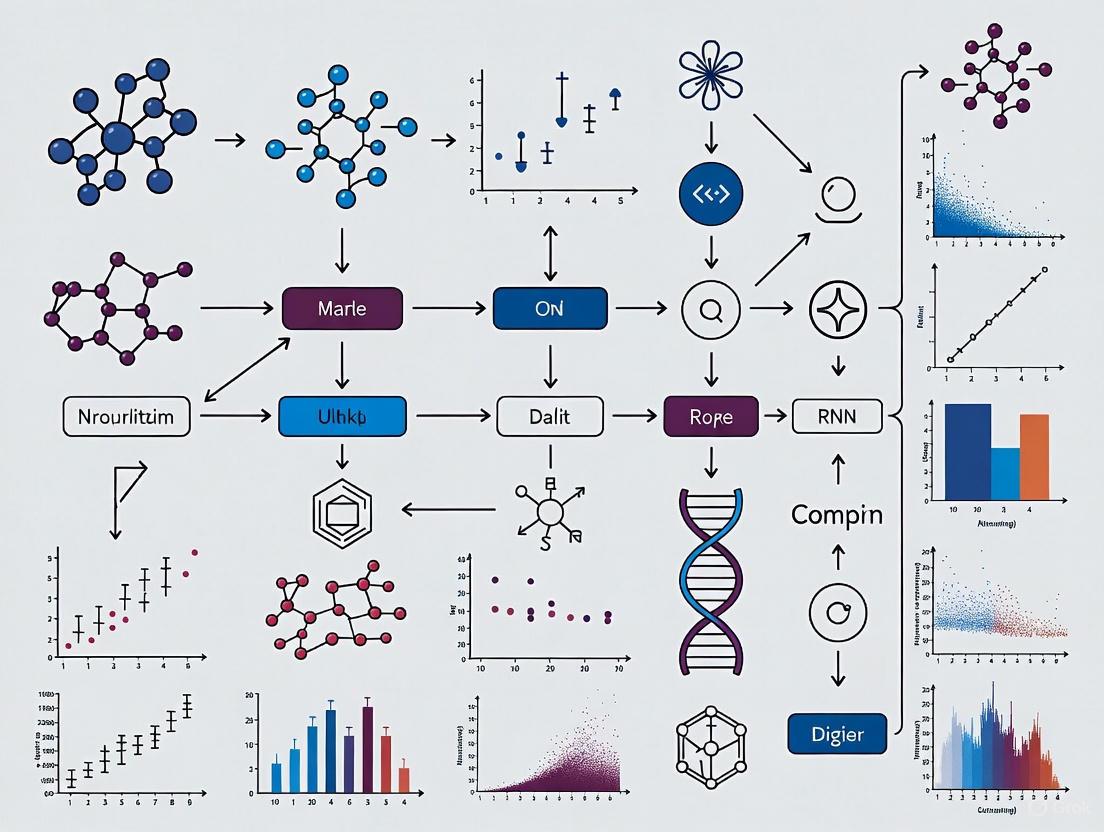
This article provides a comprehensive framework for addressing heteroskedasticity in RNA-seq data analysis, particularly when using Principal Component Analysis (PCA).
Mastering Heteroskedasticity in RNA-seq PCA: A Comprehensive Guide for Biomedical Researchers
Abstract
This article provides a comprehensive framework for addressing heteroskedasticity in RNA-seq data analysis, particularly when using Principal Component Analysis (PCA). Heteroskedasticity—where variance depends on mean expression—violates key assumptions of standard PCA and can severely distort biological interpretation. We explore foundational concepts explaining why count data exhibits this property and its detrimental effects on dimensionality reduction. The guide compares established and emerging methodological solutions including variance-stabilizing transformations, Pearson residuals, and model-based factor analysis. Through troubleshooting guidance and empirical validation from recent benchmarks, we deliver practical recommendations for selecting appropriate methods based on data characteristics. This resource empowers researchers and drug development professionals to implement robust preprocessing pipelines that preserve biological signal in transcriptomic studies.
Understanding Heteroskedasticity: Why RNA-seq Data Breaks Standard PCA Assumptions
Frequently Asked Questions (FAQs)
1. What is heteroskedasticity in the context of RNA-seq data? Heteroskedasticity refers to the phenomenon where the variance of gene expression is not constant across different levels of mean expression. In RNA-seq data, this manifests as a specific dependency: genes with low read counts tend to exhibit different variability than genes with high read counts. Specifically, the variance observed is typically greater than the mean, a characteristic known as overdispersion, and the relationship between the mean and variance often follows a quadratic trend rather than the linear relationship assumed under a Poisson model [1] [2].
2. Why is heteroskedasticity a problem for RNA-seq analysis? Most standard bulk RNA-seq analysis methods, including many differential expression tools, assume equal variance across experimental groups (homoscedasticity). When this assumption is violated due to heteroskedasticity, it can lead to:
- Poor error control, increasing false positives (Type I errors).
- Reduced statistical power, increasing false negatives (Type II errors).
- Compromised detection of differentially expressed genes (DEGs), as variance can be both under- and over-estimated [3] [4].
3. How can I visually assess if my data exhibits heteroskedasticity? You can use several diagnostic plots to identify unequal variances:
- Mean-Variance Scatter Plots: Plot the log of the mean expression against the log of the variance for each gene. A strong, correlated trend indicates a mean-variance relationship [2].
- Voom Trend Plot: Plot the mean-variance trend calculated by the
voomfunction. Distinct, separated trends for different experimental groups indicate group heteroscedasticity [3]. - Multi-dimensional Scaling (MDS) Plots or PCA Plots: Samples from a group with higher variability will appear more spread out in the plot dimensions compared to samples from a group with lower variability [3] [5].
4. My PCA plot shows heteroskedasticity. What should I do next? If your PCA or other diagnostics reveal group heteroscedasticity, you should employ statistical methods designed to handle it.
- For differential expression analysis, consider methods like
voomByGrouporvoomWithQualityWeightswith a blocked design (voomQWB), which account for group-specific variances [3]. - Ensure you are using information-sharing approaches (e.g., empirical Bayes shrinkage in DESeq2 or edgeR) that model the mean-variance relationship, as they are more robust than methods that do not [1] [6].
5. Does normalization affect heteroskedasticity? Yes, normalization is a critical step that can influence the mean-variance relationship. Between-sample normalization methods, such as TMM (Trimmed Mean of M-values) used in edgeR or the median-of-ratios method used in DESeq2, are designed to account for technical variations like sequencing depth. Using an appropriate normalization method is foundational for ensuring that technical variability does not artificially introduce or mask biological heteroskedasticity [7] [4] [6].
Troubleshooting Guides
Issue 1: Identifying Heteroskedasticity in Pseudo-bulk RNA-seq Data
Problem: A researcher is analyzing a pseudo-bulk single-cell RNA-seq dataset and wants to determine if heteroskedasticity exists between different experimental conditions (e.g., healthy vs. diseased).
Investigation Protocol:
- Create Pseudo-bulk Samples: Aggregate raw counts from single cells into sample-level summaries (e.g., sum counts per gene for each biological replicate) [3].
- Normalize Data: Perform between-sample normalization (e.g., using TMM in edgeR or the median-of-ratios method in DESeq2) to adjust for library size [7] [6].
- Generate Diagnostic Plots:
- MDS/PCA Plot: Visualize overall sample similarities and distances. Look for differences in spread (dispersion) between sample groups [3] [5].
- Calculate Group-specific Voom Trends:
- For each experimental group, use the
voomfunction separately to obtain group-specific mean-variance trends. - Plot these trends together. Well-separated curves or curves with distinct shapes indicate group heteroscedasticity [3].
- For each experimental group, use the
- Estimate Biological Coefficient of Variation (BCV):
- Using a tool like
edgeR, estimate the common BCV for each group separately. A larger range of BCV values across groups (e.g., 0.15 to 0.50) suggests heteroskedasticity [3].
- Using a tool like
Interpretation of Key Metrics: The table below summarizes quantitative indicators of heteroskedasticity from real datasets.
| Dataset | Evidence of Heteroskedasticity | Common BCV Range |
|---|---|---|
| Human PBMCs [3] | Healthy controls had distinctly lower voom trends than patient groups. | 0.154 (Healthy) to 0.241 (Asymptomatic) |
| Human Lung Macrophages [3] | Group-specific voom trends had distinct shapes and were well-separated. | 0.338 to 0.495 |
| Mouse Lung Tissue [3] | Minor differences in voom trends; 24m samples more spread out in MDS. | 0.197 to 0.240 |
| LNCaP Cell Line (DHT vs Mock) [2] | Strong correlation between mean and variance (Spearman > 0.91). | Not Provided |
Issue 2: Addressing Heteroskedasticity in Differential Expression Analysis
Problem: A scientist has confirmed the presence of group heteroscedasticity and needs to perform a differential expression analysis that controls for it to avoid inflated false discovery rates.
Solution Protocol:
- Method Selection: Choose a differential expression method that explicitly accounts for unequal group variances. Two recommended approaches are:
voomByGroup: This method fits a separate mean-variance trend for each experimental group in the dataset, allowing for group-specific variance modeling [3].voomWithQualityWeightswith Blocked Design (voomQWB): This approach assigns quality weights at the group level (as "blocks") rather than at the individual sample level, effectively adjusting the variance estimates for entire groups [3].
Implementation in R:
The analysis typically starts with a DGEList object (created using
edgeR)Following this, the
voomByGrouporvoomQWBfunction is applied, and the resulting object is used in a standardlimmapipeline for linear modeling and empirical Bayes moderation [3].
- Validation:
- Compare the results (number of DEGs, p-value distribution) with methods that assume homoscedasticity.
- Check if the method provides better error control and power through simulation studies or benchmark datasets known to have heteroskedasticity [3].
Logical Workflow for Heteroskedastic Data: The following diagram illustrates the decision pathway for analyzing RNA-seq data when heteroskedasticity is suspected.
The Scientist's Toolkit: Research Reagent Solutions
| Tool / Method | Function | Use Case |
|---|---|---|
voom (limma) [3] [1] |
Models the mean-variance trend in log-CPM data and generates precision weights for linear modeling. | Standard differential expression analysis for RNA-seq data. |
voomByGroup [3] |
Extends voom by fitting group-specific mean-variance trends. |
Differential expression when groups have unequal variances. |
voomWithQualityWeights (voomQWB) [3] |
Assigns sample or group-level quality weights to down-weight outliers or adjust for group-wise variability. | Handling group heteroscedasticity or individual sample outliers. |
| DESeq2 [6] | Uses empirical Bayes shrinkage to estimate dispersions and fold changes, modeling overdispersion with a negative binomial distribution. | A robust standard for differential expression analysis that handles mean-variance dependence. |
| edgeR [3] [1] | Employs empirical Bayes shrinkage to estimate dispersions under a negative binomial model. | A robust standard for differential expression analysis. |
| TMM Normalization [7] [4] | A between-sample normalization method that corrects for differences in sequencing depth and RNA composition. | Standard first-step normalization for most RNA-seq analyses. |
| PCA/MDS Plots [3] [5] | Dimension reduction techniques to visualize overall sample similarities and disparities. | Quality control and initial assessment of group variability. |
Why is heteroskedasticity a problem for standard data analysis tools like PCA?
Answer: Principal Component Analysis (PCA) and many distance metrics are most effective and reliable when applied to data with uniform variance across its dynamic range. This property is known as homoscedasticity.
Single-cell and bulk RNA-seq data are inherently heteroskedastic. In these datasets, the variance of gene counts depends strongly on their mean expression level. Highly expressed genes show much greater variance than lowly expressed genes [8]. When you apply standard PCA to raw or simply transformed counts, this heteroskedasticity introduces a major bias: the first principal components often simply reflect the difference between high-variance and low-variance genes, rather than meaningful biological signal [9] [10]. This can mask true biological heterogeneity, such as the presence of rare cell types, and reduce the power of downstream analyses like clustering [9].
How can I visually identify heteroskedasticity in my own dataset?
Answer: A simple and effective diagnostic tool is the MA-plot, which plots the log-fold change between two samples against the average expression level [10].
In a homoscedastic scenario, the spread of log-fold changes would be consistent across all expression levels. In RNA-seq data, you will typically see that the spread of points (the variance) is much larger for genes with low average expression and smaller for genes with high average expression. This "funnel-shaped" pattern is a classic signature of heteroskedasticity [10].
The workflow below outlines the process of diagnosing heteroskedasticity and exploring potential solutions.
Comparison of Common Transformation and Modeling Approaches
The following table summarizes the core methodologies available to address heteroskedasticity, along with their key characteristics.
| Method/Approach | Core Principle | Key Advantages | Key Limitations |
|---|---|---|---|
| Shifted Logarithm [8] | Applies a log transformation with a pseudo-count ($log(y/s + y_0)$). | Simple, fast, and computationally efficient. | Can be sensitive to the choice of pseudo-count $y_0$; may not fully stabilize variance [8]. |
| Pearson Residuals (e.g., scTransform) [9] [8] | Rescales counts based on residuals from a fitted model (e.g., negative binomial GLM). | Effectively stabilizes variance; is widely used. | Model misspecification can introduce biases; computationally intensive for very large datasets [9]. |
| Model-Based DR (e.g., scGBM, GLM-PCA) [9] | Directly models count data using a probabilistic framework (e.g., Poisson or negative binomial) to infer latent factors. | Directly handles count nature of data; allows for uncertainty quantification in the low-dimensional space [9]. | Can be slow and have convergence issues on large datasets; can be more complex to implement [9]. |
What are the step-by-step protocols for implementing these solutions?
Protocol 1: Analysis Pipeline Using Pearson Residuals
This protocol uses a Generalized Linear Model (GLM) to calculate Pearson residuals, which are used for downstream PCA.
Experimental Workflow:
Key Research Reagents & Solutions:
| Item | Function in the Protocol |
|---|---|
| UMI Count Matrix | The raw input data; a genes (rows) x cells (columns) matrix of integer counts. |
| Size Factors ($s_c$) | Cell-specific scaling factors to correct for technical variability in sequencing depth. Often calculated as the total count per cell [8]. |
| Gamma-Poisson (Negative Binomial) GLM | A statistical model that accounts for overdispersion in count data, providing fitted mean ($μ$) and dispersion ($α$) parameters for each gene [8]. |
| Pearson Residuals | The variance-stabilized output; calculated as (observed count - fitted value) / standard deviation of the fitted model [8]. |
Protocol 2: Analysis Pipeline Using Model-Based Dimensionality Reduction
This protocol uses a model like scGBM, which performs dimensionality reduction directly on the counts, integrating normalization and latent factor discovery into a single, unified step [9].
Experimental Workflow:
Key Research Reagents & Solutions:
| Item | Function in the Protocol |
|---|---|
| UMI Count Matrix | The raw input data. |
| Poisson Bilinear Model | The core model, e.g., used by scGBM, which factorizes the count matrix into gene loadings ($Λ$), cell scores ($X$), and offset terms [9]. |
| Fast Estimation Algorithm | An optimized algorithm (e.g., iteratively reweighted SVD) that makes fitting the model to large datasets (millions of cells) computationally feasible [9]. |
| Cluster Cohesion Index (CCI) | A metric that leverages the model's uncertainty quantification to assess the confidence that a cluster represents a distinct biological population versus an artifact of sampling variability [9]. |
A fundamental challenge in RNA-Seq data analysis, particularly for single-cell RNA sequencing (scRNA-seq), is the presence of heteroskedasticity—where the variability of gene expression data depends on its mean expression level. This phenomenon means that highly expressed genes show more count variation than lowly expressed genes, violating the uniform variance assumption of many standard statistical methods [8]. This heteroskedasticity arises from both biological sources (genuine cell-to-cell variation in transcript abundance) and technical sources (measurement noise, sampling efficiency, and library preparation artifacts). When performing dimensionality reduction via Principal Component Analysis (PCA), failing to properly account for this heteroskedasticity can induce spurious heterogeneity, mask true biological variability, and lead to incorrect biological interpretations [9]. This technical support guide provides troubleshooting protocols to help researchers disentangle these complex variance structures.
Troubleshooting Guides & FAQs
FAQ 1: My PCA plot shows separation that I suspect is technical, not biological. How can I confirm this?
Answer: Suspect technical drivers in your PCA when separation strongly correlates with known technical covariates like sequencing depth or batch.
- Investigation Protocol:
- Correlate PCs with Technical Metrics: Calculate correlations between your principal components and metrics like total UMIs per cell, mitochondrial percentage, or batch identity.
- Visualize Covariates: Plot these technical metrics onto your PCA plot. Color the data points by, for example, the total number of UMIs per cell (
nCount_RNAin Seurat) or batch ID. A clear gradient or grouping by a technical metric indicates a strong technical influence. - Employ Variance-Stabilizing Transformations: Instead of simple log-transformation, use methods designed to handle heteroskedasticity. Pearson residuals (from tools like
sctransform) or theacosh-based transformation are theoretically better suited for stabilizing variance across the dynamic range of expression data [8].
FAQ 2: How can I handle unequal variance (heteroscedasticity) between experimental groups in pseudo-bulk analysis?
Answer: Standard bulk RNA-Seq differential expression tools like limma-voom, edgeR, and DESeq2 often assume equal variance across groups (homoscedasticity). When this assumption is violated, they can produce inflated false discovery rates or lose power [11].
- Solution Protocol:
- Diagnose Heteroscedasticity:
- Inspect Multi-dimensional Scaling (MDS) plots for differences in spread between sample groups.
- Examine group-specific mean-variance (voom) trends. Separated or differently shaped trends for different groups indicate heteroscedasticity [11].
- Compare the common biological coefficient of variation (BCV) across groups. Larger BCVs indicate greater within-group biological variation [11].
- Apply Robust Methods: Use differential expression methods designed to handle group heteroscedasticity.
voomByGroup: Fits group-specific mean-variance trends.voomWithQualityWeightswith a blocked design (voomQWB): Assigns quality weights at the group level rather than the sample level, effectively adjusting variance estimates for entire groups [11].
- Diagnose Heteroscedasticity:
FAQ 3: What is the best data transformation before PCA to mitigate technical variation?
Answer: No single transformation is universally "best," but benchmarks indicate that a logarithm with a carefully chosen pseudo-count is a robust and computationally efficient choice. The key is to avoid transformations that leave strong residual dependencies on technical factors like sequencing depth [8].
- Transformation Comparison Protocol: The table below summarizes common transformation approaches and their performance in mitigating technical variation.
Table 1: Comparison of Data Transformation Methods for scRNA-seq PCA
| Transformation Approach | Key Principle | Effectiveness in Benchmarking | Technical Artifact Reduction |
|---|---|---|---|
Shifted Logarithm (e.g., log(y/s + y0)) |
Delta-method based variance stabilization [8]. | Good to excellent performance; a strong default choice [8]. | Can leave a residual dependency on size factors if y0 is chosen poorly. |
Pearson Residuals (e.g., sctransform) |
Residuals from a regularized negative binomial GLM [8]. | Good performance; effectively stabilizes variance. | Better at mixing cells with different size factors compared to simple log transform [8]. |
| Analytic Pearson Residuals (APR) | Closed-form approximation of Pearson residuals [9]. | Can capture signal in common cell types but may struggle with rare cell types [9]. | Varies based on data structure. |
| Latent Expression (Sanity, Dino) | Infers a latent, true expression state from a generative model [8]. | Appealing theoretical properties, but variable empirical performance. | Designed to model and separate technical noise. |
| Model-based (scGBM) | Performs dimensionality reduction directly on counts using a Poisson bilinear model, unifying normalization and factorization [9]. | Better captures biological signal and removes unwanted variation in benchmarks [9]. | Directly models count distribution, avoiding transformation-induced artifacts. |
FAQ 4: My dataset contains rare cell types. Why are they not appearing in my dimensionality reduction?
Answer: Rare cell types can be masked by the high variance of more abundant "null" genes when using standard PCA on transformed data. The normalization process can inadvertently downweight the signal from genes that define rare populations [9].
- Protocol for Rare Cell Type Discovery:
- Leverage Model-based Methods: Consider using a model-based dimensionality reduction tool like scGBM (Single-Cell Gamma-Poisson Bilinear Model). This method directly models the count data, which can help preserve the signal from rare cell types that is lost in standard log+PCA or SCT+PCA workflows [9].
- Focus on Feature Selection: Prior to PCA, use rigorous feature selection to identify Highly Variable Genes (HVGs). This reduces the dilution of signal by non-informative genes.
- Validate with Clustering Cohesion: The scGBM method provides a Cluster Cohesion Index (CCI), which quantifies the confidence that a cluster represents a biologically distinct population versus an artifact of sampling variability. This is a powerful tool for validating the presence of rare cell types [9].
Experimental Protocols for Key Analyses
Protocol 1: Pseudo-bulk Analysis with Heteroscedasticity Checks
Application: Differential expression analysis from scRNA-seq data across pre-defined groups (e.g., conditions, genotypes) while accounting for group-level variance differences.
Workflow:
Materials:
- Input: Single-cell count matrix with cell-level metadata (sample, cluster/cell type).
- Software: R environment with packages
limma,edgeR, andvariancePartitionormissMethyl.
Step-by-Step Instructions:
- Pseudo-bulk Creation: Aggregate raw counts from all cells belonging to the same combination of sample and cell type (or cluster) to create a pseudo-bulk count matrix.
- Data Normalization: Calculate normalization factors (e.g., using
edgeR::calcNormFactors) on the pseudo-bulk matrix. - Heteroscedasticity Diagnosis:
- Generate an MDS plot and color points by group. Observe if some groups exhibit greater spread than others.
- Use
edgeR::estimateDispto calculate a common biological coefficient of variation (BCV) for the dataset. Compare BCVs across groups by estimating them separately. - Plot group-specific mean-variance trends using the
voomfunction on subsets of data for each group. Look for trends that are separated along the y-axis or have different shapes [11].
- Differential Expression:
- If significant heteroscedasticity is detected, use
voomByGrouporvoomQWB. - If group variances are similar, proceed with standard
voom,edgeR, orDESeq2.
- If significant heteroscedasticity is detected, use
- Model Fitting: Fit a linear model in
limmaaccounting for relevant experimental design and conduct empirical Bayes moderation (eBayes). Extract differentially expressed genes usingtopTable.
Protocol 2: Model-Based Dimensionality Reduction with scGBM
Application: Capturing a low-dimensional representation of single-cell data that is robust to technical noise and suitable for identifying rare cell types.
Workflow:
Materials:
- Input: Raw UMI count matrix (genes x cells).
- Software: R and the
scGBMpackage available from GitHub (https://github.com/phillipnicol/scGBM) [9].
Step-by-Step Instructions:
- Model Fitting: Fit the scGBM model to the raw count matrix. The model is defined as:
- ( Y{gc} \sim \text{Poisson}(\exp(\mug + \nuc + \mathbf{\Lambda}g^\top \mathbf{F}c)) )
- Where ( Y{gc} ) is the count for gene g in cell c, ( \mug ) is a gene-specific intercept, ( \nuc ) is a cell-specific intercept (accounting for depth), and ( \mathbf{\Lambda}g ) and ( \mathbf{F}c ) are the latent factor loadings and scores, respectively [9].
- Extract Outputs: From the fitted model, extract the low-dimensional embedding (matrix of ( \mathbf{F}_c )) and the associated uncertainty estimates for each cell's position.
- Downstream Clustering: Use a clustering algorithm (e.g., Louvain, Leiden) on the low-dimensional embedding to identify cell populations.
- Uncertainty Quantification: For each cluster, calculate the Cluster Cohesion Index (CCI) provided by scGBM. This index leverages the uncertainty in each cell's latent position.
- A high CCI indicates a tight, well-separated cluster with high confidence that it represents a true biological population.
- A low CCI suggests the cluster may be an artifact of technical noise or sampling variability and should be interpreted with caution [9].
The Scientist's Toolkit: Research Reagent Solutions
Table 2: Essential Reagents and Computational Tools for RNA-Seq Variation Analysis
| Item/Tool | Function/Benefit | Considerations for Use |
|---|---|---|
| ERCC Spike-In Mix | A set of synthetic RNA controls of known concentration used to standardize RNA quantification, determine sensitivity, dynamic range, and control for technical variation between runs [12]. | Not recommended for samples of very low concentration. Should be spiked in at a checkerboard pattern across samples for robust comparison [12]. |
| UMIs (Unique Molecular Identifiers) | Short random nucleotide sequences that tag individual mRNA molecules before PCR amplification. Enable accurate correction for PCR amplification bias and errors, providing a true digital count of original transcript molecules [12]. | Essential for deep sequencing (>50 million reads/sample) or low-input library preps. Require specific bioinformatic processing (e.g., with fastp or umis tools) for UMI extraction and deduplication [12]. |
| Ribo-depletion Kits | Remove abundant ribosomal RNA (rRNA), allowing for efficient sequencing of other RNA species like mRNA and lncRNA. Crucial for studying non-polyadenylated transcripts or samples with degraded RNA (e.g., FFPE) [12]. | Required for analysis of bacterial transcripts, lncRNA, or when using FFPE or blood samples (often combined with globin depletion) [12]. |
| scGBM R Package | A model-based dimensionality reduction tool that directly models UMI counts, quantifies uncertainty in cell embeddings, and helps distinguish biological signal from artifact [9]. | Particularly useful for analyzing datasets with rare cell types or when confidence in cluster definitions is required. |
| Limma with voomByGroup/voomQWB | Extensions to the standard limma-voom pipeline that account for unequal variance between experimental groups in pseudo-bulk analyses, improving error control and power [11]. |
Should be employed after diagnostic plots (MDS, BCV, voom trends) indicate the presence of group heteroscedasticity. |
Core Concepts: Understanding Spurious Separation in PCA
What is the fundamental relationship between variance and PCA in RNA-seq data? Principal Component Analysis (PCA) summarizes the largest sources of variance in a dataset. In RNA-seq, the first principal component (PC1) captures the most variation, PC2 the next largest, and so on [13]. When technical factors like library size (the total number of reads per sample) differ systematically between groups, this can become a dominant, non-biological source of variance that PCA may mistake for a meaningful signal [14].
How can expression levels mislead the analysis? Genes with very high raw counts naturally exhibit larger absolute variations. If data is not properly scaled before PCA, these highly expressed genes can disproportionately influence the principal components, creating separation patterns based on technical artifacts rather than true biological differences [15].
Diagnostic Guide: Identifying Technical Drivers in Your PCA
Use the following workflow to determine if your sample separation is biologically meaningful or technically driven.
Diagnostic Table: Patterns of Spurious vs. Biological Separation
| Diagnostic Feature | Spurious Technical Separation | True Biological Separation |
|---|---|---|
| Library Size vs. PC1 Correlation | Strong correlation (e.g., R² > 0.8) [14] | Weak or no correlation |
| RLE Plot Pattern | Boxplot medians not aligned around zero; systematic wobble [14] | Medians aligned around zero; similar IQR across samples |
| Leading Genes in PC Loadings | Dominated by very highly expressed genes (e.g., ribosomal proteins, mitochondrial genes) [15] | Biologically relevant marker genes for the experimental conditions |
| Scree Plot Pattern | PC1 explains an exceptionally high percentage of variance (e.g., >50%) [16] | Variance more evenly distributed across several PCs |
| Replicate Clustering | Poor clustering of biological replicates within experimental groups | Tight clustering of biological replicates by experimental condition |
Normalization Protocols: Correcting Technical Variation
How do I normalize for library size differences? Library size normalization is essential because samples with more reads will naturally have higher counts across most genes. The Counts Per Million (CPM) method calculates scaled proportions:
Protocol: CPM Normalization
- Let ( Y_{ij} ) be the count for gene ( i ) in sample ( j )
- Let ( N_j ) be the library size for sample ( j ) (sum of all counts)
- Calculate: ( \text{CPM}{ij} = \frac{Y{ij}}{N_j} \times 10^6 ) [14]
R Implementation:
How do I handle compositional differences between samples? The TMM (Trimmed Mean of M-values) method is more robust for between-sample normalization, as it accounts for the fact that RNA-seq data represents a compositional landscape where increases in some genes necessarily mean decreases in others [14].
Protocol: TMM Normalization using edgeR
- Filter lowly expressed genes:
keep <- filterByExpr(count_matrix, group=group) - Create DGEList object:
y <- DGEList(counts[keep,]) - Calculate normalization factors:
y <- calcNormFactors(y, method="TMM") - Convert to log-CPM:
logcpm <- cpm(y, log=TRUE)[14]
Data Transformation Protocols for PCA
Should I scale genes before PCA? Yes. Without scaling, highly expressed genes will dominate the PCA results regardless of their biological relevance.
Protocol: Z-score Normalization for PCA
Should I select genes before PCA? Filtering to the most variable genes often improves signal-to-noise ratio.
Protocol: Highly Variable Gene Selection
Advanced Solutions for Heteroskedastic Data
What is Biwhitened PCA (BiPCA) and when should I use it? BiPCA is a principled framework specifically designed to handle heteroskedastic noise in count data like RNA-seq. It overcomes the limitation of standard PCA, which assumes uniform noise variance across all measurements [17].
How BiPCA Works:
- Biwhitening: Rescales rows and columns of the data matrix to standardize noise variances
- Rank Estimation: Determines the true dimensionality of the biological signal
- Optimal Denoising: Applies singular value shrinkage to recover the underlying signal matrix [17]
When to Consider BiPCA:
- When standard normalization methods fail to remove technical batch effects
- When working with complex single-cell or spatial transcriptomics data
- When you suspect heteroskedastic noise is obscuring biological signals
Research Reagent Solutions
Essential Computational Tools for Robust PCA
| Tool/Resource | Function | Application Context |
|---|---|---|
| DESeq2 [14] | Differential expression analysis and data transformation | Provides variance-stabilizing transformation for PCA input |
| edgeR [14] | Normalization using TMM and related methods | Library size and composition normalization |
| pcaExplorer [18] | Interactive exploration of PCA results | Diagnostic visualization and interpretation |
| BiPCA [17] | Advanced PCA for heteroskedastic count data | When standard PCA shows persistent technical artifacts |
| Unique Molecular Identifiers (UMIs) [19] | Correction for amplification bias | Single-cell RNA-seq and low-input protocols |
Frequently Asked Questions
Q1: My PCA shows clear group separation but I suspect it's driven by library size. How can I confirm this? Calculate the correlation between PC1 values and library sizes. A strong correlation (e.g., Pearson r > 0.7) suggests library size is driving the separation. Then, re-run PCA on properly normalized data (e.g., TMM-normalized log-CPM) and check if the separation persists [14].
Q2: I've normalized my data but technical batch effects still dominate my PCA. What should I do? Consider these advanced approaches:
- Include batch as a covariate in your normalization model
- Use combat or other batch correction algorithms [19]
- Implement BiPCA, which specifically addresses heteroskedastic noise [17]
- Ensure you're using the correct experimental design formula
Q3: How much variance should PC1 explain in a good quality RNA-seq dataset? There's no universal threshold, but in a well-controlled experiment with strong biological signals, PC1 typically explains 20-40% of total variance. If PC1 explains >50%, carefully check for technical confounders. Also examine whether PC1 separation corresponds to your experimental groups or technical factors [16].
Q4: Should I use raw counts or transformed data for PCA? Never use raw counts. Always apply appropriate normalization and transformation. The standard pipeline is: raw counts → filtering of lowly expressed genes → normalization (e.g., TMM) → transformation (e.g., log-CPM) → optional scaling → PCA [14].
Q5: My negative controls (e.g., DMSO) don't cluster together in PCA. What does this indicate? This suggests strong technical variation or failed experiments. Negative controls should cluster tightly in PCA. If they don't, investigate RNA quality (RIN values), batch effects, or sample processing errors before proceeding with differential expression analysis [20].
Practical Solutions: Variance Stabilization and Model-Based Approaches for RNA-seq PCA
Troubleshooting Guides
FAQ 1: Why does my PCA plot still show a strong batch effect related to sequencing depth even after applying a shifted logarithm transformation?
This is a common issue that often stems from an improperly chosen pseudo-count (y₀) in the shifted logarithm transformation. The transformation is log(y/s + y₀), where y is the raw count and s is the size factor [8].
- Problem: The value of
y₀is frequently set in an arbitrary way, for example, by using Counts Per Million (CPM) normalization which implicitly sets a very small pseudo-count. An incorrecty₀fails to adequately stabilize the variance, leaving unwanted technical variation (like library size) in the data [8]. - Solution: Instead of an arbitrary choice, parameterize the shifted logarithm based on the data's overdispersion. The recommended pseudo-count is
y₀ = 1 / (4α), whereαis a typical overdispersion value for your dataset. For many single-cell RNA-seq datasets, a value ofα = 0.5is a reasonable starting point, which setsy₀ = 0.5[8].
FAQ 2: When should I use the acosh transformation over the shifted logarithm?
The acosh transformation is the theoretically exact variance-stabilizing transformation for data following a gamma-Poisson (negative binomial) distribution [8].
- Problem: The shifted logarithm is only an approximation of the acosh transformation.
- Solution: Use the acosh transformation when you know or have a reliable estimate of the overdispersion parameter (
α). The transformation is defined asg(y) = (1/√α) * acosh(2αy + 1)[8]. In practice, the shifted logarithm with a correctly chosen pseudo-count often performs similarly, but the acosh is theoretically more sound when its assumptions are met.
FAQ 3: My data contains many zeros. Are these transformations still valid?
Yes, both the shifted logarithm and acosh transformations can handle zero counts.
- Problem: The logarithm of zero is undefined, which is why a pseudo-count is added in the shifted logarithm approach. The acosh function is defined for input values greater than or equal to 1, which is achieved by the term
(2αy + 1)even wheny=0[8]. - Solution: Ensure your transformation parameters are set correctly. For the shifted logarithm, a proper pseudo-count (
y₀) avoids creating large negative values for zero counts. For the acosh, the input for a zero count is1, andacosh(1) = 0.
Comparison of Variance-Stabilizing Transformations
The table below summarizes the core properties of the two primary transformations discussed.
Table 1: Key Characteristics of Shifted Logarithm and Acoin Transformations
| Feature | Shifted Logarithm | Acoin (acosh) Transformation |
|---|---|---|
| Formula | log(y/s + y₀) [8] |
(1/√α) * acosh(2αy + 1) [8] |
| Key Parameter | Pseudo-count (y₀) |
Overdispersion (α) |
| Parameter Guidance | y₀ = 1/(4α); α=0.5 is a good start for scRNA-seq [8] |
Requires a reliable estimate of the gene-specific or typical overdispersion [8] |
| Theoretical Basis | Approximate variance stabilizer | Exact variance stabilizer for gamma-Poisson data [8] |
| Handling of Zero Counts | Defined, as y₀ is added [8] |
Defined, as 2α*0 + 1 = 1 [8] |
Experimental Protocol: Applying Transformations for RNA-seq PCA
This protocol details the steps for applying variance-stabilizing transformations prior to Principal Component Analysis (PCA).
1. Preprocessing and Size Factor Calculation
- Input: Raw count matrix (genes x cells).
- Calculate Size Factors: For each cell
c, compute a size factors_cto normalize for differences in sequencing depth. A standard method is:s_c = (Total UMIs in cell c) / L, whereLis the average of total UMIs across all cells [8]. - Filtering: Remove genes with zero counts across all cells [21].
2. Transformation Application
- Option A: Shifted Logarithm
- Estimate a typical overdispersion (
α) for your dataset. If unknown, start withα = 0.5[8]. - Calculate the pseudo-count:
y₀ = 1 / (4α). - Apply the transformation:
log( y/s + y₀ ).
- Estimate a typical overdispersion (
- Option B: Acoin (acosh) Transformation
- Obtain a reliable estimate of the overdispersion parameter
α(e.g., per-gene estimates from a gamma-Poisson GLM) [8]. - Apply the transformation:
(1/√α) * acosh(2αy + 1).
- Obtain a reliable estimate of the overdispersion parameter
3. Post-Transformation and PCA
- Z-score Normalization (Optional but Recommended): After transformation, center and scale each gene (across cells) to have zero mean and unit variance. This ensures all genes contribute equally to the PCA [21].
- Perform PCA: Execute PCA on the transformed and scaled matrix. Use the resulting principal components for downstream analysis like clustering and visualization.
Workflow Visualization
The following diagram illustrates the logical decision pathway and steps for applying these transformations in an RNA-seq analysis pipeline.
Table 2: Key Computational Tools and Concepts for Variance-Stabilizing Transformations
| Item Name | Function / Description |
|---|---|
| Size Factor (s_c) | A per-cell scaling factor used to normalize for variations in total sequencing depth (library size) [8]. |
| Overdispersion (α) | A parameter from the gamma-Poisson model quantifying extra-Poisson variation; crucial for parameterizing both transformations [8]. |
| Pseudo-count (y₀) | A small constant added to normalized counts to avoid taking the logarithm of zero in the shifted logarithm approach [8]. |
| Gamma-Poisson GLM | A statistical model used to fit count data and estimate parameters like overdispersion, which can inform the transformations [8]. |
| Z-score Normalization | A post-transformation step that standardizes each gene to mean=0 and variance=1, ensuring equal weight in PCA [21]. |
Conceptual Foundation: From Heteroskedasticity to Pearson Residuals
What are Pearson residuals and why are they needed for single-cell RNA-seq data?
In single-cell RNA-sequencing (scRNA-seq) data analysis, Pearson residuals represent a sophisticated normalization approach that addresses the fundamental issue of heteroskedasticity - the technical variation in gene counts that depends on expression level and sequencing depth. Traditional normalization methods like log-normalization struggle with this because the variance in raw UMI count data is mean-dependent [22].
Pearson residuals are calculated as part of the SCTransform workflow, which uses a regularized negative binomial regression model. The core formula is:
Pearson residual = (Observed count - Expected count) / √(Expected variance) [23]
This transformation effectively standardizes gene expression values such that:
- Positive values indicate higher-than-expected expression
- Zero values indicate expected expression levels
- Negative values indicate lower-than-expected expression [23]
How do Pearson residuals address heteroskedasticity in PCA?
In traditional PCA applied to RNA-seq data, heteroskedasticity creates a serious technical artifact: the principal components are often dominated by technical variance rather than biological signals. This occurs because highly expressed genes naturally exhibit more variance, causing them to disproportionately influence the component loadings [22] [24].
Pearson residuals resolve this by stabilizing variance across all expression levels. After transformation, genes with different expression levels become comparable because the residuals have approximately the same variance regardless of mean expression [25] [23]. This ensures that PCA captures biological heterogeneity rather than technical artifacts.
Table 1: Comparison of Normalization Approaches for scRNA-seq PCA
| Method | Variance Handling | Technical Effect Removal | Biological Preservation | Recommended Use |
|---|---|---|---|---|
| Log-Normalization | Incomplete stabilization | Partial | Moderate | Standard workflows |
| Pearson Residuals | Complete stabilization | Effective | High | Heteroskedastic data |
| GLM-PCA | Model-based | Effective | High | Advanced users |
Implementation Frameworks: sctransform and Analytic Variants
What is the theoretical foundation of sctransform?
The sctransform method, introduced by Hafemeister and Satija (2019), employs a regularized negative binomial regression framework [22]. For each gene, it models UMI counts as:
Xcg ~ NB(μcg, θg) ln(μcg) = β0g + β1glog10(n̂c)
Where:
- Xcg represents UMI counts for cell c and gene g
- θg is the gene-specific overdispersion parameter
- β0g and β1g are gene-specific intercept and slope parameters
- n̂c is the observed sequencing depth for cell c [26]
The original implementation encountered parameter instability, particularly for lowly-expressed genes, which was addressed through a regularization procedure that smooths parameters across genes with similar expression levels [22].
What are the key improvements in sctransform v2?
The updated sctransform v2 incorporates several critical enhancements based on analysis of 59 scRNA-seq datasets [27]:
- Fixed slope parameter: The GLM slope is fixed to ln(10) with log10(total UMI) as predictor
- Improved parameter estimation: Reduces uncertainty and bias from fitting GLMs for lowly-expressed genes
- Lower bound on gene-level standard deviation: Prevents genes with extremely low expression from having artificially high Pearson residuals [27]
These improvements are invoked in Seurat via the vst.flavor = "v2" parameter in the SCTransform() function [27].
What is the "analytic Pearson residuals" approach?
Subsequent research by Lause et al. (2021) demonstrated that the original sctransform model was overspecified, leading to noisy parameter estimates [26] [28]. They proposed a more parsimonious model with a theoretical foundation:
μcg = pgnc ln(μcg) = ln(pg) + ln(nc) = β0g + ln(nc)
This model fixes the slope parameter to 1 when using ln(nc) as a predictor (known as an "offset" in GLM terminology), resulting in a single-parameter model that has an analytic solution [26] [28]. This analytic approach produces stable estimates without requiring post-hoc smoothing of parameters.
Figure 1: SCTransform Normalization Workflow
Troubleshooting Guide: Common Implementation Challenges
How should I interpret the different data layers in the SCT assay?
After running SCTransform, the Seurat object contains a new "SCT" assay with three distinct layers that serve different purposes:
Table 2: SCT Assay Layers and Their Applications
| Data Layer | Content | Purpose | Downstream Use |
|---|---|---|---|
| counts | Corrected UMI counts | Depth-adjusted counts | Differential expression |
| data | log1p(corrected counts) | Normalized expression | Visualization |
| scale.data | Pearson residuals | Variance-stabilized values | PCA, clustering, integration [25] [23] |
A common point of confusion arises when users inadvertently use the wrong layer for specific analyses. For optimal results:
- Use scale.data (Pearson residuals) for dimensionality reduction (PCA, UMAP) and clustering
- Use data or counts for visualization and differential expression [27] [23]
Why might Pearson residuals fail to resolve heteroskedasticity in my data?
Several factors can limit the effectiveness of Pearson residuals:
- Extreme batch effects: When technical variation exceeds biological variation, additional integration methods may be needed
- Poor model convergence: For very sparse datasets, the negative binomial model may not fit properly
- Insufficient regularization: The default parameters may not be optimal for all dataset types
If PCA still shows strong technical patterns after SCTransform, consider:
- Increasing the
ncellsparameter to use more cells for parameter estimation - Including additional covariates in the model using
vars.to.regress - Trying the v2 flavor with
vst.flavor = "v2"[27] [29]
How do I prepare SCT-normalized data for differential expression?
A critical implementation detail often overlooked is the need to run PrepSCTFindMarkers() before performing differential expression with SCT-normalized data [27]. This function ensures that the corrected counts are properly scaled for DE analysis:
Without this preparation step, the results may be suboptimal or misleading [27].
Experimental Protocols and Implementation
Basic SCTransform Workflow for PCA
For researchers addressing heteroskedasticity in PCA, the following protocol implements the current best practices:
Installation and setup:
Normalization with SCTransform v2:
Dimensionality reduction:
Validation of heteroskedasticity correction:
Integration Workflow for Multiple Samples
When working with multiple conditions or batches, the Pearson residuals enable effective integration:
Separate normalization:
Feature selection and integration preparation:
Integration using Pearson residuals:
This workflow preserves biological variance while removing technical artifacts, making PCA results more biologically interpretable [27].
Table 3: Critical Computational Tools for Pearson Residuals Implementation
| Tool/Resource | Function | Application Context |
|---|---|---|
| sctransform R package | Core normalization algorithm | Primary implementation |
| glmGamPoi package | Accelerated model fitting | Speed improvement for large datasets |
| Seurat (v4.1+) | Integration framework | Downstream analysis |
| Scanpy (v1.9+) | Python implementation | Python workflows [26] |
Advanced Applications and Methodological Comparisons
When should I choose analytic Pearson residuals over standard sctransform?
The analytic approach provides particular advantages in specific scenarios:
- Computational efficiency: The closed-form solution requires less computation
- Theoretical purity: Avoids ad hoc smoothing steps
- Reproducibility: Deterministic results without stochastic elements [26] [28]
However, the standard sctransform implementation with regularization may be more robust for extremely heterogeneous datasets where the Poisson assumption is violated.
How do Pearson residuals compare to other variance-stabilizing transformations?
Table 4: Variance-Stabilization Methods Comparison
| Method | Theoretical Basis | Handling of Zeros | PCA Performance |
|---|---|---|---|
| Log(x+1) | Heuristic | Poor | Suboptimal due to mean-variance relationship |
| VST (DESeq2) | Parametric empirical Bayes | Moderate | Good for bulk RNA-seq |
| Pearson Residuals | Negative binomial GLM | Excellent | Optimal for scRNA-seq PCA [26] [22] |
The key advantage of Pearson residuals emerges from their direct modeling of UMI count distributions, which accurately captures the statistical properties of single-cell data, particularly the mean-variance relationship and zero inflation.
Figure 2: Method Comparison for PCA Preparation
Frequently Asked Questions
Can I apply Pearson residuals to non-UMI data?
Pearson residuals as implemented in sctransform are specifically designed for UMI-based data, which follows negative binomial or Poisson distributions. For non-UMI data (e.g., TPM, FPKM), alternative approaches like regular log-normalization or VST may be more appropriate, as the count-based assumptions may not hold.
How many variable features should I use with SCTransform?
The default of 3,000 variable features generally works well, but this parameter can be adjusted based on dataset size and complexity. For larger datasets (>50,000 cells), increasing to 5,000 may capture additional biological signal. The variable.features.n parameter controls this setting [29].
Why does SCTransform sometimes produce different results than log-normalization?
SCTransform explicitly models the mean-variance relationship in count data, while log-normalization applies a heuristic transformation. This fundamental difference means SCTransform better preserves biological heterogeneity while removing technical noise, often resulting in:
- Improved cluster separation
- Reduced influence of sequencing depth on PCA
- Enhanced identification of rare cell populations [25] [22]
Can I combine SCTransform with other normalization methods?
SCTransform is designed as a complete replacement for the standard NormalizeData, FindVariableFeatures, and ScaleData workflow. Combining it with additional normalization is generally unnecessary and may remove meaningful biological variance. The method is specifically engineered to produce data ready for downstream dimensional reduction.
Method Comparison Table
The table below summarizes key characteristics of the three model-based factor analysis methods.
| Method | Underlying Model | Key Features | Computational Scalability | Uncertainty Quantification |
|---|---|---|---|---|
| GLM-PCA [9] [8] | Poisson or Negative Binomial | Latent factor estimation in log space; an early model-based alternative to PCA on transformations. | Suffers from slow runtime and convergence issues on datasets with millions of cells [9] [30]. | Not specified in available literature. |
| NewWave [8] | Negative Binomial (with optional zero-inflation) | An optimized implementation of the ZINB-WAVE approach; allows for zero inflation. | Can be computationally burdensome on large datasets [30]. | Not specified in available literature. |
| scGBM [9] [30] | Poisson Bilinear Model | Fast estimation via iteratively reweighted SVD; quantifies uncertainty in latent positions; provides a Cluster Cohesion Index (CCI). | Scales to datasets with millions of cells [9] [30]. | Yes, quantifies uncertainty for each cell's latent position and propagates it to clustering [9] [30]. |
Troubleshooting Common Issues
Problem: Method fails to separate rare cell types in the low-dimensional embedding.
- Potential Cause: Standard transformations (e.g., log(1+x), scTransform) can downweight the signal from marker genes for rare populations and upweight noise from null genes [9].
- Solution:
- Consider using scGBM, which, in simulations, has been shown to better capture signal from rare cell types compared to some transformation-based PCA methods [9].
- Validate findings using the Cluster Cohesion Index (CCI) provided by scGBM to assess the confidence that a cluster represents a biologically distinct population versus an artifact of sampling variability [9] [30].
Problem: PCA results are dominated by a few high-variance genes, masking biological signal.
- Potential Cause: When applying standard PCA, if the data is not properly scaled, genes with high raw variance (often highly expressed genes) will dominate the principal components, even if they contain little biological signal [31].
- Solution:
- For standard PCA, always use scaling (
scale.=TRUEinprcomp()) to give all genes equal weight in the analysis [31]. - As a more integrated solution, use a model-based method like GLM-PCA or scGBM, which inherently model the mean-variance relationship of count data and can avoid this artifact [9] [30].
- For standard PCA, always use scaling (
Problem: Long runtimes or failure to converge on large datasets.
- Potential Cause: Some model-based methods, like the original GLM-PCA and ZINB-WAVE, were not designed for the scale of modern single-cell datasets (millions of cells) [9] [30].
- Solution:
Frequently Asked Questions (FAQs)
Q: Why should I use a model-based method instead of simple log-transformation and PCA?
A: Standard transformations like log(1+x) applied to count data can induce spurious heterogeneity and mask true biological variability. The discrete nature and mean-variance relationship of count data make models based on normal distributions inappropriate. Model-based methods like GLM-PCA, NewWave, and scGBM directly model the count matrix (e.g., using Poisson or Negative Binomial distributions), which avoids these biases and provides a more statistically sound foundation for dimensionality reduction [9] [30].
Q: How do I handle heteroskedasticity in single-cell RNA-seq data?
A: Heteroskedasticity (the dependence of variance on the mean) is an inherent property of count data. The primary strategies are:
- Variance-Stabilizing Transformation (VST): Methods like the shifted logarithm or Pearson residuals (e.g., scTransform) attempt to stabilize the variance across the dynamic range before applying PCA [8].
- Direct Count Modeling: Methods like GLM-PCA, NewWave, and scGBM incorporate the mean-variance relationship directly into their probabilistic models, making them a natural choice for dealing with heteroskedasticity [9] [30].
- Compositional Data Analysis (CoDA): An emerging approach that treats the data as compositions and uses log-ratio transformations, which can also address heteroskedasticity [32].
Q: Which model-based method is best for uncertainty quantification?
A: Among the methods listed, scGBM specifically emphasizes uncertainty quantification. It provides estimates of the uncertainty in each cell's latent position. Furthermore, it leverages these uncertainties to define a Cluster Cohesion Index (CCI), which helps assess the confidence associated with cell clustering results [9] [30].
Q: My pseudo-bulk data shows unequal variance between experimental groups. How does this affect model-based factor analysis?
A: While not directly addressed by GLM-PCA, NewWave, or scGBM, heteroscedasticity between groups in pseudo-bulk data is a known issue that can hamper the detection of differentially expressed genes. If your primary goal is differential expression analysis on pseudo-bulk data, consider methods designed for this, like voomByGroup or voomWithQualityWeights with a blocked design, which explicitly model group-level heteroscedasticity [11]. For cell-level analysis, the model-based factor methods discussed here remain appropriate.
Experimental Protocol: Benchmarking Dimensionality Reduction Methods
This protocol outlines how to evaluate the performance of GLM-PCA, NewWave, and scGBM on a single-cell RNA-seq dataset.
Data Simulation and Preparation
- Simulated Data: Generate a count matrix with known ground truth, such as:
- Real Data: Use a well-annotated public dataset (e.g., from the 10X Genomics PBMC collection) where major cell types have been established.
Application of Dimensionality Reduction Methods
- Apply each method (GLM-PCA, NewWave, scGBM) to the count matrix according to their package documentation to obtain a low-dimensional embedding (e.g., 50 dimensions).
- As a benchmark, also apply standard methods:
Performance Evaluation Metrics
- Cluster Separation: Apply a clustering algorithm (e.g., Louvain) on each embedding. Calculate metrics like Adjusted Rand Index (ARI) against the ground truth labels.
- Rare Cell Type Detection: Visually inspect 2D visualizations (UMAP/t-SNE) of the embeddings for the separation of known rare populations [9].
- Computational Efficiency: Record the runtime and memory usage for each method on the same hardware.
- Biological Signal Preservation: For the simulated data with all genes differentially expressed, check if the PC1 loadings from each method are independent of the genes' base mean expression, which indicates an unbiased capture of signal [30].
The Scientist's Toolkit: Research Reagent Solutions
| Item / Resource | Function in Analysis |
|---|---|
| scGBM R Package [9] | Implements the core scGBM algorithm for fast, model-based dimensionality reduction with uncertainty quantification. |
| NewWave R/Bioconductor Package [8] | Provides the optimized implementation of the negative binomial (and zero-inflated) factor model. |
| Seurat R Package | A toolkit for single-cell analysis; can be used to run standard PCA on transformed data (e.g., log-normalized or scTransform residuals) for comparison [9] [8]. |
| Scanpy Python Package | A scalable toolkit for single-cell analysis in Python; its default Log+PCA method serves as a useful benchmark [9]. |
| PCATools / scater | R/Bioconductor packages for visualizing and interpreting the results of PCA, such as creating scree plots and PCA biplots. |
| Benchmarking Dataset (e.g., PBMC3k) | A standard, well-characterized single-cell dataset used to validate and compare the performance of different methods. |
Workflow Diagram: Method Selection for scRNA-seq Factor Analysis
The diagram below illustrates a logical workflow for choosing a dimensionality reduction method based on your data and research goals.
Frequently Asked Questions (FAQs)
Q1: What are latent variables, and why are they used in expression estimation? Latent variables are unobserved factors that influence your observed data. In RNA-seq analysis, they are used to model and correct for unobserved confounders—such as batch effects, hidden technical artifacts, or unknown biological variations—that are not accounted for by your known covariates. Properly estimating these latent factors is essential as it can significantly increase the statistical power for detecting true biological signals, such as expression quantitative trait loci (eQTLs) [33].
Q2: My pseudo-bulk single-cell data is sparse and skewed. How does this affect latent variable inference? The inherent properties of single-cell RNA-seq data, including sparsity (many zero counts), distributional skewness (non-normal, right-skewed expression), and mean-variance dependency, directly challenge the assumptions of standard methods like PCA and PEER. If these properties are not addressed, they can lead to highly correlated and unreliable latent factors (with Pearson correlations between factors ranging from 0.63 to 0.99), ultimately compromising your downstream analysis and eQTL discovery power [33].
Q3: What is the practical difference between an Empirical Bayes and a Fully Bayesian approach? The primary difference lies in how prior information is handled. Empirical Bayes (eBayes) methods, used by tools like DESeq2, first use the data to estimate the hyperparameters (e.g., the prior distribution for dispersions or fold changes) and then treat these estimates as known constants for subsequent inference. This is a computationally efficient approximation [34] [6]. In contrast, a Fully Bayesian analysis uses Markov Chain Monte Carlo (MCMC) to simultaneously estimate all parameters and their joint posterior distributions, explicitly accounting for the uncertainty in the hyperparameters. While fully Bayesian is more statistically rigorous, it is also far more computationally intensive [34].
Q4: How can I stabilize noisy fold-change estimates for low-count genes? Shrinkage estimation is the key technique for stabilizing fold-change estimates. By sharing information across genes, this method shrinks the noisy log-fold changes of lowly expressed genes toward a more stable, common value. This results in more reliable and interpretable effect sizes, helping to prevent misinterpretation of the large but highly variable fold changes often seen for genes with low counts [6].
Troubleshooting Guides
Problem 1: Highly Correlated Latent Factors in Single-Cell Pseudo-Bulk Analysis
Symptoms: The inferred latent factors (e.g., PEER factors or principal components) are highly correlated with each other, and the first factor explains an overwhelmingly large proportion of the variance.
Diagnosis: This is a classic pitfall arising from applying methods designed for bulk RNA-seq directly to pseudo-bulk single-cell data without accounting for its unique properties, such as sparsity and skewness [33].
Solution Protocol: Follow this step-by-step quality control and transformation procedure to generate valid latent variables:
- Gene Filtering: Exclude genes that have a high proportion of zeros across individuals. A common and effective threshold is to remove genes with zero expression in ≥ 90% of samples (
π₀ ≥ 0.9) [33]. - Data Transformation: Apply a log transformation with a pseudo-count to the expression matrix. Use
log(x + 1)[33]. - Standardization: Scale the transformed data so that each gene has a mean of 0 and a standard deviation of 1 [33].
- Utilize Highly Variable Genes (HVGs): For a computationally efficient alternative that captures most of the relevant variation, generate latent factors using only the top 2000 Highly Variable Genes (ranked by variance-to-mean ratio). This approach can achieve similar eGene discovery power while being approximately 6.2 times faster than using all genes [33].
Table 1: Impact of QC Steps on Latent Factor Quality
| Step | Objective | Outcome |
|---|---|---|
| Exclude genes (π₀ ≥ 0.9) | Reduce sparsity & skewness | Mitigates violation of normality assumptions |
| log(x+1) transformation | Address right-skewness | Reduces median skewness of expression distribution |
| Standardization | Normalize gene variance | Prevents highly expressed genes from dominating |
| Use Top 2000 HVGs | Computational efficiency | ~6.2x faster runtime with minimal power loss |
Problem 2: Suboptimal Number of Latent Factors in eQTL Modelling
Symptoms: The number of significant eGenes detected does not increase monotonically with the number of factors fitted; instead, it peaks and then decreases. The optimal number varies unpredictably between cell types.
Diagnosis: Using a fixed, arbitrary number of factors (e.g., 5, 10, 15) for all datasets is insufficient. The optimal number is data-dependent and must be determined empirically [33].
Solution Protocol: Perform a sensitivity analysis to identify the dataset-specific optimal number of factors.
- Incremental Fitting: Run your eQTL association model multiple times, incrementally increasing the number of latent factors (PFs/PCs) used as covariates from 0 to a sufficiently high number (e.g., 50) [33].
- Monitor eGene Discovery: For each run, record the number of eGenes detected at a specified significance threshold.
- Identify the Inflection Point: Plot the number of eGenes against the number of factors fitted. The optimal number is typically just before the point where the curve plateaus or begins to decline. Research has shown that this pattern varies significantly across cell types, necessitating this empirical approach [33].
Problem 3: Inaccurate Allele-Specific Expression (ASE) Quantification
Symptoms: ASE estimates are biased due to reference genome alignment preference or an inability to accurately assign reads to parental alleles, especially across different isoforms.
Diagnosis: Standard alignment to a single (haploid) reference genome introduces systematic bias at heterozygous SNP sites. Methods that only consider reads overlapping known SNPs lack the power for precise isoform-level quantification [35].
Solution Protocol: Implement a unified Bayesian framework for allele-specific inference.
- Input Preparation: Create diploid genome sequences (paternal and maternal) for the sample using tools like
vcf2diploidfrom personal variant call files (VCFs) [35]. - Alignment: Align RNA-seq reads to the combined paternal and maternal cDNA sequences, retaining all possible alignment locations for each read using an aligner like Bowtie2 with the
-koption [35]. - Joint Quantification with a Bayesian Model: Use a method like ASE-TIGAR, which employs a probabilistic generative model. In this model, the haplotype origin (
Hn) of each read is treated as a latent variable. The model simultaneously estimates:- Isoform abundance parameters (
θ) - Allelic preference parameters (
ϕ) for each isoform Variational Bayesian inference is used to efficiently approximate the posterior distributions of these parameters, optimizing read alignments and providing accurate ASE estimates [35].
- Isoform abundance parameters (
Diagram 1: ASE Estimation Workflow. A Bayesian pipeline for accurate allele-specific expression quantification, integrating diploid genomes and probabilistic assignment of reads.
The Scientist's Toolkit: Key Reagents & Computational Solutions
Table 2: Essential Materials and Software for Bayesian Expression Analysis
| Name | Type | Function / Application |
|---|---|---|
| DESeq2 [6] | R/Bioconductor Package | Differential expression analysis using shrinkage estimation for dispersion and fold changes to handle heteroskedasticity. |
| ASE-TIGAR [35] | Software Pipeline | Bayesian estimation of allele-specific expression and isoform abundance from RNA-Seq data given diploid genomes. |
| Bowtie2 [35] | Alignment Software | Aligns sequencing reads to a reference genome, with options to retain multiple alignments crucial for ASE analysis. |
| PEER [33] | R/Python Library | Infers latent factors (unobserved confounders) from expression data to increase power in association studies like eQTL mapping. |
| Diploid Genome Sequences [35] | Data Input | Paternal and maternal cDNA sequences in FASTA format, essential for unbiased ASE analysis. |
| vcf2diploid [35] | Software Tool | Generates personal diploid genome sequences from a variant call file (VCF), a key pre-processing step for ASE. |
Advanced Methodologies
Experimental Protocol: A Fully Bayesian Analysis of RNA-Seq Count Data
This protocol outlines the steps for performing a fully Bayesian analysis of a hierarchical model, as applied in a heterosis study, which can be adapted for other count-based expression analyses [34].
Model Specification:
- Define a hierarchical model appropriate for your experimental design. For a typical two-group comparison, this often involves a negative binomial model for the read counts
K_ijto handle overdispersion. - The mean parameter
μ_ijis modeled via a log-link function to a linear predictor containing the experimental conditions and other covariates. - Place prior distributions on all unknown parameters, including dispersion parameters and group coefficients.
- Define a hierarchical model appropriate for your experimental design. For a typical two-group comparison, this often involves a negative binomial model for the read counts
Computational Implementation:
- Due to the high dimensionality (tens of thousands of genes), general-purpose MCMC software (e.g., JAGS, Stan) may be computationally intractable for the entire dataset.
- Implement a customized, efficient MCMC algorithm. Leverage parallelization frameworks, such as those designed for Graphics Processing Units (GPUs), to ameliorate the computational burden and achieve reasonable time frames [34].
Posterior Inference:
- Run the MCMC sampler to obtain samples from the joint posterior distribution of all parameters.
- Use these samples to calculate posterior probabilities and credible intervals for the effects of interest (e.g., the probability of heterosis or differential expression).
- This approach provides well-calibrated posterior probabilities and explicitly accounts for uncertainty in all model parameters [34].
Experimental Protocol: Variational Bayesian Inference for Allele-Specific Expression
This protocol details the core statistical methodology behind the ASE-TIGAR pipeline [35].
Define the Generative Model:
- For each sequencing read
n, define latent variables: isoform originT_n, haplotype originH_n, and start positionS_n. - The observed data is the read sequence
R_n. - The model parameters are:
θ(isoform abundances) andϕ(allelic preferences for each isoform). - The joint probability is:
p(T_n, H_n, S_n, R_n | θ, ϕ) = p(T_n | θ) * p(H_n | T_n, ϕ) * p(S_n | T_n, H_n) * p(R_n | T_n, H_n, S_n).
- For each sequencing read
Variational Bayesian (VB) Inference:
- Objective: Approximate the true, intractable posterior distribution
p(Z | R, θ, ϕ)(whereZrepresents all latent variables) with a simpler distributionq(Z). - Process: Iteratively optimize the parameters of
q(Z)to minimize the Kullback-Leibler (KL) divergence betweenq(Z)and the true posterior. This is computationally more efficient than MCMC for this problem structure. - Outcome: The process yields approximate posterior distributions for the haplotype assignments and point estimates for the model parameters
θandϕ, enabling accurate ASE quantification [35].
- Objective: Approximate the true, intractable posterior distribution
Understanding Heteroskedasticity in RNA-seq Data
What is heteroskedasticity and why does it matter for RNA-seq PCA?
Heteroskedasticity refers to the non-constant variability in data across different measurement levels. In RNA-seq count tables, this manifests as genes with high expression levels showing greater variance than lowly expressed genes [8]. This creates significant challenges for Principal Component Analysis (PCA) because standard PCA performs best with uniform variance data [8]. The gamma-Poisson (negative binomial) distribution characteristic of UMI-based single-cell RNA-seq data produces a quadratic mean-variance relationship (Var[Y] = μ + αμ²), where highly expressed genes dominate the variance and can disproportionately influence principal components [8].
Data Transformation Methods to Address Heteroskedasticity
What transformation methods effectively stabilize variance for RNA-seq PCA?
Multiple transformation approaches have been developed to address heteroskedasticity in RNA-seq data. The table below summarizes the primary methods, their mechanisms, and implementation considerations:
| Method | Underlying Principle | Key Features | Performance Notes |
|---|---|---|---|
| Delta Method | Applies non-linear function based on mean-variance relationship [8] | Includes acosh transformation (1/√α · acosh(2αy+1)) and shifted logarithm (log(y+y₀)) [8] |
Simple approach; performance can be affected by size factor scaling issues [8] |
| Pearson Residuals | Models count data with gamma-Poisson GLM, calculates (observed - expected)/√variance [8] | Implemented in tools like sctransform and transformGamPoi; requires fitting generalized linear model [8] | Better handles size factor variability; stabilizes variance across expression range [8] |
| Latent Expression | Infers underlying expression states using Bayesian models [8] | Includes Sanity Distance, Sanity MAP, Dino, and Normalisr; estimates "true" expression [8] | Theoretical appeal but complex implementation; performance varies [8] |
| Factor Analysis | Directly models count distribution in low-dimensional space [8] | GLM PCA and NewWave; uses gamma-Poisson sampling distribution [8] | Avoids transformation entirely; directly produces latent representation [8] |
| Biwhitened PCA (BiPCA) | Adaptive row/column rescaling to standardize noise variances [17] | Makes noise homoscedastic and analytically tractable; reveals true data rank [17] | Recent method; enhances biological interpretability of count data [17] |
Table 1: Comparison of transformation methods for addressing heteroskedasticity in RNA-seq data
How do I implement the shifted logarithm transformation?
The shifted logarithm remains a widely used approach despite its simplicity. The basic transformation is:
g(y) = log(y/s + y₀)
Where y represents raw counts, s is the size factor for each cell, and y₀ is the pseudo-count [8]. The critical consideration is proper parameterization:
- Size factors (s): Typically calculated as
s_c = (∑_g y_gc)/L, where the numerator is the total UMIs for cell c, and L is a scaling factor [8] - Pseudo-count (y₀): Should be parameterized based on typical overdispersion (α) using
y₀ = 1/(4α)rather than using arbitrary values [8] - Avoid arbitrary scaling: Using fixed values like L=10,000 (Seurat) or L=1,000,000 (CPM) implies different overdispersion assumptions that may not match your data [8]
Figure 1: Workflow for proper implementation of shifted logarithm transformation
Batch Effect Correction Methods
How can I correct for batch effects in RNA-seq data before PCA?
Batch effects represent systematic non-biological variations that can compromise data reliability. Several methods are available for batch correction:
| Method | Approach | Data Format | Key Advantage |
|---|---|---|---|
| ComBat-Seq | Negative binomial model using empirical Bayes framework [36] | Preserves integer count data [36] | Specifically designed for RNA-seq count data [36] |
| ComBat-ref | Enhanced ComBat-seq with reference batch selection [36] | Adjusts counts toward reference batch [36] | Superior statistical power with dispersed batches [36] |
| Include as Covariate | Includes batch as covariate in linear models [36] | Works with standard DE tools | Simple implementation in edgeR/DESeq2 [36] |
| RUVSeq | Removes unwanted variation using control genes [36] | Flexible factor analysis | Handles unknown batch effects [36] |
Table 2: Batch effect correction methods for RNA-seq data analysis
What is the step-by-step protocol for ComBat-ref batch correction?
ComBat-ref builds upon ComBat-seq but innovates by selecting the batch with the smallest dispersion as a reference:
- Model RNA-seq counts using a negative binomial distribution for each batch
- Estimate batch-specific dispersion parameters (λ_i) for each gene
- Select reference batch with the smallest dispersion parameter
- Adjust other batches toward the reference batch using the model:
log(μ̃_ijg) = log(μ_ijg) + γ_1g - γ_igwhere μ_ijg is the expected count, and γ represents batch effects [36] - Set adjusted dispersion to match the reference batch (λ̃i = λ1)
Troubleshooting Common PCA Problems
Why does my PCA still show strong batch effects after transformation?
If PCA visualization continues to show batch-driven clustering after transformation, consider these potential issues:
- Insufficient modeling of batch effects: Simple transformations like shifted logarithm may not fully remove the influence of size factors on the variance structure [8]
- Incorrect parameterization: Using arbitrary pseudo-counts (y₀) rather than those derived from data-specific overdispersion estimates [8]
- Unaccounted for technical covariates: Library preparation method, sequencing depth, or RNA quality can introduce batch effects that require explicit modeling [37]
Solution: Apply dedicated batch correction methods like ComBat-seq or include batch as a covariate in your model. Ensure your experimental design includes representation of each biological condition across all batches [37].
How can I objectively detect outlier samples in my RNA-seq data?
Traditional PCA is sensitive to outliers, which can disproportionately influence component orientation. Robust PCA methods provide objective outlier detection:
- Implement PcaGrid or PcaHubert from the rrcov R package [38]
- Apply to your transformed count data
- Identify samples flagged as outliers based on robust distance measures
- Investigate nature of outliers (technical artifacts vs. true biological variation) [38]
PcaGrid has demonstrated 100% sensitivity and specificity in tests with positive control outliers [38]. Removing technical outliers before differential expression analysis significantly improves performance, but biological outliers should be retained to preserve natural biological variance [38].
Why is my PCA dominated by highly expressed genes?
This common problem stems from the mean-variance relationship in RNA-seq data. Solutions include:
- Apply variance-stabilizing transformations that specifically address the quadratic mean-variance relationship [8]
- Use Pearson residuals from gamma-Poisson GLMs, which effectively stabilize variance across the dynamic range [8]
- Consider Biwhitened PCA (BiPCA) which adaptively rescales rows and columns to standardize noise variances [17]
Figure 2: Troubleshooting approach when PCA is dominated by highly expressed genes
Research Reagent Solutions
What computational tools are essential for handling heteroskedasticity in RNA-seq?
| Tool/Package | Primary Function | Application Context | Key Reference |
|---|---|---|---|
| sctransform | Pearson residual transformation | Single-cell RNA-seq data | Hafemeister & Satija, 2019 [8] |
| transformGamPoi | Gamma-Poisson variance stabilization | Bulk and single-cell RNA-seq | [8] |
| rrcov | Robust PCA methods (PcaGrid, PcaHubert) | Outlier detection in high-dimensional data | [38] |
| sva | Batch effect correction (ComBat-seq) | Removing unwanted variation | [36] [37] |
| BiPCA | Biwhitened PCA for count data | Rank estimation and denoising | [17] |
| DESeq2 | Differential expression analysis | Bulk RNA-seq with variance stabilization | [39] |
| edgeR | Differential expression analysis | RNA-seq with various normalization | [36] [39] |
Table 3: Essential computational tools for addressing heteroskedasticity in RNA-seq analysis
Implementation Workflow: Complete Pipeline
What is a recommended complete workflow for RNA-seq PCA accounting for heteroskedasticity?
Figure 3: Complete workflow for RNA-seq PCA addressing heteroskedasticity and batch effects
This comprehensive workflow incorporates quality assessment, appropriate transformation selection, batch effect correction, and objective outlier detection to ensure PCA results reflect biological rather than technical variance. Benchmarking studies have shown that relatively simple approaches like the shifted logarithm with appropriate pseudo-count followed by PCA can perform as well as or better than more sophisticated alternatives, highlighting the importance of proper parameterization over method complexity [8].
Optimizing Your Pipeline: Parameter Selection, Quality Control, and Common Pitfalls
Frequently Asked Questions (FAQs)
Q1: Why can't I always use a pseudo-count of 1 with a log transformation? Using a pseudo-count of 1 is arbitrary and may introduce subtle biases. The optimal pseudo-count is related to the overdispersion (α) of your data, with the relationship y₀ = 1/(4α) providing a theoretically motivated value [40]. Different overdispersion levels in datasets require different pseudo-counts for effective variance stabilization.
Q2: How do inappropriate size factors affect my PCA results? Incorrect size factors can cause technical artifacts like sequencing depth to dominate biological signal in principal components. This occurs because division by inappropriate size factors scales large and small counts differently, violating the assumption of a common mean-variance relationship and distorting the latent structure [40].
Q3: What are the limitations of counts per million (CPM) normalization? CPM only accounts for sequencing depth, not RNA composition. When samples have different transcriptional profiles or contamination, CPM-normalized counts cannot be directly compared between samples because the total normalized counts differ [41]. This makes it unsuitable for differential expression analysis.
Q4: When should I use alternatives to the shifted logarithm? Consider analytic Pearson residuals when your data shows strong confounding between biological heterogeneity and technical effects, particularly for selecting biologically variable genes or identifying rare cell types [42]. For single-cell RNA-seq with complex mean-variance relationships, SCTransform (regularized negative binomial regression) may be preferable [43].
Q5: How can I diagnose poor normalization in my PCA results? Color your PCA plot by total UMIs per cell (library size). If the first principal component strongly correlates with sequencing depth rather than biological conditions, your normalization has failed to remove technical variation [24].
Troubleshooting Common Problems
Problem: Library Size Dominating PCA
Symptoms:
- PC1 separates samples by total read count rather than biological groups
- High correlation between PC1 and sequencing depth
Solutions:
- Apply median-of-ratios normalization (DESeq2) rather than CPM
- Try scran's pooling-based size factors for single-cell data
- Validate by coloring PCA plots by library size after normalization [24]
Problem: Excessive Zeros Influencing Results
Symptoms:
- Genes with many zeros disproportionately influencing variance
- Poor separation of known cell types
Solutions:
- Use analytic Pearson residuals which handle zeros explicitly
- Consider gamma-Poisson models that better model zero properties
- Filter genes with low expression across cells (but avoid over-filtering)
Normalization Method Comparison
Table 1: Comparison of RNA-seq Normalization Methods
| Method | Key Parameters | Optimal Use Case | Heteroskedasticity Handling |
|---|---|---|---|
| Shifted Logarithm | Size factor (s), Pseudo-count (y₀) | Bulk RNA-seq, Differential expression | Moderate (depends on y₀ choice) |
| CPM | Scaling factor (L=10⁶) | Within-sample comparisons only | Poor (ignores composition) |
| DESeq2 Median-of-Ratios | Sample-specific size factors | Between-sample comparisons, DE analysis | Good (robust to composition) |
| Analytic Pearson Residuals | GLM parameters, clipping threshold | Single-cell data, Variable gene selection | Excellent (explicit modeling) |
| SCTransform | Regularized NB parameters | Single-cell clustering, Integration | Excellent (regularization) |
Experimental Protocol: Determining Optimal Pseudo-Counts
Materials Needed
- Raw count matrix (genes × cells)
- Computational environment (R/Python)
- Differential expression tool (DESeq2, edgeR)
Step-by-Step Protocol
Step 1: Estimate Overdispersion
Step 2: Calculate Theory-Based Pseudo-Count
Step 3: Validate with Variance Diagnostics
Step 4: Assess PCA Improvement
Table 2: Pseudo-Count Selection Guide Based on Data Characteristics
| Data Type | Typical Overdispersion (α) | Recommended Pseudo-Count (y₀) | Rationale |
|---|---|---|---|
| Bulk RNA-seq (low depth) | 0.01-0.1 | 2.5-25 | Higher y₀ for high variance |
| Bulk RNA-seq (high depth) | 0.001-0.01 | 25-250 | Lower y₀ for stable data |
| Single-cell (droplet) | 0.1-1.0 | 0.25-2.5 | Matches UMI characteristics |
| Single-cell (smart-seq2) | 0.01-0.1 | 2.5-25 | Accounts for higher coverage |
Size Factor Estimation Methods
Detailed Comparison of Size Factor Methods
Median-of-Ratios (DESeq2)
- Principle: Geometric mean-based pseudo-reference sample
- Advantages: Robust to RNA composition differences
- Limitations: Sensitive to many low-count genes [41]
Calculation Steps:
- Compute geometric mean for each gene across all samples
- Calculate ratio of each sample to this reference
- Take median of these ratios as size factor
Scran Pooling Method
- Principle: Deconvolution of cell pools
- Advantages: Handles single-cell zeros effectively
- Requirements: Preliminary clustering for good performance [42]
The Scientist's Toolkit
Table 3: Essential Computational Tools for Normalization
| Tool/Resource | Function | Application Context |
|---|---|---|
| DESeq2 | Median-of-ratios normalization | Bulk RNA-seq, Differential expression |
| Scran | Pooled size factor estimation | Single-cell RNA-seq data |
| SCTransform | Regularized negative binomial regression | Single-cell clustering, Integration |
| Scanpy | Analytic Pearson residuals | Single-cell analysis (Python) |
| Seurat | Standard log-normalization | Single-cell analysis (R) |
Advanced Considerations for Heteroskedastic Data
Relationship Between Normalization and PCA Quality
Theoretical Foundation: Heteroskedasticity in RNA-seq data manifests as a quadratic mean-variance relationship where Var[Y] = μ + αμ² [42]. Proper normalization should stabilize this variance to prevent technical factors from dominating principal components.
Practical Implications:
- Poor normalization causes spurious clustering in PCA
- Optimal parameters preserve biological signal while removing technical noise
- Validation should include technical covariance assessment
Multi-parameter Optimization Strategy
For challenging datasets, consider this sequential approach:
- First: Estimate size factors using scran or median-of-ratios
- Second: Determine optimal pseudo-count via mean-variance plots
- Third: Validate using known biological and technical factors
- Fourth: Iterate if technical factors still dominate biological signal
This systematic approach moves beyond default parameters toward data-optimized normalization, ensuring that PCA and downstream analyses reveal biological truth rather than technical artifacts.
In the analysis of count data, such as that generated by RNA-seq experiments, researchers often face the challenge of overdispersion—a common phenomenon where the variance in the data exceeds the mean. This violates a key assumption of the Poisson regression model, which can lead to misleading statistical inference and overestimated precision of model parameters [44] [45]. This guide provides clear, actionable advice to help you choose the right model for your data, framed within the context of dealing with heteroskedasticity in RNA-seq research.
Understanding the Core Models: Poisson vs. Negative Binomial
What is Poisson Regression?
Poisson regression is used to model count variables, assuming that the variance of the outcome is equal to its mean [46]. It is a starting point for analyzing count data [45].
What is Negative Binomial Regression?
Negative binomial regression is a generalization of Poisson regression that directly handles overdispersion by introducing an additional dispersion parameter. This allows the variance to be a quadratic function of the mean [45]. The negative binomial model is becoming the "new default" starting choice for count data in ecology and biodiversity studies, and this logic extends to genomics [45].
Key Conceptual Differences
The table below summarizes the core differences between these two models.
| Feature | Poisson Regression | Negative Binomial Regression |
|---|---|---|
| Mean-Variance Relationship | Variance = Mean | Variance = Mean + (α × Mean²), where α is the dispersion parameter [45]. |
| Dispersion Parameter | None (fixed relationship) | Yes, models the severity of overdispersion [45]. |
| Model Flexibility | Less flexible; a special case of the negative binomial [47]. | More flexible; includes Poisson as a limiting case [45]. |
| Data Assumptions | Assumes no overdispersion [46]. | Explicitly models overdispersion, common in biological data [45]. |
| Interpretation | - | Dispersion parameter can be interpreted as an index of clustering or aggregation [45]. |
A Practical Workflow for Model Selection
Use the following decision diagram to guide your model selection process. It outlines key diagnostic steps to determine whether your data requires a Negative Binomial model over a standard Poisson regression.
Frequently Asked Questions (FAQs)
1. What is overdispersion, and why is it a problem in RNA-seq data? Overdispersion occurs when the variance in your count data is larger than the mean. In RNA-seq data, this arises from biological heterogeneity (e.g., individuals clustering in groups), dependence between observations, or excess zeros [45]. Ignoring overdispersion in a Poisson model overestimates the precision of parameter estimates (e.g., coefficients for gene expression), leading to misleading conclusions and artificially narrow confidence intervals [44] [45].
2. How can I test for overdispersion in my data? Two practical techniques are:
- Residual Plots: Create a plot of the standardized residuals vs. predicted values from a Poisson model. If many points fall outside the range of -2 to 2, it suggests overdispersion and that a negative binomial model may be better [48].
- Likelihood Ratio Test: Fit both Poisson and negative binomial models to your data. A significant p-value (e.g., < 0.05) from this test indicates that the negative binomial model offers a significantly better fit [48].
3. My data has a lot of zero counts. What should I do? An excess of zeros is a specific form of overdispersion. While a standard negative binomial model can often handle it, you may need to consider more specialized models like Zero-Inflated Poisson (ZIP) or Zero-Inflated Negative Binomial (ZINB) regression [44]. Always compare the performance of these models against the standard negative binomial.
4. Can I just use a Poisson model with robust standard errors? Yes, using a "quasi-Poisson" model or a Poisson model with robust (sandwich) standard errors can adjust the inference to account for overdispersion [49] [46]. This is a good option if your primary goal is accurate hypothesis testing about regression parameters. However, unlike the negative binomial, it is not a full probability model and may not be suitable if you need to predict probabilities or generate prediction intervals [49].
5. Why is the negative binomial model often recommended as a new default for biological data? The negative binomial model is recommended because overdispersion is the rule rather than the exception in biological and ecological count data [45]. Its quadratic mean-variance relationship realistically captures the variability in such data, and its dispersion parameter has a useful interpretation as an index of biological aggregation [45].
The Scientist's Toolkit: Essential Reagents for Analysis
The table below lists key statistical "reagents" you will need to implement these models effectively in your research.
| Tool/Reagent | Function/Purpose | Example in R |
|---|---|---|
| Poisson Model | Fits a generalized linear model (GLM) with a Poisson distribution. | glm(y ~ x, family = "poisson", data = my_data) [48] [46] |
| Negative Binomial Model | Fits a GLM with a negative binomial distribution to handle overdispersion. | glm.nb(y ~ x, data = my_data) from the MASS package [48] |
| Residual Diagnostics | Checks model fit and identifies overdispersion by plotting standardized residuals against predicted values. | plot(fitted(model), resid(model, type = "response")) [48] |
| Likelihood Ratio Test | Statistically compares two nested models (e.g., Poisson vs. Negative Binomial) to determine the best fit. | pchisq(2 * (logLik(nb_model) - logLik(p_model)), df = 1, lower.tail = FALSE) [48] |
| Robust Standard Errors | Adjusts the standard errors of a Poisson model to be more reliable when mild overdispersion is present. | vcovHC(m1, type="HC0") from the sandwich package [46] |
Step-by-Step Experimental Protocol in R
This section provides a detailed, reproducible protocol for comparing Poisson and Negative Binomial models, mirroring the workflow from the decision diagram.
Step 1: Fit the Candidate Models
First, fit both a Poisson and a Negative Binomial model to your dataset (my_data).
Adapted from [48]
Step 2: Create Diagnostic Residual Plots
Generate residual plots for both models to visually assess overdispersion.
Adapted from [48]
Interpretation: The Poisson model often shows residuals that are more spread out (some beyond the range of -3 to 3) compared to the negative binomial model, indicating the latter provides a better fit [48].
Step 3: Perform a Likelihood Ratio Test
Formally test if the negative binomial model provides a superior fit.
Adapted from [48]
Interpretation: A p-value less than 0.05 indicates that the negative binomial regression model offers a statistically significant better fit to the data than the Poisson regression model [48].
Step 4: Final Model Interpretation and Reporting
If the negative binomial model is chosen, proceed to interpret its coefficients, which are in the form of log-rate ratios. Exponentiating these coefficients gives Rate Ratios (RR), which quantify the multiplicative change in the expected count for a one-unit change in the predictor variable. Report the estimated coefficients, robust confidence intervals, and the dispersion parameter from your chosen model.
Frequently Asked Questions
Q1: Why do my PCA results seem dominated by technical artifacts rather than biology? Technical biases, such as varying sequencing depths and high proportions of zero counts, can inflate the variance of lowly expressed genes. Standard log-transformation can be insufficient, as it may not stabilize variance effectively across the dynamic range of expression, causing technical variation to overshadow biological signals in PCA [9] [8] [43].
Q2: How can I confirm that variance inflation is affecting my analysis? Inspect the relationship between gene mean and variance in your data. In sparse scRNA-seq data, it's common to observe that genes with low average expression exhibit disproportionately high variance after standard transformations. You can plot the standard deviation (or variance) of genes against their mean expression level; a strong trend where variance decreases with increasing mean suggests heteroskedasticity is present [8] [11].
Q3: My dataset has millions of cells. Are model-based methods computationally feasible? Yes. Recent advancements have led to the development of fast algorithms for model-based dimensionality reduction. For instance, the scGBM method uses an iteratively reweighted singular value decomposition that is designed to scale to datasets with millions of cells [9].
Q4: What is a simple first alternative if I'm currently using log-normalization? Consider using Pearson residuals from a regularized negative binomial model (as in SCTransform). This approach directly models the count data and has been shown to effectively normalize genes across different abundance levels, reducing the influence of technical variance [8] [43].
Troubleshooting Guides
Problem: Poor Cell Type Separation in PCA Due to Sparse Data
Symptoms:
- Rare cell types fail to separate from larger populations in low-dimensional embeddings.
- The first few principal components (PCs) still correlate strongly with technical metrics like sequencing depth, even after normalization.
Solution: Adopt a model-based dimensionality reduction method that directly models the count data without relying on simple transformations.
Step-by-Step Protocol:
Model Specification: Fit a model that accounts for the count nature of the data. A Poisson bilinear model (as used in scGBM) is one effective approach [9]:
- Model the UMI count for gene g in cell c as:
Y_gc ~ Poisson(exp(α_g + β_c + U_g V_c^T)) - Here,
α_gis a gene-specific intercept,β_cis a cell-specific intercept (accounting for sequencing depth), andU_gandV_care the latent gene and cell factors, respectively.
- Model the UMI count for gene g in cell c as:
Estimation: Use a fast iterative algorithm (e.g., iteratively reweighted singular value decomposition) to fit the model parameters. This avoids the convergence issues and slow runtime of some earlier model-based methods [9].
Embedding Extraction: Use the estimated cell latent factors (
V_c) as the low-dimensional embedding for downstream analyses like clustering and visualization. This representation is derived directly from the count model and is more robust to sparsity.Uncertainty Quantification: A key advantage of this approach is the ability to quantify uncertainty in each cell's latent position. Methods like scGBM leverage this to create a Cluster Cohesion Index (CCI), helping to distinguish robust biological clusters from artifacts of sampling variability [9].
The following diagram illustrates this workflow and its advantages over a standard pipeline:
Problem: Choosing a Normalization or Transformation Method
Symptoms:
- Uncertainty about which preprocessing method to use before PCA.
- Conflicting recommendations in the literature and community.
Solution: Select a method based on your data characteristics and the specific downstream task. The table below summarizes the performance of common approaches for handling sparse data:
| Method Category | Example Methods | Key Principle | Pros | Cons | Best for Sparse Data? |
|---|---|---|---|---|---|
| Delta Method | Log(x/s + 1) [43] | Applies a non-linear function (e.g., log) to stabilize variance. | Simple, fast, computationally efficient [8]. | Can fail to fully remove technical variation (e.g., sequencing depth); may perform poorly on rare cell types [9] [8]. | Not ideal |
| Model Residuals | SCTransform (Pearson residuals) [43] | Uses residuals from a regularized GLM (e.g., Negative Binomial). | Effective variance stabilization, reduces influence of technical factors like sequencing depth [8] [43]. | More computationally intensive than log transform. | Yes |
| Latent Expression | Sanity, Dino [8] | Infers a "latent" expression level based on a postulated generative model. | Directly models the count distribution. | Can be very computationally expensive, limiting practical use on large datasets [8]. | Can be limited by scalability |
| Model-Based Dim. Reduction | scGBM, GLM-PCA [9] [8] | Integrates normalization and dimensionality reduction into a single count-based model. | Most principled for counts, quantifies uncertainty, handles sparsity well. | More complex to implement than simple transformations. | Yes |
Decision Guide: This flowchart can help you select an appropriate method:
The Scientist's Toolkit
Research Reagent Solutions
| Reagent / Tool | Function in Experiment | Considerations for Sparse Data |
|---|---|---|
| UMIs (Unique Molecular Identifiers) | Corrects for PCR amplification biases, allowing for accurate digital counting of transcripts [50]. | Essential for mitigating one source of technical noise that contributes to data sparsity and heteroskedasticity. |
| Spike-in RNAs (e.g., ERCC) | Exogenous RNA controls added in known quantities to help distinguish technical variation from biological variation [50]. | Can be used to fit more accurate mean-variance relationships in normalization models. Not feasible for all platforms (e.g., droplet-based) [50]. |
| SCTransform | R package that uses regularized Negative Binomial GLM to calculate Pearson residuals for normalization [43]. | A robust, widely adopted alternative to log-normalization that effectively handles library composition biases and stabilizes variance. |
| scGBM | R package for model-based dimensionality reduction using a Poisson bilinear model [9]. | Provides a direct count-based approach to PCA with built-in uncertainty quantification, ideal for analyzing sparse data and identifying rare cell types. |
| Harmony / scVI | Data integration tools for correcting batch effects [51]. | Important for combining datasets without introducing spurious correlations. scVI is a deep learning-based generative model that performs well on large, complex datasets [51]. |
FAQs on Technical Confounders in RNA-seq Analysis
What is the difference between normalization and batch effect correction? Normalization and batch effect correction address different technical variations. Normalization operates on the raw count matrix to mitigate differences in sequencing depth and library size across cells or samples [52]. In contrast, batch effect correction addresses systematic technical differences arising from factors like different sequencing runs, reagent batches, or laboratories [52].
How can I detect batch effects in my RNA-seq data? The most common method is to use Principal Component Analysis (PCA) or a UMAP/t-SNE plot and color the data points by their batch identifier. If the data points cluster strongly by batch rather than by the expected biological conditions, this indicates a significant batch effect [53] [52]. This visual inspection can be supplemented with quantitative metrics [52].
What is a key sign that my data is overcorrected for batch effects? Signs of overcorrection include the loss of expected biological signals. This can manifest as cluster-specific markers comprising common genes like ribosomal genes, a significant overlap in markers between clusters, the absence of expected canonical cell-type markers, and a general scarcity of differential expression hits in pathways known to be active in your samples [52].
Should I correct for batch effects before or after data imputation for scRNA-seq data? The recommended order is to perform library size normalization first, followed by an appropriate transformation (e.g., log or square root), then batch effect correction, and finally, data imputation. Performing imputation after batch effect correction prevents the imputation algorithm from amplifying the technical batch differences [54].
Troubleshooting Guide: Library Size and Batch Effects
�Problem: Strong batch clustering in PCA before biological analysis.
- Possible Cause: The data contains a strong technical batch effect that is a major source of variance, overshadowing biological signals [53] [52].
- Solution:
- Visual Inspection: Generate a PCA plot colored by the known batch variable to confirm the effect [55].
- Apply Correction: Use a batch effect correction method like ComBat-seq (for raw counts), the
removeBatchEffectfunction inlimma(on normalized data), or integration tools like Harmony [55] [52]. - Visual Validation: Generate a new PCA plot on the corrected data. Successful correction should show reduced clustering by batch and improved grouping by biological condition [55].
Problem: High variance in PCA is driven by library size differences.
- Possible Cause: The total number of counts (UMIs) per cell (library size) varies substantially and has not been adequately accounted for, making it the dominant source of variation [8] [54].
- Solution:
- Normalize: Always begin with library size normalization. Common methods include calculating size factors (e.g., using the
DESeq2oredgeRpackages) or using counts per million (CPM) [55] [8]. - Transform: Apply a variance-stabilizing transformation like the logarithm (with a pseudo-count) or the
acoshtransformation [8].
- Normalize: Always begin with library size normalization. Common methods include calculating size factors (e.g., using the
Problem: Corrected data lacks expected biological signal (Potential Overcorrection).
- Possible Cause: The batch effect correction was too aggressive and removed biological variation along with the technical variation [52].
- Solution:
- Diagnose: Check for the key signs of overcorrection listed in the FAQs [52].
- Re-evaluate Model: If using a method that allows it, consider including the biological variable of interest in the correction model to protect it from being removed. For example, the
ComBat_seqfunction allows you to specify agroupparameter to preserve the biological group effects [55]. - Try a Different Method: Some methods are more conservative than others. Experiment with an alternative correction algorithm.
Experimental Protocols for Key Analyses
Protocol 1: Visualizing Batch Effects with PCA
This protocol allows for the initial detection of batch effects using Principal Component Analysis.
- Data Input: Start with a normalized count matrix (e.g., CPM or log-transformed counts). For scRNA-seq, ensure low-abundance genes have been filtered [55].
- Perform PCA: Use the
prcomp()function in R on the transposed count matrix. Ensure the data is scaled [55]. - Visualize: Plot the first two principal components using
ggplot2. Color the data points by the known batch variable and, if possible, shape them by the biological condition [55]. - Interpretation: Assess whether samples cluster more strongly by batch or by biological condition. Clustering by batch indicates a confounding effect that needs correction [53] [52].
Protocol 2: Batch Effect Correction using ComBat-seq
ComBat-seq is designed specifically for raw count data from RNA-seq experiments and uses an empirical Bayes framework [55].
- Setup Environment: In R, load the
svapackage. - Prepare Data: Ensure your count matrix is filtered for lowly expressed genes. Have a vector of batch identifiers for each sample ready.
- Run ComBat-seq:
The
groupparameter is optional but helps preserve biological effects related to the treatment [55]. - Validation: Perform PCA on the corrected counts (after normalization and transformation) to confirm the reduction of batch clustering [55].
Protocol 3: Batch Effect Adjustment in Differential Expression with DESeq2
A statistically sound approach is to account for batch directly in the statistical model for differential expression, rather than pre-correcting the data.
- Create DESeq2 Dataset: Use the
DESeqDataSetFromMatrix()function with your raw counts and experimental metadata. - Specify the Statistical Model: In the
DESeqfunction, specify a design formula that includes both the batch and the biological condition of interest. - Extract Results: Results for the biological condition will now be adjusted for the variation explained by the batch [55].
Research Reagent Solutions
The table below lists key computational tools and their functions for addressing confounders in RNA-seq analysis.
| Tool/Package Name | Primary Function | Brief Explanation |
|---|---|---|
| DESeq2 / edgeR | Normalization & Differential Expression | These packages include robust methods for library size normalization (e.g., median-of-ratios, TMM) and allow batch to be included as a covariate in the statistical model for DE analysis [55]. |
| ComBat-seq [55] | Batch Effect Correction | An empirical Bayes method designed specifically for raw RNA-seq count data. It adjusts for batch effects while preserving biological signals. |
| Harmony [52] | Batch Integration | An algorithm that iteratively clusters cells across batches in a reduced dimension space (e.g., PCA) to remove batch effects. Particularly popular in scRNA-seq analysis. |
| sva [55] | Surrogate Variable Analysis | A package that can infer hidden batch effects and other confounders (surrogate variables) which can then be included in downstream models. |
| pcaExplorer [18] | Interactive Data Exploration | A Shiny-based app for interactively exploring RNA-seq data with PCA, which is crucial for visualizing and diagnosing batch effects and other confounders. |
| Seurat [52] | Single-Cell Analysis & Integration | A comprehensive toolkit for scRNA-seq analysis. It includes functions for normalization, finding integration anchors, and correcting batch effects using CCA and MNN. |
Workflow for Managing Confounders
The following diagram outlines a standard workflow for processing RNA-seq data to properly account for library size and batch effects, connecting these steps to their impact on data structure and analysis.
Standard Workflow for Confounder Management
Impact of Confounders on PCA
This diagram illustrates how different data processing steps influence the principal components of RNA-seq data, which is crucial for understanding heteroskedasticity.
How Processing Changes PCA Output
In RNA-seq analysis, a fundamental challenge is the presence of heteroskedasticity—where the variance of gene counts depends on their mean expression level. Genes with high expression show much greater variability than lowly expressed genes, which can severely compromise the integrity of Principal Component Analysis (PCA) and other downstream statistical methods. This technical support center provides targeted guidance for diagnosing and resolving data quality issues related to heteroskedasticity, ensuring your RNA-seq PCA results are both biologically meaningful and statistically sound.
Frequently Asked Questions
FAQ 1: Why does my PCA plot separate samples by sequencing depth rather than biological group?
Problem: The first principal component in my RNA-seq PCA plot strongly correlates with the total number of reads per sample (sequencing depth) rather than my experimental conditions.
Explanation: This occurs when heteroskedasticity dominates your data structure. In raw count data, the variance is a function of the mean, causing highly expressed genes to disproportionately influence the principal components. Since sequencing depth affects all genes, it can become the primary source of variation if not properly addressed [40].
Solution: Apply appropriate variance-stabilizing transformations before performing PCA:
- Shifted Logarithm: Use $g(y) = \log(y + y0)$ where the pseudo-count $y0$ can be parameterized as $y_0 = 1 / (4\alpha)$ based on the dataset's typical overdispersion $\alpha$ [40].
- Pearson Residuals: Apply the transformation $r{gc} = (y{gc} - \hat{\mu}{gc}) / \sqrt{\hat{\mu}{gc} + \hat{\alpha}g \hat{\mu}{gc}^2}$ where $y{gc}$ are observed counts, and $\hat{\mu}{gc}$ and $\hat{\alpha}_g$ are fitted parameters from a gamma-Poisson GLM [40].
- acosh Transformation: For data with a known mean-variance relationship, use $g(y) = (1/\sqrt{\alpha}) \cdot \text{acosh}(2\alpha y + 1)$ [40].
Verification: After applying these transformations, check that the variance is approximately stable across the dynamic range of expression levels before proceeding with PCA.
FAQ 2: How can I distinguish true biological variation from technical artifacts in my PCA?
Problem: I'm unsure whether the sample separation in my PCA plot represents biological signals or technical artifacts like RNA degradation.
Diagnostic Method: Implement a dual-PCA approach to simultaneously assess both gene expression patterns and data quality:
- Gene Expression PCA: Use normalized counts (e.g., FPKM) to visualize biological variation [56].
- RNA Quality PCA: Use Transcript Integrity Number (TIN) scores to visualize technical quality [56].
Interpretation Guide:
- Samples that cluster together in both PCAs: Likely represent true biological groups.
- Samples that separate in expression PCA but cluster in quality PCA: Likely true biological differences.
- Samples that separate in quality PCA but cluster in expression PCA: Indicate technical artifacts requiring attention.
- Samples that are outliers in both: May represent either distinct biological subtypes or severe technical issues requiring further investigation [56].
Example: In a breast cancer dataset, a sample (C0) was separated from other cancer samples in the gene expression PCA but clustered with them in the RNA quality PCA, indicating it likely came from a spatially distinct region with different cell populations rather than representing a technical artifact [56].
FAQ 3: Which variance-stabilizing transformation should I choose for my specific data type?
Problem: With multiple transformation options available, I'm uncertain which method will work best for my specific RNA-seq dataset and research question.
Decision Framework:
Table 1: Comparison of Variance-Stabilizing Transformations for RNA-seq Data
| Method | Best For | Key Features | Limitations |
|---|---|---|---|
| Shifted Logarithm [40] | Standard bulk RNA-seq with moderate sample size | Simple, interpretable, approximates acosh transformation | Sensitive to choice of pseudo-count; may not fully stabilize variance for low counts |
| Pearson Residuals (sctransform) [40] | Single-cell RNA-seq or data with high sparsity | Effectively stabilizes variance for lowly expressed genes; models mean-variance relationship explicitly | Requires GLM fitting; may need clipping for extreme values |
| acosh Transformation [40] | Data with known mean-variance relationship | Theoretically optimal for gamma-Poisson distribution with known α | Requires accurate estimation of overdispersion parameter |
| Latent Expression (Sanity, Dino) [40] | Datasets where uncertainty quantification is crucial | Infers latent expression values; accounts for measurement uncertainty | Computationally intensive; complex implementation |
| DESeq2's rlog [6] | Small sample sizes or high sensitivity to outliers | Uses empirical Bayes shrinkage to stabilize dispersion estimates | May be overly conservative with large sample sizes |
Recommendation: For most applications, begin with the shifted logarithm or Pearson residuals approaches, as benchmarks have shown they perform as well as or better than more sophisticated alternatives [40].
FAQ 4: How does poor RNA quality manifest in PCA, and how can I detect it?
Problem: I suspect RNA degradation is affecting my results, but I'm not sure how to confirm this or assess its impact on my PCA.
Detection Protocol:
- Calculate Transcript Integrity Numbers (TIN): Use RSeQC's
tin.pymodule to generate TIN scores across all transcripts [56]. - Create TIN PCA Plot: Perform PCA on the TIN score matrix rather than expression values [56].
- Compare with Expression PCA: Visually align the TIN PCA with your gene expression PCA.
Interpretation:
- Consistent clustering in both PCAs: High-quality data with authentic biological signals.
- Discordant patterns (e.g., samples cluster by group in expression PCA but by batch in TIN PCA): Suggests technical bias.
- Outliers in TIN PCA: Indicate potentially degraded samples that should be flagged for exclusion or careful interpretation.
Case Example: Analysis of invasive ductal carcinoma tissue revealed that a sample (C3) showed slightly abnormal positioning in the gene expression PCA but was a clear outlier in the RNA quality PCA, with correspondingly low TIN scores confirming poor RNA quality [56].
FAQ 5: Can feature selection improve my PCA results when dealing with heteroskedastic data?
Problem: My PCA remains dominated by technical variation even after transformation. Could strategic feature selection help?
Revised Workflow: Traditional RNA-seq analysis performs normalization before feature selection. Consider reversing this order:
- Pre-normalization Feature Selection: Identify both highly variable genes (HVGs) and stable genes using observed counts, prior to normalization [57].
- Stable Gene Identification: Use stable genes to estimate technical variation and compute appropriate size factors [57].
- Residuals-based Normalization: Apply a novel normalization that includes variance stabilization informed by stable genes [57].
Benefits: This approach significantly improves downstream clustering analyses by more effectively separating biological signals from technical noise [57].
Implementation: The Piccolo R package implements this revised workflow, enabling feature selection before normalization through a regression-based approach to estimate dispersion coefficients [57].
Experimental Protocols for Quality Assessment
Protocol 1: Systematic RNA-seq Quality Evaluation Using Dual PCA
Purpose: To comprehensively evaluate both biological variation and technical quality of RNA-seq data prior to differential expression analysis.
Materials:
- RNA-seq count data (BAM files after alignment)
- RSeQC software (for TIN calculation) [56]
- Cufflinks package (for FPKM calculation) [56]
- R software with ggfortify package [56]
Procedure:
- Calculate Expression Values: Generate FPKM values from count data using Cuffnorm.
- Compute TIN Scores: Run RSeQC's
tin.pyon BAM files to obtain transcript integrity numbers. - Perform Dual PCA:
- Create gene expression PCA using FPKM values
- Create RNA quality PCA using TIN scores
- Comparative Analysis:
- Identify samples with discordant positions between the two PCAs
- Flag outliers in the RNA quality PCA for potential exclusion
- Validation: Examine browser snapshots of mapped reads for housekeeping genes (e.g., GAPDH, ACTB) from questionable samples to visually confirm quality issues [56].
Troubleshooting: If samples show poor clustering in both PCAs, consider whether your biological replicates truly represent the same condition or contain unexpected heterogeneity.
Protocol 2: Benchmarking Transformation Methods for Heteroskedastic Data
Purpose: To empirically determine the optimal variance-stabilizing transformation for a specific dataset.
Materials:
- Raw count matrix (genes × cells)
- Multiple transformation tools (sctransform, DESeq2, Scanny, or custom implementations)
Procedure:
- Apply Multiple Transformations to the same raw count data:
- Shifted logarithm with different pseudo-counts
- Pearson residuals (with and without clipping)
- acosh transformation with estimated overdispersion
- Alternative methods relevant to your data type
- Assess Variance Stabilization:
- Plot variance versus mean expression for each transformation
- Ideal transformations will show horizontal scatter with minimal trend
- Evaluate Biological Signal Preservation:
- Perform PCA on each transformed dataset
- Calculate the percentage of variance explained by known biological factors
- Assess cluster separation corresponding to experimental conditions
- Quantify Performance: Use silhouette scores or other clustering metrics to objectively compare methods
Interpretation: Select the transformation that best stabilizes variance while preserving biological effect sizes. Surprisingly, benchmarks have shown that a simple logarithm with pseudo-count often performs as well as more sophisticated alternatives [40].
Visual Guides for Troubleshooting Workflows
Diagram 1: RNA-seq Data Quality Assessment Pathway
Title: Comprehensive RNA-seq Data Quality Assessment Workflow
Diagram 2: Method Selection for Heteroskedastic Data
Title: Method Selection Guide for Heteroskedastic RNA-seq Data
Research Reagent Solutions
Table 2: Essential Computational Tools for RNA-seq Heteroskedasticity Management
| Tool/Resource | Primary Function | Application Context | Key Advantage |
|---|---|---|---|
| RSeQC [56] | RNA-seq quality control | Pre-PCA quality assessment | Provides TIN scores for objective RNA quality measurement |
| sctransform [40] | Variance stabilization | Single-cell RNA-seq data | Uses Pearson residuals to handle high sparsity effectively |
| DESeq2 [6] | Differential expression analysis | Bulk RNA-seq with replication | Empirical Bayes shrinkage stabilizes dispersion estimates |
| Piccolo [57] | Feature selection & normalization | Revised workflow for clustering | Performs feature selection before normalization using stable genes |
| FastQC [56] | Sequencing quality control | Initial data assessment | Identifies sequencing-specific artifacts and biases |
| Scanny [57] | Single-cell analysis | Standard workflow implementation | Integrated pipeline for normalization and HVG selection |
Effective troubleshooting of heteroskedasticity in RNA-seq PCA requires both systematic quality assessment and appropriate method selection. By implementing the dual-PCA diagnostic approach, selecting variance-stabilizing transformations matched to your data characteristics, and following structured experimental protocols, you can confidently distinguish technical artifacts from genuine biological signals. The frameworks presented here provide a comprehensive foundation for ensuring the robustness and interpretability of your RNA-seq analyses.
Benchmarking Performance: Empirical Evidence and Method Comparison Studies
Frequently Asked Questions (FAQs)
What is the primary cause of heteroskedasticity in RNA-seq data, and why is it problematic for PCA?
RNA-seq count data inherently exhibits heteroskedasticity, meaning the variance of a gene's expression depends on its mean expression level. This occurs because counts for highly expressed genes naturally vary more than counts for lowly expressed genes [8]. This property is problematic for Principal Component Analysis (PCA) because PCA seeks directions of maximum variance in the data and assumes that the variance is relatively uniform across features [8]. When heteroskedasticity is present, PCA can be unduly influenced by high-variance genes, which are often the most highly expressed but not necessarily the most biologically informative, potentially masking true biological signals [9] [8].
My dataset contains rare cell types. Which transformation methods are most robust for preserving their signal?
Methods that directly model count data, such as scGBM (a model-based dimensionality reduction using a Poisson bilinear model) or Analytic Pearson Residuals (APR), have shown advantages in capturing signals from rare cell types [9]. In simulations where rare cell types were present, common approaches like Log+Scale+PCA and SCT+PCA (scTransform) failed to separate the rare types. In contrast, scGBM was successful, and Log+PCA and APR+PCA showed an ability to separate rare types once their population size increased beyond a small threshold [9].
For large-scale datasets (millions of cells), which workflows offer the best balance of speed and accuracy?
Benchmarking of five widely used frameworks on a 1.3-million-cell mouse brain dataset revealed a clear trade-off between speed and accuracy [58].
- For maximum speed: The rapids-singlecell pipeline, which leverages GPU acceleration, provided a 15x speed-up over the best CPU-based methods while maintaining moderate memory usage [58].
- For high clustering accuracy: OSCA and scrapper achieved the highest clustering accuracy, with Adjusted Rand Index (ARI) scores up to 0.97 on datasets with known cell identities [58].
- Performance drivers: The study highlighted that performance differences were largely driven by the choice of Highly Variable Genes (HVGs) and the specific PCA implementation used [58].
How does the choice of error model (Poisson vs. Negative Binomial) impact the analysis?
The appropriate error model depends heavily on the sequencing depth of your dataset [59].
- Poisson Model: Assumes the variance is equal to the mean. This model may appear adequate for very sparse, shallowly sequenced datasets because reduced sequencing depth masks underlying overdispersion. However, it fails to capture biological heterogeneity beyond simple technical sampling noise [59].
- Negative Binomial Model: Incorporates overdispersion (variance greater than the mean) and is necessary for datasets with sufficient sequencing depth. Analysis of 59 datasets showed that over 93% of genes with average expression >1 UMI/cell in deeply sequenced data exhibit overdispersion, necessitating the use of a Negative Binomial model [59]. The degree of overdispersion also varies substantially across datasets, arguing for a data-driven parameter estimation approach rather than a fixed value [59].
Troubleshooting Guides
Problem: PCA results are dominated by technical variation or batch effects instead of biology.
Potential Cause: The data transformation method failed to adequately stabilize variance across the dynamic range of expression values, and/or batch effects have not been accounted for.
Solution A: Apply a variance-stabilizing transformation.
- Protocol for Pearson Residuals (e.g., with sctransform):
- Model Fitting: Fit a regularized negative binomial generalized linear model (GLM) to the raw count matrix for each gene. The model typically uses the log of the cell's total counts (library size) as an offset [8] [59].
- Calculate Residuals: For each count value, compute the Pearson residual using the formula:
(observed count - predicted mean) / sqrt(variance), where the variance is derived from the fitted Negative Binomial model [8]. - Clip Values: Extreme residuals are often clipped to a predefined maximum value (e.g., √N, where N is the number of cells) to prevent them from dominating the downstream PCA [8].
- Proceed with PCA: Use the matrix of Pearson residuals as input to PCA.
Solution B: Perform explicit batch correction.
- Protocol for ComBat-seq/ComBat-ref:
- Normalize: First, apply a within-dataset normalization method like TMM [7].
- Specify Batches: Define the known batch covariates (e.g., sequencing run, lab).
- Model and Adjust: Using the ComBat-ref method [36]:
- Model the count data using a negative binomial GLM, accounting for biological conditions and batch effects.
- Estimate a dispersion parameter for each batch and select the batch with the smallest dispersion as the reference batch.
- Adjust the counts in all other batches toward the reference batch, preserving the integer nature of the count data for the reference.
- Transform Corrected Data: Apply your chosen transformation (e.g., log, Pearson residuals) to the batch-corrected counts before PCA.
Problem: Clustering results are poor, failing to separate known cell types.
Potential Cause: The transformation method is inducing spurious heterogeneity or masking true biological variability, potentially due to inappropriate handling of the count distribution.
Solution: Consider a model-based dimensionality reduction method.
- Protocol for scGBM (Single-Cell Generalized Bilinear Model):
- Model Specification: Model the UMI count matrix using a Poisson bilinear model:
Y_gc ~ Poisson(exp(β_g + γ_c + U_g * D * V_c^T)), where U and V are latent factors for genes and cells, and D is a scaling matrix [9]. - Model Fitting: Employ a fast estimation algorithm using iteratively reweighted singular value decompositions (SVDs) to fit the model, enabling scaling to millions of cells [9].
- Uncertainty Quantification: scGBM provides uncertainty estimates for each cell's latent position. Leverage these to calculate a Cluster Cohesion Index (CCI) to assess which clusters represent robust biological populations versus artifacts of sampling variability [9].
- Direct Use of Latent Space: The latent factor scores (V) from the model provide a low-dimensional representation ready for clustering and visualization, bypassing the need for a separate PCA step.
- Model Specification: Model the UMI count matrix using a Poisson bilinear model:
Problem: Analysis is computationally intractable for a very large dataset.
Potential Cause: The chosen transformation and PCA algorithm are not optimized for scalability.
Solution: Optimize computational infrastructure and algorithm choice.
- Protocol for Large-Scale PCA:
- Framework Selection: Use a pipeline like rapids-singlecell that is designed for GPU acceleration [58].
- SVD Algorithm Choice: When using CPUs, select an efficient SVD algorithm tailored to your data representation [58]:
- For sparse matrices, use ARPACK or IRLBA.
- For HDF5-backed data, use randomized SVD.
- Infrastructure Configuration: Ensure optimized numerical libraries (BLAS/LAPACK) are installed and configured. If available, GPU-based computation can offer an order-of-magnitude speed-up [58].
Benchmarking Data and Performance Tables
The following tables summarize key quantitative findings from recent large-scale benchmarking studies.
Table 1: Benchmarking of Full scRNA-seq Analysis Pipelines on a 1.3-Million-Cell Dataset [58]
| Analysis Framework | Key Strengths | Scalability | Clustering Accuracy (ARI) |
|---|---|---|---|
| rapids-singlecell | GPU acceleration | Fastest (15x speed-up) | High |
| OSCA | High accuracy | Moderate | Very High (up to 0.97) |
| scrapper | High accuracy | Moderate | Very High (up to 0.97) |
| Seurat | Widely adopted, user-friendly | Good | High |
| Scanpy | Comprehensive ecosystem | Good | High |
Table 2: Performance of Transformation Methods on Simulated Data with Rare Cell Types [9]
| Transformation Method | Separation of Common Cell Types | Separation of Rare Cell Types | Theoretical Basis |
|---|---|---|---|
| Log+Scale+PCA (Seurat) | Failed | Failed | Heuristic log-transform |
| SCT+PCA (scTransform) | Failed | Failed | Pearson Residuals (NB GLM) |
| Log+PCA (Scanpy) | Successful | Successful (with sufficient cells) | Heuristic log-transform |
| APR+PCA (Analytic Pearson) | Successful | Successful (with sufficient cells) | Analytic Pearson Residuals |
| scGBM (Proposed Method) | Successful | Successful | Model-based (Poisson) |
Table 3: Comparison of Core Transformation Approaches [8] [9] [60]
| Method Category | Representative Methods | Key Principle | Handling of Heteroskedasticity |
|---|---|---|---|
| Delta Method | Log(CPM+1), acosh | Approximate variance stabilization via non-linear function | Moderate, can be influenced by size factors |
| Model Residuals | sctransform, Analytic Pearson | Use residuals from a fitted count model (e.g., NB) | Strong, explicitly models mean-variance relationship |
| Latent Expression | Sanity, Dino | Infer latent, denoised expression states | Strong, based on full generative model |
| Model-Based DR | GLM-PCA, scGBM, NewWave | Integrate modeling and dimension reduction | Strong, directly models counts in low-dim space |
| Compositional (CoDA) | CLR, ALR | Treat data as relative proportions (log-ratios) | Provides a scale-invariant framework |
Experimental Protocols for Key Methods
Detailed Protocol: scTransform (SCT+PCA)
Application: This protocol is used for variance stabilization of scRNA-seq UMI count data via Pearson residuals from a regularized Negative Binomial GLM [8] [59].
- Preprocessing: Start with a raw UMI count matrix (genes x cells).
- Gene Selection: Optionally, perform an initial filtering of genes based on expression.
- Model Fitting:
- For each cell, calculate a size factor (e.g., using the median ratio method or total UMI count).
- For each gene, fit a generalized linear model (GLM) with a Negative Binomial family. The model is:
E[Y_gc] = log(μ_gc)whereμ_gcis the expected count for gene g in cell c, modeled as a function of the log of the cell's size factor. - Regularize the parameters (slope and intercept) by pooling information across genes to prevent overfitting, especially for lowly expressed genes.
- Calculate Pearson Residuals: For each observed count
Y_gc, compute the residual:r_gc = (Y_gc - μ_gc) / sqrt(V(μ_gc)), whereV(μ_gc) = μ_gc + α_g * μ_gc²is the variance function of the Negative Binomial model andα_gis the estimated dispersion. - Variance Stabilization: The matrix of Pearson residuals
r_gcis variance-stabilized and can be used directly as input for PCA.
Detailed Protocol: Compositional Data Analysis (CoDA) via CLR
Application: This protocol transforms scRNA-seq data using a compositional framework, which can be particularly beneficial for trajectory inference and improving cluster separation [60].
- Input: Start with a raw UMI count matrix. The data is inherently compositional, as each cell's transcriptome represents a set of parts (genes) that sum to a total (library size).
- Handle Zeros: This is a critical step for CoDA, as log-ratios cannot be computed for zero values. A small pseudo-count can be added globally, or more sophisticated methods like the Symmetric Geometric Bayesian (SGM) count addition scheme can be used [60].
- Centered Log-Ratio (CLR) Transformation: For each cell
c, transform the count vectorY_c(with added count to handle zeros).- Calculate the geometric mean of the counts for all genes in the cell:
G(Y_c) = (∏_{g=1}^p Y_gc)^(1/p). - Apply the CLR:
CLR(Y_gc) = log( Y_gc / G(Y_c) ). - This transformation centers the log-ratio values for each cell, making them comparable across cells.
- Calculate the geometric mean of the counts for all genes in the cell:
- Downstream Analysis: The resulting CLR-transformed matrix can be used as input for PCA, clustering, and trajectory analysis.
Visual Workflow: scRNA-seq Transformation and Benchmarking
The following diagram illustrates the logical workflow for comparing different transformation methods, as discussed in the benchmarks.
The Scientist's Toolkit: Essential Research Reagents & Software
Table 4: Key Software Tools and Analytical "Reagents" for scRNA-seq Transformation
| Tool / Solution | Function | Application Context |
|---|---|---|
| Seurat | Comprehensive R toolkit for scRNA-seq analysis. | Provides implementations for Log-normalization, scTransform, and integration methods. Ideal for general analysis workflows. |
| Scanpy | Comprehensive Python toolkit for scRNA-seq analysis. | Provides implementations for Log-normalization and various preprocessing steps. Ideal for Python-based workflows. |
| sctransform | R package for variance stabilization using Pearson residuals. | Used within Seurat or standalone to model technical noise and stabilize variance for downstream PCA. |
| scGBM | R package for model-based dimensionality reduction. | Preferred for analyses requiring uncertainty quantification or when dealing with complex biological variability and rare cell types. |
| ComBat-seq/ComBat-ref | R functions (in the 'sva' package) for batch correction of count data. | Essential for integrating datasets from different batches, runs, or studies while preserving count structure. |
| OSCA | R/Bioconductor framework for single-cell analysis. | Noted in benchmarks for achieving high clustering accuracy; a robust choice for reliable biological discovery. |
| rapids-singlecell | GPU-accelerated Python libraries for single-cell analysis. | Necessary for extremely large datasets (millions of cells) where computational speed is a primary constraint. |
| CoDAhd | R package for applying Compositional Data Analysis transformations to scRNA-seq. | Useful for exploring alternative data representations, particularly for trajectory inference or when compositional biases are a concern. |
Frequently Asked Questions
What are the most common causes of poor cell type separation in my RNA-seq PCA? Poor cell type separation often stems from inappropriate data transformation that fails to handle heteroskedasticity (mean-variance dependence in count data). Raw UMI counts follow a gamma-Poisson distribution where variance increases with mean expression, violating homoscedasticity assumptions of standard PCA. Without proper variance stabilization, principal components may be dominated by technical variance rather than biological signal [8]. Additional factors include insufficient normalization for sequencing depth, library composition biases, and over-correction for zeros that may represent genuine biological absence [61].
How can I determine if my normalization approach is obscuring biological signal? Compare library size distributions across known cell types before and after normalization. If normalization eliminates biologically meaningful differences in total RNA content between functionally distinct cell types (e.g., highly active macrophages versus dormant mast cells), it may be obscuring signal. Preserving absolute RNA quantification provided by UMIs often yields more biologically interpretable results than forcing data into relative abundance frameworks like CPM [61]. Monitor whether normalization dramatically alters the distribution of both zero and non-zero counts, particularly transforming zeros to negative values or creating artificial bell-shaped distributions from right-skewed natural count distributions [61].
What computational methods best handle heteroskedasticity in single-cell RNA-seq data? No single method universally outperforms others, but several approaches show promise. The shifted logarithm transformation with carefully chosen pseudo-count (e.g., y₀ = 1/(4α) parameterized by typical overdispersion α) approximates the theoretical variance-stabilizing transformation for gamma-Poisson data [8]. Pearson residuals from regularized negative binomial regression (as in sctransform) simultaneously model and remove technical effects [8] [61]. For maximum power, Biwhitened PCA (BiPCA) provides a principled framework that adaptively rescales rows and columns to standardize noise variances before dimensionality reduction [17].
How should I handle the high proportion of zeros in single-cell data? Zeros in UMI-based data are often genuine biological absences rather than technical artifacts. Avoid aggressive imputation or filtering based solely on zero incidence rates, as this may remove rare cell-type-specific markers. Instead, use statistical models that explicitly account for zero generation mechanisms. The GLIMES framework, for instance, leverages both UMI counts and zero proportions within generalized mixed-effects models to preserve biological signals that would be lost with standard zero-handling approaches [61].
What are the limitations of Pearson residuals for variance stabilization? While Pearson residuals effectively stabilize variance for many datasets, their performance depends on the correctness of the underlying negative binomial regression model. When the data significantly deviates from this assumed distribution, the transformation may introduce bias. Additionally, the clipping of residuals can potentially lead to loss of information for highly expressed genes [8] [61].
Troubleshooting Guides
Problem: Poor Separation of Cell Types in PCA
Issue: Principal components fail to distinguish known cell types, despite biological expectations of distinct expression profiles.
Solutions:
- Re-evaluate transformation choice: Apply variance-stabilizing transformations specifically designed for count data rather than relying on naive log-transformation with arbitrary pseudo-counts.
- Diagnose with biwhitening: Use BiPCA to determine if poor separation stems from unaccounted heteroskedasticity. BiPCA provides a goodness-of-fit metric for assessing data suitability [17].
- Preserve absolute abundance: Avoid CPM-like normalization that converts absolute UMI counts to relative abundances, as this erases meaningful biological variation in total RNA content between cell types [61].
Table: Comparison of Transformation Methods for Single-Cell RNA-seq PCA
| Method | Key Principle | Advantages | Limitations |
|---|---|---|---|
| Shifted Logarithm | log(y/s + y₀) with pseudo-count y₀ | Simple, interpretable, computationally fast | Sensitive to choice of y₀, fails to fully stabilize variance [8] |
| Pearson Residuals | (y - μ)/√(μ + αμ²) from NB GLM | Effectively removes technical effects, handles depth variation | Depends on correct model specification, residual clipping may lose information [8] [61] |
| Biwhitened PCA | Adaptive row/column rescaling followed by PCA | Theoretically grounded, hyperparameter-free, verifiable | Newer method with less established tooling [17] |
| Latent Expression | Infers latent expression values from generative model | Accounts for measurement noise, biologically intuitive | Computationally intensive, model misspecification risk [8] |
Problem: Technical Batch Effects Dominating Biological Signal
Issue: PCA shows strong separation by batch or processing date rather than biological variables of interest.
Solutions:
- Assess integration necessity: Before applying batch correction, verify that presumed "batch effects" don't correlate with biological variables. Over-correction can remove genuine biological signal [61].
- Utilize variance-stabilizing transformations: Methods like Pearson residuals or BiPCA can reduce technical variability while preserving biological signal without explicit batch correction [8] [17].
- Implement careful batch correction: When batch correction is necessary, use methods that anchor alignment to genes with stable expression across batches, but be aware this typically requires reducing the gene set to highly variable or highly expressed genes [61].
Problem: Overlapping Experimental Conditions in Reduced Dimensions
Issue: Treatment and control groups show minimal separation in PCA despite evidence of differential responses from other assays.
Solutions:
- Increase replication: Ensure sufficient biological replicates (donors) to distinguish condition effects from natural donor-to-donor variation. Many single-cell DE methods fail to properly account for donor effects, leading to false discoveries [61].
- Switch to absolute quantification: Use methods that leverage absolute RNA counts from UMIs rather than relative abundance. The GLIMES framework, which uses absolute counts, shows improved sensitivity in detecting differentially expressed genes across conditions [61].
- Focus on relevant cell subsets: Rather than analyzing all cells together, isolate cell-type-specific populations before comparing conditions to avoid dilution of signal.
Experimental Protocols
Protocol: Evaluating Transformation Effectiveness for PCA
Purpose: Systematically assess whether a variance-stabilizing transformation adequately handles heteroskedasticity for downstream PCA.
Materials: Raw UMI count matrix, computational environment (R/Python).
Procedure:
- Calculate size factors for each cell using equation: ( sc = \frac{\sumg y{gc}}{L} ) where ( y{gc} ) are UMI counts for gene g in cell c, and L is the average across all cells [8].
- Apply candidate transformations to raw counts:
- Shifted logarithm: ( \log(y/s + y0) ) with ( y0 = 1/(4\alpha) ) where α is estimated overdispersion
- Pearson residuals: ( r{gc} = \frac{y{gc} - \hat{\mu}{gc}}{\sqrt{\hat{\mu}{gc} + \hat{\alpha}g \hat{\mu}{gc}^2}} ) from regularized negative binomial regression [8]
- Biwhitening: Adaptive rescaling of rows and columns to standardize noise variances [17]
- Perform PCA on transformed data
- Evaluate results:
- Color PCA plot by known cell types and technical batches
- Calculate variance explained by biological versus technical factors
- For BiPCA, check goodness-of-fit metric to verify suitability [17]
Interpretation: Effective transformations should show clear separation of biologically distinct cell types while minimizing batch effects. The fraction of variance explained by biological factors should substantially increase after proper transformation.
Protocol: Benchmarking Differential Expression Methods
Purpose: Compare performance of DE methods under different experimental scenarios to identify optimal approach for specific study designs.
Materials: Processed single-cell RNA-seq data with known experimental conditions and replicates.
Procedure:
- Subsample cells to create balanced representations across conditions and donors
- Apply multiple DE frameworks:
- Traditional bulk-inspired methods (limma, edgeR, DESeq2)
- Single-cell specific methods (Wilcoxon rank-sum test, MAST)
- Advanced frameworks (GLIMES) that use absolute UMI counts and zero proportions [61]
- Evaluate performance metrics:
- False discovery rates using simulated or validated positive controls
- Sensitivity to detect known marker genes
- Robustness to donor effects and batch variations
- Compare result stability across subsamples and method parameters
Interpretation: Methods that appropriately model donor effects and use absolute counts typically show improved biological interpretability with reduced false discoveries. The best-performing method depends on specific experimental design and cell type heterogeneity [61].
Workflow Diagrams
Data Transformation Workflow
Method Comparison
Research Reagent Solutions
Table: Essential Computational Tools for RNA-seq Heteroskedasticity Management
| Tool/Resource | Function | Application Context |
|---|---|---|
| DESeq2 | Size factor estimation and median-of-ratios normalization | Bulk and single-cell RNA-seq analysis with gamma-Poisson distribution assumption [62] |
| sctransform | Pearson residuals-based variance stabilization using regularized negative binomial regression | Single-cell RNA-seq preprocessing for dimensionality reduction and clustering [61] |
| BiPCA | Biwhitening preprocessing with optimal rank selection and denoising | Principled PCA for single-cell and other omics count data with heteroskedastic noise [17] |
| GLIMES | Generalized Poisson/Binomial mixed-effects modeling using absolute UMI counts | Single-cell differential expression analysis accounting for donor effects and zero inflation [61] |
| STAR | Spliced alignment of reads to reference genome | Read alignment for RNA-seq quantification pipelines [63] |
| Salmon | Alignment-free quantification of transcript abundances | Rapid estimation of gene expression levels from RNA-seq data [63] |
Frequently Asked Questions (FAQs)
FAQ 1: My single-cell dataset has over a million cells. Standard tools like Seurat and Scanpy are too slow or run out of memory. What are my options? You need to move beyond standard in-memory computing frameworks. Consider the following scalable solutions:
- Distributed Computing Frameworks: Tools like scSPARKL leverage Apache Spark to enable parallel processing of single-cell data across multiple compute nodes. This approach offers "unlimited scalability, fault tolerance, and parallelism," allowing you to analyze datasets of any size, even on commodity hardware, by distributing the computational load [64].
- GPU-Accelerated Computing: Packages like ScaleSC and Rapids-singlecell use Graphics Processing Units (GPUs) to achieve massive speedups. ScaleSC, for instance, reports performance gains of 20–100 times faster than CPU-based Scanpy and can handle datasets of 10–20 million cells on a single GPU card by optimizing memory usage [65].
The choice depends on your infrastructure. Distributed computing is excellent for cluster environments, while GPU acceleration can be leveraged on a single powerful machine.
FAQ 2: How does data heteroskedasticity impact my PCA results, and how can I address it? Single-cell RNA-seq count data is inherently heteroskedastic, meaning the variance of a gene's expression depends on its mean expression level (e.g., highly expressed genes vary more) [8]. If unaddressed, this can severely impact PCA, as a few highly variable, highly expressed genes can dominate the principal components, masking biologically relevant signals [8].
Key solutions include:
- Appropriate Data Transformation: Applying a variance-stabilizing transformation before PCA is critical. A benchmark study found that a rather simple approach—the logarithm with a pseudo-count followed by PCA—often performs as well or better than more sophisticated alternatives. The key is to use a sensible pseudo-count informed by the data's overdispersion (e.g.,
y0 = 1 / (4α)), rather than an arbitrary one [8]. - Using Highly Variable Genes (HVGs): Prior to PCA, perform feature selection to identify HVGs. This focuses the analysis on genes with high biological variance, reducing noise from lowly expressed and uninformative genes [66] [65].
- Residuals-Based Approaches: Methods like Pearson residuals (as implemented in
sctransform) explicitly model the mean-variance relationship in the data and can better handle heteroskedasticity compared to standard log-transformation, leading to more robust PCA results [8].
FAQ 3: I am performing differential expression (DE) analysis on pseudo-bulk data and suspect the variances are different between my experimental groups. What should I do? Your suspicion is well-founded. Group heteroscedasticity (unequal variances between conditions) is frequently observed in pseudo-bulk scRNA-seq datasets and can hamper the detection of differentially expressed genes [11] [67].
Standard bulk RNA-seq DE methods (e.g., limma-voom, DESeq2) often assume equal group variances (homoscedasticity). When this assumption is violated, these methods can produce inflated false discovery rates or suffer from reduced power [11].
You should use methods designed to account for heteroscedastic groups:
voomByGroup: A method that fits a separate mean-variance trend for each experimental group, allowing for group-specific variance estimation [11] [67].voomWithQualityWeightswith a blocked design (voomQWB): A novel application of an existing method that assigns quality weights at the group level rather than the sample level, effectively adjusting the variance estimate for entire groups [11].
Simulations and experiments show that these methods provide superior error control and power compared to gold-standard methods when group variances are unequal [11] [67].
Troubleshooting Guides
Issue 1: Long Runtimes for Dimensionality Reduction and Clustering on Large Datasets
Problem: Steps like PCA, clustering, and graph-based methods are taking impractically long times with a large cell-by-gene matrix.
Diagnosis: Standard algorithms in popular frameworks (e.g., Seurat, Scanpy) are often CPU-bound and limited by the RAM of a single machine [64] [65].
Solution: Implement a scalable computational framework.
| Solution Approach | Key Tools | How it Addresses the Problem | Best For |
|---|---|---|---|
| Distributed Computing | scSPARKL [64] | Uses Apache Spark to parallelize data processing across a computer cluster. Breaks down data into chunks processed simultaneously. | Environments with access to computing clusters; analyzing datasets of "hundreds of thousands to millions of cells" [64]. |
| GPU Acceleration | ScaleSC, Rapids-singlecell [65] | Offloads computationally intensive linear algebra operations (e.g., for PCA) to thousands of parallel GPU cores. | Researchers with access to a modern GPU (e.g., NVIDIA A100); need for extreme speed on a single machine. |
Step-by-Step Protocol: Implementing a Scalable PCA Workflow
- Quality Control & Filtering: Remove low-quality cells and genes. Filter cells with high mitochondrial content and low unique gene counts. Remove genes not expressed in a sufficient number of cells [66].
- Normalization: Normalize counts for variable sequencing depth per cell (e.g., using CPM or a similar method) [66] [8].
- Variance-Stabilizing Transformation: Apply a transformation to handle heteroskedasticity. For many datasets,
log2(counts per cell + 1)is a good start, but consider Pearson residuals for a more robust approach [8]. - Feature Selection: Identify Highly Variable Genes (HVGs). This reduces the feature space from ~20,000 genes to ~1,000-5,000, dramatically speeding up subsequent steps [65].
- Scalable PCA:
- Using ScaleSC (GPU): Follow the package's documentation to perform PCA on the HVG matrix. The GPU implementation can complete PCA on 10 million cells in under 10 seconds on appropriate hardware [65].
- Using scSPARKL (Distributed): Utilize the framework's built-in distributed algorithms for dimensionality reduction [64].
- Downstream Analysis: Use the principal components for clustering and visualization (e.g., UMAP) within your chosen scalable framework.
The following diagram illustrates this scalable computational workflow, highlighting the parallelization points:
Issue 2: Poor PCA Results Due to Technical Artifacts and Heteroskedasticity
Problem: PCA results are dominated by technical variation (e.g., sequencing depth, batch effects) or a few highly expressed genes, rather than biological signal.
Diagnosis: This is a classic symptom of unaddressed heteroskedasticity and technical confounders. The high variance of technical artifacts and some highly expressed genes drowns out more subtle biological variation [66] [8].
Solution: Implement a robust preprocessing pipeline focused on variance stabilization and artifact removal.
Step-by-Step Protocol: Robust Preprocessing for Informative PCA
- Quality Control (QC): Be stringent. Remove cells with low gene counts and high mitochondrial gene content, as these indicate dead, damaged, or stressed cells [66].
- Normalization: Correct for differences in total counts per cell (sequencing depth). Common methods include CPM (Counts Per Million) or median-based scaling [66] [8].
Address Heteroskedasticity with Transformation: Choose a transformation that stabilizes variance across the dynamic range of gene expression.
Comparison of Common Transformation Approaches:
Transformation Method Brief Description Key Consideration Shifted Logarithm (e.g., log2(CPM+1)) Simple, widely used. Approximates a variance-stabilizing function. Pseudo-count choice is critical. An arbitrary count (e.g., 1) may not be optimal [8]. acosh Transformation Theoretically derived variance-stabilizing transformation for gamma-Poisson data. Directly addresses the mean-variance relationship but is less common in practice [8]. Pearson Residuals (e.g., sctransform) Models count data with a GLM and uses residuals, which are standardized by the expected variance. Effectively removes the influence of sampling depth and can be superior for normalizing data for PCA [8]. - Feature Selection with HVGs: Select genes that show high biological variability. This step is crucial for excluding genes that contribute only technical noise or low biological signal [66] [65].
- Scale and Center the Data: Immediately before PCA, scale the transformed expression values for each gene to have a mean of 0 and a standard deviation of 1. This ensures all genes contribute equally to the PCA and prevents highly expressed genes from dominating [66].
- Batch Effect Correction: If your data comes from multiple batches, apply a batch integration method (e.g., Harmony) after PCA to remove technical batch effects that can create spurious clusters [66].
The Scientist's Toolkit: Essential Computational Reagents
| Tool / Resource | Function in Analysis | Explanation |
|---|---|---|
| Apache Spark [64] | Distributed Computing Engine | Provides the underlying framework for parallel data processing across clusters, enabling the analysis of datasets that are too large for a single machine's memory. |
| Scanpy [65] | Standard CPU-Based Analysis | A comprehensive Python-based toolkit for analyzing single-cell data. It sets the standard for workflows but can be slow for very large datasets. |
| ScaleSC / Rapids-singlecell [65] | GPU-Accelerated Analysis | Python packages that port key steps of the Scanpy workflow to the GPU, resulting in order-of-magnitude speed improvements for large datasets. |
| Highly Variable Genes (HVGs) [65] | Dimensionality Reduction | A feature selection step that reduces the number of genes for downstream analysis, improving speed and focusing on biologically relevant signals. |
Pearson Residuals (sctransform) [8] |
Variance Stabilization | A normalization method that effectively controls for heteroskedasticity and technical variation like sequencing depth, leading to more biologically meaningful PCA. |
| voomByGroup / voomQWB [11] | Heteroscedasticity-Aware DE | Specialized methods for differential expression analysis on pseudo-bulk data that account for unequal variances between experimental groups, ensuring robust statistical results. |
Single-cell RNA sequencing (scRNA-seq) enables the detailed analysis of cellular heterogeneity, allowing researchers to identify rare cell populations crucial for understanding development, disease, and therapeutic responses. A central challenge in analyzing this data is heteroskedasticity—the technical noise where the variance of gene counts depends on their mean expression level. Highly expressed genes show more absolute variation than lowly expressed genes, which can obscure true biological signals [8]. This heteroskedasticity violates the assumptions of standard statistical methods like Principal Component Analysis (PCA), which perform best with uniform variance data. Consequently, choosing a preprocessing method that effectively stabilizes variance is paramount for preserving subtle biological heterogeneity, especially for detecting rare cell types.
Understanding Data Transformations: An FAQ Guide
FAQ 1: What is heteroskedasticity in scRNA-seq data, and why does it matter for rare cell detection?
In scRNA-seq count data, heteroskedasticity describes the phenomenon where the variance of a gene's counts increases with its mean expression level [8]. This means a change from 0 to 100 counts is biologically more significant than a change from 1,000 to 1,100 counts. For rare cell type detection, this is critical because genes that are differentially expressed in small cell populations often have mid-to-low expression. If this heteroskedasticity is not corrected, the high variance of a few highly expressed "housekeeping" genes can dominate the analysis (like PCA), drowning out the subtler signals from rare populations.
FAQ 2: Which data transformation methods are best suited for preserving rare cell populations?
No single method is universally best, but approaches that go beyond simple log-transformation generally show superior performance. The key is to use a method that effectively stabilizes variance across the entire dynamic range of expression and is robust to technical artifacts like varying sequencing depths.
Transformation Methods for scRNA-seq Data [8]:
| Method Category | Specific Method | Key Principle | Strengths for Rare Cell Detection |
|---|---|---|---|
| Delta Method | Shifted Logarithm | Approximates a variance-stabilizing transform using ( \log(y/s + y_0) ). | Simple, fast, and performs surprisingly well when the pseudo-count ( y_0 ) is set appropriately [8]. |
acosh Transformation |
Theoretically derived variance-stabilizing transform for gamma-Poisson data. | Directly models the mean-variance relationship of UMI data. | |
| Residuals-Based | Pearson Residuals (e.g., sctransform) | Fits a GLM and outputs ( (observed - expected) / sqrt(variance) ) [8]. | Effectively removes the influence of sampling efficiency and can better mix cells with different size factors, clarifying biological variance [8]. |
| Latent Expression | Sanity, Dino | Infers a latent, "true" expression level from the observed counts using Bayesian models. | Aims to denoise data, potentially revealing underlying biological structures. |
| Factor Analysis | GLM PCA, NewWave | Directly models counts with a gamma-Poisson distribution and performs dimensionality reduction without a separate transformation step [8]. | Integrates modeling and dimension reduction, which can be powerful for capturing complex heterogeneity. |
FAQ 3: How does the choice of normalization and transformation impact my downstream clustering?
The choice profoundly impacts the distance between cells in the resulting feature space. Methods that fail to properly account for heteroskedasticity and technical variation (like total UMI count per cell) will create embeddings where cells are separated based on technical artifacts rather than biology. For instance, a simple log-transform with an inappropriate pseudo-count can leave a strong size-factor component in the data, causing cells to cluster by sequencing depth instead of cell type [8]. In contrast, methods like Pearson residuals or factor analysis models are designed to subtract this technical noise, allowing biological differences, such as those defining a rare cell state, to become the primary drivers of cell-to-cell distances and cluster formation.
Advanced Workflows for Enhanced Heterogeneity Detection
Emerging methodologies integrate gene expression with other data layers to achieve a more nuanced view of cellular states. One advanced approach integrates gene expression profiles with data-driven gene-gene interactions to create a more comprehensive embedding [68].
Workflow: Gene-Gene Interaction Integration
This method constructs an Enriched Cell-Leaf Graph (ECLG) that combines information from both gene expression similarities and regulatory relationships.
This integrated approach captures not only which genes are expressed but also how they co-vary and potentially regulate each other. This provides a richer representation of cellular identity, significantly enhancing the detection of rare cell populations that might be missed by methods considering expression levels alone [68].
Troubleshooting Guide: Common Pitfalls and Solutions
Issue: My rare cell population does not separate in the UMAP/t-SNE visualization.
- Potential Cause 1: Dominant technical variation. The signal from highly expressed genes or differences in cell-specific total counts (size factors) is overpowering the subtle biological signal.
- Solution: Switch from a simple log-transform to a residuals-based method like Pearson residuals (as in
sctransform) or a count-based factor model (like NewWave). These methods are explicitly designed to model and remove the influence of technical covariates [8].
- Solution: Switch from a simple log-transform to a residuals-based method like Pearson residuals (as in
- Potential Cause 2: Over-smoothing or excessive denoising. Some latent expression methods might be too aggressive, smoothing away the signal that defines a small, distinct population.
- Solution: Try a different category of transformation, such as the
acoshtransformation or Pearson residuals. Additionally, ensure you are not over-filtering genes prior to analysis, as the markers for your rare population might be removed.
- Solution: Try a different category of transformation, such as the
Issue: The PCA plot is dominated by a gradient related to sequencing depth.
- Potential Cause: Ineffective variance stabilization. The transformation used (e.g., a log-transform with a suboptimal pseudo-count) has failed to decouple the gene variance from the mean, and the first principal component still correlates strongly with the total UMIs per cell.
- Solution: This is a classic sign of a method struggling with heteroskedasticity. As noted in benchmarks, while log-transformation is simple, it can allow the size factor to remain a strong variance component [8]. Implement methods known to better handle this: Pearson residuals or factor analysis models have shown better performance in mixing cells with different size factors [8].
Issue: My negative control dataset (from a homogeneous cell line) shows apparent "structure."
- Potential Cause: The analysis is capturing technical noise rather than biology. If a method introduces structure in a biologically homogeneous sample, it is not reliably capturing biological heterogeneity.
- Solution: Always run your preprocessing and analysis pipeline on a negative control dataset if available. This serves as a critical quality check. Methods that show minimal structure in negative controls while revealing clear structure in heterogeneous samples are more trustworthy.
The Scientist's Toolkit: Essential Research Reagents & Computational Solutions
Key Research Reagent Solutions [69]:
| Item | Function in Rare Cell Analysis |
|---|---|
| Unique Molecular Identifiers (UMIs) | Incorporated during reverse transcription to tag individual mRNA molecules, allowing for the correction of PCR amplification bias and providing a more accurate digital count of transcript abundance. |
| Cell Hash Tag Oligos | Antibody-derived labels that allow multiple samples to be pooled and run together in a single scRNA-seq reaction (multiplexing), reducing batch effects and enabling cleaner comparisons. |
| Viability Dyes | Critical for ensuring that sequencing data originates from live, healthy cells, preventing rare cell signals from being confounded by stress responses or artifacts from dying cells. |
| Size-Based EV Isolation Kits | For studies of extracellular vesicles (EVs) like large oncosomes, optimized isolation protocols are essential to enrich for specific EV populations prior to single-vesicle RNA-seq, enabling the detection of rare EV sub-types [69]. |
Essential Computational Tools for Heteroskedasticity [8] [6] [68]:
| Tool / Algorithm | Category | Primary Function |
|---|---|---|
| DESeq2 [6] | Differential Expression | Uses empirical Bayes shrinkage to stabilize dispersion estimates across genes, improving power for detecting differential expression in rare populations. |
| sctransform [8] | Transformation | Provides variance stabilization based on Pearson residuals from a regularized negative binomial GLM. |
| GENIE3 [68] | Gene Network Inference | Infers gene-gene interaction networks from expression data, which can be integrated into embedding models. |
| NewWave [8] | Factor Analysis | A gamma-Poisson factor analysis model for dimensionality reduction of scRNA-seq data. |
| Integrated ECLG-GNN [68] | Advanced Embedding | A novel method that constructs an Enriched Cell-Leaf Graph for graph neural network-based embedding, integrating gene expression and interactions. |
Common Problem: Unexplained Variation in Your RNA-seq PCA
Q: My PCA results from RNA-seq data show strong batch effects or are driven by a few highly variable genes. I've heard this might be due to heteroskedasticity. How can I diagnose and fix this?
A: This is a classic symptom of heteroskedasticity—where the variance in your data depends on the mean expression level. Standard PCA assumes stable variance, which RNA-seq data violates. Goodness-of-Fit (GoF) tests help you choose the correct statistical model for your data, which is a critical first step before dimensionality reduction. Using an improper model (like Poisson for overdispersed data) will lead to misleading PCA results [59].
Diagnostic Guide: Choosing an Error Model for RNA-seq
The table below summarizes the core statistical models and their appropriate use cases.
| Error Model | Best For | Key Assumption | GoF Test to Use |
|---|---|---|---|
| Poisson | Very sparse, shallowly sequenced scRNA-seq data [59]. | Variance = Mean [59]. | Pearson's Chi-squared test or likelihood ratio test for overdispersion. |
| Negative Binomial (NB) | Most RNA-seq data; exhibits overdispersion (variance > mean) [59]. | Accounts for extra-Poisson variation via a dispersion parameter (θ) [59]. | Check residual patterns after fitting (e.g., residual vs. fitted plot). |
Diagnostic Workflow: From Raw Counts to Validated Model
The following diagram outlines the systematic process for diagnosing your data and selecting the right model.
Troubleshooting Common Scenarios
Q: My GoF test says the data is overdispersed. How do I parameterize the Negative Binomial model?
A: The dispersion parameter (θ) is crucial. A common mistake is using a single value for θ (e.g., θ=100) for all genes in all datasets. Evidence shows that the appropriate θ value varies significantly across different biological systems, technologies, and sequencing depths [59].
- Action: Use a data-driven approach to estimate θ. Fit a NB GLM to your data and estimate a dispersion parameter for each gene, or use a method that shares information across genes to stabilize estimates [59].
Q: After using a NB model and variance stabilization, my PCA still looks strange. What should I check?
A: The problem might lie in the diagnostic plots themselves.
- Action: Examine your residual plots carefully.
- Fan Shape: A fan-shaped pattern in your residual vs. fitted values plot indicates heteroskedasticity has not been fully resolved and suggests your model is still misspecified.
- Patternless Cloud: A patternless, random spread of residuals around zero is the goal, indicating successful variance stabilization.
The Scientist's Toolkit: Key Research Reagents & Solutions
The following table lists essential computational tools and concepts for implementing these validation frameworks.
| Reagent / Solution | Function / Description |
|---|---|
| Goodness-of-Fit Test | A statistical hypothesis test used to determine how well a sample data fits a theoretical distribution (e.g., Poisson). |
| Negative Binomial GLM | A generalized linear model that uses the negative binomial distribution; the core engine for fitting a proper error model to count data. |
| Dispersion Parameter (θ) | The inverse overdispersion parameter in the negative binomial model; lower values indicate greater overdispersion. |
| Pearson Residuals | The residuals from a GLM, scaled by the square root of the variance; used for variance stabilization and as input to PCA. |
| Variance Stabilization | A transformation technique (e.g., using Pearson residuals) that removes the mean-variance relationship, making data suitable for PCA. |
Experimental Protocol: Executing a GoF Test for Model Selection
This protocol is adapted from methodologies used in large-scale evaluations of scRNA-seq error models [59].
- Data Subsetting: Isolate a population of cells that are biologically homogeneous (e.g., from a single cell type or cell line) to minimize the influence of latent biological states on the GoF test.
- Model Fitting: Independently for each gene, fit a generalized linear model where the counts are the response variable and the cellular sequencing depth (library size) is an offset or covariate.
- For the Poisson model, the variance is constrained to equal the mean.
- Goodness-of-Fit Test: Perform a goodness-of-fit test (e.g., a deviance test or Pearson's chi-squared test) for the fitted Poisson model for each gene.
- Interpretation: A significant p-value from the GoF test indicates that the Poisson model is a poor fit and that the data exhibits significant overdispersion, necessitating a switch to a Negative Binomial model. Research shows that in deeply sequenced data, over 90% of genes with average expression >1 UMI/cell may show overdispersion [59].
Key Takeaways for Your Research
- Don't Assume Poisson: For most modern, deeply sequenced RNA-seq datasets, a Poisson error model is insufficient due to biological and technical overdispersion [59].
- Validate, Don't Guess: Use Goodness-of-Fit tests to make a data-driven decision between Poisson and Negative Binomial models before proceeding with PCA.
- Parameterization Matters: There is no one-size-fits-all dispersion parameter (θ). Always estimate dispersion from your data for the most accurate results [59].
Conclusion
Effectively addressing heteroskedasticity is not merely a statistical formality but a critical prerequisite for biologically meaningful RNA-seq analysis using PCA. The evidence consistently demonstrates that naive application of PCA to raw or poorly transformed counts introduces severe artifacts that can compromise downstream interpretations. While simple transformations like the shifted logarithm remain surprisingly competitive, newer approaches based on Pearson residuals and model-based factor analysis offer theoretically grounded alternatives, particularly for complex single-cell datasets. Method selection should be guided by data characteristics—sequencing depth, sparsity, and expected biological complexity—rather than one-size-fits-all solutions. As RNA-seq technologies evolve toward higher throughput and sensitivity, developing more robust dimensionality reduction methods that explicitly model count properties will be essential for unlocking deeper biological insights, particularly in clinical and drug development applications where accurate characterization of heterogeneity is paramount.
References
- 1. Variance models for RNA-seq - Peter Hickey [https://www.peterhickey.org/2011/11/23/bioinf-seminar-gordon-smyth/]
- 2. Variance in RNA-Seq data - Dave Tang's blog [https://davetang.org/muse/2012/04/14/variance-in-rna-seq-data/]
- 3. Modeling group heteroscedasticity in single-cell RNA-seq ... [https://pmc.ncbi.nlm.nih.gov/articles/PMC10160736/]
- 4. Selecting between-sample RNA-Seq normalization ... [https://pmc.ncbi.nlm.nih.gov/articles/PMC6171491/]
- 5. 05 Assessing the quality of RNA-seq experiments [https://scienceparkstudygroup.github.io/rna-seq-lesson/05-descriptive-plots/index.html]
- 6. Moderated estimation of fold change and dispersion for RNA ... [https://genomebiology.biomedcentral.com/articles/10.1186/s13059-014-0550-8]
- 7. RNA-Seq Normalization: Methods and Stages [https://bigomics.ch/blog/why-how-normalize-rna-seq-data/]
- 8. Comparison of transformations for single-cell RNA-seq data [https://www.nature.com/articles/s41592-023-01814-1]
- 9. Model-based dimensionality reduction for single-cell RNA- ... [https://pmc.ncbi.nlm.nih.gov/articles/PMC12342792/]
- 10. Computing distances for high-throughput data [https://biodatascience.github.io/compbio/dist/distances.html]
- 11. Modeling group heteroscedasticity in single-cell RNA-seq ... [https://genomebiology.biomedcentral.com/articles/10.1186/s13059-023-02949-2]
- 12. RNA-Seq Frequently Asked Questions [https://web.genewiz.com/faqs/rna-seq]
- 13. PCA in a RNA seq analysis [https://www.biostars.org/p/280615/]
- 14. RNA-seq: from counts to differentially expressed genes: First steps: filtering, visualisation, and basic normalisation [https://mbite.org/rna-seq-counts-to-genes/02-filtering-visualisation-normalisation.html]
- 15. PCA and Clustering - Workshop on RNA-Seq [https://nbisweden.github.io/workshop-RNAseq/2111/lab_eda.html]
- 16. Exploring transcriptome-wide changes using PCA [https://tavareshugo.github.io/data-carpentry-rnaseq/03_rnaseq_pca.html]
- 17. Principled PCA separates signal from noise in omics count ... [https://pmc.ncbi.nlm.nih.gov/articles/PMC11838471/]
- 18. pcaExplorer: an R/Bioconductor package for interacting with ... [https://bmcbioinformatics.biomedcentral.com/articles/10.1186/s12859-019-2879-1]
- 19. Challenges in Single-Cell RNA Seq Data Analysis & ... [https://www.elucidata.io/blog/challenges-and-solutions-in-single-cell-rna-seq-data-analysis]
- 20. PCA separation of drugs from an RNA seq experiment. [https://www.biostars.org/p/458172/]
- 21. PCA for RNA-Seq [https://resources.qiagenbioinformatics.com/manuals/clcgenomicsworkbench/2200/index.php?manual=PCA_RNA_Seq.html]
- 22. Normalization and variance stabilization of single-cell RNA ... [https://pmc.ncbi.nlm.nih.gov/articles/PMC6927181/]
- 23. SCTransform – simple and intuitive explanation [https://biostatsquid.com/sctransform-simple-explanation/]
- 24. Identifying And Characterizing Heterogeneity In Single Cell ... [https://jef.works/blog/2016/11/24/identifying-and-characterizing-heterogeneity-in-single-cell-rnaseq-data/]
- 25. Using sctransform in Seurat [https://satijalab.org/seurat/articles/sctransform_vignette.html]
- 26. Analytic Pearson residuals for normalization of single-cell ... [https://genomebiology.biomedcentral.com/articles/10.1186/s13059-021-02451-7]
- 27. Introduction to SCTransform, v2 regularization • Seurat [https://satijalab.org/seurat/archive/v4.3/sctransform_v2_vignette]
- 28. Analytic Pearson residuals for normalization of single-cell ... [https://pmc.ncbi.nlm.nih.gov/articles/PMC8419999/]
- 29. Perform sctransform-based normalization [https://satijalab.org/seurat/reference/sctransform]
- 30. Model-based dimensionality reduction for single-cell RNA- ... [https://pmc.ncbi.nlm.nih.gov/articles/PMC10168202/]
- 31. Understanding prcomp() center and scale Arguments for ... [https://divingintogeneticsandgenomics.com/post/understanding-prcomp-center-scale-arguments/]
- 32. Compositional data modeling of high-dimensional single ... [https://pmc.ncbi.nlm.nih.gov/articles/PMC12539173/]
- 33. Pitfalls and opportunities for applying latent variables in single-cell... [https://genomebiology.biomedcentral.com/articles/10.1186/s13059-023-02873-5]
- 34. Fully Bayesian analysis of RNA-seq counts for the ... [https://pmc.ncbi.nlm.nih.gov/articles/PMC6660196/]
- 35. A Bayesian approach for estimating allele-specific expression from... [https://pmc.ncbi.nlm.nih.gov/articles/PMC4895278/]
- 36. Highly effective batch effect correction method for RNA-seq ... [https://pmc.ncbi.nlm.nih.gov/articles/PMC11718288/]
- 37. Batch Correction Analysis [https://rnabio.org/module-03-expression/0003/06/02/Batch-Correction/]
- 38. Robust principal component analysis for accurate outlier ... [https://bmcbioinformatics.biomedcentral.com/articles/10.1186/s12859-020-03608-0]
- 39. a versatile toolkit for analyzing and visualizing RNA-Seq data [https://bmcbioinformatics.biomedcentral.com/articles/10.1186/s12859-024-05761-2]
- 40. Comparison of transformations for single-cell RNA-seq data [https://pmc.ncbi.nlm.nih.gov/articles/PMC10172138/]
- 41. Count normalization with DESeq2 | Introduction to DGE [https://hbctraining.github.io/DGE_workshop/lessons/02_DGE_count_normalization.html]
- 42. 7. Normalization [https://www.sc-best-practices.org/preprocessing_visualization/normalization.html]
- 43. Single-cell RNA-seq Data Normalization [https://www.10xgenomics.com/analysis-guides/single-cell-rna-seq-data-normalization]
- 44. potential limitations of Poisson regression [https://pubmed.ncbi.nlm.nih.gov/25813274/]
- 45. An Overview of Modern Applications of Negative Binomial ... [https://www.mdpi.com/1424-2818/14/5/320]
- 46. Poisson Regression | R Data Analysis Examples - OARC Stats [https://stats.oarc.ucla.edu/r/dae/poisson-regression/]
- 47. spss - Difference between binomial, negative ... [https://stats.stackexchange.com/questions/60643/difference-between-binomial-negative-binomial-and-poisson-regression]
- 48. Negative Binomial vs. Poisson: How to Choose a ... [https://www.statology.org/negative-binomial-vs-poisson/]
- 49. How to deal with overdispersion in Poisson regression: quasi ... [https://stats.stackexchange.com/questions/201903/how-to-deal-with-overdispersion-in-poisson-regression-quasi-likelihood-negativ]
- 50. Data normalization for addressing the challenges in the ... [https://bmcgenomics.biomedcentral.com/articles/10.1186/s12864-024-10364-5]
- 51. Advancing Single-Cell RNA-Seq: Integration & Multi-Omics [https://www.elucidata.io/blog/advancing-single-cell-rna-seq-analysis]
- 52. Batch Effect in Single-cell RNA-seq: Frequently Asked ... [https://www.elucidata.io/blog/batch-effect-in-single-cell-rna-seq-frequently-asked-questions-and-answers]
- 53. Batch effect detection and correction in RNA-seq data using ... [https://bmcbioinformatics.biomedcentral.com/articles/10.1186/s12859-022-04775-y]
- 54. Order of batch effects removal, data imputation and library ... [https://bioinformatics.stackexchange.com/questions/3208/order-of-batch-effects-removal-data-imputation-and-library-size-normalization-i]
- 55. How to Analyze RNAseq Data for Absolute Beginners 21 [https://ngs101.com/how-to-analyze-rnaseq-data-for-absolute-beginners-21-a-comprehensive-guide-to-batch-effects-covariates-adjustment/]
- 56. A Simple Guideline to Assess the Characteristics of RNA- ... [https://pmc.ncbi.nlm.nih.gov/articles/PMC6241233/]
- 57. Feature selection followed by a novel residuals-based ... [https://bmcbioinformatics.biomedcentral.com/articles/10.1186/s12859-024-05872-w]
- 58. Benchmarking large-scale single-cell RNA-seq analysis [https://pubmed.ncbi.nlm.nih.gov/41279840/]
- 59. Comparison and evaluation of statistical error models for ... [https://genomebiology.biomedcentral.com/articles/10.1186/s13059-021-02584-9]
- 60. Compositional data modeling of high-dimensional single cell ... [https://translational-medicine.biomedcentral.com/articles/10.1186/s12967-025-07157-z]
- 61. Exploring and mitigating shortcomings in single-cell ... [https://genomebiology.biomedcentral.com/articles/10.1186/s13059-025-03525-6]
- 62. a practical guide to RNA sequencing data analysis [https://pmc.ncbi.nlm.nih.gov/articles/PMC12599993/]
- 63. [Tutorial] Bulk RNA-seq DE analysis [https://informatics.fas.harvard.edu/resources/tutorials/differential-expression-analysis/]
- 64. Enabling scalable single-cell transcriptomic analysis ... [https://www.nature.com/articles/s41598-025-12897-5]
- 65. ScaleSC: a superfast and scalable single-cell RNA-seq data ... [https://pmc.ncbi.nlm.nih.gov/articles/PMC12321287/]
- 66. PCA for scRNA-seq: The Ultimate Tutorial (and How to Avoid ... [https://knowhowspot.blog/pca-scrna-seq-ultimate-tutorial-avoid-fails]
- 67. Modeling group heteroscedasticity in single-cell RNA-seq ... [https://pubmed.ncbi.nlm.nih.gov/37147723/]
- 68. Enhanced Single-Cell RNA-seq Embedding through Gene ... [https://arxiv.org/html/2509.02639v1]
- 69. Extracellular vesicle heterogeneity through the lens of ... [https://pmc.ncbi.nlm.nih.gov/articles/PMC12281359/]